
Best Grind Size for Moka Pot Coffee


OneHundredCoffee is reader-supported, and some products displayed may earn us an affiliate commission. Details
The best grind size for Moka pot coffee is fine-medium: finer than regular drip coffee, finer than most pour-over grinds, but usually coarser than true espresso grinds. Visually, it should look like table sugar, fine sea salt, or slightly gritty sand. It should not look powdery like flour, and it should not feel chunky like a French press or cold brew grind. That middle zone is where Moka pot coffee becomes strong, smooth, aromatic, and rich without turning bitter, burnt, or harsh.
Moka pot brewing is a little misunderstood because people often call it “stovetop espresso.” I understand the nickname because moka pot coffee is small, bold, and concentrated. But technically, a moka pot is not an espresso machine. It does not use the same pressure, the same puck preparation, or the same extraction environment. That is why using a true espresso-fine grind can cause problems. The pot may struggle to push water through the coffee, the brew may slow down too much, and the cup can taste over-extracted, scorched, or unpleasantly bitter.
As we discussed previously in our published article about How to Make Better Moka Pot Coffee, the moka pot rewards gentle control more than force. High heat does not make it better. Tamping does not make it more professional. Grinding espresso fine does not automatically make it stronger in a good way. And as we covered earlier in How to Make Strong Coffee Without an Espresso Machine, strength should come from the brewing method and recipe balance, not from punishing the coffee.
For a classic setup, the Bialetti Moka Express is still the iconic Moka pot choice. If you need an induction-friendly stainless option, the Bialetti Venus is worth considering. For grind control, a flexible burr grinder like the Baratza Encore ESP is very useful because a moka pot sits in that tricky area between drip and espresso. A manual grinder, such as the TIMEMORE Chestnut C2, can also work well if you want a compact setup.
Best Coffee Grinders for Moka Pots at a Glance
| Image | Product | Features | Price |
|---|---|---|---|
Best Budget Burr Grinder  |
| Price on Amazon | |
Best Smart Espresso Grinder  | CASABREWS Electric Burr Coffee Grinder – 51 Settings & Smart Dosing |
| Price on Amazon |
Top Commercial Grinder 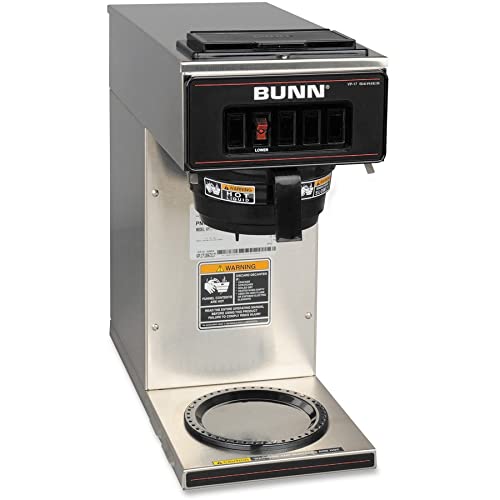 |
| Price on Amazon | |
Best Budget Electric Grinder  |
| Price on Amazon |
The Quick Answer: What Grind Size Is Best for Moka Pot?
For Moka pot coffee, start with a grind that is
| Grind Detail | Best Starting Point |
|---|---|
| Texture | Fine-medium |
| Looks like | Table sugar or fine sea salt |
| Compared with espresso | Slightly coarser |
| Compared with drip | Finer |
| Compared with V60 | Usually finer |
| Compared with the French press | Much finer |
| Main flavor goal | Strong but not bitter |
| Main flow goal | Steady, calm stream |
Blue Bottle’s moka pot guide recommends grinding coffee finer than pour-over but not as fine as espresso, roughly around granulated sugar texture, and also notes that moka pot coffee should not be tamped like espresso. Bialetti’s own guidance also says to fill the funnel generously, avoid creating a mound, and not press the coffee down.
That is the grind-size sweet spot in one sentence: fine enough to make moka coffee rich and coarse enough to let water flow without choking the pot.
Why Moka Pot Grind Size Matters So Much

Moka pot coffee is brewed by pressure created in the lower chamber as the water heats. That pressure pushes water up through the coffee basket and into the top chamber. Because the pressure is much lower and less controlled than that of an espresso machine, the grind needs to create some resistance without blocking the flow.
If the grind is too fine, the water struggles. The brew slows, the pot may sputter angrily, and the coffee can taste bitter or burnt. If the grind is too coarse, water passes too easily, and the coffee tastes weak, sour, thin, or hollow.
| Grind Size | What Happens | Cup Result |
|---|---|---|
| Espresso-fine | Too much resistance | Bitter, harsh, slow flow |
| Fine-medium | Balanced resistance | Strong, smooth, rich |
| Medium | Easier flow | Mild, sometimes weak |
| Medium-coarse | Too little resistance | Thin, sour, under-extracted |
| Coarse | Very fast extraction | Watery and unfinished |
A moka pot does not forgive extreme grind choices very well. It wants balance. The grounds need to be fine enough for concentration but open enough for the water to move through steadily.
A recent moka pot grind guide describes the best grind as fine-medium, finer than pour-over but coarser than espresso, and warns that espresso-fine grinding can lead to bitter, over-extracted, scorched coffee because moka pots do not push water through the grounds like espresso machines.
What Fine-Medium Moka Pot Grind Should Look Like
The easiest visual comparison is table sugar. Not powdered sugar. Not coarse raw sugar. Just regular granulated sugar or fine sea salt.
When you rub the grounds between your fingers, they should feel gritty and slightly fine, but not silky or dusty. If they clump like espresso powder or leave a heavy dust on your fingertips, they may be too fine. If they look like regular drip grind or coarse sand, they may be too coarse.
| Visual Texture | Best Use |
|---|---|
| Powdery flour | Too fine for a moka pot |
| Espresso powder | Usually too fine |
| Fine sea salt | Good moka starting point |
| Table sugar | Good moka starting point |
| Regular sand | Maybe too coarse |
| Raw sugar | Usually too coarse |
| Coarse sea salt | French press/cold brew zone |
If you only remember one thing, remember this: moka pot grind should be closer to espresso than drip, but not fully espresso-fine.
Moka Pot Grind Size vs. Espresso Grind
This is where many home brewers get stuck. Moka pot coffee looks strong, so people assume the espresso grind is correct. Sometimes a slightly espresso-like grind can work, especially with certain coffees and certain small pots, but for most home setups, a true espresso grind is too fine.
Espresso machines rely on high pressure, a tamped puck, and a precisely prepared basket. Moka pots use lower stovetop pressure and a loose coffee basket. If you grind too fine and tamp, you create too much resistance for the Moka pot’s design.
| Feature | Espresso | Moka Pot |
|---|---|---|
| Pressure | High machine pressure | Lower stovetop pressure |
| Grind | Fine | Fine-medium |
| Coffee bed | Tamped puck | Loose, level basket |
| Brew time | Usually short | Slower stovetop flow |
| Risk with too-fine grind | Slow shot | Bitter, choked, sputtering moka |
| Filter basket | Designed for pressure | Designed for loose fill |
Bialetti explicitly advises not pressing ground coffee in the moka funnel. Blue Bottle’s moka method also says the grounds should be leveled gently and not tamped like espresso.
So yes, Moka pot coffee can be strong. But it gets strong through the moka method, not by copying espresso puck preparation.
Moka Pot Grind Size vs. Drip Coffee Grind
Drip coffee usually uses a medium grind. The Moka pot needs something finer because the brew is shorter and more concentrated. If you use regular drip grind in a Moka pot, the water may move too easily through the grounds. The coffee can taste weak, sour, or dull.
| Brewing Method | Typical Grind |
|---|---|
| Espresso | Fine |
| Moka pot | Fine-medium |
| V60 | Medium-fine |
| Drip coffee | Medium |
| Chemex | Medium-coarse |
| French press | Coarse |
| Cold brew | Coarse |
The Moka pot sits between espresso and pour-over/drip. That is why it can feel tricky at first. If you already grind for drip coffee, go finer. If you already grind for espresso, go coarser.
How Pot Size Changes Grind Size
Moka pot size can affect the ideal grind. Smaller pots often have shorter brew paths and smaller baskets, so they may tolerate a slightly finer grind. Larger moka pots can become harsh if the grind is too fine because the coffee bed is larger and the brew can take longer.
| Moka Pot Size | Grind Direction |
|---|---|
| 1-cup | Fine-medium, sometimes slightly finer |
| 3-cup | Fine-medium |
| 6-cup | Fine-medium to slightly coarser |
| 9-cup | Slightly coarser, fine-medium |
| 12-cup | Coarser side of moka range |
This does not mean every small pot needs an espresso grind or every large pot needs a drip grind. It simply means your pot size changes how water moves through the basket. Use taste and flow to adjust.
For a 6-cup moka pot, Blue Bottle suggests about 20–22 grams of coffee and a grind finer than pour-over but not as fine as espresso. Epicurious, in its moka pot advice, also emphasizes using a grind closer to espresso but slightly coarser, not tamping, and brewing gently on a low flame to avoid bitterness.
How Roast Level Changes Moka Pot Grind Size
Roast level matters because darker roasts extract more easily, and lighter roasts usually need more help extracting.
| Roast Level | Grind Direction | Why |
|---|---|---|
| Light roast | Slightly finer | Needs more extraction help |
| Medium-light | Fine-medium | Balanced starting point |
| Medium | Fine-medium | Easiest to dial in |
| Medium-dark | Slightly coarser | Prevents harsh bitterness |
| Dark roast | Coarser side of moka range | Reduces burnt/ashy flavor |
For Moka pot beginners, I usually prefer medium to medium-dark roasts. They give the moka pot that rich, chocolatey, rounded feeling without becoming as sharp as very light roasts or as bitter as oily dark roasts.
A smooth medium option like Lavazza Qualità Oro Whole Bean Coffee can work well if you want a gentler cup. A more structured medium roast like Stumptown Holler Mountain Whole Bean Coffee can bring a little more sweetness and complexity. For milk drinks, a bolder medium-dark style such as Peet’s Major Dickason’s Blend Whole Bean Coffee can hold up nicely.
How Heat Changes the Grind Size Result
Grind size and heat work together. Even a perfect grind can taste bad if the heat is too high.
High heat pushes the moka pot too aggressively. The water can rush, sputter, overheat the coffee, and create a burnt taste. Low to medium-low heat gives the water time to move steadily through the basket.
| Heat Problem | What It Does | What You Taste |
|---|---|---|
| Heat too high | Fast, violent flow | Burnt, bitter, metallic |
| Heat too low | Slow or stalled brew | Flat, uneven, possibly sour |
| Good heat | Steady stream | Sweet, strong, balanced |
If your grind seems correct but the coffee still tastes burnt, do not immediately change the grinder. Lower the heat first. Moka pot coffee often improves dramatically when the brew becomes calmer.
Blue Bottle recommends removing the pot from the heat when hissing or gurgling begins near the end of brewing. Bialetti New Zealand also advises not using full heat and removing the pot once it is full to avoid boiling and burnt flavor.
How to Adjust Moka Pot Grind by Taste
Taste is the final judge. Watch the flow, smell the brew, and taste the cup after it cools slightly.
| Taste or Brew Problem | Likely Grind Issue | Fix |
|---|---|---|
| Bitter and harsh | Too fine | Grind coarser. |
| Burnt and sharp | Too fine or heat too high | Coarse grind and lower heat |
| Weak and watery | Too coarse | Grind finer. |
| Sour and thin | Too coarse or heat too low | Grind finer or increase the heat slightly. |
| Flow is slow and sputtering. | Too fine | Grind coarser. |
| Coffee sprays violently. | Too fine or heat too high | Coarser grind, lower heat |
| The flow is too fast. | Too coarse | Grind finer. |
| No coffee comes out. | Grind too fine or seal issue | Coarsen grind, check gasket. |
The best moka pot flow should look steady and syrupy in the beginning, then lighter near the end. If it blasts out like an angry fountain, something is wrong. If it barely comes out and then suddenly sputters, something is also wrong.
Should You Tamp Moka Pot Coffee?
No. Do not tamp Moka pot coffee.
You can gently settle the grounds by tapping the basket lightly or leveling the surface, but you should not press the coffee down like espresso. Tamping increases resistance and can make the brew bitter, slow, uneven, or unsafe.
Bialetti’s guidance is very clear: fill the funnel with ground coffee, avoid creating a mound, and do not press it down.
| Good Moka Basket Prep | Bad Moka Basket Prep |
|---|---|
| Fill the basket level. | Tamping hard |
| Distribute evenly. | Compressing the coffee |
| Wipe the rim clean. | Creating a mound |
| Leave grounds loose. | Packing tightly |
| Use the correct grind. | Using espresso-fine plus tamp |
The moka basket should be full and level, not compacted.
Burr Grinder vs. Blade Grinder for Moka Pot
A burr grinder is much better for a Moka pot because Moka brewing is sensitive to fines. A blade grinder chops coffee unevenly. Some particles become powder, while others remain too large. The powder over-extracts and can clog the basket. The larger pieces under-extract and taste weak. That mix can make moka coffee taste bitter and sour at the same time.
| Grinder Type | Moka Pot Result |
|---|---|
| Blade grinder | Uneven, bitter/weak mix |
| Entry-level burr grinder | Better consistency |
| Espresso-capable burr grinder | More fine control |
| Brew-focused grinder | Good if it reaches fine-medium |
| Manual burr grinder | Excellent if adjustable enough |
A flexible grinder like the Baratza Encore ESP is useful because it covers fine and filter-style ranges. The TIMEMORE Chestnut C2 can also work for a moka pot if you set it in the fine-medium range, especially for people who like manual grinding.
Can You Use Pre-Ground Coffee for a Moka Pot?
Yes, but only if the grind is suitable. Many Italian-style pre-ground coffees are designed with Moka pot use in mind. Standard drip pre-ground coffee may be too coarse. Espresso pre-ground coffee may be too fine, depending on the brand.
| Pre-Ground Type | Moka Pot Result |
|---|---|
| Moka-labeled ground coffee | Usually works best |
| Espresso pre-ground | Can be too fine |
| Drip pre-ground | Often too coarse |
| French press pre-ground | Too coarse |
| Whole beans ground fresh | Best control |
If your pre-ground Moka coffee tastes bitter and the pot sputters, it may be too fine, or the heat may be too high. If it tastes weak and pale, it may be too coarse or stale.
Whole beans are still better because you can adjust the grind. But moka-specific pre-ground coffee can be convenient and perfectly drinkable.
Step-by-Step: How to Grind and Brew Better Moka Pot Coffee
Here is a simple moka workflow built around the right grind size.
Ingredients and Tools
| Item | Amount or Setting |
|---|---|
| Moka pot | 3-cup or 6-cup |
| Coffee | Basket full and level |
| Water | Just below the safety valve |
| Grind | Fine-medium |
| Heat | Low to medium-low |
| Grinder | Burr grinder if possible |
Step 1: Grind Fine-Medium
Grind the coffee to a table-sugar or fine-sea-salt texture. If you are not sure, start slightly coarser than espresso.
Step 2: Fill Water Below the Valve
Add water to the bottom chamber, stopping just below the safety valve. Do not cover the valve.
Step 3: Fill the Basket Level
Add ground coffee until the basket is full and level. Do not tamp. Wipe loose grounds from the rim.
Step 4: Assemble Carefully
Screw the top and bottom together firmly. Make sure the gasket is seated properly.
Step 5: Brew on Gentle Heat
Place the pot on low to medium-low heat. Watch for a steady stream. Do not rush.
Step 6: Remove Before Violent Sputtering
When the stream turns pale or begins to gurgle, remove the pot from the heat. The last sputtering stage usually adds bitterness.
Step 7: Stir and Serve
Stir the coffee in the upper chamber before pouring because the first liquid is stronger than the last. Serve immediately.
Moka Pot Grind Size Troubleshooting
| Problem | What It Means | First Fix |
|---|---|---|
| Coffee tastes bitter. | Too fine or too much heat | Grind coarser/lower heat. |
| Coffee tastes weak. | Too coarse | Grind finer. |
| Coffee tastes sour. | Under-extracted | Grind finer. |
| Coffee tastes burnt. | Heat too high or brewed too long | Lower heat/remove earlier |
| Coffee has sludge. | Too many fines | Use a better grinder/coarser grind |
| The flow is too fast. | Grind too coarse. | Grind finer. |
| Flow is too slow. | Grind too fine. | Grind coarser. |
| The pot leaks at the seam. | Seal or gasket issue | Check the gasket and threading. |
| Coffee explodes upward. | Heat too high or grind too fine | Lower heat/coarser grind |
If you are changing grind size, keep everything else the same for the next brew. Same coffee, same water level, same heat setting, same pot. Otherwise, you will not know what fixed the cup.
Best Grind Size for Moka Pot Milk Drinks
If you plan to add milk, you may want the moka coffee a little stronger. The safest way is not to grind espresso fine or tamp. Instead, use a proper fine-medium grind, fill the basket fully, and avoid over-diluting with milk.
| Milk Drink Goal | Grind Direction |
|---|---|
| Strong iced milk coffee | Fine-medium |
| Moka latte-style drink | Fine-medium |
| Softer milk coffee | Slightly coarser, fine-medium |
| Very bold milk base | Slightly finer, but not powdery |
A simple moka milk drink:
- Brew moka pot coffee with a fine-medium grind.
- Remove before sputtering.
- Stir the finished coffee.
- Add 60–90 g of Moka coffee to a glass.
- Add ice and 120–180 g milk.
- Sweeten if desired.
If the coffee disappears in milk, use less milk or a bolder bean before changing to a risky grind.
Best Grinder Settings for Moka Pot
Exact grinder settings vary, so treat numbers as starting points only. A Moka pot usually sits between espresso and drip.
| If Your Grinder Has… | Start Around… |
|---|---|
| Espresso-to-French-press range | Just coarser than espresso |
| 40 numbered settings | Lower-middle fine range |
| Manual click settings | Finer than pour-over, coarser than espresso |
| Blade grinder | Use short pulses, but expect unevenness. |
| Pre-ground only | Choose a moka-specific grind. |
A good grinder setting is not the number someone else uses. It is the setting that gives your Moka pot a calm flow and a smooth cup.
My Personal Moka Pot Grind Routine
When I brew moka pot coffee, I start slightly coarser than espresso. I want the coffee to flow steadily, not choke. If the stream is thin and fast and the cup tastes weak, I go one step finer. If the stream is slow and sputtery and the cup tastes bitter, I go one step coarser.
My baseline looks like this:
| Variable | My Starting Point |
|---|---|
| Grind | Fine-medium |
| Texture | Fine sea salt/table sugar |
| Basket | Full and level |
| Tamping | None |
| Heat | Low to medium-low |
| Stop point | First gurgle/pale stream |
| Serve | Stir and pour immediately. |
The best moka pot grind is the one that lets the pot brew calmly. That calm flow is usually a better sign than any grinder number.
Best Gear for Moka Pot Grind Control
| Tool | Suggested Option | Why It Helps |
|---|---|---|
| Classic moka pot | Bialetti Moka Express | Traditional moka flavor |
| Induction moka pot | Bialetti Venus | Stainless/induction option |
| Burr grinder | Baratza Encore ESP | Fine-medium control |
| Manual grinder | TIMEMORE Chestnut C2 | Compact and adjustable |
| Scale | Hario V60 Drip Scale | Repeatable dose testing |
| Milk frother | Zulay Handheld Milk Frother | Café-style milk drinks |
| Bean storage | Coffee Bean Storage Canister | Fresher beans |
Final Thoughts: The Best Moka Pot Grind Is Fine-Medium
The best grind size for Moka pot coffee is fine-medium: finer than drip coffee, usually finer than V60, but coarser than true espresso. Think table sugar or fine sea salt. That texture gives the moka pot enough resistance to make strong coffee while still letting water pass through smoothly.
If your moka coffee tastes bitter, harsh, or burnt, or if the pot sputters badly, grind coarser and lower the heat. If it tastes weak, sour, or watery, grind slightly finer. Do not tamp the basket. Do not use high heat to force strength. Do not chase every last sputtering drop.
Moka pot coffee is at its best when the brew is calm, steady, and stopped before the harsh ending stage. Once you find the right fine-medium grind for your pot, your beans, and your stove, the moka pot becomes one of the simplest ways to make strong, satisfying coffee at home without an espresso machine.
FAQ: Best Grind Size for Moka Pot Coffee
What grind size is best for Moka pot coffee?
The best grind size for Moka pot coffee is fine-medium, similar to table sugar or fine sea salt. It should be finer than drip coffee but usually coarser than espresso.
Is the espresso grind too fine for a Moka pot?
Often, yes. A true espresso grind can be too fine for a moka pot because the pot does not use espresso-machine pressure. It can slow the brew, increase bitterness, and cause sputtering.
Should Moka pot coffee be finer than drip coffee?
Yes. Moka pot coffee should usually be finer than drip coffee because the brew is shorter and more concentrated.
Should I tamp coffee in a Moka pot?
No. Fill the basket evenly and level it gently, but do not tamp. Pressing the coffee can block the flow and create bitter or unsafe brewing behavior.
Why is my Moka pot coffee bitter?
Moka pot coffee often tastes bitter because the grind is too fine, the heat is too high, the coffee was tamped, or the pot stayed on the stove too long.
Why is my Moka Pot coffee weak?
Weak moka pot coffee usually means the grind is too coarse, the basket is underfilled, the coffee is stale, or the brew stopped too early.
What should a moka pot grind look like?
It should look like table sugar, fine sea salt, or slightly gritty sand. It should not be powdery like espresso flour or chunky like a French press grind.
Can I use pre-ground coffee for a Moka pot?
Yes, especially if it is labeled for a moka pot. Regular drip pre-ground coffee may be too coarse, while espresso pre-ground coffee may be too fine.
Does the Moka pot size affect the grind size?
Slightly. Smaller moka pots may tolerate a slightly finer grind, while larger moka pots may need a slightly coarser fine-medium grind to avoid bitterness.
What grinder is best for a moka pot?
A burr grinder with good fine-to-medium adjustment is best. It should grind finer than drip but not force you into espresso-only settings.


