
How to Dial In Coffee Without Wasting Beans


OneHundredCoffee is reader-supported, and some products displayed may earn us an affiliate commission. Details
Dialing in coffee without wasting beans is all about making smaller, smarter changes instead of randomly brewing full-size cups until the bag is half gone. The goal is not to chase perfection by burning through 200 grams of coffee in one morning. The goal is to build a repeatable starting recipe, taste carefully, identify what is wrong, and adjust only one variable at a time. Once you know whether the coffee is sour, bitter, weak, hollow, muddy, or flat, you can make a targeted change and get closer to the right result with much less waste.
I used to think dialing in meant brewing cup after cup until something magically tasted good. That approach works eventually, but it is expensive, frustrating, and honestly not very educational. A better approach is to treat each brew like a clue. If the coffee tastes sour and drains quickly, that tells you something. If it tastes bitter and takes too long, that tells you something else. If the flavor is balanced but weak, the problem is probably the ratio, not the grind. If the cup tastes hollow but not exactly sour, it may need a little more extraction or a stronger recipe. When you read the cup properly, every brew teaches you something.
As we discussed in our published article, “Why Your Coffee Tastes Under-Extracted,” sour, sharp, thin coffee usually needs more extraction. And as we covered in Why Your Coffee Tastes Over-Extracted, bitter, dry, harsh coffee usually needs gentler extraction. Dialing in is the practical middle ground between those two problems. You are trying to move the coffee into that sweet zone where acidity, sweetness, body, aroma, and finish all feel balanced.
The biggest bean-saving trick is simple: do not brew full-size batches while experimenting. If your usual pour-over is 20 grams of coffee, test with 10–12 grams first. If your usual French press uses 30 grams, test with 15 grams. If you are dialing in the AeroPress, use 10–12 grams instead of 18 grams. Espresso is harder because baskets have dose limits, but even there, you can save beans by starting from a known recipe, making small grind changes, and tasting intentionally instead of pulling random shots.
Best Coffee Beans With No Waste
| Image | Product | Features | Price |
|---|---|---|---|
|
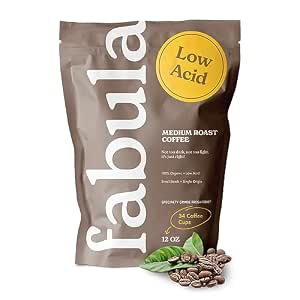
Best Gentle Cup
|
Organic low-acid roast
|
Price on Amazon | |
|
Best Daily Smooth

|
Organic Colombian beans
|
Price on Amazon | |
|
Best Guatemala Pick

|
Smooth medium roast
|
Price on Amazon | |
|
Best Costa Rica

|
Smooth organic roast
|
Price on Amazon | |
|
Best Small Batch

|
Mellow organic blend
|
Price on Amazon | |
|
Best Light Roast

|
Sweet low acidity
|
Price on Amazon | |
|
Best Espresso Pick

|
Low-acid espresso roast
|
Price on Amazon | |
|
Best Bold Smooth
|
Dark low-acid body
|
Price on Amazon | |
|
Best Decaf Option
|
Swiss Water decaf
|
Price on Amazon | |
|
Best Ground Backup

|
Very low-acid roast
|
Price on Amazon |
The Quick Answer: How to Dial In Coffee Without Wasting Beans
The fastest low-waste dialing-in method is:
- Start with a reliable recipe.
- Brew a smaller test cup.
- Taste for one main problem.
- Change only one variable.
- Keep notes.
- Stop when the coffee tastes good, not perfect.
| Taste Problem | Likely Cause | Low-Waste Fix |
|---|---|---|
| Sour, sharp, thin | Under-extracted | Grind finer or brew longer |
| Bitter, dry, harsh | Over-extracted | Grind coarser or brew shorter |
| Balanced but weak | Ratio too light | Use more coffee or less water |
| Balanced but too strong | Ratio too strong | Add water or use less coffee |
| Hollow | Missing sweetness/body | Grind finer or use stronger ratio |
| Muddy | Too many fines/over-agitation | Grind coarser, filter better |
| Flat | Stale beans or poor water | Check freshness/water |
| Sour and bitter together | Uneven extraction | Improve saturation or puck prep |
The most important rule is this:
Change extraction with grind, time, and temperature. Change strength with the ratio.
That one sentence saves a lot of beans.
Why People Waste Beans While Dialing In
Most bean waste happens because people change too many things at once. They brew one cup, decide it tastes bad, then change the grind, ratio, water temperature, pour pattern, brew time, and dose altogether. The next cup tastes different, but they do not know why. So they change everything again. After six brews, the bag is lighter, and the recipe still feels confusing.
Another common mistake is chasing someone else’s grinder setting. Grinder numbers are not universal. A “setting 12” on one grinder can mean something totally different on another grinder. Even on the same model, burr alignment, roast level, bean density, and age can change the result. Use other people’s settings only as rough starting points.
Bean waste also happens when people brew full batches during testing. A 30 g Chemex test is expensive if the coffee tastes wrong. A 10–15 g mini-brew teaches you almost the same lesson with half the coffee.
| Bean-Wasting Habit | Smarter Alternative |
|---|---|
| Brewing full batches while testing | Brew half-size test cups |
| Changing many variables | Change one variable |
| Chasing exact grinder numbers | Use taste and flow |
| Ignoring notes | Write simple brew logs |
| Dumping every imperfect cup | Dilute, ice, or milk it |
| Dialing in tired/stale beans | Use fresh whole beans |
| Testing with random water | Use consistent water |
| Judging while coffee is too hot | Taste again as it cools |
Dialing in is not about guessing harder. It is about making the next brew more informed than the last one.
Start with a Baseline Recipe
A baseline recipe is your safe starting point. It does not need to be perfect. It just needs to be reasonable enough that the first cup gives useful feedback.
Here are simple baseline recipes by method:
| Method | Coffee | Water / Yield | Grind | Time |
|---|---|---|---|---|
| V60 | 12 g | 192 g | Medium-fine | 2:15–3:15 |
| Chemex mini-brew | 18 g | 288 g | Medium-coarse | 3:30–5:00 |
| Drip coffee | 30 g | 500 g | Medium | Machine-dependent |
| AeroPress | 12 g | 180 g | Medium-fine | 1:30–2:00 |
| French press | 15 g | 225 g | Coarse | 4:00 |
| Cold brew test | 40 g | 320 g | Coarse | 14–18 hr |
| Espresso | Basket dose | 1:2 yield | Fine | 25–30 sec |
| Moka pot | Basket level | Water below valve | Fine-medium | Gentle flow |
For most manual brewing, a 1:16 ratio is a safe baseline. For example, 12 g of coffee to 192 g of water. If you prefer fuller cups, start closer to 1:15. If you prefer lighter cups, start closer to 1:17.
Use Smaller Test Brews
Small test brews are the easiest way to save beans. You do not need a giant mug to learn whether the coffee is sour, bitter, hollow, or muddy.
For pour-over, instead of brewing 20 g of coffee and 320 g of water, test with 10–12 g of coffee and 160–192 g of water. For AeroPress, use 10–12 g coffee. For the French press, use 15 g of coffee and 225 g of water in a smaller press or heat-safe jar. For cold brew, make a mini jar instead of a full bottle.
| Normal Brew | Test Brew |
|---|---|
| 20 g coffee + 320 g water | 10 g coffee + 160 g water |
| 30 g coffee + 480 g water | 15 g coffee + 240 g water |
| 18 g AeroPress + 240 g water | 12 g AeroPress + 180 g water |
| 30 g French press + 450 g water | 15 g French press + 225 g water |
| 100 g cold brew + 800 g water | 40 g cold brew + 320 g water |
Small brews are not always identical to large brews. Flow, heat retention, and bed depth can change. But they are close enough for learning direction. Once the small brew tastes good, scale up and fine-tune.
Taste the Coffee Before Changing Anything
This sounds obvious, but many people judge a cup too quickly. Coffee changes as it cools. A cup that tastes sharp when boiling may taste sweeter after a few minutes. A bitter finish may become more obvious as the cup cools. A hollow cup may show itself only after the first sip.
Taste in three stages:
| Temperature Stage | What You Notice |
|---|---|
| Very hot | Aroma, general strength |
| Warm | Sweetness, acidity, balance |
| Cooler | Bitterness, clarity, aftertaste |
Do not dial in based only on the first scorching sip. Let the coffee cool slightly, then taste again. You may save yourself an unnecessary adjustment.
Learn the Four Main Taste Directions
You do not need professional cupping language to dial in coffee. You just need to identify the main problem.
Sour
Sour coffee usually needs more extraction.
Fix with:
- finer grind
- hotter water
- longer brew time
- better bloom/saturation
- slightly more agitation
Bitter
Bitter coffee usually needs less aggressive extraction.
Fix with:
- coarser grind
- cooler water
- shorter brew time
- less agitation
- shorter espresso yield
Weak
Weak coffee may need more concentration or more extraction.
Fix with:
- stronger ratio if balanced
- finer grind if sour
- longer brew time if thin
- less dilution if iced or milk-based
Muddy
Muddy coffee usually needs a cleaner extraction.
Fix with:
- coarser grind
- better grinder
- paper filter
- less agitation
- shorter steep
- cleaner equipment
Once you can identify these four directions, dialing in becomes much easier.
Change Only One Variable at a Time
This is the rule that saves the most beans.
If the coffee tastes sour and you grind finer, do not also change the water temperature, ratio, pouring pattern, and brew time in the same brew. Make one change. Taste. Then decide.
| Brew 1 Problem | Change for Brew 2 |
|---|---|
| Sour and fast | Grind finer |
| Sour but normal time | Use hotter water |
| Bitter and slow | Grind coarser |
| Bitter but normal time | Use cooler water |
| Weak but balanced | Stronger ratio |
| Strong but balanced | Add water |
| Muddy | Grind coarser or filter better |
| Hollow | Stronger ratio or more extraction |
When you change one variable, the next cup gives useful information. When you change five, you learn almost nothing.
Use a Simple Brew Log
You do not need a fancy spreadsheet. A simple note on your phone is enough.
Write:
- coffee name
- roast level
- dose
- water amount
- grind setting
- water temperature
- brew time
- taste
- next change
Example:
| Brew | Dose | Water | Grind | Time | Taste | Next Change |
|---|---|---|---|---|---|---|
| 1 | 12 g | 192 g | 16 | 2:20 | Sour, thin | Finer grind |
| 2 | 12 g | 192 g | 14 | 2:50 | Better, slight sour | Hotter water |
| 3 | 12 g | 192 g | 14 | 3:00 | Sweet, balanced | Keep |
That tiny log prevents you from repeating mistakes. It also helps you understand each coffee faster.
Dial In Grind Size Without Wasting Beans
Grind size is the main adjustment for most brewing methods. But you do not need huge jumps. Small changes are usually enough.
| Taste | Grind Move |
|---|---|
| Sour | Finer |
| Weak and fast | Finer |
| Hollow and fast | Finer |
| Bitter | Coarser |
| Dry | Coarser |
| Muddy | Coarser |
| Stalled drawdown | Coarser |
| Hard AeroPress press | Coarser |
For pour-over, move one or two clicks finer or coarser. For espresso, make tiny adjustments because espresso is very sensitive. For French press and cold brew, avoid going too fine because sediment can increase quickly.
The safest bean-saving approach is
- Brew one small cup.
- Judge sour vs. bitter.
- Move the grind one step.
- Brew the same small recipe again.
- Stop adjusting when it tastes good enough.
Do not chase perfection. Coffee changes as beans age, and perfection can become expensive.
Dial In Ratio Without Wasting Beans
Ratio controls strength. It is the first thing to check if the coffee tastes balanced, but too weak or too strong.
| Taste | Ratio Fix |
|---|---|
| Balanced but weak | Use more coffee or less water |
| Balanced but too strong | Use more water or less coffee |
| Sour and weak | Fix extraction first, then ratio |
| Bitter and strong | Fix extraction first, then dilute if needed |
| Hollow but not sour | Slightly stronger ratio |
| Iced coffee weak | Brew stronger before ice |
| Milk drink weak | Brew concentrate |
A small ratio change can save a cup. If your brew tastes balanced but slightly too intense, do not throw it away. Add hot water. If iced coffee tastes too strong, add ice or milk. If it tastes too weak, next time brew stronger from the start.
Simple ratio map:
| Ratio | Cup Style |
|---|---|
| 1:17 | Light, delicate |
| 1:16 | Balanced daily cup |
| 1:15 | Fuller cup |
| 1:14 | Stronger, heavier |
| 1:10 or tighter | Concentrate-style brewing |
For most filter coffee, test between 1:15 and 1:17 before making more dramatic changes.
Dial In Water Temperature Without Wasting Beans
Temperature is useful after the grind and ratio are close. Hotter water extracts more. Cooler water extracts less aggressively.
| Taste | Temperature Fix |
|---|---|
| Sour but brew time is okay | Hotter water |
| Hollow light roast | Hotter water |
| Bitter medium/dark roast | Cooler water |
| Dry finish | Cooler water |
| Dark roast harsh | Cooler water |
| Light roast grassy | Hotter water |
Beginner temperature guide:
| Roast | Starting Temperature |
|---|---|
| Light roast | 202–205°F |
| Medium-light | 200–203°F |
| Medium | 198–202°F |
| Medium-dark | 192–198°F |
| Dark roast | 185–195°F |
Without a temperature-control kettle, boil water and wait. Use water sooner for light roasts and wait longer for dark roasts.
Temperature changes should be small. Move 5°F at a time if possible.
Dial In Brew Time Without Wasting Beans
Brew time is a clue and a control. If the brew is obviously too fast or too slow, it tells you where to move.
| Method | Useful Time Target |
|---|---|
| V60 small brew | 2:00–3:15 |
| V60 standard brew | 2:45–3:45 |
| Chemex | 4:00–5:30 |
| AeroPress | 1:30–2:30 |
| French press | 4:00–5:00 |
| Espresso | 25–30 sec starting point |
| Cold brew | 14–18 hr |
| Moka pot | Steady flow, remove before sputter |
If brew time is too short and the cup is sour, grind finer. If brew time is too long and the cup is bitter, grind coarser. If brew time looks normal but the taste is still off, use temperature or ratio next.
Dial In Pour-Over Without Wasting Beans
Pour-over can waste beans quickly because each test cup often uses 20–30 g. Use a mini recipe first.
Low-Waste V60 Test Recipe
| Variable | Amount |
|---|---|
| Coffee | 12 g |
| Water | 192 g |
| Ratio | 1:16 |
| Grind | Medium-fine |
| Bloom | 30 g for 30–45 sec |
| Total time | 2:15–3:15 |
Taste and adjust:
| Result | Next Brew |
|---|---|
| Sour and fast | Grind finer |
| Bitter and slow | Grind coarser |
| Weak but clean | Use 13 g coffee or 180 g water |
| Hollow | Grind finer or use hotter water |
| Muddy | Grind coarser, pour gentler |
| Good but too strong | Add water after brewing |
Once the 12 g brew tastes close, scale to 20 g coffee and 320 g water. You may need a tiny grind adjustment because bigger brews flow differently.
Dial In Chemex Without Wasting Beans
Chemex normally uses more coffee, so mini-tests help a lot. Instead of brewing 30–40 g, start with 18 g.
Low-Waste Chemex Test Recipe
| Variable | Amount |
|---|---|
| Coffee | 18 g |
| Water | 288 g |
| Ratio | 1:16 |
| Grind | Medium-coarse |
| Bloom | 45–55 g |
| Time | 3:30–5:00 |
Chemex tends to taste hollow if the grind is too coarse or the ratio is too light. It tastes bitter and dry if the drawdown stalls.
| Result | Next Brew |
|---|---|
| Hollow and clean | Use stronger ratio |
| Sour and quick | Grind finer |
| Bitter and slow | Grind coarser |
| Thin | Hotter water or stronger ratio |
| Dry | Coarser grind or cooler water |
Chemex is clean by nature, so do not expect a French press body. Dial for sweetness and clarity.
Dial In AeroPress Without Wasting Beans
AeroPress is one of the easiest low-waste brewers because it works well with small doses.
Low-Waste AeroPress Test Recipe
| Variable | Amount |
|---|---|
| Coffee | 10–12 g |
| Water | 150–180 g |
| Ratio | 1:15 |
| Grind | Medium-fine |
| Steep | 1:30–2:00 |
| Press | Gentle |
Taste and adjust:
| Result | Next Brew |
|---|---|
| Sour | Grind finer or steep longer |
| Bitter | Grind coarser or steep shorter |
| Weak | Use 12–14 g or less water |
| Too strong | Add hot water after pressing |
| Muddy | Grind coarser; press gentler |
| Hollow | Use hotter water or stronger ratio |
The AeroPress is forgiving, so it is perfect for learning how grind, time, and temperature change flavor.
Dial In French Press Without Wasting Beans
A French press can waste beans if you brew a full 500–700 ml batch every time. Use a small press or heat-safe jar for testing.
Low-Waste French Press Test Recipe
| Variable | Amount |
|---|---|
| Coffee | 15 g |
| Water | 225 g |
| Ratio | 1:15 |
| Grind | Coarse |
| Steep | 4 minutes |
Taste and adjust:
| Result | Next Brew |
|---|---|
| Weak | Use 16–17 g or steep longer |
| Sour | Grind slightly finer or steep longer |
| Bitter | Grind coarser or steep shorter |
| Muddy | Grind coarser, pour gently |
| Hollow | Stronger ratio |
| Too heavy | Use slightly less coffee or decant the cleaner. |
Pour gently and leave the last sediment-heavy liquid behind. That keeps the cup cleaner without needing a new brew.
Dial In Espresso Without Wasting Beans
Espresso is the hardest method to dial in without waste because each shot uses a basket-specific dose. Still, you can reduce waste by starting from a known recipe and making small, logical changes.
Beginner Espresso Baseline
| Variable | Amount |
|---|---|
| Dose | 18 g, or basket’s proper dose |
| Yield | 36 g |
| Ratio | 1:2 |
| Time | 25–30 sec |
| Grind | Fine |
| Puck prep | Consistent |
Taste and adjust:
| Shot Result | Next Shot |
|---|---|
| 36 g in 15 sec, sour | Grind finer |
| 36 g in 45 sec, bitter | Grind coarser |
| 36 g in 28 sec, sour | Pull longer or raise temp |
| 36 g in 28 sec, bitter | Pull shorter or lower temp |
| Sour and bitter together | Improve puck prep |
| Thin and fast | Grind finer |
| Dry and harsh | Pull shorter |
Bean-saving espresso tips:
- Do not change the dose every shot.
- Keep the yield fixed while adjusting the grind.
- Make tiny grind changes.
- Taste even bad shots.
- Use milk for imperfect shots instead of dumping them.
- Once close, adjust yield instead of endlessly chasing time.
- Use medium roast while learning; it is more forgiving.
Espresso will always waste some beans during dialing in, but it wastes far fewer when every shot has a purpose.
Dial In Moka Pot Without Wasting Beans
A Moka pot is tricky because the basket is designed to be filled. You cannot easily brew tiny test doses unless you use a smaller pot. The best bean-saving move is to choose the right pot size.
If you want one serving, use a 1-cup or 3-cup moka pot, not a 6-cup or 9-cup pot.
Moka Pot Dial-In Baseline
| Variable | Starting Point |
|---|---|
| Water | Just below safety valve |
| Coffee | Basket full and level |
| Grind | Fine-medium |
| Heat | Low to medium-low |
| Stop | First gurgle/pale stream |
| Tamping | Never tamp |
Taste and adjust:
| Result | Next Brew |
|---|---|
| Sour/weak | Grind slightly finer |
| Bitter/burnt | Grind coarser or lower heat |
| Hollow | Fill basket level; use fresh beans |
| Muddy | Grind coarser, lower heat |
| Metallic/harsh | Clean pot, remove earlier |
| Too strong | Dilute after brewing |
Do not tamp Moka pot coffee. Do not use high heat. Do not chase the final sputtering liquid.
Dial In Cold Brew Without Wasting Beans
Cold brew can waste a lot of coffee because batches are large. Start with a jar test.
Low-Waste Cold Brew Test Recipe
| Variable | Amount |
|---|---|
| Coffee | 40 g |
| Water | 320 g |
| Ratio | 1:8 |
| Grind | Coarse |
| Steep | 14–18 hours |
| Filter | Mesh, then paper if needed |
Taste the concentrate, then dilute.
| Result | Next Batch |
|---|---|
| Weak | Use 1:6 or dilute less |
| Sour/grassy | Steep longer or grind slightly finer |
| Bitter/woody | Steep shorter or grind coarser |
| Muddy | Filter better; do not squeeze |
| Hollow | Stronger ratio or fresher beans |
| Too strong | Dilute more |
Cold brew dialing-in takes longer, but mini-batches save a lot of beans.
How to Save Imperfect Cups Instead of Dumping Them
Not every imperfect brew needs to go down the sink. Many can be rescued.
| Problem Cup | Save It By |
|---|---|
| Too strong but balanced | Add hot water |
| Slightly bitter | Add milk |
| Slightly sour | Add a pinch of sugar or use with milk |
| Weak iced coffee | Use less ice or add cold brew concentrate |
| Strong AeroPress | Bypass with hot water |
| Bitter cold brew | Dilute and add milk |
| Thin moka pot | Use in iced milk drink |
| Failed espresso | Turn into latte/cappuccino |
Of course, truly bad coffee is not worth forcing. But if it is only slightly off, use it creatively. That reduces waste and frustration.
Use One “Learning Coffee” at a Time
Dialing in becomes much easier when you use the same coffee for several brews. If you keep switching beans, you cannot tell whether the flavor changed because of your recipe or because the coffee changed.
For learning, choose a medium roast whole bean with balanced flavor. Avoid extremely light roasts and very dark, oily roasts while building confidence.
Good learning-coffee traits:
| Trait | Why It Helps |
|---|---|
| Medium roast | Easier extraction |
| Whole bean | Better freshness |
| Not too oily | Cleaner grinder and cup |
| Chocolate/caramel notes | Easier sweetness target |
| Fresh but rested | More stable brewing |
| Consistent bag | Better repeatability |
Use one coffee for a week and learn it. That teaches more than five different coffees brewed once each.
Know When to Stop Dialing In
This is underrated. Sometimes the coffee is already good enough, and continuing to adjust only wastes beans.
Stop dialing in when:
- The cup tastes sweet enough
- The bitterness is pleasant
- The acidity is balanced
- The body feels satisfying
- The brew is repeatable
- You would happily drink it again
You do not need to make every cup competition-level. Home brewing should be enjoyable. Dial until the coffee tastes good, then drink it.
A useful mindset:
The first brew teaches.
The second brew improves.
The third brew should be drinkable.
If you need ten brews to enjoy a coffee, the coffee may not suit your taste, your grinder, or your brew method.
Low-Waste Dial-In Cheat Sheet
| Taste | Meaning | First Adjustment |
|---|---|---|
| Sour | Under-extracted | Grind finer |
| Bitter | Over-extracted | Grind coarser |
| Weak but balanced | Too diluted | Use stronger ratio |
| Strong but balanced | Too concentrated | Add water |
| Hollow | Missing sweetness/body | Stronger ratio or finer grind |
| Muddy | Too many fines/heavy extraction | A coarser grind/filter better |
| Flat | Stale beans/water issue | Fresh beans/better water |
| Sour + bitter | Uneven extraction | Improve saturation/puck prep |
Best Tools for Dialing In Without Waste
| Tool | Suggested Option | Why It Helps |
|---|---|---|
| Scale with timer | Hario V60 Drip Scale | Measures dose, water, and time |
| Flexible grinder | Baratza Encore ESP | Controlled grind changes |
| Brew grinder | Fellow Ode Brew Grinder Gen 2 | Cleaner filter coffee |
| Manual grinder | TIMEMORE Chestnut C2 | Compact low-dose grinding |
| Kettle | Fellow Stagg EKG | Repeatable temperature |
| AeroPress | AeroPress Original | Great low-waste testing |
| V60 dripper | Hario V60 Ceramic Dripper | Easy small pour-over tests |
| French press | Bodum Chambord French Press | Simple immersion testing |
If I had to choose only one tool for reducing waste, I would choose a scale. If I could choose two, I would choose a scale and a burr grinder.
My Personal Low-Waste Dial-In Routine
When I open a new bag, I usually make a small test brew first. For pour-over, I use 12 g of coffee and 192 g of water. For AeroPress, I use 12 g and 180 g. For the French press, I use 15 g and 225 mL. I do not start with a large batch unless I already know the coffee.
Then I taste and choose one direction.
If it is sour, I grind finer.
If it is bitter, I grind coarser.
If it is weak but balanced, I strengthen the ratio.
If it is hollow, I improve the extraction or use a fuller ratio.
If it is muddy, I grind coarser or filter better.
If it is flat, I check the freshness and water.
My goal is not to find the perfect recipe immediately. My goal is to make the second brew better than the first. That mindset saves beans and makes dialing in feel less stressful.
Final Thoughts: Dialing In Should Teach You, Not Empty the Bag
Dialing in coffee without wasting beans comes down to small brews, clear tasting, and controlled changes. Start with a reliable baseline recipe. Brew a smaller test cup. Taste for the main problem. Change one variable. Keep simple notes. Stop when the cup tastes good enough to enjoy.
If the coffee is sour, extract more. If it is bitter, extract less. If it is weak but balanced, strengthen the ratio. If it is muddy, clean up the grind and filtration. If it is hollow, build more sweetness and body. If it is flat, check the freshness and water.
The more you understand what each flavor problem means, the fewer beans you waste. Dialing in stops being random and becomes a calm process: brew, taste, adjust, repeat once or twice, then enjoy the coffee while it is still fresh.
FAQ: How to Dial In Coffee Without Wasting Beans
How do I dial in coffee without wasting beans?
Use smaller test brews, start with a reliable recipe, change only one variable at a time, and keep simple notes. Adjust based on taste instead of guessing.
What is the best first adjustment when coffee tastes sour?
Grind finer first, especially if the brew was fast. You can also use hotter water or brew longer if the grind is already close.
What is the best first adjustment when coffee tastes bitter?
Grind coarser first, especially if the brew was slow. You can also lower the water temperature or shorten the brew time.
How do I know if I should change the ratio or grind?
Change the ratio when the coffee tastes balanced but too weak or too strong. Change grind when the coffee tastes sour, bitter, hollow, muddy, or under/over-extracted.
Can I dial in pour-over with less coffee?
Yes. Use a small recipe like 12 g of coffee to 192 g of water. Once it tastes good, scale up to your normal brew size and fine-tune slightly.
How do I dial in espresso without wasting too many beans?
Keep the dose constant, use a 1:2 ratio as a starting point, make small grind changes, and taste every shot. Do not change dose, yield, and grind all at once.
What is the best low-waste brewer for learning?
AeroPress is excellent for low-waste testing because it works well with small doses and is easy to adjust by grind, time, temperature, and ratio.
Should I keep notes while dialing in?
Yes. A simple note with dose, water, grind, time, taste, and next change can save many wasted brews.
What should I do with bad coffee instead of throwing it away?
If it is only slightly off, dilute it, add milk, serve it over ice, or use it in a milk drink. Truly unpleasant coffee can be discarded, but many imperfect cups are still usable.
When should I stop dialing in?
Stop when the coffee tastes sweet, balanced, and enjoyable. You do not need perfection. A good repeatable cup is the goal.


