
Best Moka Pot Gear: Modern Tools for Better Home Brews Today


OneHundredCoffee is reader-supported, and some products displayed may earn us an affiliate commission. Details
The moka pot is having a full-on comeback moment—and honestly, I get it. There’s something quietly addictive about that little octagonal pot: the hiss, the gentle gurgle, the smell that fills your kitchen like you own a tiny neighborhood café, and the way it makes coffee that feels bold and comforting at the same time. It’s not espresso in the strict, café-machine sense… but it scratches the same itch. It gives you intensity, body, and that “I’m awake and capable” vibe—without needing a big machine, a grinder the size of a microwave, or a counter that looks like a science lab.
Who is this for?
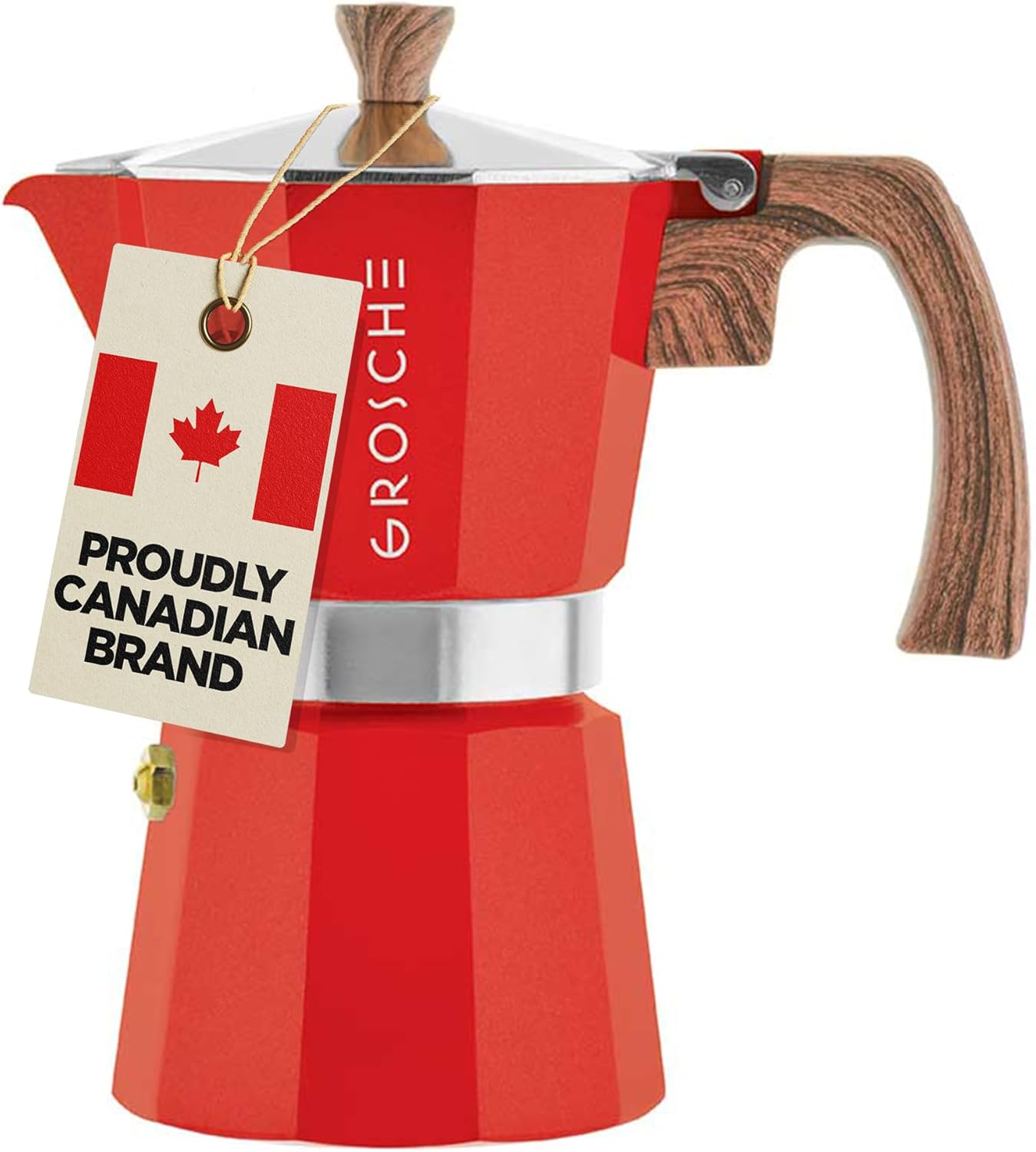
The GROSCHE Milano Moka Pot is for coffee lovers who crave bold stovetop espresso at home. Easy to use and made with durable aluminum, it’s perfect for fans of Italian-style coffee. Ideal for travelers, minimalists, or anyone wanting rich flavor without the bulk or expense of electric machines.
Price on AmazonBut here’s the modern twist: people aren’t just “making moka coffee” anymore. They’re dialing it in. They’re treating it like a craft brew method. They’re pairing it with better grinders, smarter heat control, scales, milk frothing, and even brew recipes that make it taste smoother and sweeter than the old-school bitter version many of us grew up with. The revival isn’t nostalgia—it’s a glow-up.
And the best part? The moka pot is one of the easiest ways to make café-style drinks at home when you learn a few small details that change everything. I’m talking about the difference between “harsh and burnt” and “chocolatey, syrupy, and honestly kind of luxurious.”
A quick roundup of our top stovetop espresso and moka pots
| Image | Product | Features | Price |
|---|---|---|---|
Best Overall  | Best Overall
| Price on Amazon | |
Best Durable  | Best Durable
| Price on Amazon | |
Best Price  | Best Price
| Price on Amazon | |
Best Design  | Best Design
| Price on Amazon | |
Best Brewing  | Best Brewing
| Price on Amazon | |
Best Capacity  | Best Capacity
| Price on Amazon |
So if you’ve been wondering whether a moka pot is worth it in 2026—or which one to buy, how to use it without bitterness, how to make latte-style drinks, or how to build a simple moka station at home—this is the deep, friendly guide I wish someone handed me earlier.
Modern Moka Pot Revival Gear Picks for Better Home Brewing
| Image | Product | Best for | Why it fits the “modern twist” | Amazon |
|---|---|---|---|---|
|
Classic pick

|
Classic moka flavor + easiest learning curve |
|
Price on Amazon | |
|
Induction-friendly

|
Induction cooktops + cleaner stainless profile |
|
Price on Amazon | |
|
Crema-like foam

|
More crema-like texture (moka “espresso vibe”) |
|
Price on Amazon | |
|
Design icon

|
Design lovers who still want great coffee |
|
Price on Amazon | |
|
Budget-friendly

|
Budget-friendly moka with comfy handling |
|
Price on Amazon | |
|
Consistency tool

|
Getting consistent, repeatable moka results |
|
Price on Amazon | |
|
Compact grinder
|
Small kitchens + fresh grinding without spending big |
|
Price on Amazon | |
|
Workhorse pick

|
Best “set it and forget it” moka grinding |
|
Price on Amazon | |
|
Milk upgrade

|
Turning moka into cappuccino-style drinks |
|
Price on Amazon | |
|
Color pop

|
Colorful kitchens + gifting + daily fun |
|
Price on Amazon |
Why the moka pot is suddenly cool again (and why it never stopped being useful)
Let’s be real: the moka pot never left. It just got… ignored. For a while, home coffee culture got split into two loud groups. On one side, pod machines that promised speed and “good enough.” On the other side, ultra-precise espresso setups with grinders, PID temps, pressure profiles, bottomless portafilters, and a learning curve that basically required a minor degree in patience.
And the moka pot quietly sat in the middle like, “Hi. I’ve been here the whole time. I’m affordable. I’m durable. I don’t need Wi-Fi. And I can make coffee that tastes like a real coffee moment.”
The revival is happening because people want rituals again. Not complicated rituals—comfort rituals. The kind that makes your morning feel grounded. The moka pot is hands-on enough to feel satisfying but simple enough to fit real life. You can brew while your toast pops, while your kids are asking you questions you don’t have answers for, or while you’re half-awake and still deciding if you’re a person today.
Also, the modern kitchen changed. Induction cooktops became common. Small apartments became common. Minimalist counters became a thing. The moka pot fits all of that. It doesn’t demand space. It doesn’t look ugly. And unlike many gadgets, it doesn’t become e-waste when a circuit board dies.
But the biggest reason it’s cool again? People learned how to stop making it bitter.
Moka coffee has this unfair reputation for being harsh and burnt. And yes—if you blast it on high heat, pack the basket like you’re angry at it, and let it sputter until it smells like sadness… you’ll get harsh coffee.
The new moka approach is gentler. More controlled. More like, “Let’s make this taste sweet, thick, and smooth.” That’s the modern twist. You’re still using the same iconic brewer, but you’re brewing with a 2026 brain.
The moka pot isn’t espresso—so let’s set expectations the right way.
I love Moka coffee, but I also love truth. The moka pot does not make true espresso. Espresso is made with finely ground coffee under high pressure (usually around 9 bar) in a short extraction. A moka pot brews with lower pressure and longer contact time, giving you something more like “espresso-style strong coffee.”
Here’s why that matters: when people buy a moka pot expecting café espresso, they can feel disappointed. But when you buy a Moka pot expecting a bold base for milk drinks, Americanos, and strong “small cup” coffee, then it feels like a little miracle tool.
The moka pot’s superpower is body. It creates that thick, full mouthfeel that makes coffee feel serious. And it’s incredibly good at highlighting chocolatey, nutty notes in medium roasts. It can make darker roasts feel comforting. It can even make some light roasts interesting if your grind and heat are right.
Think of moka coffee as its own category: classic, intense, stovetop coffee with personality. It’s the kind of brew that pairs beautifully with sweet milk, with warm spices, with a little sugar, or with nothing at all if you like your coffee bold and direct.
If you’ve ever had coffee in an Italian home where someone casually pulls a moka pot off the stove like it’s no big deal—then you already know. It’s not espresso, but it’s deeply satisfying.
Picking the right moka pot size without regret
This is where so many people accidentally mess up. Moka pot “cups” are not your mug cups. They’re tiny espresso-style cups—usually around 30–50 ml per “cup,” depending on the pot and how you brew it.
So a “3-cup” moka pot is often perfect for one person who wants a strong serving. A “6-cup” can be a generous single serving or two smaller cups. And bigger sizes can be fantastic if you’re making milk drinks for multiple people… as long as you remember one key rule:
A moka pot likes to be brewed at its designed capacity.
Meaning: if you buy a 6-cup pot and try to brew “half” in it all the time, it gets finicky. The water level, the coffee bed depth, the flow rate—everything changes. The easiest path is choosing the size that matches how you actually drink coffee.
My practical, real-life sizing advice:
If you drink one strong coffee daily, get a 3-cup (or 4-cup style). If you drink a larger mug-style drink or make lattes, a 6-cup is the sweet spot. If you routinely serve two people, a 6-cup or 9-cup, depending on your habits.
If you’re unsure and you want the most “classic” starting point, the 6-cup Bialetti Moka Express is the training wheels of moka happiness. It’s iconic for a reason, and you can build your whole ritual around it without needing to fight it.
The modern moka workflow: how to make it smoother and less bitter
Okay. This is the part where Moka coffee stops tasting like “burnt stovetop memories” and starts tasting like something you’d proudly serve a friend.
The modern moka workflow is basically three ideas:
Gentler heat, better grind consistency, and stopping the brew earlier.
Start with water. People argue about hot water vs. cold water in the base. Here’s the honest vibe: using hot water helps reduce the time the coffee is exposed to heat while the pot is warming up. That can help reduce bitterness. But it also means you’re handling hot metal, so be careful. If you’re newer, you can absolutely use room-temperature water and just use lower heat. The bitterness usually comes more from high heat and over-extraction than from water temp alone.
Now the coffee basket. Don’t tamp it like espresso. Just fill it, level it, and gently settle it if needed. Tamping can restrict flow and lead to uneven extraction, which can taste sharp and unpleasant.
Heat control is the real magic. Don’t crank it. Medium-low is where Moka gets sweet. You want a steady, calm flow—not an angry sputter. When you hear it start to change tone and the stream starts turning pale or bubbly, that’s your sign that the good stuff is basically done.
And the modern trick: cool the base or run the bottom under cool water to stop the extraction right then. That one small move can turn a bitter cup into a smoother one.
This is the twist people don’t realize: moka coffee isn’t “naturally bitter.” It’s often overcooked. Once you treat it like a gentle brew instead of a stove race, it behaves.
If you want a moka pot that leans into this “stop before harshness” idea by design, the Alessi Pulcina has become a bit of a poster child for that. It’s also gorgeous on the counter, which doesn’t hurt.
Grind size: the quiet difference between “pretty good” and “wow.”
If you changed one thing and one thing only to improve Moka coffee, I’d tell you to grind fresh at the right size.
A moka grind is typically finer than drip but coarser than espresso. Think: table salt leaning toward slightly finer. If you go too fine, the brew can choke, run hot, and taste aggressive. If you go too coarse, it can taste thin and watery.
This is why the moka pot revival pairs so well with better grinders. Not necessarily expensive ones—just consistent ones.
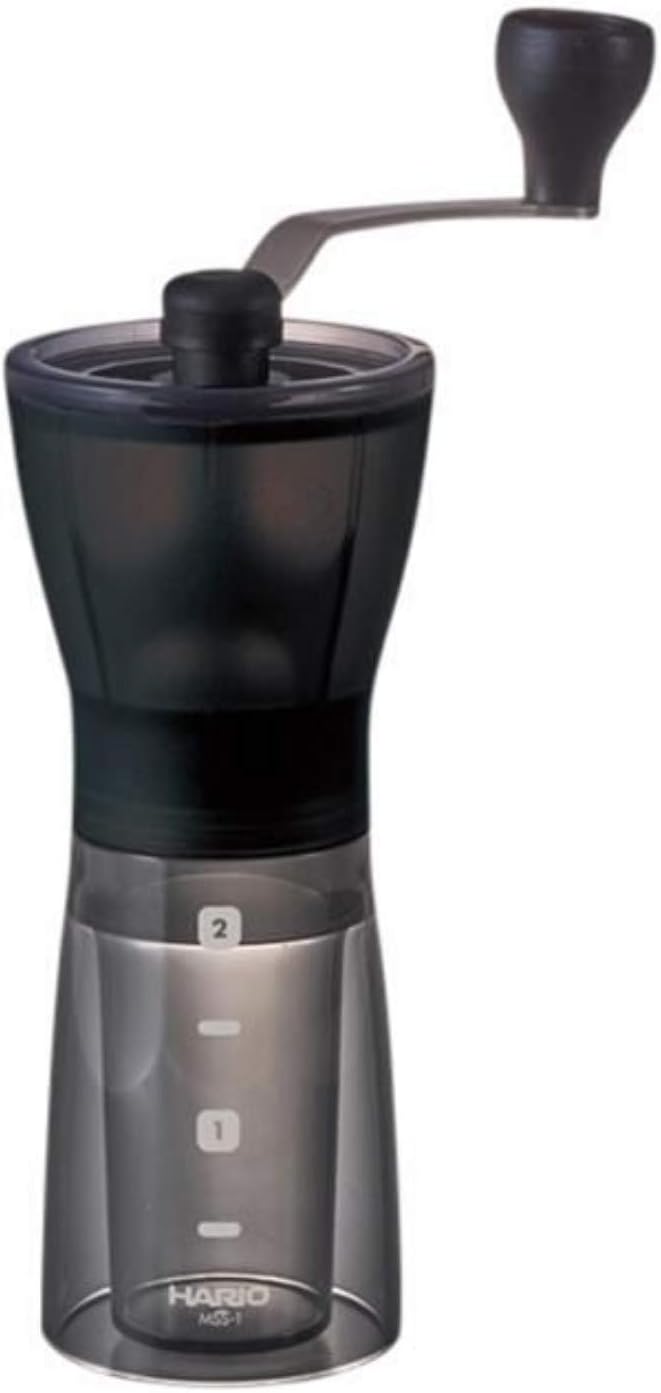
For a compact, budget-friendly option that still gets you fresh coffee with decent control, the Hario Mini Mill Slim Plus is a classic starting point.
If you want the “I don’t want to fight with grind inconsistency anymore” upgrade—especially if you also brew other methods—something like the Baratza Encore is a popular workhorse for a reason. It’s the kind of grinder that makes your coffee taste more stable day-to-day, which is a bigger deal than people think.
The modern moka mindset is to treat the moka pot like a serious brewer, and it will give you serious coffee.
Heat sources in 2026: gas, electric, induction, and the “why does this taste different?” problem
Let’s talk about stoves—because stoves absolutely change moka behavior.
Gas gives you a fast response and easy control. Electric coils can work beautifully, but the residual heat can keep cooking your pot even after you lower the dial. Induction is a different world: it heats quickly and evenly but only works with certain moka materials.
If you have induction, you either need an induction-compatible moka pot or an induction adapter plate. Many people just pick a stainless model designed for it and call it a day.
That’s where something like the Bialetti Venus Induction fits the modern kitchen perfectly. It’s sleek, induction-friendly, and tends to produce a slightly “cleaner” profile compared to aluminum pots—partly because stainless behaves differently with heat.
And here’s the real-life tip: if you feel like your moka coffee tastes harsher on electric or induction, it’s usually because the heat is too high and too persistent. Try a lower heat, and remove the pot earlier. Don’t wait for the dramatic sputter finale.
The modern twist isn’t buying a new stove. It’s learning the stove you already have.
The “moka latte” era: making café-style milk drinks without an espresso machine
This is where moka becomes a lifestyle.
Because Moka coffee is strong and concentrated, it makes an excellent base for milk drinks. Not identical to espresso drinks—but close enough that you get the comfort, the flavor, and the café vibe.
The simplest modern Moka latte formula is:
Brew moka coffee smoothly (stop early), warm your milk, froth your milk, and combine.
If you want to keep it beautifully low-tech, a manual frother is honestly one of the most satisfying little add-ons. The Bialetti Tuttocrema is a classic style here—simple, reliable, and very “stovetop café.”
Now here’s the fun part: Moka lattes work incredibly well with flavors that sometimes overwhelm espresso. Think cinnamon, vanilla, cardamom, cocoa, and even a tiny pinch of salt. Moka coffee can be bold enough to hold its own.
And if you love iced drinks? Moka actually shines there. Brew your moka coffee, let it cool slightly, pour over ice, and add milk. The intensity holds up.
This is the revival in one sentence: Moka lets more people make “coffee shop drinks” without owning a coffee shop counter.
The crema obsession: should you chase it, or is it a distraction?
Crema is the shiny Instagram moment. It’s also one of the most misunderstood things in home coffee.
True espresso crema is a product of pressure and emulsified oils and gases. Moka doesn’t produce it the same way. But some moka designs aim to create a foamier, crema-like top—and for many people, that’s fun.
If you love that café look and you want a richer, more “espresso-ish” texture, the Bialetti Brikka is famous for that style because of its valve system. It’s not espresso crema, but it can feel closer in mouthfeel and visual vibe.
But here’s my friendly opinion: don’t let crema become the only goal. The real win is sweetness, balance, and a clean finish. I’d take a smooth moka cup with zero foam over a bitter cup with a pretty top any day.
If you want a crema-like texture and good flavor, focus on grind consistency and heat control first. The foam is the bonus, not the foundation.
A simple “dial-in” method that makes moka feel predictable (finally)
If you’ve ever thought, “Why does my moka taste amazing one day and weird the next?”—welcome to the club.
The fix is boring, and that’s why it works: measure what you do.
You don’t have to turn Moka into a lab. You just need one tiny anchor. A scale makes it easy to repeat your best cup instead of reinventing your morning every time.
A practical dial-in rhythm looks like this:
Use the same water fill level every time (to the valve line). Use the same coffee dose (fill basket level, same beans). Use the same heat setting. Stop at the same moment. And if you want to be extra consistent, note roughly how much brewed coffee you typically get in the top chamber before stopping.
A compact scale like the TIMEMORE Black Mirror Basic 2 fits into this “modern moka” approach perfectly—especially if you also brew pour-over sometimes.
This isn’t about perfection. It’s about removing the “why is this different?” frustration. When moka becomes predictable, it becomes comforting.
Cleaning and maintenance: how to keep Moka coffee tasting fresh (not stale)
The moka pot is simple, but it’s not “no-maintenance.”
The biggest taste killer is old coffee oils. They build up, especially in the top chamber and around the filter plate. That stale oil flavor can make even great beans taste flat.
So here’s the modern, sane approach: rinse after every use, and do a deeper clean regularly.
For daily use: warm water rinse, air dry fully. For weekly-ish: remove gasket and filter plate, rinse carefully, and check for buildup. If you notice any musty smell, that’s your cue.
Also, replace gaskets when they get stiff or cracked. A fresh gasket can improve seal and flow, which improves taste.
One more thing people forget: store it dry and slightly disassembled if you can. Trapped moisture can create odors.
And please—don’t leave brewed coffee sitting in the moka pot for hours. That’s how you create a “metallic, stale” flavor that makes people blame the moka pot when it’s really just old coffee hanging around.
Modern moka recipes: sweet, smooth, and actually tailored to your taste
The moka pot revival is partly recipe culture. People finally realized you can brew moka differently depending on what you want.
Want it sweeter? Lower heat, stop early, medium roast, slightly coarser grind.
Want it punchier for milk drinks? Slightly finer grind, keep it bold, and use beans that lean chocolatey.
Want it less intense? Dilute it like an americano—moka coffee + hot water is underrated.
Want it dessert-like? Add frothed milk and a tiny sprinkle of cocoa or cinnamon.
One of my favorite “modern twist” drinks is a moka “cortado-ish” cup: brew a small amount of moka coffee, add an equal part warm milk with light foam. It’s cozy, not heavy, and it makes the moka taste smoother and more rounded.
Another is the “moka tonic” vibe—strong moka coffee over ice with sparkling water (and maybe a citrus peel). It sounds weird until it’s suddenly your summer obsession.
The moka pot is classic, but it’s flexible. That’s why it fits modern coffee culture so well.
Building a moka coffee corner that feels like a tiny home café
If you want to lean into the revival, make it easy for yourself. Put your moka gear in one place.
Your moka corner can be tiny: moka pot, grinder, a jar of beans, a spoon, a towel, maybe a scale. If you do milk drinks, add your frother. If you love iced, keep a glass and a small tray for syrups or spices.
This isn’t just aesthetic. It reduces friction. When everything is within reach, you actually use it. And then moka becomes a routine, not a “special occasion tool you forget exists.”
If you want your moka pot to double as counter decor, that’s where something like the Pulcina or a colorful Bialetti Rainbow starts to make sense. The revival isn’t only about taste—it’s about making coffee feel joyful again.
The moka pot in 2026: who it’s perfect for (and who might want something else)
The moka pot is perfect for you if:
You want bold coffee without expensive machines. You like rituals but not complicated gadgets. You enjoy milk drinks but don’t want espresso-machine maintenance. You want something durable and low-waste. You want to feel a little “hands-on” without turning your morning into a project.
You might want something else if:
You only want one-button convenience, and you truly don’t care about the ritual. Or you want true espresso shots with crema and precision pressure, and you’re excited by that whole world. In that case, a real espresso machine might be your happy place.
But for a huge number of people in 2026, Moka is the sweet spot: affordable, beautiful, satisfying, and capable of making coffee that feels way fancier than it should.
The revival makes sense because the moka pot answers a modern question: “How do I make coffee at home that feels like a treat, without building a café on my counter?”
And the modern twist is simple: gentle heat, good grind, stop early, and enjoy the ritual like it’s a little daily luxury—because honestly, it is.
If you want, tell me your stove type (gas/electric/induction) and whether you drink it black or with milk, and I’ll suggest a moka pot size + a simple “first recipe” that fits your exact routine.


