
Coffee Sweeteners 101: Best Options for Hot & Iced Coffee


OneHundredCoffee is reader-supported, and some products displayed may earn us an affiliate commission. Details
Sweetening coffee sounds simple until you actually start paying attention to what happens in the cup.
A spoon of white sugar makes a sharp black coffee softer. Brown sugar makes a latte taste warmer and more caramel-like. Honey can be beautiful in some drinks and strangely floral in others. Maple syrup feels cozy in hot coffee but can disappear inside a big iced latte. Date syrup gives coffee that deep dessert sweetness I love in creamy drinks. Stevia can save calories but sometimes leaves a bitter edge. Monk fruit can taste clean to one person and cooling to another. Allulose behaves more like sugar than many low-calorie sweeteners, but it is still not exactly sugar.
And then there are coffee syrups, caramel sauces, condensed milk, coconut sugar, agave, molasses, flavored creamers, sugar-free syrups, and all those little packets people keep near the office coffee machine.
So yes, coffee sweeteners deserve their own guide.
Because the best coffee sweetener is not always the “healthiest” one on paper. It is not always the lowest-calorie one. It is not always the most natural one. The best sweetener for coffee depends on the drink, the roast, the brewing method, the milk, your health goals, and honestly, the kind of sweetness you actually enjoy.
I think this is where people go wrong. They ask, “What is the best sweetener?” when the better question is, “What sweetener works best in this coffee?”
A hot dark roast drip coffee does not need the same sweetener as an iced vanilla latte. A tiny espresso macchiato does not behave like a huge cold brew with oat milk. Dalgona coffee is a different beast because sugar helps create the whipped structure. A date cream latte wants soft caramel sweetness. An iced caramel macchiato needs vanilla in the milk and caramel as a finishing flavor, not just random sweetness dumped into the glass.
Coffee Sweeteners 101: The Complete Guide to the Best Options for Every Coffee Drink
| Image | Product | Features | Price |
|---|---|---|---|
|
Best Brown Sugar

|
Classic cane sugar cubes
|
Price on Amazon | |
|
Best Simple Syrup

|
Liquid cane sugar sweetness
|
Price on Amazon | |
|
Best Vanilla Syrup

|
Classic vanilla coffee flavor
|
Price on Amazon | |
|
Best Caramel Sauce

|
Rich caramel coffee topping
|
Price on Amazon | |
|
Best Honey Pick

|
Raw honey sweetness
|
Price on Amazon | |
|
Best Maple Syrup

|
Warm maple coffee sweetness
|
Price on Amazon | |
|
Best Date Syrup

|
Deep date-like sweetness
|
Price on Amazon | |
|
Best Coconut Sugar

|
Granular caramel-like sweetener
|
Price on Amazon | |
|
Best Agave Syrup

|
Mild liquid agave sweetness
|
Price on Amazon | |
|
Best Condensed Milk

|
Creamy sweet coffee base
|
Price on Amazon | |
|
Best Stevia Drops

|
Vanilla stevia liquid drops
|
Price on Amazon | |
|
Best Monk Fruit

|
Granular monk fruit sweetener
|
Price on Amazon | |
|
Best Allulose

|
Liquid allulose coffee sweetener
|
Price on Amazon | |
|
Best Erythritol

|
Organic granular erythritol
|
Price on Amazon | |
|
Best Sucralose Drops

|
Zero-calorie liquid drops
|
Price on Amazon | |
|
Best Sugar-Free Syrup

|
Sugar-free vanilla coffee syrup
|
Price on Amazon | |
|
Best Flavor Booster

|
Warm cinnamon coffee boost
|
Price on Amazon |
That is why this guide is not just a list. I want to walk through how sweeteners behave in coffee, what each one tastes like, where each one works best, which ones I would use for hot coffee, iced coffee, espresso, lattes, cold brew, diabetic-friendly routines, and lower-sugar coffee habits.
Best Monin and ChocZero Sugar-Free Coffee Syrups — At a Glance
| Image | Product | Features | Price |
|---|---|---|---|
|
Best Overall Pick

|
Sugar-free coffee sweetener
|
Price on Amazon | |
|
Best Vanilla Upgrade

|
French vanilla coffee flavor
|
Price on Amazon | |
|
Best Dessert-Style Pick

|
Salted caramel latte flavor
|
Price on Amazon | |
|
Best Nutty Coffee Flavor

|
Nutty hazelnut coffee flavor
|
Price on Amazon | |
|
Best Seasonal Latte Pick

|
Cool peppermint coffee flavor
|
Price on Amazon | |
|
Best ChocZero Sampler

|
Three-flavor syrup sampler
|
Price on Amazon | |
|
Best Plain Coffee Sweetener

|
Plain sugar-free sweetener
|
Price on Amazon | |
|
Best Mocha Sauce Pick

|
Sugar-free dark chocolate sauce
|
Price on Amazon | |
|
Best Monin Bulk Pick

|
Bulk sugar-free caramel
|
Price on Amazon | |
|
Watchlist / Restock Pick
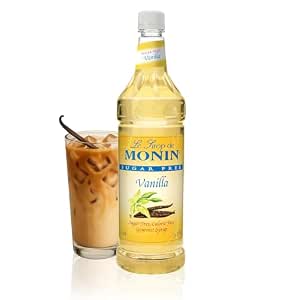
|
Classic sugar-free vanilla
|
Price on Amazon |
The Quick Answer: Best Coffee Sweeteners by Drink Type
If you just want the easy version, here is how I would choose.
For hot black coffee, use white sugar, raw sugar, brown sugar, coconut sugar, maple syrup, or a very small amount of honey. These dissolve well and soften bitterness without needing milk.
For espresso, use a tiny amount of white sugar, raw sugar, demerara sugar, or no sweetener at all. Espresso is concentrated, so a little goes a long way.
For lattes, use vanilla syrup, maple syrup, brown sugar syrup, date syrup, or allulose/monk fruit if you want a lower-sugar version.
For iced coffee, use simple syrup, liquid stevia, allulose syrup, maple syrup, honey syrup, vanilla syrup, or caramel syrup. Granulated sugar is annoying in iced coffee because it does not dissolve quickly.
For cold brew, use simple syrup, maple syrup, brown sugar syrup, vanilla syrup, monk fruit drops, or date syrup. Cold brew is smooth, so it pairs beautifully with warmer, rounder sweeteners.
For dalgona coffee, use regular granulated sugar if you want the best whip and structure. This is one of those recipes where sugar is not just sweetener; it is part of the foam. That is why in my dalgona coffee guide, sugar plays a real functional role, not just a flavor role.
For dessert-style coffee drinks, use condensed milk, caramel sauce, chocolate syrup, brown sugar syrup, date syrup, or vanilla syrup.
For lower-calorie coffee, try stevia, monk fruit, allulose, sucralose, or sugar-free syrup in moderation. The FDA lists several high-intensity sweeteners as permitted for use in food, including saccharin, aspartame, acesulfame potassium, sucralose, neotame, and advantame; it also states that authorized sweeteners are safe for the general population when used within conditions of use.
For weight-control goals, I would not rely on non-sugar sweeteners as the whole strategy. The World Health Organization’s 2023 guideline recommends against using non-sugar sweeteners specifically for weight control or reducing the risk of diet-related noncommunicable diseases, so I treat them as a tool for reducing sugar in a drink, not as a magic health shortcut.
Why Coffee Sweetness Is Different From Dessert Sweetness
Coffee is bitter, acidic, aromatic, roasted, and sometimes smoky or fruity. That means sweetness does more than make it sugary.
A good sweetener can round the edges of a bitter dark roast. It can make a bright light roast taste more like fruit instead of sharp citrus. It can make milk drinks feel creamier. It can turn chocolate notes into mocha-like richness. It can make cinnamon, vanilla, caramel, coconut, and nut flavors pop.
But the wrong sweetener can make coffee taste strange.
Honey can clash with some espresso because its floral flavor fights the roast. Stevia can exaggerate bitterness in some black coffees. Coconut sugar can be delicious in milk drinks but slightly gritty if not dissolved well. Maple syrup can feel cozy in hot coffee but too earthy in a delicate floral roast. Artificial sweeteners can taste clean in one drink and obvious in another.
So when choosing a coffee sweetener, I think about five things:
Sweetness level
Flavor character
Dissolving ability
Calories and carbs
How it behaves with milk and temperature
That is the real difference between “sweet” and “good.”
White Sugar: The Classic Coffee Sweetener
White sugar is boring in the best possible way.
It is clean, predictable, cheap, easy to measure, and it does not bring much flavor of its own. If your goal is simply to soften bitterness without changing the coffee’s personality, white sugar does the job.
It works best in hot coffee because it dissolves easily. In iced coffee, it can sink to the bottom unless you dissolve it first in hot coffee or turn it into simple syrup.
White sugar is also useful for recipes where structure matters. Dalgona coffee is the perfect example. In whipped coffee, sugar helps stabilize the foam, which is why replacing it with every alternative does not always work the same way.
The downside is obvious: it is still added sugar. If you use one teaspoon, that is not a big dessert. If you use four tablespoons across several coffees a day, it adds up quickly.
Best for: hot coffee, espresso, dalgona coffee, simple café-style sweetness
Avoid if you want lower sugar or more flavor depth
Raw Sugar, Turbinado, and Demerara: Better Texture and More Character
Raw sugar, turbinado sugar, and demerara sugar feel a little more grown-up than white sugar.
They usually have larger crystals and a slight molasses-caramel note. In coffee, that can be lovely. A small spoon of demerara in espresso gives a very classic café feeling. Turbinado sugar in hot black coffee gives sweetness with a little texture and warmth.
The problem is dissolving. Larger crystals need heat and stirring. They are not ideal for iced coffee unless you dissolve them first or turn them into syrup.
I like these most with medium and dark roasts. If the coffee already has chocolate, nut, caramel, or toasted sugar notes, raw sugar makes those flavors feel more obvious.
Best for: espresso, hot black coffee, French press, moka pot coffee
Avoid if you are making iced drinks without dissolving first
Brown Sugar: The Cozy Latte Sweetener
Best classic brown sugar for coffee
La Perruche Pure Cane Brown Sugar CubesThese brown sugar cubes are a simple upgrade for hot coffee, espresso, cappuccino, and café-style drinks. They add a deeper caramel-like sweetness and look elegant beside a home coffee station.
Check Price on AmazonBrown sugar is one of my favorite sweeteners for milk coffee.
It brings a soft molasses note that makes coffee taste warmer, rounder, and more dessert-like. Brown sugar is especially good in lattes, cappuccinos, cold brew with milk, and iced espresso drinks. It plays beautifully with cinnamon, vanilla, oat milk, chocolate, and caramel.
If you have ever had a brown sugar-shaken espresso, you already understand the appeal. Brown sugar does not just sweeten the coffee; it gives it a soft bakery-style flavor.
For iced drinks, I prefer making a brown sugar syrup. Just dissolve brown sugar with hot water, let it cool, and keep it in the fridge for a few days. That gives you the flavor without gritty sugar at the bottom.
Best for: brown sugar lattes, oat milk iced coffee, cold brew, espresso milk drinks
Avoid if you want a neutral sweetener
Simple Syrup: The Best Basic Sweetener for Iced Coffee
Best simple syrup for iced coffee
Torani Cane Sugar Sweetener SyrupThis cane sugar syrup mixes smoothly into iced coffee, cold brew, lattes, and shaken espresso. It is a good choice when regular sugar does not dissolve fast enough in cold drinks.
Check Price on AmazonSimple syrup is just sugar dissolved in water, but for iced coffee it is a tiny miracle.
Granulated sugar does not dissolve well in cold drinks. Simple syrup does. That one difference makes iced coffee taste smoother, cleaner, and more consistent from the first sip to the last.
The basic formula is easy: equal parts sugar and hot water. Stir until dissolved, cool, and refrigerate.
You can also make it richer with a 2:1 sugar-to-water ratio if you want stronger sweetness without adding much liquid. That works well for iced lattes, cold brew, and coffee mocktails.
Simple syrup is the foundation of so many coffeehouse drinks. Vanilla syrup is simple syrup with vanilla. Cinnamon syrup is simple syrup with cinnamon. Brown sugar syrup is simple syrup made with brown sugar. Once you understand that, homemade coffee drinks become much easier and cheaper.
Best for: iced coffee, iced lattes, cold brew, coffee mocktails
Avoid if you want zero sugar
Vanilla Syrup: The Most Useful Flavored Coffee Sweetener
Best vanilla syrup for lattes
Torani Vanilla Coffee SyrupThis vanilla syrup is an easy way to make iced lattes, vanilla cold brew, and sweet cappuccinos at home. It brings that familiar café-style vanilla sweetness without much effort.
Check Price on AmazonIf I had to keep only one flavored syrup for coffee, I would keep vanilla.
Vanilla syrup works with nearly everything: espresso, cold brew, iced coffee, hot lattes, oat milk, almond milk, coconut milk, caramel, chocolate, cinnamon, and even fruitier drinks. It adds sweetness, aroma, and that familiar coffee shop softness.
It is especially useful in drinks where the sweetener is part of the build. In an iced caramel macchiato, vanilla is usually the sweet base in the milk, while caramel is more of a finishing flavor. That distinction matters. If you only use caramel, the drink can become heavy and one-dimensional. Vanilla gives the milk body and roundness.
Vanilla syrup is also a good bridge sweetener for people who are reducing sugar. Use less syrup than the café would, then add cinnamon or a pinch of salt to make the sweetness feel fuller.
Best for: iced lattes, hot lattes, macchiatos, cold brew, beginner coffee recipes
Avoid if you dislike flavored coffee
Caramel Syrup and Caramel Sauce: Not the Same Thing
Best caramel sauce for coffee drinks
Ghirardelli Caramel Sauce Squeeze BottleThis caramel sauce is great for caramel lattes, iced macchiatos, frappes, and dessert-style coffee drinks. The squeeze bottle makes it easy to drizzle over whipped cream or inside the cup.
Check Price on AmazonCaramel syrup and caramel sauce are not identical in coffee.
Caramel syrup is thinner and mixes more easily into drinks. It sweetens the whole cup.
Caramel sauce is thicker, richer, and more dessert-like. It is better as a drizzle, swirl, or finishing flavor.
For an iced caramel macchiato, I like vanilla syrup in the milk and caramel sauce on top. For a caramel latte, caramel syrup can be mixed directly into the espresso or milk. For a dessert drink, use both carefully, but do not overdo it unless you want the coffee to disappear.
Caramel works best with medium-dark and dark roasts because it loves roasted, chocolatey, and nutty coffee. With very bright light roasts, it can feel a little mismatched.
Best for: iced caramel macchiato, caramel latte, dessert coffee
Avoid if you want a clean coffee-forward cup
Honey in Coffee: Beautiful, But Not Always Easy
Best honey sweetener for warm coffee
Nate’s 100% Pure Raw & Unfiltered HoneyThis honey works nicely in warm coffee, lattes, tea-style coffee drinks, and cozy milk drinks. It adds natural sweetness with a rounded flavor that feels softer than plain white sugar.
Check Price on AmazonHoney sounds like the perfect natural coffee sweetener, but it is a little moody.
Some honey tastes floral. Some tastes herbal. Some tastes fruity. Some tastes earthy. That flavor can be beautiful in tea, but in coffee it can either add depth or create a weird clash.
I like honey most in creamy coffee drinks, not straight espresso. It works nicely in hot lattes, honey cinnamon coffee, honey oat milk drinks, and some iced drinks if you turn it into honey syrup first.
Do not squeeze thick honey straight into iced coffee and expect it to behave. It will usually sink, clump, or stick to the glass. Mix honey with warm water first.
Best for: honey lattes, hot coffee with milk, cinnamon coffee, oat milk drinks
Avoid if you drink delicate black coffee and dislike floral flavors
Maple Syrup: The Cozy Natural Sweetener
Best maple syrup for cozy lattes
Maple Grove Farms Organic Pure Maple SyrupThis maple syrup is a good match for fall coffee drinks, hot lattes, cold brew, and oat milk coffee. It adds a warm maple sweetness that feels richer than basic syrup.
Check Price on AmazonMaple syrup is one of the easiest natural sweeteners to like in coffee.
It dissolves better than granulated sugar in both hot and cold drinks, and it brings a warm, cozy flavor that pairs beautifully with milk, cinnamon, nutmeg, vanilla, and medium-dark roasts.
I love maple syrup in autumn-style lattes, oat milk cold brew, hot coffee with cream, and cappuccinos where you want sweetness without using a flavored syrup. It gives coffee a soft breakfast-table comfort.
The downside is that maple syrup has flavor. That is the point, but it can overpower delicate coffees. Use a light hand.
Best for: hot lattes, oat milk coffee, cold brew with milk, cozy seasonal drinks
Avoid if you want neutral sweetness
Date Syrup: My Favorite Deep Natural Sweetener for Creamy Coffee
Best date syrup for rich sweetness
D’vash Organic Date SyrupThis date syrup gives coffee a deeper, fruitier sweetness that works well with cold brew, iced lattes, and milk-based drinks. It is a nice option when you want something different from regular sugar.
Check Price on AmazonDate syrup is underrated in coffee.
It has a deep caramel-fruit sweetness that works beautifully with milk. It is not neutral like white sugar and not floral like honey. It tastes round, dark, and naturally dessert-like.
This is why it works so well in a date cream latte. In my date cream latte recipe, date syrup blends with cream, milk, vanilla, and espresso in a way that tastes rich without feeling like a fake coffeehouse syrup.
Date syrup is best in creamy drinks, iced lattes, Middle Eastern-inspired coffee drinks, oat milk lattes, and cold brew. It is not my first choice for plain black coffee because the flavor is strong, but in milk drinks it can be excellent.
Best for: date cream latte, iced lattes, cold brew with milk, creamy dessert coffee
Avoid if you want a clear, neutral sweetener
Coconut Sugar: A Warm, Caramel-Like Sugar Alternative
Best coconut sugar for coffee
Big Tree Farms Organic Brown Coconut SugarThis coconut sugar is a good pantry sweetener for hot coffee and homemade lattes. It brings a mild brown-sugar taste and works well when you want a more natural-style granulated option.
Check Price on AmazonCoconut sugar is not a zero-calorie sweetener. It is still sugar. But it has a warmer, deeper flavor than plain white sugar, and that makes it interesting in coffee.
It tastes a little like caramel, brown sugar, and toasted coconut without being obviously coconutty. I like it in hot coffee, French press, moka pot coffee, and milk drinks. It also works in homemade syrups.
The main issue is dissolving. Coconut sugar can feel grainy if you throw it into cold coffee. Dissolve it in hot coffee or make coconut sugar syrup.
Best for: hot coffee, brown sugar-style lattes, homemade syrups
Avoid if you need zero sugar or instant cold dissolving
Agave Syrup: Smooth, Sweet, and Easy to Mix
Best agave syrup for iced coffee
NOW Foods Organic Light Agave NectarThis agave nectar is useful for iced coffee because it blends more easily than granulated sugar. It adds a clean sweetness that works with cold brew, iced lattes, and blended coffee drinks.
Check Price on AmazonAgave syrup is very sweet and dissolves easily, which makes it convenient for iced coffee.
It has a mild flavor, smoother than honey and less maple-like than maple syrup. That makes it flexible. You can use it in iced lattes, cold brew, and blended coffee drinks without changing the taste too much.
The drawback is that agave is still a caloric sweetener. It is often marketed as a “healthy” option, but in a coffee routine, I treat it like any other syrup: useful, tasty, but still something to measure.
Best for: iced coffee, cold brew, blended drinks, mild sweetness
Avoid if you are trying to reduce added sugars heavily
Condensed Milk: The Dessert Coffee Power Move
Best creamy sweetener for coffee
Eagle Brand Sweetened Condensed MilkThis condensed milk is perfect for Vietnamese-style coffee, iced coffee, and rich dessert drinks. It adds sweetness and creaminess at the same time, making coffee taste fuller and smoother.
Check Price on AmazonCondensed milk is not subtle. It is sweet, thick, creamy, and very effective.
It is famous in Vietnamese coffee for a reason. Strong coffee plus condensed milk creates a rich contrast that tastes almost like coffee candy in the best way. It also works in ube lattes, Spanish lattes, iced coffee, and dessert-style espresso drinks.
In your ube latte guide, condensed milk makes sense because ube already leans creamy and dessert-like. Sugar, honey, maple syrup, or vanilla syrup can work too, but condensed milk gives that rich café-dessert feel.
The obvious downside is sugar and calories. Use it when you want a treat, not when you want a light daily cup.
Best for: Vietnamese coffee, Spanish latte, ube latte, dessert iced coffee
Avoid if you want a light or dairy-free drink
Stevia: Best for Tiny Amounts and Low-Calorie Coffee
Best stevia drops for coffee
SweetLeaf Sweet Drops Vanilla Stevia DropsThese vanilla stevia drops are a compact option for sweetening coffee without regular sugar. They work especially well in iced coffee, hot coffee, and quick flavored drinks where you want just a few drops.
Check Price on AmazonStevia is intensely sweet, so the biggest mistake is using too much.
A tiny amount can sweeten coffee with almost no calories. Too much can create a bitter, licorice-like, or metallic aftertaste, especially in black coffee.
Stevia works better in milk drinks than in plain black coffee because milk softens the aftertaste. Liquid stevia can be easier than packets because you can control the dose drop by drop.
The FDA has discussed high-purity steviol glycosides as sweeteners, while Cleveland Clinic notes that stevia is considered safe in moderation, though taste and personal tolerance vary.
Best for: low-calorie lattes, keto coffee, small sweetness adjustments
Avoid if you are sensitive to bitter aftertastes
Monk Fruit: A Popular Sugar-Free Coffee Sweetener
Best monk fruit sweetener for coffee
Lakanto Monk Fruit Sweetener ClassicThis monk fruit sweetener is a useful sugar alternative for coffee, lattes, and everyday drinks. It is easy to keep beside the coffee maker when you want sweetness without using regular sugar.
Check Price on AmazonMonk fruit sweetener is popular because it can taste cleaner than stevia for many people.
Pure monk fruit extract is extremely sweet, so most monk fruit products are blended with other ingredients like erythritol or allulose to make them easier to measure. This is why two monk fruit sweeteners can taste different. One may have a cooling effect from erythritol. Another may feel smoother because it uses allulose.
For coffee, I prefer monk fruit blends in milk drinks, iced lattes, and sweetened cold brew. In black coffee, it depends on the brand and your taste buds.
Lakanto Classic Monk Fruit Sweetener is commonly used as a cup-for-cup sugar substitute and is marketed for coffee, baking, and desserts, while newer monk fruit/allulose blends are also available for people who dislike erythritol’s cooling effect.
Best for: sugar-free coffee, keto coffee, lattes, cold brew with milk
Avoid if you dislike cooling aftertaste from erythritol blends
Allulose: The Sugar-Like Low-Calorie Option
Best liquid allulose for iced coffee
Wholesome Allulose Liquid SweetenerThis liquid allulose is a good choice for iced coffee and cold drinks because it blends quickly. It gives a smooth sweetness without the gritty texture that some dry sweeteners can leave behind.
Check Price on AmazonAllulose is one of the more interesting newer sweeteners because it behaves more like sugar than many non-sugar sweeteners.
It is not as intensely sweet as stevia or monk fruit, and it has a softer, more sugar-like taste. It can dissolve well and works nicely in coffee, syrups, and some recipes. The FDA guidance says it intends to exercise enforcement discretion for excluding allulose from “Total Sugars” and “Added Sugars” on labels and using 0.4 calories per gram for allulose when determining calories.
That makes allulose useful for people who want lower sugar without the intense taste of stevia. It is especially nice in iced coffee, lattes, and homemade lower-sugar syrups.
The caution is that allulose can cause digestive discomfort for some people if used in larger amounts. Start small.
Best for: lower-sugar lattes, iced coffee, homemade sugar-free-style syrups
Avoid if your stomach reacts badly to alternative sweeteners
Erythritol: Useful, But Not My First Coffee Choice
Best erythritol for hot coffee
NOW Foods Organic ErythritolThis erythritol is a practical sugar-free style sweetener for hot coffee, tea, and homemade drinks. It is best when stirred well into warm drinks where it has time to dissolve properly.
Check Price on AmazonErythritol is common in keto and sugar-free sweeteners. It has very low calories and is often blended with monk fruit or stevia.
The main flavor issue is cooling. In coffee, that cooling sensation can feel strange, especially in hot drinks. Some people do not notice it. Others hate it immediately.
There has also been more public discussion around erythritol and cardiovascular risk research. The Cleveland Clinic has highlighted research associating erythritol with increased cardiovascular event risk, while also emphasizing that more research is needed and that people with cardiovascular risk should be thoughtful about frequent use.
My practical coffee advice: if you use erythritol blends and enjoy them, use them moderately. If you dislike the cooling taste or have health concerns, try allulose-based blends instead.
Best for: keto coffee, monk fruit blends, occasional use
Avoid if you dislike cooling aftertaste or have concerns about heavy use
Sucralose: Convenient, But Not My Favorite Daily Coffee Sweetener
Best zero-calorie drops for coffee
SPLENDA Liquid Zero Calorie Sweetener DropsThese liquid sweetener drops are convenient for coffee, iced drinks, and travel cups. They are easy to dose, mix quickly, and work well when you want sweetness without adding sugar.
Check Price on AmazonSucralose is the sweetener many people know through Splenda. It is very sweet, convenient, and easy to find.
The FDA lists sucralose as approved for use in food and notes it is about 600 times sweeter than table sugar.
In coffee, sucralose can work if you want a very easy low-calorie packet. But personally, I do not think it gives the most natural coffee flavor. It can taste obvious, especially in black coffee. It performs better in milk drinks or flavored coffee, where other ingredients soften it.
Best for: office coffee, quick low-calorie sweetness, milk drinks
Avoid if you want a more natural sugar-like flavor
Sugar-Free Coffee Syrups: Useful, But Choose Carefully
Best sugar-free vanilla syrup
Torani Sugar Free Vanilla Coffee SyrupThis sugar-free vanilla syrup is useful for iced lattes, cold brew, and flavored coffee drinks when you want the vanilla café taste without regular sugar. It is easy to add and mixes smoothly.
Check Price on AmazonSugar-free syrups can be very convenient if you like flavored coffee but want to reduce sugar.
Vanilla, caramel, hazelnut, mocha, brown sugar cinnamon, and seasonal flavors can make home coffee feel like a café drink. They are especially useful in iced lattes and cold brew because they mix easily.
The problem is that some sugar-free syrups taste artificial, thin, or overly perfumed. A bad syrup can ruin good coffee quickly. Start with vanilla or caramel before buying wild flavors.
I also suggest using less than the bottle recommends. Many syrups are designed for big sweet coffeehouse drinks. At home, you can use one pump or one teaspoon and let the coffee still taste like coffee.
Best for: flavored iced coffee, low-sugar lattes, quick café-style drinks
Avoid if you dislike artificial flavors
Spices and Flavor Boosters That Reduce the Need for Sugar
Best cinnamon flavor booster for coffee
Simply Organic Ground Ceylon CinnamonThis Ceylon cinnamon is a simple way to add warmth and aroma to coffee without making it overly sweet. Sprinkle it into grounds, foam, lattes, cappuccinos, or cozy homemade coffee drinks.
Check Price on AmazonNot every sweet-tasting coffee needs more sweetener.
Sometimes you can make coffee feel sweeter with aroma.
Cinnamon is the classic. It gives warmth and makes coffee taste naturally sweeter even without adding sugar. Vanilla extract does the same thing in milk drinks. A tiny pinch of salt can reduce bitterness and make sweetness feel fuller. Nutmeg, cardamom, cocoa powder, and even orange zest can help depending on the drink.
This trick is especially useful if you are reducing sugar gradually. Instead of cutting from two teaspoons to zero overnight, try one teaspoon plus cinnamon and a tiny pinch of salt. Your taste buds adjust more easily.
Best for: sugar reduction, black coffee, lattes, seasonal drinks
Avoid if you want plain coffee flavor
Best Sweetener for Hot Coffee

For hot coffee, dissolving is easy, so you have more options.
My top picks are:
White sugar for clean sweetness
Raw sugar for café-style texture
Brown sugar for warmth
Coconut sugar for caramel depth
Maple syrup for cozy flavor
Honey for creamy or spiced coffee
Stevia or monk fruit for lower-calorie sweetness
Allulose for a softer low-sugar option
If you drink hot black coffee, start with the simplest sweetener first. If the coffee is good, you may not need much. If the coffee is harsh, changing beans or brew method may help more than adding more sugar.
Best Sweetener for Iced Coffee
For iced coffee, liquid wins.
Use simple syrup, vanilla syrup, maple syrup, agave, honey syrup, brown sugar syrup, liquid stevia, allulose syrup, or sugar-free syrup.
Granulated sugar is the worst choice unless you dissolve it first. It settles at the bottom and gives you the classic annoying iced coffee problem: the first half tastes unsweetened, and the last sip tastes like syrupy sugar water.
This is why coffee shops use syrups. Not because syrup is fancy, but because it works cold.
Best Sweetener for Cold Brew

Cold brew is smooth, low-acid, and naturally sweet compared with many hot brewing methods. That means it does not need aggressive sweetening.
My favorites are maple syrup, brown sugar syrup, vanilla syrup, date syrup, and monk fruit/allulose blends.
Cold brew also pairs beautifully with milk, cream, oat milk, and coconut milk, so deeper sweeteners work well. If you want ideas for more cold coffee drinks, this section can naturally link to your iced coffee drinks guide.
Best Sweetener for Espresso
Espresso is intense, so use a light hand.
A tiny spoon of white sugar, raw sugar, or demerara sugar can be beautiful. In some cafés, sugar in espresso is almost part of the ritual.
For modern drinks, I like simple syrup or brown sugar syrup if the espresso is going into iced milk. For straight espresso, I usually avoid heavy sweeteners like honey or maple unless the coffee is very dark and needs softening.
Best picks: white sugar, raw sugar, demerara, tiny simple syrup, no sweetener
Worst picks: thick honey in straight espresso, heavy syrups that hide the shot
Best Sweetener for Lattes and Cappuccinos
Milk changes everything.
Once milk enters the cup, you can use warmer and more flavorful sweeteners. Brown sugar, vanilla syrup, maple syrup, date syrup, honey syrup, caramel syrup, and allulose blends all work well.
For cappuccino, use less sweetener because the drink is smaller and more coffee-forward.
For lattes, you can go a little bigger because milk softens the sweetness.
For oat milk lattes, brown sugar, maple, and date syrup are especially good.
For coconut milk lattes, vanilla syrup and maple syrup work beautifully. This connects naturally to your coconut vanilla latte recipe.
Best Sweetener for Diabetic-Friendly Coffee Routines
For diabetic-friendly coffee routines, the main goal is usually reducing added sugar and avoiding large glucose spikes. Many people use stevia, monk fruit, sucralose, or allulose for this reason. Cleveland Clinic notes that artificial sweeteners can be safe for people with diabetes when used in moderation and may help reduce calorie and carbohydrate intake, but they do not automatically make the whole diet healthy.
My practical advice is simple: keep the coffee routine realistic. A black coffee with a little milk and a moderate non-sugar sweetener is very different from a giant dessert drink with whipped cream, sauces, and flavored toppings.
Also, individual needs vary. People managing diabetes should follow their clinician or dietitian’s guidance, especially if they are adjusting carbohydrate intake or medications.
Best picks: stevia, monk fruit, allulose, unsweetened cinnamon, vanilla extract
Use carefully: honey, maple syrup, agave, sugar, condensed milk, regular syrups.
Best Sweetener for Weight-Loss Coffee Routines
The best sweetener for weight loss is usually less sweetener overall.
That may sound boring, but it is true.
You can use stevia, monk fruit, allulose, or sugar-free syrup to reduce calories in coffee. But if your coffee still tastes like dessert all day, your palate may stay trained to expect intense sweetness.
The WHO guideline is one reason I do not present non-sugar sweeteners as a magic weight-loss tool. They can help reduce sugar in a specific drink, but they are not a full weight-control plan.
A better approach is gradual reduction. If you use two tablespoons of syrup, try one tablespoon. Then two teaspoons. Then one teaspoon plus cinnamon. Over time, coffee starts tasting naturally sweeter because your taste buds stop needing the same intensity.
Best picks: less sugar, cinnamon, vanilla, stevia, monk fruit, allulose
Best habit: reduce sweetness gradually
Homemade Coffee Syrup Formula

Once you learn homemade syrup, coffee gets easier.
Basic syrup:
1 cup sugar
1 cup water
Heat gently and stir until dissolved. Cool and refrigerate.
Vanilla syrup:
1 cup sugar
1 cup water
1 tablespoon vanilla extract or vanilla paste
Brown sugar syrup:
1 cup brown sugar
1 cup water
Optional pinch of salt
Honey syrup:
½ cup honey
½ cup warm water
Maple vanilla syrup:
½ cup maple syrup
½ cup water
1 teaspoon vanilla
Date syrup latte mix:
1 tablespoon date syrup
¼ teaspoon vanilla
Tiny pinch of salt
Splash of cream or milk
The pinch of salt is not random. It helps sweetness taste fuller and reduces flatness.
Coffee Sweetener Comparison Table
| Sweetener | Flavor | Best For | Hot Coffee | Iced Coffee | Lower Sugar? |
|---|---|---|---|---|---|
| White sugar | Neutral | Hot coffee, espresso | Excellent | Only if dissolved | No |
| Raw sugar | Light caramel | Espresso, hot coffee | Excellent | Poor maple syrup | No |
| Brown sugar | Molasses, warm | Lattes, cold brew | Excellent | Best as syrup | No |
| Simple syrup | Neutral sweet | Iced coffee | Good | Excellent | No |
| Vanilla syrup | Sweet vanilla | Lattes, macchiatos | Excellent | Excellent | No |
| Caramel sauce | Rich dessert | Macchiatos, drizzle, | Good | Good | No |
| Honey | Floral | Hot lattes | Good | Best as syrup | No |
| Maple syrup | Cozy, woody | Lattes, cold brew | Excellent | Good | No |
| Date syrup | Deep caramel-fruit | Creamy lattes | Good | Good | No |
| Coconut sugar | Toasted caramel | Hot coffee, syrups | Good | Poor maple syrup | No |
| Agave | Mild, smooth | Iced coffee | Good | Excellent | No |
| Condensed milk | Creamy dessert | Vietnamese coffee | Excellent | Excellent | No |
| Stevia | Intense, herbal | Low-calorie coffee | Good in small dose | Good | Yes |
| Monk fruit | Clean, sweet | Keto coffee | Good | Good | Yes |
| Allulose | Sugar-like | Low-sugar lattes | Good | Excellent | Yes |
| Sucralose | Very sweet | Office coffee | Good | Good | Yes |
My Personal Sweetener Picks
If I want one everyday sweetener, I choose simple syrup for iced coffee and raw sugar for hot coffee.
If I want one natural sweetener, I choose maple syrup because it is easy, smooth, and tastes good in both hot and cold drinks.
If I want one creamy coffee sweetener, I choose date syrup because it gives that deep caramel-like sweetness without tasting artificial.
If I want one sugar-free option, I choose allulose or monk fruit/allulose blends because they taste more sugar-like to me than straight stevia.
If I want one coffeehouse-style option, I choose vanilla syrup because it works in almost everything.
If I want one dessert option, I choose condensed milk.
If I want one sweetener for iced lattes, I choose brown sugar syrup.
Common Mistakes People Make With Coffee Sweeteners
The first mistake is adding sweetener before tasting the coffee. Some coffees need less than you think.
The second mistake is using granulated sugar in iced coffee. Make syrup instead.
The third mistake is using too much stevia. Start tiny.
The fourth mistake is treating “natural” as automatically healthy. Honey, maple syrup, agave, coconut sugar, and date syrup still add sugar.
The fifth mistake is using syrup to hide bad coffee. Sometimes the real fix is better beans, better grind, cleaner equipment, or a different brew ratio.
The sixth mistake is making every coffee taste like dessert. Dessert coffee is wonderful, but not every cup needs to be a milkshake.
The seventh mistake is forgetting salt. A tiny pinch can make sweet coffee taste more balanced.
Final Verdict: What Is the Best Sweetener for Coffee?
The best coffee sweetener depends on the drink.
For hot black coffee, use sugar, raw sugar, maple syrup, or a tiny amount of honey.
For iced coffee, use simple syrup, vanilla syrup, brown sugar syrup, or liquid sweeteners.
For lattes, use vanilla syrup, maple syrup, brown sugar syrup, date syrup, or allulose.
For cold brew, use maple syrup, brown sugar syrup, date syrup, or monk fruit/allulose.
For sugar-free coffee, use stevia, monk fruit, allulose, or sucralose in moderation.
For dessert coffee, use condensed milk, caramel sauce, chocolate syrup, or flavored syrups.
But if I had to give one real-world answer, I would say this:
Use simple syrup for iced coffee, raw or brown sugar for hot coffee, vanilla syrup for lattes, date syrup for creamy specialty drinks, and allulose or monk fruit when you want a lower-sugar option.
That gives you a small sweetener toolkit that can handle almost any coffee mood.
FAQ
What is the healthiest sweetener for coffee?
The healthiest option is usually using less sweetener overall. If you want a lower-calorie choice, stevia, monk fruit, allulose, or sucralose can help reduce added sugar, but they should still be used moderately.
What is the best natural sweetener for coffee?
Maple syrup, honey, date syrup, and coconut sugar are the best natural sweeteners for coffee. Maple syrup is the easiest all-around option, while date syrup is excellent in creamy lattes.
What is the best sweetener for iced coffee?
Simple syrup is the best basic sweetener for iced coffee because it dissolves instantly. Vanilla syrup, brown sugar syrup, maple syrup, honey syrup, and liquid stevia also work well.
Can I put honey in coffee?
Yes, honey can work in coffee, especially hot coffee with milk. It is not always ideal in black coffee because the floral flavor can clash with some roasts.
Is maple syrup good in coffee?
Yes, maple syrup is excellent in coffee. It works especially well in hot lattes, oat milk coffee, cold brew with milk, and cozy seasonal drinks.
Is date syrup good in coffee?
Yes, date syrup is very good in creamy coffee drinks. It adds a deep caramel-like sweetness that works well with espresso, milk, vanilla, and cold brew.
Is coconut sugar better than white sugar in coffee?
Coconut sugar has a warmer caramel flavor, but it is still sugar. It is better for flavor, not necessarily for reducing sugar intake.
What sweetener dissolves best in cold coffee?
Simple syrup, maple syrup, agave, honey syrup, liquid stevia, and allulose syrup dissolve better than granulated sugar in cold coffee.
What is the best sugar-free sweetener for coffee?
Allulose, monk fruit, stevia, and sucralose are popular sugar-free coffee sweeteners. Allulose and monk fruit/allulose blends often taste more sugar-like, while stevia is very concentrated and should be used lightly.
Does stevia taste good in coffee?
Stevia can taste good in coffee if used in tiny amounts. Too much can create a bitter or herbal aftertaste.
Does monk fruit taste good in coffee?
Monk fruit can taste good in coffee, especially in milk drinks. Some monk fruit blends include erythritol, which may create a cooling effect.
Is allulose good in coffee?
Yes, allulose is good in coffee because it tastes softer and more sugar-like than many low-calorie sweeteners. It works especially well in iced coffee and lattes.
What sweetener is best for cold brew?
Maple syrup, brown sugar syrup, vanilla syrup, date syrup, and monk fruit/allulose blends work well with cold brew.
What sweetener is best for espresso?
A small amount of white sugar, raw sugar, or demerara sugar works best for espresso. Use very little because espresso is concentrated.
What sweetener is best for lattes?
Vanilla syrup, brown sugar syrup, maple syrup, date syrup, and allulose are great choices for lattes.
What sweetener is best for cappuccino?
Use a small amount of raw sugar, brown sugar syrup, or vanilla syrup. Cappuccino is smaller than a latte, so it needs less sweetness.
What sweetener is best for dalgona coffee?
Regular granulated sugar works best for dalgona coffee because it helps create and stabilize the whipped foam.
Can I sweeten coffee without sugar?
Yes. You can use cinnamon, vanilla extract, a pinch of salt, stevia, monk fruit, allulose, or unsweetened flavored milk to make coffee taste sweeter without adding regular sugar.
Are artificial sweeteners safe in coffee?
FDA-authorized sweeteners are considered safe for the general population when used within approved conditions of use, but moderation is still smart. People with specific health conditions should follow medical advice.
What is the best sweetener for coffee if I am reducing sugar?
Start by reducing your usual sweetener gradually. Then try cinnamon, vanilla, monk fruit, stevia, or allulose, depending on your taste.
Final Thoughts
Coffee sweeteners are not just about making coffee sweet. They change the whole personality of the cup.
White sugar keeps things simple. Brown sugar makes coffee cozy. Vanilla syrup makes it feel like a café drink. Maple syrup adds warmth. Honey adds floral depth. Date syrup makes creamy drinks taste rich and comforting. Coconut sugar gives a toasted caramel note. Condensed milk turns coffee into dessert. Stevia, monk fruit, allulose, and sucralose help when you want sweetness with fewer calories or less sugar.
The trick is matching the sweetener to the drink.
Do not use the same sweetener for everything just because it is sitting on the counter. Use simple syrup for iced coffee. Use raw sugar for espresso. Use vanilla syrup for iced lattes. Use date syrup for creamy specialty drinks. Use maple syrup when you want something cozy. Use allulose or monk fruit when you want a lower-sugar cup.
And most importantly, let the coffee still taste like coffee.
A good sweetener should support the cup, not bury it.


