
Best Water Temperature for Coffee: Brew Better Every Time


OneHundredCoffee is reader-supported, and some products displayed may earn us an affiliate commission. Details
Does Water Temperature Affect Your Coffee Brew? Ohhh yes. And it’s probably why your “same recipe” keeps tasting different.
Let’s get this out of the way like friends standing in your kitchen, staring at a mug that should’ve tasted amazing: water temperature absolutely affects your coffee brew. A lot. Not in a “tiny nerd detail” way either—more like a “this is why your cup suddenly tastes sour, bitter, weak, or weirdly hollow” way.
And what makes this topic so sneaky is that most of us think we’re doing temperature right because we’re using hot water. Hot is hot, right? Nope. Coffee is annoyingly honest: it reacts differently at 88°C than it does at 96°C, and it reacts differently again if your slurry temperature crashes halfway through the pour because your mug is freezing and your kettle has the heat retention of a paper cup.
So yeah, today we’re going to talk about water temperature in a way that actually helps you in real life. Like: why your light roast fights you, why your French press sometimes tastes like wet cardboard, why “boiling water always works” is both true and not true, and how to dial in temperature without turning your morning into a science fair.

Ideal for daily users looking for affordability, speed, and reliability without sacrificing safety.

Great for tea and coffee enthusiasts who want control and precision in brewing.

Ideal for health-conscious individuals seeking non-toxic components and hassle-free usage.

Designed for modern kitchens where aesthetics meet function — great for daily hot beverage routines.

Perfect for enthusiasts who demand water at precise temperatures for coffee, tea, or baby formula.

Ideal for coffee connoisseurs and tea lovers who value exact pouring and heat precision.
The variable everyone underestimates (because it feels “too simple”)
If you’ve ever changed your grind size, bought a fancy dripper, upgraded your beans, and still felt like your coffee is playing games with you… temperature might be the quiet troublemaker.
The reason people ignore it is honestly understandable. Grind size is visible. Ratio is measurable. Brew time has a timer. But temperature? Most of us do this vague little routine:
- boil kettle
- Wait a bit
- pour
- Hope for the best
And on some days, it works! That’s why it’s so confusing. The coffee gods reward you just often enough to keep you from suspecting the truth.
But temperature is not just “how hot is the water when it leaves the kettle.” It’s also:
- How hot your brewer is
- How warm is your mug is
- How quickly does your kettle lose heat
- How long does your bloom sit there cooling down
- how aggressively you pour (yes, that matters)
- How cold your kitchen is (winter brews are a whole personality)
The result is what your coffee actually experiences during extraction—and coffee is extremely sensitive to that.
Think of it like cooking. Chicken at 165°F is safe. Chicken at 150°F might still be juicy… or it might make you nervous. Coffee isn’t about safety, obviously, but the principle is similar: a few degrees change what gets pulled out of the grounds.
And that’s the big idea: temperature is your “extraction speed dial.” Turn it up, and you extract faster and deeper. Turn it down, and you extract slower and softer. Neither is “always better.” It depends on the beans, the roast, the brew method, and what you’re chasing in the cup.
Best Budget Coffee Bean Brands in 2026
| Image | Product | Features | Price |
|---|---|---|---|
 | Best Light Roast Ground
| Price on Amazon | |
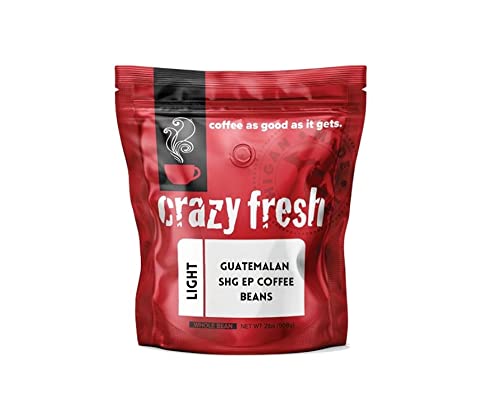 | Best Whole Coffee Beans
| Price on Amazon | |
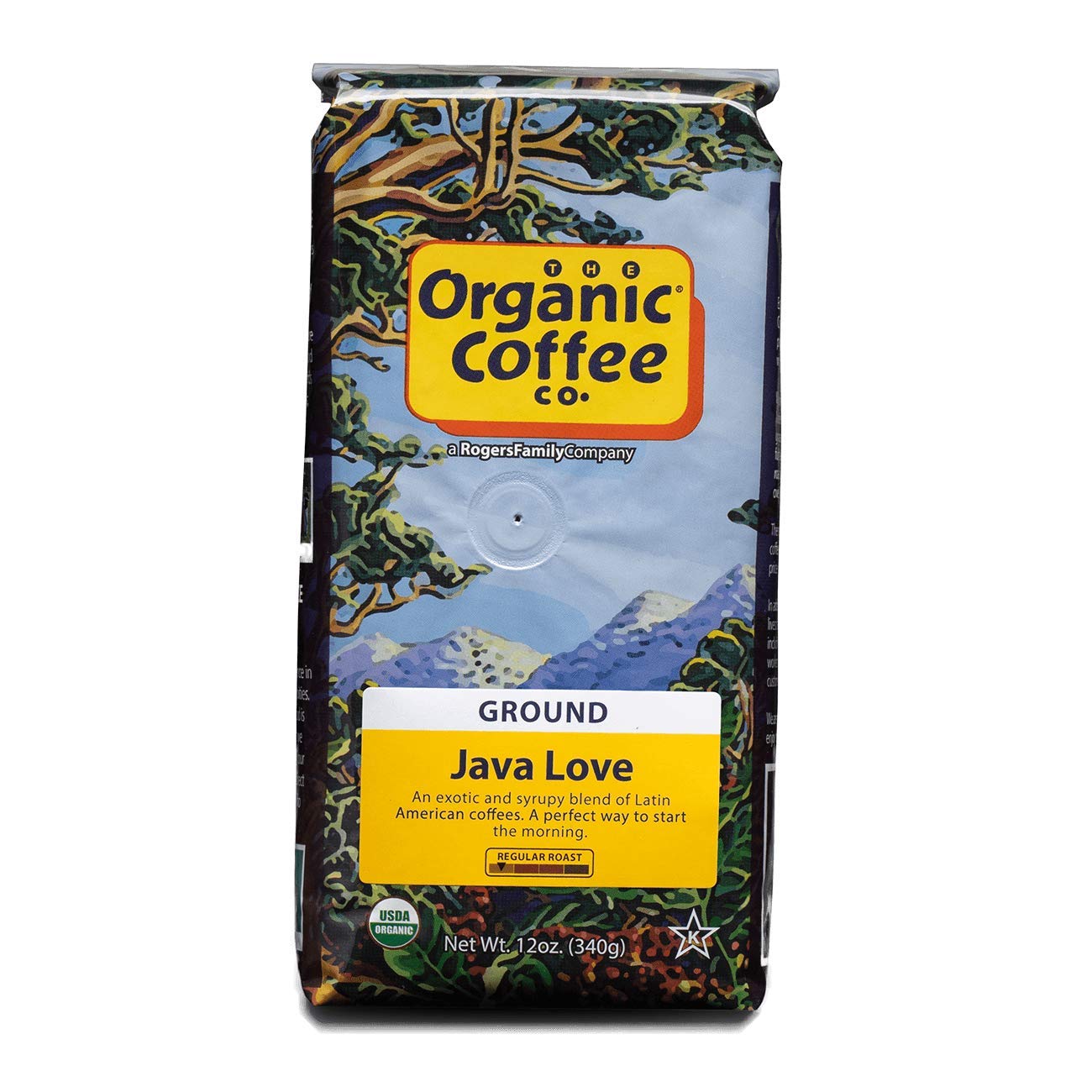 | Best Organic Coffee Beans
| Price on Amazon | |
 | Best Taste
| Price on Amazon | |
 | Best Decaf Coffee
| Price on Amazon | |
 | Best Organic Coffee
| Price on Amazon | |
 | Best French Roast Coffee
| Price on Amazon | |
 | Best quality coffee
| Price on Amazon | |
 | Best Brew
| Price on Amazon |
What temperature actually does it reach inside the coffee bed

Coffee grounds are full of stuff you want (sweetness, pleasant acids, aromatic compounds) and stuff you don’t want too much of (harsh bitterness, woody dryness, that “oversteeped tea” vibe). Brewing is basically a controlled heist: you’re stealing the good stuff and trying not to grab too much of the nasty stuff on the way out.
Temperature affects the heat in three big ways:
It changes solubility. Hotter water dissolves more compounds more quickly. Cooler water dissolves fewer compounds and does it more slowly. This is why a lower brew temp can make coffee taste “under-extracted” even if your ratio is correct—some of the tasty compounds simply didn’t get fully pulled.
It changes the extraction order. A lot of bright, lively flavors show up early. Some heavier, bitter compounds show up later. Hotter water makes it easier to reach those later compounds sooner. Sometimes that’s great (more sweetness, more body). Sometimes it’s not (more bitterness, more dryness).
It changes how coffee “presents” itself. You know how a cup can taste boring when it’s too cold? That’s not just your tongue being dramatic. Temperature influences aroma release and perception. But even during brewing, temperature affects how those aromatics are captured and carried into the final cup.
Here’s the simplest way to think about it:
- Hotter water = more extraction power
- Cooler water = less extraction power
If your coffee is thin and sour, you usually need more power somewhere (hotter water, finer grind, longer contact time, better agitation). If your coffee is bitter and drying, you usually need less power somewhere (cooler water, coarser grind, shorter brew, gentler pouring).
And yes, you can “fix” temperature problems with grind size sometimes. But if you’re constantly grinding finer to compensate for cool water, you’ll eventually hit a wall where the coffee gets muddy, cloggy, and annoying.
Temperature is a cleaner lever than people realize.
Too hot vs too cool: how your cup tells on you
Let me paint a picture. You take a sip, and your face does that involuntary “huh?” thing. The coffee isn’t disgusting, but it’s not what you wanted. If coffee could talk, it would be saying, “Your temperature choices have consequences.”
When the water is too cool (for that coffee/method)
You’ll often taste:
- Lemony sharpness that feels thin, not refreshing
- “green” flavors (like under-ripe fruit, or raw peanut skin)
- a hollow finish
- not much sweetness
- a weak aroma, even if the beans smell great
People call this sour, but it’s not always true acidity—it’s often under-extraction, which can feel sour because the cup lacks balancing sweetness and body.
When the water is too hot (for that coffee/method)
You’ll often taste:
- bitterness that lingers in the back of your throat
- dryness on the tongue (like over-steeped black tea)
- smoky or ashy notes becoming louder
- a heavy, “muddy” body that hides clarity
- The coffee’s subtle fruit gets replaced by generic “coffee taste.”
This is often over-extraction or extraction imbalance—where you pulled too much of the late-stage compounds.
Now here’s the twist that messes with people: dark roasts can taste bitter even when under-extracted, because the roast itself brings bitterness. And light roasts can taste sour even when extracted “enough” if the profile is naturally bright.
So don’t treat temperature like a moral issue (“hot good, cool bad”). Treat it like a flavor tool.
When you adjust temperature, you’re not trying to win a rulebook—you’re trying to make the cup taste the way you want.
Brew method sweet spots (because espresso is not pour-over, and pour-over is not French press)

Different brewing styles respond differently to temperature because they extract differently. Immersion methods (French press) behave one way. Percolation methods (pour-over) behave differently. Espresso is its own chaotic little universe.
Here’s a practical overview that won’t trap you in perfection paralysis:
| Brew method | Practical water temp range | What hotter water tends to do | What cooler water tends to do |
|---|---|---|---|
| Pour-over (V60, Kalita, Wave) | ~90–96°C / 194–205°F | more sweetness/body, faster extraction, can risk bitterness | softer cup, more delicate, can risk sour/hollow |
| Immersion (French press, cupping) | ~90–96°C / 194–205°F | heavier extraction, deeper sweetness, can get woody if pushed | cleaner but can feel thin if too cool |
| AeroPress | ~80–96°C / 176–205°F (very flexible) | richer, closer to “full” extraction | smoother, tea-like, lower bitterness |
| Moka pot | controlled by stove behavior | hotter = harsher if it sputters | gentler heat = sweeter, less harsh |
| Drip machine | depends on machine stability | stable hot water = better flavor consistency | Typically controlled by machine |
| Espresso | Typically controlled by a machine | higher temp can help light roasts | lower temperature can tame bitterness in darker roasts |
If you’re the kind of person who loves a simple starting point, try this:
- Light roast: start hotter (around 94–96°C / 201–205°F)
- Medium roast: start mid (around 92–94°C / 198–201°C)
- Dark roast: start slightly cooler (around 88–92°C / 190–198°F)
Then adjust based on taste, not ego.
Because the “right” temperature isn’t the one that looks best online—it’s the one that makes you take another sip immediately.
Roast level and bean personality: why the same temperature doesn’t fit all

This is where coffee becomes very human. Beans have moods.
A light Ethiopian natural can be all perfume and berries one day and suddenly taste like lemon peel and sadness the next. A medium Colombian can be friendly and forgiving. A dark roast can be comforting but temperamental—like it wants to taste bitter if you give it the slightest reason.
Roast level matters because roasting changes the structure. Lighter roasts are denser and often harder to extract. Dark roasts are more brittle and extract more easily (sometimes too easily). So your temperature has to match the “effort level” required.
But roast level isn’t everything. Origin and processing matter too:
- Washed coffees often taste cleaner and can handle higher temperatures well, especially if you’re chasing clarity.
- Naturally processed coffees can get intense fast; too hot can amplify fermenty notes if the coffee already leans that way.
- Honey-processed coffees often love balanced temps because they carry sweetness naturally—push too hot, and you can blur their best traits.
Here’s a simple way I decide temperature without overthinking:
If a coffee tastes tight and sharp (like it’s not opening up), I go hotter.
If a coffee tastes loud and aggressive (like it’s shouting), I go cooler.
And sometimes I keep the temp the same but change how long the water stays hot—like preheating the dripper better so I don’t lose heat mid-brew.
Because the real enemy is often not your kettle setting. It’s a temperature drop.
Grind size and temperature: the tag-team that controls your flavor

Let me say this in the most honest kitchen-counter way possible:
If grind size is the steering wheel, temperature is the engine.
You can steer perfectly, but if the engine is weak, you’re not going anywhere.
Grinding finer increases surface area, which increases extraction. Hotter water increases extraction energy. When both are high, extraction gets intense fast—sometimes beautifully, sometimes disastrously.
So when people say, “My coffee is sour, should I grind finer or use hotter water?” The real answer is pick the lever that causes the fewest side effects for your setup.
- If you grind finer and your pour-over starts clogging or slowing down too much, that’s a side effect.
- If you go hotter and the coffee gets bitter or loses its floral notes, that’s a side effect.
- If you go hotter and everything suddenly tastes sweeter and clearer, congratulations—you just found free flavor.
Here’s my personal “quick logic”:
Sour + thin + fast brew?
Try hotter water first. It boosts extraction without changing the flow rate as dramatically.
Bitter + dry + slow brew?
Try cooler water first. It can soften harshness without forcing you to grind coarser and lose body.
Coffee tastes “okay” but boring?
Temperature tweaks are amazing here. Going a few degrees hotter can unlock sweetness. Going a few degrees cooler can bring out gentler aromatics.
Small changes matter. You don’t need a 20-degree swing. Sometimes 2–3 degrees is the difference between “meh” and “oh wow.”
Temperature stability beats “perfect temperature” (and this is the part nobody wants to hear)
If you asked me to choose between:
- brewing at the “ideal” temperature for your beans, but losing 8 degrees during the pour
or - brewing at a slightly imperfect temperature, but staying stable the whole time
…I’m choosing stability almost every time.
Because coffee extraction isn’t one moment. It’s a process. If your water starts hot and then drops quickly, your brew becomes a weird mix: the beginning extracts one set of compounds, and the end extracts another, and your cup can taste unbalanced.
This is why people get confused when they swear they used hot water, but the coffee tastes under-extracted. Their kettle boiled, yes—but then
- The dripper was cold
- The carafe was cold
- The filter was cold and absorbed heat
- The bloom sat there cooling down
- The kettle lid was open while they “just answered one message.”
Suddenly, the slurry isn’t anywhere near what you thought it was.
So if you want one simple habit that makes temperature “work” without buying anything, do this:
Preheat everything like you actually care.
Mug, dripper, carafe. Especially in colder months. It takes 20 seconds, and it makes your coffee taste like you leveled up.
And if you’re using a kettle that doesn’t hold temperature well, that’s okay—you can still make great coffee. You just have to move with intention: boil, pour, and keep the heat story consistent.
Real-life factors that mess with temperature (even if your recipe is flawless)
Coffee influencers brew in dreamy kitchens with perfect lighting and a calm soul. Meanwhile, you’re making coffee in the real world where your cat is screaming, and your mug is still wet from the dishwasher.
So let’s talk about what actually throws temperature off:
Cold gear. Glass carafes, ceramic drippers, thick mugs—they steal heat. Preheat them.
Long pauses. If you bloom and then get distracted, your coffee bed cools. When you resume, extraction changes.
Pour le style. A thin drizzle loses heat faster than a confident pour. Also, high pouring height cools the stream slightly before it hits the bed.
Altitude. Water boils at a lower temperature at higher elevations. That means your “boiling water” might not be as hot as you think. You can still brew great coffee—just know your ceiling is lower and you may need grind/ratio adjustments.
Dark roast sensitivity. Dark roasts extract easily. If your water is boiling and you’re aggressive with agitation, bitterness can come on fast.
Light roast stubbornness. Light roasts often need heat and stability. If your setup is losing heat, your light roast might taste like it’s refusing to cooperate.
If your coffee tastes inconsistent day to day, temperature isn’t the only possibility… but it’s one of the most common culprits, especially if your grind and ratio are steady.
My “three cup temperature test” makes dialing in feel stupidly easy
Okay, let’s do something practical. This is the exact routine I use when I buy a new bag, and I want to figure out where it likes to live—without wasting half the bag on experiments.
Brew the same coffee three times (or make three small cups), with the same grind, same ratio, and same method. Only change the temperature.
- Cup A: cooler (around 88–90°C / 190–194°F)
- Cup B: middle (around 92–94°C / 198–201°F)
- Cup C: hotter (around 95–96°C / 203–205°F)
Now taste them in that order. Don’t overthink. Just ask:
- Which one tastes sweetest?
- Which one tastes most “complete”?
- Which one tastes harsh or hollow?
Here’s what usually happens:
- The cooler cup often tastes smooth but can feel thin or muted.
- The middle cup often tastes balanced and “coffee-like” in a satisfying way.
- The hotter cup often tastes punchy and sweet—but can tip into bitterness if the coffee is already fragile.
Then I pick the winner and adjust the grind after that.
This routine saves you from the classic trap: grinding finer and finer, trying to fix a temperature problem, until your brew slows down and you blame the dripper, and then you consider buying a new grinder, and suddenly you’re spiraling.
Temperature first. Then grind. Your mornings will feel calmer.
The myths that keep ruining perfectly good coffee

Let’s clear up a few things that sound true but aren’t always true.
“Boiling water is always best.”
Sometimes yes—especially for light roasts that need help extracting. But boiling water plus a dark roast plus a long immersion can turn the cup bitter fast. The better phrase is “boiling water is a powerful starting point, not a universal rule.”
“If it’s bitter, the water was too hot.”
Not always. It could be too fine, too long, too much agitation, or just a dark roast that tastes bitter no matter what. Temperature is one lever, not the whole machine.
“If it’s sour, the water was too cool.”
Also, not always. It could be too coarse, too short, channeling, or a naturally bright coffee. But yes—cool water is a common cause of under-extraction.
“Temperature only matters for pour-over.”
Nope. The French press absolutely responds to temperature. AeroPress is basically a playground for temperature. Even instant coffee tastes different depending on the water temperature.
“I don’t need to measure temperature if I’m experienced.”
You don’t need to, but measuring can help you learn faster. Once your taste memory is strong, you can eyeball it more confidently. But the easiest way to avoid frustration is to remove guesswork.
Coffee is supposed to be enjoyable. If temperature control makes it less stressful, that’s a win, not a sign you’re “too serious.”
Tools that make temperature control ridiculously simple (and yes, they can genuinely improve your brew)
If you want to stop guessing, temperature-control tools are the most “quality-of-life” upgrade you can make—because they don’t just improve flavor, they improve consistency.
Fellow Stagg EKG Electric Gooseneck Kettle
Fellow Stagg EKG Pro Electric Gooseneck Kettle
Bonavita 1L Digital Variable Temperature Gooseneck Kettle
Brewista Artisan Electric Gooseneck Kettle
Hario V60 “Buono” Gooseneck Drip Kettle
Technivorm Moccamaster KBGV Select
ThermoWorks Thermapen (Instant-Read Thermometer)
And here’s how I’d think about them in plain “what do I actually need” terms:
| Tool | Best for | Why does it help the temperature | If you’re the type who… |
|---|---|---|---|
| Variable-temp electric kettle | pour-over, AeroPress, tea | sets exact temp and holds it | wants consistency without fuss |
| Stovetop gooseneck | simple setups | gives control of pour, not exact temperature | prefers “minimal gear” but good technique |
| Quality drip machine | daily convenience | stable brew temp without manual pouring | wants great coffee half-awake |
| Instant-read thermometer | any method | confirms your real water temp | likes certainty and easy debugging |
You don’t need all of this. But if your coffee is inconsistent and you’re tired of guessing, a variable-temp kettle is one of the most immediately satisfying upgrades because it removes a huge chunk of randomness.
Troubleshooting: quick temperature fixes for the most common “why does my coffee taste like this?” moments
Let’s finish with the part people actually Google at 7:18 AM:
“Why does my coffee taste sour?”
Try:
- increasing the water temperature by a few degrees
- preheating your brewer and mug
- extending brew time slightly (or pouring more steadily)
Sour + thin usually means you need more extraction energy.
“Why does my coffee taste bitter?”
Try:
- lowering the water temperature a few degrees
- pouring more gently (less aggressive agitation)
- Coarsen grind slightly if the brew is slow
Bitter + dry usually means you’re pulling too much late-stage extraction.
“Why does it taste weak but not sour?”
Try:
- hotter water and/or a slightly finer grind
- checking ratio (you might simply be under-dosing)
- ensuring your brew isn’t finishing too fast
Weak can be under-extraction or under-strength—temperature helps with one; ratio helps with the other.
“Why does my pour-over taste different every day?”
Check:
- whether you’re preheating consistently
- whether your kettle is actually the same temp each time
- whether your timing between boil and pour changes
- whether your room is colder than usual
Consistency is usually a hot topic.
“Is there an ideal water temperature for coffee?”
There’s a common “happy zone” many people live in, but the real ideal is the one that makes your specific coffee taste sweet, balanced, and satisfying. If you want a safe starting point:
- light roast: hotter
- dark roast: cooler
- medium roast: middle
And then adjust in small steps like you’re tuning a radio.
Because coffee isn’t just chemistry. It’s a preference. It’s mood. It’s what you want your morning to feel like.
And once you start treating water temperature like a flavor knob instead of a fixed rule, you’ll notice something kind of magical: you stop fighting your coffee… and it starts behaving like it actually wants to taste good.


