
What to Do with Used Coffee Grounds


One Hundred Coffee is reader-supported, and some products displayed may earn us an affiliate commission. Details
Old Coffee Grounds: What They Are and Why They Matter
When we talk about “OLD COFFEE GROUNDS,” we typically refer to used coffee grounds that have already been. These are the wet, compacted remnants left in your coffee machine, French press, or espresso portafilter after you’ve made your cup of coffee. They’ve already given up most of their soluble flavor compounds to your brew. What’s left is a dense clump of organic material that’s mostly spent, though it can still have various uses beyond your morning cup.
Best Old Coffee Grounds
| Image | Product | Features | Price |
|---|---|---|---|
|
Cold Brew Bestseller

|
Optimized coarse grind
|
Price on Amazon | |
|
Best Bold Cold Brew

|
Dark roast profile
|
Price on Amazon | |
|
Best Organic Pick

|
Cold brew–focused roast
|
Price on Amazon | |
|
Best Espresso-to-Cold Brew

|
Creamy sweet blend
|
Price on Amazon | |
|
Best Value Bulk

|
Bold crema-friendly blend
|
Price on Amazon | |
|
Best Organic Medium

|
Smooth balanced roast
|
Price on Amazon | |
|
Best Organic Dark

|
Bold dark roast bite
|
Price on Amazon | |
|
Best Bold Classic

|
Deep, robust blend
|
Price on Amazon | |
|
Strongest Kick Pick

|
High-caffeine roast
|
Price on Amazon | |
|
Best Budget Medium

|
Smooth everyday beans
|
Price on Amazon |
But “old coffee grounds” can also mean pre-ground coffee that’s been sitting around too long, either before or after opening the bag. Once coffee beans are ground, they begin losing freshness quickly due to exposure to air, light, and moisture. Oxygen starts breaking down the oils and aromatic compounds, and in just a few days (or hours, depending on storage), that bright, bold flavor fades. Old pre-ground coffee often tastes flat, bitter, or stale, even if it hasn’t technically gone “bad.”
Who is this for?
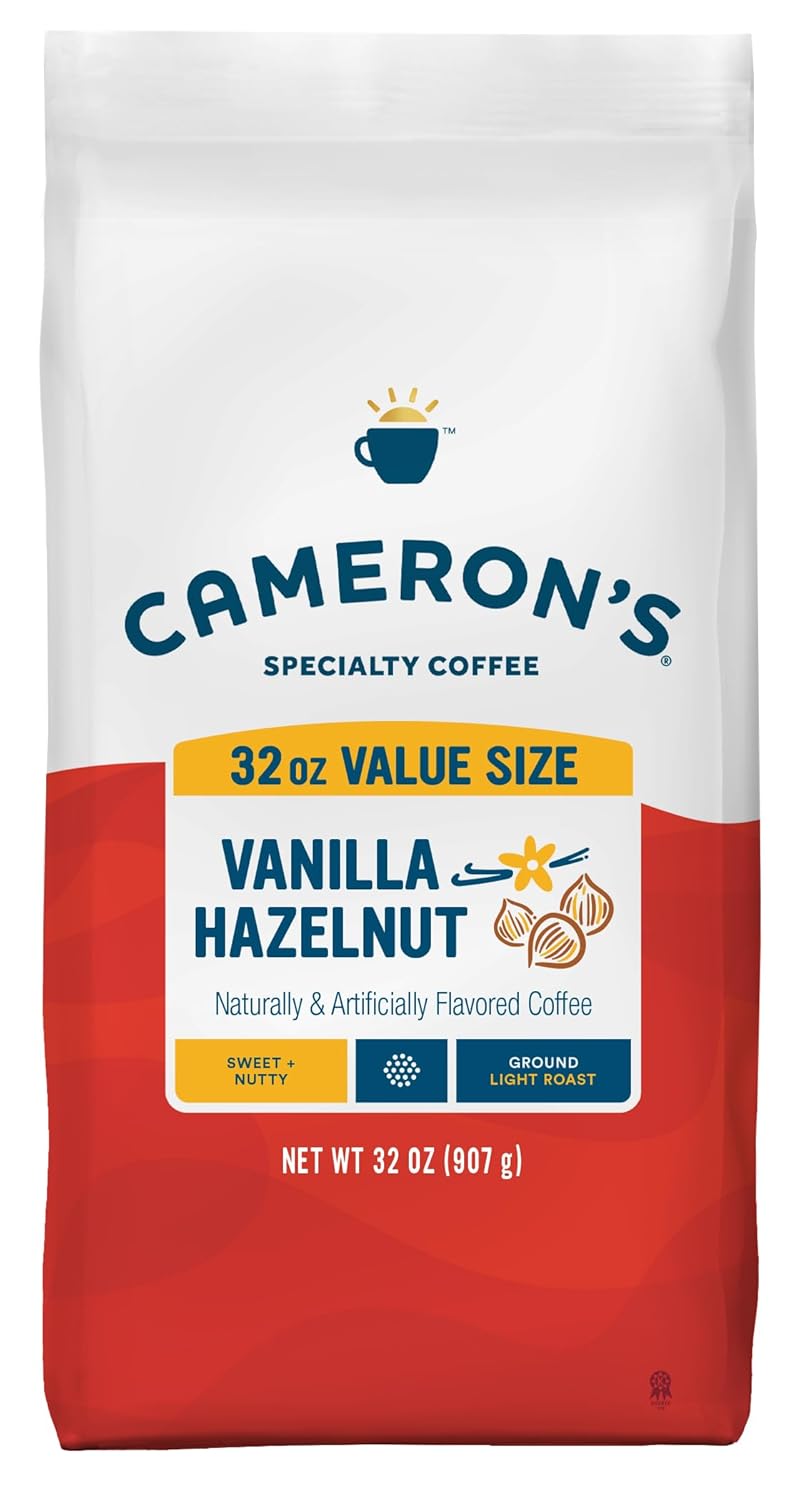
Cameron’s Toasted Southern Pecan is for flavored coffee fans who crave a rich, nutty taste without bitterness. Small-batch roasted and smooth, it’s ideal for drip machines and pour-over lovers. A great choice for those who enjoy comforting aromas and mellow flavor in every cup—perfect for cozy mornings or dessert pairings.
Price on AmazonUsed Grounds vs. Stale Grounds
It’s helpful to separate the idea of “used” grounds (post-brew) from “stale” or “aged” grounds (pre-brew). Used grounds aren’t useful for drinking again—the flavor is gone—but they’re rich in nitrogen and make great additions to compost piles, garden soil, or even DIY beauty scrubs.
Stale grounds, on the other hand, are a brewing problem. If you’re using old ground coffee that’s been sitting in your cupboard for a month or more, your coffee will likely taste off. It’s not unsafe to drink, but it won’t be enjoyable.
How to Know If Coffee Grounds Are Old
Here’s our detailed guide: How to Know If Coffee Grounds Are Old
If coffee has ever made you pause mid-sip and think, “Wait… why does this taste like it’s tired?”—you’re not imagining it. Coffee grounds absolutely have a “best self,” and once they drift past it, they don’t just lose a little sparkle. They can turn your cup into something dull, papery, bitter, or strangely sour… even if you’re using a nice brewer and doing everything “right.”
And that’s the sneaky part: most people blame the machine, the water, the recipe, the mood, the weather—anything except the grounds sitting quietly in the cupboard aging like an open bag of chips.
So this guide is your friendly, no-stress way to figure it out. You’ll learn exactly what old coffee grounds look like, smell like, brew like, and taste like—plus the simple habits that keep your coffee tasting alive without turning your kitchen into a lab.
Why freshness matters more than you think
Freshness is the silent hero of good coffee. You can own a gorgeous espresso machine, the fanciest pour-over dripper, or a grinder that looks like it belongs in a spaceship… but if your grounds are stale, you’ll still get a flat cup that feels like someone turned the volume down on flavor.
Fresh coffee grounds carry aroma and flavor in tiny natural oils and volatile compounds. When they’re fresh, the smell hits you immediately—warm chocolate, toasted nuts, citrus peel, berries, caramel, florals, spice… whatever the bean is capable of, it shows up. When they’re old, that “alive” feeling fades. The cup becomes quieter, thinner, and often sharper in the wrong ways.
And if you brew espresso? Freshness becomes even more obvious because crema and body depend heavily on those compounds behaving as they should.
What actually happens when coffee grounds age?
Here’s the simplest truth: coffee goes stale because it’s reacting with air.
Once coffee is ground, it’s like you’ve opened up thousands of tiny doors for oxygen to rush in. That huge increase in surface area is why ground coffee smells amazing at first… and also why it loses its magic faster than whole beans.
The main processes are
Oxidation: oxygen breaks down aromatic compounds and oils.
Degassing (at first): freshly roasted coffee releases CO₂; this can help brewing behave “lively.” Over time, that fades.
Moisture absorption: coffee is porous and behaves like a sponge; humidity dulls flavor and can create clumping.
Oil rancidity: coffee oils can oxidize and turn stale in a way that reads as “old pantry,” “cardboard,” or “faintly burnt.”
So when grounds get old, you don’t just “lose flavor.” You often lose the good flavors first, and what’s left behind can taste harsh, flat, or oddly woody.
The real question: how do you know if your coffee grounds are old?

You don’t need special tools for this. Your nose, your eyes, your fingers, and one honest cup of coffee will tell you everything. Let’s walk through the most reliable signs—like a friendly checklist you’ll start noticing automatically.
1) The aroma test (the fastest truth-teller)
Open the container and take a real sniff—don’t just wave it near your face like you’re being polite. Fresh coffee smells eager. It practically leans out of the bag.
Old coffee smells… quiet. Sometimes it’s faint. Sometimes it smells like dry paper, a dusty pantry, cardboard, or even a soft ashtray. If you have to work hard to smell anything, the grounds are likely past their peak.
And here’s a fun trick: pour a spoon of the grounds into a dry cup and swirl it. Aroma pops more clearly when it’s not trapped in the bag.
2) The taste test (because the tongue doesn’t lie)
If you’re brewing the same way you always do and suddenly the cup tastes like it’s missing its personality, that’s a freshness clue.
Fresh grounds tend to taste balanced and “complete”—even if the coffee is bold, it still has clarity.
Old grounds often taste one of these ways:
- Flat and hollow (like the flavor is there, but only in the background)
- Bitter in a dry way (not rich-dark bitter, but thin bitter)
- Oddly sour (because extraction can behave weirdly when compounds are degraded)
- Papery/woody (classic stale-note)
If you notice yourself instinctively reaching for sugar or creamer to “rescue” the cup more than usual, your coffee may not be bad—just old.
3) The look: color, clumps, and “dusty vibes.”
Fresh grounds usually look rich and deep. Old grounds can look slightly ashy or faded—especially if they’ve been sitting exposed to light and air.
Also watch for clumping. If grounds are sticking together like damp sand, they’ve likely absorbed moisture. That alone can flatten flavor, but it also signals the bag/container hasn’t been protecting your coffee properly.
4) Brew behavior: bloom (or the lack of it)
If you do pour-over, French press, or even a drip machine where you can peek at the bed, look for bloom. When hot water hits fresh coffee, you’ll often see it puff up and bubble as trapped gases escape.
Old grounds bloom less, sometimes barely at all. The bed can look lifeless—like the coffee just “accepts its fate” instead of reacting.
No bloom doesn’t always mean “bad,” but if it’s paired with weak aroma and flat taste, it’s a strong hint.
5) The texture: pinch test between your fingers
Take a tiny pinch and rub it lightly between your fingers (then wash your hands—coffee oil is clingy).
Fresh coffee often feels slightly plush and a touch oily.
Old coffee tends to feel dry, dusty, and lifeless.
It’s subtle, but once you notice it a few times, you’ll never unnotice it.
6) The “bag time” reality check
This one is the most unromantic but also the most accurate: time matters. Ground coffee starts losing freshness fast—very fast.
If your grounds have been open for more than two weeks, you’re usually already sliding out of “peak.” That doesn’t mean it’s undrinkable. It just means you should manage expectations: the cup won’t taste as expressive as it could.
And if the bag has been open for a month? You’re probably tasting age, whether you realize it or not.
7) Espresso clue: crema gets thin or disappears
If you pull espresso shots and suddenly crema looks weak, pale, or vanishes quickly, stale grounds could be part of the story. Freshness supports crema and body. Old grounds often produce a shot that looks tired before it even cools.
How long do coffee grounds last? A simple, realistic timeline
Instead of pretending there’s one perfect answer, here’s a practical way to think about it:
| Coffee form & storage | Best flavor window | Still “okay” window |
|---|---|---|
| Whole beans (sealed) | Months | Many months |
| Whole beans (opened, airtight) | 2–6 weeks | 2–3 months |
| Ground coffee (opened, airtight) | ~1–2 weeks | ~1 month |
| Ground coffee (opened, loose bag/clip) | A few days | ~2 weeks |
| Frozen (properly portioned & sealed) | Several weeks+ | Months (quality slowly drops) |
This isn’t about fear. It’s about control. The more you protect coffee from oxygen, heat, light, and moisture, the longer you keep your flavor.
The biggest upgrade: store your coffee as it deserves.
If you take only one tip from this entire guide, take this: coffee hates oxygen.
A flimsy bag clip is basically oxygen’s open invitation.
If you’re serious about keeping grounds fresh—especially if you buy pre-ground—an airtight container is your best friend. Even better is a container that actively reduces the air inside it.
A few genuinely helpful options people love for coffee storage:
- A vacuum-style canister, like the Fellow Atmos Vacuum Canister, is designed to reduce oxygen exposure and keep aroma from fading fast.
- An “air-less” style canister, like the Planetary Design Airscape Coffee Canister, uses an inner lid that pushes excess air out.
Now here’s the important part: even the best container won’t save coffee if you store it in the wrong place. Keep it cool, dark, and dry. Not next to the stove. Not on a sunny shelf. Not beside the kettle, where steam rolls over it daily.
Should you store coffee grounds in the fridge or freezer?
This is where the internet gets noisy, so let’s make it simple.
Fridge: usually a bad idea. Coffee is porous, fridges are humid, and odors exist. Unless your grounds are sealed extremely well, coffee can absorb moisture and strange smells. That’s when coffee starts tasting “off” in a way that’s hard to describe but easy to dislike.
Freezer: can work if you do it the right way. The trick is portioning. Freeze in small, sealed batches, so you’re not repeatedly opening the same bag and inviting condensation to land on your coffee. Let a portion come back to room temp before opening to avoid moisture.
If that sounds like too much work, skip it. A great airtight container in a cool cupboard will already improve your life.
Grind on demand: the #1 freshness hack (and it doesn’t have to be expensive)
If you want your coffee to taste noticeably better with minimal effort, grind only what you need.
A good burr grinder gives you two gifts:
- fresher flavor because you’re grinding right before brewing
- better extraction because grind size is more consistent
A few popular grinders people use for this exact purpose:
- The reliable home classic Baratza Encore Coffee Grinder is often chosen as an entry-level burr grinder that’s genuinely worth owning.
- If you want a manual grinder for fresher daily cups (and travel), the TIMEMORE Chestnut C2S Manual Grinder is a common pick for consistent hand grinding.
And yes—fresh grinding can make even “regular” beans taste more special. It’s like hearing a song in high quality after listening through a muffled speaker.
“My grounds are old… do I have to throw them away?”
Not at all. Old grounds might not make the best cup, but they can still be useful and, honestly, kind of brilliant around the house.
You can use them as a deodorizer, compost booster, or even a gentle scrub in the kitchen. But if you do want to brew them, here’s the most realistic expectation: you can sometimes make old grounds taste less bad, but you can’t make them taste fresh.
If you’re determined to drink them anyway, try brewing in ways that are forgiving—like cold brew or stronger milk-based drinks—because they can mask dullness better than delicate pour-over.
A gentle but important note about your coffee gear
There’s one more freshness-killer people don’t expect: rancid coffee oils in equipment. If your grinder, container, or brewer has an old oily film, it can make even fresh grounds taste stale.
This is why it’s smart to clean your gear occasionally—especially your grinder parts and storage containers.
A classic coffee cleaner many people use for removing coffee oils is Urnex Cafiza Cleaning Powder, and for mineral scale (which can affect extraction and taste), a descaler like Durgol Swiss Espresso Descaler is a popular go-to. A simple wipe-down routine with Amazon Basics Microfiber Cleaning Cloths also helps keep lids, scoops, and containers from building that sticky old-coffee smell.
And yes, coffee oils can build up and go rancid. That’s why a container that’s easy to disassemble and wash is not “extra.” It’s practical.
Myth-busting (because coffee myths never die)
Myth: “Coffee never expires.”
It won’t usually make you sick, but it absolutely becomes less enjoyable. Coffee can go stale long before it becomes “unsafe.”
Myth: “If it looks fine, it’s fine.”
Aroma loss isn’t always visible. Your nose catches it first.
Myth: “The fridge keeps it fresh.”
For most people, the fridge adds moisture risk and odor absorption. Coffee likes dry stability, not humidity.
Myth: “Pre-ground is just as good.”
If you find a fresh, high-quality pre-ground coffee and store it well, it can still taste good—but it won’t hold peak flavor the way whole beans do when ground right before brewing.
The simple daily habits that keep your coffee tasting “alive.”
You don’t need a strict routine. You just need a few small habits that happen automatically:
Keep your container sealed as it matters (because it does). Don’t let it sit open while you scroll your phone. Scoop what you need, close it, and you’re done.
Keep coffee away from steam. A scoop next to the kettle feels convenient until the humidity slowly steals your flavor day by day.
Do a weekly smell check. It sounds silly, but it builds your “freshness instincts.” Over time, you’ll recognize the difference immediately.
And most importantly: buy in a quantity you can realistically finish while it still tastes great. Coffee is not meant to sit around forever. It’s meant to be enjoyed.
So… are your coffee grounds old?
If your coffee smells muted, tastes flat, looks faded, clumps weirdly, and barely blooms—yes, your grounds are probably past their prime. The good news is you now know exactly what to look for, and even better, you know how to prevent it.
Freshness isn’t about being “fancy.” It’s about keeping the good stuff in your coffee where it belongs—inside the grounds, right up until the moment you brew.
If you want, tell me what kind of coffee you use (espresso, drip, French press, or pods) and how you store it now, and I’ll suggest the easiest freshness routine for your setup.
Freshness Timeline & Quick Reference Chart
| Coffee Type | Peak Freshness | Acceptable Range | Storage Advice |
|---|---|---|---|
| Whole Beans | 2-3 weeks post-roast | Up to 6 weeks | Reseal in an airtight container |
| Ground Coffee | 15 minutes post-grind | Up to 2 weeks | Grind fresh whenever possible. |
| Store-Bought Ground | Upon opening | 1 month max | Freeze in small portions. |
| Frozen Coffee | 3 months max | Freeze in small portions. |
Final Thoughts: Freshness Is the Secret Ingredient
You don’t have to be a coffee snob to enjoy a better brew. One of the simplest ways to elevate your morning cup is to pay attention to your grounds. Knowing how to spot old coffee, how to prevent it, and what to do if it happens can genuinely transform your routine.
Fresh coffee just tastes better, smells better, and makes your day start on the right note.
So next time you scoop from the bag, take a moment. Inhale. Feel the texture. Taste with intention. Because once you experience truly fresh coffee, there’s no going back.


