
How Roast Profiles Affect Acidity, Sweetness, and Body


OneHundredCoffee is reader-supported, and some products displayed may earn us an affiliate commission. Details
If you’ve ever taken one sip of a bright, citrusy Ethiopian light roast and thought, Wait… why does this taste like lemonade and flowers?, you already understand roast profiles—at least on a gut level. And if you’ve brewed a smoky, syrupy Sumatran dark roast that feels like it has “weight” in the cup (almost like velvet), you’ve tasted the other end of the same steering wheel. Roast level isn’t just a label. It’s a set of decisions that turns the same green coffee into completely different experiences—different aromatics, different sweetness, different body, different “energy” on your tongue.
I remember the first time roast profiles stopped being theory and turned into something I could actually use. I brewed two coffees that came from the same farm—same variety, same processing, same harvest year. The only difference was the roast. One cup was all apricot tea, jasmine, and this sparkling, champagne-like lift that made me keep taking tiny sips like I was afraid the flavor would disappear if I looked away. The other tasted like dark chocolate melted into molasses—rounder, heavier, calmer. That was the moment I stopped treating roast levels like marketing words and started seeing them as a steering wheel: Do I want brightness? Do I want sweetness? Do I want body? Roast can push the same coffee in any of those directions.
Top Selling Low-Acidity Coffee Beans Brands
| Image | Product | Features | Price |
|---|---|---|---|
|
Best Gentle Daily Cup

|
Low-acid half-caff beans
|
Price on Amazon | |
|
Best Premium Low-Acid Pick

|
Low-acid single-origin beans
|
Price on Amazon | |
|
Best Big Bag Value

|
Low-acidity organic beans
|
Price on Amazon | |
|
Best Chocolate-Nut Profile

|
Low-acidity medium roast
|
Price on Amazon | |
|
Best Bulk Low-Acid Beans

|
Cocoa finish, low acidity
|
Price on Amazon | |
|
Best Single-Origin Low-Acid

|
Smooth cocoa-toned finish
|
Price on Amazon |
And here’s the part that feels almost unfair: most people don’t realize how much of what they call “I like this origin” is actually “I like this roast style.” Someone says, “I love Ethiopian coffee,” but what they often mean is “I love what a lighter roast lets Ethiopian aromatics do.” Someone else says, “I can’t stand light roast—it’s sour,” but what they usually mean is “I’ve had underdeveloped roasts or mismatched brew recipes that made acidity feel sharp instead of juicy.” The roast wasn’t just a background detail. It was the main character.
So consider this your friendly deep dive—the kind you’d want a coffee-obsessed friend to walk you through while you’re standing at your counter, spoon in one hand, kettle in the other, wondering why last week’s bag tasted magical and this week’s tastes… kind of flat. We’re going to talk roast profiles in plain language, but we’re not going to stay vague. We’ll connect roast decisions to the three things everyone actually cares about in the cup: acidity (sparkle vs. bite), sweetness (honeyed vs. muted), and body (tea-like vs. syrupy). Then we’ll layer in something even more practical: how to choose beans and brewing methods that match the flavor balance you personally love.
Because here’s the secret: you don’t need to become a roaster to get better at roast profiles. You just need a mental map. Once you can “read” a roast level, you start buying coffee more confidently, brewing it more intelligently, and troubleshooting way faster when something tastes off. You stop guessing. You start steering.
Let’s make it real with a few coffees that teach roast profiles the second you taste them. If you want to understand why light roasts feel lively, start with a bright Ethiopian that’s meant to show off citrus and floral notes—something like Fresh Roasted Coffee Organic Ethiopian Yirgacheffe. Brew it as a pour-over, and you’ll see what people mean when they talk about clarity: the flavors separate instead of blending into one dark “coffee” note. Now, if you want to understand the opposite vibe—heavier body, deeper roast character, and that earthy, smoky depth—try a classic dark Sumatra like Amazon Fresh Organic Fair Trade Sumatra Whole Bean Coffee. That coffee practically teaches you what “body” feels like.
Then you’ve got the middle lane—where most people live once they want flavor but still want comfort. A balanced medium roast gives you sweetness and structure without making everything taste like roast. A Colombian medium roast is a great baseline for that, because it often lands in a familiar zone: smooth, round, sweet, approachable. Something like 15 Rios Especial Colombian Whole Bean Coffee (Medium Roast) is a good “reference cup”—a place to stand so you can feel the difference when you move lighter or darker.
And because roast profiles are never just about flavor—they’re also about how you brew—I love recommending a side-by-side experiment that takes the pressure off. Grab a sampler so you can taste light vs. medium vs. dark without committing to three full bags. A roast sampler like Medium Roast Coffee Sampler Variety Pack (Whole Bean) makes it way easier to compare roast decisions as “flavor design” rather than “random coffee luck.” It’s like training your palate with a cheat code.
Now, one more coffee matters for this guide—because roast profiles aren’t just about intensity. They’re also about how your body responds. If you love coffee but your stomach or sleep is touchy, the roast profile conversation changes a little. You can still explore the flavors; you just do it with a gentler setup. A low-acid decaf can let you taste roast differences without the caffeine edge, which is honestly a brilliant way to learn if you’re sensitive. A solid option like Java Planet Low Acid Organic Decaf Whole Bean Coffee keeps the ritual and the aroma while letting your nervous system stay calm. And if you want a bright, lively cup without the full caffeine swing, a light-roast single origin like Kenya Matunda AA (Light & Balanced, Whole Bean) is the kind of coffee that shows off fruit and sparkle in a way that makes “acidity” feel like something you want, not something you tolerate.
So what are we actually going to cover in this guide?
We’re going to unpack why light roasts can feel citrusy, floral, and “high-definition,” but also why they can turn sour if the roast is underdeveloped or the brew is too aggressive. We’ll talk about how medium roasts often deliver the easiest version of sweetness—like caramel, toasted nuts, and cocoa—because they keep a foot in both worlds. And we’ll talk about dark roasts: why they feel bold and comforting, why they can taste smoky or bittersweet, and how to keep them from turning ashy or flat.
We’ll also connect roast profiles to brewing choices that actually matter in your kitchen. Light roast? Often happier with a recipe that encourages longer contact time and slightly finer grind—without going so fine you choke the flow. Dark roast? Usually tastes better with a slightly coarser grind, cooler water, and shorter brew time, so you don’t over-extract bitterness. Medium roast? The peacekeeper—most methods can work, which is why it’s the “daily driver” for so many people.
And yes—we’re going to make this personal and practical. I’ll share the little tasting cues that helped me stop overthinking: how sweetness “shows up” differently depending on roast, how body feels on the tongue (not just in your head), and how to tell the difference between “bright” and “sharp.” If you’ve ever wondered why one light roast tastes like fruit juice and another tastes like sour cereal milk, you’re going to get answers that actually make sense.
By the end, roast profiles won’t feel like a bag label you ignore. They’ll feel like a tool you can use—whether you’re buying beans, dialing in a brew, or trying to find your personal sweet spot between lively acidity, comforting sweetness, and satisfying body. That’s the whole goal: coffee that tastes more like what you wanted, more often.
Roast Profile, in Real-World Terms
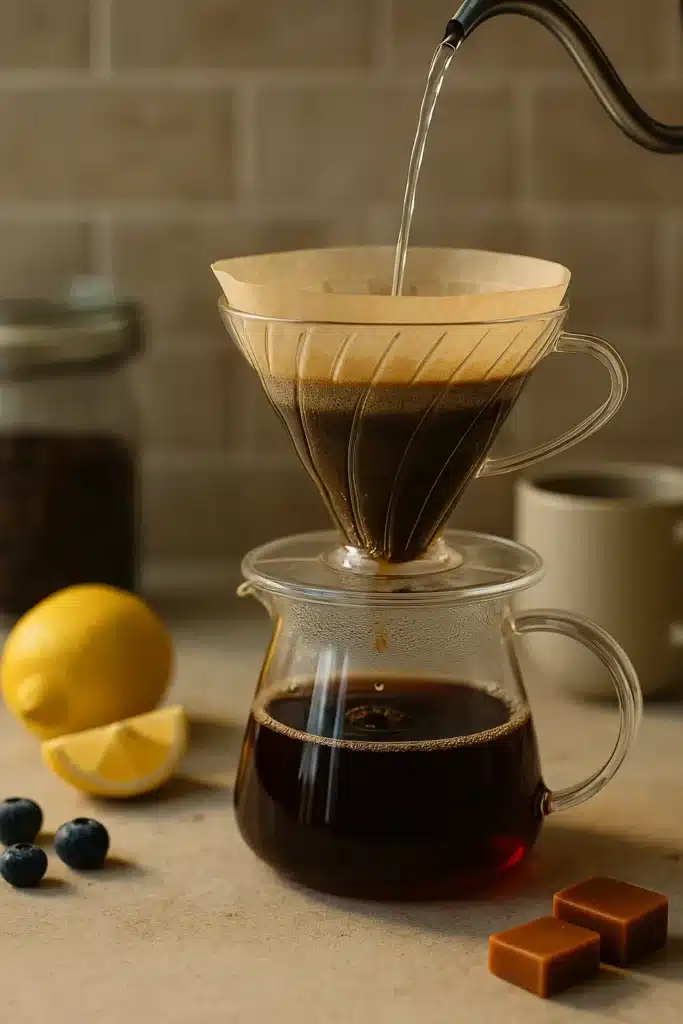
A roast profile is simply the game plan a roaster follows from green bean to finished coffee. It includes how fast the beans heat, the total time in the roaster, the temperatures the beans reach, and what happens during key milestones like first crack (when moisture expands and the bean pops) and second crack (when structural cellulose begins to break down more dramatically). Within that big picture, tiny changes—20 seconds more heat here, lower rate of rise there—can nudge flavor toward brightness or depth, crispness or syrupy heft.
I like to imagine a roast profile as a road trip with three phases:
- Drying phase: Driving off surface moisture, laying the foundation for even reactions later.
- Maillard phase: Browning reactions that build sweetness, toastiness, and the beginnings of body. This is where aroma explodes.
- Development phase (post-first crack): Fine-tuning how flavors balance—pushing toward caramel, cocoa, nuts, or, with longer development, charcoal and smoke.
A roaster can run that trip quickly or slowly. They can emphasize the Maillard phase for more caramelized sweetness or keep development shorter to protect juicy acids. Those decisions form the profile.
Acidity, Sweetness, and Body—What They Really Mean in the Cup
Before we go deeper, let’s translate these tasting terms into something you can feel on your tongue:
- Acidity is the perception of tartness or brightness. Think lemon zest, green apple, pineapple, or even the gentle tang of a ripe tomato. Good acidity makes a coffee feel lively and layered—like light shining through stained glass. It’s not “sour” when properly balanced; it’s crisp and clean.
- Sweetness is the natural sugar impression from caramelization and Maillard reactions. In coffee, sweetness isn’t “sugary” in the dessert sense; it’s more like honeyed cereal, toasted marshmallow, or brown sugar in the aftertaste. Sweetness is what turns acidity from sharp to juicy.
- Body is texture—the weight of the liquid. Picture the difference between sipping green tea (light) and drinking hot chocolate (heavy). Coffee body spans silky, creamy, velvety, and syrupy. It’s affected by roast, but also by brew method and filtration.
Each axis interacts with the others. A coffee with high acidity and high sweetness can taste like fresh fruit jam. A coffee with modest acidity but strong sweetness and heavy body can taste like chocolate fudge. The roast profile is one of the most powerful levers to tilt this balance.
What Actually Changes During a Roast?
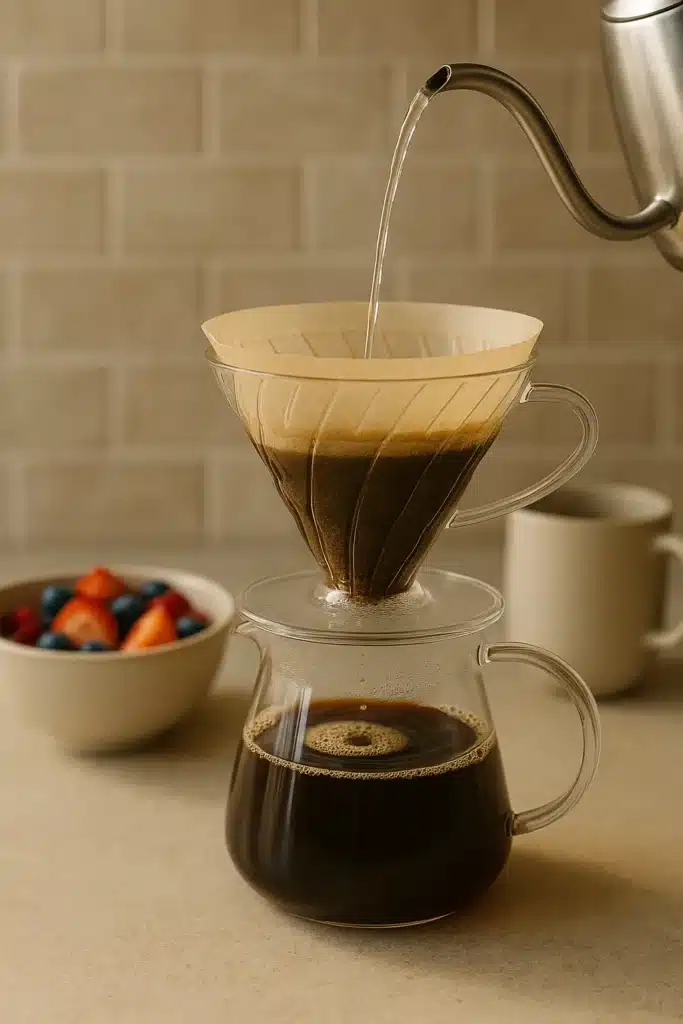
Here’s the chemistry in plain English. As beans heat, several things happen:
- Organic acids (citric, malic, phosphoric) transform. Bright acids diminish as roast progresses; some convert into compounds that read as caramel or cocoa. That’s why darker roasts are less tangy.
- Maillard reactions (amino acids + sugars) build browning flavors: bread crust, cereal, toasted nuts. This also lays down the scaffolding of sweetness.
- Caramelization turns simple sugars into deeper, richer compounds—we taste this as toffee, caramel, and molasses. More caramelization generally means more perceived sweetness, up to a point.
- Cell structure changes: As the matrix breaks down, oils migrate, affecting the body and crema in espresso. An extended roast can create more soluble compounds that extract easily—often with a heavier texture, but with a trade-off: fewer delicate aromatics.
Think of light roasts as preserving the bean’s original fruit acids and floral aromatics; darker roasts amplify roast-generated sweetness and body at the expense of that delicate acidity. Medium roasts aim for the sweet spot (pun intended), keeping just enough brightness to feel lively while building a round, sweet mid-palate.
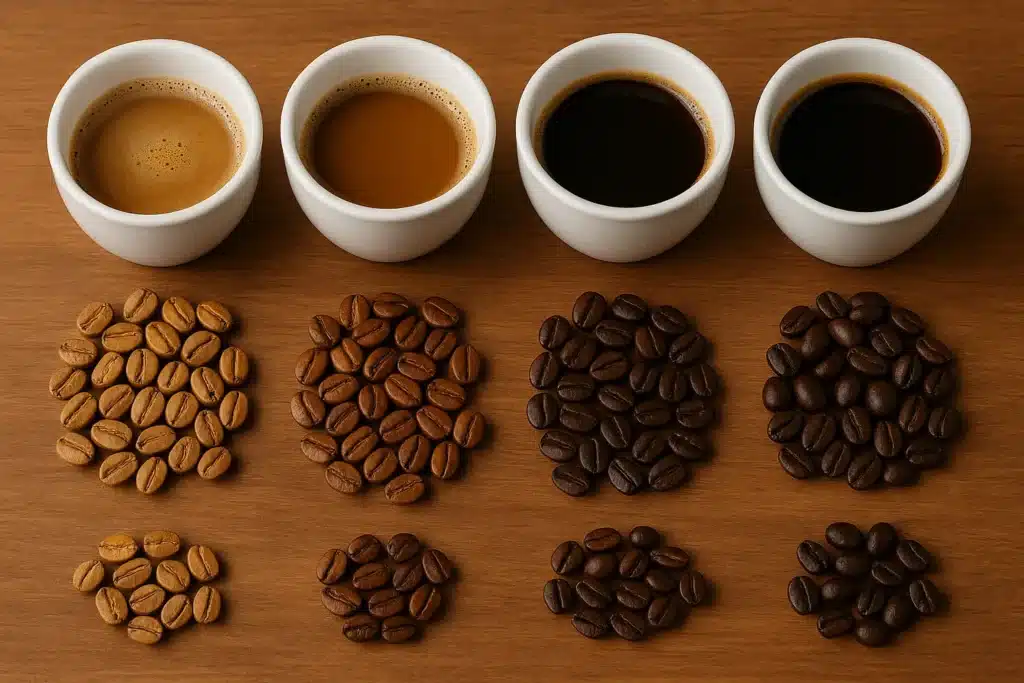
Light, Medium, Dark: How Each Tends to Taste
I’ll use general tendencies here. Individual coffees and roasters vary, but these patterns hold surprisingly well.
Light Roast (end at or shortly after first crack)
- Acidity: High and sparkling; you’ll notice citrus, berry, stone fruit, or tropical notes.
- Sweetness: Present but lighter—think honey, cane sugar, or light caramel.
- Body: Usually lighter—tea-like, silky, sometimes juicy rather than creamy.
- When I crave it: Filter brews on a quiet morning; natural-processed Ethiopia that tastes like jasmine and peach; washed Kenya that bites like blackcurrant.
Medium Roast (more time in development without reaching second crack)
- Acidity: Balanced—brighter than dark roast, softer than light roast. Fruit tones become round (apple → baked apple).
- Sweetness: More caramelized—brown sugar, nougat, milk chocolate.
- Body: Fuller and creamier; more weight on the tongue.
- When I crave it: My daily driver drip; versatile espresso that’s forgiving but still lively.
Dark Roast (approaching or crossing second crack)
- Acidity: Low to muted. Fruit gives way to roast tones.
- Sweetness: Can be rich (molasses, burnt sugar), but can tilt bitter if pushed too far.
- Body: Heaviest—syrupy, sometimes oily; robust mouthfeel.
- When I crave it: Café con leche vibe; thick moka pot or French press; late-night espresso with chocolate dessert.
How Development Time and “Roast Degree” Steer Flavor
Two roaster terms that matter for drinkers:
- Roast degree: The final color/temperature—essentially where the roast finishes on the light-to-dark spectrum. This is your most visible signal of acidity versus body.
- Development time: How long the roaster continues after the first crack. More time tends to mellow acidity and build sweetness/body—but overdo it, and you trade nuance for smoke and bitterness.
I’ve cupped coffees where a 30-second increase in development changed citrus into nectarines and shifted the mouthfeel from airy to plush. It’s subtle in the roaster, dramatic in the cup.
Origin, Variety, and Processing Still Matter (A Lot)
Roast can’t create flavors that aren’t in the bean. A washed Ethiopian heirloom variety wants to sing with floral acidity; a wet-hulled Sumatra naturally leans toward earthy cocoa and heavy body. Processing shapes the canvas:
- Washed coffees: cleaner acidity, crisp structure, transparent fruit.
- Natural/dry-processed coffees: more jammy sweetness, ripe fruit, bigger body.
- Honey/anaerobic/experimental: layered sweetness, unique acids (grape soda, tropical candies), complex body.
Roast highlights or softens what’s already there. That’s why two light roasts can taste wildly different: origin + processing + roast = the flavor triangle.
Brew Method and Grind: The Unsung Partners
Even the perfect roast will stumble if the brew is off. A few quick, practical truths from my kitchen:
- Pour-Over (e.g., V60, Kalita) amplifies acidity and clarity. Light and medium roasts shine. Keep the grind slightly finer for light roasts to extract enough sweetness to balance the zing.
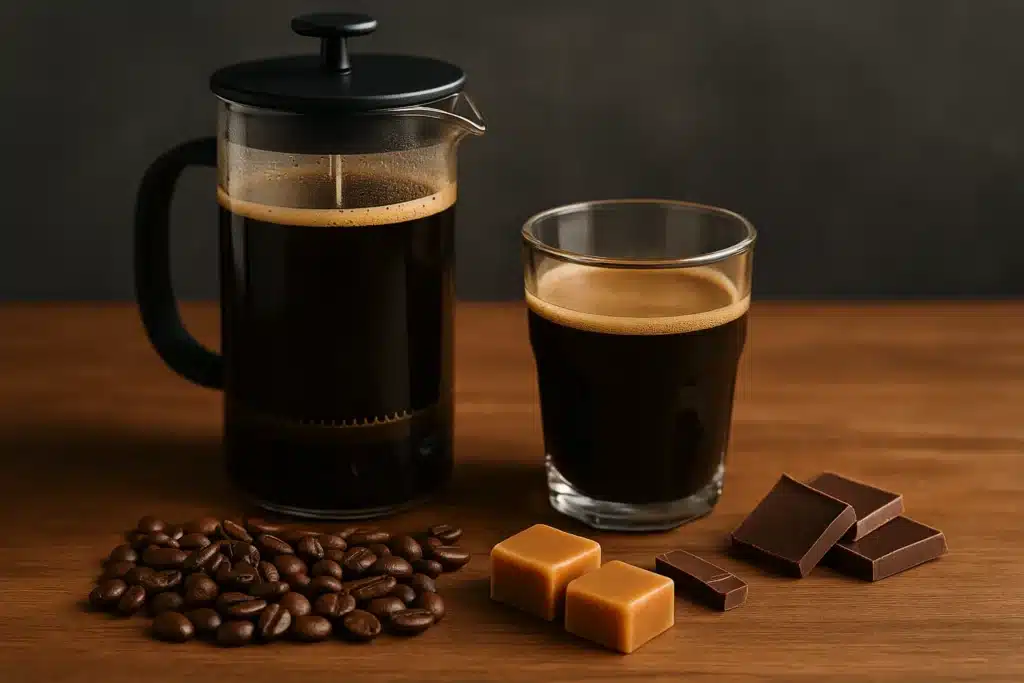
- French Press/Cafetière emphasizes body because metal filters let more oils through. Great for medium-dark roasts that already have weight and cocoa tones.
- Espresso compresses everything. It stretches roast differences to their limits: a light roast can be laser-bright; a dark roast turns into syrup. Adjust grind and ratio with care.
- Moka Pot loves medium to medium-dark—chocolate, nuts, caramel. Too light can taste sharp.
- Cold Brew softens acidity and leans sweet and round. Light roasts lose some sparkle; medium roasts often become chocolate milk.
If a light roast tastes a bit too sharp, try a slightly finer grind or a higher brew temperature to pull more sweetness. If a dark roast feels flat, coarsen the grind a hair and shorten contact time to avoid over-extracting bitter compounds.
The Taster’s Triangle: Balancing Acidity, Sweetness, and Body at Home
Here’s a simple framework I’ve used in classes and at home:
- Brew a light roast and a medium roast from the same origin.
Keep everything constant (dose, grind, water, method). Taste side-by-side. Note brightness, sweetness, and texture. - Change one variable at a time.
With the light roast, grind a touch finer on the next brew—does sweetness catch up to acidity? With the medium roast, try a slightly cooler water temperature—does that protect acidity and reduce bitterness? - Name the sensations.
Give words to what you feel: “sparkling,” “silky,” “chewy,” “jammy,” “cocoa powder finish,” “lemon zest” vs. “lemon curd.” Naming helps you remember and aim for your next choice. - Map your preference.
If your notes are full of citrus and flowers, you probably love light roasts. If you keep writing “brown sugar, chocolate, creamy,” medium to medium-dark is your lane. No right answer—just the right coffee for your palate.
Why Some Coffees Taste Sour or Bitter (and How to Fix It)
- Sour cup (sharp, underdeveloped taste):
It could be too light a roast, too coarse a grind, too short a contact time, or cool water. Fix by grinding finer, extending brew time a bit, or bumping water temp. If the roast is extremely light and the acid is harsh, try a gentle pulse pour or a ratio closer to 1:15 to boost body. - Bitter cup (harsh, drying finish):
It could be too dark a roast, too fine a grind, too long a contact time, or too hot water. Fix by grinding coarser, shortening time, or lowering the temperature slightly. If the roast is deep, consider metal filtration (French press) to complement its heavy, sweet side. - Flat or dull cup:
Often, over-development in the roast or over-extraction in the brew. Coarsen the grind a touch, or try a coffee with higher inherent acidity (washed Central America, washed East Africa) to add life back into the cup.
A Personal Mini-Experiment You Can Try This Weekend
I did this recently and loved the clarity it gave me. Pick one coffee you enjoy—ideally a medium roast that has both fruit and chocolate in its description. Brew three cups:
- Standard recipe (your usual ratio and grind).
- Finer grind, same ratio (aim for +20–30 seconds in total brew time).
- Coarser grind, same ratio (aim for −20–30 seconds).
Taste them warm and again as they cool. You’ll likely see the triangle in action: cup #2 is sweeter and fuller, with softer acidity; cup #3 is brighter but lighter. Once you feel it, you can dial any coffee toward your preferred balance.
Matching Roast to Your Favorite Brewing Style
- Pour-Over: Light to medium; washed origins with citrus and florals; crisp sweetness.
- French Press: Medium to dark; chocolatey blends or naturals; plush body.
- Espresso: Medium for balance and forgiveness; light if you love fruit-forward shots and are willing to dial aggressively; dark for syrupy, classic Italian-style vibes.
- Cold Brew: Medium roasts for milk-chocolate sweetness; naturals for berry-cola notes.
- Moka Pot: Medium-dark, nutty, caramelly coffees that hold up to higher heat.
Decoding Bag Language Without a Glossary in Hand
Roasters use shorthand that hints at the profile:
- “Light, washed, citrus, florals” → anticipate higher acidity, tea-like body.
- “Medium, caramel, milk chocolate, nuts” → balanced acidity, round sweetness, creamy body.
- “Dark, cocoa, smoke, molasses” → low acidity, big body; brew gently to avoid bitterness.
Terms like “City/City+” often point to light-medium, “Full City” to medium-dark, and “French/Italian” to dark. “Post-roast development” or “extended Maillard” suggests emphasis on sweetness and body.
Best 5 Coffee Picks to Explore Roast Profile Differences
Lavazza Super Crema Whole Bean Espresso
A medium roast blend that leans nutty-caramel with a creamy body. Great for espresso and moka pot; a forgiving way to taste how medium development boosts sweetness.

Who is this for?
Lavazza Super Crema Whole Bean Coffee is crafted for espresso lovers seeking a rich, creamy flavor with notes of honey, almonds, and dried fruit. Perfect for home baristas, office brewers, and anyone who enjoys Italian-style espresso with smooth crema. Works well in espresso machines, French press, or moka pots.Stumptown Coffee Roasters Hair Bender
A lively, medium roast blend with layered fruit and chocolate. Brew it as a pour-over and espresso to see how acidity and sweetness trade places with different methods.

Who is this for?
Stumptown’s Hair Bender blend is for bold coffee lovers seeking rich, complex flavor. With notes of chocolate, citrus, and caramel, it’s ideal for espresso fans or those who brew drip coffee with finesse. Perfect for daily drinkers or connoisseurs who crave high-quality, ethically sourced beans roasted to perfection.Intelligentsia Black Cat Classic Espresso
Smooth and chocolate-forward medium roast. Pull a longer shot and then a shorter one—you’ll feel your body concentrate and acidity relax.

Who is this for?
Intelligentsia’s Black Cat Classic Espresso is crafted for espresso enthusiasts who crave complexity with a smooth, sweet finish. With rich notes of chocolate and caramel, it’s ideal for home brewers and baristas alike who want café-quality espresso from whole beans. Great for both straight shots and milk-based drinks.Kicking Horse Cliff Hanger Espresso
Medium roast that can swing from berry to cocoa depending on brew. Try it as cold brew to watch acidity soften into syrupy sweetness.

Who is this for?
Grizzly Claw by Kicking Horse is perfect for bold coffee lovers who crave deep, dark, chocolaty flavors. Sourced organically and roasted in the Canadian Rockies, it’s ideal for those who enjoy a rich, full-bodied brew. Best suited for French press, drip, or pour-over aficionados who want ethical and intense flavor.The Light Roast Lover’s Guide to Sweetness (Without Losing Brightness)
A common fear is that light roasts are “all acid, no sweet.” They don’t have to be. Here’s how I coax sweetness from a bright coffee while keeping its sparkle:
- Use fresh, high-quality beans—light roasts fatigue faster. Aim to finish the bag within three weeks of the roast date.
- Water matters: If your water is very soft, acidity can pop hard, and sweetness might feel thin. A balanced water recipe (moderate calcium and bicarbonates) rounds the cup. Even a filtered tap with enough mineral content can help.
- Grind just a notch finer than you think. Extract those Maillard compounds that taste like honey and cereal.
- Pulse pour (short, controlled pours) to avoid channeling and to keep extraction steady; I often bloom generously (2:1 water to coffee for 35–45 seconds) for light roasts to wake them up.
The Dark Roast Fan’s Guide to Reducing Bitterness (While Keeping Body)
If you love thick, chocolatey cups, embrace them. Just brew in a way that guards sweetness:
- Coarsen the grind slightly to keep the extraction from running away into harshness.
- Lower water temperature a touch (92–94°C rather than a rolling 100°C) for filter brews; for French press, rely on gentle agitation.
- Shorten the contact time if the finish dries your tongue. A 1:15 ratio with a slightly faster drawdown often tastes sweeter and rounder than a 1:16 that lingers too long.
- Consider metal filters (French press, metal pour-over) to let flavorful oils pad the mouthfeel and sweetness.
Espresso: When Roast Profile Becomes a Magnifying Glass

Espresso exaggerates everything. Light roasts can dazzle with strawberry lemonade and jasmine—but they’re demanding. You’ll adjust grind finer, extend shot time, and often aim for slightly higher brew temperatures to pull sweetness up alongside the acidity. Medium roasts strike a cozy middle ground, tasting like caramel and cocoa with a pleasant apple-like lift. Dark roasts create thick, crema-heavy shots with low acidity—great with milk but easy to over-extract if the grind is too fine.
A simple starting framework:
- Light roast espresso: 1:2.5 ratio (e.g., 18 g in → 45 g out), 30–36 seconds, slightly higher temp.
- Medium roast espresso: 1:2 ratio, 25–30 seconds, standard temp.
- Dark roast espresso: 1:1.8 ratio, 22–26 seconds, slightly lower temp to avoid bitterness.
Taste, adjust, repeat. Espresso rewards curiosity.
My “Same Coffee, Different Roast” Story
I once cupped two roasts of a Colombian Caturra from the same microlot—one light-medium, one medium-dark. Side-by-side pour-overs told the whole story. The lighter roast made me think of orange blossom, white grape, and nougat; the acidity felt like a friendly handshake—present but polite. The darker roast dialed the fruit way down and pushed cocoa and toasted hazelnut forward, with a comfortingly thick body. Neither was better; they were two personalities in the same family. It taught me to ask, “What do I want from this coffee today—spark, sweetness, or a hug?” and to choose the roast accordingly.
Troubleshooting Real-World Scenarios
“My light roast always tastes a bit sharp.”
Try a smaller brew bed depth (single-cup cone rather than big batches), a finer grind, or a slightly higher dose. Bloom longer to liberate CO₂. Aim for a total brew time around 3:00–3:30 for a single-cup V60; if it’s finishing in 2:20, you’re under-extracting.
“My dark roast is too ashy.”
Coarsen the grind and shorten your ratio (1:15 rather than 1:16). If using espresso, reduce the temperature 1–2°C and shorten shot time a touch.
“My medium roast tastes dull compared to the bag notes.”
Consider water—overly hard water can flatten brightness. Or, bump the brew temperature and switch to a paper filter to scrub muddiness, letting the acidity peek through.
Building a Coffee Shelf That Teaches You Roast Profiles
A fun (and delicious) way to learn is to keep three styles on hand:
- A washed light roast from East Africa (Ethiopia or Kenya) for floral/citrus acidity and tea-like body.
- A balanced medium roast from Latin America (Colombia, Guatemala, Costa Rica) for caramel sweetness and creamy body.
- A comfort-leaning medium-dark or dark roast (Sumatra or a chocolate-heavy blend) for a syrupy body and low acidity.
Brew them across methods—pour-over, French press, iced pour-over, even moka pot—and write quick notes. You’ll start predicting how a roast will taste before you open the bag.
FAQs (The Questions People Actually Ask)
Is acidity in coffee bad for my stomach?
“Acidity” here is a flavor term, not pH; you’ll necessarily feel heartburn. If you’re sensitive, medium roasts and immersion brews (French press, AeroPress) often feel gentler. Cold brew also softens perceived acidity.
Why do some light roasts taste sweet and others taste sour?
Quality and roasting skills are huge. Good light roasts are fully developed internally (not baked or underdeveloped), allowing natural fruit sweetness to shine. If a light roast is grassy or biting, it may be underdeveloped or under-extracted in your brew.
Is dark roast stronger in caffeine?
Caffeine content doesn’t change dramatically with roast; brew ratio and dose matter far more. Dark roasts can taste “stronger” because of intense roast flavors and a heavier body.
Which roast is best for milk drinks?
Medium roasts are the friendliest for lattes and cappuccinos—enough chocolate/caramel to punch through milk while still offering some fruit lift. Dark roasts give a classic chocolate malt vibe. Light roasts can be stunning in milk if dialed in, but they’re less forgiving.
A Practical Buying Guide Based on Taste Goals
- You like lemonade, berries, florals, and green apple snap: Seek light roasts of washed Ethiopians, Kenyans, and high-elevation Centrals. Brew as pour-over. Grind just slightly finer than your usual to capture sweetness with the sparkle.
- You like caramel, milk chocolate, toasted nuts, and baked fruit: Choose medium roasts from Colombia, Guatemala, Brazil, or blends designed for versatility. Brew as drip, AeroPress, or espresso.
- You like dark chocolate, smoke, molasses, heavy mouthfeel: Go medium-dark to dark roasts from Sumatra, Brazil blends, or roasters who specialize in classic profiles. Brew French press, moka pot, or espresso with shorter ratios.
The Takeaway: Roast Profile Is a Flavor Dial, Not a Score
Here’s the big picture I share with friends who are getting into coffee:
- Light roast is a spotlight on origin—higher acidity, delicate sweetness, lighter body.
- Medium roast is a harmony of balanced acidity, caramel sweetness, and creamy body.
- Dark roast is a warm blanket—low acidity, robust sweetness (until it tips), heavy body.
There’s no “best” roast, only the best choice for today’s mood, your brewing method, and the flavors you love. The fun part is that you can steer any cup toward your sweet spot by tweaking grind, ratio, time, and temperature.
The magic moment is when you sip and can say, “Ah, the roaster leaned into Maillard for more sweetness,” or “They kept development short to protect that phosphoric sparkle.” That’s when coffee stops being a mystery and becomes a language you speak. And once you speak it, every bag becomes an invitation—bright and citrusy, round and caramelly, or heavy and cocoa-rich—to choose the story you want in your cup.
So brew something you love this week—maybe a floral light roast on a quiet morning, or a chocolate-rich medium roast for Sunday pancakes. Taste slowly. Name what you feel. And when you’re ready to nudge the cup toward more acidity, more sweetness, or more body, you’ll know exactly which dial to turn: the roast.


