
Pour-Over 101: A Beginner’s Guide to Perfecting V60 and Kalita


OneHundredCoffee is reader-supported, and some products displayed may earn us an affiliate commission. Details
Pour-over looks innocent, doesn’t it? A cone, a paper filter, hot water, coffee grounds… and you’re done. That’s the promise. But the first time you try a V60 at home—say a trusty Hario V60 02 Plastic Dripper—reality shows up like: Why is it sour? Why is it bitter? Why did it drain in 1:45 yesterday and 3:40 today with the same coffee? If you’ve felt that, you’re not doing anything “wrong.” You’re just meeting the part of pour-over that nobody warns beginners about: it’s simple in tools, but sensitive in variables.
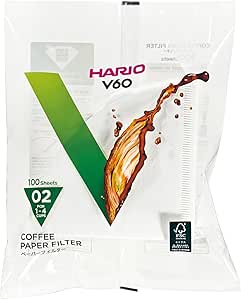
Here’s the good news—the reason people fall in love with pour-over is the same reason it can feel tricky at first. Pour-over is honest. It tells you exactly what your grind, water, pouring, and coffee are doing. When it’s dialed in, it’s one of the cleanest, sweetest ways to taste what coffee really has to offer. You can pick up florals you never noticed. You can taste the difference between a washed Ethiopian and a natural Brazilian like it’s a different drink entirely. And you don’t need an espresso machine to do it—just a few basics, a little rhythm, and a willingness to adjust. A quality paper like Hario V60 02 Paper Filters, a steady kettle such as the Fellow Stagg EKG Electric Kettle, and a reliable scale like the Timemore Black Mirror Basic 2 go a long way toward making the “honesty” of pour-over feel like a superpower instead of a mystery.
Think of this guide like sitting at the counter with a friend who’s made way too many V60s and has burned through enough bags of coffee to learn the hard way. We’re going to walk through V60, Kalita Wave, and the wider pour-over world without making you memorize a chemistry textbook. If you’re curious about a flat-bottom dripper that evens out flow, something like the Kalita Wave 185 Dripper can help tame wildly fast or slow drains. Prefer a quick, consistent travel setup that still nails clarity? Keeping an AeroPress Original around as a “pressure-assisted pour-over cousin” can save a bad morning. You’ll get a practical way to start, a clear way to troubleshoot, and a feel for what matters most—so you can stop guessing and start brewing cups you actually look forward to.
Pour-Over Brew Coffee Gear — At a Glance
| Image | Product | Features | Price |
|---|---|---|---|
|
Best Classic Dripper

|
Iconic cone pour-over design
|
Price on Amazon | |
|
Best Elegant Brewer

|
Clean, crisp cup profile
|
Price on Amazon | |
|
Best Flat-Bottom Pick

|
More forgiving extraction style
|
Price on Amazon | |
|
Best Stovetop Kettle

|
Precise gooseneck pouring
|
Price on Amazon | |
|
Best Premium Kettle

|
Precision electric temp control
|
Price on Amazon | |
|
Best Step-Up Grinder

|
Filter-friendly grind range
|
Price on Amazon | |
|
Best Easy Electric

|
Consistent burr grinding
|
Price on Amazon | |
|
Best Manual Grinder

|
Portable precise hand grinding
|
Price on Amazon | |
|
Best Paper Filters
|
Clean sediment-free brewing
|
Price on Amazon | |
|
Best Matching Server

|
Heatproof serving carafe
|
Price on Amazon |
And one more thing: pour-over isn’t about perfection every day. It’s about getting consistently good, then learning how to make it great when you want to. That’s the sweet spot.
V60, Kalita Wave, and “Beyond”: Choosing a Dripper That Matches Your Personality

If you search “best pour-over dripper,” you’ll find a thousand opinions, and most of them sound like a debate team. Let’s make it simple: the V60 is expressive and responsive—amazing when you want clarity and control. The Kalita Wave is steadier and more forgiving—great when you want consistent sweetness with fewer surprises. “Beyond” includes drippers like the Origami, Chemex, April, Orea, and clever hybrids that sit somewhere in between.
The V60 (especially the classic Hario) has spiral ridges and a single large hole at the bottom. That design gives you a lot of control, but it also means your pour technique and grind consistency show up immediately in the cup. When a V60 is good, it’s bright, clean, and layered. When it’s off, it can swing sour or astringent fast. A lot of beginners feel like V60 is “hard,” but it’s not hard—it’s revealing. It’s like a microphone that picks up every tiny detail.
The Kalita Wave (often the 185 size for most people) uses flat-bottom geometry and three small holes. It tends to slow down and smooth out extraction, which helps produce a rounder, sweeter cup with less drama. If you’re the kind of person who just wants a great cup before work without a mini science project, Kalita is your friend.
Now, the “beyond” drippers are worth mentioning because you might not stay a beginner forever, and also because some of them solve common frustrations. Origami can behave like a V60 or a flat-bottom brewer depending on the filter you use. The Chemex gives you that iconic clean, tea-like profile with thick paper filters, but it’s less punchy in body. Some modern flat-bottom brewers focus on speed and evenness, making it easier to get sweetness without harshness.
Here’s a simple comparison to help you choose without overthinking it:
| Dripper | Flavor Tends To Be | Forgiveness | Best For | Common Beginner Problem |
|---|---|---|---|---|
| V60 | Crisp clarity, bright notes, layered aroma | Medium-Low | People who like control and “high definition” coffee | Sourness or astringency from grind/pour issues |
| Kalita Wave | Sweet, round, balanced, comforting | High | Consistency, everyday brewing | Under-extraction is too coarse/cool |
| Chemex | Very clean, smooth, gentle | Medium | Light, elegant cups; serving multiple people | Under-extraction if too coarse/cool |
| Origami | Flexible: can be bright or sweet | Medium | Experimenters who want options | Too fast if you pour aggressively |
| Flat-bottom “modern” brewers | Even extraction, sweetness, clarity | High | People who want great results with less fuss | Getting the bed level and flow consistent |
If you’re stuck deciding, here’s my real-world advice: if you want one dripper to learn deeply, pick V60. If you want a dripper that makes you feel successful quickly, pick Kalita. And if you love super-clean cups and the ritual feels romantic to you, Chemex. And if you’re the type who loves adjusting things just to see what happens, Origami is a playground.
The Bare-Minimum Setup (and the “Nice-to-Have” Tools That Actually Matter)
You do not need a café bar to brew a good pour-over. But you do need a few things to avoid frustration. I’ve seen so many beginners blame themselves when the real issue was a dull grinder or water that was basically swimming pool chemistry.
The bare minimum is: a dripper, filters, a scale, a kettle, a grinder, and decent coffee. That’s it. The scale is non-negotiable if you want consistency. If you try to brew by “looks about right,” you’ll end up chasing your tail because small differences in dose and water weight matter more than you think.
A gooseneck kettle is strongly recommended—especially for V60. Could you do it with a normal kettle? Yes. Will it feel like trying to paint with boxing gloves? Also yes. The gooseneck is not about being fancy; it’s about controlling flow rate and where the water lands. When beginners struggle, it’s often because they pour too hard, disturb the bed too much, and accidentally create channels—tiny highways where water rushes through without extracting evenly.
Grinder quality matters more than most people expect. A grinder that produces lots of fines (powdery bits) will clog filters and create bitterness or dryness. A grinder that produces boulders (big chunks) will under-extract and taste sour or thin. You don’t need the most expensive grinder on earth, but you do need one that’s consistent.
Nice-to-have items that actually earn their place: a simple thermometer (if your kettle doesn’t show temp), a small spoon or stir stick (for gentle agitation), and a carafe or server if you’re making bigger batches. A fancy distribution tool? Not needed. A high-end dripper stand? Not needed. A temperature-controlled kettle is lovely, but not required.
One overlooked tool is your timer. Many scales include one, and it’s incredibly helpful—not because brew time is a strict rule, but because it gives you a signal. If your V60 suddenly drains 45 seconds faster than yesterday, something changed: grind, pour speed, coffee age, filter, or technique. A timer helps you notice patterns instead of relying on memory.
If you’re building your setup slowly, prioritize in this order: scale first, grinder second, gooseneck kettle third. Drippers and filters are relatively inexpensive and easy to swap later.
Filters: The Quiet Detail That Can Change Your Coffee More Than You’d Believe

Paper filters don’t get enough respect. People treat them like napkins—just something you grab and toss. But filters shape flow rate and taste more than most beginners realize. If your coffee tastes unexpectedly papery, hollow, or “flat,” or if your drawdown time is all over the place, filters might be part of the story.
With V60, filter choice and how you place it matter. Some V60 filters drain faster, some slower, some emphasize clarity, and some can make the cup feel softer. Kalita Wave filters have that wavy design that creates air gaps along the brewer walls, which helps flow, but they can also clog if your grinder produces a lot of fines. Chemex filters are thick and slow; they create ultra-clean cups but can hide body and mute some flavors.
Always rinse your filter. This isn’t a trendy ritual—it’s practical. Rinsing removes papery taste and preheats your brewer and vessel. A cold ceramic dripper can steal heat from your brew, and cooler water extracts differently (often leading to sour or underdeveloped flavors). Rinsing also seats the filter so it doesn’t collapse mid-brew.
When you rinse, use hot water and be generous. Then discard the rinse water. It takes ten seconds and can save an entire cup. If you’re brewing into a server, rinsing also warms the server, which helps keep your brewed coffee from cooling too quickly. That temperature stability matters for flavor perception—especially in the first few minutes.
A beginner-friendly tip that sounds too simple but works: after rinsing, gently press the filter into place so it hugs the walls evenly. For V60, make sure the seam isn’t creating a weird fold that channels water down one side. For Kalita, ensure the filter sits flat and centered. Small paper wrinkles can influence flow more than you’d think.
If you’re consistently getting stalling (very slow drawdown) on Kalita, try tapping your grinder setting slightly coarser and consider whether your filters are clog-prone with your coffee. If you’re getting super-fast drains on V60 that taste thin, a slightly slower filter or a minor grind adjustment can stabilize things.
Filters are not glamorous—but they’re quietly powerful.
Water: The “Invisible Ingredient” That Can Make Great Beans Taste Like Nothing
If you’ve ever brewed a pour-over that smelled amazing and tasted… weirdly dull, water is one of the first suspects. Coffee is mostly water. That means water chemistry isn’t a tiny detail—it’s the foundation. You don’t need to become a water scientist, but you should know the two extremes that cause problems.
Extremely soft water can make coffee taste flat, empty, or sour, confusingly, like the flavors don’t “lock in.” Extremely hard water can make coffee taste chalky, harsh, or muted, like the good notes are buried under a mineral blanket. Many bottled waters are not consistent, and some tap waters vary seasonally.
If you want a simple approach, start with filtered water that tastes good on its own. If your tap water tastes great, you’re already ahead. And if it tastes heavily chlorinated or metallic, fix that first—because coffee will magnify it.
Temperature matters too. A common beginner myth is “boiling water burns coffee.” In pour-over, especially for lighter roasts, hotter water often helps with extraction and sweetness. The bigger danger is water that’s too cool, which can leave you with sour, under-extracted cups. A simple target range is: hot water just off boil for light roast, slightly cooler for medium, and a bit cooler again for dark—though dark roasts can extract quickly and get bitter if you push too hard.
But here’s the real-world trick: don’t obsess over exact numbers at the beginning. Keep your water hot and consistent. If you’re troubleshooting sourness, try hotter water before you change everything else. If you’re troubleshooting bitterness and dryness, try slightly cooler water or a gentler pour.
Also, preheating your brewer is part of water control. If your dripper is cold, your slurry temperature drops early in the brew, changing the extraction. That can make the first half of the brew pull different compounds than you intended.
Water is one of those things you don’t notice until you do—and then you wonder how you ever brewed without paying attention to it.
Coffee Beans: What to Buy as a Beginner (So You Don’t Accidentally Make It Harder)

Some coffees are naturally easier to brew than others. This isn’t about “good” versus “bad.” It’s about how forgiving the flavor profile is while you learn technique.
If you’re brand new, a medium roast or a light-medium roast can be a sweet spot. Very light roasts can taste spectacular in pour-over—but they’re less forgiving if your grinder or technique isn’t consistent yet. Very dark roasts can be forgiving in extraction, but they can turn bitter and smoky fast if you brew aggressively.
Look for tasting notes that sound like things you actually enjoy. If you love fruit teas and bright flavors, try a washed African coffee and expect a learning curve (worth it). If you prefer chocolate, nuts, caramel, and cozy sweetness, start with a Latin American coffee. Those often brew with fewer sharp edges and help you learn what “balanced” feels like.
Freshness matters, but not in the dramatic way people sometimes say. Coffee that’s too fresh (like 1–3 days after roast) can be gassy and unstable, which can cause uneven blooming and unpredictable drawdown. Coffee that’s too old can taste flat no matter what you do. A good general window for pour-over is roughly one to four weeks after roast, depending on roast level and storage.
And storage: keep coffee in an airtight container, away from heat and light. Don’t store it in the fridge where it can absorb odors and moisture. If you buy a big bag, consider splitting it into smaller portions so you aren’t opening and closing the same bag 30 times.
One personal learning moment I’ll never forget: I kept “fixing” my V60 recipe for a coffee that tasted thin every time. I adjusted grind, water temp, bloom, pour speed—everything. Then I tried a different bag. Suddenly, the same technique tasted sweet and lively. The first bag wasn’t bad—it was just older and less expressive. That taught me a gentle truth: don’t blame your hands for what the beans can’t give anymore.
Grind Size: The Real Key to Consistency (and the Fastest Way to Fix a Bad Cup)

If pour-over had one “master dial,” it would be grind size. Change your grind, and you change flow rate, extraction, and flavor balance. That’s why pour-over can feel unpredictable: a tiny grind shift can move your cup from sour to sweet to bitter.
Here’s a beginner-friendly way to think about it. If your cup tastes sour, sharp, or watery, you’re usually under-extracting. The water moved through too quickly or didn’t dissolve enough of the coffee’s good stuff. A slightly finer grind slows flow and increases extraction. If your cup tastes bitter, harsh, dry, or hollow—like it leaves your mouth feeling rough—you’re usually over-extracting or extracting unevenly. A slightly coarser grind can help, but so can pouring gently and avoiding excess agitation.
The word “slightly” matters. Beginners often make huge grind changes and then feel lost. Try small adjustments. If your grinder has steps, move one or two clicks at a time. If it’s stepless, make a tiny mark and nudge.
Also, grind consistency matters as much as grind size. If your grinder creates a lot of fines, your brew can stall and taste bitter even when your grind looks “right.” If you’re stuck in a cycle of stalling and bitterness, don’t assume you’re bad at pouring—your grinder might be fighting you.
A simple practical target: for V60, start around a medium-fine grind (like table salt leaning slightly finer). For Kalita, start around medium (table salt leaning slightly coarser). Then adjust based on taste and drawdown. Most single-cup pour-overs land somewhere between 2:30 and 3:30 total brew time, but time is a clue—not a law.
One more thing: if you change coffee, you’ll often need to change the grind. Different beans produce different particle behavior. Some create more fines, some bloom more, some drain faster. That’s normal. Pour-over is not “set and forget.” It’s more like cooking—you learn a base method, then you taste and adjust.
Once you get comfortable making grind changes calmly, pour-over becomes dramatically less stressful.
Ratios and Recipes: A Simple Starting Point for V60 and Kalita (That You Can Actually Repeat)
Let’s talk ratios—because this is where beginners either get confidence or confusion. The classic range is roughly 1:15 to 1:17 (coffee to water). That means for every 1 gram of coffee, you use 15–17 grams of water. A 1:15 ratio tastes stronger and richer. A 1:17 ratio tastes lighter and more tea-like.
If you’re starting, choose one ratio and stick with it for a week so you can learn what changes do. I like 1:16 as a friendly middle ground. It gives sweetness without feeling thin.
Now, instead of throwing ten recipes at you, here’s a tight set of starter recipes that work well for most beginners. Treat them like training wheels—you can personalize later.
| Brewer | Coffee Dose | Water | Ratio | Water Temp Feel | Target Brew Time | Pour Style |
|---|---|---|---|---|---|---|
| V60 (1 cup) | 15g | 240g | 1:16 | Very hot (especially light roast) | ~2:45–3:30 | 3–4 pours, gentle circles |
| V60 (2 cups) | 30g | 500g | 1:16–1:16.7 | Very hot | ~3:15–4:15 | Pulsed pours, keep bed level |
| Kalita 185 | 18g | 288g | 1:16 | Hot, slightly gentler than V60 | ~3:00–3:45 | Steady pulses, minimal agitation |
| Chemex (3-cup) | 30g | 510g | 1:17 | Hot | ~4:00–5:00 | Slow controlled pours |
Bloom: Use about 2–3× the coffee dose in water. So for 15g of coffee, bloom with 30–45g of water. Then wait about 30–45 seconds. After bloom, pour in stages until you hit your total water.
Here’s what beginners often miss: the pouring rhythm affects extraction as much as the ratio does. If you dump all the water at once, you’ll likely get uneven flow, more channeling, and a cup that tastes both sour and bitter (yes, it can happen). Pulsed pours—small pours with short pauses—help keep the slurry stable and extraction even.
Start simple. Brew the same recipe three times. Taste. Change one variable at a time (usually grind). That’s how you build your own “house recipe” instead of borrowing someone else’s numbers forever.
Blooming: What It Actually Does (and Why Your Coffee Sometimes Looks Like a Volcano)
Blooming is the first pour where you wet the grounds and let them expand. You’ll see bubbling and puffing—especially with fresher coffee. That’s CO₂ escaping. If you skip bloom, that trapped gas can repel water, leading to uneven extraction and that frustrating “why does it taste sharp no matter what I do?” feeling.
For beginners, blooming is basically your chance to make sure all the grounds get wet. That’s the point. Not theatrics. Not a perfect dome. Just even saturation.
A good bloom pour is gentle and thorough. Pour enough water to fully wet the bed (again, about 2–3× your coffee dose), then give it a moment. If you notice dry pockets—little islands of dry coffee—use a tiny swirl of the dripper or a gentle stir with a spoon to fix it. Don’t over-stir like you’re mixing cake batter. Just help the water reach everything.
Bloom time is usually 30–45 seconds. Some people go longer. As a beginner, stick to that range. If your coffee is super fresh and extremely gassy, a slightly longer bloom can help. If your coffee is older and barely blooms, don’t force it—just proceed.
One common question is: “My bloom drains really fast—am I doing it wrong?” Not necessarily. If your grind is coarse or your dripper is fast-flowing, the bloom water may sink quickly. You can slow it by grinding a touch finer or pouring more gently, but the main goal is saturation.
Another question: “My bloom rises and cracks and looks messy.” Totally normal, especially with fresh light roasts. The only time bloom behavior is a red flag is when it creates dry pockets that never get wet, or when it channels water down the sides. Aim for an even wet bed, not a perfect show.
Once you stop treating bloom like a performance and start treating it like groundwork, your cups get better fast.
Pouring Technique: How to Pour Like a Human (Not a Robot) and Still Get Consistent Results

Pouring is the heart of pour-over—and the part that makes beginners feel watched by the coffee gods. Let’s remove the pressure. You don’t need “perfect circles.” You need a consistent flow and a calm pattern that keeps the bed even.
For V60, a gooseneck kettle helps you keep a steady stream. Start your pour in the center, then move outward in gentle circles, then back toward the center. Avoid pouring directly on the paper walls for long stretches because water can bypass the coffee bed and reduce extraction. That said, touching the edges occasionally isn’t a crime—it can help rinse grounds off the sides. Just don’t live on the walls.
Pulsed pours are beginner-friendly: bloom, then pour up to a target weight, pause briefly, pour again, pause, and repeat until you reach total water. This keeps the slurry height stable and reduces channeling. A very aggressive continuous pour can work, but it’s easier to mess up early on.
For Kalita, you can be even simpler. The flat-bottom design is naturally stabilizing. You still want a controlled pour, but you don’t have to be as delicate. Many people get great Kalita cups with a steady center pour and small circles, as long as they don’t over-agitate the bed.
Flow rate matters more than fancy motion. If you pour too fast, you’ll churn the bed, create fines migration, clog the filter, and risk bitterness. If you pour too slowly, you may cool the slurry and under-extract, leading to sourness. Aim for a smooth stream that feels like you’re drawing a line, not blasting a hole.
Swirling is your friend when used lightly. A gentle swirl after bloom can level the bed. A gentle swirl after the final pour can settle floating grounds and reduce channeling. But too much swirling can increase fines migration and slow drawdown. Think “calm wave,” not “washing machine.”
If you want one habit that instantly improves results: keep your kettle close enough to control the stream, and keep your pour consistent. Beginners often lift the kettle high, the stream breaks into droplets, and agitation becomes chaotic. Lower the kettle, slow the stream, breathe. Your coffee will taste as you did.
Reading the Brew Bed: Drawdown, Channeling, and the Quiet Signs That Explain Your Flavor
This is the skill that makes you feel like you leveled up. Because once you can read what happened in the brewer, you stop guessing why a cup tastes the way it does.
Start with drawdown time—how long it takes from the first pour to when the water finishes draining. If you brewed the same recipe and suddenly your drawdown is much longer, something changed. Usually: grind got finer, your grinder produced more fines, you agitated more, or the coffee is different (some coffees naturally drain slower).
Now look at the bed after it drains. A flat, even bed usually signals even extraction. A bed with a big crater or a steep slope can signal channeling, where water found one path and rushed through. Channeling often creates cups that taste both sharp and bitter—like the flavor is confused.
Also, check the walls of the filter. If lots of grounds are stuck high up, you may be pouring too aggressively or splashing. Grounds on the wall can be under-extracted because they’re not immersed consistently. A gentle swirl can pull them down earlier.
With V60, a common beginner issue is a fast drawdown that tastes sour. That often means the grind is too coarse or the pour is too fast, so the water didn’t spend enough time extracting. Another common issue is slow drawdown that tastes bitter and dry—often too fine, too much agitation, or too many fines clogging the bottom.
With Kalita, stalling is a classic problem. If the dripper drains painfully slow and tastes harsh, you might be grinding too fine or swirling too much. Kalita tends to reward restraint. Gentle pours, minimal stirring, a grind that isn’t powdery.
The point isn’t to chase a perfect bed every time. The point is to notice patterns. When you taste your cup, then look at the bed, you start connecting cause and effect. That’s how pour-over becomes intuitive instead of mysterious.
And honestly? This is the moment pour-over stops being “hard” and starts being fun.
Troubleshooting Taste: Fix Sour, Bitter, Weak, Harsh, and “Hollow” Without Overcorrecting

Let’s get you out of the spiral where you change everything at once and end up more confused. Here’s the calm way to troubleshoot: identify the main problem, then adjust one variable.
If your coffee tastes sour, sharp, grassy, or like lemon water with no sweetness, it’s usually under-extracted. The fixes: grind slightly finer, use hotter water, pour a bit slower, or increase brew time slightly. Start with the grind. If you’re already fairly fine and still sour, try hotter water. If your brew time is very short (like under 2:15 for a 15g V60), slow it down with a grind or pouring.
Now, if your coffee tastes bitter, harsh, dry, or leaves a rough aftertaste, it can be over-extracted or unevenly extracted. Fixes: grind slightly coarser, reduce agitation (less swirling/stirring), pour more gently, or lower water temp a touch. Again, start with grind. If your drawdown is long and you’re swirling a lot, reduce agitation before you change the ratio.
If your coffee tastes weak or watery, don’t automatically grind finer. First, check your ratio. Maybe you’re using too much water for your dose. Try 1:15 or 1:16 instead of 1:17. Also, check if your pour was too fast and you under-extracted—weakness can be under-extraction disguised as “lightness.”
If your coffee tastes hollow—like it has aroma but the flavor disappears—it can be water chemistry, too-cool brewing, or coffee age. Try hotter water, check your water quality, and make sure you’re not using a bag that’s been sitting open for weeks.
If your coffee tastes astringent (drying, like over-steeped tea), that often comes from channeling and fines extraction. Reduce agitation, pour more gently, and consider whether your grinder is producing too many fines. Sometimes going slightly coarser actually makes the cup sweeter, even if you’re afraid it’ll get sour.
A personal trick: when I’m stuck, I simplify the pour. I’ll bloom, then do two pours instead of four. Less pouring complexity can reduce channeling. If that fixes the cup, I know the issue wasn’t the beans—it was my agitation and rhythm.
Pour-over rewards calm changes. You’re not “fixing a mistake.” You’re steering a flavor.
Going Beyond the Basics: Iced V60, Stronger Cups, Batch Brewing, and Finding Your House Style

Once you can brew a solid hot pour-over, the fun starts. Because now you can shape coffee to match your day. Want something bright and juicy? You can push clarity. Want something cozy and sweet? You can lean into your body and balance.
Iced pour-over is one of the most satisfying upgrades because it tastes like a café drink without syrups. The simple approach is to brew stronger into ice. For example, use your normal coffee dose but replace part of the brewing water with ice in the server. If you usually brew 15g of coffee with 240g of water, you might brew 15g of coffee with 160g of hot water and 80g of ice. The ice melts and brings you back to the same total beverage weight, but you preserve aroma and get a crisp finish.
If you want a stronger cup without bitterness, it’s often better to adjust the ratio rather than grind. Try 1:15 instead of 1:16. That increases intensity without forcing extraction harsher. If it becomes too heavy, go back and adjust more gently.
Batch brewing (two cups or more) changes the dynamics. You’ll often need a slightly coarser grind and a longer brew time. Pouring becomes more about managing slurry height and keeping the bed level. Don’t panic if your “one cup” recipe doesn’t scale perfectly—the physics shift when you double the coffee.
This is also where you discover your house style. Some people love ultra-clean, bright cups that taste like fruit tea. Others want sweet, round cups that feel like chocolate and caramel. There’s no moral scoreboard. Pour-over isn’t about brewing the “correct” cup—it’s about brewing the cup you want to drink.
If you’ve ever felt guilty because your V60 isn’t as bright as someone else’s, let that go. Brew what makes you smile. If you prefer Kalita because it tastes comforting and consistent, that’s not “less advanced.” That’s smart. Consistency is a skill, too.
Pour-over can be a hobby, a craft, or a simple daily ritual. The best part is that it can change roles depending on your life. On a slow weekend, you can experiment. On a busy morning, you can keep it simple and still get something genuinely delicious.
A Beginner-Friendly Practice Path: How to Get Good Fast Without Turning Coffee Into Homework
If you want to improve quickly, you don’t need more gear—you need a gentle practice plan. Not intense. Not obsessive. Just structured enough to teach your taste and hands.
Pick one dripper for two weeks. Seriously. If you bounce between V60, Kalita, and Chemex every day, you’ll stay in “new variables” mode. Choose one, brew it consistently, and learn its personality.
Then pick one recipe and repeat it. Same dose, ratio, and pour plan. For example: 15g coffee, 240g water, bloom 40g for 40 seconds, then three pours to reach the total water by around 1:45–2:00, finishing around 3 minutes. Brew that three times. Only change grind. That’s it. You’re building a baseline.
Taste actively, but kindly. Ask yourself: Is it sour or bitter? Is it sweet? Does it feel thin or full? Don’t chase tasting notes like “peach candy” on day one. Chase balance. If it tastes pleasant and you want another sip, you’re doing great.
Keep a tiny brew note if you want: coffee name, grind setting, brew time, and one sentence about taste. That’s enough. After a week, patterns show up. You’ll notice that when you grind two clicks finer, the sweetness improves. Or that when you swirl too much, bitterness increases. That awareness is your real progress.
And here’s the “real life” part nobody puts in recipes: your mood and time matter. Some days you want the ritual; some days you want coffee now. Build a “lazy day” method you can still trust—maybe a Kalita with a simple pulse pour, or a V60 recipe you can do half-asleep.
Perfection isn’t the goal. Confidence is. When you know how to fix sourness, how to avoid bitterness, and how to read your bed, pour-over becomes relaxing instead of stressful.
And once it’s relaxing, you’ll find yourself making it more—not because you “should,” but because it’s genuinely one of the nicest ways to start a day.


