
What Is Cascara Coffee? Taste, Benefits, and How to Drink It


One Hundred Coffee is reader-supported, and some products displayed may earn us an affiliate commission. Details
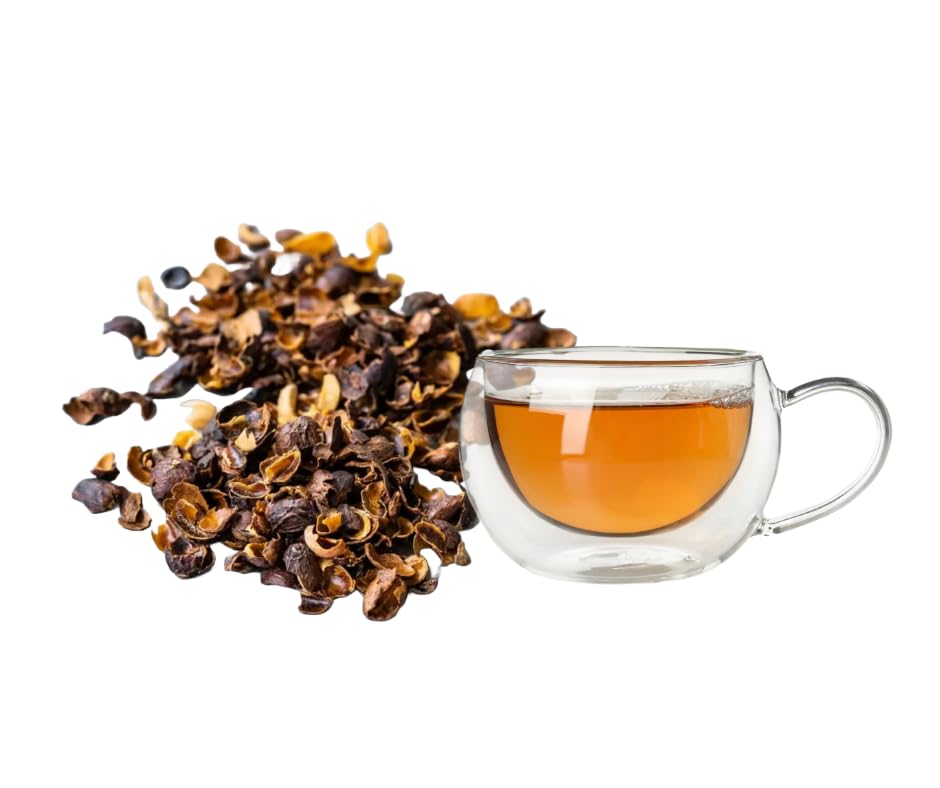
Cascara coffee—often called coffee cherry tea—is one of those “wait… coffee can taste like that?” discoveries. It’s made from the dried outer skins (and sometimes a bit of the fruit) of the coffee cherry, not the roasted bean itself. So instead of brewing it like espresso or drip, you steep it more like tea. The result is usually naturally sweet, gently fruity, and a little tangy—think dried hibiscus vibes, soft berry notes, sometimes a honey-like finish—without that heavy roasted edge people associate with regular coffee.
What makes cascara especially fun is how familiar-yet-different it feels. You still get a coffee connection (because it is part of the coffee fruit), but the cup drinks lighter, cleaner, and more refreshing—hot or iced. A lot of people reach for it when they want something cozy and comforting, but not as intense as a full coffee… or when tea feels too “just tea,” and they want a little more personality in the mug.
Best Handpicked Cascara coffee Cherry Tea

Ideal for coffee lovers who enjoy smooth, balanced, and aromatic cups with moderate acidity and rich sweetness.

Great for dark roast enthusiasts and those who enjoy a full-bodied, earthy cup with low acidity and bold flavors.

Ideal for coffee connoisseurs who love rich aroma, mild acidity, and smooth, balanced flavor — perfect for pour-over or French press brewing.
Perfect for coffee drinkers who appreciate clean, bright, and lively flavors with medium body and smooth sweetness.
Cascara isn’t new at all. In many coffee-growing regions, people have used dried coffee cherry for generations—partly because it’s delicious, and partly because it’s a smart way to use more of the harvest instead of discarding the fruit. What’s new is how quickly it’s showing up everywhere now: specialty cafés, home brewers, and curious coffee people who want an antioxidant-rich, naturally flavored alternative to their usual routine.
If you’re ready to try it at home, the easiest move is grabbing a straight-up, single-ingredient cascara and steeping it like a loose-leaf tea (then adjusting strength to taste). Options you’ll commonly see include Hillkoff Cascara Coffee Cherry Tea (Loose Leaf), LACÀPH Cascara Tea (Vietnamese Arabica Coffee Cherry), or a simple bulk-style pick like 12oz Bulk Cascara Dried Coffee Cherry Tea. If you like experimenting with different origins and “fruit-forward” profiles, you may also spot options such as Coffee Fruit Tea – Cascara (1 lb) or a classic husk-focused version like Cascara Dried Coffee Shells Husk.
So what exactly is cascara, and why are so many people suddenly obsessed with it? Because it’s the hidden “coffee fruit” side of coffee—bright, refreshing, and surprisingly approachable. Let’s dive into the story, the taste, and the benefits that make this underrated brew feel like a whole new lane for coffee lovers.
What is Cascara?
Cascara means “husk” or “peel” in Spanish, and it’s exactly what it sounds like—the dried outer skin of the coffee cherry. When coffee beans are processed, the fruit that once hugged those beans is usually treated like a leftover: stripped away, tossed aside, forgotten. But in a few coffee-growing cultures (and in a growing number of modern cafés), that “discarded” part gets a second life. They save the husks, dry them carefully, and brew them into a tea-like infusion that tastes like coffee’s fruity cousin—softly sweet, gently tart, and surprisingly refreshing.
If you’ve never tried it, imagine a drink that lives somewhere between a light herbal tea and a delicate fruit tisane—often with hints that feel like dried cherry, raisin, hibiscus, or even honeyed apple, depending on the origin and drying method. It’s not trying to be espresso. It’s not pretending to be black tea. Cascara just shows up as itself: coffee’s fruit, brewed like a comfort drink.
And here’s where it gets fun: cascara is one of those “why didn’t I know this earlier?” discoveries. Coffee people love it because it scratches two itches at once. You get that familiar coffee-world aroma (because it is part of the coffee plant), but the experience is lighter, cleaner, and more hydrating-feeling than a standard cup of coffee. It’s the kind of drink you can sip in the afternoon without feeling like you just strapped a rocket to your nervous system.
If you’re curious and want to taste what the coffee cherry can do, you can start with something simple and ready-to-brew like Hillkoff Cascara Coffee Cherry Tea or LACÀPH Cascara Tea. If you prefer loose cascara that feels more “single ingredient, play with it your way,” options like 12oz Bulk Cascara (Dried Coffee Cherry Tea) or Single Origin Costa Rican Cascara Tea are the kind of pantry item you’ll reach for when you want something warm, cozy, and not too heavy.
Cascara is not technically coffee or tea, but it borrows a little personality from both. Like tea, it’s steeped. Like coffee, it’s connected to origin, processing, and harvest choices that change the flavor in obvious ways. And yes—it contains caffeine, but typically far less than a regular cup of coffee. That’s what makes it such a sweet spot for a lot of people: enough lift to feel awake, not so much that you feel jumpy or wired. It’s more “gentle nudge” than a “full-on sprint.”
The easiest way to think about it is this: coffee is the seed (the bean), cascara is the fruit skin. Brewing cascara is like finally tasting the part of coffee you’ve been smelling around the edges your whole life.
If you like experimenting, cascara also plays beautifully with temperature. Brew it hot for a cozy, tea-like mug, or brew it cold for something that feels like a naturally fruity iced drink without needing syrup. For cold brewing, a filter bottle makes it ridiculously convenient—something like the Hario Cold Brew Tea Wine Bottle looks great in the fridge and makes “steep and pour” feel effortless. If you want a smaller, grab-and-go style bottle for quick batches, the Hario Cold Brew Tea Portable Bottle is the kind of thing you’ll end up using for more than cascara—tea, fruit infusions, even quick cold brew experiments.
And if you’re the type who likes a little more tang—almost like a fruity iced tea vibe—some blends lean into that naturally bright profile. A loose option like Cascara Dried Coffee Shells Husk can be a nice way to explore those punchier notes and decide whether you prefer your cascara more honey-sweet or more berry-bright.
So if you’ve been looking for a “lighter than coffee, more interesting than plain tea” drink, cascara is that quiet little secret hiding in plain sight. It’s coffee-adjacent, fruit-forward, and genuinely fun to brew—especially once you realize you’re not just drinking caffeine… you’re drinking the coffee cherry’s story.
The Origins of Cascara
CCascara has been enjoyed for centuries in coffee-growing regions—especially in Ethiopia, Yemen, and parts of Bolivia—where the dried coffee fruit husk is treated less like “coffee” and more like a comforting herbal-style tea with a gentle lift. It’s one of those traditions that feels beautifully practical: nothing wasted, everything flavorful, and the result is a cup that tastes like the coffee cherry itself—softly sweet, lightly tangy, and often fruity in a way roasted coffee simply isn’t.
In Yemen, one of the most loved expressions is Qishr: a spiced cascara drink that’s typically brewed with warming aromatics like ginger and cinnamon (and sometimes a little cardamom, depending on the household and region). It’s the kind of drink that makes sense the second you try it—bright fruit notes from the coffee cherry, wrapped in cozy spice, with a clean finish that feels soothing instead of heavy. If you want a ready-to-brew taste of that tradition at home, you’ll see options like Rihla’s Premium Yemeni Qishr (Coffee Shells – Cascara) that lean into that classic spiced profile.
In Ethiopia, cascara often shows up as coffee cherry tea—a rustic preparation of dried coffee husks steeped in hot water, sometimes enjoyed alongside (or as part of) traditional coffee moments where conversation matters as much as the cup. It’s simple, but it’s not “plain.” When it’s brewed well, it can taste like dried fruit, honeyed sweetness, and a gentle floral lift—like the coffee plant is showing you its softer side. If you’re curious to try a straightforward, fruit-forward version, you might start with something like Hillkoff Cascara Coffee Cherry Tea or LACÀPH Cascara Tea, both of which are presented specifically as coffee cherry husk “tea” for easy brewing.
Bolivia has its own long relationship with cascara, too, often enjoyed as a sweet, fruity infusion that people appreciate for its refreshing taste and gentler caffeine feel compared to a typical cup of coffee. When you brew a good Bolivian-style cascara, it can land somewhere between a light fruit tisane and a clean, bright iced tea—especially when served chilled. If you want to explore that side, some products lean into the “origin + fruit” experience, like 5 Lbs. 100% Bolivian Organic CASCARA Tea (great if you’re brewing often or serving it in batches).
What’s fun is how cascara has quietly stepped into the modern specialty coffee world without losing its roots. These days, you’ll see it featured in specialty cafés as hot tea, cold brew-style infusions, sparkling cascara sodas, and even as a fruity layering note in mixed drinks. And the at-home version is honestly easier than most people expect: steep it like tea, strain, and tweak the strength until it hits that sweet spot between “juicy” and “clean.” If you’re just starting and want an easy entry point, options like 12oz Bulk Cascara | Dried Coffee Cherry Tea make it simple to brew both hot and cold without overthinking it.
And if you’re the kind of person who loves experimenting (same), cascara is one of those ingredients that rewards tiny tweaks: longer steep for deeper dried-fruit notes, a shorter steep for brighter fruit pop, a chill overnight for a smoother cold infusion. You can even play with “café-style” ideas at home—like blending cascara concentrate with sparkling water, or adding a hint of citrus peel for a more refreshing, soda-like finish. If you want another easy-to-find option to compare flavor profiles, something like Cascara Dried Coffee Shells Husk Tea can give you a slightly different expression of the same beautiful concept: coffee fruit, brewed for clarity, comfort, and that quietly addictive fruity warmth.
What Does Cascara Taste Like?
Cascara’s flavor is fruity, floral, and naturally sweet, often compared to hibiscus, dried cherries, raisins, or tamarind. The exact taste depends on the coffee variety, growing region, and drying process, but common tasting notes include:
- Sweetness: Mild honey or maple-like sweetness.
- Fruity Notes: Hints of cherry, cranberry, or red berries.
- Tartness: A slight tanginess similar to apple cider or hibiscus tea.
- Earthy Undertones: Some cascara teas have a gentle, woody complexity.
How to Brew Cascara Coffee
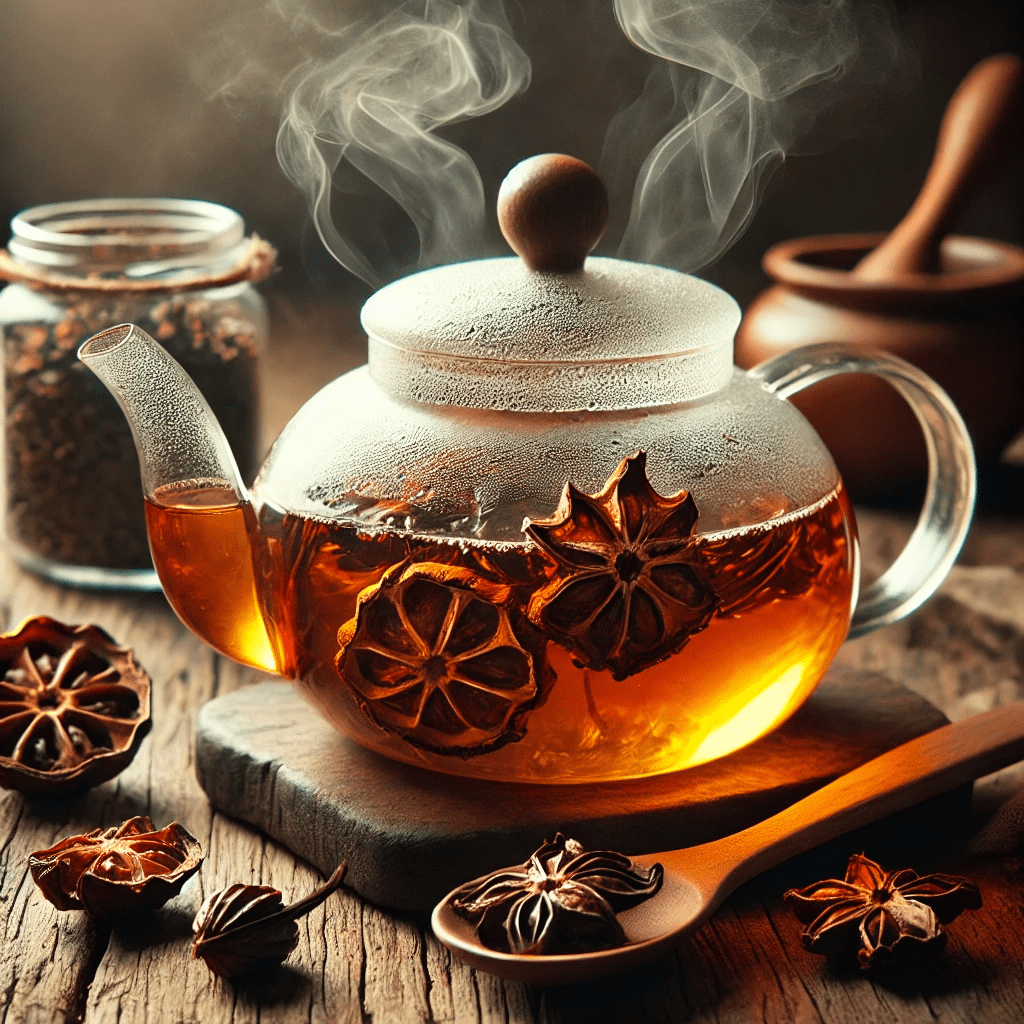
Cascara can be brewed in multiple ways, depending on your preference for hot or cold drinks.
1. Hot Cascara Tea
Ingredients:
- 4 tablespoons of dried cascara
- 2 cups of hot water (around 200°F / 93°C)
- Honey, cinnamon, or lemon (optional)
Instructions:
- Add cascara to a teapot or French press.
- Pour hot water over the cascara and let it steep for 4-6 minutes.
- Strain and enjoy. Add honey or cinnamon for extra flavor.
2. Cascara Cold Brew
Ingredients:
- 4 tablespoons of dried cascara
- 2 cups of cold water
- Ice and lemon slices (optional)
Instructions:
- Combine cascara and cold water in a jar or pitcher.
- Let it steep in the fridge for 12-24 hours.
- Strain and serve over ice with a splash of lemon or honey.
3. Sparkling Cascara Soda
Ingredients:
- 1 cup of cascara tea (brewed and chilled)
- 1/2 cup of sparkling water
- A squeeze of lemon or orange
- Ice
Instructions:
- Brew cascara tea and let it cool.
- Pour over ice and top with sparkling water.
- Add a splash of citrus juice and enjoy a refreshing cascara soda.
Health Benefits of Cascara
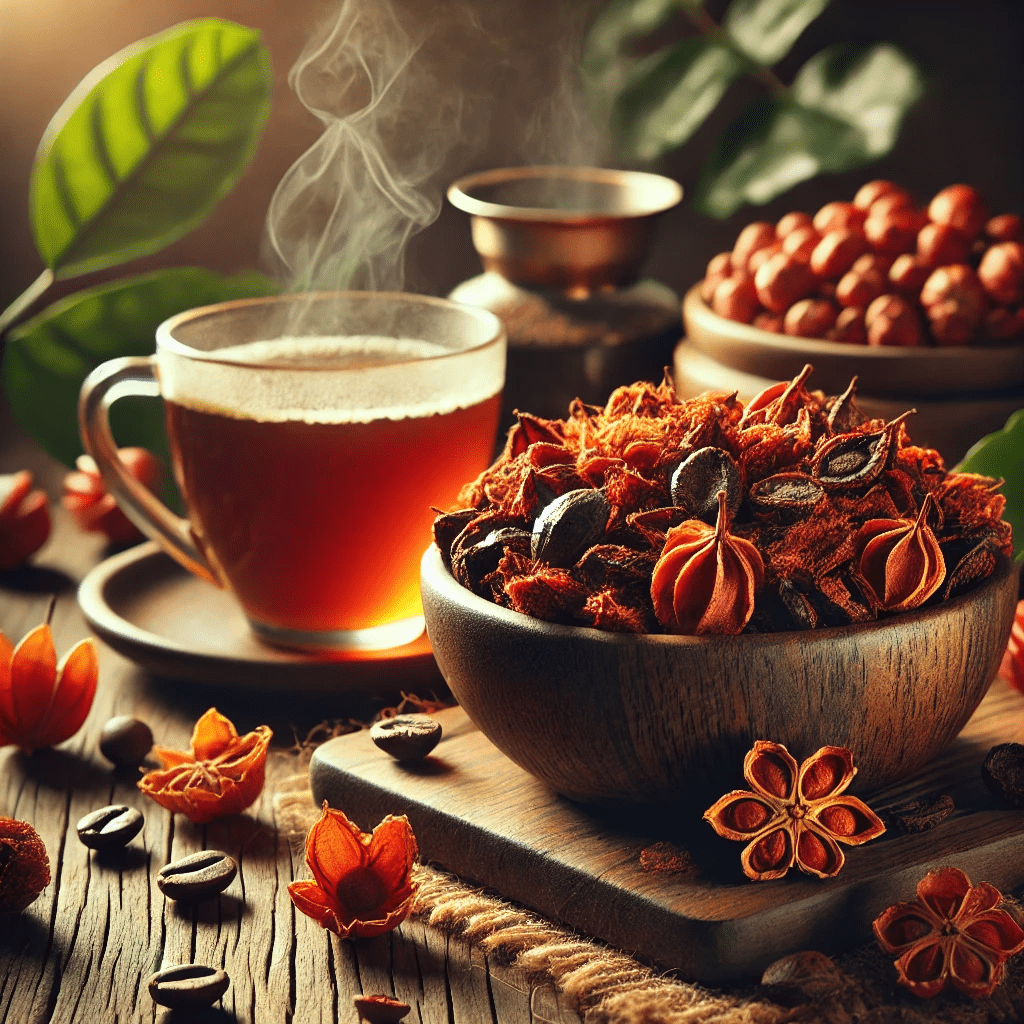
Cascara is packed with antioxidants, vitamins, and polyphenols, making it a healthy alternative to traditional caffeinated drinks. Some of its potential benefits include:
- Rich in Antioxidants: Helps combat oxidative stress and supports overall health.
- Gentle Caffeine Boost: Provides a mild, sustained energy lift without the jitters of coffee.
- Supports Hydration: Unlike traditional coffee, cascara is hydrating and gentle on digestion.
- Sustainable & Eco-Friendly: Utilizing coffee husks reduces waste in coffee production, promoting sustainability.
Where to Find Cascara
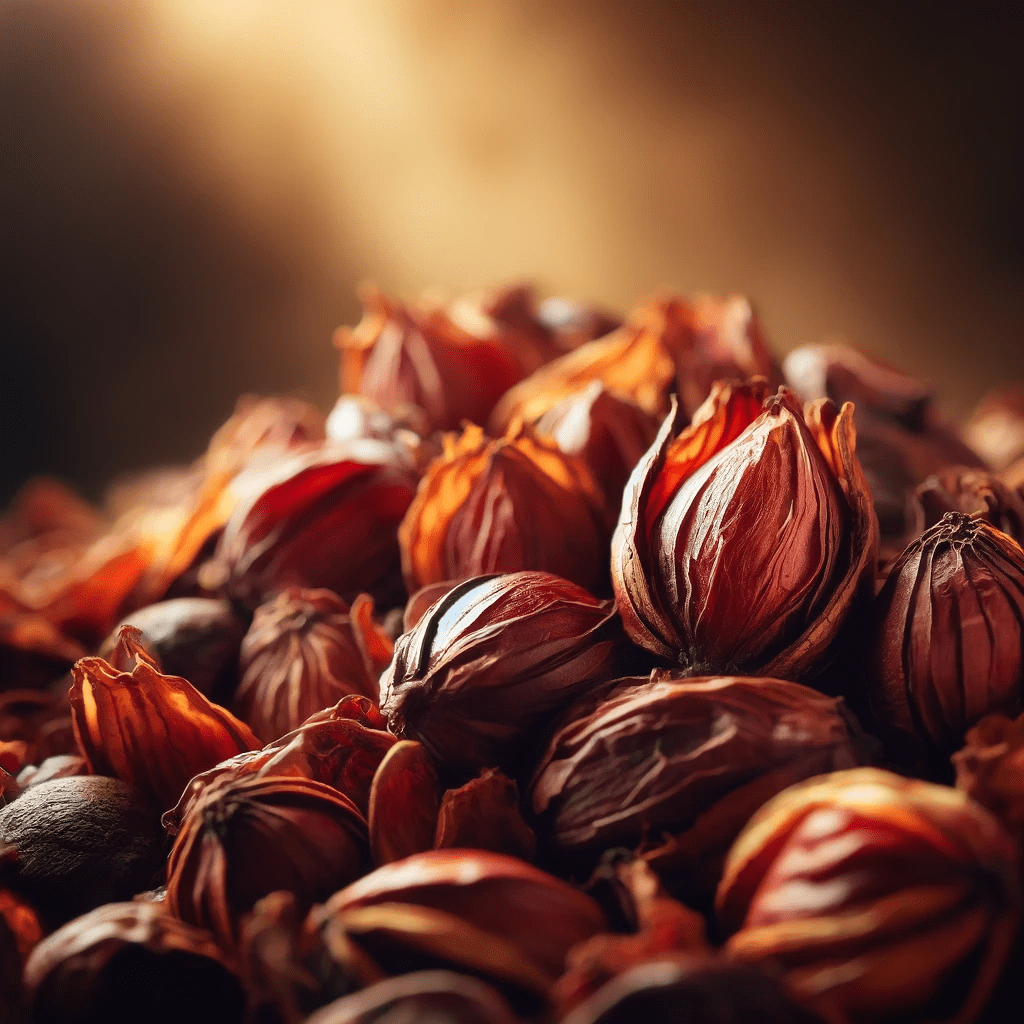
Cascara is becoming more widely available through specialty coffee roasters and online retailers. Look for sustainably sourced cascara from reputable brands to ensure quality and freshness.
Some notable brands offering cascara include:
- Verve Coffee Roasters
- Counter Culture Coffee
- Blue Bottle Coffee
Many coffee shops are also experimenting with cascara-based drinks, so keep an eye out for creative cascara offerings at your local café.
Fun Facts About Cascara

- Not Just a Waste Product: While coffee beans are the star of the industry, cascara is proving that the coffee cherry itself is just as valuable.
- Cascara Beer & Cocktails: Some breweries and mixologists are using cascara as a unique ingredient in craft beers and cocktails.
- Legal Challenges: In some countries, cascara has faced legal restrictions due to its classification between coffee and tea, but it is gaining recognition as a specialty beverage.
Conclusion
Cascara coffee is a delightful fusion of coffee culture and tea traditions. With its naturally sweet, fruity flavors and gentle caffeine boost, it’s a fantastic alternative for those looking to explore new and sustainable coffee-based drinks.
Whether you enjoy it hot, cold, or sparkling, cascara is a must-try for any coffee enthusiast. Have you tried Cascara coffee? Let us know your experience, and stay tuned for more exciting coffee trends in our Weird Coffee Series!


