
What Is Charcoal Coffee? Benefits, Taste, and How It’s Made


One Hundred Coffee is reader-supported, and some products displayed may earn us an affiliate commission. Details
Charcoal coffee might sound like a bold little coffee experiment, but it’s actually a long-running tradition in different corners of the world—one of those “old ideas” that suddenly feels new again when you taste it. The basic concept is simple: coffee beans are roasted over charcoal, roasted with charcoal heat, or (in some traditions) a piece of hot charcoal is briefly introduced during brewing. The result is a cup that feels deeper and rounder, with a gentle smoky edge that can be surprisingly elegant—not “burnt,” not “ashy,” just… intriguingly warm.
Best Charcoal Coffee Beans
| Image | Product | Features | Price |
|---|---|---|---|
|
Best Traditional Charcoal

|
Malaysian charcoal-roasted style
|
Price on Amazon | |
|
Best Japanese Sumiyaki

|
Bintochan charcoal roast
|
Price on Amazon | |
|
Best Pod Version

|
Authentic sumiyaki roast
|
Price on Amazon | |
|
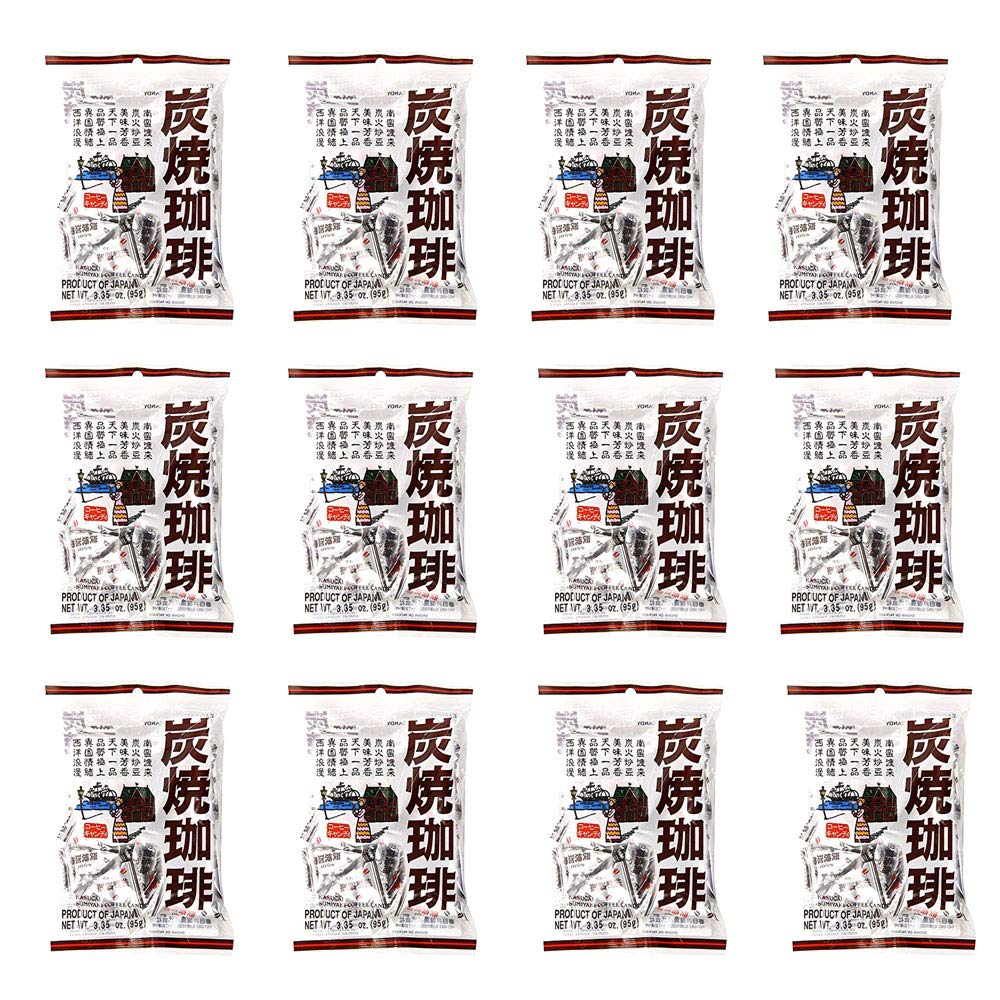
Best Sumiyaki Classic
|
Japanese charcoal-roast style
|
Price on Amazon | |
|
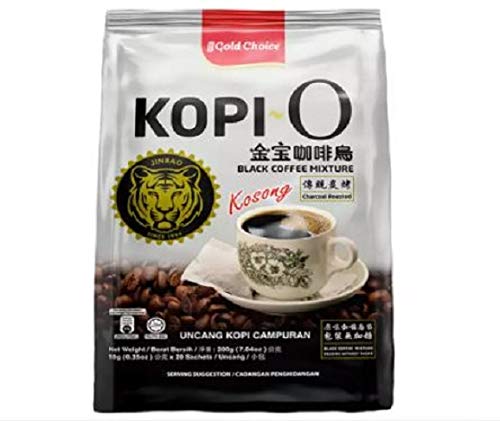
Best Unsweetened Kopi
|
Charcoal-roasted black coffee
|
Price on Amazon | |
|
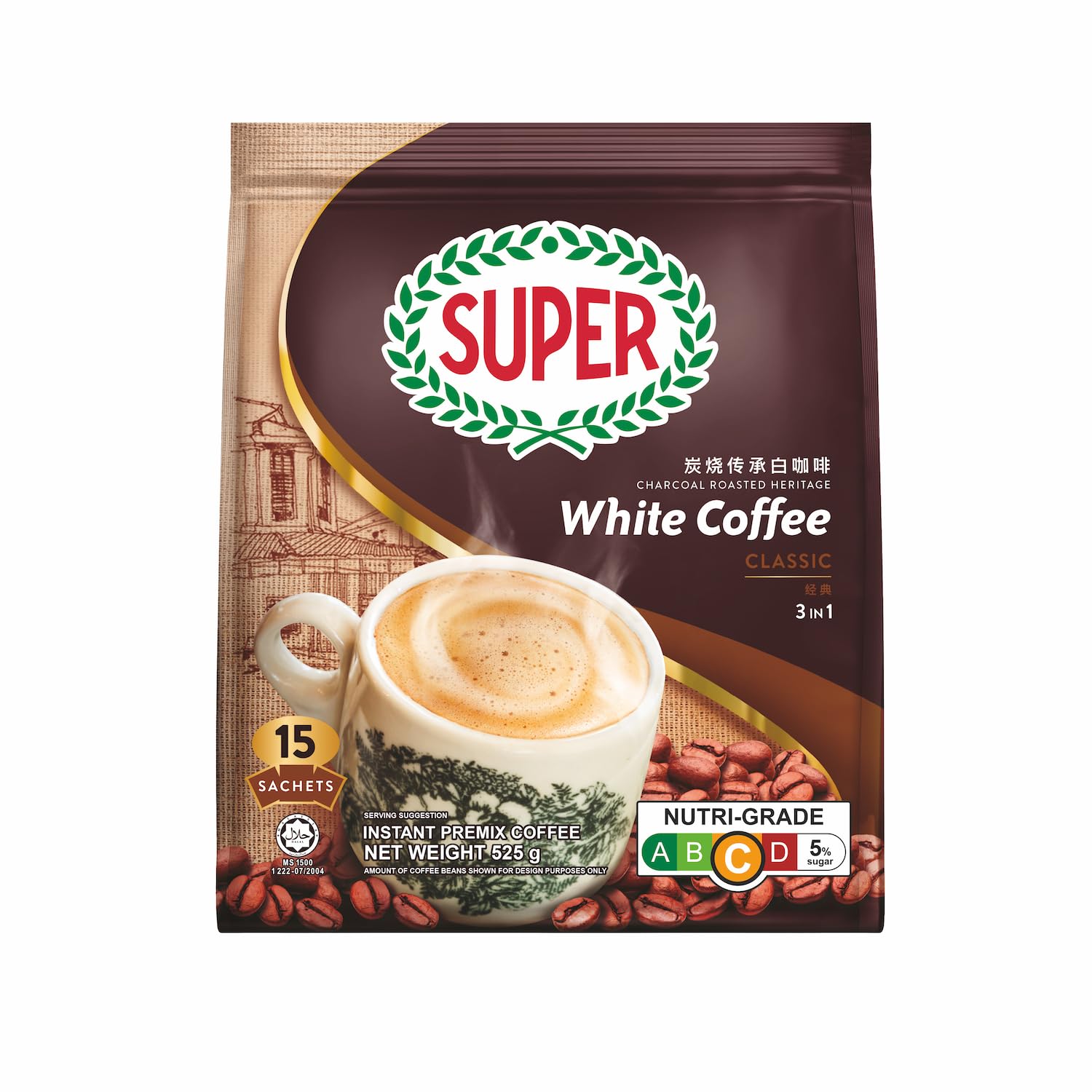
Best White Coffee
|
Charcoal-roasted white coffee
|
Price on Amazon | |
|
Best Creamer Blend

|
Charcoal roast + creamer
|
Price on Amazon | |
|
Best Flavored Option

|
Hazelnut charcoal roast
|
Price on Amazon | |
|
Best Kopitiam Favorite

|
Traditional charcoal-roast sachets
|
Price on Amazon | |
|
Best Bulk Sachets

|
Multi-pack charcoal roast
|
Price on Amazon |
If you’ve ever loved the cozy aroma of a wood-fired kitchen, toasted sugar, or that faint campfire note you get from certain dark chocolates, charcoal coffee hits a similar nerve. That’s why it keeps showing up in stories like the famous street-style “charcoal-drop” coffee, and in Japan’s charcoal-roasted styles, often described as Sumibi/Sumiyaki coffee. If you want to try the flavor without overthinking the process, you can start with charcoal-roasted options like SUPER Charcoal Roasted White Coffee Classic or Gold Choice Charcoal Roasted Kopi O Kosong. And if you’re curious about the Japanese-style roast vibe in an easy format, Japanese Single-Serve Pour-Over Coffee (Sumiyaki Roasted) is a fun “open, pour, sip” entry point.
But what exactly is charcoal coffee—and why would you bother trying it when you already have a perfectly good brewer at home? Because it’s one of the few coffee experiences that feels genuinely different while still being approachable. It can lean smoother, feel less sharp on the finish, and deliver a flavor profile that sits somewhere between classic coffee richness and a soft, smoky complexity.
And you don’t need fancy gear to explore it. A simple pour-over setup like the Hario V60 Plastic Coffee Dripper (Size 02) paired with Hario V60 Paper Filters (Size 02) makes it easy to taste those smoky notes cleanly—without turning the cup heavy or muddy. Even your water can play a role in how “clear” that smoky sweetness feels, which is why some people like using charcoal-filtered water with sticks such as Binchotan Charcoal Water Purifying Sticks. (And yes—if your curiosity goes toward charcoal as an ingredient in drinks, some folks also explore food-grade options like Organic Coconut Activated Charcoal Powder—though the most classic “charcoal coffee” experiences are about charcoal roasting or charcoal-contact methods, not turning your latte pitch-black.)
So if you’re the kind of coffee person who loves tasting history, technique, and a little mystery in the same cup, charcoal coffee is absolutely worth a try. Let’s walk through where it comes from, how it’s prepared in different traditions, and what you should expect when that first smoky-sweet sip lands.
The Origins of Charcoal Coffee
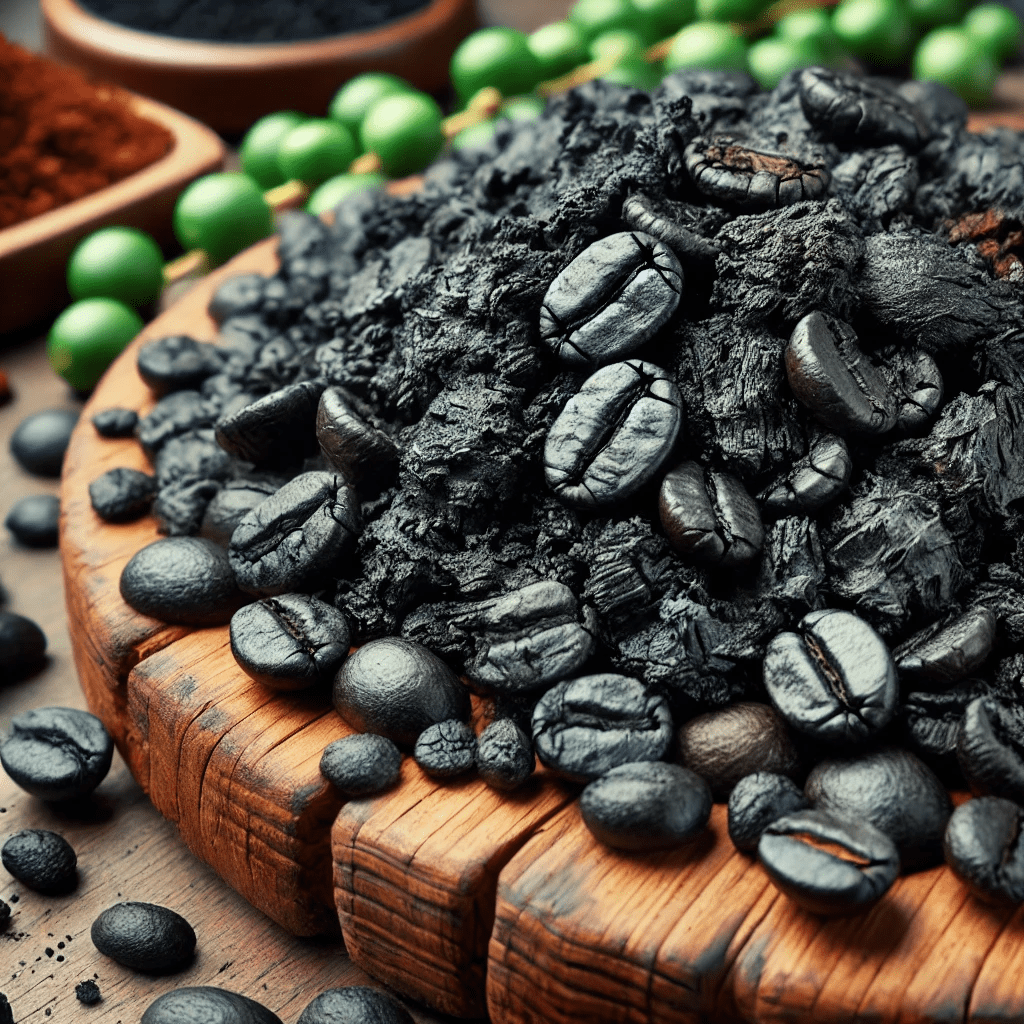
Charcoal coffee has deep roots in various parts of the world:
- Indonesia (Yogyakarta) – Kopi Joss: If you’ve ever wandered through street stalls and thought, “Okay… what’s the wildest coffee people actually drink on purpose?” this is it. Kopi Joss is the legendary Yogyakarta cup, where a glowing-hot piece of charcoal is dropped right into the coffee. It’s not a gimmick the way it sounds—done right, the charcoal seems to mellow the harsh edges, giving the cup a smoother, gently caramelized vibe with noticeably reduced acidity. If you want to experience that “hot charcoal ritual” safely at home (without turning your kitchen into a campfire), start with real, clean-burning Japanese-style charcoal like Premium Binchotan Hardwood Charcoal and handle it with proper long tools such as Charcoal Tongs. The magic is in the control: hot enough to do its thing, clean enough not to stink up the flavor.
- Japan – Sumibi Coffee (Charcoal-Roasted Character): In Japan, charcoal isn’t just a heat source—it’s a flavor philosophy. Sumibi roasting is all about that steady, radiant heat that develops beans with a deep, smoky aroma (more “toasted chestnut” than “burnt campfire,” when it’s done well). Specialty shops love it because it can bring out a darker sweetness while keeping bitterness from getting too harsh. If you’re curious to replicate the vibe, a tabletop charcoal setup like a konro-style grill can help you understand that gentle radiant heat—something like the Japanese Yakitori Konro Grill (Tabletop) is one way people explore charcoal-style heat in a controlled, consistent way. Pair that curiosity with a simple small-batch roaster like the Nuvo Eco Ceramic Handy Coffee Bean Roaster, and suddenly charcoal-roast “ideas” stop being abstract and start becoming a real, smell-it-in-your-house experience.
- Vietnam & the Middle East – Charcoal Traditions That Chase Sweetness: Across Vietnam and many Middle Eastern coffee cultures, charcoal and open-flame techniques show up in different forms—roasting, heating, or simply brewing close to live heat. The shared goal is usually the same: push sweetness forward, calm bitterness down, and create a cup that feels rounder and more comforting. If you want to lean into that tradition at home, using a clean, neutral charcoal matters (nobody wants “chemical smoke” in their coffee). That’s why many people prefer coconut-shell charcoal for its steady burn and low-ash behavior—something like Coconut Shell Charcoal Cubes fits the vibe when you’re experimenting with charcoal-driven heat, and you want the coffee to taste like coffee—not like the fuel.
- Nordic Countries – Open-Flame Brewing for a Bold, Honest Cup: In certain Scandinavian traditions, coffee brewed over open flames isn’t about being fancy—it’s about being real. Outdoors, a kettle, fire, and a strong brew that tastes robust, slightly smoky, and deeply comforting. The fun part is that you can recreate a little of that “fire-brewed” mood even in a normal home setup by focusing on controlled heat and dramatic clarity. A siphon brewer, for example, gives you that theatrical, flame-adjacent energy while still producing a remarkably clean cup—something like the Hario Technica Syphon Coffee Maker makes the whole process feel like a ritual, without needing a forest and a backpack. Brew it strong, then tame it like the Nordics often do—serve it hot, bold, and unapologetic, with just enough refinement that the smoky edge feels like a feature, not a flaw.
How Charcoal Coffee is Made
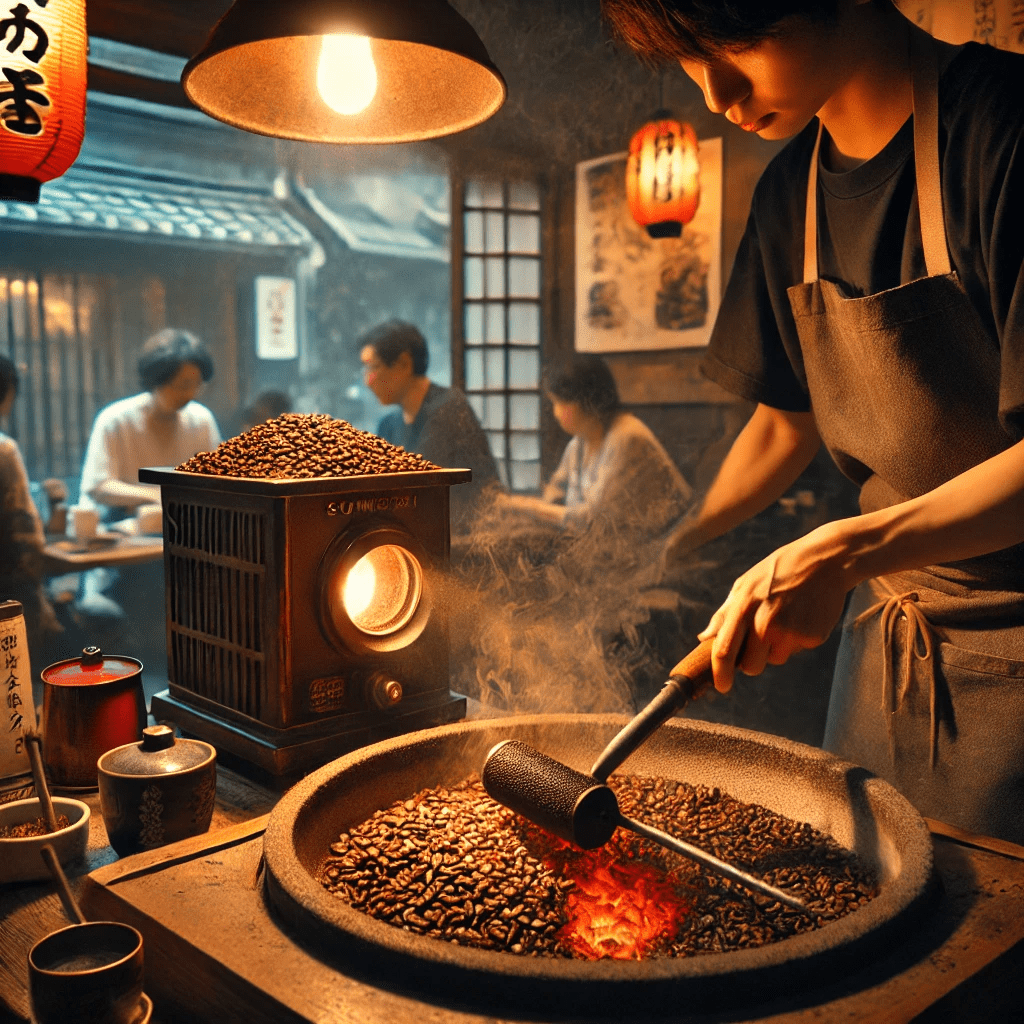
Charcoal coffee can be prepared in several ways, depending on tradition and preference. Here are three popular methods:
1. The Kopi Joss Method (Thailand/Indonesia)
Ingredients:
- Freshly brewed black coffee (preferably strong)
- A piece of hot charcoal (made from clean-burning wood)
Steps:
- Brew a cup of hot black coffee.
- Using tongs, drop a glowing piece of charcoal into the coffee.
- Let it sit for a few seconds to a minute, then remove the charcoal.
- Stir and enjoy! The process reduces acidity and enhances caramel notes.
2. Charcoal-Roasted Coffee Beans (Japan, Vietnam)
This method involves roasting raw coffee beans over charcoal to create a unique, smoky profile.
Steps:
- Green coffee beans are roasted in a drum roaster over burning charcoal.
- The heat from the charcoal slowly caramelizes the sugars in the beans, enhancing sweetness and complexity.
- The roasted beans are then ground and brewed using a traditional method such as pour-over, espresso, or French press.
3. Open-Flame Charcoal Brewing (Nordic Tradition)
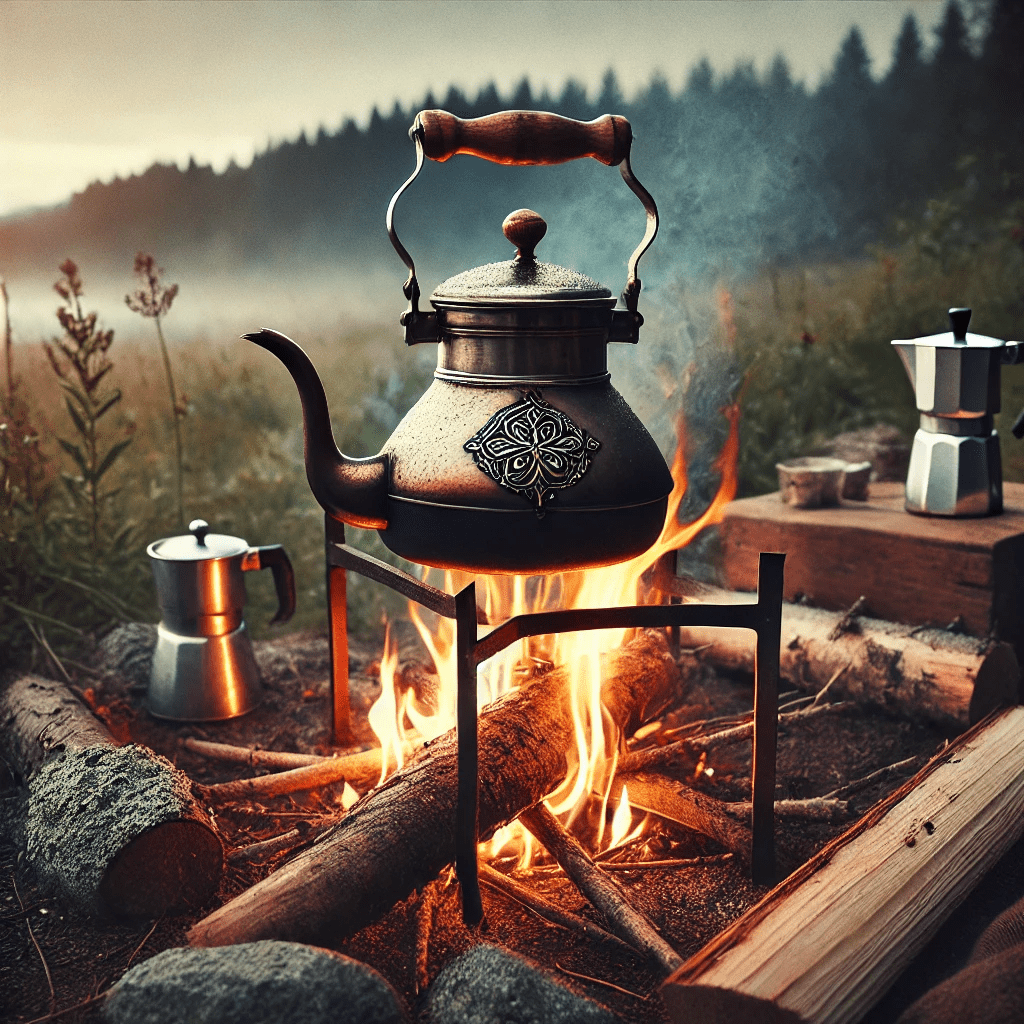
In some Nordic countries, coffee is brewed over an open fire, often using a kettle and coarse coffee grounds.
Steps:
- Boil water in a kettle over an open flame or charcoal fire.
- Add coffee grounds directly to the boiling water.
- Let it steep for a few minutes before straining and serving.
- This creates a rustic, full-bodied coffee experience with subtle smoky undertones.
What Does Charcoal Coffee Taste Like?
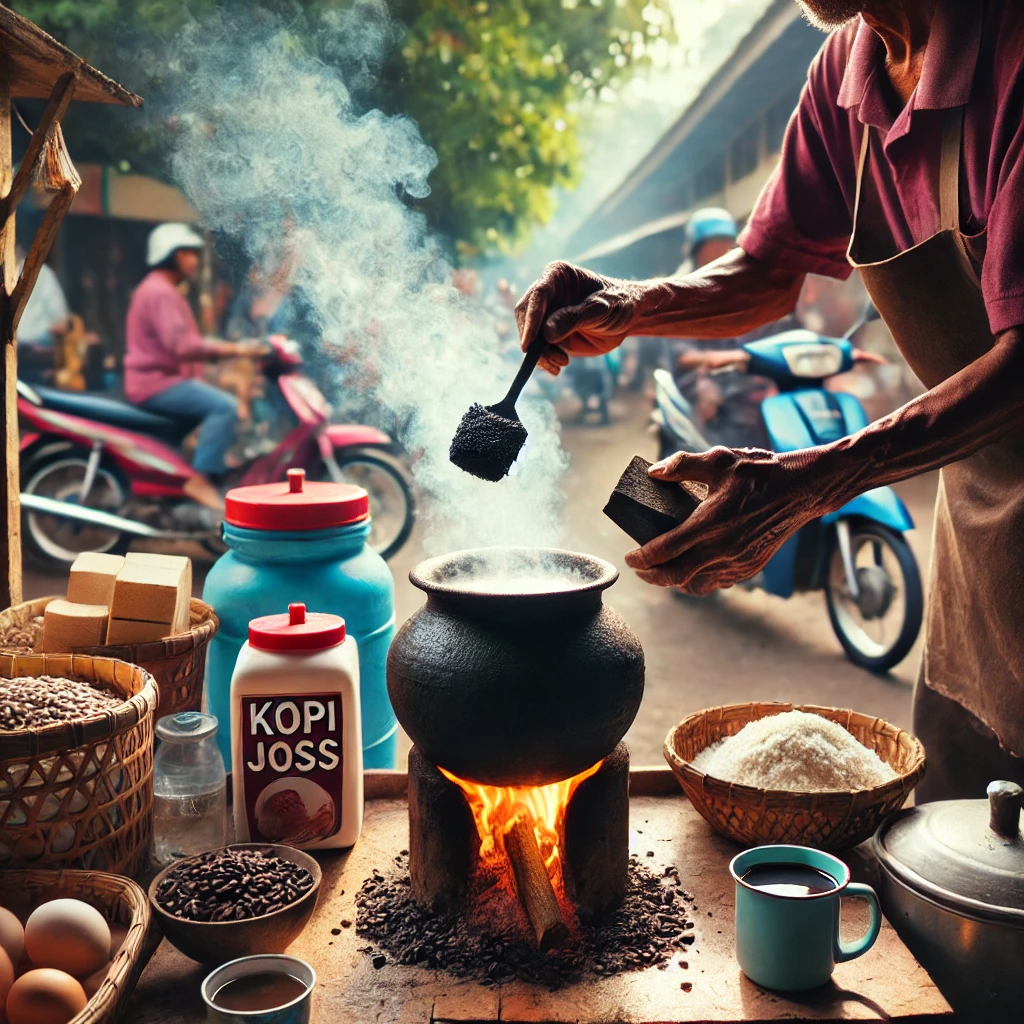
Charcoal coffee offers a complex and layered flavor experience:
- Charcoal-style coffee has a vibe you can smell before you even sip it. That roast—especially when it leans into charcoal heat—tends to give off a deep, wood-fire kind of aroma: smoky, earthy, and a little mysterious, like someone just warmed a cedar plank near your cup. If you’ve ever tried something like SUPER Charcoal Roasted White Coffee Classic or the cozier twist of SUPER Charcoal Roasted White Coffee Hazelnut, you know exactly what I mean—there’s that “campfire in the distance” note that makes the whole drink feel darker and more comforting without necessarily tasting burnt.
- One of the reasons people keep coming back to charcoal-roasted or charcoal-influenced coffee is the way it often drinks more smoothly. Many folks describe it as lower in bite—less sharpness and less bright “spark” up front—so the cup can feel gentler and rounder, especially if you’re sensitive to harsh acidity. If you want that mellow, creamy direction, something like SUPER Charcoal Roasted White Coffee 2in1 can land right in that easygoing lane. And here’s a sneaky little upgrade that fits the charcoal theme perfectly: brew with cleaner-tasting water. A lot of people use charcoal sticks to soften weird odors and smooth out water flavor before brewing—options like Binchotan Charcoal Water Purifying Sticks or Tosa Binchotan Charcoal Water Purifying Sticks are popular for that “cleaner base = nicer cup” effect.
- Then there’s the sweetness—this is where charcoal coffee can surprise you. When the heat hits the beans in a way that pushes caramelization, you can get those warm dessert notes that feel natural instead of sugary: caramel, cocoa, gentle spice, sometimes even a toasted-nut finish. It’s not “sweet” like candy—it’s sweet like browned butter, like the crust of a good cookie, like dark chocolate that melts slowly rather than shouting. If you like that kind of flavor profile but still want it in a convenient format, Hokkaido Sumiyaki Blend Coffee K-Cups are an example of that smooth, chocolate-leaning style in a single-serve format.
- And compared to a standard cup, charcoal coffee often lands fuller and richer—more weight on the tongue, more lingering warmth in the finish, more “presence” even when the brew isn’t super strong. That heavier mouthfeel is part of the charm: you sip, and the flavor stays with you for a second like a slow echo—smoke, cocoa, spice, then a soft earthy fade-out that feels intentional. It’s the kind of cup that doesn’t rush you… It just sits there and tastes like it has a story.
Health Benefits of Charcoal Coffee
While charcoal coffee is primarily appreciated for its unique flavor, some believe it has potential health benefits:
- Lower Acidity: One reason people reach for charcoal-style coffee is the way it tends to drink smoother—less “spark” on the tongue, more gentle warmth in the stomach. If you’re the type who loves coffee but hates the after-burn, starting with a naturally mellow option can make a real difference. Some folks go straight for charcoal-roasted blends like Pupil Brand Charcoal Roasted Traditional Lam Sing Coffee or the classic kopitiam-style profile in Gold Choice Charcoal Roasted Kopi O Kosong, while others prefer keeping it simple with a low-acid bean that still tastes like “real coffee,” such as Puroast Low Acid Coffee Espresso Roast or Lifeboost Low Acid Ground Coffee. The goal is the same either way: a cup that feels friendly, not fiery.
- Detoxifying Properties: Activated charcoal gets talked about like it’s a magic sponge—“binds this,” “pulls that,” “detox everything.” In supplements, that idea is usually tied to larger, measured doses. In charcoal coffee, though, the charcoal angle is often more about the style (especially charcoal roasting) than loading your drink with charcoal itself. If you’re experimenting with the true “charcoal-in-the-cup” vibe, people sometimes use tiny, culinary amounts of a clean charcoal powder like Starwest Botanicals Activated Charcoal Powder to make that dramatic, midnight-black latte look. Just keep your expectations realistic: most of the “detox” hype doesn’t come from a typical coffee-level amount. Think of it more as a wellness-adjacent twist, not a medical reset button.
- Antioxidants: Here’s the nice part—you don’t have to give up the feel-good side of coffee just because you’re chasing a gentler cup. Coffee naturally brings antioxidants to the party, and many charcoal-roasted coffees still deliver that cozy, satisfying “coffee comfort” while tasting smoother and less sharp. If you like a sweet, creamy, café-style version, something like Super Charcoal Roasted Heritage White Coffee 3in1 leans into that mellow dessert-like experience. If you prefer the “real brew” route, low-acid options like Puroast Low Acid Coffee, Espresso Roast, or Lifeboost Low Acid Ground Coffee can give you a cleaner finish without that sour edge that sometimes shows up when your stomach is already sensitive.
- Unique Brewing Process: What makes charcoal coffee feel “pure” to many people isn’t a gimmick—it’s the simplicity of the ritual. Charcoal roasting is an old-school approach that often aims for a deeper, rounder roast character without needing artificial flavoring to taste interesting. That’s why blends like Pupil Brand Charcoal Roasted Traditional Lam Sing Coffee or Gold Choice Charcoal Roasted Kopi O Kosong feel so straightforward: bold aroma, smooth bitterness, comforting body—no “extra stuff” required. Brew it like you normally would, keep your water just off-boil, and aim for a slightly shorter contact time if you want it even gentler. The charm is that it tastes traditional and clean—like a classic cup with a softer landing.
How to Enjoy Charcoal Coffee
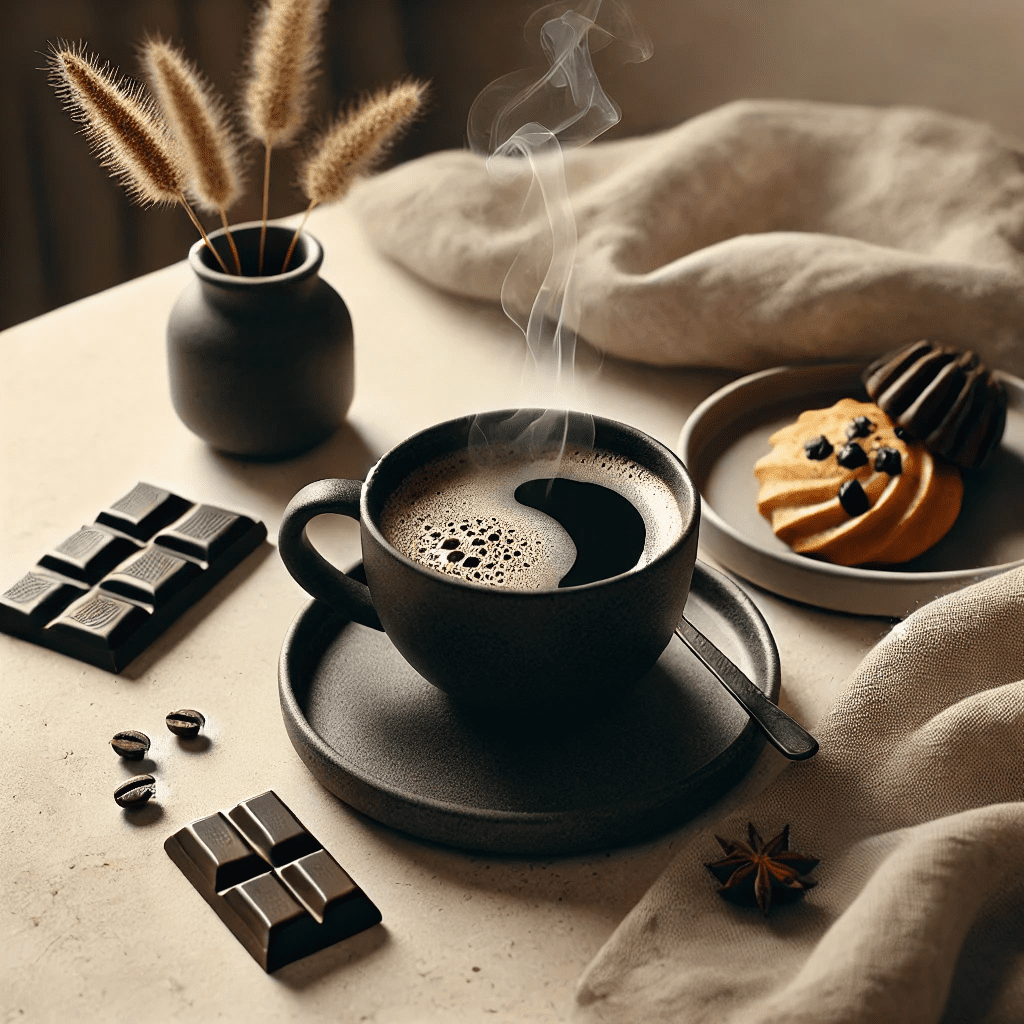
Charcoal coffee is best enjoyed in a setting that complements its bold flavor. Here are some ways to enhance the experience:
- Try it black to fully appreciate the smoky, caramelized flavors.
- Pair it with dark chocolate or pastries for a complementary taste.
- Experiment with brewing methods to find the perfect balance of smokiness and sweetness.
- Drink it outdoors by an open fire for an immersive rustic experience.
Where to Try Charcoal Coffee
If you’re eager to taste charcoal coffee but don’t want to make it yourself, here are some places to find it:
- Street vendors in Yogyakarta, Indonesia (for Kopi Joss).
- Specialty coffee shops in Japan that serve Sumibi coffee.
- Select Vietnamese cafés that offer charcoal-roasted coffee beans.
- Nordic-style cafés with traditional open-fire brewing methods.
- Online retailers that sell charcoal-roasted coffee beans for home brewing.
Fun Facts About Charcoal Coffee
- Kopi Joss has one of those “you couldn’t plan it if you tried” origin stories. The way it’s usually told, a street vendor in Yogyakarta accidentally dropped a hot piece of charcoal into a cup of coffee—and instead of ruining the drink, it rounded off the harsh edge and made the bitterness feel calmer. That tiny accident turned into a whole vibe: coffee with a whisper of fire, a little drama, and a surprisingly smoother finish. If you’ve ever wanted to play with that same idea at home (minus the chaos), people often start with cleaner, food-safe charcoal approaches, such as Japanese water-charcoal sticks, such as Binchotan Charcoal Water Purifying Sticks, to mellow water taste before brewing.
- Charcoal roasting itself isn’t some trendy gimmick, either—it’s been part of traditional craft in places like Japan for a long time, where charcoal heat is valued because it can push sweetness forward and tame rougher notes when it’s done with intention. The result isn’t “ashtray coffee” (that’s the fear everyone has the first time they hear the phrase). It’s more like a softer, rounder cup where the edges feel sanded down. If you’re curious to taste a modern take without flying across the world, charcoal-roasted options like Pupil Brand Charcoal Roasted Traditional Lam Sing Coffee or classic-style sachets like Gold Choice Charcoal Roasted Kopi O Kosong Black Coffee give you a “same family, different accent” kind of experience—smoky-adjacent, smoother-leaning, and easy to understand.
- Then there’s the outdoor side of this story—the open-flame, no-fuss brewing style that people love to call “cowboy coffee.” Nordic-style brewing over fire gets lumped into that category a lot because it’s all about practicality: heat, water, grounds, patience, and a little courage. It’s not delicate, and it’s not meant to be. It’s the kind of coffee you make when your hands are cold, and you want something bold that tastes like “yes, we are alive.” If you want to try that properly, a real camp percolator makes the whole thing feel authentic and honestly kind of fun—like the sturdy GSI Outdoors Glacier Stainless Steel Percolator for fire-and-stove brewing, or the nostalgic enamel approach with GSI Outdoors Mesa 8 Cup Percolator.
- And if you’re building a camp setup you’ll actually keep, a classic like the COLETTI Butte Coffee Percolator hits that sweet spot of rugged and repeatable—strong coffee, simple ritual, zero pretending.
- What’s really cool is how all of these threads—Kopi Joss, Japanese charcoal tradition, and open-flame “cowboy” brewing—keep echoing into modern specialty coffee in unexpected ways. You’ll see baristas flirting with smoke notes, wood influence, and “campfire” aromatics—not because they want coffee to taste burnt, but because a controlled touch of smoke can feel like seasoning. That’s why you’ll occasionally spot experiments like wood-smoked espresso drinks, smoky cold brews, or even café cocktails that borrow the aroma of a fire without letting it dominate the cup. If you want to explore that safely at home, tools like the Breville Smoking Gun are basically the grown-up version of that original “charcoal surprise” moment—controlled, repeatable, and way less likely to end with you staring at your mug like, “What have I done?”
- So yeah—charcoal coffee isn’t just one drink. It’s a whole idea: bitterness gets softer, sweetness gets louder, and the ritual gets a little more memorable. Whether you’re chasing the street-born legend of Kopi Joss, the calm craft of charcoal roasting, or the bold simplicity of fire-brewed cowboy coffee, the thread is the same: a cup that feels warmer, rounder, and weirdly satisfying—like coffee with a story inside it.
Conclusion
Charcoal coffee is a fascinating fusion of tradition, innovation, and bold flavors. Whether you’re sipping on a cup of Kopi Joss in Indonesia, enjoying a charcoal-roasted espresso in Japan, or brewing coffee over an open flame in the Nordic wilderness, this smoky brew offers a unique coffee experience worth trying.


