
What Is Espresso? Espresso vs. Coffee Explained


OneHundredCoffee is reader-supported, and some products displayed may earn us an affiliate commission. Details
Espresso is coffee brewed under pressure into a remarkably small, concentrated drink. Hot water passes through a carefully prepared bed of finely ground coffee, usually producing a rich, aromatic shot with a dense mouthfeel and a layer of golden-brown foam called crema. Drip coffee starts with the same roasted beans, but gravity moves water through the grounds over a longer period and into a much larger cup. The difference is not a mysterious espresso bean. It is the brewing method, the recipe, and what that method extracts into the cup.
Try imagining two servings prepared from the same 18 grams of whole beans. One becomes approximately 36 grams of espresso: intense, compact, and full of body. The other becomes a cup of filter coffee made with roughly 270–300 grams of brewing water: lighter, more open, and easier to sip over several minutes. Both may reveal chocolate, fruit, nut, caramel, or floral notes. They simply present those flavors differently. Neither is automatically a better way to enjoy coffee.
Espresso’s small size can be misleading. Making it consistently brings together grinding, dosing, water chemistry, pressure, temperature, puck preparation, and careful attention to how a shot tastes. Yet you don’t need a professional café setup to understand it. Learn the main variables, choose a sensible starting recipe, and espresso becomes much less intimidating. It also becomes easier to appreciate why this Italian brewing tradition sits behind lattes, cappuccinos, flat whites, Americanos, cortados, and so many other café favorites.
Quick answer: Espresso is a concentrated type of brewed coffee made by pushing hot water through fine grounds under pressure. It differs from ordinary brewed coffee in extraction pressure, grind size, concentration, serving size, texture, and typically brewing time. Espresso generally contains more caffeine per fluid ounce, but a full mug of drip coffee can contain more caffeine than one single espresso shot.
Espresso at a Glance
| Characteristic | Typical Espresso Reference | What It Means in Your Cup |
|---|---|---|
| Origin | Italy | Developed alongside Italian café machines and service traditions |
| Brewing method | Hot water passing through grounds under pressure | Rapid, concentrated extraction |
| Working pressure | Commonly around 9 bar | Requires an espresso-capable brewing system |
| Water temperature | Often around 195–205°F (90–96°C) | Affects flavor balance and solubility |
| Traditional single dose | Roughly 7–9 g | Small Italian-style serving |
| Modern double dose | Often 16–20 g | Common starting point for home baristas |
| Example double recipe | 18 g in, 36 g out | A 1:2 dose-to-beverage ratio |
| Typical timing reference | Approximately 25–30 seconds | Useful starting guide, never a universal rule |
| Grind | Fine, with precise adjustment | Creates appropriate puck resistance |
| Texture | Concentrated, rounded, potentially syrupy | More body than many filter coffees |
| Surface | Often crema | Fine foam affected by coffee gases and extraction |
| Caffeine | Common reference about 63 mg per 1 fl. oz. | High concentration; total amount varies |
The figures above are familiar starting references, not a rigid definition for every modern specialty espresso. A lighter roast may prefer a longer ratio. An advanced machine may employ a changing pressure profile. A traditional Italian single and a modern specialty double also differ considerably in dose.
What Exactly Is Espresso?

An espresso is a brewed beverage, not a botanical species, a designated roasting color, or a blend that must contain particular beans. The crucial feature is pressure extraction through a compact bed of finely ground coffee. In a conventional portafilter machine, the barista fills a filter basket, distributes and tamps the grounds, locks the portafilter into the group head, and starts brewing. The pump pushes hot water into the basket. Coffee grounds resist the flow; the resulting beverage emerges through the basket into a small cup.
That resistance is useful. It helps establish a controlled flow and allows a substantial amount of flavor to be extracted during a comparatively short brewing window. The liquid contains dissolved compounds as well as fine suspended material and emulsified coffee oils. Together, these help explain espresso’s unusually full sensation on the tongue. Its concentration also magnifies faults. A grinder setting that is slightly off can turn a promising coffee sharp, watery, rough, or bitter.
Is espresso coffee? Absolutely. Every espresso is coffee, but not every coffee beverage is espresso. French press, pour-over, Turkish coffee, cold brew, moka pot, and drip coffee all begin with roasted coffee beans. Their brewing methods determine how the finished beverages behave.
In everyday conversation, people sometimes use coffee to mean drip or filter coffee and espresso to mean a short café shot. That usage is convenient but scientifically incomplete: espresso belongs within the much broader coffee family. You can even brew the same beans by both methods. The grinder setting and recipe, however, need to change.
Why Is Espresso So Concentrated?
The relationship between coffee dose and beverage yield matters enormously. A double espresso might use 18 grams of dry coffee and produce only 36 grams of finished liquid. A filter coffee might use the same 18 grams of dry coffee with 280 grams of brewing water. Some water stays in the filter grounds, so the final filter beverage weighs a little less than the water poured, but the difference in concentration remains striking.
This does not mean every individual compound extracts better under pressure. Different brewing methods dissolve and filter coffee compounds in different proportions. Espresso simply packages a large sensory experience into comparatively little water. When people describe it as stronger, they often mean this concentration rather than its total caffeine content.
A Short History of Espresso: The Italian Invention That Changed Coffee

Espresso has a deeper history than the shiny commercial machines seen in modern cafés. It took shape through decades of mechanical experimentation and changes in urban coffee service. In the late nineteenth century, coffeehouses wanted to serve customers quickly without sacrificing an individually prepared drink. Steam, pressure, and new machine designs gradually offered a solution.
Angelo Moriondo and the Early Machines
In 1884, the Turin inventor Angelo Moriondo patented an early steam-driven apparatus for preparing coffee. It was an important predecessor, though it should not be confused with the contemporary, single-shot portafilter machine. Early equipment primarily sought faster commercial preparation, and machine layouts differed substantially from those that came later.
Luigi Bezzera and Desiderio Pavoni
Luigi Bezzera’s early-twentieth-century developments moved pressure coffee closer to individual café portions. Desiderio Pavoni subsequently helped commercialize the technology. Machines associated with the La Pavoni name became part of Italian coffeehouse culture. Their steam-centered systems were innovative for their time, but the pressures, temperatures, and beverages were not identical to modern pump-made espresso.
Espresso’s history therefore involves a sequence of innovations rather than one person instantly inventing the definitive modern shot. Speed was the original commercial appeal; improved extraction became an increasingly important goal.
Achille Gaggia and the Arrival of Crema
Developments associated with Achille Gaggia in the 1940s brought lever-generated brewing pressure into prominence. Higher extraction pressure made the distinctive foam now called crema a more familiar feature of espresso. Baristas could prepare a concentrated drink with a different mouthfeel and appearance from earlier steam-produced coffee. What looks like a minor foam layer was part of a substantial technological transition.
Faema E61 and the Pump-Driven Era
The Faema E61, introduced in 1961, became influential for its electrically driven pump and design for temperature management. The principles behind pump-based brewing, stable water delivery, and serviceable café machinery shaped many subsequent espresso machines. Contemporary equipment ranges from straightforward home appliances to sophisticated commercial systems with variable pressure, flow controls, and detailed temperature adjustment.
How Espresso Spread Around the World
Italian café traditions, international travel, migration, and the development of specialty coffeehouses carried espresso beyond Italy. Local cultures adapted the drink. Australians and New Zealanders developed prominent milk-coffee traditions; North American coffeehouses popularized large espresso-and-milk beverages; many European cafés maintained shorter servings and quick counter service.
The specialty coffee movement broadened espresso beyond the stereotypical very dark roast. Bright African coffees, floral washed lots, naturally processed beans, and carefully composed blends all became candidates for pressure brewing. A shot may now emphasize citrus, apricot, and delicate flowers rather than only cocoa, nuts, and deep roast. This variety makes the central espresso method more interesting, not less authentic.
How an Espresso Machine Works
A conventional espresso machine needs a water source, a system for heating water, a way to generate brewing pressure, and a brewing group that directs water through the ground coffee. There may also be valves, pressure regulators, temperature sensors, a steam system, and controls that automate parts of the process. The exact architecture differs among machines.
The water path: water leaves the reservoir or supply line, enters the heating and pressure systems, moves through the group, enters the coffee puck, and finally exits the basket as espresso. The important question is not whether a pump advertises a spectacular maximum pressure. It is whether the machine can provide an appropriate, stable brewing environment while the coffee bed offers the right resistance.
The Grinder Creates Resistance
Fine coffee particles pack into a bed that water cannot simply pass through like an empty sieve. If the grind is too coarse, resistance is low and the shot can race through. If it is too fine, resistance becomes excessive and the machine may barely produce liquid. Because espresso responds dramatically to small changes, a grinder with genuine espresso adjustment is often a more important purchase than a decorative machine upgrade.
A practical overview of burr geometry, adjustment and consistency appears in my guide to choosing a coffee grinder. Choose the grinder as part of the brewing system, not as an afterthought.
Dosing and Basket Size
The dose is the mass of dry ground coffee in the filter basket. Traditional single shots often use around 7–9 grams, but modern cafés frequently use double baskets around 16–20 grams. Basket geometry matters: an 18-gram basket is not designed to behave identically when filled with 12 or 24 grams. Overdosing can reduce headroom below the shower screen, while considerable underdosing can interfere with the intended puck geometry.
The sensible starting point is to use the basket’s intended range consistently. Once your dose is stable, changes in shot timing become easier to interpret.
Distribution, Tamping, and Channeling
A grinder sometimes drops grounds in clumps or small piles. If one side of the basket is considerably denser than the other, water may find preferential paths through the weak portions. That is channeling. You might see streams emerging unevenly from a bottomless portafilter, but channeling can also occur without obvious visual clues.
Distribution helps reduce extreme differences in puck density. Tamping then creates a level, cohesive coffee bed. You do not need to attack the basket with maximum physical force. Consistency, a level surface, and a repeatable technique are more useful. WDT tools can help break clumps, particularly when a grinder produces noticeably uneven grounds.
Pre-Infusion and Main Extraction
Some machines apply a gentle wetting stage before the full brewing phase. Pre-infusion can help water reach more of the grounds before greater pressure develops. It may improve certain recipes, but it does not guarantee a good shot when grinding or distribution is poor.
Around 9 bar remains a familiar brewing pressure. A machine with a 15-bar pump does not necessarily apply 15 bar at the puck during extraction. Maximum pump capability and actual controlled brewing pressure are separate specifications. Increasing pressure beyond a useful level does not automatically improve the beverage.
Temperature and Yield
Water temperature influences the rate at which substances dissolve. A common working region is approximately 195–205°F, although roast and machine behavior affect the ideal setting. The final beverage mass, or yield, tells you how much espresso was collected. On a basic shot, an 18-gram dose ending at 36 grams of beverage gives you a convenient 1:2 ratio. Taste still determines whether that ratio suits the coffee.
Espresso vs. Drip Coffee: A Side-by-Side Comparison
| Feature | Espresso | Drip or Filter Coffee |
|---|---|---|
| Brewing principle | Hot water under controlled pressure | Water passes through grounds under gravity |
| Grind size | Typically fine | Typically medium or medium-fine |
| Dose | Often 16–20 g for a modern double | Depends on cup size and ratio |
| Beverage size | Usually a small shot | Usually a mug or carafe serving |
| Time | Often 20–35 seconds | Generally several minutes |
| Concentration | High | Lower |
| Mouthfeel | Dense, often syrupy | Usually lighter and cleaner |
| Crema | Common but not guaranteed | Generally absent |
| Paper filtration | Uncommon in standard portafilter espresso | Common |
| Caffeine per ounce | Generally higher | Generally lower |
| Caffeine per serving | Can be less than a mug of drip | Can be more than a single shot |
| Milk-drink role | Concentrated base for lattes and cappuccinos | Usually consumed as brewed coffee with milk |
| Brewing sensitivity | Fine adjustments strongly affect flow | Usually more forgiving |
The most important comparison is concentration. A small espresso feels more intense because its flavor compounds occupy much less liquid. A big mug of paper-filtered coffee can reveal delicate notes over a longer drinking experience. Espresso emphasizes immediacy and texture; filter brewing often emphasizes clarity and serving volume.
Why the Same Coffee Beans Taste Different
Extraction chemistry never occurs in isolation from the brewing equipment. Changing grind size changes surface area and flow resistance. Changing the ratio changes the quantity of water carrying dissolved compounds into the cup. Paper filters retain much of the suspended material and some oils, while a typical metal espresso basket allows a different mixture to pass. Those differences alter body, aroma and flavor balance even when the dry coffee is identical.
If your goal is to notice delicate floral and fruit notes in a long cup, a well-made pour-over may be especially satisfying. If you want a compact, intense flavor or a coffee base that holds its own against textured milk, espresso excels.
Does Espresso Have More Caffeine Than Coffee?

Espresso usually has more caffeine per fluid ounce, but an ordinary mug of drip coffee may contain more total caffeine than a single espresso. That distinction explains much of the confusion. A familiar reference estimate is about 63 milligrams of caffeine in a 1-fluid-ounce espresso and roughly 96 milligrams in an 8-fluid-ounce brewed coffee. Actual values vary widely with coffee species, dose, recipe, cup size, and extraction.
| Beverage | Example Serving | Approximate Caffeine |
|---|---|---|
| Single espresso | 1 fl. oz. | About 63 mg |
| Double espresso | Two single-shot equivalents | About 126 mg as a simplified estimate |
| Brewed coffee | 8 fl. oz. | About 96 mg |
| Large brewed coffee | 12–16 fl. oz. | Variable, often more than a single espresso |
| Decaf espresso | Small shot | Usually some residual caffeine |
A modern double made from a larger basket does not necessarily equal exactly two standardized single shots, so the numbers above are examples rather than promises. Stronger taste is not an accurate caffeine measurement. Nor is the darkness of a roast an automatic guarantee of a higher caffeine dose.
Why Espresso Feels So Strong
Concentration changes perception. When acidity, bitterness, coffee oils and aromatic compounds arrive in a small amount of liquid, the experience feels powerful. Yet the total caffeine you consume depends on the number of shots, the actual coffee dose, and the beans. Milk makes an espresso drink taste gentler, but it does not remove caffeine already extracted into the cup.
Can You Drink Espresso Every Day?
Many healthy adults can enjoy moderate caffeinated coffee as part of their routine. A commonly used reference for most healthy adults is up to about 400 milligrams of caffeine per day, but that is not a goal or a universally safe amount for every individual. Pregnancy, medical conditions, medications, sleep difficulties and caffeine sensitivity can call for lower intake. Espresso servings vary too much to convert that guidance into a guaranteed number of shots.
Why Espresso Tastes Different: Acidity, Sweetness, Bitterness, and Body
Espresso concentrates both desirable flavors and mistakes. Pleasant acidity might resemble orange, red berries, stone fruit or crisp apple. Perceived sweetness can suggest caramel, honey, chocolate or ripe fruit even without added sugar. Bitterness contributes structure, particularly in darker roasts, but excessive bitterness becomes drying or harsh. Body describes weight and texture: how dense, silky or rounded the drink feels in your mouth.
A sour espresso is not always the same as an intentionally bright espresso. Brightness can feel juicy and sweet; an under-extracted shot often tastes sharp, hollow or unfinished. Likewise, pleasant cocoa bitterness is different from a harsh, burnt finish. Learning that distinction is more useful than memorizing one ideal extraction time.
What Makes Espresso Thick?
Espresso contains dissolved solids, extremely fine suspended material and an emulsion of coffee oils. Together with its low water volume, these create the distinctive body. A paper-filtered brew commonly feels cleaner because the filter captures much of the suspended material. French press can feel substantial too, but usually not as concentrated as espresso.
Is Espresso Supposed to Be Bitter?
Not relentlessly. A balanced shot can be intense without tasting punishing. Very dark roasts may naturally emphasize roast bitterness, while lighter ones may emphasize acidity. If your espresso tastes unpleasant, adjust the ratio, grind, or coffee selection before accepting the idea that espresso is supposed to hurt.
Crema Explained: What the Golden Foam Really Means
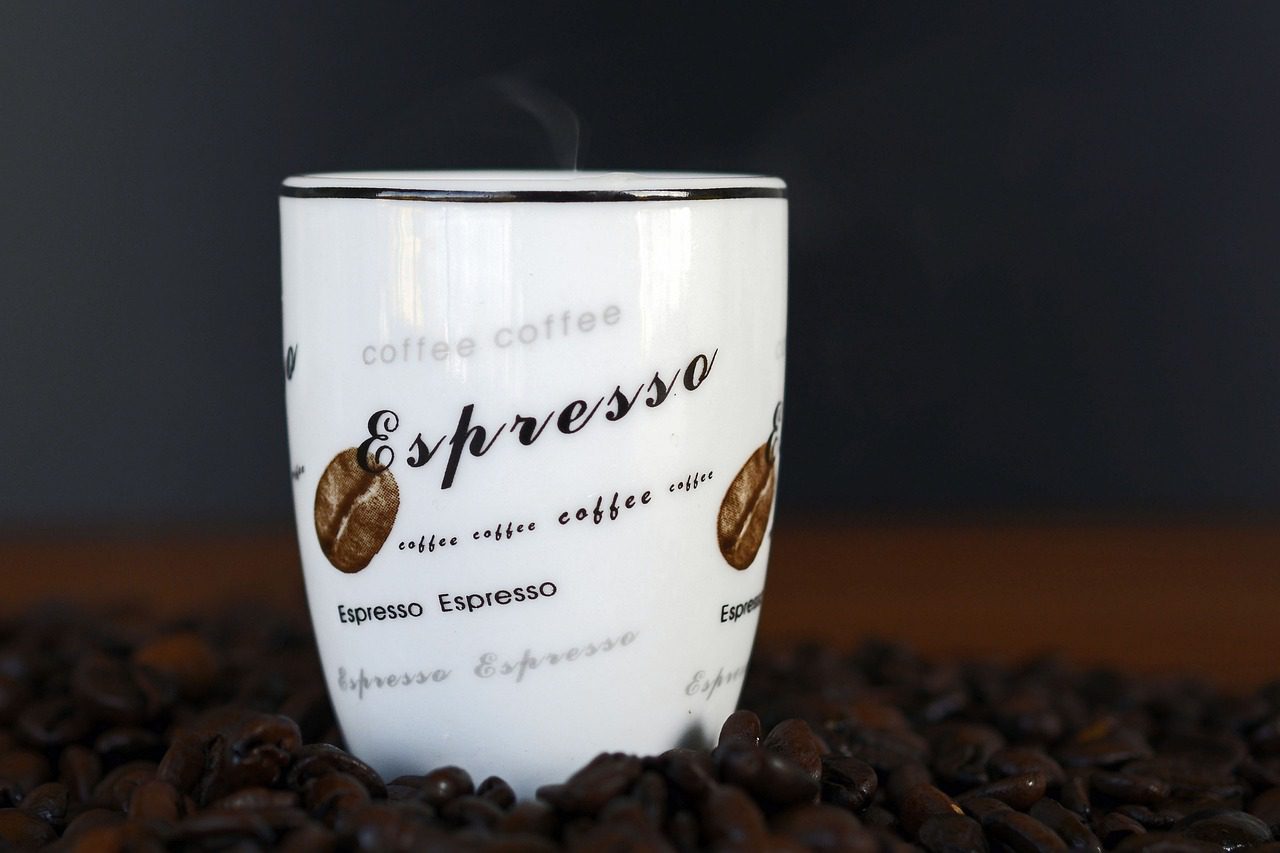
Crema is the fine foam that commonly rests on freshly extracted espresso. Coffee retains carbon dioxide after roasting. During pressure brewing, gas can dissolve into the liquid; as pressure falls after the beverage exits the coffee bed, some gas forms bubbles stabilized by surface-active coffee compounds. Coffee oils and other materials influence the appearance and persistence of the foam.
Crema can be golden, reddish brown, pale or dark. It may look abundant on a Robusta-rich blend and thin on a delicious Arabica shot. It can change with the freshness of the beans, roast profile, extraction system and basket. A pressurized basket may create impressive-looking foam without guaranteeing the balanced taste associated with careful espresso extraction.
Does more crema mean better espresso? No. Crema is interesting, but it is a poor stand-alone quality score. Taste the liquid beneath it. Some people stir the shot to integrate crema and flavor; others prefer observing the components separately. The foam naturally dissipates as gas escapes and bubbles collapse.
Espresso Beans vs. Coffee Beans: The Same Plant, Different Brew

There is no botanical espresso plant. Coffee sold as espresso beans is usually a roast or blend intended for espresso preparation. Roast profiles differ, but the same beans can be ground differently and prepared as pour-over, French press or drip coffee. When a bag says espresso roast, it signals a flavor intention rather than a mandatory technical classification.
Light Roast Espresso
Light-roast espresso can reveal citrus, flowers, berries and vivid origin character. Such coffees can be less soluble than darker roasts and may need careful grinding, longer yields or warmer brewing conditions. When poorly extracted, they can taste sharply sour. When properly balanced, they can be remarkably aromatic.
Medium Roast Espresso
Medium roasts are forgiving starting points for many people. They often balance chocolate, caramel or nut-like flavor with enough acidity to remain lively. They can work for straight shots as well as milk drinks. If you’re learning, a fresh medium-roast blend gives useful feedback without demanding extreme settings.
Dark Roast Espresso
Dark roasts emphasize deeper roasted notes, including cocoa, toasted nuts and sometimes smoke. Their greater solubility can make extraction comparatively easy, but pushing the shot too far can create harshness. A shorter yield may suit certain dark espresso blends better than a long extraction.
Arabica and Robusta
Arabica is widely appreciated for aromatic complexity, acidity and sweetness. Robusta often delivers more caffeine, bitterness, body and crema. Many classic Italian-inspired blends combine the two. Neither species is intrinsically restricted to espresso. Quality, roasting and brewing technique matter. My Arabica versus Robusta comparison explores the differences in more detail.
Espresso Ratios: Single, Double, Ristretto, Normale, and Lungo
Espresso recipes are easier to communicate by mass than by volume, because crema can exaggerate the apparent liquid volume. The ratio compares dry ground-coffee mass with finished beverage mass. An 18-gram dose yielding 36 grams of espresso is 1:2.
| Style | Approximate Starting Ratio | Example With 18 g Dose | Character |
|---|---|---|---|
| Ristretto | 1:1 to 1:1.5 | 18–27 g beverage | Short, concentrated, dense |
| Normale | Around 1:2 | 36 g beverage | Balanced reference espresso |
| Lungo | Around 1:2.5 to 1:3 | 45–54 g beverage | Longer, less concentrated |
A single espresso historically involves a small dose and small beverage. A doppio uses a larger double basket and output. A ristretto is a shortened shot relative to dose. A lungo allows a longer beverage yield through the same puck. Café traditions differ in exactly where these categories begin and end; ratios give you a clearer language than ounces alone.
Shorter does not automatically mean sweeter. A ristretto can be dense and luxurious or unpleasantly under-extracted. A lungo may feel aromatic and open or too diluted and harsh. The sensible starting point is a balanced normale, then intentional adjustment. For the longer explanation of shot styles, see my ristretto, normale, and lungo guide.
How Espresso Compares With Other Brewing Methods
Espresso vs. Pour-Over
Pour-over normally relies on gravity and often paper filtration. It makes a larger beverage with comparatively transparent flavor presentation. Espresso is more concentrated and textured. Choose pour-over to linger over delicate notes; choose espresso for concentrated flavor or milk-based café drinks.
Espresso vs. French Press
French press is immersion brewing. Coffee steeps in water before a metal screen separates most of the grounds. It can have a full mouthfeel because fine particles and oils remain in the beverage, but it does not use the characteristic espresso pressure or short brew ratio.
Espresso vs. Moka Pot
A moka pot uses pressure created by heating water in its lower chamber, but it typically operates at far lower pressure than a modern pump-driven espresso machine. Its coffee can be concentrated and useful in milk drinks, yet calling it technically identical to espresso is inaccurate. Readers curious about stovetop brewing can follow my Moka Pot 101 beginner guide.
Espresso vs. AeroPress
An AeroPress uses manually applied pressure and a filter to brew coffee. Concentrated recipes can resemble espresso in flavor intensity, but ordinary AeroPress methods do not duplicate conventional espresso-machine extraction conditions. The result is best understood as strong brewed coffee or espresso-style concentrate.
Espresso vs. Turkish Coffee
Turkish coffee is prepared by heating extremely finely ground coffee in water, generally in a cezve. It is not filtered in the conventional drip sense; fine solids settle in the cup. Its powerful texture and rich cultural history are distinct from pressure-brewed espresso.
Espresso vs. Cold Brew
Cold brew uses cool or room-temperature water over many hours. Coffee concentrate made this way can be strong, but the low-temperature, long-contact process differs completely from a hot pressure extraction. Diluting cold brew concentrate does not transform it into espresso.
Espresso vs. Instant Coffee
Instant coffee is commercially brewed and dried, then reconstituted by adding water. It is convenient and can be made strongly, but pouring water over espresso-style instant granules does not replicate fresh pressure extraction.
How to Make Espresso at Home: A Repeatable First Recipe

A new espresso setup can turn even a simple morning into a confusing little puzzle. One shot runs in 15 seconds and tastes like lemon. The next barely drips. The third looks beautiful but still feels dry and bitter. The answer is not to change everything at once. Build a repeatable recipe so that each adjustment teaches you something.
For a common 18-gram double basket, begin with 18 grams of freshly ground coffee and aim for about 36 grams of espresso in the cup. A 25–30-second extraction from pump start is a reasonable initial reference, with the understanding that pre-infusion systems and bean styles may call for different times. A medium or medium-dark roast is often easier to learn with than an extremely light coffee.
| Variable | First Recipe | Why It Helps |
|---|---|---|
| Beans | Fresh medium-roast whole beans | An approachable flavor and extraction profile |
| Basket | Double basket appropriate for an 18 g dose | Predictable headspace and puck geometry |
| Dose | 18 g | A consistent starting point |
| Yield | 36 g | A practical 1:2 ratio |
| Water temperature | About 200°F / 93°C if adjustable | A workable middle reference |
| Pressure | Standard machine brewing profile | Avoids unnecessary adjustment at the beginning |
| Time | Approximately 25–30 seconds | Useful flow diagnostic, not a quality score |
| Evaluation | Taste the shot before changing settings | Flavor determines what to improve |
Prepare the Machine and Cup
Fill the reservoir with suitable water and allow the machine to reach its operating condition. Some fast-heating machines indicate readiness long before the portafilter and cup have warmed completely. A brief flush through an empty portafilter can help with some setups, provided you follow the machine’s normal operating instructions. Warm the demitasse if you prefer your espresso to remain hot through the first few sips.
Weigh, Grind, and Distribute
Measure your coffee dose carefully. Grind directly into the appropriate basket or a dosing cup, then level the grounds and break up obvious clumps. Keep loose grounds off the basket rim. Reproducible preparation matters more than owning expensive accessories. A consistent, level tamp completes the puck.
Pull the Shot and Measure the Liquid
Start brewing with the cup on a responsive scale. Stop when approximately 36 grams have entered the cup. Volume markings can mislead because crema is not equivalent to the same volume of liquid coffee. When a machine uses pre-infusion, record your time consistently from the same event—normally pump start—rather than comparing unlike timing conventions.
Taste Before You Change Anything
If the shot is very fast and sour, adjust finer. If it barely flows or tastes harshly extracted, move coarser or reconsider the recipe. If timing seems reasonable but the shot tastes sharp, a slightly longer yield may help. If the flavor is intense and dry, shortening the yield can improve balance. Change one variable, make another shot, and compare. My Espresso Dial-In 101 guide takes this flavor-led adjustment process much further.
What a Bottomless Portafilter Can Teach You
A bottomless portafilter makes the flow visible from beneath the basket. It may reveal spraying or uneven streams associated with channeling. It is helpful as a learning tool, but it is not a prerequisite for delicious coffee. Nor does a smooth-looking extraction prove that every part of the puck extracted evenly. Treat it as another clue alongside dose, yield, timing and taste.
Choosing the Right Espresso Machine for Your Routine
Real espresso requires a machine capable of its characteristic pressure extraction. That does not mean everyone needs the same appliance. The important differences are how much of the routine you perform manually, whether the grinder is integrated, and how the machine handles milk and back-to-back drinks.
Compact Semi-Automatic Espresso Machines

A small semi-automatic machine makes sense when counter space matters, when you already own a grinder, or when you want a modular setup that can evolve over time. You grind, prepare and tamp the coffee, then use the machine to brew. Milk steaming may be manual or automated depending on the model. The main advantage is flexibility; the limitation is that the grinder must be purchased separately.
All-in-One Espresso Machines
A built-in grinder reduces the number of appliances and often simplifies the shopping process. The workflow remains hands-on on many machines, but grinding and brewing occupy a single footprint. This can be a good compromise for an espresso enthusiast who wants to learn without building a workstation piece by piece. The trade-off is reduced freedom to upgrade the grinder independently.
Assisted and Touchscreen Machines
Assisted machines can guide dosing, tamping or milk texturing. They are useful in households where several people want good espresso drinks but not everyone enjoys carefully adjusting grind and puck preparation. Guidance can reduce routine friction, yet proper beans, water and cleaning still matter.
Traditional Dual-Boiler and Enthusiast Systems
Dual-boiler designs typically separate brew-water heating from steam generation. That architecture can support demanding espresso-and-milk workflows, particularly when several drinks must be made in succession. More sophisticated machines can provide temperature adjustment, pre-infusion control and other features appreciated by enthusiasts. The investment makes the most sense when you are ready to use those capabilities.
The machine should match the person making the coffee on an ordinary weekday, not only the idealized barista you imagine becoming. If you are still deciding, my espresso machine finder and best espresso machines for beginners guide provide a broader set of options.
Espresso Machines — At a Glance
Three practical entry routes: compact and modular, a classic all-in-one, or a quicker modern workflow.

Breville Bambino Plus Espresso Machine
- 54mm portafilter
- Separate grinder needed
- Automatic microfoam milk
- Fast ThermoJet heat-up
- Low-pressure pre-infusion
- One- and two-shot buttons

Breville Barista Express BES870XL
- Integrated conical burr grinder
- 54mm portafilter
- Pressure gauge
- Manual steam wand
- Adjustable grind settings
- Hands-on shot preparation

Breville Barista Pro BES878BSS
- Built-in conical burr grinder
- 30 grind settings
- Fast ThermoJet heating
- LCD shot feedback
- Manual milk texturing
- Low-pressure pre-infusion
The three setups above serve different learning styles; they are not an attempt to rank every espresso machine on the market. The Bambino keeps the machine compact and leaves grinder choice open. The Barista Express simplifies the counter with its integrated grinder. The Barista Pro offers another integrated path with a faster-heating interface. For a much wider machine comparison, see my complete Breville espresso machine roundup.
Choosing an Espresso Grinder: The Upgrade That Changes Everything
Espresso asks more of a grinder than a typical immersion brew. The adjustment mechanism needs to navigate very small differences in grind size, because those differences alter how water passes through the puck. A grinder that makes large jumps can leave you trapped between a shot that gushes and one that chokes. Fine control matters more than a long list of marketing labels.
Burr grinders are generally preferable to blade grinders because they provide more controlled particle production. Both conical and flat burr designs can excel. Burr size alone, however, does not establish performance. Geometry, adjustment quality, alignment, retention and the grinder’s behavior with particular beans all matter.
Integrated or Separate?
An integrated grinder saves space and makes the morning routine simpler. A separate grinder allows independent upgrades and may provide finer adjustment, easier access for cleaning or more flexible bean switching. Neither is universally better. If you enjoy changing beans and chasing subtle espresso flavors, a separate grinder can be especially attractive. If you want one appliance and fewer decisions, integration has real value.
Espresso Grinders — At a Glance
Grind adjustment is central to espresso. These three examples suit different dosing and control preferences.

Eureka Mignon Notte Espresso Grinder
- 50mm flat steel burrs
- Stepless micrometric adjustment
- Manual on-demand dosing
- Compact body
- ACE anti-clumping system
- Espresso-focused grinding

Baratza Sette 270 Coffee Grinder
- 40mm conical burrs
- 270 adjustment positions
- 0.1-second time control
- Direct-drop grounds path
- Portafilter-compatible support
- Fast on-demand grinding

Breville Smart Grinder Pro
- 60 grind settings
- Conical steel burrs
- LCD grind display
- Timed Dosing IQ control
- Portafilter cradles
- Espresso and brew use
These grinders illustrate different approaches: stepless espresso-focused adjustment, fine stepped adjustment with direct dosing, and a versatile grinder that covers espresso and other brewing methods. The right grinder depends on the basket, coffee, machine, counter space and adjustment preferences—not just the size of the burrs. More choices appear in my best burr coffee grinders article.
The Small Barista Tools That Earn Their Counter Space
A scale, dependable tamper and simple distribution tool can eliminate much of the uncertainty that makes espresso frustrating. A scale lets you compare dry dose with beverage yield. A self-leveling tamper helps you produce a flat puck. A WDT tool breaks up visible grounds clumps before tamping. None replaces quality beans or an appropriate grind, but each can make a repeatable technique easier to learn.
Pay attention to fit. A tamper designed for a 58-mm basket does not automatically suit a 54-mm basket. A large coffee scale may be too tall for the clearance beneath some compact espresso machines. Portafilter accessories should match your particular basket rather than merely share the brand name of the machine.
Barista Accessories — At a Glance
A scale, matching tamper, and distribution tool can make the espresso routine easier to repeat.

MHW-3BOMBER Espresso Scale
- Compact espresso scale
- Dose and yield measurement
- Shot timing support
- Useful for dialing in
- Fits many drip trays
- Weight-based consistency

Normcore V4 58.5mm Espresso Tamper
- 58.5mm tamper base
- For compatible 58mm baskets
- Self-leveling design
- Spring-loaded action
- Stainless steel base
- Repeatable puck preparation

MEION WDT Espresso Distribution Tool
- Fine distribution needles
- Helps break up clumps
- Better grounds distribution
- Useful before tamping
- Compact handheld tool
- Puck prep consistency
A straightforward home setup does not need an entire shelf of gadgets. A sensible scale and the tools appropriate for your basket are enough to begin. Learn the stock equipment first and add more specialized accessories only when you understand the problem they are intended to solve.
Espresso Troubleshooting: Read the Cup Before the Gauge
| Symptom | Likely Causes | First Thing to Try |
|---|---|---|
| Sour and unusually thin | Under-extraction, coarse grind, very short yield | Grind slightly finer; reassess yield |
| Bitter and drying | Excess extraction, roast bitterness, stale oils | Shorten yield or grind a little coarser |
| Fast, pale stream | Coarse grind, low puck resistance, channeling | Check dose and grind finer |
| Almost no flow | Grind too fine or basket overdosed | Grind coarser and recheck basket dose |
| Watery shot | Excess beverage yield or weak puck resistance | Measure output, reduce yield |
| Sour and bitter together | Uneven extraction or channeling | Improve distribution and tamp consistency |
| Weak crema | Old beans, roast traits, recipe or basket | Judge flavor first; assess freshness |
| Inconsistent back-to-back shots | Dose, grind retention, preparation and heat differences | Standardize technique and allow normal thermal recovery |
| Burnt flavor | Very dark roast, dirty equipment, extraction imbalance | Clean basket and reconsider recipe |
The Trouble With Chasing Exactly 25 Seconds
A stopwatch is a useful diagnostic tool, but it is not a taste sensor. Some coffees are sweet and satisfying with shorter extractions; others need a longer contact time or yield. Start with a conventional reference, then let flavor guide the adjustment. Keep the method of timing consistent so your observations are meaningful.
When to Suspect Channeling
An extremely fast shot can simply be too coarse. But a shot that tastes simultaneously sour and harsh may point toward uneven water flow. Check distribution, dose, basket fit and tamp level. If an adjustment does not move the shot in the expected direction, preparation inconsistency is often worth investigating before making still larger grinder changes.
Why Yesterday’s Grind Setting Can Fail Today
Coffee changes after roasting as gases escape and the beans age. Humidity, grinder temperature, retained grounds and the weight of beans in the hopper may also affect the workflow. A previously good setting may slowly need adjustment. That is normal in espresso, and it is another reason to record dose and yield rather than relying on a fixed number on the grinder dial.
How Water, Pressure, and Temperature Shape Espresso
Water is both an ingredient and the fluid passing through your machine’s internal components. Poor-quality water can compromise taste, while excessive mineral hardness encourages scale. Distilled water is not universally appropriate for espresso equipment, and very hard bottled water can be just as troublesome as unsuitable tap water. Use water compatible with your machine and manage filtration or hardness according to its instructions.
The relationship between temperature and roast also matters. Darker coffee often dissolves more readily and can become harsh when pushed too far. Lighter coffee may benefit from slightly hotter water or a longer ratio, although pressure, grind and yield interact with temperature. If your machine lacks precise temperature controls, you can still accomplish a surprising amount by adjusting grind and beverage yield.
Pressure is similarly easy to misunderstand. A pump sold as 15 or 20 bar is not a guarantee of superior espresso. Around 9 bar remains a traditional working reference, while modern machines may use lower-pressure pre-infusion or programmed pressure changes. Stable flow and a well-prepared puck matter far more than chasing the highest printed pressure number.
Espresso-Based Drinks: The Complete Coffeehouse Family
A straight espresso reveals the concentrated brew without dilution. Other café drinks use that shot as the flavor foundation and alter it through water, milk, foam, ice or sweet ingredients. The same espresso can become noticeably different in a cortado, latte and Americano.
| Drink | Common Composition | General Experience |
|---|---|---|
| Espresso | Concentrated pressure-brewed coffee | Small, intense, aromatic |
| Doppio | Double espresso | Larger concentrated serving |
| Ristretto | Shorter espresso yield | Dense and compact |
| Lungo | Longer espresso yield | Less concentrated, more extracted |
| Americano | Espresso diluted with hot water | Longer black drink with espresso character |
| Long black | Hot water and espresso, often espresso added last | Related to Americano; surface crema may persist |
| Cappuccino | Espresso, steamed milk and foam | Creamy with pronounced coffee taste |
| Latte | Espresso with a larger milk portion | Softer and more milk-forward |
| Flat white | Espresso and finely textured milk | Silky, coffee-forward balance |
| Cortado | Espresso with a comparatively modest milk portion | Small and balanced |
| Espresso macchiato | Espresso marked with a little milk or foam | Mostly espresso |
| Mocha | Espresso, chocolate and milk | Sweet chocolate-coffee drink |
| Affogato | Espresso poured over gelato or ice cream | Coffee dessert |
| Iced latte | Espresso, chilled milk and ice | Refreshing, milk-forward |
| Shaken espresso | Espresso shaken with ice and optional other ingredients | Chilled and aerated |
Espresso vs. Americano
An Americano is espresso diluted with hot water. It may look similar to black filter coffee, but it carries the roast, body and extraction character of the original shot. Adding water does not remove caffeine. It merely reduces the concentration of what is already in the cup.
Espresso vs. Cappuccino
Cappuccino combines espresso and textured milk, usually with a more prominent foam presence than a latte. Its historical proportions have varied among countries and cafés. The aim is a drink where milk softens the espresso without erasing the coffee’s personality.
Espresso vs. Latte
A latte generally includes more steamed milk than a cappuccino, resulting in a softer coffee presentation. Because the espresso remains concentrated, it can still contribute a recognizable flavor even after dilution. For a coffee-forward latte, a balanced shot and reasonable milk volume are more effective than compensating with large amounts of syrup.
Espresso vs. Flat White
A flat white emphasizes silky, integrated microfoam rather than an exaggerated cap of dry bubbles. Regional descriptions and cup sizes differ, but a carefully textured flat white should feel smooth from its first sip to its last. Espresso quality still matters because the milk portion does not hide every imbalance.
Macchiato, Cortado, Mocha, and Affogato
A traditional macchiato is a small espresso marked with milk, not the same composition as a large sweet caramel macchiato. A cortado balances coffee with a comparatively modest amount of milk. A mocha adds chocolate, while an affogato pairs hot espresso with frozen ice cream or gelato. These drinks demonstrate espresso’s versatility without requiring a different brewing method for each recipe. My macchiato recipe guide explains one particularly useful starting point.
Milk and Sweeteners: What They Actually Do to Espresso
Milk softens espresso’s sharp edges, changes perceived sweetness and adds body. Its protein and fat content affect microfoam. Whole milk remains a straightforward classic for latte practice, while barista-formulated oat and soy milks can provide attractive plant-based alternatives. Some standard plant milks split when exposed to very hot, acidic coffee, so their barista formulations may handle espresso more gracefully.
Sweeteners serve different purposes. White sugar provides relatively neutral sweetness; brown sugar and maple syrup contribute their own warm flavors; vanilla and caramel syrups can make a drink more dessert-like. There is no requirement to sweeten espresso. If you want to understand a new bean, taste it plain first. If the shot is harsh, correcting extraction or trying a different roast may help more than adding another spoon of sugar.
Adding milk or syrup does not eliminate caffeine from the espresso. It changes the serving volume and flavor profile. A latte made with a double shot still carries caffeine from that double shot unless the coffee itself is decaffeinated.
Is Espresso Healthy? Calories, Caffeine, Sleep, and Digestive Comfort
Plain espresso is naturally low in calories and contains no added sugar. Like other coffee preparations, it also contains caffeine and coffee-derived compounds. Whether it belongs comfortably in your day depends on total caffeine intake, your response to coffee, and what you add to the beverage. A straight shot and a very large flavored latte are different nutritional experiences.
Caffeine Sensitivity
Caffeine can increase alertness, but it may also cause jitteriness, anxiety, palpitations or sleep disruption in sensitive people. Medical circumstances, pregnancy and certain medications can change what intake is appropriate. A commonly used 400-mg-per-day reference for most healthy adults is not an invitation to approach that amount, and individual tolerance can be much lower.
Espresso and Sleep
Caffeine can remain active for hours. Someone may tolerate an afternoon espresso without feeling obviously restless yet still notice differences in sleep quality. Moving caffeinated drinks earlier in the day or switching some servings to decaf is a practical response if sleep becomes a problem.
Espresso and Acid Reflux
Espresso may aggravate reflux or stomach discomfort for some people. Others tolerate it well. The response is individual and may reflect coffee type, caffeine, serving size, timing and personal health circumstances. Espresso is neither universally harmless nor universally unsuitable for the digestive system.
Does Decaf Espresso Count as Espresso?
Yes. Decaf refers to the treatment of the coffee beans, not a different brewing method. Decaffeinated beans can be ground and prepared through the same pressure-based extraction. They typically retain a small residual amount of caffeine. The brewing recipe may need adjustment because decaffeination and roasting can influence how the beans grind and extract.
How Espresso Is Served in Italy and Beyond
In Italian cafés, ordering a caffè commonly means espresso. It is typically served in a small cup and enjoyed relatively soon after preparation, often at the counter. Some people add sugar; others prefer it plain. Drinking a shot in one gulp is not mandatory. A few measured sips can reveal how aroma, temperature and flavor change as the drink cools.
A small glass of water may accompany espresso to refresh the palate. Stirring the shot can distribute crema and suspended material more evenly, although some people enjoy tasting the surface and liquid separately. There is no universal etiquette rule that determines whether stirring or sweetening is the correct choice.
The experience also varies outside Italy. Some coffee cultures emphasize short, strong shots. Others celebrate milk drinks, long blacks, creative iced preparations and modern specialty espresso. The core extraction method is recognizable even when the serving tradition changes.
Twelve Common Espresso Myths
- Espresso comes from special espresso beans. It comes from coffee beans prepared with a particular method.
- Espresso must be dark roasted. Light, medium and dark roasts can all be used.
- Espresso always has more caffeine than a mug of coffee. A mug of drip coffee can contain more total caffeine than a single shot.
- More crema proves better quality. Crema is not a substitute for good flavor.
- A 20-bar pump guarantees better espresso. Pump ratings alone do not describe extraction quality.
- Every good shot takes exactly 25 seconds. Time is a useful clue, not an absolute target.
- Espresso should always taste bitter. Balanced shots can be sweet, fruity, floral or chocolatey.
- Any strong coffee is espresso. A concentrated moka pot or AeroPress drink is brewed differently.
- Milk removes caffeine. It dilutes the beverage without removing the shot’s caffeine.
- A costly machine fixes poor grinding. Grinder consistency and puck preparation still matter.
- Decaf cannot make real espresso. Decaf coffee can be extracted under pressure just like caffeinated coffee.
- You must buy every barista gadget. Good beans, a capable grinder, appropriate equipment and a repeatable recipe are more important.
A Sensible Seven-Day Espresso Learning Plan
Day 1: Learn your machine’s controls, basket size and cleaning requirements. Use one familiar bean and avoid swapping coffees halfway through setup.
Day 2: Stabilize the coffee dose. A repeatable 18-gram double dose is a useful target when your basket is designed for it.
Day 3: Begin measuring beverage yield. Stop around 36 grams, taste, and note the result.
Day 4: Adjust grind size deliberately. Change it in small increments and observe flow and flavor.
Day 5: Compare two yields from the same coffee. A slightly shorter or longer beverage can reveal how concentration and extraction interact.
Day 6: Practice milk texture if you enjoy lattes or cappuccinos. Aim for glossy microfoam rather than large bubbles.
Day 7: Clean the machine according to its instructions, write down your most enjoyable recipe, and repeat it. The goal is confidence and consistency, not an imaginary perfect shot.
Final Thoughts: Espresso Is Coffee With a Different Rhythm
Espresso did not become important because coffee needed a more complicated name. It became important because Italian engineers developed a fast, pressure-based way to prepare individual servings, and café culture built an extraordinary range of drinks around the result. The modern shot still follows that essential idea: fine grounds, hot water, controlled pressure and a concentrated beverage.
The comparison with regular coffee becomes straightforward once you separate concentration from total caffeine, and brewing method from bean type. Espresso does not need a special coffee plant. It does not have to be dark roasted. It is not better merely because it carries a thicker crema. It is a different way of extracting and presenting the flavors already contained in roasted coffee.
If you’re starting out, keep the first recipe simple. Use fresh beans, a capable grinder, a consistent dose and a measured yield. Taste before adjusting. The reward is not only a better shot; it’s a clearer understanding of why coffee can taste so different from one brewing method to another. Once espresso begins to make sense, every cappuccino, Americano, cortado and flat white becomes easier to appreciate.
Frequently Asked Questions About Espresso
What Is Espresso in Simple Words?
Espresso is a small, concentrated coffee made by pushing hot water through finely ground coffee under pressure. It is a brewing method, not a special coffee-bean species.
Is Espresso Just Strong Coffee?
No. Espresso’s concentration is important, but its pressure extraction, grind and short beverage ratio distinguish it from ordinary strong brewed coffee.
What Is the Difference Between Espresso and Black Coffee?
Espresso is a pressure-brewed concentrate. Black coffee simply means coffee served without milk and can refer to drip, French press, pour-over or espresso.
Is Espresso Stronger Than Regular Coffee?
By flavor concentration and usually caffeine per fluid ounce, yes. By total caffeine per typical serving, not necessarily; a larger brewed coffee can contain more.
How Much Caffeine Is in One Espresso Shot?
A common reference is about 63 mg in a 1-fluid-ounce serving. Actual amounts vary by beans, dose and extraction.
Does a Double Espresso Have Twice the Caffeine?
It usually contains more caffeine than a single, but the increase is not guaranteed to be exactly double because dose and extraction recipes vary.
Is Espresso Made From Different Coffee Beans?
No. Ordinary roasted coffee beans can be used. Espresso-labeled blends are usually selected or roasted for the flavor they produce under pressure.
Is Espresso Always Dark Roast?
No. A light-roast specialty coffee can make excellent espresso, though it may require a different brewing ratio and grind from a traditional dark blend.
What Is Crema?
Crema is the fine foam frequently seen on freshly extracted espresso, formed by gases and stabilized by coffee compounds as the pressure drops.
Does No Crema Mean the Espresso Is Bad?
Not automatically. Freshness, species, roast, extraction and basket design influence crema. Taste remains the most useful quality test.
What Does 9 Bar Mean for Espresso?
It refers to brewing pressure. Around 9 bar is a familiar conventional espresso reference, although different machines can use other controlled pressure profiles.
How Long Should an Espresso Shot Take?
Around 25–30 seconds is a practical starting reference, not a universal rule. A pleasant shot can run shorter or longer depending on the coffee and equipment.
What Is an Espresso Brew Ratio?
It compares dry ground-coffee mass with the finished espresso mass. An 18-gram dose producing 36 grams of beverage gives a 1:2 ratio.
What Is a Ristretto?
A ristretto uses a shorter beverage yield relative to the dose, typically producing a denser, more concentrated shot.
What Is a Lungo?
A lungo uses a longer beverage yield through the same coffee bed. It is larger and usually less concentrated than a conventional short espresso.
What Is a Doppio?
A doppio is a double espresso, commonly prepared with a larger double basket and a larger beverage yield than a traditional single shot.
Is Americano the Same as Drip Coffee?
No. An Americano is espresso diluted with hot water. Drip coffee is brewed by passing water through grounds under gravity.
Is a Latte Still Espresso?
A conventional café latte is an espresso-based drink made with steamed milk. The espresso remains the coffee foundation.
Is Cappuccino Stronger Than Latte?
It often tastes more coffee-forward because it generally has less milk relative to espresso, but recipes vary by café.
Does Adding Milk Reduce Caffeine?
Milk reduces the caffeine concentration per ounce in the larger drink but does not remove caffeine already present in the espresso.
Can You Make Espresso Without a Machine?
You can make concentrated coffee with a moka pot or AeroPress, but traditional espresso requires an appropriate pressure-extraction system.
Is Moka Pot Coffee Espresso?
Technically no. A traditional moka pot typically uses much lower pressure than a conventional espresso machine and creates a different beverage.
Can French Press Replace Espresso?
French press can make robust coffee, but its immersion brewing process and dilution are different from espresso extraction.
Why Does My Espresso Taste Sour?
Under-extraction is a common cause, but some beans naturally display bright acidity. Check grind, yield, dose and puck preparation before changing coffee.
Why Does My Espresso Taste Bitter?
A long extraction, unsuitable grind, very dark roast or stale coffee oils can contribute. Try a shorter yield, coarser grind or thorough cleaning as appropriate.
Why Does My Espresso Run Too Fast?
The grind may be too coarse, the dose too low or the coffee bed uneven. Start by checking dose and grinding slightly finer.
Why Is My Espresso Watery?
An excessively long yield, coarse grind, low dose or aging coffee can weaken the beverage. Weigh the output and assess extraction consistency.
Can I Use Pre-Ground Coffee for Espresso?
Yes, especially with a pressurized basket, but a grinder that can be adjusted for your beans offers considerably more control and freshness.
Is Espresso Good for Weight Loss?
Plain espresso is low in calories, but it is not a weight-loss treatment. Added milk, sugar, chocolate and syrups can significantly change the calorie content.
Is Espresso Healthy to Drink Every Day?
For many people, moderate consumption fits a balanced lifestyle. Caffeine sensitivity, health conditions, pregnancy and sleep habits can require individual limits.
Does Espresso Have Antioxidants?
Espresso contains coffee-derived compounds, including antioxidant substances. Concentration does not establish universal health superiority over other brewing methods.
Can Espresso Be Decaffeinated?
Yes. Decaffeinated beans can make genuine pressure-brewed espresso and generally retain only a small amount of caffeine.
Should You Stir Espresso?
Stirring distributes crema and extracted material for a more uniform flavor. Drinking it without stirring is also a valid preference.
Should You Add Sugar to Espresso?
Sugar is optional. A first sip without sweetener helps reveal the original coffee before you decide whether to add anything.
Is Espresso Better Than Drip Coffee?
Neither is universally better. Espresso emphasizes concentration and texture; drip coffee generally offers a larger, less concentrated cup. Choose the experience you enjoy.


