
Arabica vs Robusta Coffee Beans: Key Differences


OneHundredCoffee is reader-supported, and some products displayed may earn us an affiliate commission. Details
Arabica vs Robusta: What’s Really the Difference?
If you’ve ever stood in the coffee aisle and wondered why some bags shout “100% Arabica” while others quietly mention “Robusta,” you’re not alone. Those two names are more than marketing—they’re two different coffee species with their own personalities, histories, and daily-life implications. And they can shape everything from how your espresso crema looks to whether your morning cup tastes like chocolate or peanuts, citrus or tobacco, silk or sandpaper.
Best-selling 4 Arabica Coffee Beans

Coffee lovers who enjoy rich, seasonal flavors with a comforting aroma, perfect for autumn mornings or cozy afternoons.

Best suited for dark roast enthusiasts who crave a deep, layered cup of coffee with smooth yet powerful flavor complexity.

Ideal for eco-conscious coffee drinkers who appreciate authentic Italian craftsmanship and sustainable sourcing.

Perfect for those who enjoy a medium-bodied, well-balanced cup that highlights the natural sweetness of Colombian Arabica.
This is your warm, friendly, no-jargon deep dive into Arabica vs. Robusta—built for real-world questions people actually ask: Which one tastes better? Which has more caffeine? Why is one pricier? What should I buy for espresso? For cold brew? For my sensitive stomach? For the strongest wake-up? We’ll cover flavor, caffeine, price, growing regions, farming realities, crema, roast behavior, brewing tips, and even how blends can make both species shine. Settle in with your cup; by the end, you’ll know exactly what to look for on a label and why your taste buds respond the way they do.
Best-selling 4 Robusta Coffee Beans
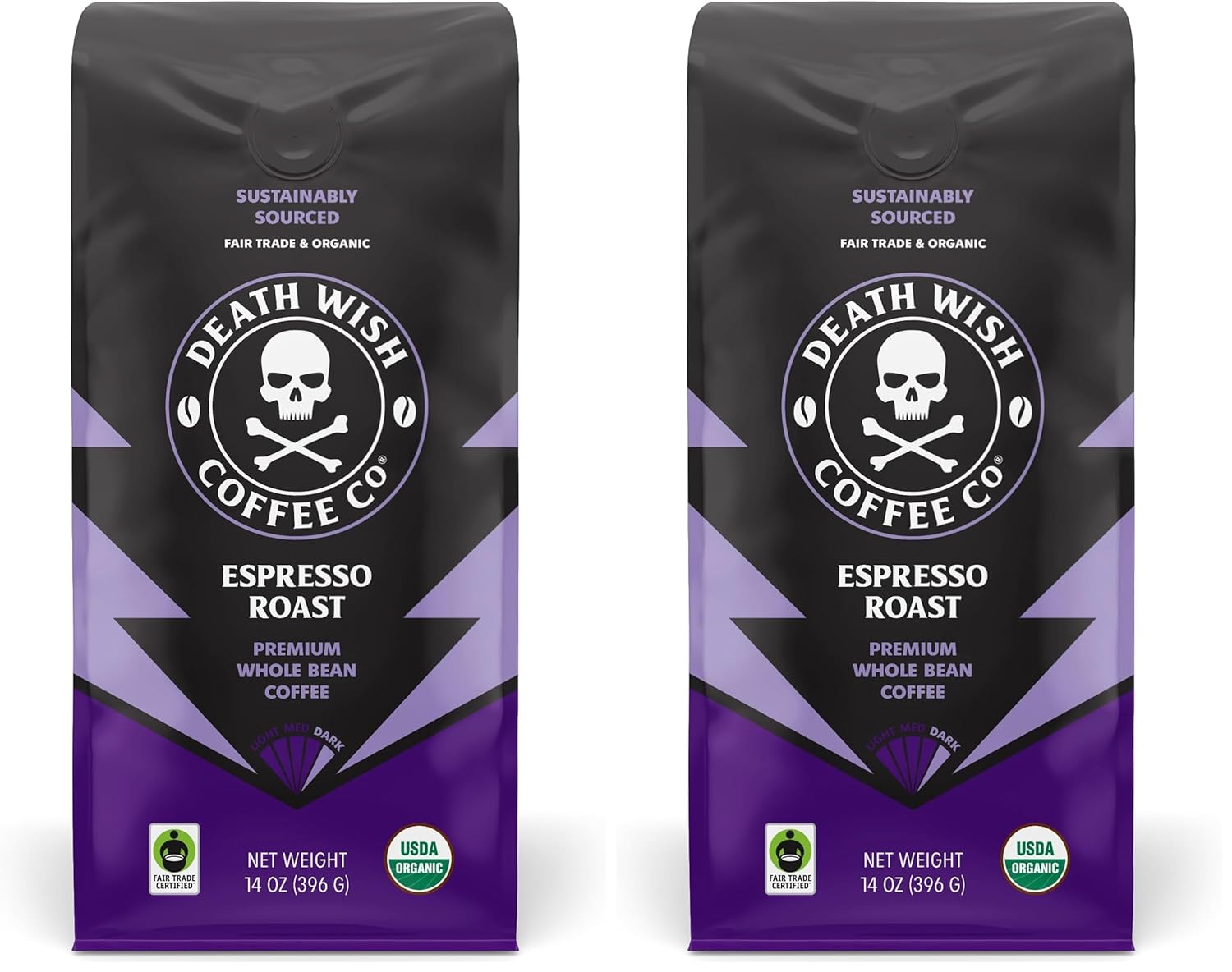
Best suited for coffee drinkers who crave strength, intensity, and high-caffeine performance — ideal for espresso machines or French press enthusiasts.

Designed for those who appreciate full-bodied, high-caffeine coffee with natural sweetness and an intense aroma profile.

Perfect for fans of strong, dark, and creamy Vietnamese coffee who want an authentic experience with unmatched depth and richness.

Ideal for those who prefer a smooth yet bold coffee with balanced flavor, perfect for morning energy or afternoon focus.
The Short Story (and Why It Matters)
- Arabica (Coffea arabica) is the romantic one—higher altitude, cooler temps, delicate flavors, bright natural acidity, and often smooth and layered: think chocolate, caramel, berries, florals, and citrus. Usually lower caffeine, thinner crema on espresso, and generally higher price.
- Robusta (Coffea canephora) is the powerhouse—hardier in hot, low-altitude conditions; more pest-resistant; bold and earthy in flavor: think cocoa husk, roasted peanuts, wood, spice, and sometimes rubbery or smoky if poorly processed. Naturally higher caffeine, thicker crema on espresso, and typically less expensive.
You’ll find both standing on their own, but they also marry beautifully in blends—especially for espresso—where Robusta’s heft boosts crema and punch, and Arabica brings sweetness and aroma.
The Big Comparison Table
Below is a practical snapshot that readers often ask for—how Arabica and Robusta stack up across the stuff we actually care about:
| Factor | Arabica (Coffea arabica) | Higher natural sugars and different lipid profiles contribute to sweetness |
|---|---|---|
| Typical Flavor | Sweet, chocolate/caramel, berries, citrus, floral; clean finish when well processed | Bold, earthy, roasted peanut, cocoa husk, and woody; can be smoky/harsh if poorly processed. |
| Acidity (pleasant brightness) | Higher, lively; perceived as “sparkle” or fruitiness | Higher elevations, cooler climates, and more disease-prone |
| Body/Mouthfeel | Light-to-medium; silky, often tea-like clarity | Medium-to-heavy; thicker, sometimes gritty if roasted dark |
| Caffeine | Lower on average | Higher on average (more “kick”) |
| Crema (espresso) | Lighter, shorter-lived | Dense, long-lasting, hazelnut-colored crema |
| Sugar & Lipids | Lower sugars; bitterness can stand out, but cream benefits from a robust lipid profile | Higher elevations, cooler climates, more disease-prone |
| Price | Generally higher | Generally lower |
| Farming Conditions | Higher elevations, cooler climates, and more disease-prone | Lower elevations, hotter climates; pest/heat-tolerant |
| Yield & Hardiness | Lower yield; finicky | Higher yield; resilient |
| Common Uses | Specialty single-origin, filter, pour-over, nuanced espresso | Espresso blends for crema/punch, instant coffee, darker roasts, “strong coffee” styles |
| Who Might Prefer | Flavor seekers, fruity/sweet cup lovers, pour-over fans | Espresso crema fans, caffeine chasers, budget-minded, lovers of strong/dark brews |
Taste: Where “Better” Depends on You
Let’s address the most Googled question: Which tastes better—Arabica or Robusta? For years, “Arabica is better” dominated the conversation because cheap, poorly processed Robusta gave the species a rough reputation. But that’s changing. You can now find carefully grown, washed robustas with chocolatey, nutty, and even spicy notes that are clean and pleasant—especially in blends and espresso.
- Arabica’s flavor range is wide: milk chocolate to dark cocoa, caramel to toffee, zesty lemon to sweet mandarin, and blueberry jam to black tea florals. Good Arabica can feel like a layered tasting menu—subtle, complex, and evolving as the cup cools.
- Robusta’s flavor range leans darker and earthier: roasted peanuts, walnut, cedar, spice, dark cocoa powder, tobacco leaf. Poorly cared-for Robusta veers into harsh bitterness and rubber. But well-processed Robusta can be a sturdy chocolate-nut base that sings in milk drinks and cuts through sugar.
Bottom line for taste: If you love bright, clean, fruity coffee, Arabica is your home base. If you want bold, heavy, crema-rich coffee with a stronger caffeine hit, Robusta (alone or in a blend) might surprise you in a very good way.
Caffeine: How Much Stronger Is Robusta?
Robusta naturally carries more caffeine—often ~1.5x to 2x the caffeine content of Arabica, depending on variety and growing conditions. That extra caffeine acts like a pest deterrent in the plant—and in your mug, it means more jolt per sip.
- If you’re sensitive to caffeine or get the jitters, lean toward Arabica or choose lighter doses/brews.
- If you want a powerful wake-up with less coffee volume, Robusta or a Robusta-boosted blend will get you there faster.
Remember, brewing also changes caffeine delivery: espresso is concentrated but small; drip or French press is larger and can equal or exceed espresso’s caffeine per serving. Your dose, grind size, brew time, and water temperature all matter.
Price: Why Arabica Costs More (Usually)
Arabica tends to cost more for two reasons:
- Farming risk: It prefers high altitude and cool air and is more vulnerable to diseases (like leaf rust) and climate swings. Lower yield + higher risk = higher price.
- Market demand: Specialty coffee roasters often chase Arabica’s nuance. More demand for top lots pushes prices up.
Robusta, by contrast, is a high-yield, hardy crop capable of thriving where Arabica struggles, so it can be produced more consistently and at scale. That said, high-quality Robusta (sometimes labeled “fine Robusta” or with farm details) is not “cheap” coffee—it can command premium prices for exceptional lots.
Farming, Altitude, and Climate: Why Place Changes Flavor
- Arabica loves 1,000–2,000+ meters of elevation, moderate sun, and cool nights. Slower cherry maturation often improves sugar development—hence, sweetness and nuance.
- Robusta thrives below ~800 meters in hotter, more humid climates. It’s naturally pest-resistant and tolerates heat and irregular rainfall better.
As climate change accelerates, we’re seeing Arabica zones shift uphill and poleward. Robusta’s resilience makes it a crucial part of coffee’s future, both for farmers’ livelihoods and for espresso lovers who value crema and strength.
Processing: Washed, Natural, Honey—and Why Robusta Gets a Bad Rap
Flavor isn’t only genetics and altitude. Processing (what happens to the fruit between picking and drying) shapes taste dramatically:
- Washed (wet) process: Cleaner, brighter acidity; common in high-grade Arabica and increasingly in quality Robusta. Great for clarity.
- Natural (dry) process: Fruit dries on the seed, often yielding berry-jam sweetness, but risks “fermented” or boozy notes if mishandled.
- Honey (pulped natural): Mellow, syrupy body; sits between washed and natural.
Cheap Robusta has historically been mass-processed without meticulous sorting or drying, which is why harsh flavors became synonymous with the species. But carefully processed Robusta—especially washed—can taste balanced, cocoa-forward, pleasantly nutty, and remarkably clean.
Roast Behavior: When to Go Light, Medium, or Dark

Arabica handles light-to-medium roasts beautifully; these levels highlight fruit, florals, chocolate sweetness, and terroir. Light roasts can taste bright and juicy. Medium roasts strike a cozy chocolate-caramel balance. Medium-dark introduces bittersweet chocolate and roasty depth.
Robusta frequently performs better at medium-dark to dark roasts for straight shots or milk drinks because heat tames bitterness and rounds rough edges. In blends, even a 10–30% Robusta addition at medium-dark roast can amplify crema and deliver a satisfying punch without tasting harsh.
Home takeaway: If a Robusta tastes rough, try a slightly darker roast or brew it with methods that soften bitterness (immersion brews, milk drinks). If an Arabica tastes too tart, bump the roast or coarsen the grind and lower the brew temperature a touch.
Espresso Reality: Crema, Body, and Milk
Espresso drinkers know the ritual: that first look at the crema tells a story.
- Arabica-only espresso: Often elegant, sweet, and layered but with thinner crema—especially at lighter roasts. Spectacular when dialed in, but can feel “light” in milk unless you choose chocolatey origins and medium roasts.
- Robusta in the blend: Adds dense, hazelnut crema, more caffeine punch, and grippy body. A 15–30% Robusta component is classic in Italian-style blends for cappuccinos and lattes.
If you love flat whites, cappuccinos, and lattes, a blend with some Robusta can make your drink taste more “coffee-forward” through milk. If you chase single-shot espresso clarity, stick to Arabica and consider chocolate-leaning origins (Brazil, Colombia, Guatemala), roasted medium for a round body.
Brewing Method Match-Ups
Here’s a practical table that maps species to common brew methods and what to expect:
| Brew Method | Arabica — What You’ll Taste | Robusta — What You’ll Taste | Tips |
|---|---|---|---|
| Pour-Over (V60/Kalita) | Bright, clean, layered; florals/fruit | Broad, earthy, chocolatey; may feel heavy | Arabica excels; if using Robusta, choose washed and grind a touch coarser to avoid over-extraction |
| Drip Machine | Balanced chocolate/caramel; easy daily cup | Use a short brew with a paper filter for clarity and a metal filter for body | Arabica for everyday; Robusta blends for “strong coffee” fatigue-fighters |
| French Press | Plush body with cocoa and toast notes | Big, muscular cup; can be bitter if steeped long | Use coarse grind and 4-minute steep; skim oils to clarify |
| AeroPress | Sweet and syrupy fruit pops with shorter times | Punchy and concentrated; good for “espresso-like” cups | Use a short brew with a paper filter for clarity and a metal filter for body |
| Espresso | Sweet and complex; lighter crema | Dense crema, bigger punch, nutty/cocoa | Blend 70–90% Arabica + 10–30% Robusta for classic café body |
| Moka Pot | Chocolatey, toasty; can be sharp if too hot | Stout, dark, intense | Heat control is everything; pre-heat water and stop early |
| Cold Brew | Soft, low-acid chocolate; very sessionable | Low-acid but very strong; can be woody | Arabica for smooth sweetness; Robusta for ultra-strong concentrate |
Acidity and Sensitive Stomachs
That lively “brightness” people praise in Arabica is perceived as acidity—not necessarily a higher pH—but some drinkers with sensitive stomachs feel better with low-acid options. Two easy routes:
- Cold brew Arabica for lower perceived acidity.
- Robusta-forward blends are roasted a bit darker for a rounder profile.
Also, mind your brew ratios and temperature: over-extraction accentuates sharpness. Try slightly coarser grinds, lower water temps (90–93°C vs. 96°C), and shorter contact times for gentler cups.
Strength vs Bitterness: Not the Same Thing
A cup can be strong (high concentration of dissolved coffee) without being bitter (over-extracted, too-hot brewing, or imbalanced varietal/roast). Robusta’s reputation for bitterness often comes from over-extraction or poor-quality lots. You can brew Robusta-heavy coffee that’s powerful but not punishing by dialing in the following:
- Lower brew temperature (esp. immersion)
- Coarser grind to prevent fines from over-extracting
- Shorter brew times to keep a lid on harshness
- Milk or oat milk to mellow edges in espresso drinks
Single Origins vs Blends
Single-origin Arabica is your window to places: Ethiopian naturals (blueberry and jasmine), Kenyan washed (blackcurrant and grapefruit), and Guatemalan medium roast (milk chocolate and orange zest). These coffees reward slow sips and curiosity.
Robusta single origins exist and can be eye-opening—clean, cocoa-led cups with a touch of cedar. But Robusta often shines in blends, especially where you want a chocolate-nut backbone and big crema.
Classic espresso play: 70–90% chocolatey Arabica (Brazil/Colombia/Guatemala) + 10–30% washed Robusta = crema, body, and a “coffee-through-milk” profile many cafés count on.
Health Angle: Caffeine, Antioxidants, and How You Brew
- Caffeine: Robusta’s naturally higher caffeine can be a bonus or a burden. If anxiety or sleep is an issue, you may feel better with Arabica or smaller servings.
- Antioxidants & oils: Roast level and brew method matter. Darker roasts and unfiltered brews (French press, Moka) bring more oils; paper-filtered pour-overs reduce oils for a cleaner cup. Choose what feels best for your body.
- Hydration & timing: Coffee can be dehydrating for some. Pair with water and avoid late-evening cups if you’re sensitive.
Sustainability, Ethics, and the Future
Climate stress and plant disease are reshaping coffee agriculture. Arabica’s fragility makes it vulnerable; Robusta’s resilience may secure global supply and farmer livelihoods in hot, lowland regions. But resilience doesn’t excuse low standards—quality-focused Robusta farmers invest heavily in careful picking, sorting, and drying. If you care about sustainable coffee, look for transparent sourcing and producer-focused roasters—whether it’s Arabica or Robusta.
How to Read a Label (Like a Coffee Pro)
When you’re shopping online or in a grocery aisle, look for:
- Species and blend %: “100% Arabica,” or “80% Arabica / 20% Robusta.”
- Process: Washed/natural/honey—the biggest driver of flavor clarity vs. fruitiness.
- Roast level: Light to dark; match to brew method and taste preference.
- Tasting notes: Chocolate, caramel, berries, citrus, spice, nutty—use as a vibe guide, not a promise.
- Roast date: Fresher is better; rest espresso 7–14 days and filter 3–10 days depending on roast.
Dial-In Tips: Making Each Species Shine at Home
For Arabica (filter):
Start with a 1:16 brew ratio (e.g., 20 g coffee to 320 g water), 93–95°C water, medium grind. If it tastes sour, grind finer or raise the temperature a bit. If it’s bitter, grind coarser or drop the temperature.
For Arabica (espresso):
Start with a 1:2 ratio (18 g in, 36 g out in ~28–32 sec); medium roast helps body. Light roasts need a finer grind, higher temp, and sometimes longer pre-infusion.
For Robusta (filter):
Use a slightly coarser grind than you’d use for Arabica; 91–93°C water can reduce harshness. Consider immersion for a smoother profile.
For Robusta (espresso):
Great as 10–30% of a blend. If pulling straight Robusta, aim for a medium-dark roast and lower temp (90–93°C) and keep an eye on shot time to avoid over-extraction.
For milk drinks:
If your latte tastes “thin,” add 10–20% Robusta to your espresso blend or choose a chocolatey medium roast Arabica base.
Real-World Scenarios (Because Everyone’s Morning Is Different)

“I want café-style cappuccino at home.”
Use an Arabica-forward blend with 10–20% Robusta. You’ll get crema, sweetness, and enough backbone to punch through milk.
“I’m a pour-over person who loves fruit and florals.”
Stick with washed Arabicas from Ethiopia, Kenya, Colombia, or Panama. Roast: light to light-medium.
“I need the strongest wake-up possible.”
Try Robusta-leaning blends or a Robusta single origin roasted medium dark. Pull a short, punchy espresso or brew a concentrated AeroPress.
“My stomach is sensitive.”
Test low-acid Arabica roasted medium, or try cold brew. Brew cooler and coarser to tame sharpness.
“I like chocolate and nuts; fruit isn’t my thing.”
Brazilian/Guatemalan Arabicas or washed Robustas at a medium-dark roast will hit your sweet spot.
Common Myths—Gently Debunked
- “Arabica is always better.” Not always. Plenty of folks love the punch and crema of Robusta—especially in milk drinks and classic espresso.
- “Robusta is always harsh.” Cheap Robusta can be harsh; well-grown, well-processed Robusta can be clean, cocoa-heavy, and surprisingly satisfying.
- “Acidic means bad for you.” “Acidic” in coffee usually refers to flavor brightness, not stomach acid. Brewing choices matter more than species alone.
- “More crema means better coffee.” Crema looks great, but taste and balance matter most. Crema is a clue, not a verdict.
Sample Buying Paths (Quick Starters)
- Balanced Daily Drinker (Filter): 100% Arabica from Latin America, medium roast, washed process. Smooth chocolate with gentle citrus.
- Classic Espresso at Home: 80–90% Arabica (Brazil/Colombia) + 10–20% Robusta, medium-dark roast. Reliable crema and body.
- Adventurous Pour-Over: Light roasted Ethiopian or Kenyan Arabica, washed or natural. Fruit, florals, exciting acidity.
- Power Cup / Milk-Heavy Drinks: Washed Robusta or Robusta-leaning blend; medium-dark roast for punch and chocolate.
Troubleshooting Your Cup (Arabica or Robusta)
- Too sour/tart: Grind finer, raise water temp slightly, extend brew/contact time a bit.
- Too bitter/ashy: Grind coarser, lower temperature, shorten brew time.
- Too thin/watery: Increase coffee dose or grind finer to boost extraction.
- Overly intense/harsh with Robusta: Shift to immersion brew, reduce temp, or blend with a chocolatey Arabica.
How to Build Your Own “Sweet Spot” Blend (At Home)
You can absolutely blend at home—no magic license required.
- Pick a sweet, chocolatey Arabica (Brazil/Colombia/Guatemala, medium roast).
- Add 10–30% washed Robusta (medium-dark roast) for crema and caffeine.
- Start with espresso: Dose 18 g in, 36 g out in ~30 seconds. Taste and adjust:
- Need more chocolate and body? Nudge Robusta up to 20–25%.
- Too punchy/bitter? Drop Robusta to 10–15% or coarsen the grind.
For the filter, keep Robusta lower (5–15%) or skip it entirely if you love clarity.
Cold Brew: Where Arabica’s Sweetness Shines (and Robusta Roars)
Cold water extracts differently—bitterness and acidity tend to be muted, and body is emphasized.
- Arabica Cold Brew: Silky, chocolate-forward, unbelievably drinkable. Great with ice and a splash of milk.
- Robusta Cold Brew: Tremendous caffeine wallop, dark chocolate and cocoa husk, low acidity. Perfect for concentration, you can dilute throughout the week.
Dial-in idea: 1:5 concentrate steeped 14–18 hours in the fridge, then cut with water or milk to taste.
Taste Training: Let Your Palate Decide
A simple weekend experiment:
- Buy one bag of chocolatey Arabica (medium roast) and one bag of washed Robusta (medium-dark).
- Brew both via French press at 1:15, 92–93°C, for 4 minutes.
- Taste black side by side, then add a splash of whole milk to each.
Notice how Arabica’s sweetness and clarity pop in black, while Robusta’s muscle stands up better in milk. You’ll feel, not just read, the differences everyone talks about.
Why Baristas Blend the Two (And You Might, Too)
Ask a barista why there’s Robusta in a beloved house espresso, and you’ll hear words like “structure,” “crema,” and “legacy Italian style.” Arabica alone can make a stunning shot, but in a bustling café where consistency, milk performance, and caffeine delivery matter, Robusta is a tool—a good one, when chosen carefully.
At home, it’s the same: a pinch of Robusta can turn a good cappuccino into a creamy, chocolate-ringed classic without tasting harsh—especially if you pick washed, quality Robusta.
Frequently Asked Real-World Questions
Q: Is Arabica healthier than Robusta?
Not a simple yes/no. Robusta has more caffeine; Arabica often tastes sweeter and may be easier to enjoy black. Health impact depends more on how much you drink, when, and how you brew (paper-filtered vs. unfiltered) than on species alone.
Q: Why does my espresso have no crema with 100% Arabica?
It can—just less and lighter. Try fresher beans, a slightly darker roast, a finer grind, a higher dose, or introduce 10–15% Robusta if crema is a priority.
Q: I love strong coffee but hate bitterness. Stronger beer by increasing the dose at a moderate temperature rather than extending brew time or grinding ultra-fine. For Robusta, use immersion and lower temp. Milk helps, too.
Q: Is Robusta only for instant coffee?
No. While it’s common in instant, specialty Robustas are absolutely drinkable and shine in blends and espresso for body and crema.
Q: Which is more sustainable?
Context matters. Robusta’s resilience helps in warming climates and supports yields. Arabica’s higher prices can support careful farm stewardship. Look for transparent sourcing and quality-driven producers for both species.
A Practical Way to Choose—Without Overthinking
- If you brew filter and love sweetness and clarity, choose 100% Arabica with a washed process, light-to-medium roast.
- If you brew espresso and love milk drinks → Choose an Arabica-forward blend with 10–30% Robusta, medium-dark roast.
- If caffeine is king → Try Robusta-leaning blends or Robusta single origins, medium-dark.
- If your stomach grumbles → Try low-acid Arabicas, cold brew, or medium roasts brewed gently.
- If you’re curious → Split a bag of Arabica and Robusta with a friend and blend at home. Your taste buds are the final judge.
The Takeaway
“Arabica vs Robusta” isn’t a battle with a single winner—it’s more like two musical instruments. Arabica is the violin: nuance, melody, and sweetness. Robusta is the drum: rhythm, structure, power. In the right hands (and roaster), both play beautifully—alone or together.
If you want delicate fruit, tea-like clarity, and caramel sweetness, start with Arabica. If you want crema, caffeine, and a cup that muses through milk and sugar, welcome a bit of Robusta into your routine. The joy is in testing, tasting, and finding what feels right in your morning ritual.
When you next scan a bag label, you’ll know exactly what those words imply for your cup—and you’ll buy with confidence, not confusion. That’s the real difference.
Quick Reference: At-a-Glance Cheatsheet
- Flavor: Arabica = nuanced and sweet; Robusta = bold and earthy
- Caffeine: Robusta > Arabica
- Espresso: Arabica for elegance; Robusta for crema and punch; blends are magic
- Filter: Arabica shines; use Robusta sparingly unless you want a heavy body
- Price: Arabica is generally higher; quality Robusta exists and can be worth it
- Sensitivity: Try Arabica or cold brew; gentle brew settings help
- DIY Blend: 80–90% chocolatey Arabica + 10–20% washed Robusta for café-style milk drinks
Brew what makes you happy. And if anyone says one species is “right” and the other is “wrong,” just smile, sip, and let your cup answer for you.
Arabica vs Robusta: The Complete Coffee Bean Guide
| Aspect | Arabica Coffee | Robusta Coffee |
|---|---|---|
| Botanical species | Coffea arabica; more delicate, needs specific conditions. | Coffea canephora (Robusta); hardier and more disease-resistant. |
| Growing altitude & climate | Prefers higher altitudes, cooler temperatures, and stable climates; more sensitive to pests and frost. | Grows well at lower altitudes, tolerates heat and humidity; resilient to many diseases. |
| Flavor profile | Generally smoother and sweeter, with notes of chocolate, nuts, fruits, and florals; more complexity. | Stronger, earthier, sometimes woody or nutty; can taste bitter or “rough” if poorly processed. |
| Aroma | More fragrant and layered; often described as aromatic and “luxurious.” | Simpler aroma; more about strength than nuance. |
| Caffeine content | Lower caffeine (roughly about half of Robusta on average). | Higher caffeine; gives a stronger “kick” and natural pest resistance. |
| Body & mouthfeel | Usually lighter to medium body; silky or tea-like on the palate. | Fuller, heavier body; can feel thick and intense, especially in espresso. |
| Acidity | Higher, brighter acidity; adds liveliness and fruity sparkle. | Lower acidity; taste leans toward earthy and deep rather than bright. |
| Crema in espresso | Produces softer crema on its own; often blended with Robusta for more volume. | Known for dense, thick crema; popular in traditional Italian-style espresso blends. |
| Price & market value | Generally more expensive due to delicate farming, lower yields, and higher demand. | Typically cheaper; higher yield and lower production costs. |
| Typical uses | Single-origin specialty coffee, high-quality blends, filter and pour-over brews. | Espresso blends for crema and caffeine, instant coffee, budget supermarket blends. |
| Bitterness | Less naturally bitter; bitterness mainly comes from dark roasting or over-extraction. | More naturally bitter; can feel harsh if roasted or brewed carelessly. |
| Health & tolerance | Lower caffeine may be easier for people sensitive to jitters or rapid heart rate. | High caffeine suits those wanting a strong boost but may be too stimulating for some. |
| Environmental impact | Often grown at higher altitudes; shade-grown Arabica can support biodiversity but is vulnerable to climate change. | More resilient to climate stress; can be grown in hotter, lower areas but farming practices vary widely. |
| Who it’s best for | Coffee lovers who value aroma, complexity, and a smoother cup—great for slow, mindful sipping. | Those who want bold, strong, high-caffeine coffee or rich crema in espresso, and budget-conscious drinkers. |


