
Manual vs Automatic Drip Brewing: Which Tastes Better for You


OneHundredCoffee is reader-supported, and some products displayed may earn us an affiliate commission. Details
Which Is Better: Manual Or Automatic Coffee Drip Brewing?
Let’s be honest: when people type “manual vs automatic drip coffee” into Google, they’re usually not asking a philosophical question. They’re asking a very real, very daily question:
“What should I buy (or commit to) so my coffee tastes good without making my morning harder?”
And I love that question, because it finally cuts through the coffee-snob noise.
Here’s the truth I’ve learned the hard way: manual and automatic drip can both make incredible coffee… and they can both make disappointing coffee. The “better” choice isn’t a single winner. The better choice is the one that fits your life, your taste, your patience level, your kitchen reality, and your “I need coffee NOW” mornings.
So instead of a boring checklist, let’s talk like real humans. I’ll walk you through what actually changes when you go manual vs automatic: flavor, control, consistency, time, cleanup, cost, learning curve—plus how to make whichever path you choose taste noticeably better.
And yes, by the end, you’ll know exactly what camp you’re in (even if you didn’t realize you were in a camp).
Best Budget Automatic Coffee Makers in 2026
| Image | Product | Features | Price |
|---|---|---|---|
Best Overall 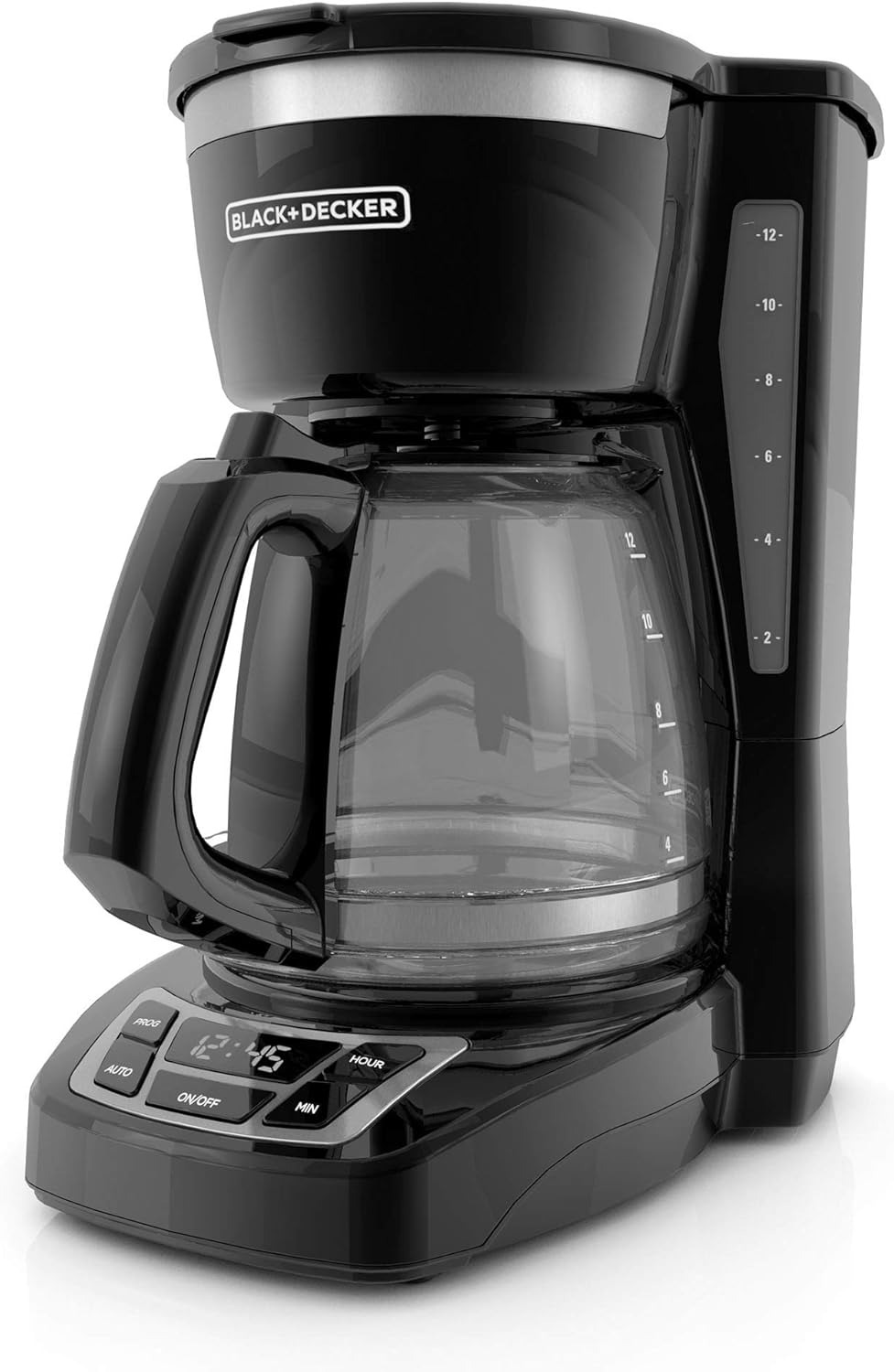 | Best Overall
| Price on Amazon | |
Best Programmable 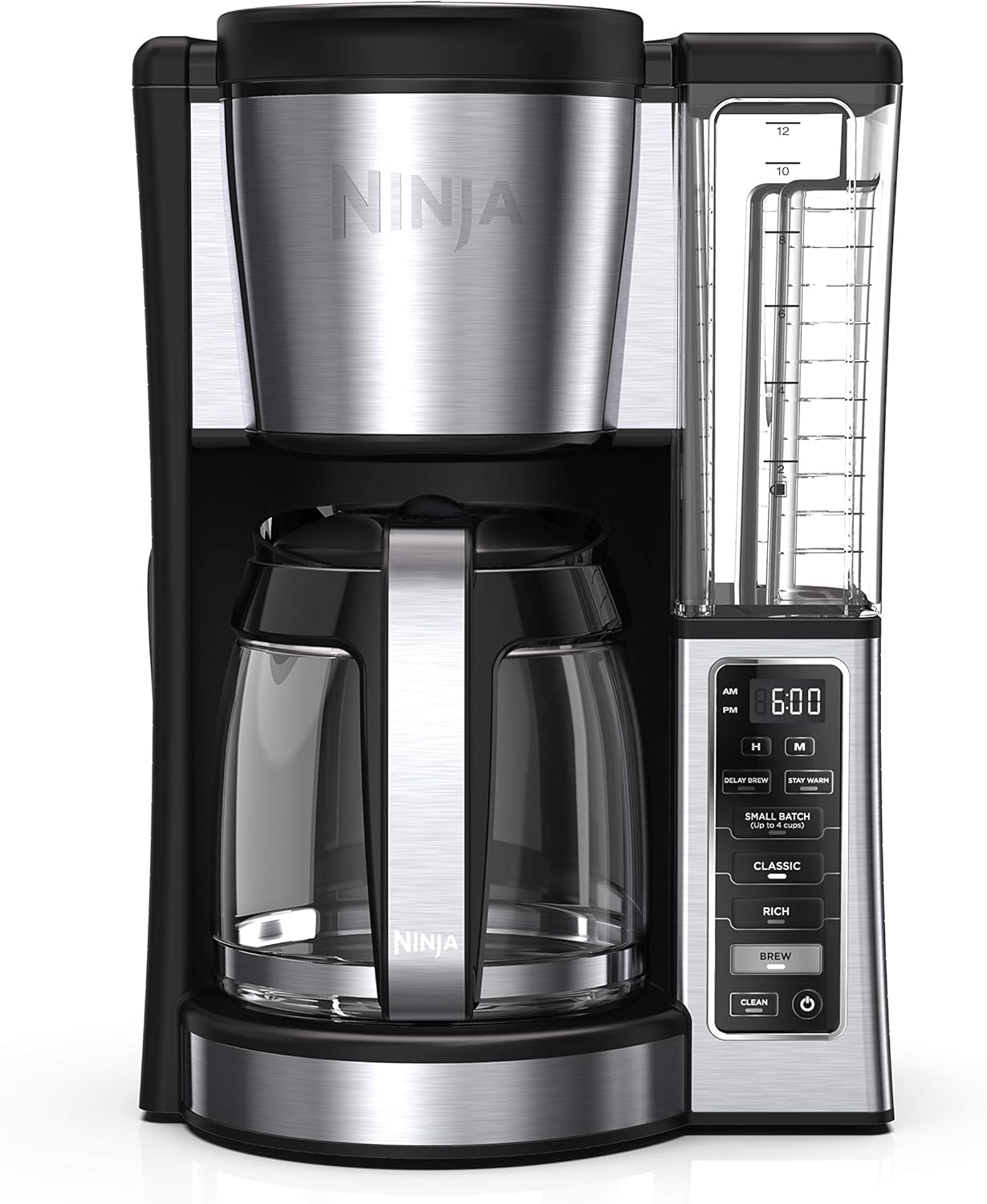 | Best Programmable
| Price on Amazon | |
Best Price  | Best Price
| Price on Amazon | |
Best design  | Best design
| Price on Amazon | |
Best Functions 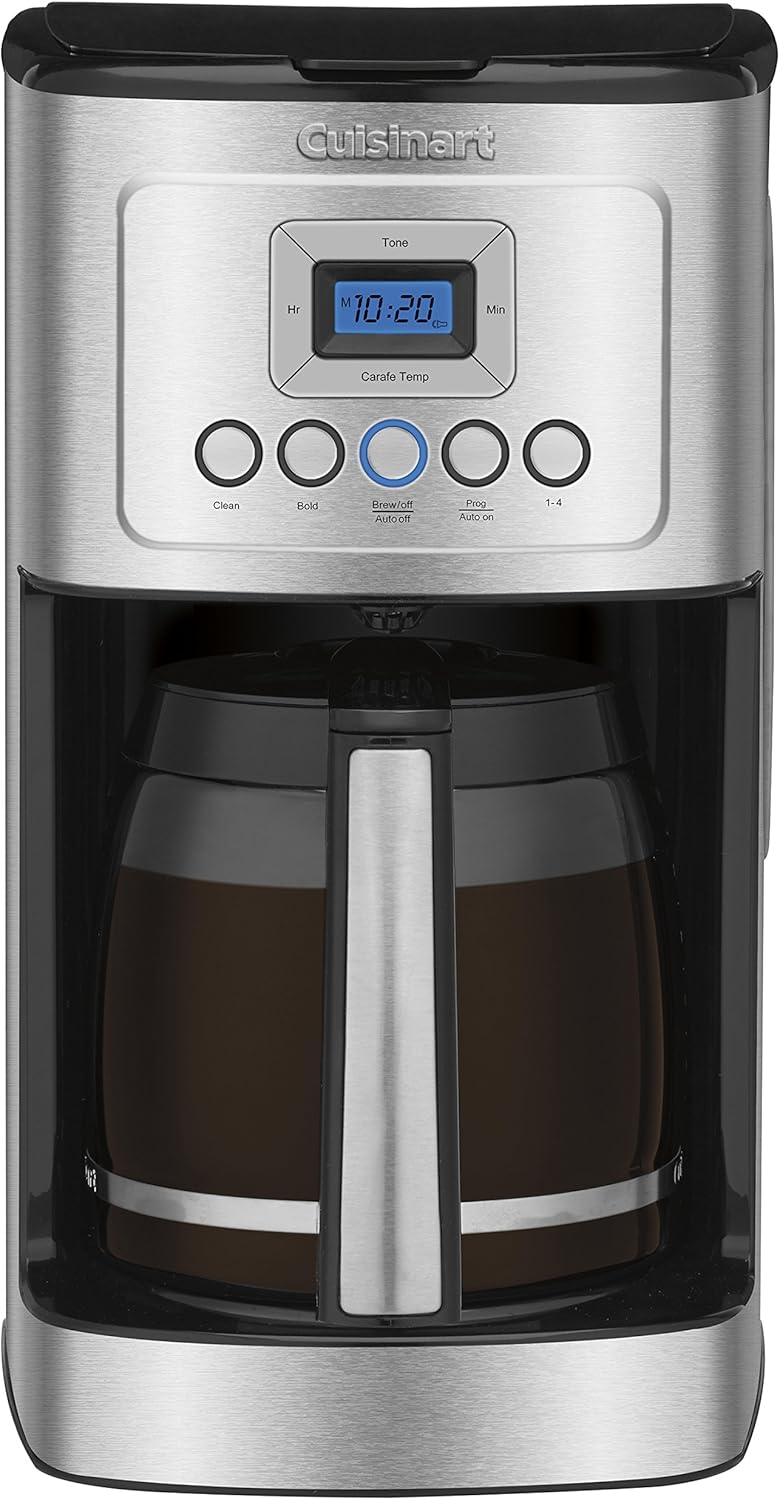 | Best Functions
| Price on Amazon | |
Best Filter 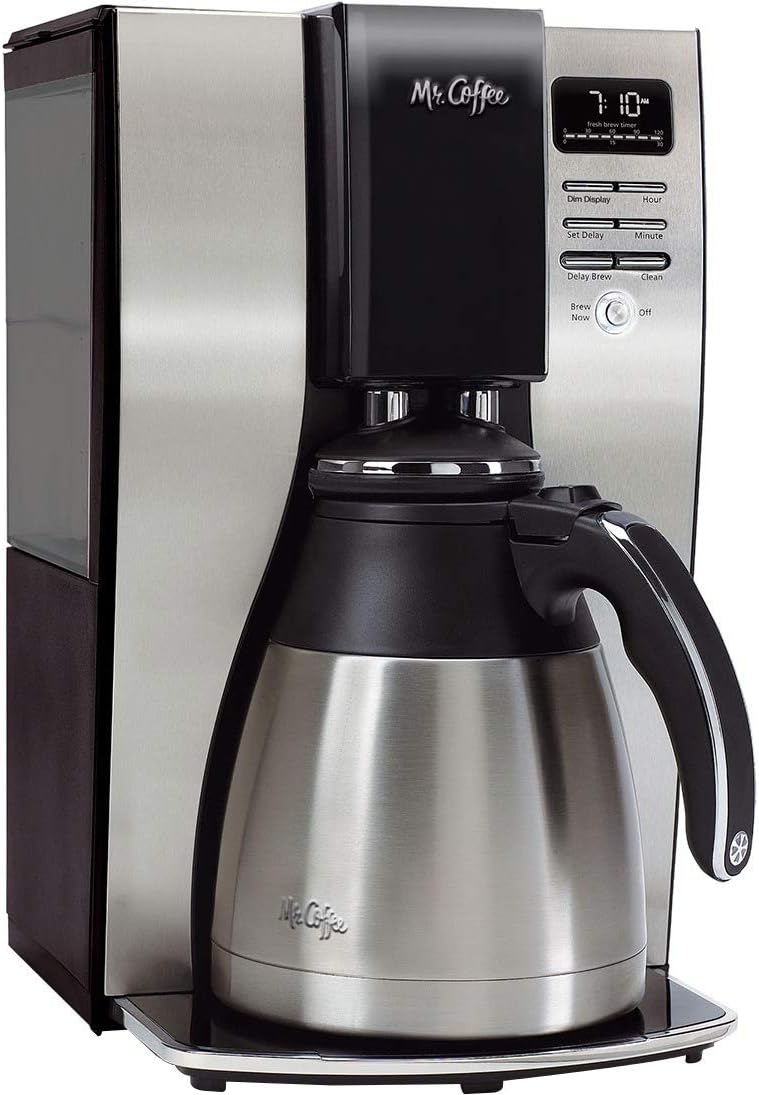 | Best Filter
| Price on Amazon | |
Best Carafe Brewer 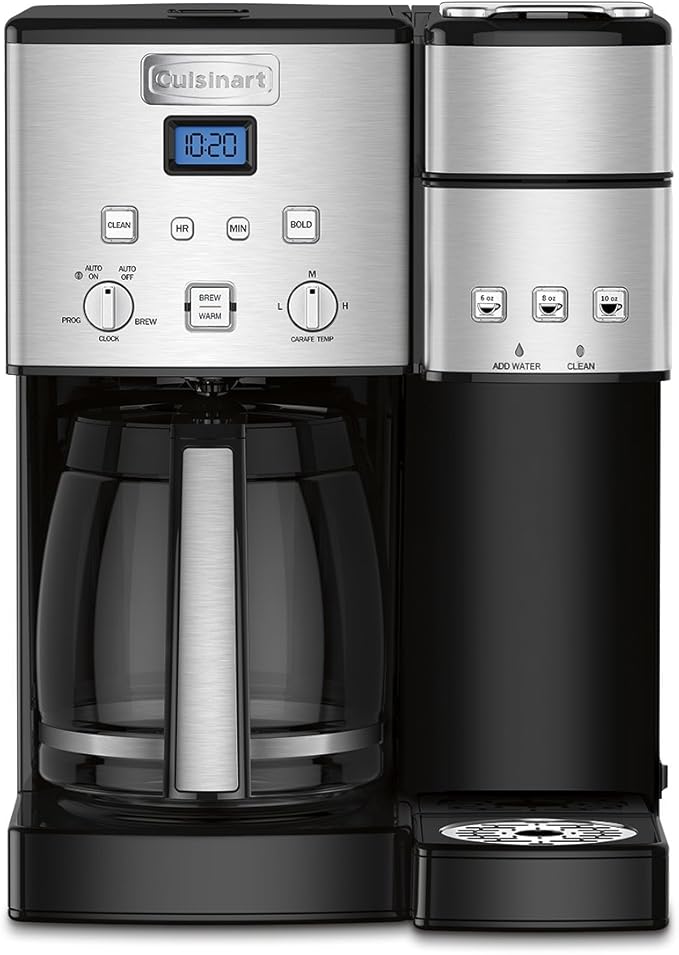 | Best Carafe Brewer
| Price on Amazon | |
Best Customization  | Best Customization
| Price on Amazon | |
Best Auto shutoff  | Best Auto shutoff
| Price on Amazon |
The Real Question People Are Actually Asking
Most people think they’re choosing between “hand pour-over” and “push-button machine,” but the real choice is deeper than that. You’re choosing between two different coffee lifestyles:
Manual drip brewing is like cooking. You’re involved. You steer the process. You can get obsessed with tiny details… or you can keep it simple and still get a better-than-average cup. It’s hands-on, calming for some people, and annoying for others.
Automatic drip brewing is like having a reliable assistant. You set things up, press a button, and coffee happens. The best automatic brewers have gotten really good—like shockingly good—especially if you pair them with the right grind and water.
So when someone asks, “Which is better?” I usually answer with a question back:
Do you want coffee to be a hobby… or a service?
And before you answer too quickly, remember: you can be both. You can have an automatic brewer for weekdays and a manual setup for weekends. That combo is more common than people admit, because it’s basically the best of both worlds.
But if you’re choosing just one, you’ll want to decide what matters most:
- Do you care about a cup that tastes “cleaner” and more detailed?
- Do you hate standing there pouring water like you’re watering a plant with a tiny watering can?
- Do you want one great cup or a full pot?
- Do you want the same result every day, or do you enjoy tweaking?
Once you see the real question, the answer gets easier.
Taste: What Changes In The Cup (And Why You Notice It)

This is the part people care about most, even if they pretend they don’t: Does manual drip taste better than automatic drip?
Often—yes. But not always. And the reasons are surprisingly practical.
Manual drip tends to taste “better” because you control the parts that affect flavor the most:
- How evenly does the coffee get wet
- How fast does the water move through the grounds
- How much agitation happens
- Whether the brew extracts evenly or creates weak spots + over-extracted spots
When manual drip is done well, it often tastes:

- cleaner
- sweeter
- more layered (you can taste fruity notes, cocoa notes, floral notes)
- less “flat”
Automatic drip, when it’s average, can taste:
- a little muddy
- a little flat
- sometimes bitter at the end
- sometimes thin if the water doesn’t saturate evenly
But here’s the twist: a great automatic brewer can absolutely beat a sloppy manual pour-over.

I’ve tasted automatic drip cups that were balanced, sweet, and shockingly vibrant—especially from machines designed to control temperature and spray water evenly over the coffee bed.
And I’ve tasted manual pour-overs that were sour, sharp, or bitter because someone rushed it or used the wrong grind.
So if we’re being honest, the question is less “manual vs automatic” and more:
“Am I the kind of person who will consistently do manual work well?”
Because manual drip can taste amazing… but only if your process is at least reasonably consistent.
A helpful way to think about it:
- Manual drip has a higher ceiling (it can be incredible).
- Automatic drip has a higher floor (it’s easier to get a decent cup repeatedly).
If you want the best taste possible and you’re willing to participate, manual drip is a strong win. If you want great taste without daily attention, an automatic drip can absolutely be your best friend.
Control vs Consistency: The Trade You’re Always Making
Manual brewing gives you control, but it quietly asks for consistency in return.
With manual drip, you’re controlling things like:

- pour rate (slow vs fast)
- pour pattern (center vs circles)
- bloom time
- how much you stir or swirl
- water temperature (even if you don’t measure it, you still affect it)
- brew time
That’s why manual can feel magical: you can fix a brew in real time. If it’s draining too fast, you slow down. If the bed looks uneven, you swirl. If you want more body, you tweak the grind.
But that’s also why manual can feel like a chore: because you become the machine.
Automatic brewing flips that. You trade away some control to gain consistency:
- Water delivery is consistent
- Timing is consistent
- temperature control (on good machines) is consistent
- The “human error” part gets reduced
And honestly, for most homes, consistency is a bigger daily win than control. On Monday morning, you might be a calm coffee artist. But Tuesday morning, you’re a stressed raccoon searching for socks, and suddenly your pour-over tastes like regret.
So ask yourself this (no judgment either way):
Do you want to drive the car… or do you want cruise control?
Some people love driving. Some people love arriving.
Both are valid.
Time & Attention: The Morning Reality Nobody Brags About

That’s why manual can feel magical: you can fix a brew in real time. If it’s draining too fast, you slow down. If the bed looks uneven, you swirl. If you want more body, you tweak the grind.
But if your mornings are chaotic, manual drip can feel like one more task demanding your hands, your eyes, your brain.
Let’s put rough timing into human terms:
Manual drip (single cup):
- Setup: filter + brewer + grind dose
- Kettle prep (if you use one)
- Brewing: usually a few minutes of active involvement
- Total time: not crazy long, but it requires you to be present
Automatic drip (carafe):
- Setup once
- Push button
- Walk away
- Coffee shows up
Here’s what people don’t realize until they live with both:
Manual brewing steals attention, not just time.
If you’re the kind of person who gets irritated by being “stuck” doing one thing, automatic is going to feel like freedom. If you’re the kind of person who likes a grounding routine, Manual feels like a gift.
Also, think about “coffee for one” vs “coffee for many.”
A manual for one person can be perfect. A manual for a household can become a mini job, especially if multiple people want coffee at slightly different times.
Automatic drip shines when:
- You want a full pot
- You want refills
- You want coffee ready while you’re doing everything else
Manual drip shines when:
- You want a special cup
- You enjoy the ritual
- you’re chasing a certain flavor style (clean, bright, nuanced)
So if your search intent is really: “What saves me time without sacrificing taste?” the answer is often: a good automatic machine + good grinder + decent water.
If your search intent is: “How do I get café-style clarity and sweetness at home?” the answer often leans manual.
Learning Curve: How Quickly You’ll Feel “Good At It”
Manual drip has a learning curve, but it’s not as scary as people make it sound. You don’t need to become a scientist. You need a repeatable method and a little patience.

The first few manual brews tend to be:
- “Wait… why is it sour?”
- “Why did it drain so fast?”
- “Why did it drain so slowly?”
- “Why does it taste weak?”
- “Why does it taste bitter?”
And then, suddenly, something clicks. You hit a sweet spot, and you taste that “oh wow” cup. And that moment is why people fall in love with manual drip. It feels earned.
Automatic drip has a different learning curve: it’s mostly about setup choices:
- picking the right grind size
- using the right ratio
- choosing a good machine
- keeping it clean
You don’t learn “technique” as much as you learn “parameters.”
So the emotional experience is different.
Manual drip rewards you with a feeling of skill.
Automatic drip rewards you with reliability.
Neither one is better. They just scratch different itches.
If you know you’re the type who gets motivated by improvement, manual drip can become a fun little obsession in the best way.
If you know you’re the type who wants coffee to be automatic like electricity, automatic drip is the answer, and you can still make it taste genuinely great.
Batch Size & Social Coffee: One Cup vs A Whole Pot Life
This is a big one, and it doesn’t get enough attention.

Manual drip is amazing for:
- one cup
- two cups (depending on brewer size)
- slow sipping
- dialing a coffee to taste “just right.”
Automatic drip is amazing for:
- a household
- guests
- refills
- brunch mornings
- “Keep the pot going” situations
And yes, you can make a manual drip for guests. But let’s be real: if you’re brewing three separate pour-overs while people are talking, you’ll either:
- miss half the conversation, or
- Rush the pours and make mediocre coffee.
Meanwhile, an automatic brewer can quietly crank out coffee while you’re living your life.
So if your life includes:
- family members who all want coffee
- visitors
- busy mornings
- multiple cups across the day
…automatic drip becomes less of a “taste compromise” and more of a lifestyle upgrade.
If your life includes:
- one or two coffee drinkers
- a desire to really taste your beans
- a slower pace
- joy in the process
…manual drip becomes the fun choice.
The Money Talk: What You Pay Upfront vs What You Pay Every Day
Let’s talk cost without pretending we’re all made of coffee budget.
Manual drip can be incredibly affordable:
- a dripper
- paper filters
- a kettle (optional but helpful)
- a scale (optional but very helpful)
- a grinder (this is the real investment)
Automatic drip can range from cheap to premium:
- Cheap machines are everywhere
- Good machines cost more because they control brewing factors better
- You’re often paying for temperature stability, water delivery, build quality, and convenience
But here’s the sneaky truth:
The grinder matters more than whether the brew is manual or automatic.
A great brewer paired with a bad grinder often tastes disappointing.
A simple brewer paired with a good grinder can taste amazing.
So if you’re trying to spend intelligently, consider this approach:
- Buy the best grinder you can reasonably afford.
- Choose the brewing style that fits your daily life.
Best Overall Performance Coffee Grinders in 2026
| Image | Product | Features | Price |
|---|---|---|---|
Best Compact Burr Grinder  |
| Price on Amazon | |
Best Entry Espresso Grinder  |
| Price on Amazon | |
Best Budget Burr Grinder  |
| Price on Amazon | |
Best Budget Conical Burr 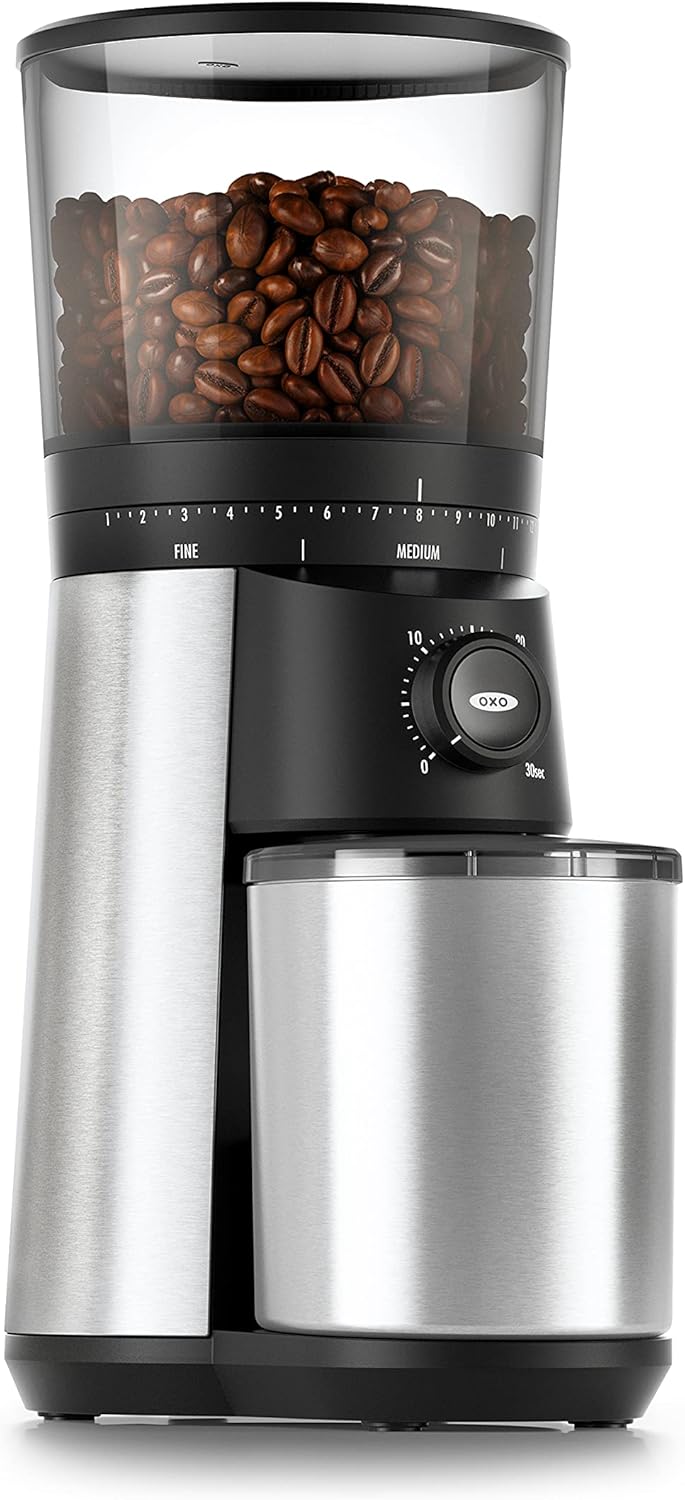 |
| Price on Amazon | |
Best Budget Burr Grinder  |
| Price on Amazon |
Because coffee is a daily habit. If your setup feels annoying, you’ll stop using it, or you’ll brew rushed coffee. And then the “perfect taste potential” doesn’t matter.
Also: filters. Manual brewing often uses specific filters (like V60 or Chemex filters). Automatic brewing uses basket or cone filters, depending on the machine. Filter cost isn’t huge, but it’s part of the ongoing reality.
If your search question is: “Which is cheaper long-term?”
Manual drip can be cheaper upfront, but both can be affordable or expensive depending on your machine choices and how deep you go.
Cleanup & Maintenance: The Unsexy Part That Decides Everything
A brewing method can be delicious and still lose your heart because of the cleanup.
Manual drip cleanup is usually:
- toss filter
- rinse dripper
- quick wash if needed
It’s simple, but it’s also daily and immediate. You finish brewing, and you’re holding a wet filter full of grounds. You deal with it right now.
Automatic drip cleanup is:
- empty basket
- Rinse or wash the basket
- wash carafe
- occasionally descale
- occasionally deep clean
It can be easy, but it can also get neglected. And neglected automatic machines can start to produce weird flavors that people blame on beans.
If you want your automatic drip to taste consistently good, you have to stay on top of:
- cleaning the carafe
- cleaning the brew basket
- descaling when needed
- keeping water pathways clean
Manual drip has less “hidden gunk.” Automatic drip has more internal surfaces where stale coffee residue can build up.
So here’s a practical question:
Are you the kind of person who keeps machines clean?
If yes, automatic stays are delicious.
If not, the manual might keep you happier because it’s simpler and more transparent.
It’s not glamorous, but it’s real.
The Variables That Matter Most (And The Ones People Overthink)
If you want a noticeable upgrade in taste—manual or automatic—focus on the big levers.
Big levers that actually matter:
- Coffee freshness (not “roasted yesterday” perfection, but not stale either)
- Grind consistency (again: grinder)
- Coffee-to-water ratio
- Water quality (not fancy—just not terrible)
- Even saturation (manual technique or machine showerhead quality)
Small levers people overthink too early:
- exact bloom seconds (important later, not first)
- perfect spiral pour pattern (useful, but not magical)
- obsessing over micro-adjustments before fixing grind and ratio
If you want a simple rule that improves everything:
Pick one recipe and repeat it.
For manual drip, that might mean you brew the same dose and same pour style for a week.
For automatic drip, it might mean you dial a grind size and ratio and keep it consistent.
Consistency teaches you what changes matter.
And it helps you avoid that exhausting feeling of: “Why is my coffee different every day?”
A Quick Comparison Table That Actually Helps
Here’s a table I wish someone had handed me before I overcomplicated everything.
| Factor | Manual Drip Brewing (Pour-Over) | Automatic Drip Brewing (Machine) |
|---|---|---|
| Taste potential | Very high (clean, detailed, sweet) | High (especially with a good machine) |
| Consistency | Depends on you | Usually very consistent |
| Effort | Active brewing | Mostly hands-off |
| Speed | Fast, but requires attention | Fast and “walk-away.” |
| Best for | One to two cups, flavor chasing | Families, refills, busy mornings |
| Learning curve | Technique-based | Setup-based |
| Cleanup | Simple, immediate | Easy but needs routine maintenance |
| “Fun factor” | High for hobby people | High for convenience people |
If you’re still unsure after reading this, your answer is probably hiding in one line:
Do you want to participate in the brew… or do you want coffee to happen while you live your life?
When Automatic Drip Wins (And How To Make It Taste Like You Know What You’re Doing)
Automatic drip wins when life is busy. It wins when you need coffee to be reliable. It wins when you want a full pot without turning your morning into a tiny water-pouring ceremony.
But the secret to loving automatic drip isn’t just buying a machine. It’s setting it up like someone who cares about taste.
Here’s the “automatic drip glow-up” approach:
Start with the ratio. If your coffee tastes weak, most people blame the machine. Often, it’s just too little coffee for the amount of water. If it tastes harsh, it might be too much coffee or too fine a grind. Find a ratio you like and repeat it.
Then grind. If your grind is uneven (powder + boulders), the machine will struggle to extract evenly. That’s when you get that weird mix of “thin but bitter.” A more consistent grind makes the automatic drip taste smoother and sweeter instantly.
Then water. You don’t need “unicorn mineral water.” But if your water tastes like chlorine or “tap funk,” your coffee will taste like that too. Filtered water is an easy win.
Then cleanliness. Automatic machines reward you for keeping them clean. It’s not about being fancy; it’s about removing old coffee oils that turn flavors dull.
If you want an automatic brewer that can genuinely deliver café-level drip vibes, these are popular options that many people reach for (and yes, you can absolutely make great coffee with them if your grinder and ratio are solid):
- Technivorm Moccamaster KBGV Select
- Breville Precision Brewer Thermal (BDC450)
- Bonavita Connoisseur BV1901TS
- OXO Brew 8-Cup Coffee Maker
- Ninja DualBrew Pro (CFP301)
If your search intent is “best coffee with minimal effort,” a strong automatic machine is honestly a life upgrade—especially if you commit to a repeatable ratio and a decent grind.
You’re not “settling.” You’re choosing a system that matches real life.
When Manual Drip Wins (And How To Make It Easy, Not Annoying)
Manual drip wins when you want to taste your coffee clearly. It wins when you enjoy the ritual. It wins when you want one amazing cup that feels like it was made for you.
But manual drip doesn’t have to be complicated. The biggest mistake I see people make is turning pour-over into a performance. They buy five tools, follow a 17-step method, panic when the time is off by 10 seconds, and then wonder why it’s stressful.
Manual drip can be simple:
You need:
- a dripper
- filters
- good coffee
- a decent grinder
- hot water
- a steady pour (a gooseneck kettle helps, but you can still start without one)
If you want gear that’s widely used and easy to live with, these are common manual drip favorites:
- Hario V60 Ceramic Dripper (Size 02)
- CHEMEX Classic Series Pour-Over
- Kalita Wave 185 Dripper
- Fellow Stagg [XF] Pour-Over Dripper
- Melitta Single-Cup Pour-Over Brewer
- Hario V60 “Buono” Gooseneck Kettle
Now, how do you make manual drip easy?
You build a tiny routine:
- same dose
- same mug
- same pour style
- same total brew time “range” (not a strict rule)
- same grind setting until it tastes right
And you stop trying to be perfect. Manual drip is forgiving when you’re consistent. The goal is not “competition coffee.” The goal is: a cup you enjoy enough to look forward to.
If your search intent is “best tasting drip coffee at home,” manual drip gives you that “clean, sweet, clear” flavor style that makes people suddenly understand why coffee can taste like fruit or chocolate instead of just “coffee.”
The Personality Match: Which One Is Better For You (No Judgment, Just Accuracy)
Let’s make this extremely practical. Here are the most honest categories I can give you.
If you’re the “I need coffee to just work” person:
Automatic drip is probably better. You’ll actually use it. You’ll love it. You’ll stop wasting money on café runs just because your home setup feels annoying.
If you’re the “I love small rituals, and I like learning” person:
Manual drip will make you happy. Not because it’s superior, but because you’ll enjoy the process and the improvement.
If you’re the “I want great coffee but I’m busy” person:
A good automatic machine plus a good grinder is your best move. You’ll get consistent, delicious coffee without thinking.
If you’re the “I want one perfect cup, and I like tasting notes” person:
Manual drip is your playground.
If you’re the “I drink coffee for comfort, not complexity” person:
Automatic drip is comfort in a mug. And with the right setup, it can still taste excellent.
If you’re the “I have guests/family / multiple drinkers” person:
Automatic drip saves your sanity. Manual drip becomes a part-time job.
And if you’re the “Why not both?” person:
Honestly? That’s the cheat code. Automatic for weekdays, manual for weekends. It’s like having sneakers and dress shoes—different tools for different moments.
The best choice is the one that you’ll do consistently. Because consistent decent coffee beats occasional amazing coffee if the occasional amazing coffee requires you to feel like you’re prepping for a science fair every morning.
Final Answer (The Honest One): Manual Or Automatic?
So… which is better?
Manual drip brewing is better if you want maximum flavor clarity, hands-on control, and you enjoy the ritual.
It has a higher ceiling, and it can produce cups that taste more vibrant, more detailed, and more “special.”
Automatic drip brewing is better if you want convenience, repeatability, batch brewing, and coffee that fits real life.
It has a higher floor, and with a good machine + decent grinder, it can taste genuinely excellent with almost no daily effort.
If you’re trying to decide today, here’s the simplest way I can say it:
If coffee is your moment—go manual.
If coffee is your fuel—go automatic.
If coffee is both—mix them, and enjoy the fact that you’re allowed to live like a human.
And whichever route you choose, remember the golden rule that makes both worlds taste better:
Get your grind and ratio right, keep your setup clean, and repeat one method long enough to actually learn it.
That’s when your coffee starts tasting like you upgraded your life—because, honestly, you kind of did.


