
How Brew Time Changes Coffee Flavor


OneHundredCoffee is reader-supported, and some products displayed may earn us an affiliate commission. Details
Brew time changes coffee flavor because it controls how long water stays in contact with the coffee grounds. The longer water touches coffee, the more it extracts. At first, it pulls out bright acids, delicate aromas, and lighter flavors. Then it brings sweetness, body, balance, and deeper notes. If brewing continues too long, it can pull more bitterness, dryness, harshness, and heavy flavors. That is why a coffee can taste sour when brewed too quickly, sweet and balanced when brewed well, and bitter or dry when brewed too long.
This is one of the most important coffee ideas to understand because brew time shows up in every method. Espresso may brew in 25–30 seconds. V60 may take 2:45–4 minutes. A French press may steep for 4 minutes or longer. Cold brew may steep for 12–18 hours. A Moka pot may finish in a few minutes, but the last sputtering stage can change the taste dramatically. Different methods use different timing windows, but the flavor logic is the same: too little extraction tastes underdeveloped, balanced extraction tastes sweet, and too much extraction tastes bitter or drying.
As we discussed previously in our published article about the best water temperature for espresso, temperature affects how quickly flavor extracts. And as we covered earlier in Best Grind Size for AeroPress, grind size also changes the extraction speed. Brew time sits right beside those variables. If you change brew time without thinking about grind size, temperature, ratio, and roast level, the cup can become confusing. But once you understand how time works, troubleshooting becomes much easier.
For home brewing, a scale with a timer, such as the Hario V60 Drip Scale, is one of the simplest tools that genuinely helps. A grinder like the Baratza Encore ESP or TIMEMORE Chestnut C2 also makes timing easier because a consistent grind size leads to more predictable flow and extraction.
| Image | Product | Features | Price |
|---|---|---|---|
|
Best Low Acid

|
Smooth Colombian roast
|
Price on Amazon | |
|
Best Guatemala Pick

|
Balanced medium roast
|
Price on Amazon | |
|
Best Bright Cup

|
Ethiopian fruit notes
|
Price on Amazon | |
|
Best Value Bag

|
Balanced Colombian cup
|
Price on Amazon | |
|
Best Dark Origin

|
Chocolatey Guatemala roast
|
Price on Amazon | |
|
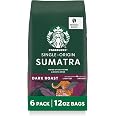
Best Earthy Cup
|
Bold Sumatra roast
|
Price on Amazon | |
|
Best Organic Guatemala

|
Huehuetenango origin beans
|
Price on Amazon | |
|
Best Peaberry Cup

|
Bright Costa Rican bean
|
Price on Amazon | |
|
Best Smooth Roast

|
Costa Rican low-acid cup
|
Price on Amazon | |
|
Best Floral Ethiopia

|
Bright natural-process flavor
|
Price on Amazon |
The Quick Answer: What Brew Time Does to Coffee
Brew time mainly changes the extraction. Shorter brew time usually creates lighter, brighter, thinner coffee. Longer brew time usually creates stronger, heavier, more extracted coffee. The best brew time is the point where the coffee tastes sweet, balanced, clear, and complete.
| Brew Time Result | What Usually Happens | Common Flavor |
|---|---|---|
| Too short | Under-extraction | Sour, sharp, salty, thin |
| Slightly short | Not enough sweetness | Bright but weak |
| Balanced | Proper extraction | Sweet, clear, rounded |
| Slightly long | More intensity | Heavier, stronger |
| Too long | Over-extraction | Bitter, dry, harsh, woody |
The tricky part is that time does not work alone. A 4-minute French press can taste perfect because the grind is coarse. A 4-minute V60 can taste bitter if the grind is too fine. A 30-second espresso can taste balanced because the grind is very fine and the pressure is high. So brew time only makes sense when matched with the brew method.
How Extraction Happens Over Time
Coffee extraction does not happen all at once. Water pulls different compounds from the coffee at different stages.
Early extraction often brings acidity, brightness, and light aromatics. Middle extraction brings sweetness, complexity, and body. Later extraction can bring bitterness, dryness, and heavier compounds.
| Extraction Stage | What Comes Out | Flavor Effect |
|---|---|---|
| Early | Acids, bright notes, some aroma | Sour, fruity, lively |
| Middle | Sugars, caramelized notes, body | Sweet, balanced, rounded |
| Late | Bitter compounds, dryness, heavy notes | Bitter, harsh, astringent |
A good cup includes enough early brightness, enough middle sweetness, and not too much late bitterness. That is why under-extracted coffee tastes sour and thin: it got the early stage but not enough middle sweetness. Over-extracted coffee tastes bitter and dry: it went too far into the later stage.
The goal is not to avoid acidity or bitterness completely. Good coffee needs some acidity for life and some bitterness for structure. The goal is balance.
Why Short Brew Time Makes Coffee Taste Sour
When coffee brews too quickly, water does not have enough time to extract the sweeter, deeper parts of the coffee. The cup may taste sharp, lemony, grassy, salty, thin, or hollow.
This often happens when:
- The grind is too coarse
- The water is too cool
- The brew ratio is too weak
- The pour is too fast
- Espresso runs too quickly
- Steeping time is too short
- The coffee bed channels
| Sour Coffee Clue | Likely Cause |
|---|---|
| Fast V60 drawdown | Grind too coarse |
| Espresso gushes in 15 seconds | Grind too coarse or channeling |
| French press tastes thin | Steep too short or grind too coarse |
| AeroPress tastes sharp | Grind too coarse, time too short, or water too cool |
| Cold brew tastes grassy | Not steeped long enough |
A sour cup is not always bad coffee. Many times, it just needs more extraction. That can come from a finer grind, longer brew time, hotter water, slower pouring, or a stronger recipe.
Why Long Brew Time Makes Coffee Taste Bitter
When coffee brews too long, water can extract too many bitter and drying compounds. The cup may taste harsh, woody, chalky, burnt, dusty, or mouth-drying.
This often happens when:
- The grind is too fine
- the brew stalls
- Espresso runs too long
- The French press sits on the grounds for too long
- The moka pot is left until violent sputtering
- Cold brew steeps too long
- The water is too hot for the roast
| Bitter Coffee Clue | Likely Cause |
|---|---|
| V60 takes 5+ minutes and tastes dry | Grind too fine |
| Espresso drips slowly for 45+ seconds | Grind too fine or puck issue |
| French press tastes muddy | Too much fine sediment or long contact |
| The moka pot tastes burnt | Heat too high or removed too late |
| Cold brew tastes woody | Steeped too long |
Bitterness is not always caused by brew time alone. Sometimes the brew time is long because the grind is too fine. Sometimes the time looks normal, but the water is too hot, or the roast is very dark. That is why taste matters more than the timer by itself.
Ideal Brew Time by Coffee Method
Every brewing method has its own normal time range. These are starting points, not strict laws.
| Brewing Method | Typical Brew Time | Flavor Goal |
|---|---|---|
| Espresso | 25–30 seconds | Concentrated, sweet, balanced |
| Moka pot | 3–5 minutes total | Strong, rich, not burnt |
| AeroPress | 1:30–3:00 | Smooth, flexible |
| V60 pour-over | 2:30–4:00 | Clear, sweet, bright |
| Kalita Wave | 3:00–4:30 | Balanced, rounded |
| Chemex | 4:00–6:00 | Clean, elegant |
| French press | 4:00+ | Full-bodied, rich |
| Cold brew | 12–18 hours | Smooth, mellow |
A fast method like espresso needs a fine grind because the brew time is short. A slow method like cold brew needs a coarse grind because the brew time is long. That is the relationship that makes coffee brewing make sense.
How Brew Time Changes Pour-Over Flavor
Pour-over brew time is mostly controlled by grind size, pouring style, filter type, and brewer shape. A V60 may finish around 2:45–3:45. Chemex often takes longer because the filter is thicker. Kalita Wave usually sits somewhere in the middle.
| Pour-Over Brew Time | Likely Flavor |
|---|---|
| Under 2:30 | Sour, thin, under-extracted |
| 2:45–3:45 | Balanced for many V60 recipes |
| 3:30–4:30 | Fuller, sometimes sweeter |
| 4:30+ | Risk of bitterness, depending on brewer |
| 5:00+ in V60 | Often stalled or too fine |
| 4:30–6:00 in Chemex | Often normal |
For pour-over, brew time should not be judged without context. A 5-minute Chemex can be lovely. A 5-minute V60 may taste dry. A small V60 recipe may finish faster than a large batch. A light roast may need a little longer than a dark roast.
If pour-over tastes sour and drains fast, grind finer. If it tastes bitter and drains slowly, grind coarser. If the brew time is normal but the taste is off, adjust water temperature, ratio, or pouring style.
A simple V60 starting point:
| Variable | Amount |
|---|---|
| Coffee | 20 g |
| Water | 320 g |
| Ratio | 1:16 |
| Grind | Medium-fine |
| Brew time | 2:45–3:45 |
A simple Chemex starting point:
| Variable | Amount |
|---|---|
| Coffee | 30 g |
| Water | 480 g |
| Ratio | 1:16 |
| Grind | Medium-coarse |
| Brew time | 4:00–5:30 |
How Brew Time Changes French Press Flavor
The French press is an immersion method, so time behaves differently than pour-over. The coffee grounds sit in water, instead of water flowing through them. A classic French press steep is about 4 minutes, but some people use longer settling methods for a cleaner cup.
| French Press Time | Flavor Result |
|---|---|
| 2–3 minutes | Light, possibly sour or thin |
| 4 minutes | Classic balanced starting point |
| 5–6 minutes | Fuller, richer |
| 8+ minutes with settling | Can be smooth if poured carefully |
| Too long on grounds | Bitter, muddy, heavy |
The grind should be coarse because the contact time is long. If you use a fine grind and steep for 4 minutes, the cup can become muddy and bitter. If you use a very coarse grind and steep for only 3 minutes, it may taste weak.
For beginners, I like:
| Variable | Amount |
|---|---|
| Coffee | 30 g |
| Water | 450 g |
| Ratio | 1:15 |
| Grind | Coarse |
| Steep time | 4 minutes |
After pressing, pour the coffee out instead of letting it sit with the grounds. Brew time does not magically stop just because the plunger is down. If the coffee remains in the press, it keeps interacting with the grounds and can become heavier over time.
How Brew Time Changes AeroPress Flavor
AeroPress is very flexible. You can brew for 1 minute, 2 minutes, 4 minutes, or even longer, depending on grind and recipe. Shorter AeroPress recipes often use a finer grind. Longer recipes can use medium grinds.
| AeroPress Brew Time | Best Grind | Flavor Style |
|---|---|---|
| 45–60 seconds | Fine | Strong, quick, intense |
| 1:30–2:00 | Medium-fine | Beginner-friendly balance |
| 2:30–3:00 | Medium-fine to medium | Fuller and sweeter |
| 3:00–4:00 | Medium | Rounder immersion style |
| 5+ minutes | Medium to coarse | Experimental, gentle |
For beginners, I like 1:30–2:00 because it is easy, quick, and forgiving.
| Variable | Amount |
|---|---|
| Coffee | 16 g |
| Water | 220–240 g |
| Ratio | Around 1:15 |
| Grind | Medium-fine |
| Brew time | 1:30–2:00 |
If the cup tastes sour, steep longer or grind finer. If it tastes bitter, steep shorter or grind coarser. If it tastes balanced but too strong, add hot water after pressing.
How Brew Time Changes Espresso Flavor
Espresso is the most time-sensitive brewing method because everything happens quickly. A few seconds can change the cup. But time must be paired with dose and yield.
A common starting point is
| Variable | Amount |
|---|---|
| Dose | 18 g |
| Yield | 36 g |
| Ratio | 1:2 |
| Shot time | 25–30 seconds |
If the same 36 g shot comes out in 15 seconds, it will usually taste sour, thin, and fast. If it takes 45 seconds, it may taste bitter, dry, or over-extracted.
| Espresso Time | Likely Flavor |
|---|---|
| Under 20 seconds | Sour, thin, watery |
| 25–30 seconds | Balanced starting range |
| 30–35 seconds | Fuller, sometimes sweeter |
| 40+ seconds | Bitter or dry risk |
| Fast but bitter | Channeling likely |
| Slow but sour | Channeling or roast mismatch |
Espresso timing starts when the pump starts, though some people measure from the first drip. Be consistent with your own method.
If espresso runs too fast, grind finer. If it runs too slowly, grind coarser. If the time is good but the taste is sour, try a longer steep or a higher temperature. If time is good but the taste is bitter, try a shorter yield or lower temperature.
How Brew Time Changes Moka Pot Flavor
Moka pot timing is less exact than espresso, but still very important. The biggest timing mistake is leaving the pot on the heat until it violently sputters. The late stage often adds harshness.
A good moka pot brew should flow steadily and be removed when the stream becomes pale or starts gurgling.
| Moka Pot Stage | Flavor Meaning |
|---|---|
| Very slow start | Heat too low, grind too fine, or seal issue |
| Smooth dark flow | Good extraction |
| Steady golden flow | Normal middle stage |
| Pale bubbly flow | Prepare to remove |
| Loud sputtering | Often harsh/bitter stage |
| Left too long | Burnt, metallic, dry taste |
Moka pot coffee improves when you stop chasing every last drop. Brew gently, remove earlier, stir the upper chamber, and serve.
How Brew Time Changes Cold Brew Flavor
Cold brew is the longest brew method, so the flavor changes slowly. Most cold brew tastes best around 12–18 hours, depending on grind size, temperature, and ratio.
| Cold Brew Time | Flavor Result |
|---|---|
| 8–10 hours | Light, sometimes underdeveloped |
| 12 hours | Smooth and mild |
| 14–18 hours | Balanced and flavorful |
| 18–20 hours | Fuller and stronger |
| 24+ hours | Woody or heavy risk |
Cold brew should use a coarse grind because the steep time is long. Fine grind plus long steeping can create bitterness and sludge. If cold brew tastes weak after 16 hours, use a stronger ratio or a slightly finer coarse grind. If it tastes woody, shorten steep time or grind coarser.
A simple concentrate recipe:
| Variable | Amount |
|---|---|
| Coffee | 100 g |
| Water | 800 g |
| Ratio | 1:8 |
| Grind | Coarse |
| Steep time | 14–18 hours |
Brew Time and Grind Size Work Together
Brew time and grind size are inseparable. Fine grind extracts faster. Coarse grind extracts more slowly. That is why espresso can be brewed in seconds, while French press takes minutes, and cold brew takes hours.
| Grind Size | Extraction Speed | Common Method |
|---|---|---|
| Fine | Fast | Espresso |
| Fine-medium | Fast-medium | Moka pot |
| Medium-fine | Medium | AeroPress, V60 |
| Medium | Medium-slow | Drip, Kalita |
| Medium-coarse | Slower | Chemex |
| Coarse | Slow | French press, cold brew |
If you want a shorter brew time, grind finer and carefully. If you want a longer brew time, grind coarser. But do not push either too far. Too fine can choke the brew. Too coarse can make coffee taste hollow.
A useful rule:
If brew time is too short and coffee tastes sour, grind finer.
If brew time is too long and coffee tastes bitter, grind coarser.
Brew Time and Water Temperature Work Together
Temperature also changes the extraction speed. Hotter water extracts faster. Cooler water extracts more slowly.
| Temperature | Time Effect |
|---|---|
| Hotter water | Extracts more quickly |
| Cooler water | Extracts more slowly |
| Too hot + long time | Bitter/dry risk |
| Too cool + short time | Sour/weak risk |
| Cooler + longer | Can be smooth |
| Hotter + shorter | Can be bright and intense |
This is why AeroPress can work at lower temperatures if you steep longer. It is also why light-roast espresso often needs hotter water or longer ratios. The variables support each other.
Brew Time and Roast Level
Roast level changes how much time a coffee needs. Light roasts are harder to extract and often benefit from longer brew times, finer grinds, or hotter water. Dark roasts extract more easily and often need shorter or gentler brewing.
| Roast Level | Time Tendency |
|---|---|
| Light roast | Often needs more time or hotter water |
| Medium roast | Balanced and flexible |
| Dark roast | Often needs less time or cooler water |
| Decaf | Can extract quickly; watch bitterness |
| Very fresh coffee | May need bloom/rest adjustments |
For a light roast pour-over, a longer brew can help the sweetness develop. For dark roast French press, too much steeping can bring bitterness. For espresso, light roasts often taste better with longer yields, while dark roasts often taste better with shorter ones.
How to Troubleshoot Coffee by Brew Time
| Coffee Taste | Brew Time Clue | What to Do |
|---|---|---|
| Sour and fast | Under-extracted | Grind finer or brew longer |
| A sour but normal time | May need hotter water | Raise the temperature. |
| Bitter and slow | Over-extracted | Grind coarser or brew shorter |
| Bitter but normal time | May need cooler water | Lower temperature |
| Weak and fast | Too coarse or weak ratio | Grind finer or use more coffee |
| Heavy and muddy | Too fine or too long | Grind coarser or shorten the brew. |
| Good flavor but strong | Ratio issue | Dilute or use less coffee |
| Good flavor but weak | Ratio issue | Use more coffee |
Do not rely on time alone. A brew can hit the “right” time and still taste wrong. Time is a clue. Taste is the answer.
Best Tools for Controlling Brew Time
| Tool | Suggested Option | Why It Helps |
|---|---|---|
| Timer scale | Hario V60 Drip Scale | Tracks time and weight |
| Burr grinder | Baratza Encore ESP | Controls flow through grind |
| Manual grinder | TIMEMORE Chestnut C2 | Compact grind control |
| Gooseneck kettle | Fellow Stagg EKG | Slower, controlled pouring |
| V60 dripper | Hario V60 Ceramic Dripper | Teaches flow control |
| French press | Bodum Chambord French Press | Easy immersion timing |
| AeroPress | AeroPress Original | Flexible brew-time experiments |
The timer is not there to make coffee stressful. It is there to help you make a good cup.
My Personal Brew Time Routine
When I brew a coffee for the first time, I do not obsess over perfect numbers. I choose a reasonable starting recipe and watch what the coffee tells me.
For V60, I expect around 3 minutes. For Chemex, around 5 minutes. For the French press, I start at 4 minutes. For AeroPress, I start at 1:30–2 minutes. For espresso, I start with 18 g in, 36 g out, in roughly 25–30 seconds. For cold brew, I start around 16 hours.
Then I taste.
If it is sour, I ask, did it brew too fast? Was the grind too coarse? Was the water too cool?
If it is bitter, I ask, did it brew too long? Was the grind too fine? Was the water too hot?
If it is balanced but weak, I adjust the ratio.
If it is balanced but too strong, I dilute or use less coffee.
That simple routine makes brew time feel helpful instead of intimidating.
Final Thoughts: Brew Time Is Flavor Timing
Brew time changes coffee flavor because it controls extraction. Shorter brew times usually taste brighter, lighter, and sometimes sour. Balanced brew times bring sweetness, clarity, and body. Longer brew times can create more intensity, but if pushed too far, they bring bitterness, dryness, and heaviness.
The best brew time depends on the method. Espresso may need 25–30 seconds. V60 may need around 3 minutes. Chemex may need 4–6 minutes. A French press may need 4 minutes or longer. Cold brew may need 12–18 hours. These numbers are starting points, not rules carved into stone.
Taste first. Use time as a map. If the cup is sour and fast, slow the extraction down. If it is bitter and slow, speed it up. If the time looks perfect but the flavor is off, look at temperature, ratio, roast level, and puck or bed preparation.
Once you understand brew time, coffee becomes much easier to adjust. You stop guessing and start reading the cup.
FAQ: How Brew Time Changes Coffee Flavor
How does brew time affect coffee flavor?
Brew time affects how much flavor water extracts from coffee. Short brew times can taste sour and thin. Balanced brew times taste sweet and clear. Long brew times can taste bitter and dry.
What happens if coffee brews too fast?
Coffee that brews too fast is often under-extracted. It may taste sour, sharp, salty, watery, or hollow. Grind finer, brew longer, or use hotter water.
What happens if coffee brews too long?
Coffee that brews too long can become over-extracted. It may taste bitter, dry, woody, muddy, or harsh. Grind coarser, shorten brew time, or use cooler water.
What is the ideal brew time for pour-over coffee?
V60 usually takes about 2:30–4:00, while Chemex often takes 4:00–6:00. The ideal time depends on dose, grind, filter, and brewer.
What is the ideal brew time for a French press?
A classic French press brew time is about 4 minutes with a coarse grind. Longer methods can work if the grind is coarse and the coffee is poured off carefully.
What is the ideal brew time for AeroPress?
A beginner AeroPress brew usually takes 1:30–2:00, plus a gentle 20–30 second press. Longer recipes can use a slightly coarser grind.
What is the ideal espresso shot time?
A common espresso starting point is 25–30 seconds for a 1:2 ratio, such as 18 g in and 36 g out. Taste matters more than time alone.
What is the ideal cold brew steep time?
Most cold brew tastes best around 12–18 hours. Shorter steeping can taste weak or grassy, while very long steeping can taste woody or heavy.
Should I adjust brew time or grind size first?
If the brew time is clearly too fast or too slow, adjust the grind size first. If time is reasonable but flavor is slightly off, adjust temperature, ratio, or brew time.
Can brew time fix bitter coffee?
Sometimes. If coffee tastes bitter because it was brewed too long, shorten the brew time or grind coarser. If bitterness comes from dark roast or hot water, lower the temperature or use a shorter ratio.


