
Zero-Waste Brewing: Eco-Friendly Tips for Coffee Lovers


OneHundredCoffee is reader-supported, and some products displayed may earn us an affiliate commission. Details
When I fell in love with coffee, I also discovered how easily a “simple” cup can trail a surprising amount of waste—paper filters, plastic packaging, single-use cups, energy-hungry hot plates, the odd stale half-bag tossed after going flat in the pantry. If any of that sounds familiar, you’re not alone. The good news: an everyday ritual like brewing is one of the easiest ways to shrink our footprint without sacrificing flavor (and often improving it). This guide is a practical, friendly, deeply hands-on roadmap to brewing great coffee with less waste—from the beans you buy to the energy you use, the filters you choose, the way you compost your grounds, and even how you order at your favorite café.
Best Zero-Waste Eco-Friendly Coffee Brewing Gear — At a Glance
| Image | Product | Features | Price |
|---|---|---|---|
|
Premium low-waste pick

|
Glass + metal build
|
Price on Amazon | |
|
Best travel eco brewer

|
Manual pressure brewing
|
Price on Amazon | |
|
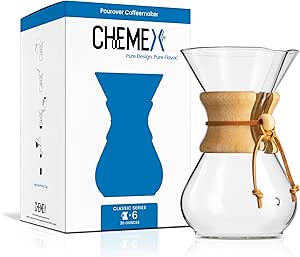
Best glass pour-over
|
Timeless borosilicate brewer
|
Price on Amazon | |
|
Best ceramic dripper

|
Ceramic cone pour-over
|
Price on Amazon | |
|
Best minimalist dripper

|
One-pour style design
|
Price on Amazon | |
|
Plastic-free press option

|
Stainless double-wall press
|
Price on Amazon | |
|
Best stovetop moka

|
Stainless steel moka pot
|
Price on Amazon | |
|
Classic zero-waste press

|
Glass press + steel filter
|
Price on Amazon | |
|
Best paperless upgrade

|
Stainless Chemex-compatible filter
|
Price on Amazon | |
|
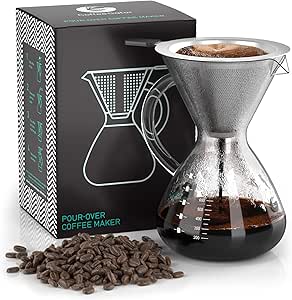
Best reusable-filter set
|
Carafe + steel dripper
|
Price on Amazon |
Whether you’re a pour-over purist, a French press faithful, an espresso obsessive, or someone who wants a good cup with as little fuss as possible, you’ll find doable, real-life techniques here. Think of it as a personalized sustainability tune-up for your coffee life. Let’s brew smarter, tastier, and kinder to the planet—cup by cup.
What “Zero-Waste Brewing” Really Means (and Doesn’t)
Zero-waste is a direction, not a perfect destination. For coffee lovers, that usually means:
- Reducing single-use items (disposables, non-recyclable packaging).
- Reusing and repairing gear instead of replacing it.
- Recycling and composting what’s left—especially grounds and paper.
- Optimizing energy and water so every watt and drop works harder.
- Choosing better inputs (responsibly sourced beans, bulk buys, minimal packaging).
It does not mean giving up good coffee, special treats, or community café moments. The aim is to trim waste without trimming joy.
The Coffee Footprint in Plain Terms
Before we dig into tips, it helps to know where your impact actually comes from. For home brewing, the biggest levers are:
- Beans and packaging: Whole-bean coffee often travels in multilayer bags that are tough to recycle; small bags add up; stale beans create waste if they’re tossed.
- Filters and accessories: Paper vs. cloth vs. metal make a big difference. So do single-serve pods, stirrers, and takeout cups.
- Energy: Electric kettles, hot plates on drip machines, standby modes on espresso machines—energy usage varies wildly by method and habit.
- Water: Bottled water for coffee can mean plastic waste; poor tap taste can tempt bottled alternatives; water waste shows up when we preheat or rinse excessively.
- Cleanup and end-of-life: What happens to used grounds, chaff, filters, and worn-out gear?
If you handle those with a bit of intention, you’ve already solved most of the problem.
Choosing Beans with Less Waste (and More Freshness)
Coffee Beans with Less Waste (and More Freshness)
| Image | Product | Features | Price |
|---|---|---|---|
|
Best Espresso Bulk Balance

|
Large fresh espresso bag
|
Price on Amazon | |
|
Best Organic Everyday Bulk

|
Organic fairtrade large bag
|
Price on Amazon | |
|
Best Mid-Size Dark Roast

|
Smaller bag for freshness
|
Price on Amazon | |
|
Best Small-Bag Freshness

|
Small organic specialty bag
|
Price on Amazon | |
|
Best Bold Organic Pick

|
Organic + fair trade
|
Price on Amazon | |
|
Best Certified Everyday Medium

|
Rainforest Alliance whole beans
|
Price on Amazon | |
|
Best Value Large Dark

|
Large bag, fresh-packed claim
|
Price on Amazon | |
|
Best Low-Waste Can Option

|
Rigid can helps freshness
|
Price on Amazon | |
|
Best Budget Freshness Size

|
Large bag, freshness-focused packing
|
Price on Amazon | |
|
Best Ethical Small Bag

|
Small bag + organic fair trade
|
Price on Amazon |
Buy Whole-Bean and Right-Sized
Whole-bean stays fresh longer than pre-ground, so you’re less likely to toss stale leftovers. The right bag size is the one you’ll finish within 2–4 weeks of opening. If you brew a cup or two daily, a 250–340 g (8–12 oz) bag is often perfect.
Favor Roasters with Low-Waste Packaging
Look for paper-based bags with tin ties or reusable tins. Some roasters offer refill stations, bulk bins, or recyclable/compostable packaging. If your local roaster accepts bag returns (many do), take advantage and loop your packaging back into their system.
Pick Profiles You’ll Actually Drink
A “zero-waste” bag is one you finish. It’s okay to be picky. Keep a short list of reliable origins/roasts you love for daily use, then experiment in small sizes for curiosity blends. Curiosity is great; half-finished bags are where waste creeps in.
Storage That Stops Waste Before It Starts
- Use an airtight container (opaque is better) and store at cool room temp.
- Avoid the fridge/freezer shuffle unless you portion beans into airtight containers to prevent condensation. If you freeze, thaw in the sealed container before opening to minimize moisture.
Grinding: Less Mess, Better Cup, Lower Footprint
Burr Over Blade
Burr grinders produce more consistent particles, which means higher extraction efficiency and fewer failed brews you pour down the sink. Fewer “redo” brews = less wasted beans, water, and time.
Manual vs. Electric
Manual grinders are wonderfully low-energy and travel-friendly. Electric grinders are convenient, especially for espresso. If you go electric, clean the burr chamber regularly; retention (old grounds stuck inside) leads to stale flavors and wasted coffee.
Dialing-In Without Dumping
When you try a new coffee or brew method:
- Start with small test doses (10–12 g) to find your ballpark grind.
- Adjust gently—coarse to fine in small steps—and take notes.
- Taste, don’t toss: even slightly off cups can be saved with milk, ice, or a touch of sweetener so beans don’t go to waste while you learn the grind “language” of your setup.
Water Without the Waste
Ditch Bottled, Improve Tap
A simple carbon filter pitcher or under-sink filter handles most off-tastes. This beats sending plastic bottles into the world. Keep your kettle descaled so that clean water tastes clean.
Heat What You Need
Most kettles are overfilled by habit. Measure or use the kettle’s sight window. Heating the right amount cuts energy waste and gets you to coffee faster.
Rinse Wisely
Pre-wetting paper filters is good practice, but avoid long, wasteful rinses. For metal filters, a quick hot water pass is enough.
Brew Methods: The Waste and Energy Reality Check
Below is a pragmatic overview. The goal isn’t to crown one winner forever; it’s to help you choose the best low-waste setup for how you drink coffee.
Best Energy-Saving Coffee Brewing Makers/Machines — At a Glance
| Image | Product | Features | Price |
|---|---|---|---|
|
Best space saver

|
90-sec auto off
|
Price on Amazon | |
|
Best compact pod

|
Energy-efficient auto off
|
Price on Amazon | |
|
Best compact espresso

|
Small watt draw footprint
|
Price on Amazon | |
|
Best thermal value

|
Immediate auto shutoff
|
Price on Amazon | |
|
Best modern thermal

|
2-hour thermal hold
|
Price on Amazon | |
|
Best no hotplate

|
Thermal + auto shutoff
|
Price on Amazon | |
|
Best basic thermal

|
Programmable thermal brewer
|
Price on Amazon | |
|
Best premium drip

|
Thermal programmable brewing
|
Price on Amazon | |
|
Best feature-rich drip

|
Delay brew scheduling
|
Price on Amazon | |
|
Best budget timer

|
2-hour auto shutoff
|
Price on Amazon |
Pour-Over (e.g., V60, Kalita, Origami)
- Waste: Paper filters (unless cloth or metal). Paper is compostable; choose unbleached if you prefer.
- Energy: Efficient with an electric kettle; no hot plate needed.
- Zero-Waste Tips: Switch to reusable metal or cloth filters; brew directly into a thermal carafe to avoid reheating.
French Press
- Waste: None from filters (built-in metal mesh). Grounds are easy to compost.
- Energy: Only kettle energy; no hot plate.
- Zero-Waste Tips: Decant into a thermal carafe to avoid over-extraction and reheating. Consider a fine metal screen upgrade to reduce sludge (better flavor, fewer “redo” cups).
AeroPress (Classic / Go)
- Waste: Small paper discs (compostable) unless you use a metal disc.
- Energy: Very low; quick kettle boil.
- Zero-Waste Tips: Use a metal disc; travel with it as a portable zero-waste kit. The compact “puck” pops out cleanly into your compost caddy.
Moka Pot
- Waste: No filters (metal basket). An aluminum or stainless steel body lasts for years.
- Energy: Stove-top (gas, electric, or induction). Efficient if you brew just what you need.
- Zero-Waste Tips: Use the correct grind to avoid mis-brews; the basket should be full but not tamped. Rinse, don’t soak with detergent (metal holds flavor if over-soaped).
Espresso Machines
- Waste: No paper filters; pucks are compostable. The main impact is energy (warm-up and idle).
- Energy: High if left on all day. Use eco/standby modes; consider a smart plug to heat up just before your routine times.
- Zero-Waste Tips: Backflush and descale on schedule to avoid repairs/replacements. Weigh doses to reduce “dial-in dumps.” Use a bottomless portafilter to troubleshoot extraction without wasting multiple shots blindly.
Automatic Drip Brewers
- Waste: Paper filters unless using gold-tone mesh. Grounds compost easily.
- Energy: Hot plates waste energy and cook coffee. Prefer a thermal carafe.
- Zero-Waste Tips: If your brewer has a small-batch setting, use it; brew what you’ll drink within an hour. Clean the showerhead and basket to keep extraction consistent and avoid “redo” pots.
Single-Serve Pod Systems
- Waste: Pods are the problem—many are mixed materials that are hard to recycle.
- Energy: Moderately efficient per cup, but waste footprint dominates.
- Zero-Waste Tips: If you’re committed to convenience, use reusable pods with your own grounds, or choose brands with take-back programs. Honestly, a small AeroPress or pour-over setup is nearly as fast once you build the habit—and far less wasteful.
Reusable Filters 101: Which One Fits Your Life?
| Filter Type | Waste Profile | Taste & Body | Upkeep | Best For |
|---|---|---|---|---|
| Paper (unbleached) | Compostable; new sheet each brew | Clean cup, less oil; classic pour-over profile | Minimal (just compost) | Anyone wanting convenience + clarity |
| Metal mesh (gold-tone/disc) | Long-life, no disposables | Fuller body, more oils; can show fines if grind is off | Rinse after use; occasional deep clean | Regular brewers, French press fans who like body |
| Cloth (cotton/hemp) | Minimal ongoing waste; lasts months | Clean yet rounded; often a sweet middle ground | Rinse, store damp in fridge or fully dried; periodic boil | Ritual lovers who don’t mind care |
Quick advice: if you want “set and forget,” go metal. If you’re picky about clarity and want compostable convenience, paper is great. If you love a gentle, sweet profile and don’t mind upkeep, cloth is lovely and very low waste.
Energy: The Invisible Part of the Waste Equation
Kettles, Hot Plates, and Machines
- Electric kettles are efficient, especially with the variable temperature you actually use.
- Hot plates on drip machines are energy-hungry and cook coffee. Thermal carafes are the zero-waste hero here.
- Espresso machines: massive flavor, bigger energy draw. Use timers, idle modes, and insulated grouphead covers (if available). Warm up only when you need it; don’t leave it on for hours.
Micro-Habits That Add Up
- Heat only the water you’ll use.
- Preheat cups with the kettle’s leftover hot water rather than boiling water.
- Batch brew for a busy morning and store in a thermal carafe instead of making multiple small runs.
Milk, Alt-Milks, and Waste-Wise Frothing
Buy What You’ll Use
Milk waste often comes from over-buying. Track your consumption for a week, then right-size your carton. The greenest milk is the one you finish.
Frothing Without Waste
- Use a frothing pitcher sized to your drink (12 12-oz pitcher for cappuccino-size drinks). Practicing to hit your target volume cuts leftovers.
- If you do have extra, pour it into a jar and cold foam for an iced coffee later, or use it for hot chocolate so it doesn’t go down the sink.
Homemade Syrups and Flavorings
A tiny pan, equal parts sugar and water, plus your favorite spice or peel = homemade syrup. Store in a clean bottle. You skip plastic bottles and tailor the sweetness to your taste—waste spared, flavor boosted.
Set up Your Zero-Waste Barista Station
Think of your counter as a system:
- Compost caddy within arm’s reach of your grinder and brewer.
- Knock box (for espresso pucks) that empties into the compost caddy.
- Small brush + cloth to sweep grounds back into the bin or compost rather than into the sink.
- Filter homes: a jar for paper filters (dry), a breathable pouch for cloth filters, and a hook or cup for metal discs, so they don’t get lost and need to be replaced.
The less you hunt for tools, the fewer “oh forget it, I’ll grab a disposable” moments you’ll have.
Spent Grounds: From Trash to Treasure
Compost: The Gold Standard
Coffee grounds are green compost (nitrogen-rich). Mix them with browns (dry leaves, shredded cardboard) for balance. Grounds can compact, so stir your pile. Paper filters compost too—just tear and toss.
Plants and Soil
Mix small amounts of grounds into the soil, not on top. Too much can impede drainage. For houseplants, a thin sprinkle worked into the topsoil is plenty.
Deodorizers and Cleaners
- Dry grounds thoroughly, then place them in a bowl to deodorize the fridge or shoes.
- Use damp grounds as a gentle scrub for greasy pans (avoid on delicate surfaces).
Crafting and Upcycling
Coffee grounds can tint paper or be used in homemade soaps. Keep them dry before storage to avoid mold. If you see white fuzz, compost them—don’t reuse.
Cleaning and Descaling with Less Impact
- Citric acid is an excellent descaler for kettles and some machines. Rinse thoroughly afterward.
- Avoid vinegar inside many espresso machines (odor lingers; some gaskets dislike it). Check your manufacturer guidance.
- For metal filters and French press screens, soak in hot water with a tiny drop of mild soap, then rinse well. For stubborn oils, a quick-bake soda paste helps.
- Save cool rinse water to feed plants if it’s soap-free.
Keeping gear clean prevents bitter, “off” cups that end up dumped—and it extends your equipment’s life.
Gear Longevity: Repair, Upgrade, and Share
- Buy repairable gear with replaceable gaskets, baskets, and burrs.
- Join local coffee groups: someone will happily take your extra carafe or an older grinder and give it a second life.
- Consider a community grinder share at work or in your building. One solid burr grinder beats five disposable ones.
Café Habits That Actually Make a Difference
- Bring your cup. Many cafés give a small discount. A light stainless or double-walled cup prevents a lot of disposables over a year.
- Know your size. Bring a cup that matches your normal order (8–12 oz). It avoids the barista pouring over and reaching for a disposable lid to “save it.”
- If you can’t bring a cup, skip the lid and sleeve if safe to do so.
- Ask for no straw for iced coffee if you don’t need it (or carry a reusable straw).
- For espresso-bar folks: order here when possible and enjoy the proper ceramic cup experience.
Travel and Work: Your Zero-Waste Mini Kit
A compact setup can keep waste down on the go:
- AeroPress Go or small pour-over cone + metal disc/mesh filter.
- Hand grinder if you want a fresh grind anywhere.
- Collapsible cup for flights and transits (if allowed by local security rules).
- A small airtight container with pre-weighed doses for short trips.
You’ll avoid hotel coffee pods and plastic-wrapped mystery sachets—and drink better, too.
A Friendly 30-Day Zero-Waste Coffee Plan
Days 1–7: Audit & Easy Wins
- Track your brews: method, water used, leftovers.
- Stop overfilling your kettle. Aim to boil within 50–100 ml of what you need.
- Start composting grounds (even a small caddy works).
Days 8–14: Packaging & Filters
- Choose the right-sized bag next time.
- Switch to a reusable metal or cloth filter for at least one of your methods.
- Set up a dedicated jar or pouch so your reusable filter becomes automatic.
Days 15–21: Energy & Gear Care
- Add a timer/smart plug to your espresso machine or kettle routine.
- Descale and deep-clean—better extraction, fewer wasted cups.
- Practice your milk frothing volume to eliminate leftovers.
Days 22–30: Café & Community
- Bring a reusable cup on all café visits this week.
- Gift or swap an unused coffee gadget to a friend or local group.
- Try a zero-waste recipe (homemade syrup; cold brew concentrate in a jar).
Small, steady changes beat a single heroic overhaul every time.
Troubleshooting: Common Zero-Waste Challenges (and Gentle Fixes)
“My metal filter gives me silty coffee.”
Grind a touch coarser and pour a little slower. If fines persist, try a dual-mesh filter or briefly bloom and pour gently to avoid bed agitation.
“Cloth filters smell funky.”
Rinse immediately after use. Store submerged in clean water in the fridge or dry fully and keep in a breathable pouch. Boil for a few minutes every week or two.
“I keep brewing too much, and it goes cold.”
Drop your recipe by 10–20% for a week. If you still run short, you’ll know your real number. Use a thermal carafe to preserve heat instead of reheating.
“My espresso machine wastes energy.”
Use a timer to preheat only when you need it. Grouphead insulators or covers (if available) and low-power eco modes also help. Purge briefly—don’t flush for show.
“Grounds make a mess everywhere.”
A small grind mat, a dosing cup, and a soft brush are your best friends. Tap grinds into the cup, then pour into the filter for minimal loss.
“I love pods. Am I doomed?”
Not at all—just pivot: reusable pods with your own grounds, or switch to a fast manual like AeroPress. You keep the convenience, lose most of the waste.
Cold Brew and Iced Coffee, Zero-Waste Style
Cold brew can be a surprisingly low-waste MVP:
- Brew concentrate in a jar using a metal mesh or a cloth filter bag.
- Store concentrate in the fridge for up to a week and dilute by the glass. Batch brewing trims daily energy usage and minimizes leftover brewed coffee.
- Use coffee ice cubes to avoid watery iced coffee—pour leftover brew into trays instead of the sink.
The Taste-Waste Feedback Loop
Here’s a fun truth: when coffee tastes better, you waste less. Tasty cups get finished, not forgotten. The path to tastier, lower-waste coffee is a series of tiny optimizations:
- Fresh, right-sized whole-bean.
- Consistent grind with a burr grinder you clean monthly.
- Water you like (filtered tap), heated to the right amount.
- A brew method that fits your rhythm and gives you pleasure in the ritual.
- A cup size that matches your appetite.
- A clean routine that keeps flavors bright.
Each step trims waste by shrinking the chance you’ll toss what you brewed or replace what you own prematurely.
A Practical Comparison: Methods, Waste, and Everyday Fit
| Method | Waste Minimization | Flavor Control | Speed | Best Use Case |
|---|---|---|---|---|
| Pour-Over | High (with metal/cloth) | Very high | Moderate | Espresso-like cups without a machine |
| French Press | Very high | High (full body) | Moderate | Brunches, big mugs, minimal gear |
| AeroPress | Very high (metal disc) | High | Fast | Travelers, office, quick daily brews |
| Moka Pot | High | Medium-High | Moderate | Espresso-like cups without machine |
| Espresso | High (compost pucks) | Very high | Fast (after warm-up) | Home baristas; milk drinks |
| Auto Drip (Thermal) | High (gold filter) | Medium-High | Fast | Families, batch brewing |
| Pod Systems | Low → Medium (reusable pods) | Medium | Very fast | Convenience seekers in transition |
Zero-Waste Espresso: Tips Just for the Shot-Takers
- Weigh in, weigh out. A 1:2 ratio (e.g., 18 g in, ~36 g out) is a reliable starting point that reduces wasted dial-in shots.
- Distribution tools (or a simple finger swipe/stockfleth move) and a steady tamp prevent channeling, which ruins shots and tempts you to start over.
- Milk right-sizing is critical for cappuccinos and lattes. Practice steaming just enough for your favorite drink size; note pitcher fill lines you can repeat.
- Save spent pucks in a ventilated knock box so they dry before composting (lighter, less smell).
Zero-Waste at Work
- Lobby for a shared grinder and a French press or AeroPress instead of pods. One email can eliminate dozens of plastic capsules a day.
- Bring your cup. You’ll inspire others—office culture changes when someone goes first.
- Keep a small jar of beans at your desk (opaque, airtight) and finish it weekly to avoid stale waste.
Upcycling Coffee Packaging
- Tins become planters or utensil caddies.
- Paper bags (if food-safe interior) can store dry goods like rice or oats with a clip.
- Bag valves aren’t generally recyclable curbside; some specialty shops run take-back schemes—ask and participate.
Mindful Buying: The Hidden Waste Reducer
- Buy from roasters who roast to order or with clear roast dates. Freshness reduces the risk that you won’t like it and toss it.
- Try sample packs for new roasters. Settle on one you love, then buy the right-sized bag regularly.
- Keep a two-bag rotation: one “comfort” profile + one “explore” bag. The comfort bag ensures daily satisfaction; the explore bag scratches the curiosity itch without wasted coffee.
The Joy Factor (Because Sustainability Should Feel Good)
There’s a unique satisfaction in brewing a cup that’s delicious and light on the planet. The process becomes a small daily act of stewardship—one you can feel proud of without it feeling like a chore. When you’re dialed in, you’ll notice a subtle calm: the kettle is filled to the line, the filter is waiting, your grounds fall cleanly into place, and the compost caddy opens with a friendly thud. It’s a rhythm. And rhythms are sustainable.
Quick Reference: Low-Waste Recipes You’ll Actually Reuse
Everyday Pour-Over (Reusable Metal Filter)
- Dose: 15 g of coffee to 250 g of water
- Grind: Medium (table salt)
- Method: 30 g bloom for 30–40 s; pour to 150 g; pause 10 s; pour to 250 g.
- Why it’s low-waste: No paper filter; precise dosing prevents leftovers.
French Press for Two
- Dose: 30 g to 500 g of water
- Grind: Coarse
- Method: 4 min steep; break crust; skim; plunge gently; decant into thermal carafe.
- Why it’s low-waste: Zero disposable filters; thermal carafe replaces hot plate or reheating.
AeroPress Travel Ritual (Metal Disc)
- Dose: 16 g to 220 g of water
- Grind: Medium-fine
- Method: Inverted; 60 s brew; flip; 20–30 s press.
- Why it’s low-waste: Portable, no disposables, minimal water and energy.
Cold Brew Concentrate
- Dose: 100 g of coffee to 800 g of water
- Grind: Coarse
- Method: 12–16 h steep in jar; strain through cloth or metal; store concentrate cold; dilute 1:1 to serve.
- Why it’s low-waste: Batch reduces daily energy; reusable filters; no leftovers.
A Gentle Push to Start Today
Pick one small change from this guide and do it today—switch a filter, set a kettle habit, place a compost caddy, or right-size your next bag. The first change unlocks the second, and before you know it, your coffee ritual will be as clean and satisfying as the cup in your hands.
Zero-waste brewing isn’t about being perfect. It’s about being intentional, cup by cup. And that’s a journey worth savoring.
FAQ: Real-Life Questions from Coffee Lovers Going Low-Waste
Is paper or metal “greener” long-term?
If you brew daily, a metal filter typically wins after a few months because it eliminates constant paper use. If you brew a few times a week and compost faithfully, paper is still a solid, low-waste choice. Cloth sits between—very low waste, but needs care.
Do reusable cups really matter?
Absolutely. If you grab one takeaway a day, that’s hundreds of cups, lids, and sleeves a year. A lightweight stainless cup pays itself back quickly in waste avoided—and many cafés offer a small discount.
How do I compost if I live in an apartment?
Check if your city has green bin pickup. If not, consider a small bokashi or vermicompost setup (worms!). Even a tiny bin for grounds and filters connects you with neighbors who garden (many will happily take your grounds).
My machine takes forever to heat. Isn’t that wasteful?
Use a smart plug or timer to pre-heat right before you use it. Don’t leave it idling all day. A little planning keeps both energy and shots on point.
Are pods ever okay?
Convenience matters! If pods keep you from buying coffee in disposable cups on rushed mornings, they might be a short-term bridge. But consider reusable pods or a fast manual method to reduce waste dramatically without losing convenience.
Is decaf more or less eco-friendly?
It depends on the decaf process, but for home waste, the same rules apply: buy what you’ll finish, store well, brew consistently, and compost the grounds. Any coffee, decaf or regular, can be brewed with near-zero waste.
What about water filters—aren’t they plastic?
They are, but they replace hundreds of bottles. Choose rechargeable or long-life cartridges where possible, and recycle used cartridges via take-back programs.
Can I reuse paper filters?
Some people rinse and reuse once, but the paper weakens and can impart off-flavors. If you want to reuse reliably, switch to a metal or cloth option.
How often should I descale?
It depends on your water hardness, but many people benefit from descaling every 1–3 months. Staying on top of it prevents bitter cups you’ll want to toss—and extends equipment life.
What’s the lowest-waste “starter kit”?
A metal cone pour-over, a small burr grinder (manual or electric), a variable kettle, and a compost caddy. From there, add a thermal carafe if you brew more than one cup at a time.
Final Sip
I’ve made every mistake in this guide—overfilled kettles, pod phases, scorched pots on hot plates, cloth filters forgotten in jars (don’t do that). The shift to zero-waste brewing wasn’t a sudden leap; it was a string of small, obvious changes I could actually keep. That’s the real secret: pick habits that feel natural, repeat them until they’re invisible, and let your coffee station become an ecosystem that supports you. The payoff is a tastier cup, a cleaner counter, less guilt, and the quiet satisfaction that your favorite ritual leaves a softer footprint on the world.
Now it’s your turn. Fill the kettle just to the line, reach for the reusable filter, and brew the cup you’ll be proud to finish.


