
Best Roast Profile for Pour-Over Coffee


OneHundredCoffee is reader-supported, and some products displayed may earn us an affiliate commission. Details
If you have ever brewed a pour-over that smelled incredible but somehow tasted sharp, hollow, or oddly flat, there is a very good chance the issue was not just your kettle technique or your grind size. Sometimes the real story starts much earlier, at the roast profile. That is why I keep coming back to this subject, because the best roast profile for pour-over coffee is not simply “light roast” in a lazy, one-size-fits-all way. It is a little more nuanced than that, and honestly, that nuance is where pour-over starts getting really fun. As we discussed previously in our published article about coffee brewing methods compared: drip, pour-over, and siphon, pour-over is the brewing style that tends to expose everything. It rewards great coffee beautifully, but it also refuses to hide bad roast development, clumsy extraction, or beans that were never really suited to this kind of clarity-focused brewing in the first place.
That is exactly why roast profile matters so much here.
Pour-over is one of the purest ways to taste what a coffee is really trying to say. It highlights structure, acidity, sweetness, aromatics, and finish with a kind of honesty that can be thrilling when the roast is right and frustrating when it is not. A great roast for pour-over gives you transparency and flavor separation. A poor roast gives you sourness, papery notes, roastiness where you do not want it, or just a strangely dull cup that feels like it should be better than it is.
So in this guide, I want to walk through this the way I would if we were standing in the kitchen, comparing beans side by side and asking the real questions. What roast level usually works best for pour-over? What does “roast profile” actually mean beyond a bag saying “light,” “medium,” or “dark”? Which coffees shine brightest in a V60, Kalita, or Chemex? And how should you adjust your expectations if you personally prefer richer, rounder cups rather than ultra-bright, tea-like ones?
Let’s get into it properly.
Best Roast Profile for Pour-Over Coffee
| Image | Product | Features | Price |
|---|---|---|---|
|
Best Overall Blend

|
Creamy chocolatey espresso base
|
Price on Amazon | |
|
Best Budget Frappé

|
Bold creamy medium roast
|
Price on Amazon | |
|
Best Sweet Milk Pair

|
Milk chocolate nutty profile
|
Price on Amazon | |
|
Best Mocha Frappé Pick

|
Caramel chocolate dark roast
|
Price on Amazon | |
|
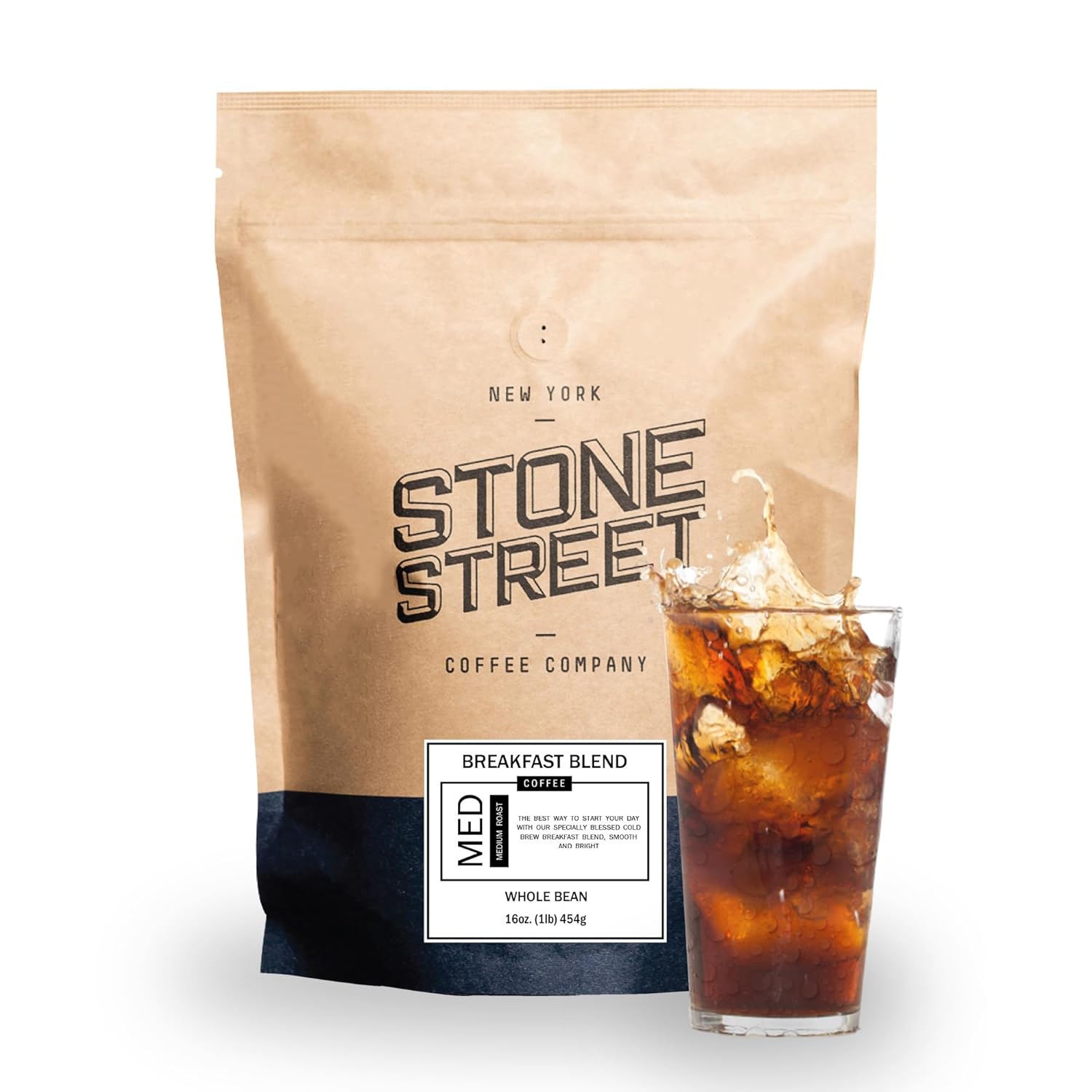
Best Cold-Brew Style
|
Low-acid cold brew blend
|
Price on Amazon | |
|
Best Smooth Frappuccino

|
Sweet caramel cold-brew beans
|
Price on Amazon | |
|
Best Iced-Coffee Blend

|
Blend designed for ice
|
Price on Amazon | |
|
Best Clean Cold Base

|
Blend formulated for cold brew
|
Price on Amazon | |
|
Best Bold Coffee Note

|
Smooth strong dark roast
|
Price on Amazon | |
|
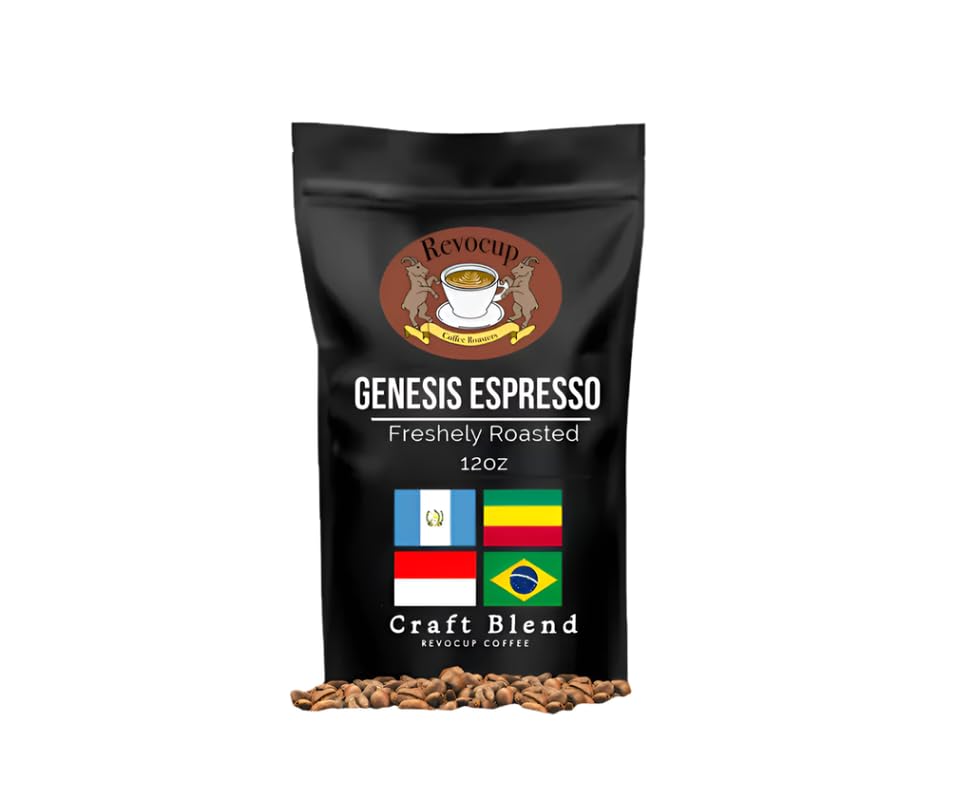
Best Caramel Blend
|
Milk chocolate honey caramel notes
|
Price on Amazon |
Why the best roast profile for pour-over coffee is usually not dark
I will start with the blunt version: dark roasts are usually not where pour-over shines.
Can you make a dark-roasted pour-over? Of course. Can it be enjoyable? Definitely. But when people ask for the best roast profile for pour-over coffee, I rarely point them toward dark roast unless I know that person specifically wants deep roast character above everything else.
The reason is simple. Pour-over is built for clarity. It is a method that loves nuance, separation, and aromatic lift. Dark roasting tends to flatten origin character and replace it with roast-driven notes: smoke, carbon, bitterness, dark cocoa, char, and a heavier, more generic “coffee” taste. That profile can work beautifully in a French press, moka pot, milk drinks, or even some drip setups where you want boldness and comfort. But in pour-over, it often feels like you are using a spotlight to look at something that has already been painted over.
When I brew dark roast as a pour-over, I usually notice one of two outcomes. Either the cup gets aggressive and dry, especially as it cools, or it becomes oddly muddy despite using a filter method that should feel clean. That does not mean it is impossible to enjoy. It just means the brewing method and the roast level are not naturally pulling in the same direction.
If pour-over is all about hearing the bean clearly, dark roast often talks over it.
Light roast vs medium roast for pour-over: the real answer

This is where people often want a neat, tidy answer, but I think the honest answer is better.
For most pour-over coffee, the best roast profile sits somewhere between light and medium-light, sometimes reaching a carefully developed medium roast.
That range tends to preserve origin character while still giving you enough sugar development and solubility to build a sweet, satisfying cup without fighting the bean every morning.
Here is how I think about it:
Light roast pour-over
Best for:
- floral coffees
- washed Ethiopians
- bright Kenyan coffees
- delicate high-elevation coffees
- people who love clarity and sparkle
Usually brings:
- vivid acidity
- pronounced aromatics
- crisp fruit notes
- tea-like body
- very transparent flavor separation
Medium-light to medium roast pour-over
Best for:
- balanced everyday brewing
- Colombian, Guatemalan, Costa Rican, and many blended coffees
- people who want sweetness and clarity together
- those who find some light roasts too sharp or fussy
Usually brings:
- rounder sweetness
- caramel, honey, chocolate, stone fruit, nuts
- better body
- easier extraction
- more forgiving brewing
Dark roast pour-over
Best for:
- people who strongly prefer roast-driven flavor
- lower-acidity cups
- heavier, more bitter profiles
Usually brings:
- roast bitterness
- smoke or dark cocoa
- less origin clarity
- flatter aromatic complexity
- a narrower “sweet spot” in brewing
If I had to recommend one roast direction to the average coffee enthusiast trying to improve pour-over at home, I would say medium-light almost every time. That is the zone where I think many coffees become both expressive and approachable.
What “roast profile” really means beyond light, medium, and dark
One of the biggest misconceptions in coffee is that the roast profile only means roast color. It does not.
The roast profile is really about how the coffee got there. Two coffees can both be called “light roast” and still behave very differently in the cup. One might be beautifully developed, sweet, and elegant. Another might taste grassy, underdeveloped, and frustratingly sour. Same label, very different reality.
When I talk about roast profile for pour-overs, I am thinking about things like the following:
- How quickly the roast progressed
- How much development happened after the first crack
- whether the coffee preserved acidity without tasting raw
- how well the sweetness was built
- whether the roast respects the bean’s original character
That is why simply buying “light roast” is not enough. You are really looking for well-developed light- or medium-light-roast coffee.
A good roast for pour-over should taste intentional. Even if it is bright, it should not taste unfinished. Even if it is delicate, it should not taste empty.
That difference is huge.
Best roast profile for pour-over coffee if you want clarity

If clarity is the whole point for you, then the best roast profile is usually a light roast with strong development and minimal roast intrusion.
This is the kind of coffee that makes people start saying flavor notes out loud. Citrus, jasmine, peach, bergamot, red berries, black tea, and tropical fruit. When these coffees are roasted well, pour-over becomes this gorgeous, articulate experience where each sip feels a little more layered than the last.
But I will be honest: coffees in this zone ask more from you.
They usually want:
- a good grinder
- consistent water temperature
- careful pouring
- decent water quality
- patience with dialing in
This is where gear starts mattering more. A dripper like the Hario V60 paired with a controlled kettle such as the Fellow Stagg EKG gives you the kind of flow control that helps light roasts shine. And if your grinder is holding you back, a reliable step up like the Baratza Encore can make a much bigger difference than people expect in flavor clarity and extraction consistency.
Light roasts can be magical in pour-over, but they are not the easiest path to happiness for everyone.
Best roast profile for pour-over coffee if you want sweetness and balance
This is my personal comfort zone more often than not.
If I want a pour-over that feels expressive but not exhausting, I reach for a medium-light roast with strong sweetness and a rounder structure. This is where I think a lot of people find their long-term favorite style, especially once the novelty of ultra-bright coffees wears off a little and they start craving cups that are easier to live with day after day.
These roasts often give you:
- honey sweetness
- caramel and brown sugar
- ripe fruit rather than sharp fruit
- softer acidity
- more body than very light roasts
- easier extraction and less brewing drama
This is also where I think many everyday pour-over beans do their best work. Coffee from Colombia, Guatemala, and many Central American regions often feels especially at home here. You still get the original character, but it arrives in a more grounded, generous way.
If a very light roast can feel like a violin solo, medium-light often feels like a full band playing in balance.
And honestly, that is what I want most mornings.
Roast profile and processing method: an underrated pairing

This matters more than people think.
The “best” roast profile is not only about roast level. It is also about what kind of coffee is being roasted.
Washed coffees
These usually shine with lighter roast profiles because the clean processing lets acidity, florals, and origin clarity stand out beautifully in pour-over.
Best pairings:
- light roast
- light-medium roast
- high-clarity brewing
Expected flavors:
- crisp fruit
- floral lift
- tea-like finish
- sparkling acidity
Natural coffees
These can handle slightly more roast development because they already bring fruit intensity and sweetness. Too light, and some naturals can taste wild, fermenty, or uneven. Slightly more development often helps them feel juicier and more integrated.
Best pairings:
- light-medium roast
- medium-light roast
- slightly fuller pour-overs
Expected flavors:
- berries
- tropical fruit
- jammy sweetness
- fuller mouthfeel
Honey- or pulped-natural coffees
These often live beautifully in the middle. A roast that preserves sweetness while avoiding roast heaviness can make it taste lush and very satisfying.
Best pairings:
- medium-light
- balanced filter brewing
- moderate agitation
This is why I always try to read beyond the roast level. The bean, processing method, density, and intended flavor style all matter.
The best roast profile for different pour-over drippers
Not every dripper emphasizes the same things, so roast choice and brewer choice can complement each other in a really satisfying way.
| Dripper | Best Roast Direction | Why It Works |
|---|---|---|
| V60 | Light to medium-light | High clarity, fast flow, excellent for nuanced coffees |
| Kalita Wave | Medium-light to medium | More even extraction, softer presentation |
| Chemex | Light roast to medium-light | Extra-clean cup, highlights elegance and aromatics |
| Origami | Light to medium-light | Flexible, clarity-forward, expressive |
| Flat-bottom brewers | Medium-light to medium | Balanced sweetness, forgiving extraction |
If I am brewing a delicate washed Ethiopian, I usually want something like a V60 or Chemex with a roast profile that stays on the lighter side. If I am brewing a sweeter, more caramel-toned Colombian, I often enjoy it through a flat-bottom brewer or Kalita-style setup because the slightly more even extraction complements that rounder roast style.
The method and roast can either fight each other or flatter each other. When they flatter each other, the cup feels effortlessly coherent.
Signs your pour-over roast is too light.

This is such an important distinction because people sometimes confuse “interesting acidity” with “underdeveloped roast.”
A coffee may be too light or underdeveloped for an enjoyable pour-over if it consistently tastes like
- raw peanut
- hay or straw
- grainy cereal
- lemon peel without sweetness
- sharp sourness that never rounds out
- empty middle with a sudden acidic attack
Now, brewing can absolutely create some of those problems, too. But if you have adjusted grind, water temperature, ratio, and pour structure, and the coffee still tastes raw rather than bright, the roast profile may simply not be doing enough.
A good light roast should feel alive, not unfinished.
Signs your pour-over roast is too dark
This one is usually easier to spot.
A coffee may be too dark for an ideal pour-over if it tastes like
- smoke
- ash
- bitter dark cocoa without sweetness
- carbon
- Roast bitterness that lingers longer than the coffee itself
- “generic coffee” with no regional personality
Again, some people genuinely enjoy this, and that is completely fair. But if the question is what roast profile is best for pour-over in terms of showcasing the method’s strengths, this is usually outside the sweet spot.
Pour-over is one of the last places I want my coffee tasting like the roast alone.
My favorite roast zone for everyday pour-over
If I had to stock one roast style for everyday filter brewing and live with it happily for months, I would go with this:
A well-developed medium-light roast, washed or honey-processed, with a sweetness-first balance and moderate acidity.
That zone gives me most of what I want:
- enough complexity to keep things interesting
- enough sweetness to feel comforting
- enough clarity to justify brewing pour-overs in the first place
- enough forgiveness to work even when I am not brewing with laboratory-level precision
It is the kind of coffee that tastes good hot, stays interesting warm, and often gets even better as it cools. That cooling curve matters to me a lot. A great pour-over should not collapse after the first few sips.
It should unfold.
Best beans and gear to pair with pour-over roast profiles
If you are building a better pour-over setup, I would think in layers.
For drippers, something like the Hario V60 remains one of the best ways to experience high-clarity light- and medium-light-roast coffee. If you want a different style of flow and extraction, the Kalita Wave 185 is a lovely option for a slightly more balanced, forgiving cup.
For kettles, controlled pouring matters more as roasts get lighter and more nuanced. The Fellow Stagg EKG is a favorite for a reason. It makes consistent pouring feel natural rather than fussy.
For grinders, the grinder is often the quiet hero in pour-over. A grinder like the Baratza Encore is a very reasonable place to start if you want cleaner cups and better consistency than blade grinding or random pre-ground coffee can deliver.
For beans, I generally look for tasting notes that tell me how the roast is likely positioned. For brighter, lighter profiles, I look for things like jasmine, citrus, bergamot, tea, and stone fruit. For more balanced medium-light profiles, I look for caramel, red fruit, cocoa nibs, brown sugar, honey, and ripe berries. A bean-style like Stumptown Hair Bender or Lavazza ¡Tierra! Organic can give you a starting point if you want to explore approachable, filter-friendly flavor profiles, though the exact roast direction and freshness always matter more than the name alone.
How to adjust your brewing for different roast profiles

The roast profile tells you a lot about how you should brew.
For light roasts
Usually try:
- hotter water
- slightly finer grind
- a little more agitation
- longer total brew time if needed
Because light roasts are less soluble, they often need more help to fully open up.
For medium-light roasts
Usually try:
- near-boiling or slightly lower water
- medium-fine grind
- moderate agitation
- balanced flow and extraction
This is usually the easiest category to dial in.
For medium roasts
Usually try:
- slightly cooler water than very light roasts
- a touch coarser grind if bitterness appears
- gentler pouring if the cup feels heavy or dull
For darker roasts
Usually try:
- cooler water
- coarser grind
- lower agitation
- slightly shorter extraction
With darker coffee, the goal is often damage control rather than maximum extraction. You are trying to keep bitterness and roastiness in check.
Roast profile and water temperature: why this changes everything
This is one of my favorite little coffee truths because it explains so many frustrating cups.
People often say, “I used the same recipe, but one coffee tasted amazing, and the other tasted terrible.”
Well, yes. Because the roast profile changes solubility.
Light roasts usually need:
- hotter water
- more extraction energy
Darker roasts usually need the following:
- slightly cooler water
- gentler extraction
So if you buy a beautiful light-roasted Ethiopian and brew it at the same lower temperature you used for a darker Brazilian, you may get a strangely thin, sour result and assume the bean is bad. It might just be under-extracted for its roast style.
A variable-temperature kettle can help a lot with this, especially if you switch between roast levels often.
If you are new to pour-over, what roast should you start with?
I would not start with the lightest coffee you can find.
That is probably not the romantic answer, but it is the useful one.
If you are new to pour-over and want to enjoy it quickly, start with the following:
- a medium-light roast
- ideally washed or honey-processed
- with tasting notes that suggest sweetness, fruit, and balance rather than extreme acidity
Why?
Because that style is forgiving enough to teach you the method without punishing every small mistake. It lets you learn pouring, ratios, bloom, and grind adjustments while still making cups you actually want to drink.
Once you feel comfortable, then start exploring lighter, more delicate coffees. That progression is much more enjoyable than jumping straight into ultra-light roasts and wondering why everything tastes like difficult citrus.
Pour-over roast profile FAQ
Is a light roast always best for pour-over?
Not always. Light roast is often excellent for pour-over because it preserves origin character and clarity, but a well-developed medium-light roast is often even better for everyday brewing because it gives you sweetness and balance with less fuss.
Can a medium roast be good for pour-over?
Absolutely. In fact, I think medium-light to medium roast can be the happiest zone for many coffee drinkers because it keeps much of the pour-over clarity while bringing more body and sweetness.
Is dark roast bad for pour-over?
Not necessarily bad, but usually less ideal if your goal is to highlight what pour-over does best. Dark roast can still be enjoyable, especially if you prefer bold, roast-driven coffee, but it tends to hide subtle origin notes.
Why does my light roast pour-over taste sour?
Usually, it’s one of three reasons: the coffee is under-extracted, the roast is underdeveloped, or the water and grind settings are not giving the bean enough extraction energy.
What roast profile is easiest for beginners?
A sweet, well-developed medium-light roast is usually the easiest and most rewarding place to start.
Does the brewer change which roast is best?
Yes. Faster, clarity-heavy brewers like the V60 often flatter lighter roasts, while flatter-bottomed brewers can make medium-light and medium roasts feel especially balanced and approachable.
Final thoughts: the best roast profile for pour-over coffee is the one that lets the coffee speak clearly.
If I strip everything back, this is what I believe: the best roast profile for pour-over coffee is the one that gives you clarity without harshness, sweetness without dullness, and origin character without roast domination.
That usually means light to medium-light roast, sometimes stretching into medium when the coffee is beautifully developed, and the flavor structure suits a cleaner brew method.
Personally, I keep coming back to medium-light. It gives me enough detail to stay interested and enough sweetness to stay happy. It feels like the roast profile that most naturally understands what pour-over is trying to do. Don’t show off for the sake of it. Not overwhelm you with acidity. Don’t bury the bean under the roast. Just reveal the coffee in a way that feels open, articulate, and satisfying.
And really, that is what I want from pour-over every time I reach for the kettle. Not drama. Not confusion. Just a cup that feels like the bean and the brew method are finally speaking the same language.


