
OneHundredCoffee is reader-supported, and some products displayed may earn us an affiliate commission. Details
Top Rated Espresso Coffee Beans


Espresso is where coffee stops hiding. A latte can soften a rough shot. A cappuccino can make a slightly bitter espresso feel more rounded. An Americano can open the cup with hot water. But a straight espresso shot is direct, concentrated, and honest. It shows the bean, the roast, the grinder, the machine, the dose, the puck prep, and the extraction almost immediately. That is exactly why choosing the best coffee beans for espresso shots matters so much.
For me, espresso beans are not just “strong coffee beans.” That is one of the biggest misunderstandings around espresso. The best espresso shot is not always the darkest roast or the most bitter coffee. A good espresso bean should give you body, sweetness, crema, aroma, and a clean finish inside a tiny cup. It should taste concentrated, but not harsh. It should feel intense but not burned. It should have enough structure to stand alone without milk, yet enough smoothness that you actually want another sip.
As we discussed before in our published article about the best coffee beans for Americano, espresso quality becomes even more obvious when you drink it black or dilute it with water. But with a straight espresso shot, the flavor is even more compressed. Every detail becomes louder. A bean that tastes “okay” in a milk drink may taste bitter or hollow as espresso. A bright specialty bean may taste exciting, but only if it is extracted properly. That is why I usually recommend starting with balanced medium-dark espresso blends before moving into lighter specialty espresso.
For most home drinkers, the best coffee beans for espresso shots are medium-dark roasts, classic espresso blends, or carefully roasted specialty espresso beans with tasting notes like chocolate, caramel, toasted almond, hazelnut, brown sugar, cocoa, molasses, mild berry, or dried fruit. Those flavors work beautifully in espresso because they create sweetness, body, and balance inside a small, concentrated shot.
Best Coffee Beans for Espresso Shots — At a Glance
| Image | Product | Features | Price |
|---|---|---|---|
|
Best Crema Power

|
Full-bodied Neapolitan espresso
|
Price on Amazon | |
|
Best Cocoa Shot

|
Dark Arabica espresso roast
|
Price on Amazon | |
|
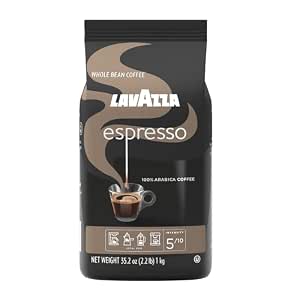
Best Aromatic Shot
|
Sweet medium Arabica blend
|
Price on Amazon | |
|
Best Italian Speciale

|
Low-acid medium espresso
|
Price on Amazon | |
|
Best Value Espresso

|
Rich medium-dark roast
|
Price on Amazon | |
|
Best Gentle Crema

|
Balanced German espresso blend
|
Price on Amazon | |
|
Best Bar Blend

|
Dark Italian espresso roast
|
Price on Amazon | |
|
Best Smooth Dark

|
Dark roast espresso profile
|
Price on Amazon | |
|
Best Chocolate Caramel

|
Dark roast espresso beans
|
Price on Amazon | |
|
Best Bold Budget

|
Dark roast espresso blend
|
Price on Amazon |
What Makes Coffee Beans Good for Espresso Shots?
The best coffee beans for espresso shots need to extract well under pressure. Espresso is not brewed like drip coffee or French press coffee. Hot water moves through a compact puck of finely ground coffee under pressure, creating a concentrated drink in a short time. That means the bean must be soluble enough to extract sweetness and body quickly but not so dark or fragile that it becomes bitter immediately.
I usually look for espresso beans with:
- Medium to full body
- Natural sweetness
- Good crema potential
- Chocolate or cocoa notes
- Caramel or brown sugar depth
- Low harsh bitterness
- Smooth finish
- Balanced acidity
- Fresh roast aroma
- Enough density for dialing in
Espresso is difficult because it magnifies imbalance. If a bean is too acidic, the shot can taste sour and sharp. If it is too dark, the shot can taste burnt and dry. If it is stale, the shot can run fast, produce weak crema, and taste flat. If it is too fresh, it can be gassy and unpredictable. So the “best” espresso bean is usually the one that gives you both flavor and consistency.
A great espresso shot should have a beginning, middle, and finish. The first sip may be intense and aromatic. The middle should bring sweetness and body. The finish should be pleasant enough that you do not immediately need water to clear your mouth. That is the difference between espresso that is powerful and espresso that is simply harsh.
Best Roast Level for Espresso Shots
For most home espresso drinkers, medium-dark roast is the easiest and most reliable starting point. It gives enough body, sweetness, and crema without automatically becoming bitter. Medium-dark beans usually bring chocolate, caramel, toasted nuts, and brown sugar notes, which are naturally friendly in espresso.
Medium roast can also make excellent espresso, especially if the bean is roasted specifically for espresso. It can taste sweeter, cleaner, and more aromatic than darker espresso. But medium roast usually needs better grind control and more careful extraction. If your grinder is not very consistent, a medium roast may taste sour or thin.
Dark roast is traditional for many espresso drinkers. It can produce a bold, heavy shot with dark chocolate, roast, and smoky notes. Some people love this style, especially if they want a classic Italian espresso bar flavor. But very dark oily beans can become bitter quickly. They may also leave more oils inside grinders and machines.
Light roast espresso is the most challenging. It can taste bright, fruity, floral, and complex, but it often needs high-quality equipment, precise grind control, and a longer or more carefully managed extraction. For beginners, light roast espresso can easily taste sour.
My practical roast guide is simple:
- Medium roast: best for sweet, modern espresso if you can dial in well
- Medium-dark roast: best all-around espresso choice for home users
- Dark roast: best for bold traditional espresso, but avoid burnt flavors
- Light roast: best for advanced specialty espresso drinkers
Quick Comparison: Best Coffee Bean Styles for Espresso Shots
| Bean Style | Best For | Typical Flavor | Why It Works for Espresso | Example Pick |
|---|---|---|---|---|
| Medium-dark espresso blend | Daily espresso shots | Chocolate, caramel, nuts | Forgiving, crema-friendly, and balanced enough for straight shots. | Lavazza Super Crema |
| Classic Italian-style roast | Traditional espresso | Cocoa, toast, mild bitterness | Gives familiar café-style espresso with a polished finish. | illy Classico Whole Bean |
| Bold dark espresso bean | Strong espresso shots | Dark chocolate, roast, cocoa | Creates a heavier shot for people who like traditional intensity. | Peet’s Espresso Forte |
| Specialty espresso blend | Complex modern espresso | Caramel, fruit, chocolate | Adds more aroma and layered flavor when dialed in carefully. | Stumptown Hair Bender |
| Organic espresso roast | Smooth balanced shots | Cocoa, syrup, gentle fruit | Offers body and sweetness without feeling overly heavy. | Kicking Horse Cliff Hanger Espresso |
My Favorite Bean Profile for Espresso Shots
If I had to choose one espresso bean profile for most home users, I would choose a medium-dark blend with chocolate, caramel, and toasted nut notes. This style is forgiving enough for beginners but still satisfying for people who already enjoy espresso. It usually gives good crema, decent body, and a smoother finish than very dark roast beans.
A bean like Lavazza Super Crema fits this everyday espresso direction because it has a creamy, balanced personality. It is not the most adventurous bean, but that is exactly why many people like it for home espresso. When you are still learning dose, grind, and yield, a forgiving blend is a huge help.
For a more polished Italian-style espresso, Ily Classico Whole Bean is a good direction. It tends to suit people who want smooth espresso without heavy bitterness. It may not be as aggressive as a darker roast, but for straight espresso, that can be a real advantage.
If I wanted a more intense shot, I would move toward Peet’s Espresso Forte. That style is better for people who like a bold, dark, coffee-shop-style espresso with stronger roast depth.
Best Coffee Beans for Crema

Crema is the golden-brown foam that sits on top of a fresh espresso shot. It looks beautiful, and it can add texture and aroma, but I do not judge espresso by crema alone. A shot can have thick crema and still taste bad. Still, bean choice does affect crema.
Fresh beans usually create better crema than stale beans. Medium-dark espresso blends often produce stable crema because they have enough roast development and gas retention. Blends that include a small amount of Robusta can also create thicker crema and more body.
This is one reason some traditional espresso blends include robausta. Arabica brings sweetness and aroma, while Robusta can add crema, strength, and bitterness. A small amount can help espresso feel thicker. Too much low-quality Robusta can taste harsh.
If crema matters to you, choose fresh whole beans, avoid old pre-ground coffee, and use a proper espresso grind. But do not chase crema at the expense of taste. I would rather drink a sweet, balanced shot with modest crema than a bitter shot with a thick foam cap.
Best Coffee Beans for Smooth Espresso
Smooth espresso needs sweetness and balance. It should not taste sour, burnt, or aggressively bitter. For smooth shots, I usually prefer medium-dark or medium roasts with chocolate, caramel, almond, hazelnut, or brown sugar notes.
A smooth espresso bean should still taste concentrated. Smooth does not mean weak. It means the shot has no rough edges. You can sip it straight without immediately needing milk or sugar.
Illy Classico Whole Bean is a good example of the kind of classic espresso profile that can feel smooth to many people. It gives a familiar espresso taste without pushing too far into dark roast intensity.
If your espresso tastes harsh even with a smooth bean, the issue may be extraction. A bitter shot may be running too long or too slow. A sour shot may be running too fast or extracting too little. Espresso is not only about the bag of beans. The grinder and recipe matter just as much.
Best Coffee Beans for Strong Espresso Shots

Strong espresso is not the same as bitter espresso. A strong espresso shot should have body, intensity, and flavor concentration, but it should still taste balanced. If it only tastes burnt, the bean is not strong in a good way.
For strong espresso, I like medium-dark or dark espresso beans with dark chocolate, cocoa, molasses, roasted nuts, or brown sugar notes. These flavors create depth without needing sugar.
Peet’s Espresso Forte fits this stronger espresso direction. It is better for someone who likes bold shots and does not want a delicate or bright espresso. It can also work well if you sometimes use the same bean for cappuccinos or iced lattes.
With stronger beans, I usually avoid over-extracting. A dark espresso bean can taste unpleasant if pushed too long. I prefer pulling a balanced shot and adjusting the yield rather than forcing every bean into the same long recipe.
Best Specialty Coffee Beans for Espresso
Specialty espresso can be exciting, but it is less forgiving. A specialty espresso blend may bring fruit, caramel, florals, citrus, or wine-like complexity. When dialed in well, it can be beautiful. When dialed in poorly, it can taste sharp, sour, or hollow.
Stumptown Hair Bender is the kind of bean I would consider for someone who wants more complexity than a classic Italian-style espresso. It can bring a more layered cup, especially if you enjoy caramel and fruit notes alongside chocolate.
Specialty espresso usually benefits from careful measurement. I would use a scale, track dose and yield, and adjust grind by taste. If the shot tastes sour, grind finer or increase extraction. If it tastes bitter and dry, grind coarser or reduce the yield.
This style is best for people who enjoy dialing in. If you want a low-effort daily shot, a forgiving medium-dark blend may be easier.
Best Organic Coffee Beans for Espresso
Organic espresso beans can work beautifully if the roast profile is right. Organic certification alone does not make a bean good for espresso. You still need body, sweetness, solubility, and balance.
Kicking Horse Cliff Hanger Espresso fits the kind of organic espresso direction many home drinkers enjoy. It has enough body for espresso while keeping a smoother, less punishing profile than some darker roasts.
For organic espresso, I would still choose whole beans and grind fresh. Espresso exposes staleness quickly. If the beans are old, the shot may run too fast, the crema may fade, and the flavor may taste dull.
Organic beans are best when they are fresh, well-roasted, and suited to espresso—not just because the label looks appealing.
Best Coffee Beans for Espresso Machines
If you use a semi-automatic espresso machine, you have the most control and the most responsibility. The bean needs to match your grinder and your skill level. Beginners usually do better with medium-dark espresso blends because they are easier to dial in. Advanced users may enjoy lighter or specialty espresso beans.
If you use a fully automatic machine, I would avoid very oily, dark beans. Oily beans can sometimes create more mess in grinders and brew units. Medium or medium-dark beans are usually safer. They still give body and crema without being excessively oily.
If you use a pressurized basket, you can get away with less perfect grind control, but fresh beans still matter. A pressurized basket can create foam-like crema, but it cannot create deep flavor from stale coffee.
For home espresso machines, I like consistent beans. A bean that changes dramatically from shot to shot can be frustrating. Reliable espresso blends are useful because they help you focus on technique.
Arabica vs. Robusta for Espresso Shots

Arabica and Robusta behave differently in espresso. Arabica usually brings sweetness, aroma, acidity, and complexity. Robusta brings crema, body, caffeine, and bitterness. Traditional espresso blends sometimes use both because the combination can create a thicker, stronger shot.
I do not think 100% Arabica is always better for espresso. It depends on your taste. If you want smooth, aromatic espresso, 100% Arabica or mostly Arabica blends are great. If you want thick crema and traditional Italian-style intensity, a blend with some Robusta can work well.
The key is quality and proportion. A little Robusta can help espresso feel fuller. Too much poor-quality Robusta can make the shot taste rubbery, bitter, or rough.
For most beginners, a balanced Arabica-heavy blend is a safe start.
Whole Bean vs. Ground Coffee for Espresso
Whole beans are strongly better for espresso. Espresso is extremely sensitive to grind size. Pre-ground coffee often cannot match your machine, basket, and humidity conditions. Even if the coffee is high quality, the wrong grind can ruin the shot.
Whole beans let you adjust. If the shot runs too fast, grind finer. If it runs too slow, grind coarser. If the taste is sour, increase the extraction. If it tastes bitter, reduce the extraction. You cannot make those adjustments properly with fixed pre-ground coffee.
Fresh grinding also helps the crema and aroma. Espresso is a small drink, so every bit of aroma matters. Stale ground coffee usually makes thin, flat shots.
If you are serious about espresso shots, a burr grinder is not optional for long. The grinder often matters as much as the machine.
Best Grind Size for Espresso Beans
The espresso grind should be fine, but the exact setting depends on the bean, roast level, basket, dose, and machine. There is no universal espresso grind number. The correct grind is the one that gives a balanced shot.
A useful starting recipe is
- 18 grams of coffee in
- 36 grams of espresso out
- 25 to 30 seconds
- Adjust to taste
If the shot runs too fast and tastes sour:
- Grind finer.
- Check dose.
- Improve puck prep.
- Make sure the machine is fully heated.
If the shot runs too slowly and tastes bitter:
- Grind coarser.
- Reduce dose slightly if needed.
- Avoid tamping unevenly.
- Check whether the beans are too oily or dark.
If the shot tastes hollow:
- Check freshness.
- Adjust yield.
- Try a more developed roast.
- Make sure the extraction is even.
Espresso is a conversation between the bean and grinder. Small changes matter.
Best Espresso Ratio for Different Beans

Espresso ratio changes flavor. A classic starting point is 1:2, meaning 18 grams of ground coffee produces 36 grams of espresso. But not every bean tastes best at 1:2.
Medium-dark espresso blends often taste good around 1:2. Dark roasts may taste better with a slightly shorter ratio, such as 1:1.5 or 1:1.75, because longer shots can bring bitterness. Lighter roasts may need a longer ratio, such as 1:2.5 or even 1:3, to extract enough sweetness.
A simple guide:
- Dark roast: shorter shot, less bitterness
- Medium-dark roast: classic 1:2 balance
- Medium roast: 1:2 to 1:2.5
- Light roast: longer ratio, careful extraction
Taste should guide you. If the shot is sour, it may need more extraction. If it is bitter and dry, it may need less.
How Fresh Should Espresso Beans Be?
Espresso beans should be fresh, but not always too fresh. Beans right off roast can be full of carbon dioxide, which makes shots unstable. They may foam too much, channel easily, or taste uneven. Many espresso beans taste better after resting for several days to two weeks, depending on the roast level.
Medium and dark roasts often rest faster. Lighter espresso roasts may need more time. Once the beans are rested and opened, I try to use them within a few weeks.
Stale espresso beans are frustrating. They often grind differently, produce weak crema, and taste flat. If your shots suddenly run too fast and taste dull, the beans may be aging.
Store espresso beans sealed away from heat, light, air, and moisture. Avoid leaving too many beans in the hopper unless you use them quickly.
Best Coffee Beans for Espresso Without Milk
Straight espresso needs a bean that tastes balanced without help. Milk can cover bitterness, but straight espresso cannot. If you drink espresso shots alone, I would choose beans with sweetness, moderate acidity, and a clean finish.
Medium-dark blends are great for classic espresso. Medium specialty blends are better if you want more fruit and complexity. Very dark beans are only good if you genuinely enjoy roast bitterness. Very light beans are best if you enjoy bright modern espresso and know how to dial in carefully.
For straight espresso, I like chocolate, caramel, almond, brown sugar, mild berry, and cocoa notes. These flavors feel rich but not harsh. I avoid beans that taste smoky, ashy, or aggressively citrusy unless I am in the mood for something unusual.
A straight espresso shot should not feel like punishment. It should be intense, yes, but also sweet and aromatic.
My Personal Pick for Most Espresso Drinkers
My personal pick for most espresso drinkers would be a medium-dark espresso blend with chocolate, caramel, and nutty sweetness. It is the most forgiving and useful style. It works for straight shots, Americanos, cappuccinos, lattes, and iced espresso drinks.
If I wanted a dependable daily espresso bean, I would choose Lavazza Super Crema. If I wanted a smoother classic Italian-style shot, I would choose Illy Classico Whole Bean. If I wanted stronger espresso, Peet’s Espresso Forte would make sense. If I wanted more specialty complexity, Stumptown Hair Bender would be a good choice. If I wanted an organic espresso direction, Kicking Horse Cliff Hanger Espresso would fit well.
The best bean depends on your taste and equipment. A beginner with an entry-level machine may enjoy a forgiving blend. A hobbyist with a precise grinder may enjoy specialty espresso. A dark roast lover may want classic intensity. The best espresso bean is the one you can dial in consistently and still enjoy straight.
Common Espresso Bean Mistakes
The first mistake is choosing beans that are too dark and oily. Dark beans can taste bold, but they can also become bitter and dry very quickly.
The second mistake is using pre-ground coffee. Espresso needs a grind adjustment. Pre-ground coffee rarely matches your exact setup.
The third mistake is using beans that are too fresh. Freshness is good, but espresso often needs some rest after roasting.
The fourth mistake is using stale beans. Old beans can produce weak crema, fast shots, and flat flavor.
The fifth mistake is choosing light roast before learning extraction. Light roast espresso can be beautiful, but it is less forgiving.
The sixth mistake is judging espresso only by crema. Crema looks nice, but taste matters more.
The seventh mistake is forcing every bean into the same recipe. Different roast levels need different ratios and extraction styles.
Final Thoughts: The Best Espresso Beans Should Be Intense, Sweet, and Balanced
The best coffee beans for espresso shots are beans that can handle pressure, concentration, and close attention. They need body, sweetness, aroma, crema potential, and a finish that does not turn harsh. For most home users, medium-dark espresso blends are the best starting point because they are forgiving, flavorful, and versatile.
If you want smooth daily espresso, choose chocolatey medium-dark blends. If you want classic Italian espresso, choose polished espresso roasts. If you want bold shots, choose smooth dark beans carefully. If you want modern complexity, try specialty espresso blends once your grinder and technique are ready.
Espresso is small, but it asks a lot from the beans. When the bean is right and the shot is dialed in, espresso becomes more than strong coffee. It becomes sweet, intense, aromatic, and deeply satisfying in just a few sips.
FAQ: Best Coffee Beans for Espresso Shots
What coffee beans are best for espresso shots?
The best coffee beans for espresso shots are usually medium-dark espresso blends with chocolate, caramel, cocoa, toasted nut, or brown sugar notes. They provide body, crema, sweetness, and balance under pressure.
Is dark roast best for espresso?
Dark roast can be good for tradition, as well as espresso, but it is not always the best. Very dark oily beans can taste bitter or burnt. Medium-dark roast is usually the safest choice for most home espresso drinkers.
Can medium roast make good espresso?
Yes, a medium roast can make excellent espresso if it has enough sweetness and body. It may require more careful dialing in than darker beans, but it can taste cleaner and more aromatic.
Can light roast be used for espresso?
Yes, light roast can be used for espresso, especially for modern specialty shots. However, it is harder to extract and can taste sour if the grind, temperature, and ratio are not dialed in well.
Should espresso beans be oily?
Not necessarily. Very oily beans are often darker roasted and may taste bitter. They can also create more mess in grinders. A slightly developed medium-dark bean is often easier and cleaner for home espresso.
What beans produce the best crema?
Fresh medium-dark espresso blends and blends with a small amount of Robusta often produce thicker crema. However, crema does not guarantee good flavor. Taste is more important.
Should I use whole beans for espresso?
Yes, whole beans are strongly recommended for espresso because grind size must be adjusted precisely. Fresh grinding improves crema, aroma, and extraction control.
Why does my espresso taste sour?
Sour espresso usually means under-extraction. Try grinding finer, increasing shot time, using a longer ratio, or making sure your machine is fully heated.
Why does my espresso taste bitter?
Bitter espresso usually means over-extraction, too fine a grind, too long a shot, or beans that are too dark. Try grinding coarser, shortening the shot, or using smoother beans.
What is the best espresso ratio?
A good starting ratio is 1:2, such as 18 grams of coffee in and 36 grams of espresso out. Dark roasts may taste better and be shorter, while lighter roasts may need a longer ratio.


