
Best Coffee Beans for Americano


OneHundredCoffee is reader-supported, and some products displayed may earn us an affiliate commission. Details
An Americano looks simple: espresso plus hot water. But in practice, it is one of the most revealing espresso-based drinks you can make at home. A latte softens espresso with milk. A cappuccino gives espresso foam, sweetness, and texture. A mocha can hide roughness behind chocolate. An Americano does not do that. It stretches the espresso with water, which means the bean has nowhere to hide. If the espresso is bitter, the Americano tastes bitter. If the shot is sour, the whole cup tastes thin and sharp. If the bean is flat, the drink becomes watery.
That is why choosing the best coffee beans for an Americano matters so much. The bean needs enough espresso strength to remain flavorful after dilution, but it also needs a clean finish because water exposes harshness. In my experience, the best Americano beans are usually medium-dark espresso blends, smooth medium roasts, or balanced specialty blends with chocolate, caramel, toasted nut, brown sugar, cocoa, or mild fruit notes.
As we discussed before in our published article about How to Brew Better Espresso at Home, espresso quality is the foundation for every espresso-based drink. With Americano, that foundation becomes even more obvious. You are not only tasting the espresso shot; you are tasting how that shot behaves when expanded into a longer cup. A good Americano should taste open, smooth, aromatic, and coffee-forward—not like watered-down espresso and not like harsh black coffee.
Best Coffee Beans for Americano—At a Glance
| Image | Product | Features | Price |
|---|---|---|---|
|
Best Daily Americano

|
Smooth medium espresso roast
|
Price on Amazon | |
|
Best Smooth Classic

|
Caramel-style Arabica cup
|
Price on Amazon | |
|
Best Bold Americano

|
Dark espresso roast body
|
Price on Amazon | |
|
Best Organic Espresso

|
Medium-dark crema blend
|
Price on Amazon | |
|
Best Cuban Style

|
Dark Cuban-style espresso
|
Price on Amazon | |
|
Best Italian Intensity

|
Medium-dark Italian blend
|
Price on Amazon | |
|
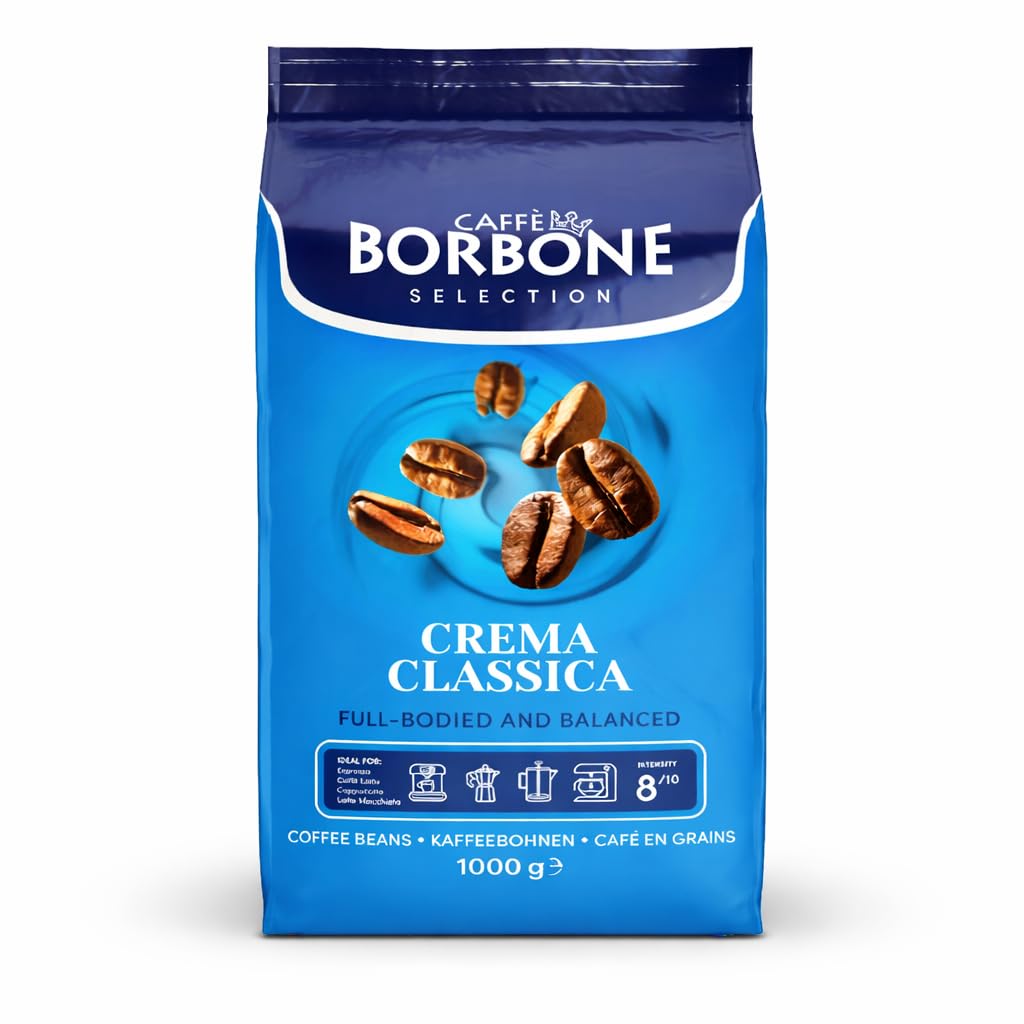
Best Crema Balance
|
Balanced Italian medium roast
|
Price on Amazon | |
|
Best Bright Americano

|
Lighter espresso roast
|
Price on Amazon | |
|
Best Smooth Dark

|
Colombian-Sumatra espresso blend
|
Price on Amazon | |
|
Best Specialty Pick

|
Sweet seasonal espresso blend
|
Price on Amazon |
What Makes Coffee Beans Good for Americanos?
The best coffee beans for Americano need a balance of strength and cleanliness. Espresso is concentrated, while Americano is diluted. That means the bean has to carry flavor into a larger drink without becoming bitter, sour, or hollow.
I usually look for beans with the following:
- Medium to full body
- Smooth espresso structure
- Chocolate or cocoa notes
- Caramel or brown sugar sweetness
- Toasted nut flavor
- Low harsh bitterness
- Clean finish
- Moderate acidity
- Enough strength after dilution
This is different from choosing beans for latte. In a latte, milk softens and sweetens the espresso. In an Americano, water opens the espresso up. That can make pleasant flavors more noticeable, but it can also expose flaws. A smoky dark roast may taste okay as a short espresso but become bitter and dry as an Americano. A very light roast may taste exciting as espresso but become sharp or thin with hot water.
For most people, I think the safest Americano bean is a medium-dark espresso blend that tastes good on its own and has a smooth chocolate-caramel base.
Best Roast Level for Americano Beans
A medium-dark roast is usually the best starting point for an Americano. It gives enough espresso depth to survive dilution, but it does not always carry the heavy bitterness of a very dark roast. This roast level often brings cocoa, caramel, roasted nuts, and brown sugar—all flavors that still taste pleasant when stretched with hot water.
Medium roast can also be excellent if the bean has enough sweetness and body. A medium roast Americano can taste cleaner and more aromatic than a darker one. It may have mild fruit, caramel, honey, or chocolate notes. This is the style I like when I want an Americano that feels closer to a clean black coffee rather than a traditional dark espresso drink.
Dark roast works for people who like bold, traditional Americanos, but it needs care. Very dark oily beans can become bitter after hot water is added. The dilution spreads the bitterness through the whole cup, so the drink can taste dry from beginning to end.
Light roast is the most difficult. It can produce a bright, modern Americano, but it needs precise extraction. If under-extracted, it tastes sour and thin. If over-extracted, it can become sharp and bitter at the same time. I would only start with light roast if you already enjoy bright espresso.
Quick Comparison: Best Coffee Bean Styles for Americano
| Bean Style | Best For | Typical Flavor | Why It Works in Americano | Example Pick |
|---|---|---|---|---|
| Medium-dark espresso blend | Daily Americano | Chocolate, caramel, nuts | Keeps enough body after hot water is added. | Lavazza Super Crema |
| Classic Italian-style roast | Smooth traditional Americano | Cocoa, toast, mild sweetness | Gives familiar espresso flavor without too much sharpness. | illy Classico Whole Bean |
| Specialty espresso blend | More complex Americano | Caramel, fruit, chocolate | Opens up nicely when diluted, giving more aroma and detail. | Stumptown Hair Bender |
| Bold dark espresso bean | Strong Americano | Dark chocolate, roast, cocoa | Creates a deeper cup for people who like stronger black coffee. | Peet’s Espresso Forte |
| Low-acid medium roast | Gentler Americano | Nutty, mellow, soft cocoa | Reduces sharpness while keeping the cup smooth and drinkable. | Lifeboost Low Acid Coffee |
My Favorite Bean Profile for Americano
If I had to choose one bean profile for most Americano drinkers, I would choose a medium-dark espresso blend with chocolate, caramel, and toasted nut notes. That style gives enough body for dilution while keeping the cup smooth. It tastes like espresso, but it does not become too heavy once water is added.
A bean like Lavazza Super Crema fits this direction well. It has the kind of rounded espresso-blend character that works in many drinks, but Americano especially benefits from its balance. It is strong enough to avoid tasting watery yet smooth enough to drink as a longer black coffee.
For a cleaner and more polished cup, Illy Classico Whole Bean is another good direction. It is less aggressive than many darker espresso beans, which can be useful if you dislike bitterness. Americano does not always need maximum intensity. It needs a good espresso base that opens nicely with water.
The best Americano bean should taste complete after dilution. It should not taste like espresso that got weakened. It should taste like a deliberate long black coffee with espresso character.
Best Coffee Beans for a Smooth Americano

A smooth Americano starts with beans that are naturally low in harsh bitterness. I usually avoid very smoky dark roasts for this style because hot water spreads that smoky dryness through the whole drink. Instead, I look for medium or medium-dark beans with cocoa, caramel, almond, hazelnut, or brown sugar notes.
Smooth does not mean weak. A smooth Americano should still taste like coffee. It should have structure, aroma, and a satisfying finish. What it should avoid is that dry, bitter edge that makes you reach for sugar.
For this style, I like espresso blends that have been roasted enough to develop sweetness but not roasted so far that all origin character disappears. A classic espresso-style bean often works better than a very bright single-origin bean if your goal is easy drinkability.
If your Americano tastes harsh even with a smooth bean, check the shot. The problem may be over-extraction, too fine a grind, too long a yield, or water that is too hot when you dilute the espresso.
Best Coffee Beans for a Strong Americano
Some people want an Americano that drinks like a bold black coffee. They do not want something delicate. They want depth, intensity, and a clear espresso backbone. For that style, a darker espresso bean can work well.
Peet’s Espresso Forte fits this stronger direction. It can create a deeper Americano with dark chocolate and roast notes, especially if you use a slightly shorter dilution ratio. I would not over-dilute a bold dark roast because the bitterness may spread out and become drier. Instead, I prefer keeping the cup concentrated enough that the body still feels satisfying.
A strong Americano is not just a big cup of weak espresso. I like using a double shot and adding enough hot water to open the flavor, not drown it. If you want a more intense cup, reduce the water instead of pushing the espresso shot too far.
The bean should provide strength, but the extraction should provide balance.
Best Specialty Beans for Americano
Specialty espresso blends can make an Americano much more interesting. Water opens the espresso and lets more flavor notes show, so a good specialty blend may reveal caramel, fruit, chocolate, florals, or mild citrus in a longer cup.
Stumptown Hair Bender is the kind of bean I would consider for a more expressive Americano. It can give more character than a classic dark espresso blend, but it still has enough structure to avoid tasting thin.
This style is best for people who enjoy black coffee and want to taste more detail. It may need more careful dialing in. If the espresso shot is under-extracted, the Americano can taste sour. If it is over-extracted, the dilution can make bitterness more obvious.
For specialty Americanos, I prefer moderate dilution. Too much water can flatten the cup. A smaller Americano often tastes more aromatic and balanced than a very large one.
Best Low-Acid Coffee Beans for Americano
Americano can taste sharp if the espresso is acidic or under-extracted. If acidity bothers you, choose low-acid beans or mellow medium roasts. This can make the drink gentler without losing the espresso feel.
A bean-like Lifeboost Low Acid Coffee fits this need for people who want a smoother black espresso-based drink. It is not about removing all flavor. It is about reducing that sharp edge that can make an Americano feel harsh.
For low-acid Americano, I would also look for beans from Brazil, Colombia, Peru, Guatemala, or mellow espresso blends. These often bring nutty, chocolatey, and caramel-like profiles that work well after dilution.
Technique matters too. A sour Americano is not always caused by acidic beans. It may be under-extracted espresso. Before changing beans, try grinding finer, increasing shot time slightly, or checking your dose and yield.
Best Coffee Beans for Iced Americano
An iced Americano needs a slightly stronger espresso base because ice dilutes the drink as it melts. A bean that tastes perfect in a hot Americano may taste too soft when poured over ice. For iced Americano, I prefer medium-dark espresso blends or smooth dark roasts with chocolate and caramel notes.
The best iced Americano beans should taste clean and refreshing, not smoky or flat. I like beans that have enough body to remain noticeable but not so much bitterness that the cold drink feels dry.
For an iced Americano, I usually pull a double shot, pour it over ice, and add cold water. Some people add water first and espresso second to preserve crema visually, but taste matters more to me than crema in an iced drink. The bean should still taste good after the ice begins melting.
If your iced Americano tastes watery, use less water or more espresso. If it tastes bitter, use a smoother bean or shorten the shot slightly.
Whole Bean vs. Ground Coffee for Americano

Whole beans are much better for an Americano if you are using an espresso machine. Americano starts with espresso, and espresso depends heavily on grind size. Pre-ground coffee rarely gives you the same control unless it is specifically matched to your machine and basket.
For Americano, shot quality matters because there is no milk to hide mistakes. If the grind is too coarse, the espresso runs too fast and tastes sour or weak. If the grind is too fine, the shot runs too slowly and tastes bitter. Once you add hot water, those problems spread across the whole cup.
Whole beans let you adjust. Fresh grinding also improves aroma, crema, and flavor. If you use a pressurized basket or super-automatic machine, you may have less control, but fresh whole beans still usually taste better than old ground coffee.
If you do use pre-ground coffee, choose an espresso grind suitable for your equipment. But for the best Americano, whole beans plus a burr grinder is the better path.
Best Grind Size for Americano Beans
Because Americano starts with espresso, the grind should be espresso-fine. The exact grind depends on your machine, basket, dose, and roast level. Darker roasts often need a slightly coarser grind than lighter roasts because they extract more easily. Lighter roasts often need a finer grind and hotter brewing conditions.
A good starting espresso recipe for an Americano is
- 18 grams of coffee in
- 36 grams of espresso out
- Around 25 to 30 seconds
- Add hot water to taste
From there, adjust by flavor.
If the Americano tastes sour:
- Grind finer.
- Increase shot time.
- Use slightly less water.
- Make sure the machine is fully heated.
If it tastes bitter:
- Grind coarser.
- Shorten the shot.
- Use smoother beans.
- Avoid very dark, oily roasts.
If it tastes watery:
- Use less dilution water.
- Pull a double shot.
- Choose a fuller-bodied bean.
- Check bean freshness.
The Americano is simple, but it punishes lazy espresso. Good grind control matters.
Best Espresso-to-Water Ratio for Americano
The Americano ratio is personal. Some people like a small, intense Americano. Others like a larger mug that drinks more like drip coffee. I usually start with a double shot and add about 120 to 180 ml of hot water. That gives a cup with enough espresso presence without becoming too concentrated.
A stronger Americano might be
- Double espresso
- 90 to 120 ml of hot water
A balanced Americano might be
- Double espresso
- 150 to 180 ml hot water
A lighter Americano might be
- Double espresso
- 200 ml or more of hot water
The bean affects the ratio. A bold dark roast may handle more water, but it may also become bitter if over-diluted. A medium specialty blend may taste better with less water because its aromatics stay more focused. A weak or stale bean will taste watery, no matter what ratio you use.
I recommend adjusting the water after the shot rather than changing the espresso too aggressively. Pull a balanced shot first, then decide how much water makes it taste best.
Americano vs. Long Black: Does Bean Choice Change?

Americano and long black are closely related, but the order changes. In an Americano, espresso is usually added to hot water, or hot water is added to espresso, depending on habit. In a long black, hot water is typically placed first, and then espresso is poured on top. This can preserve more crema and give a slightly stronger first aroma.
The bean choice is similar for both drinks. You still want espresso beans that taste smooth, clean, and strong enough after dilution. However, because long black often tastes a little more espresso-forward, I especially like medium-dark beans with chocolate and caramel notes.
If you enjoy long blacks, avoid beans with harsh bitterness. The crema and first sip can make bitterness more obvious. A balanced espresso blend works better than an extremely dark roast.
Best Origins for Americano Beans
Origin matters, but Americano is usually more about espresso balance than origin purity. Still, certain origins and blends work especially well.
Brazilian coffees can bring chocolate, nuts, and low acidity. Colombian coffees offer caramel, cocoa, and mild fruit. Guatemalan coffees can add chocolate, spice, and citrus sweetness. Peruvian coffees are often mellow and smooth. Ethiopian coffees can be bright and aromatic, but they need careful extraction. Sumatran coffees can be earthy and heavy-bodied, which some people enjoy in stronger Americanos.
For most home drinkers, I would start with Brazil, Colombia, Guatemala, or a balanced espresso blend. These are forgiving and naturally suited to black espresso-based drinks.
How Fresh Should Americano Beans Be?
Freshness matters because Americano exposes stale flavor. Old beans can make espresso taste flat, woody, or bitter. Once diluted, that stale taste becomes even more obvious.
For espresso, I usually prefer beans that have rested a little after roasting. Very fresh beans can be gassy and hard to dial in. Many espresso beans taste more stable after several days to two weeks, depending on roast and packaging.
After opening, I try to finish beans within a few weeks. Store them sealed away from heat, light, air, and moisture. Avoid leaving beans in a hopper for too long unless you use them quickly.
A fresh Americano should smell lively and taste clean. A stale Americano often tastes hollow, dry, and papery.
My Personal Pick for Most Americano Drinkers
My personal pick for most Americano drinkers would be a medium-dark espresso blend with chocolate, caramel, and nutty sweetness. That profile creates a cup that stays flavorful after hot water is added but does not become too harsh.
If I wanted a smooth everyday Americano, I would start with Lavazza Super Crema. If I wanted a more classic, polished espresso taste, I would choose Illy Classico Whole Bean. If I wanted a more complex Americano, Stumptown Hair Bender would be a strong choice. If I wanted a bolder cup, Peet’s Espresso Forte would make sense. If I wanted something gentler and lower in acidity, Lifeboost Low-Acid Coffee would be worth considering.
The best choice depends on whether you want your Americano to taste like a clean black coffee, a stretched espresso, or a bold café-style drink. But for most people, smooth medium-dark espresso beans are the easiest place to start.
Common Americano Bean Mistakes

The first mistake is using beans that are too dark and oily. They may taste strong as espresso, but after dilution they can become bitter and dry.
The second mistake is using very light beans without dialing in properly. Light roasts can make beautiful Americanos, but under-extraction makes them sour and thin.
The third mistake is adding too much water. Americano should be diluted, not drowned. Too much water makes even good beans taste weak.
The fourth mistake is using stale beans. Americano exposes stale flavor because there is no milk or sugar to hide it.
The fifth mistake is treating Americano like regular drip coffee. It is espresso-based, so shot quality comes first.
The sixth mistake is ignoring water temperature. Very hot dilution water can make the drink taste harsher. Hot, not violently boiling, water usually gives a smoother cup.
Final Thoughts: The Best Americano Beans Should Stay Smooth After Water
The best coffee beans for Americanos are beans that taste good as espresso and still taste balanced after hot water is added. They need body, sweetness, a clean finish, and enough flavor to avoid becoming watery. For most people, medium-dark espresso blends with chocolate, caramel, and nutty notes are the safest choice.
If you like a smooth daily Americano, choose balanced espresso blends. If you want a classic taste, choose Italian-style medium roasts. If you want more complexity, try specialty espresso blends. If you want boldness, choose smooth dark roast carefully. If acidity bothers you, choose low-acid medium roast beans.
An Americano should not taste like weak coffee. It should taste open, clean, and espresso-driven. When the bean is right and the shot is balanced, it becomes one of the simplest and most satisfying black coffee drinks you can make at home.
FAQ: Best Coffee Beans for Americano
What coffee beans are best for Americano?
The best coffee beans for Americanos are usually medium-dark espresso blends with chocolate, caramel, nutty, cocoa, or brown sugar notes. They stay flavorful after hot water is added and do not become too harsh.
Is espresso roast best for Americanos?
Espresso roast is usually a good choice for an Americano because the drink starts with espresso. A smooth espresso roast gives enough body and strength for dilution.
Can I use regular coffee beans for Americano?
Yes, you can use regular coffee beans if they work well as espresso. The key is extraction. If the beans produce a balanced espresso shot, they can make a good Americano.
Americanos? Is dark roast good for Americanos?
Dark roast can work for Americano if you like bold coffee, but very dark, oily beans may taste bitter or dry after dilution. Medium-dark roast is often safer.
Can light roast make a good Americano?
Yes, light roast can make a bright and complex Americano, but it requires careful espresso extraction. If under-extracted, it may taste sour or thin.
Why does my Americano taste watery?
An Americano tastes watery when too much hot water is added, the espresso shot is weak, the beans are stale, or the bean lacks body. Use less water, fresher beans, or a stronger espresso blend.
Why does my Americano taste bitter?
Bitterness usually comes from over-extracted espresso, too fine a grind, too long a shot, very dark beans, or too much heat. Try grinding coarser, shortening the shot, or using smoother beans.
What is the best Americano ratio?
A good starting ratio is a double espresso with 120 to 180 ml of hot water. Use less water for a stronger Americano and more water for a lighter cup.
What beans are best for iced Americano?
For iced Americano, choose medium-dark espresso beans with chocolate, caramel, or nutty notes. The bean needs enough body to stay flavorful after ice melts.
Should I use whole beans for Americano?
Yes, whole beans are best because Americano depends on espresso quality. Fresh grinding lets you adjust extraction and usually produces a smoother, more aromatic cup.


