
Best Low-Acid Coffee Beans


OneHundredCoffee is reader-supported, and some products displayed may earn us an affiliate commission. Details
Low-acid coffee can be a complete game-changer if regular coffee often feels too sharp, too bright, or too harsh in your stomach. I do not think every coffee drinker needs low-acid beans, and I do not think acidity is automatically bad. In fact, acidity is part of what makes some coffees taste lively, fruity, and beautiful. But there is a big difference between pleasant brightness and that uncomfortable sharpness that makes a cup feel aggressive. The best low-acid coffee beans should taste smooth, rounded, and gentle without becoming flat or boring.
For me, low-acid coffee works best when it still has flavor. I do not want a dull cup that simply avoids brightness. I want chocolate, nuts, caramel, brown sugar, soft cocoa, toasted almond, mild fruit, or a syrupy finish. A good low-acid bean should feel easy to drink, but it should still taste like real coffee. That is the balance I always look for.
As we discussed previously in our published article about Best Coffee Beans for Beginners, smoothness is one of the easiest ways to make coffee more enjoyable. Beginners often think coffee is supposed to be bitter or sour because they start with the wrong roast, stale grounds, or a brewing method that extracts unevenly. Low-acid beans can make the learning curve easier because they reduce the sharp edge and help the natural sweetness show more clearly.
The best low-acid coffee beans are usually medium roast, medium-dark roast, naturally mellow in origin, darker chocolatey blends, or coffees marketed specifically for low acidity. They work especially well in drip coffee, French press, cold brew, moka pot, and milk drinks. The key is choosing beans that are gentle but not lifeless.
Best Low-Acid Coffee Beans — At a Glance
| Image | Product | Features | Price |
|---|---|---|---|
|
Best Daily Smooth

|
Organic Colombian beans
|
Price on Amazon | |
|
Best Guatemala Pick

|
Smooth medium roast
|
Price on Amazon | |
|
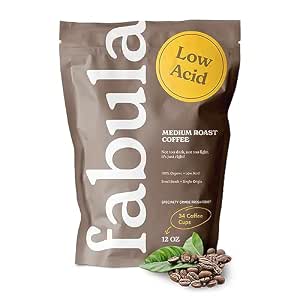
Best Gentle Cup
|
Organic low-acid roast
|
Price on Amazon | |
|
Best Espresso Pick

|
Low-acid espresso roast
|
Price on Amazon | |
|
Best Light Roast

|
Sweet low acidity
|
Price on Amazon | |
|
Best Bold Smooth
|
Dark low-acid body
|
Price on Amazon | |
|
Best Decaf Option
|
Swiss Water decaf
|
Price on Amazon | |
|
Best Costa Rica

|
Smooth organic roast
|
Price on Amazon | |
|
Best Small Batch

|
Mellow organic blend
|
Price on Amazon | |
|
Best Ground Backup

|
Very low-acid roast
|
Price on Amazon |
What Makes Coffee Beans Low-Acid?
Low-acid coffee is usually shaped by a few things: origin, roast level, processing, brewing method, freshness, and grind. Some coffees naturally taste brighter because of where they are grown and how they are processed. Others taste mellow because they come from regions or roast profiles that bring more chocolate, nuts, and body instead of citrus-like acidity.
In general, low-acid coffee beans often have:
- Mellow flavor
- Smooth finish
- Chocolate or cocoa notes
- Nutty sweetness
- Lower citrus brightness
- Medium to full body
- Gentle aftertaste
- Less sharpness when brewed black
- Good compatibility with milk
- More roundness than sparkle
A lot of low-acid coffee leans toward medium, medium-dark, or dark roast because roasting reduces some of the sharper perceived acidity and develops deeper flavors. But I would not automatically choose the darkest bean available. A very dark roast can reduce acidity, but it can replace it with bitterness or smoky dryness. That is not always better.
The best low-acid coffee should feel calm, not burnt. Smooth, not stale. Soft, not empty.
Best Roast Level for Low-Acid Coffee Beans
For most low-acid coffee drinkers, medium-dark roast is the safest starting point. It gives enough roast development to soften sharp acidity while keeping chocolate, caramel, and nutty sweetness. Medium-dark roast is also versatile. It works well in drip machines, French presses, moka pots, cold brews, and milk drinks.
Medium roast can also be excellent if the bean comes from a naturally mellow origin. A medium roast Colombian, Brazilian, Peruvian, or some Central American coffee can taste smooth without becoming too dark. This is the direction I like for black coffee drinkers who want low acidity but still want a clean cup.
Dark roast can work if you enjoy bold coffee, but I choose it carefully. Dark roast often tastes less acidic, but it can become bitter, smoky, or oily. If you are choosing dark roast for low acidity, look for notes like dark chocolate, cocoa, toasted nuts, or molasses rather than smoke, char, or burnt sugar.
Light roast is usually not the easiest low-acid choice. Some light roasts are sweet and gentle, but many are intentionally bright. If you are sensitive to acidity, I would not start there.
Quick Comparison: Best Low-Acid Coffee Bean Styles
| Bean Style | Best For | Typical Flavor | Why It Works | Example Pick |
|---|---|---|---|---|
| Dedicated low-acid medium roast | Gentle daily coffee | Nutty, mellow, soft cocoa | Designed for a smoother cup with less sharpness. | Lifeboost Low Acid Coffee |
| Brazilian medium roast | Smooth black coffee | Chocolate, nuts, brown sugar | Brazilian beans often taste naturally mellow and rounded. | Volcanica Brazil Coffee |
| Colombian medium roast | Balanced morning cups | Caramel, cocoa, mild fruit | Gives gentle sweetness without feeling too flat. | Fresh Roasted Colombian Supremo |
| Low-acid dark roast | Bold low-acid coffee | Dark chocolate, roast, molasses | Reduces brightness while giving more body and depth. | Puroast Low Acid Coffee |
| Smooth medium-dark blend | Milk drinks and moka pot | Cocoa, caramel, toasted nuts | Works well when milk softens the cup even further. | Lavazza Super Crema |
My Favorite Low-Acid Bean Profile
If I had to choose one low-acid bean profile for most people, I would choose a medium or medium-dark roast with chocolate, nutty, and caramel notes. That flavor profile gives the cup enough sweetness and body without too much sharpness. It also works across many brewing methods, which makes it easier for daily use.
A dedicated low-acid option like Lifeboost Low Acid Coffee makes sense if low acidity is your main priority. It is the kind of bean I would consider for someone who wants a gentler daily cup and does not want to experiment too much.
If I wanted a smoother origin-driven cup, I would look at Brazilian or Colombian beans. Brazilian coffee often has nutty, chocolatey, mellow flavors, while Colombian coffee tends to balance caramel, cocoa, and mild fruit. Fresh Roasted Colombian Supremo is a good example of an approachable direction for people who want smoothness without giving up flavor.
The best low-acid bean should not make you feel like you are sacrificing taste. It should simply remove the sharp edge.
Best Low-Acid Coffee Beans for Black Coffee
Black coffee is where low-acid beans matter most because there is no milk to soften the cup. If you drink coffee black and dislike sourness, I would start with medium-roast beans from mellow origins such as Brazil, Colombia, Peru, or some Guatemalan profiles.
For black low-acid coffee, I like beans with notes of cocoa, almond, hazelnut, brown sugar, and soft caramel. These notes make the cup feel naturally sweet. I avoid beans that emphasize lemon, grapefruit, bright citrus, or wine-like acidity if the goal is comfort.
A bean like fresh-roasted Colombian Supremo can work well for a smoother black coffee because it gives enough sweetness and structure without extreme brightness. A Brazilian option like Volcanica Brazil coffee can also be a strong direction if you prefer nutty chocolate flavors.
A good low-acid black coffee should taste gentle but still complete. If it tastes flat, try grinding a little finer or using a slightly stronger ratio before changing beans.
Best Low-Acid Coffee Beans for Drip Coffee

Drip coffee is one of the easiest ways to enjoy low-acid beans because the paper filter keeps the cup clean, and the brew style is familiar. For drip machines, medium-roast low-acid beans usually work best. They extract easily and give a balanced cup without becoming too heavy.
If your drip coffee tastes sour, the beans may be too bright, the grind may be too coarse, or the machine may not be brewing hot enough. A smoother medium roast can help, but so can using a slightly finer grind.
For drip coffee, I like low-acid beans with chocolate, caramel, nutty, or brown sugar notes. These flavors stay pleasant across a full mug. A very dark roast may taste less acidic, but it can become bitter by the end of the cup.
A low-acid drip coffee should be easy to drink every morning. It should not need sugar just to feel balanced.
Best Low-Acid Coffee Beans for French Press
A French press creates a fuller-bodied cup because it uses a metal filter. That makes bean choice especially important. Low-acid beans can work beautifully in a French press because the method adds body while the bean keeps the flavor smooth.
For the French press, I like medium or medium-dark, low-acid beans. Brazilian and Colombian profiles are especially good because they bring chocolate and nutty sweetness. A dedicated low-acid bean also works well if it has enough body.
The key is using a coarse grind. If the grind is too fine, French press coffee can taste muddy and bitter, even with low-acid beans. Also, do not leave the coffee sitting in the press after plunging. Pour it into a mug or carafe so it stops extracting.
A low-acid French press should feel rich and rounded, not heavy and sludgy.
Best Low-Acid Coffee Beans for Cold Brew
Cold brew is naturally one of the gentlest brewing methods for people who dislike sharp coffee. Because it uses cold or room-temperature water and long steeping, it usually tastes smoother and less acidic than hot-brewed coffee. But the bean still matters.
For low-acid cold brew, I like medium-dark beans with chocolate, caramel, molasses, and nutty notes. The cold brew process pulls sweetness and body beautifully from these beans. A dedicated low-acid coffee can become even smoother when brewed cold.
Bizzy Organic Smooth & Sweet is also a practical cold-brew-friendly direction if you want a smoother, sweeter batch-style drink. It is not only about acidity; it is also about getting enough chocolatey body after a long steep.
For low-acid cold brew, use a coarse grind and avoid over-steeping. Too much time can make the cup woody or dull.
Best Low-Acid Coffee Beans for Espresso

Low-acid espresso can be tricky because espresso magnifies everything. If the bean is bright, the shot can taste sharp. If the bean is too dark, the shot can taste bitter. For low-acid espresso, I prefer medium-dark blends with chocolate, caramel, and toasted nut notes.
A bean like Lavazza Super Crema can work for smoother espresso-style drinks because it has body and a rounded profile. It is not a dedicated low-acid bean, but it is often easier on the palate than brighter specialty espresso beans.
For true low-acid espresso, choose beans that avoid citrus-heavy tasting notes. Look for cocoa, nuts, brown sugar, caramel, and dark chocolate. Also, dial in carefully. A sour espresso is often under-extracted, not necessarily too acidic by nature. Grinding finer or increasing extraction may solve the problem.
If you make lattes or cappuccinos, milk will soften the acidity even more. That makes medium-dark low-acid espresso blends especially useful for milk drinks.
Best Low-Acid Coffee Beans for Iced Coffee
Iced coffee can taste smoother than hot coffee, but it can also taste sharp if the beans are acidic or the brew is under-extracted. For low-acid iced coffee, I prefer medium or medium-dark beans with cocoa, caramel, and nutty notes.
Cold temperature mutes aroma, so the bean needs enough body to stay flavorful. A mellow Brazilian or Colombian roast can work beautifully. A dedicated low-acid bean can also make iced coffee feel gentler.
If you brew hot coffee and pour it over ice, make it stronger than normal because ice dilutes the cup. If the coffee tastes weak, use a stronger ratio. If it tastes sour, use a finer grind or choose a less bright bean.
Low-acid iced coffee should taste refreshing, smooth, and lightly sweet—not watery or sharp.
Best Low-Acid Coffee Beans with Milk
Milk naturally softens coffee acidity, so low-acid beans and milk can make an especially smooth drink. If you like lattes, cappuccinos, flat whites, or coffee with cream, choose medium-dark beans with chocolate, caramel, cocoa, or toasted nut notes.
This is where a smooth blend like Lavazza Super Crema can work nicely. The milk makes the cup even rounder, and the bean still has enough body to remain noticeable.
For oat milk, I prefer chocolatey and nutty grains. For almond milk, I choose beans with more body because almond milk can feel thin. For whole milk, medium-dark low-acid beans usually taste creamy and naturally sweet.
A low-acid milk drink should taste soft, rounded, and comforting without feeling weak.
Best Origins for Low-Acid Coffee Beans
Origin is one of the easiest ways to choose smoother coffee. While every farm and roast is different, certain origins often lean more mellow.
Brazilian beans are one of my favorite low-acid varieties because they often taste nutty, chocolatey, and smooth. Colombian beans offer a balanced cup with caramel, cocoa, and mild fruit. Peruvian beans can be gentle, sweet, and approachable. Sumatran beans are often earthy, full-bodied, and lower in perceived acidity. Guatemalan beans can bring chocolate and spice with moderate brightness.
Ethiopian and Kenyan coffees can be amazing, but they are often brighter. If you are specifically avoiding acidity, I would approach them carefully. Some natural Ethiopian coffees have sweet berry notes that may still work, but citrus-heavy washed coffees may feel too sharp.
For beginners seeking low acidity, I would start with Brazil, Colombia, Peru, Sumatra, or a dedicated low-acid blend.
Whole Bean vs. Ground Low-Acid Coffee
Whole beans are better if you can grind them at home. Fresh grinding improves aroma and lets you match the grind to your brewing method. This matters because bad extraction can make even low-acid coffee taste sour or bitter.
Use:
- Coarse grind for French press
- Medium grind for drip coffee
- Medium-fine grind for moka pot
- Fine grind for espresso
- Coarse grind for cold brew
Pre-ground low-acid coffee can be convenient, especially if you do not have a grinder yet. Just make sure the grind matches your method. If you use drip-ground coffee in a French press, it may taste muddy. If you use coarse coffee in espresso, it will taste weak and sour.
Low-acid beans help, but grind size still controls flavor.
Best Brewing Methods for Low-Acid Coffee

Cold brew is usually the gentlest method because it reduces sharpness and emphasizes sweetness. A French press can also feel smooth if brewed correctly, though it has more body and oils. Drip coffee is a reliable daily method when paired with medium-roast low-acid beans. A moka pot can work if you use medium-low heat and avoid over-extraction. Espresso can be low-acid if you choose the right beans and dial in carefully.
If acidity bothers you, I would start with cold brew or drip coffee. Then try a French press if you want more body. Moka pot and espresso are more intense, so they need more careful control.
The brewing method can make the same bean taste completely different. A low-acid bean brewed badly can still taste harsh.
Best Grind Size for Low-Acid Coffee
Grind size matters because sourness often comes from under-extraction. If your coffee tastes sharp even though the bean is low-acid, the grind may be too coarse or the brew time too short.
If coffee tastes sour:
- Grind finer.
- Brew a little longer.
- Use hotter water for medium roasts.
- Increase contact time.
If coffee tastes bitter:
- Grind coarser.
- Shorten brew time.
- Avoid very dark, oily beans.
- Use slightly cooler water.
If coffee tastes weak:
- Use more coffee.
- Check freshness.
- Use a stronger ratio.
- Choose a fuller-bodied bean.
Low-acid coffee is not only about buying the right bag. It is also about brewing it in a way that brings out sweetness.
Best Coffee-to-Water Ratio for Low-Acid Coffee
For most hot brewing methods, I like starting around 1:16 coffee to water. That means 20 grams of coffee with 320 grams of water. For the French press, 1:15 or 1:16 works well. For cold brew, 1:8 works for ready-to-drink coffee, while 1:4 works for concentrate.
If your low-acid coffee tastes thin, use a stronger ratio. Smooth coffee can become boring if brewed too weakly. If it tastes heavy, use a little more water or choose a cleaner method like drip or pour-over.
A balanced low-acid cup should still have enough concentration. Low acidity should not mean low flavor.
How Fresh Should Low-Acid Coffee Beans Be?
Freshness matters, even for low-acid beans. Stale coffee often tastes flat, woody, or papery. It may not taste acidic, but it will not taste good either.
I like buying whole beans in amounts I can finish within a few weeks after opening. Store them sealed away from heat, light, air, and moisture. Avoid daily fridge storage because condensation can hurt freshness.
If the beans smell sweet, nutty, chocolatey, or aromatic when ground, you are in good shape. If they barely smell like anything, the final cup will probably taste dull.
Low-acid coffee should taste smooth and alive, not old and empty.
My Personal Pick for Most Low-Acid Coffee Drinkers
My personal pick for most low-acid coffee drinkers would be a medium roast or medium-dark roast with chocolate, nutty, and caramel notes. That style gives the best balance between smoothness and flavor.
If low acidity is the main priority, I would start with Lifeboost Low-Acid Coffee. If I wanted a naturally mellow origin, I would try Volcanica Brazil Coffee or Fresh Roasted Colombian Supremo. If I wanted a darker, low-acid direction, Puroast Low Acid Coffee would make sense. If I wanted a smoother bean for milk drinks or a moka pot, Lavazza Super Crema would be a practical option.
The best choice depends on your drink style. Black coffee needs clean sweetness. Milk drinks need a body. Cold brew needs chocolatey smoothness. Espresso needs careful dialing in. But in almost every case, the safest low-acid direction is smooth, medium, and naturally sweet.
Common Low-Acid Coffee Bean Mistakes

The first mistake is assuming dark roast is always better. Dark roast may taste less acidic, but it can become bitter or smoky.
The second mistake is choosing coffee that is low-acid but stale. Low sharpness does not matter if the cup tastes flat.
The third mistake is using the wrong grind. Under-extraction can make even low-acid beans taste sour.
The fourth mistake is brewing too weakly. Low-acid coffee can taste dull if the ratio is too thin.
The fifth mistake is ignoring the origin. Some origins are naturally brighter, while others are naturally mellow.
The sixth mistake is expecting low-acid coffee to taste flavorless. Good low-acid coffee should still taste rich, sweet, and aromatic.
The seventh mistake is using boiling-hot water with very dark beans. This can pull bitterness and make the cup harsh in a different way.
Final Thoughts: The Best Low-Acid Beans Should Be Gentle, Not Boring
The best low-acid coffee beans are those that reduce sharpness while keeping flavor. They should taste smooth, sweet, and rounded, with enough body to feel satisfying. For most people, medium and medium-dark roasts with chocolate, nutty, caramel, or cocoa notes are the best place to start.
If you want the gentlest cup, try dedicated low-acid coffee or cold brew. If you want smooth black coffee, choose Brazilian or Colombian medium roasts. If you want milk drinks, choose chocolatey medium-dark blends. If you want bold coffee, choose smooth, dark, low-acid beans carefully.
Low-acid coffee should not feel like a compromise. When the bean and brew method match, it can be rich, calm, naturally sweet, and easy to drink every day.
FAQ: Best Low-Acid Coffee Beans
What coffee beans are best for low-acid coffee?
The best low-acid coffee beans are usually medium- or medium-dark-roasted with chocolate, nutty, caramel, cocoa, or brown sugar notes. Brazilian, Colombian, Peruvian, Sumatran, and dedicated low-acid blends are good starting points.
Is dark roast lower in acid?
Dark roast often tastes less acidic than light roast, but it can also taste more bitter or smoky. Medium-dark roast is often a better balance because it reduces sharpness without becoming too burnt.
Is low-acid coffee less bitter?
Not always. Low-acid coffee means less sharpness, not automatically less bitterness. Bitterness depends on roast level, grind size, brew time, and extraction.
What coffee origin is lowest in acidity?
Brazil, Sumatra, Peru, Colombia, and some Guatemalan coffees often taste smoother and less acidic. However, roast level and processing also matter.
Is cold brew better for low-acid coffee?
Yes, cold brew usually tastes smoother and less acidic because it extracts slowly with cold or room-temperature water. It is one of the best methods for people who dislike sharp coffee.
What roast is best for low-acid coffee?
Medium-dark roast is usually the safest low-acid choice. It gives a smooth body, chocolatey flavor, and less sharpness without becoming too bitter.
Can low-acid coffee still taste good black?
Yes, good low-acid coffee can taste excellent black. Look for beans with chocolate, caramel, nutty, or brown sugar notes so the cup still feels flavorful.
What low-acid coffee is best with milk?
Medium-dark beans with cocoa, caramel, and toasted nut notes are best with milk. They become smoother and creamier without disappearing.
Why does my low-acid coffee still taste sour?
It may be under-extracted. Try grinding finer, brewing longer, using hotter water, or choosing a more developed roast.
Why does my low-acid coffee taste flat?
It may be stale, brewed too weak, or too low in extraction. Use fresher beans, a stronger ratio, or a slightly finer grind to bring out more sweetness.


