
Best Coffee Beans for Large Batch Brewing


OneHundredCoffee is reader-supported, and some products displayed may earn us an affiliate commission. Details
Large batch brewing is a very different world from making one careful cup at home. When I brew one pour-over for myself, I can choose a delicate bean, adjust the grind, control every pour, and drink it while it is still at its best. But when coffee is brewed for an office, meeting room, brunch table, church event, hotel station, catering setup, or family gathering, the coffee has to do a much harder job. It has to taste good across many cups, please different people, hold up for a little while after brewing, and avoid becoming bitter, sour, or flat as it sits.
That is why choosing the best coffee beans for large-batch brewing is less about chasing the most unusual tasting notes and more about consistency. A large batch of coffee beans should be smooth, balanced, approachable, and forgiving. It should taste good black, but it should also work with milk, cream, sugar, oat milk, or flavored creamer. It should not be so light that half the room thinks it tastes sour. It should not be so dark that the last cup from the airpot tastes burnt. The safest choices are usually medium roast or medium-dark roast beans with chocolate, caramel, cocoa, toasted nuts, brown sugar, almond, hazelnut, or mild fruit notes.
As we discussed previously in our published article about Best Coffee Beans for Office Coffee Machines, shared coffee needs to be dependable before it is adventurous. Large batch brewing follows the same logic. You are not brewing for one person’s exact palate. You are brewing for a group. That means the best bean is often the one that disappears into the moment in the best way: people drink it, enjoy it, refill their cups, and do not complain that it is too bitter, too weak, too sharp, or too strange.
A good, large batch of beans should make the whole pot taste balanced from the first cup to the last.
Best Coffee Beans for Large-Batch Brewing—At a Glance
| Image | Product | Features | Price |
|---|---|---|---|
|
Best Daily Batch

|
5 lb medium roast
|
Price on Amazon | |
|
Best Office Pot
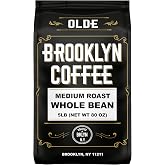
|
Fresh bulk roast
|
Price on Amazon | |
|
Best Value Bulk

|
5 lb everyday blend
|
Price on Amazon | |
|
Best Bold Batch
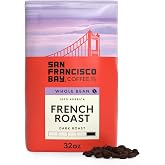
|
2 lb dark roast
|
Price on Amazon | |
|
Best Smooth Dark
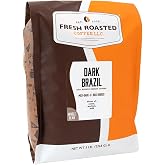
|
5 lb Brazilian roast
|
Price on Amazon | |
|
Best Rich Batch
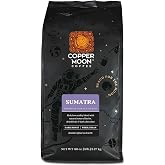
|
5 lb dark roast
|
Price on Amazon | |
|
Best Low-Acid Bulk
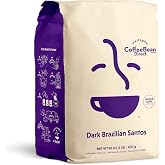
|
5 lb dark Brazil
|
Price on Amazon | |
|
Best Strong Batch
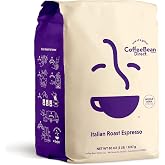
|
5 lb Italian roast
|
Price on Amazon | |
|
Best Light Batch

|
32 oz organic bag
|
Price on Amazon | |
|
Best Medium Batch

|
32 oz medium roast
|
Price on Amazon |
What Makes Coffee Beans Good for Large-Batch Brewing?
The best coffee beans for large batch brewing need to be forgiving. Big brewers do not always extract like small manual brewers. Water distribution can vary, batch size changes extraction, holding time affects flavor, and the coffee may sit in a thermal carafe, air pot, urn, or glass pot for longer than ideal. That means the bean should not be fragile.
For large batch brewing, I usually look for beans with the following:
- Smooth medium body
- Low harsh bitterness
- Moderate acidity
- Chocolate, caramel, cocoa, or nutty notes
- Good flavor when black
- Good flavor with milk or cream
- Clean finish across a full mug
- Consistent roast quality
- Good bulk value
- Fresh whole-bean aroma
The most important part is balance. A bright specialty light roast may taste beautiful in a single pour-over, but in a large batch brewer, it can taste sour, thin, or inconsistent if the extraction is not perfect. A very dark roast may feel strong at first, but once brewed in a big batch and held warm, the bitterness can become heavy.
Large-batch coffee should feel smooth and steady. It does not need to be boring, but it should not be polarizing. Chocolatey, nutty, caramel-like beans are usually the safest because they taste familiar and comfortable to most coffee drinkers.
Best Roast Level for Large Batch Coffee Beans
For most large-batch brewing, medium roast is the best starting point. Medium roast gives enough sweetness and body without becoming too bitter. It works well in commercial drip brewers, home drip machines, batch brewers, office brewers, airpots, thermal carafes, and event coffee urns. It is also the most crowd-friendly roast level because it usually tastes good black and with milk.
Medium-dark roast is a good choice when you want a richer, stronger batch. It works especially well when many people add milk or cream. Medium-dark beans often bring cocoa, toasted nuts, caramel, and brown sugar notes. They can feel more satisfying in a large mug, but they should still be smooth.
Dark roast can work if the crowd prefers bold coffee, but I would be careful. Very dark beans can taste bitter or smoky when brewed in large batches, especially if the coffee sits too long on the heat. If you choose dark roast, look for smooth dark chocolate notes rather than burnt or ashy flavors.
Light roast is usually not my first choice for large-batch brewing. It can taste bright, fruity, and complex, but it is less forgiving. In shared coffee, many people interpret bright acidity as sourness. Light roast can work for a specialty-focused event, but for general, large-batch brewing, medium roast is safer.
Quick Comparison: Best Coffee Bean Styles for Large-Batch Brewing
| Bean Style | Best For | Typical Flavor | Why It Works in Large Batches | Example Pick |
|---|---|---|---|---|
| Medium roast house blend | General batch brewing | Caramel, cocoa, mild fruit | Balanced, crowd-friendly, and smooth across many cups. | Intelligentsia House Blend |
| Colombian medium roast | Office pots and events | Chocolate, caramel, apple | Sweet, familiar, and easy to drink black or with milk. | Fresh Roasted Colombian Supremo |
| Brazilian medium roast | Low-acid large batches | Chocolate, nuts, brown sugar | Naturally mellow and less likely to taste sharp in big brewers. | Volcanica Brazil Coffee |
| Medium-dark blend | Milk and cream drinkers | Cocoa, caramel, toasted nuts | Richer body helps coffee stay present after milk is added. | Lavazza Super Crema |
| Low-acid medium roast | Gentler group coffee | Nutty, mellow, soft cocoa | Good for people who dislike sour, sharp, or aggressive coffee. | Lifeboost Low Acid Coffee |
My Favorite Bean Profile for Large-Batch Brewing
If I had to choose one bean profile for most large-batch brewing, I would choose a medium-roast Colombian or balanced house blend with chocolate, caramel, and mild fruit notes. That profile is easy for most people to enjoy. It has enough sweetness to drink black, enough body to handle milk, and enough balance to avoid becoming unpleasant after sitting for a while.
A bean-like, fresh-roasted Colombian Supremo fits this large batch direction because Colombian coffees often bring a smooth middle ground. They are not usually too sharp, too earthy, or too smoky. They taste familiar, which matters when brewing for a group.
If I wanted a more general house-blend style, Intelligentsia House Blend would make sense. If the group prefers milk, cream, or stronger coffee, Lavazza Super Crema can work well because it has a medium-dark body.
For a smoother, low-acid batch, I would look toward Brazilian beans or a dedicated low-acid option like Lifeboost Low Acid Coffee. Large-batch coffee should feel easy, and lower-acid beans can help if the crowd dislikes sharpness.
Best Beans for Office Large-Batch Brewing

Office large-batch coffee needs to be predictable. People usually drink it at different times, with different add-ins, and under different expectations. Some people want a quick black mug. Some want milk. Some want a refill after a meeting. This is not where I would use a highly experimental bean as the main coffee.
For offices, I prefer medium roast beans with chocolate, caramel, cocoa, almond, or mild fruit notes. These flavors stay pleasant across a full mug and do not become too strange as the coffee cools. Colombian medium roasts and balanced house blends are excellent.
If the office uses a thermal brewer or air pot, medium roast is especially useful because it stays smoother than dark roast over time. If the office uses glass pots on warming plates, I would avoid very dark beans because bitterness can increase as coffee sits.
A good office batch bean should reduce complaints, not start debates.
Best Beans for Event Coffee and Catering
Event coffee has to please a wide range of people quickly. Weddings, conferences, brunches, workshops, community events, and church gatherings all need coffee that is smooth, simple, and reliable. People are usually not analyzing tasting notes. They just want a good cup that tastes fresh and comfortable.
For event coffee, I would choose a medium roast or smooth medium-dark roast. Chocolate, caramel, and nutty notes are safest. Avoid very light roasts unless the event is specifically coffee-focused. Avoid very dark, smoky beans unless the group clearly prefers bold coffee.
For catering, consistency matters even more. Use the same bean, same grind, same ratio, and same brewer setting for every batch. If one batch tastes great and the next tastes weak, the issue is usually measurement, grind, or holding time.
A good instant bean should taste pleasant with or without milk. It should not need explanation.
Best Beans for Coffee Urns and Airpots
Coffee urns and airpots are common for large groups, but they can make coffee taste flat or bitter if the beans are wrong. Since coffee may sit for a while, choose beans with smoothness and low harsh bitterness.
Medium roast works best for most urns and airpots. It stays cleaner than dark roast and feels more drinkable as it cools. Brazilian and Colombian beans are particularly useful because they bring mellow sweetness and body.
If the coffee will sit for a long time, use thermal holding instead of direct heat whenever possible. A good bean can still taste bad if it is cooked on a hot plate for too long. Airpots usually preserve flavor better than glass pots on warmers.
For urns, avoid delicate light roasts and smoky dark roasts. Choose steady, smooth beans that hold their shape.
Best Beans for Large Batch Coffee with Milk and Cream
If most people add milk, half-and-half, oat milk, or creamer, the bean needs more body. A light or delicate bean can disappear. A medium-dark roast works better because it brings more cocoa, caramel, and toasted nut depth.
For milk-friendly large-batch coffee, I like beans with chocolate, hazelnut, brown sugar, and caramel notes. These flavors blend naturally with dairy and plant milk. They make the coffee taste fuller without needing excessive roast bitterness.
Lavazza Super Crema can work in this role when brewed appropriately as a stronger batch or used in machines that grind and brew larger volumes. It has more body than many lighter beans, which helps when milk is scarce.
If your large-batch coffee tastes weak after milk is added, increase the coffee dose slightly rather than choosing the darkest roast available.
Best Low-Acid Beans for Large Batch Brewing
Low-acid beans are a smart choice for shared coffee because not everyone likes brightness. In large batches, sharp acidity can become more noticeable, especially if the coffee cools. A low-acid or naturally mellow bean can make the pot feel smoother and more approachable.
Brazilian beans are one of my favorite low-acid varieties because they often taste like chocolate, nuts, and brown sugar. Colombian beans can also be smooth while keeping a little pleasant fruit. Dedicated low-acid beans are useful when the group specifically complains about sour or sharp coffee.
Lifeboost Low Acid Coffee is a gentle option if low acidity is a priority. Volcanic Brazilian coffee is a good origin-style direction if you want naturally mellow, chocolatey notes.
Low-acid, large-batch coffee should still taste full. If it tastes dull, the batch may be too weak, or the beans may be stale.
Best Beans for Large-Batch Iced Coffee
Large-batch iced coffee needs more strength because ice dilutes flavor and cold temperature mutes aroma. A bean that tastes perfect hot may taste weak once chilled. For large-batch iced coffee, I like medium-dark beans or smooth medium roasts with strong chocolate, caramel, cocoa, or nutty notes.
If brewing hot coffee over ice, brew stronger than usual. The ice becomes part of the recipe. If brewing ahead and chilling, use a slightly stronger ratio so the coffee still tastes complete when served cold.
For iced coffee stations, medium-dark beans often work better if people add milk or syrup. Medium roast works better if people drink it black. Avoid very light, acidic beans unless the event is specialty-focused.
A large batch of iced coffee should taste refreshing but still clearly like coffee.
Whole Bean vs. Ground Coffee for Large-Batch Brewing
Whole beans are better if you have a good grinder that can handle the batch volume. Fresh grinding gives a better aroma and lets you match the grind to the brewer. But large batch brewing often happens in offices or events where convenience matters. In that case, pre-ground coffee can work if it is fresh and ground correctly.
For commercial drip brewers and batch brewers, a medium grind is usually best. For urns, the grind depends on the filter basket but is often medium to medium-coarse. For French press-style batch brewing, use a coarse grind. For cold brew batches, use a coarse grind.
If using pre-ground coffee, buy smaller amounts more often. A huge bag of ground coffee sitting open for weeks will make every batch taste dull. Whole beans stay fresher longer, but only if someone is willing to grind properly.
The best choice is the one the team can execute consistently.
Best Grind Size for Large Batch Brewing
Grind size matters more in large-batch brewing than many people think. A big brewer can make coffee taste sour, bitter, or weak if the grind is wrong.
Use a medium grind for most drip batch brewers. Use medium-coarse if the brew time is long or the filter is large. Use coarse grind for French press-style batch brewing and cold brew. Avoid espresso-fine grinds in large-batch drip brewers because they can over-extract, clog filters, and create bitterness.
If the batch tastes sour, the grind may be too coarse or the brew too weak. If it tastes bitter, the grind may be too fine or the contact time too long. If it tastes watery, use more coffee or reduce the water. If it tastes muddy, grind coarser or check the filter.
A smooth bean still needs the right grind to taste smooth.
Best Coffee-to-Water Ratio for Large Batch Brewing
Large-batch coffee often goes wrong because people use too little coffee. Weak coffee seems economical, but it usually leads to disappointment. People add more sugar or creamer or complain that the coffee tastes watery. A proper ratio makes the whole batch taste better.
A good starting point is around 1:16 coffee to water. For stronger batch coffee, use 1:15. For very crowd-friendly coffee, 1:16 to 1:17 can work if the bean has enough body. For iced coffee, brew stronger because ice dilutes the cup.
If measuring by volume, use consistent scoops and document the recipe. For offices and events, I like writing the ratio down so each batch tastes the same.
Large batch brewing is about repeatability. Once the ratio works, keep it consistent.
How to Keep Large Batch Coffee from Tasting Bitter
Bitterness is the biggest large-batch complaint. It usually comes from overly dark beans, too fine a grind, too much contact time, too much heat after brewing, or coffee sitting too long.
To reduce bitterness:
- Choose medium or smooth medium-dark beans.
- Avoid smoky dark roasts.
- Use the correct grind.
- Do not overbrew.
- Hold coffee in thermal containers.
- Avoid long warming-plate time.
- Clean the brewer regularly.
- Use fresh beans.
A good bean can become bitter if the brewed coffee is cooked after brewing. Glass pots on hot plates are especially risky. Thermal carafes and airpots are better because they keep coffee hot without continuing to cook it.
The bean matters, but the holding method matters too.
How to Keep Large-Batch Coffee from Tasting Weak

Weak, large-batch coffee usually comes from using too little coffee, too coarse a grind, stale beans, or too much water. The solution is not always to brew longer. Longer brewing can make coffee bitter without making it taste fuller.
To improve weak batch coffee:
- Use a stronger ratio.
- Use fresher beans.
- Grind slightly finer if appropriate.
- Choose beans with more body.
- Avoid oversized batches beyond the brewer’s design.
- Stir the finished batch gently if needed for consistency.
If many people add milk, brew a little stronger. Milk dilutes flavor. A medium-dark bean can also help because it gives more body and chocolatey depth.
Good large-batch coffee should taste complete before add-ins, not be rescued by them.
Best Origins for Large-Batch Coffee

Certain origins are naturally good for large-batch brewing. Colombian beans are probably one of the safest choices because they often bring caramel, cocoa, mild fruit, and balance. Brazilian beans are excellent for mellow, low-acid, chocolatey coffee. Guatemalan beans can add chocolate, spice, and gentle citrus sweetness. Peruvian beans are often smooth and approachable.
Ethiopian and Kenyan beans can be beautiful, but they are usually not my first choice for general large-batch coffee unless the event is specialty-focused. Their brightness can be polarizing in big batches.
For most shared coffee, I would choose Colombia, Brazil, Guatemala, Peru, or a balanced house blend. These profiles are familiar enough for a crowd while still offering real flavor.
Best Storage for Bulk Large Batch Beans
Bulk coffee needs careful storage. Buying larger bags can save money, but only if the coffee stays fresh. Beans should be kept sealed away from air, heat, light, and moisture. Do not leave bags open near the brewer or in a warm kitchen area.
For offices and events, I like keeping one active bag and the rest sealed. If using whole beans, grind only what is needed for the batch. If using pre-ground coffee, store it airtight and use it quickly.
Do not buy months of coffee at once unless turnover is high. Stale coffee is one of the easiest ways to make a good brewer taste bad.
Freshness is not a luxury in large-batch brewing. It is part of consistency.
My Personal Pick for Most Large-Batch Brewing
My personal pick for most large-batch brewing would be a medium-roast Colombian coffee or a balanced medium-roast house blend. This style gives the best mix of smoothness, crowd appeal, and flexibility.
If I wanted one dependable bean for office pots, events, and general batch brewing, I would choose fresh-roasted Colombian Supremo. If I wanted a balanced house-blend style, Intelligentsia House Blend would make sense. If I wanted a lower-acid, mellow batch, I would look at Volcanica Brazil Coffee or Lifeboost Low Acid Coffee. If the crowd uses a lot of milk, Lavazza Super Crema can work as a richer medium-dark option.
The best choice depends on the crowd. Black coffee drinkers need smoothness. Milk drinkers need a body. Offices need consistency. Events need a broad appeal. Large batch brewing is not about the loudest bean. It is about the most dependable one.
Common Large-Batch Brewing Bean Mistakes
The first mistake is choosing beans that are too dark. Dark roast may seem strong, but in large batches it can become bitter and smoky.
The second mistake is choosing beans that are too light. Light roast can taste sour or thin in big brewers if the extraction is not perfect.
The third mistake is buying too much coffee and letting it go stale.
The fourth mistake is using pre-ground coffee that does not match the brewer.
The fifth mistake is brewing too weakly to save money. Weak coffee rarely satisfies a group.
The sixth mistake is leaving coffee on the heat too long. Even good beans can taste burnt after sitting.
The seventh mistake is choosing a bean for one coffee enthusiast instead of the whole group.
Final Thoughts: The Best Large-Batch Beans Should Be Smooth, Reliable, and Easy to Share
The best coffee beans for large-batch brewing are smooth, balanced, and forgiving. They should taste good across many cups, work for black coffee and milk drinkers, and avoid harsh bitterness as the batch sits. For most offices, events, and shared brewers, medium roast is the safest choice. Medium-dark roast is better when people add milk or want a richer cup.
Choose beans with chocolate, caramel, cocoa, nuts, brown sugar, or mild fruit notes. Avoid extremes unless the crowd specifically wants them. Keep beans fresh, use the right grind, measure the ratio, and hold coffee in thermal containers when possible.
Large-batch coffee does not need to taste generic. With the right beans and a consistent recipe, it can taste smooth, warm, full, and genuinely enjoyable from the first cup to the last.
FAQ: Best Coffee Beans for Large Batch Brewing
What coffee beans are best for large-batch brewing?
The best coffee beans for large batch brewing are smooth, medium, or medium-dark roast beans with chocolate, caramel, cocoa, nutty, brown sugar, or mild fruit notes. They should be balanced and crowd-friendly.
What roast is best for large-batch coffee?
Medium roast is usually best for large-batch coffee because it stays smooth, works well black or with milk, and is less likely to become bitter than very dark roasts.
Is dark roast good for large-batch brewing?
Dark roast can work if the crowd likes bold coffee, but very dark beans can taste bitter or smoky in large batches, especially if the coffee sits on the heat.
Is light roast good for large-batch brewing?
Light roast can work for specialty-focused groups, but it is not the safest general choice. It may taste sour or thin if the large-batch brewer does not extract it well.
What beans are best for office batch coffee?
Medium-roast Colombian, Brazilian, or balanced house blends are best for office batch coffee because they are smooth, familiar, and easy for many people to enjoy.
What beans are best for large-batch coffee with milk?
Medium-dark beans with chocolate, cocoa, caramel, and toasted nut notes work best because they keep enough body after milk or cream is added.
Should I use whole beans or ground coffee for large batches?
Whole beans are better if you can grind fresh for the brewer. Pre-ground coffee can work for convenience, but it should be fresh and ground correctly for the brewing method.
What grind size is best for large-batch brewing?
Most large-batch drip brewers use a medium grind. Coffee urns may need a medium to medium-coarse grind, while cold brew and French press-style batches need a coarse grind.
Why does large-batch coffee taste bitter?
Large batch coffee tastes bitter when the beans are too dark, the grind is too fine, the brew time is too long, or the coffee sits on the heat too long after brewing.
Why does large-batch coffee taste weak?
Large batch coffee tastes weak when too little coffee is used, the grind is too coarse, the beans are stale, or the batch size is too large for the brewer. Use a stronger ratio and fresher beans.


