
Best Coffee Beans for Cappuccino


OneHundredCoffee is reader-supported, and some products displayed may earn us an affiliate commission. Details
A cappuccino is one of those drinks that looks simple until you start making it seriously at home. Espresso, steamed milk, and foam—that is the basic structure. But the more I make cappuccinos, the more I realize that the coffee bean matters even more than people think. A latte gives the coffee more milk to hide in. A cappuccino is less forgiving. The espresso has to show up clearly, sit confidently under the milk foam, and still taste smooth once everything comes together.
For me, the best coffee beans for cappuccino are usually not extremely light, delicate, or floral. Those can be beautiful in pour-over, but in a cappuccino, they often feel too sharp or too thin. I prefer beans with chocolate, toasted almond, hazelnut, caramel, brown sugar, cocoa, or mild dried-fruit notes. These flavors work beautifully with milk because cappuccino has a smaller milk ratio than latte, so the espresso remains more exposed. You taste the bean more clearly, but you still get that creamy milk comfort.
As we discussed before in our published guide about the best coffee beans for lattes and milk drinks, we need beans that can survive dilution. Cappuccino takes that idea further. Because the drink is smaller, foamier, and more espresso-forward, the bean should have body and sweetness without becoming harsh. A good cappuccino bean should not taste like burnt smoke, and it should not taste like sour lemon either. It should land somewhere in that rich, balanced middle: strong enough to be noticed, soft enough to sip, and sweet enough to make the milk taste almost naturally creamy.
Best Coffee Beans for Cappuccino Recipes — At a Glance
| Image | Product | Features | Price |
|---|---|---|---|
|
Best Classic Foam

|
Sweet aromatic espresso
|
Price on Amazon | |
|
Best Smooth Foam

|
Low-acid medium-dark roast
|
Price on Amazon | |
|
Best Bold Cappuccino

|
Deep full-bodied roast
|
Price on Amazon | |
|
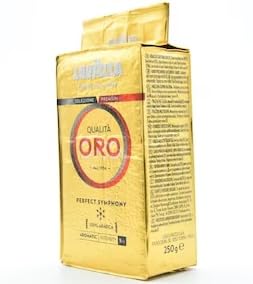
Best Golden Foam
|
Sweet Arabica elegance
|
Price on Amazon | |
|
Best Budget Cup

|
Smooth everyday roast
|
Price on Amazon | |
|
Best Bright Foam

|
Citrus chocolate depth
|
Price on Amazon | |
|
Best Organic Espresso

|
Bright chocolate espresso
|
Price on Amazon | |
|
Best Café Style

|
Dark caramel espresso
|
Price on Amazon | |
|
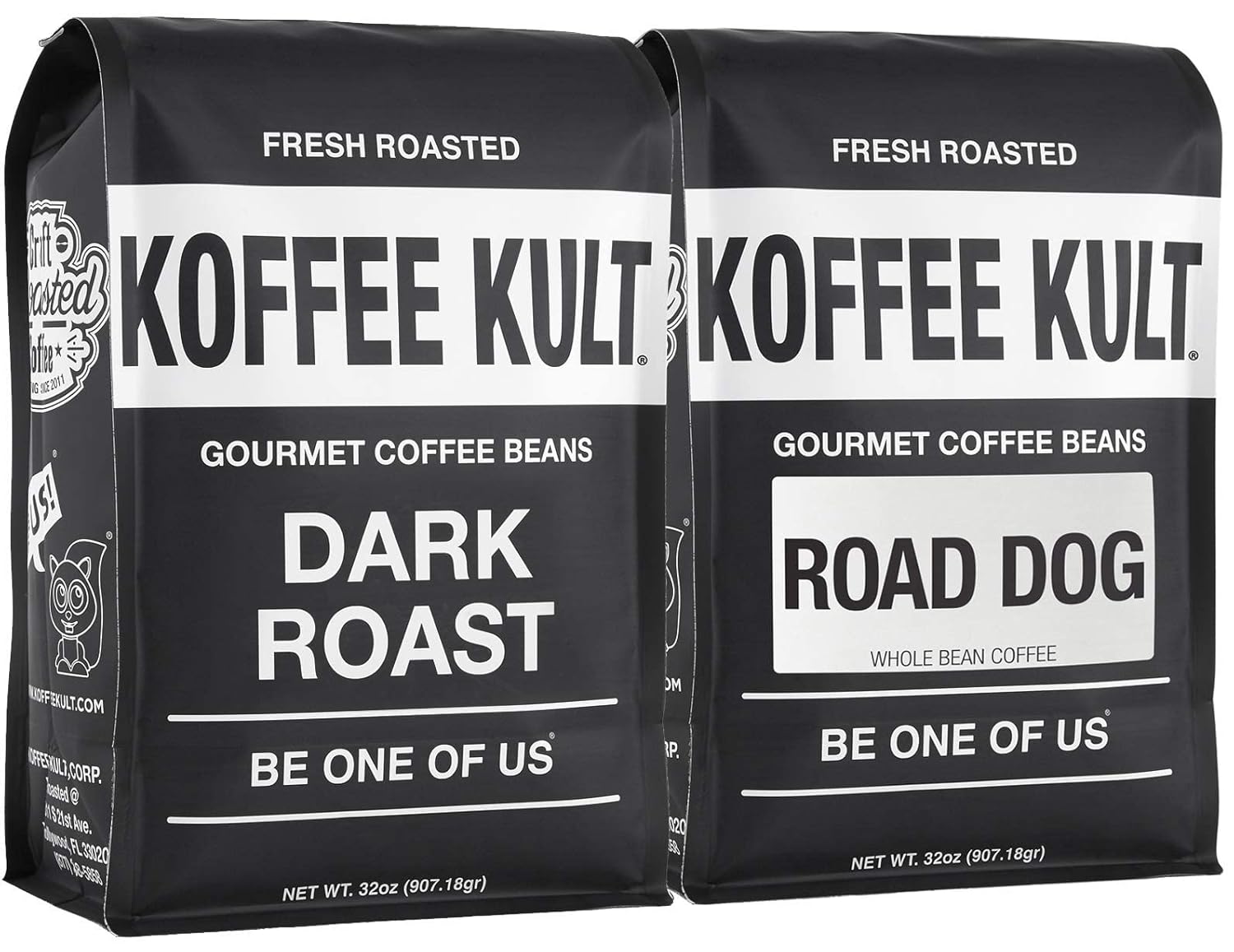
Best Rich Foam
|
Bold dark-roast body
|
Price on Amazon | |
|
Best Deep Arabica

|
Dark smooth intensity
|
Price on Amazon |
What Makes Coffee Beans Good for Cappuccino?
A cappuccino needs a slightly different bean personality than a latte. In a latte, the milk is the larger part of the drink. In a cappuccino, the milk and foam are still important, but the espresso plays a stronger role. That means weak beans become obvious quickly. Thin espresso tastes hollow under foam, while overly bitter espresso makes the whole drink feel dry.
The best coffee beans for cappuccino usually have three things: body, sweetness, and a clean finish. The body gives the drink its weight. Sweetness helps the espresso blend into the milk. A clean finish keeps the foam from feeling heavy or bitter after each sip.
When I choose cappuccino beans, I look for flavor notes like the following:
- Dark chocolate
- Milk chocolate
- Cocoa powder
- Toasted hazelnut
- Almond
- Caramel
- Brown sugar
- Biscuit-like sweetness
- Mild dried fruit
- Gentle spice
These notes work because cappuccino is partly about contrast. The espresso should be rich, while the foam should be creamy and soft. When the bean has a chocolatey or nutty base, the cappuccino tastes complete without needing syrup.
Best Roast Level for Cappuccino Beans
For cappuccino, I usually prefer medium-dark roast. It gives the cup enough espresso intensity without automatically turning bitter. Medium-dark beans often bring chocolate, caramel, toasted nut, and roasted sugar flavors, which are exactly the flavors that make cappuccino feel warm and café-like.
Dark roast can also work, especially if you enjoy a traditional Italian-style cappuccino. A darker roast cuts through milk foam easily and gives the drink that familiar espresso-bar taste. But I am careful with very dark, oily beans. They can taste smoky, ashy, or flat, especially if the shot runs too long.
Medium roast can be excellent if the bean has enough body. A medium roast with caramel, almond, or milk chocolate notes can make a cappuccino taste elegant and smooth. But if the medium roast is too acidic, the cappuccino may taste sharp, especially with dairy milk.
Light roast is the hardest for cappuccino. I do not say it is impossible, but it is not my first choice for most home drinkers. A light roast can taste bright and exciting as espresso, but once milk foam enters the cup, that brightness can become sour or thin. If you want to use light roast for cappuccino, I would choose a naturally sweet coffee with berry, honey, or stone-fruit depth rather than citrus-heavy acidity.
Quick Comparison: Best Coffee Bean Styles for Cappuccino
| Bean Style | Best For | Typical Flavor | Why It Works | Example Pick |
|---|---|---|---|---|
| Medium-dark espresso blend | Everyday cappuccino | Chocolate, caramel, nuts | Strong enough for foam but still smooth. | Lavazza Super Crema |
| Classic Italian espresso roast | Traditional café flavor | Cocoa, toast, mild bitterness | Gives cappuccino a familiar espresso-bar backbone. | illy Classico Whole Bean |
| Bold dark espresso bean | Strong cappuccino | Dark chocolate, roast, smoke | Cuts through milk foam clearly. | Peet’s Espresso Forte |
| Specialty espresso blend | More complex cups | Caramel, fruit, chocolate | Adds personality while staying milk-friendly. | Stumptown Hair Bender |
| Organic espresso roast | Smooth balanced cappuccino | Cocoa, syrup, gentle fruit | Feels rich without becoming too heavy. | Kicking Horse Cliff Hanger Espresso |
My Favorite Bean Profile for Cappuccino
If I had to describe my ideal cappuccino bean, I would say this: medium-dark roast, full body, low-to-medium acidity, a chocolatey chocolate base, and a sweet nutty finish. That kind of bean gives the espresso enough structure without making the drink taste harsh.
A cappuccino is usually smaller than a latte, so the espresso does not get buried as easily. This is why I like beans that taste good as espresso first. If the shot tastes unpleasant before milk, the cappuccino will only soften the problem, not fix it completely.
For a daily cappuccino, a bean like Lavazza Super Crema works well because it has that easy espresso-blend personality: smooth, creamy, lightly sweet, and comfortable with milk. It is not the most adventurous bean, but cappuccino does not always need adventure. Sometimes it needs reliability.
The best cappuccino beans should create a drink that tastes rich in the first sip and is still pleasant in the final sip. If the cup starts beautifully but becomes bitter as it cools, the roast may be too dark, or the shot may be over-extracted. If it starts thin and never develops, the bean may be too light, or the espresso may be too weak.
Best Coffee Beans for a Classic Cappuccino

A classic cappuccino needs a bean that feels traditional: deep, round, and espresso-forward. I usually associate this style with Italian-style espresso blends. They often bring cocoa, roasted nuts, toast, and a little pleasant bitterness. That slight bitterness is not a bad thing when it is balanced. In a cappuccino, it can keep the drink from tasting too milky.
Illi Classico Whole Bean is a good example of a classic-style bean for people who want something smooth and familiar. It has that polished espresso feel that works especially well in smaller milk drinks. I would use it for someone who wants a cappuccino that tastes refined rather than aggressively bold.
The key with classic espresso beans is not to over-extract them. If you pull the shot too long, the cappuccino can taste dry. I prefer a clean, sweet espresso shot that gives enough intensity without dragging too much bitterness into the cup.
Best Coffee Beans for a Strong Cappuccino
Some people want a cappuccino to taste bold. They do not want a soft breakfast drink. They want espresso that punches through the foam and leaves a dark chocolate aftertaste. For that style, I would choose a darker espresso bean with enough body.
Peet’s Espresso Forte fits this stronger direction. It is the kind of bean I would consider if the cappuccino keeps tasting too mild or if you enjoy a more intense café-style cup. It can also work nicely if you use a larger cappuccino cup and add more milk than the traditional ratio.
With stronger beans, the main challenge is balance. A dark roast can be satisfying, but it can also become smoky or bitter if pushed too hard. I like using a slightly shorter shot with dark roasts. That keeps the chocolate depth but reduces the dry finish.
A strong cappuccino should taste rich, not burnt. That difference matters.
Best Specialty Beans for Cappuccino
Specialty espresso blends can make a cappuccino more interesting. Instead of only cocoa and roast notes, they may bring caramel, red fruit, citrus peel, or floral sweetness. The trick is choosing a blend that still has enough body. Cappuccino is not the best place for a very delicate bean that tastes like tea.
Stumptown Hair Bender is a nice example of a more modern espresso blend that can still work in milk. It can make cappuccino taste more layered, especially if you enjoy a little fruit brightness behind the chocolate and caramel.
This style is good for someone who already likes espresso and wants the cappuccino to taste more expressive. It may require a little more dialing in than a very forgiving traditional blend, but the reward is a cup that feels more alive.
When I use specialty espresso beans in a cappuccino, I usually pay close attention to milk volume. Too much milk will flatten the interesting notes. A smaller cappuccino, flat white, or cortado-style drink often lets these beans shine better.
Best Organic Coffee Beans for Cappuccino
Organic espresso beans can work beautifully for cappuccino as long as the roast and flavor profile fit the drink. Organic does not automatically mean better for cappuccino, and it does not guarantee sweetness or body. I still look for cocoa, caramel, syrupy texture, and low harshness.
Kicking Horse Cliffhanger Espresso is a good direction for someone who wants an organic-leaning cappuccino bean with body and richness. It has enough depth to work with milk foam but does not feel as heavy as some dark, oily roasts.
For organic beans, freshness is especially important if you want the cup to taste lively. I prefer buying whole beans, grinding right before brewing, and storing the bag properly. A good organic espresso bean can taste sweet and balanced, but once it goes stale, the cappuccino becomes dull quickly.
Whole Bean or Ground Coffee for Cappuccino?
For cappuccino, whole-bean coffee is the better choice if you can grind it at home. Cappuccino depends on espresso quality, and espresso depends heavily on grind size. A small grind adjustment can change the entire drink.
If the grind is too coarse, the espresso runs too fast and tastes thin. Under the foam, that thinness becomes very obvious. If the grind is too fine, the shot may run too slowly and taste bitter. Then the cappuccino feels heavy and dry.
Whole beans give you control. You can adjust the grind depending on roast, freshness, and machine behavior. Pre-ground coffee can work with pressurized baskets or Moka pots, but it will not give the same precision.
If you are serious about cappuccino, I would rather use a modest espresso machine with a good grinder than a more expensive machine with stale pre-ground coffee. The grinder and beans shape the flavor more than beginners expect.
Arabica vs Robusta for Cappuccino
For cappuccino, both Arabica and Robusta can play useful roles. Arabica brings sweetness, aroma, and a smoother flavor. Robusta adds crema, body, and strength. Many traditional espresso blends use a small portion of Robusta because it helps the coffee stand up to milk.
I would not automatically reject a blend because it contains Robusta. A well-balanced blend can make a cappuccino feel thicker and more classic. But I would avoid harsh, cheap-tasting blends that use Robusta only for bitterness and strength.
If you want a soft, smooth cappuccino, choose 100% Arabica or mostly Arabica beans. If you want a more traditional Italian-style cappuccino with a thick crema and stronger espresso bite, a blend with some Robusta can be satisfying.
The real test is not the label. The real test is the cup.
Best Beans for Cappuccino with Oat Milk

Oat milk changes the cappuccino experience. It can taste naturally sweet, creamy, and slightly grainy. Because oat milk has its own flavor, I prefer beans with chocolate, caramel, or roasted nut notes. Those flavors blend well with oat milk and make the drink taste rounded.
Very bright beans can clash with oat milk. Citrus acidity plus oat sweetness can sometimes taste strange, almost like the coffee and milk are moving in different directions. A medium-dark espresso blend usually works better.
For oat milk cappuccino, I like beans that create a strong but smooth espresso. The foam texture may be slightly different from dairy milk, so the coffee needs to provide enough definition. A weak shot under oat foam can taste like warm cereal with coffee in the background.
Best Beans for Cappuccino with Whole Milk
Whole milk is forgiving and luxurious. It softens bitterness, adds natural sweetness, and creates rich foam when steamed well. Because whole milk rounds the coffee so nicely, you can use a slightly bolder bean without the drink becoming too aggressive.
Chocolatey medium-dark beans are my favorite with whole milk. The result tastes creamy and naturally sweet. If the espresso has caramel or hazelnut notes, the cappuccino can feel almost dessert-like without adding sugar.
Whole milk also helps medium roasts work better. A medium roast with enough sweetness can taste elegant with whole milk, especially in a smaller cappuccino. But if the bean is very acidic, whole milk may not fully hide that sharpness.
How to Dial In Beans for Cappuccino
A good cappuccino starts with a good espresso shot. I usually begin with a standard espresso ratio: around 18 grams of coffee in and about 36 grams of espresso out. Then I adjust by taste. For cappuccino, I want the shot to taste slightly intense on its own because milk will soften it.
If the cappuccino tastes sour, the espresso is probably under-extracted. I would grind finer, increase shot time, or check whether the machine is fully heated.
If the cappuccino tastes bitter, the espresso may be over-extracted. I would grind slightly coarser, shorten the shot, or avoid pushing a dark roast too long.
If the cappuccino tastes weak, the problem may be the bean, the dose, or the milk ratio. Cappuccino should not taste like a latte with extra foam. It should have a clear espresso center.
A few practical tips:
- Use fresh whole beans whenever possible.
- Choose medium-dark roast for easier balance.
- Keep the milk ratio smaller than a latte. a latte.
- Steam milk to a silky microfoam, not dry foam.
- Taste the espresso before adding milk.
- Adjust the grind before blaming the bean.
The more I make cappuccino, the more I see it as a balance test. It exposes weak espresso, poor milk texture, and stale beans quickly. But when everything works, the drink feels beautifully complete.
My Personal Pick for Most Home Cappuccino Drinkers
My personal pick for most home cappuccino drinkers would be a smooth medium-dark espresso blend with chocolate and nutty sweetness. That style is forgiving, easy to dial in, and strong enough to stay present under foam.
If I wanted a dependable daily cappuccino, I would start with Lavazza Super Crema. If I wanted a more traditional, polished cup, I would choose Illy Classico Whole Bean. If I wanted a bolder cappuccino with more roast depth, I would go with Peet’s Espresso Forte. And if I wanted more specialty-style complexity, Stumptown Hair Bender would be a strong choice.
The best answer depends on your cup size, milk type, and taste. A small traditional cappuccino allows more bean nuance. A larger foam-heavy cappuccino needs more espresso strength. Dairy milk softens the cup; oat milk needs a stronger, more chocolatey base. Once you understand that, choosing beans becomes much easier.
Final Thoughts: Cappuccino Beans Need Strength, Sweetness, and Balance
The best coffee beans for cappuccino are not just “espresso beans” in a general sense. They are beans that can create a strong, sweet, balanced shot that still tastes good after milk and foam enter the cup. A cappuccino asks more from the bean than a latte because the drink is smaller and more espresso-forward. There is less milk to hide behind.
For most people, I would start with medium-dark espresso beans that have chocolate, caramel, cocoa, or toasted nut notes. They are the easiest to enjoy, the easiest to dial in, and the most naturally suited to cappuccino. If you like traditional café flavor, go slightly darker. If you like a modern specialty cup, choose a balanced espresso blend with fruit and caramel but enough body.
A great cappuccino should feel rich but not heavy; strong but not harsh; and creamy but not weak. When the bean is right, the espresso and foam do not compete. They meet in the middle, and that is where cappuccino becomes one of the most satisfying coffee drinks to make at home.
Products Mentioned in This Post
- Lavazza Super Crema
- Illi Classico Whole Bean
- Peet’s Espresso Forte
- Stumptown Hair Bender
- Kicking Horse Cliffhanger Espresso
FAQ: Best Coffee Beans for Cappuccino
What coffee beans are best for a cappuccino?
The best coffee beans for cappuccino are usually medium-dark espresso beans with chocolate, caramel, cocoa, or nutty notes. These flavors balance well with milk foam and keep the espresso noticeable.
Is dark roast best for cappuccino?
Dark roast can be very good for cappuccino if you like a bold traditional flavor. However, very dark oily beans can taste bitter or smoky, so medium-dark roast is often the better everyday choice.
Can I use light roast coffee for a cappuccino?
You can use light roast coffee for a cappuccino, but it is harder to balance. Light roasts may taste sour or thin with milk foam, especially if they have strong citrus acidity. A sweeter light roast with berry or honey notes works better.
Is a cappuccino stronger than a latte?
Cappuccino often tastes stronger than a latte because it usually has less milk and more foam. The espresso is more noticeable, so the coffee bean choice matters more.
Should I use whole beans for a cappuccino?
Yes, whole beans are best for cappuccino because espresso requires precise grind control. Grinding fresh helps improve aroma, crema, body, and overall flavor.
What flavor notes work best in a cappuccino?
Chocolate, cocoa, caramel, hazelnut, almond, brown sugar, and toasted nut notes work especially well in a cappuccino. These flavors blend naturally with steamed milk and foam.
Are espresso beans required for a cappuccino?
Espresso beans are not strictly required, but they are usually easier to use. Espresso blends are often roasted and blended for body, crema, and balance under milk.
What beans work best with oat milk cappuccinos?
For oat milk cappuccino, choose medium-dark beans with chocolate, caramel, or nutty notes. Very bright acidic beans can clash with oat milk’s natural sweetness.
Why does my cappuccino taste weak?
Your cappuccino may taste weak because the beans are too light, the shot is under-extracted, the grind is too coarse, or the milk ratio is too high. Try a stronger espresso blend and reduce milk volume.
Why does my cappuccino taste bitter?
A bitter cappuccino often comes from over-extraction, too fine a grind, too long a shot, or very dark beans. Try grinding slightly coarser, shortening the shot, or using a smoother medium-dark roast.


