
Best Single-Origin Coffee Beans for Home Brewing


OneHundredCoffee is reader-supported, and some products displayed may earn us an affiliate commission. Details
Single-origin coffee can make home brewing feel much more personal. Instead of drinking a blend designed to taste steady and familiar, you are tasting coffee from one country, region, farm, cooperative, or growing area. That does not automatically mean the coffee is “better,” but it does usually mean the flavor has a clearer identity. A Colombian coffee may feel balanced and caramel-like. A Brazilian coffee may taste nutty and chocolatey. An Ethiopian coffee may surprise you with berries, florals, and citrus. A Guatemalan coffee may bring cocoa, spice, and gentle brightness. A Peruvian coffee may feel soft, mellow, and easy to drink.
For me, the best single-origin coffee beans for home brewing are not always the most expensive or unusual beans. They are the beans that match the way you brew and the way you actually like to drink coffee. If you use a drip coffee maker every morning, you may want a smooth Colombian or Brazilian medium roast. If you love pour-over, you may enjoy Ethiopian, Kenyan, or Guatemalan beans with more aromatic complexity. If you use a French press, you may prefer Brazil, Sumatra, or Colombia for body. If you make cold brew, chocolatey medium or medium-dark origins usually work beautifully.
As we discussed previously in our published article about the best organic coffee beans, labels and origin names matter only when the cup still tastes good. A single-origin bag can sound impressive, but if it is roasted poorly, stale, or wrong for your brew method, it will not help your morning. A good single-origin coffee should make the origin easier to understand in the cup: sweet, clean, balanced, expressive, or comforting, depending on what you choose.
The trick is learning which origins are naturally friendly for your taste, then matching the roast level and brewing method around that.
Best Single-Origin Coffee Beans for Home Brewing
| Image | Product | Features | Price |
|---|---|---|---|
|
Best Low Acid

|
Smooth Colombian roast
|
Price on Amazon | |
|
Best Guatemala Pick

|
Balanced medium roast
|
Price on Amazon | |
|
Best Bright Cup

|
Ethiopian fruit notes
|
Price on Amazon | |
|
Best Value Bag

|
Balanced Colombian cup
|
Price on Amazon | |
|
Best Dark Origin

|
Chocolatey Guatemala roast
|
Price on Amazon | |
|
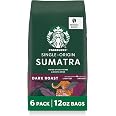
Best Earthy Cup
|
Bold Sumatra roast
|
Price on Amazon | |
|
Best Organic Guatemala

|
Huehuetenango origin beans
|
Price on Amazon | |
|
Best Peaberry Cup

|
Bright Costa Rican bean
|
Price on Amazon | |
|
Best Smooth Roast

|
Costa Rican low-acid cup
|
Price on Amazon | |
|
Best Floral Ethiopia

|
Bright natural-process flavor
|
Price on Amazon |
What Makes Single-Origin Coffee Beans Special?
Single-origin coffee means the beans come from one identifiable place rather than being blended from multiple origins. Sometimes that place is a country, like Colombia or Ethiopia. Sometimes it is a region, farm, estate, cooperative, or micro-lot. The more specific the origin, the more focused the flavor can be, although quality still depends on farming, processing, roasting, freshness, and brewing.
The reason people love single-origin coffee is that it can show more distinct flavors. Blends are often built for balance and consistency. Single origins are often chosen for personality. That personality can be smooth, fruity, chocolatey, floral, earthy, spicy, or bright.
Good single-origin beans usually offer the following:
- Clear origin character
- More specific flavor notes
- Better traceability
- Interesting seasonal variety
- Stronger connection to the region and processing
- A more educational brewing experience
- A cup that changes noticeably from one origin to another
But single-origin coffee can also be less forgiving than blends. Some origins are bright and need careful brewing. Some are delicate and can taste thin if brewed too weakly. Some are earthy and full-bodied, which not everyone enjoys. That is why I do not recommend choosing single-origin coffee only because it sounds fancy. Choose it because its flavor direction matches your cup style.
Best Roast Level for Single-Origin Coffee Beans
For most single-origin home brewing, medium roast is the easiest starting point. It keeps enough original character while still giving sweetness, body, and balance. Medium roast works beautifully in drip coffee, pour-over, AeroPress, French press, and even some espresso recipes. It is the roast level I recommend most often when someone wants to taste the origin without dealing with too much sharpness.
Light roast is best for people who want the clearest fruit, floral, citrus, and tea-like notes. Ethiopian and Kenyan coffees are often roasted light to preserve their brightness. Light roast can be beautiful in pour-over, but it needs better extraction. If brewed casually, it can taste sour or thin.
Medium-dark roast is good for people who want single-origin coffee but still prefer body, chocolate, and lower acidity. Brazilian, Colombian, Guatemalan, Peruvian, and Sumatran beans often work well at this roast level. Medium-dark single origins are also better for moka pots, milk drinks, cold brew, and stronger cups.
Dark roast can reduce origin clarity. It may taste bold and rich, but the roast flavor begins to dominate the origin. That is not automatically bad, but if you are buying single-origin coffee to taste regional character, I would not start with a very dark roast.
Quick Comparison: Best Single-Origin Coffee Beans for Home Brewing
| Origin | Best For | Typical Flavor | Best Brew Methods | Example Pick |
|---|---|---|---|---|
| Colombia | Balanced daily coffee | Caramel, cocoa, mild fruit | Drip, AeroPress, pour-over, French press | Fresh Roasted Colombian Supremo |
| Brazil | Smooth, low-acid cups | Chocolate, nuts, brown sugar | French press, drip, cold brew, moka pot | Volcanica Brazil Coffee |
| Ethiopia | Bright, aromatic coffee | Berry, citrus, florals, tea | Pour-over, AeroPress, light drip | Fresh Roasted Ethiopian Yirgacheffe |
| Guatemala | Sweet complexity | Chocolate, spice, orange, caramel | Pour-over, drip, AeroPress, French press | Volcanica Guatemala Antigua |
| Sumatra | Full-bodied, earthy coffee | Dark cocoa, earth, spice, herbs | French press, drip, cold brew, moka pot | Volcanica Sumatra Mandheling |
My Favorite Single-Origin Profile for Home Brewing
If I had to choose one single-origin profile for most home brewers, I would start with Colombia. Colombian coffee is one of the easiest single origins to enjoy because it usually sits in a beautiful middle zone. It can be sweet, balanced, gently fruity, chocolatey, and clean without being too sharp or too heavy. A bean-like, fresh-roasted Colombian Supremo is the kind of single-origin direction I would recommend to someone who wants a clear origin taste but does not want to feel overwhelmed.
If you already know you love smooth coffee, Brazil is another excellent starting point. A Brazilian single-origin like Volcanica Brazil Coffee usually leans toward chocolatey, nutty, mellow, and lower in perceived acidity. It is one of the easiest origins to enjoy in a French press, drip coffee, cold brew, or milk-friendly mocha pot.
If you want a more adventurous single-origin experience, Ethiopia is where coffee starts to feel magical. A bean like fresh-roasted Ethiopian Yirgacheffe can show floral, citrus, tea-like, or berry notes depending on roast and processing. It is not always the smoothest beginner cup, but it is one of the best origins for understanding how expressive coffee can be.
Best Colombian Single-Origin Coffee Beans

Colombian single-origin coffee is probably the safest first step into origin-focused brewing. It tends to be balanced, sweet, and approachable. I like Colombian beans when I want coffee that tastes good without needing too much explanation. You might taste cocoa, caramel, red apple, mild citrus, brown sugar, or toasted nuts, depending on the region and roast.
For home brewing, Colombian beans work well in almost everything: drip coffee makers, pour-over, AeroPress, French press, moka pot, and even beginner espresso if roasted properly. That flexibility makes Colombia one of the best origins for people who want one bag that can handle different brew methods.
In drip coffee, Colombian beans taste clean and familiar. In a French press, they gain body. In the AeroPress, they can become sweet and round. In a pour-over, they show more clarity. If you drink coffee black, Colombia is a great choice because it usually has enough natural sweetness to stand on its own.
For most home brewers, a medium-roast Colombian is the best starting point.
Best Brazilian Single-Origin Coffee Beans
Brazilian coffee is one of my favorite origins for smooth home brewing. It often has a mellow, nutty, chocolatey personality that works beautifully in daily coffee. If you dislike sharp acidity, Brazil is a very friendly origin. The cup can taste like milk chocolate, peanut, almond, hazelnut, brown sugar, or cocoa.
Brazilian beans are especially good for French press, drip coffee, cold brew, moka pot, and espresso-style brewing. They usually have enough body to feel satisfying and enough sweetness to avoid tasting flat. A Brazilian single-origin also works well with milk because chocolate and nut notes naturally blend with dairy or oat milk.
A bean-like Volcanica Brazil coffee fits the smooth home-brewing profile well. It is the kind of origin I would choose for someone who wants coffee to feel soft, rounded, and comforting.
If Colombian coffee is balanced, Brazilian coffee is mellow. That makes it a great choice for easy mornings.
Best Ethiopian Single-Origin Coffee Beans

Ethiopian coffee is where single-origin brewing often becomes exciting. It can taste completely different from what many people expect coffee to taste like. Depending on the bean and processing, Ethiopian coffee may bring blueberry, strawberry, jasmine, bergamot, lemon, honey, peach, black tea, or floral notes.
This is why Ethiopian coffee is so loved by pour-over drinkers. A paper-filter method can highlight its aroma and clarity beautifully. AeroPress can also work well because it adds body while keeping the cup clean. Drip coffee can work too, especially if the roast is not too light or the machine extracts well.
That said, Ethiopian coffee is not always the easiest choice for everyone. If you dislike acidity or fruitiness, some Ethiopian beans may feel too bright. If the grind is too coarse or the water is too cool, the cup may taste sour. For best results, use fresh beans, a medium-fine grind for pour-over, and water hot enough to extract sweetness.
Ethiopian beans are not always the smoothest beans, but they are among the most memorable.
Best Guatemalan Single-Origin Coffee Beans
Guatemalan coffee is a beautiful middle ground for people who want more complexity than Colombian coffee but less sharpness than some bright African coffees. It often brings chocolate, caramel, spice, orange, brown sugar, and gentle acidity. I like Guatemalan beans because they feel layered without being too difficult.
A bean like Volcanica Guatemala Antigua is the kind of origin. I would use it for pour-over, drip coffee, AeroPress, or French press. In pour-over, Guatemalan coffee can show more citrus and spice. In a French press, it becomes rounder and more chocolatey. In drip coffee, it can make a balanced daily cup that still has personality.
Guatemala is also a nice origin for people who usually drink blends but want to try single-origin coffee. It has enough familiar chocolate and caramel notes to feel comfortable, but it often adds a little spice or fruit to keep the cup interesting.
If you want “smooth but not boring,” Guatemala is a strong direction.
Best Sumatran Single-Origin Coffee Beans
Sumatran coffee is very different from Colombian, Brazilian, or Ethiopian coffee. It is usually full-bodied, earthy, low-acid, and sometimes herbal or spicy. Some people love it because it feels deep and heavy. Others find it too earthy. It is one of those origins where personal preference matters a lot.
A bean like Volcanica Sumatra Mandheling fits the full-bodied origin lane. It can work beautifully in a French press, drip coffee, a moka pot, and cold brew. The heavier body makes it satisfying, especially if you like coffee that feels bold without sharp acidity.
Sumatra is not the first origin. I would recommend it for someone who wants a bright, fruity, clean cup. But if you like dark chocolate, spice, earthiness, and a heavier mouthfeel, it can be deeply enjoyable.
For home brewing, medium or medium-dark Sumatra is usually easier than very dark Sumatra. Too dark, and the earthy notes can become smoky and heavy.
Best Single-Origin Beans for Drip Coffee

Drip coffee is one of the easiest ways to enjoy single-origin beans at home. A paper filter gives a clean cup, and a good medium roast can taste balanced without requiring a complicated recipe. For drip coffee, I prefer Colombian, Brazilian, Guatemalan, Peruvian, and balanced medium-roast origins.
Colombian beans are great if you want caramel and cocoa. Brazilian beans are better if you want lower acidity and nutty smoothness. Guatemalan beans add spice and gentle citrus. Peruvian beans are mellow and soft. Ethiopian beans can work in drip coffee too, but I prefer them if the machine extracts well and the roast is not too tricky.
For drip coffee, a medium grind is usually best. If the cup tastes sour, grind slightly finer. If it tastes bitter, grind slightly coarser or choose a smoother roast.
Single-origin drip coffee should feel clear, not complicated.
Best Single-Origin Beans for Pour-Over
Pour-over is probably the best method for tasting single-origin character. It highlights aroma, acidity, sweetness, and clarity. If you want to understand what makes Ethiopia different from Guatemala or Colombia different from Brazil, pour-over is the method I would choose.
For pour-over, Ethiopian, Kenyan, Guatemalan, Colombian, Costa Rican, and Panamanian coffees can be beautiful. Ethiopian beans are floral and fruity. Kenyan beans can be juicy and bright. Guatemalan beans are chocolatey and spicy. Colombian beans are balanced and sweet. Costa Rican beans are clean and structured.
If you are new to pour-over, start with a medium-roast Colombian or Guatemalan. If you already enjoy bright coffee, try Ethiopian Yirgacheffe or Kenyan single-origin. Use a medium-fine grind and adjust by taste.
Pour-over single-origin coffee rewards patience. Small grind changes can completely change the cup.
Best Single-Origin Beans for French Press

A French press makes single-origin coffee feel fuller and heavier because it uses immersion and a metal filter. This method works best with origins that have body and sweetness. Brazilian, Colombian, Sumatran, Peruvian, and Guatemalan beans are excellent choices.
Brazil gives chocolate and nuts. Colombia gives balance. Sumatra gives body and earthiness. Peru gives mellow sweetness. Guatemala gives cocoa and spices. Ethiopian beans can work too, but a French press may reduce some delicate clarity while increasing body.
Use a coarse grind and avoid over-steeping. Pour the coffee out after plunging so it does not keep extracting. A French press can make single-origin coffee taste plush, but it can also make it muddy if the grind is too fine.
For a smooth French press, I would choose Brazil or Colombia first.
Best Single-Origin Beans for AeroPress
AeroPress is one of the most flexible ways to brew single-origin coffee. It can make a clean cup, a strong concentrate, an iced coffee base, or a travel-friendly brew. Because it combines immersion and filtration, it can make bright beans taste rounder and medium beans taste sweeter.
For AeroPress, I like Colombian, Ethiopian, Guatemalan, Brazilian, and Costa Rican beans. Colombia gives balance. Ethiopia gives off an aroma. Guatemala gives sweetness and spice. Brazil gives body. Costa Rica gives a clean structure.
If using a bright Ethiopian or Kenyan bean, use enough extraction: a slightly finer grind, hotter water, and a controlled steep. If using Brazil or Colombia, you can keep the recipe simpler. AeroPress is forgiving, which makes it a great way to explore single origins without too much pressure.
AeroPress lets you taste the origin character without making the process feel too fragile.
Best Single-Origin Beans for Cold Brew
Cold brew changes how single-origin coffee tastes. It reduces acidity and emphasizes sweetness, body, and chocolatey notes. That means some origins work better than others. Brazilian, Colombian, Sumatran, Peruvian, and Guatemalan beans are excellent for cold brew.
Brazilian coffee is one of my top choices because the chocolate and nut notes become smooth and sweet when brewed cold. Colombian coffee makes a balanced cold brew with caramel and cocoa. Sumatra gives a heavier, earthier cold brew. Guatemala adds chocolate and spice. Peru keeps things mellow.
Ethiopian coffee can make fruity cold brew, especially natural-processed beans, but it is not always the smoothest option. If you like berry-like iced coffee, try it. If you want classic chocolatey cold brew, choose Brazil or Colombia.
Use coarse grind and avoid oversteeping. Strong cold brew should come from a ratio, not endless brewing time.
Best Single-Origin Beans for Espresso
Single-origin espresso can be exciting, but it is less forgiving than single-origin drip or pour-over. Espresso concentrates acidity, sweetness, and bitterness. A bright single-origin bean can taste amazing when dialed in and sharp when under-extracted.
For single-origin espresso, Brazil, Colombia, Guatemala, and some Peruvian coffees are easiest. They bring body, chocolate, caramel, and balance. Ethiopian and Kenyan single origins can make beautiful modern espresso, but they usually require more careful dialing-in, finer grinding, higher temperature, and longer ratios.
If you are new to espresso, I would not start with a very light single-origin. A medium or medium-dark Brazil or Colombia is much easier. If you want fruitier espresso later, move into Ethiopian or Kenyan beans once your grinder and recipe feel consistent.
Single-origin espresso can teach you a lot, but it asks for patience.
Best Single-Origin Beans for Beginners
If you are new to single-origin coffee, start with Colombia or Brazil. These origins are friendly, familiar, and easy to brew. Colombia gives balance and mild fruit. Brazil gives chocolate and nuts. Neither usually feels too strange to someone coming from blends.
After that, try Guatemala for more complexity. Then try Ethiopia if you want to understand bright, floral, fruity coffee. Try Sumatra if you want a heavy body and earthiness. This progression helps your palate learn without jumping straight into the most polarizing flavors.
A beginner-friendly single-origin path could look like this:
- Colombia for balance
- Brazil for smoothness
- Guatemala for sweet complexity
- Ethiopia for bright aromatics
- Sumatra for body and earthiness
This is one of the most enjoyable ways to learn coffee because each origin teaches you something different.
Whole Bean vs. Ground Single-Origin Coffee
Whole beans are better for single-origin coffee because freshness and grind control matter. If you buy single-origin coffee for its flavor clarity, pre-ground coffee can lose that aroma quickly. Whole beans keep the original character longer and let you match the grind to your brewing method.
Use medium grind for drip, medium-fine for pour-over, coarse for French press and cold brew, medium-fine to medium for AeroPress, medium-fine for moka pot, and fine for espresso.
Pre-ground single-origin coffee can still work for convenience, but buy smaller bags and use them quickly. If you want the clearest flavor, grind right before brewing.
Single-origin coffee is usually worth treating with a little more care.
Best Water and Ratio for Single-Origin Home Brewing
Single-origin coffee can taste very different depending on the water and ratio. If the water tastes bad, the coffee will taste bad. Clean-tasting filtered water is usually best. You do not need to obsess, but avoid heavily chlorinated or strange-tasting water.
For most brewing methods, start around a 1:16 coffee-to-water ratio. For fuller cups, try 1:15. For lighter, brighter beans, make sure the extraction is high enough. For darker or heavier beans, avoid over-extraction.
If the cup tastes sour, grind finer, brew longer, or use hotter water. If it tastes bitter, grind coarser or reduce brew time. If it tastes weak, use more coffee or less water. If it tastes muddy, use a coarser grind or a cleaner filter.
Single-origin beans reveal your brewing choices more clearly than blends, so small adjustments matter.
My Personal Pick for Most Home Brewers
My personal pick for most home brewers would be a medium-roast Colombian single origin. It is balanced, sweet, flexible, and easy to brew well. If I wanted one bag that could work in drip coffee, AeroPress, pour-over, French press, and even a beginner moka pot, I would choose fresh-roasted Colombian Supremo.
If I wanted a smoother, lower-acid cup, I would choose Volcanica Brazil Coffee. If I wanted a more aromatic pour-over, I would choose fresh-roasted Ethiopian Yirgacheffe. If I wanted sweet complexity, Volcanica Guatemala Antigua would be a great pick. If I wanted a heavier body, Volcanica Sumatra Mandheling would make sense.
The best single-origin coffee is the one that makes the origin clear and the cup enjoyable at the same time.
Common Single-Origin Coffee Bean Mistakes

The first mistake is assuming single-origin always means better. It means more specific, not automatically better.
The second mistake is choosing an origin without thinking about taste. Ethiopia and Brazil can taste completely different.
The third mistake is starting with very bright light roasts when you prefer smooth coffee.
The fourth mistake is using stale beans. Single-origin flavor fades quickly when coffee is old.
The fifth mistake is using the wrong grind. The original character can disappear under bad extraction.
The sixth mistake is brewing every origin the same way. Bright beans and chocolatey beans often need different adjustments.
The seventh mistake is judging one country by one bag. Each origin has many regions, farms, processes, and roast styles.
Final Thoughts: The Best Single-Origin Beans Should Match Your Brewing Style
The best single-origin coffee beans for home brewing are beans that help you taste place, character, and variety without making the cup difficult to enjoy. If you want a safe starting point, choose Colombia. If you want smooth and low-acid, choose Brazil. If you want aroma and fruit, choose Ethiopia. If you want sweet complexity, choose Guatemala. If you want a heavy body, choose Sumatra.
For drip coffee and everyday brewing, medium roast Colombian or Brazilian beans are the easiest. For pour-over, Ethiopian and Guatemalan beans can be beautiful. For French press and cold brew, Brazil, Sumatra, and Colombia work especially well. For espresso, start with Brazil or Colombia before trying brighter origins.
Single-origin coffee is one of the best ways to make home brewing more interesting. One bag at a time, you start to understand how different coffee can taste—and eventually, you stop choosing coffee by label alone and start choosing it by the kind of cup you actually want.
FAQ: Best Single-Origin Coffee Beans for Home Brewing
What are the best single-origin coffee beans for home brewing?
The best single-origin coffee beans for home brewing depend on your taste. Colombian beans are balanced, Brazilian beans are smooth and nutty, Ethiopian beans are bright and floral, Guatemalan beans are chocolatey and spicy, and Sumatran beans are full-bodied and earthy.
Is single-origin coffee better than blends?
Single-origin coffee is not automatically better than blends. It usually has a clearer origin character, while blends are often designed for balance and consistency. The better choice depends on what you want in the cup.
What single-origin coffee is best for beginners?
Colombian and Brazilian single-origin coffees are best for beginners because they are usually smooth, balanced, sweet, and easy to brew across many methods.
What single-origin coffee is the smoothest?
Brazilian, Colombian, Peruvian, and some Guatemalan coffees are usually among the smoothest single-origin options, especially at medium roast.
What single-origin coffee is best for pour-over?
Ethiopian, Kenyan, Guatemalan, Colombian, and Costa Rican coffees are excellent for pour-over because the method highlights clarity, aroma, fruit, and sweetness.
What single-origin coffee is best for a French press?
Brazilian, Colombian, Sumatran, Peruvian, and Guatemalan beans work well in a French press because they have body, sweetness, and lower harsh acidity.
What single-origin coffee is best for cold brew?
Brazilian, Colombian, Sumatran, Peruvian, and Guatemalan beans are great for cold brew because they bring chocolate, nuts, body, and smooth sweetness.
Can single-origin coffee be used for espresso?
Yes, single-origin coffee can be used for espresso. Brazil, Colombia, and Guatemala are easier for beginners, while Ethiopian and Kenyan single origins are more advanced and can taste brighter.
Should single-origin coffee be light roast?
Not always. Light roast shows more origin clarity, but medium roast is usually easier and smoother for home brewing. A medium-dark roast is better for body, milk drinks, moka pots, and cold brew.
Should I buy whole bean single-origin coffee?
Yes, whole bean single-origin coffee is usually better because it preserves aroma and lets you grind correctly for your brewing method. Fresh grinding helps the original character show more clearly.


