
Best Grind Size for French Press


OneHundredCoffee is reader-supported, and some products displayed may earn us an affiliate commission. Details
The best grind size for French press coffee is coarse, usually similar to coarse sea salt, flaky salt, rough breadcrumbs, or cracked pepper. It should look chunky and clearly separated, not powdery, sandy, or espresso-fine. A French press is an immersion brewing method, which means the coffee grounds sit in hot water for several minutes before being filtered through a metal mesh screen. Because the coffee stays in contact with water for longer than drip or pour-over, the grind needs to be coarser so the cup does not become bitter, muddy, gritty, or over-extracted.
I know “coarse grind” sounds simple, but French press grind size is one of those details that quietly controls the whole cup. When the grind is too fine, the plunger feels hard to press, the coffee tastes harsh, and the bottom of the mug gets that heavy sludge layer. When the grind is too coarse, the brew may taste thin, sour, and unfinished. The sweet spot is a coarse but even grind: large enough to filter cleanly but not so huge that the water cannot pull out sweetness and body.
As we discussed previously in our published article about How to Brew Better Drip Coffee at Home, grind size is not just a technical detail; it is one of the fastest ways to change flavor. And as we covered in Best Grind Size for Pour-Over Coffee, every brewing method needs a grind that matches its contact time and filter style. A French press is different because it uses a metal mesh filter and full immersion brewing, so it naturally gives more body, more oils, and more texture than paper-filtered coffee. That is the beauty of it—but also the reason grind size matters so much.
If you want a reliable French press setup, I would focus first on a good burr grinder, fresh whole beans, and a press with a clean, well-fitting filter. A classic glass option like the Bodum Chambord French Press is beautiful and traditional, while a double-filter design like the Espro P3 French Press can help reduce sediment. For grinding, a flexible burr grinder like the Baratza Encore ESP or a brew-focused grinder like the Fellow Ode Brew Grinder Gen 2 makes the French press much easier to dial in.
Best Grinder for French Press Coffee
| Image | Product | Features | Price |
|---|---|---|---|
|
Best Overall Grinder

|
40 grind settings
|
Price on Amazon | |
|
Best Premium Coarse

|
Brew-focused flat burrs
|
Price on Amazon | |
|
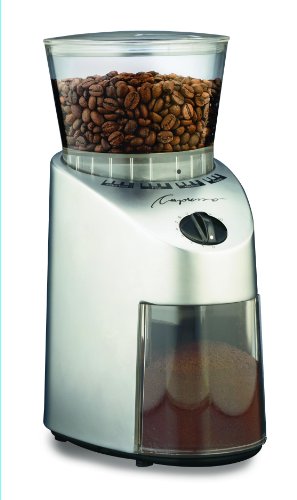
Best Slow Grind
|
Coarse-range burr grinder
|
Price on Amazon | |
|
Best Manual Precision

|
Fine-to-coarse adjustment
|
Price on Amazon | |
|
Best Digital Control

|
60 grind settings
|
Price on Amazon | |
|
Best Hand Budget

|
Ceramic burr grinding
|
Price on Amazon | |
|
Best Entry Electric

|
18-position selector
|
Price on Amazon | |
|
Best All-Purpose

|
41 adjustable settings
|
Price on Amazon | |
|
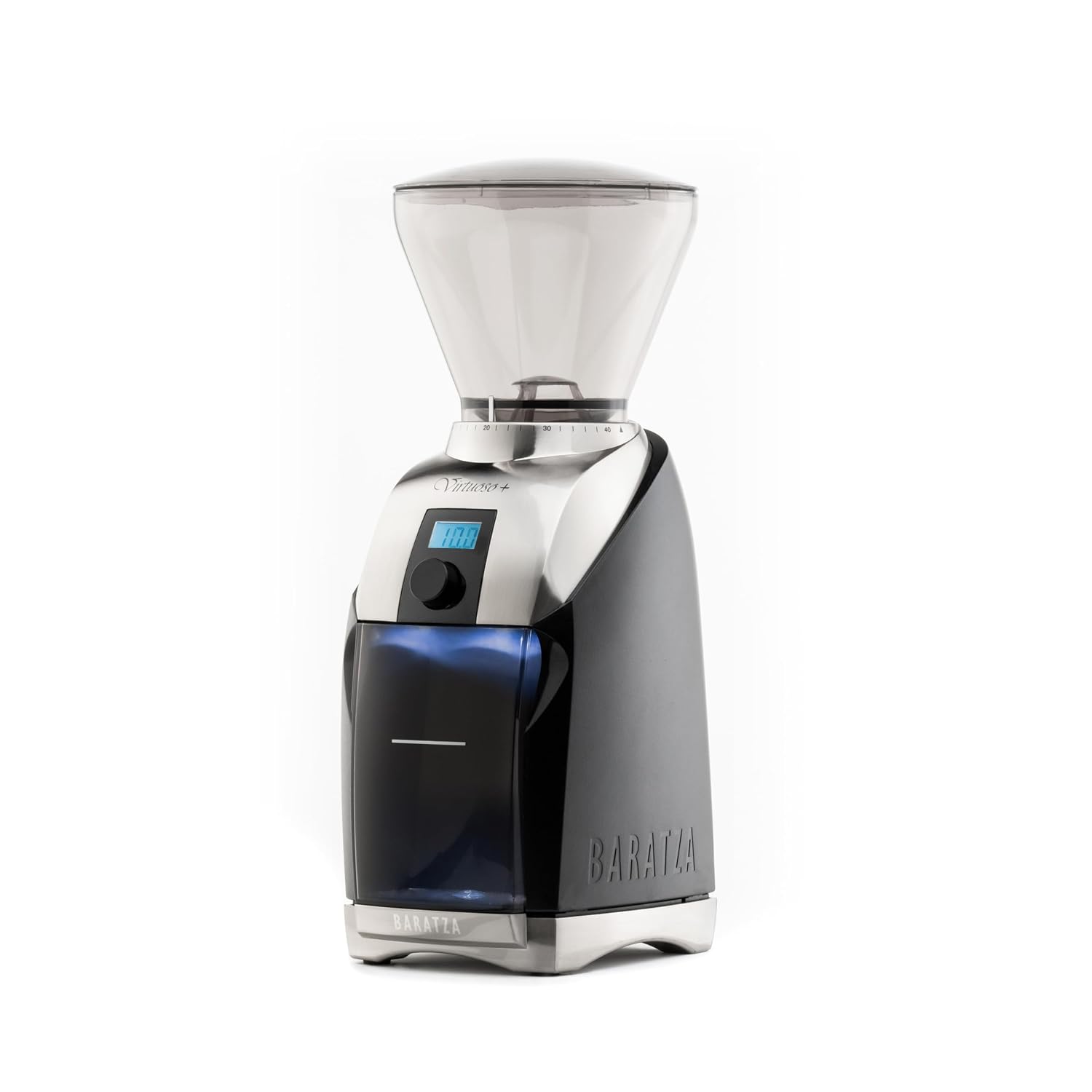
Best Upgrade Baratza
|
Digital timed dosing
|
Price on Amazon | |
|
Best Travel Pick

|
Portable hand burr
|
Price on Amazon |
Why French Press Needs a Coarse Grind
French press coffee works differently from drip coffee, V60, Chemex, or espresso. In those methods, water flows through the coffee bed and filter. In a French press, the coffee grounds are fully soaked in water for several minutes. This longer contact time means the water has more opportunity to extract flavor from the grounds.
That is why a coarse grind is usually recommended. Blue Bottle’s French press guide, for example, recommends grinding coffee to a coarse, even consistency similar to sea salt, because the coffee remains in contact with water during immersion brewing. Bodum-style French press guides also commonly recommend a coarse, even grind that looks like flaky sea salt, warning that finer grounds can clog the mesh filter and push bitterness into the cup.
The metal mesh filter is another reason. A French press filter does not trap fine particles the way paper filters do. That is part of why French press coffee tastes rich and full-bodied. But if the grind is too fine, many small particles slip through into the cup. The result is gritty, silty, and heavy.
Think of the French press filter as a gate, not a paper wall. It blocks larger grounds, but it lets oils and some tiny particles through. Coarse grinding keeps most of the coffee where it belongs: below the plunger, not floating in your mug.
What Coarse French Press Grind Should Look Like
A proper French press grind should look rough and chunky. The particles should be visibly larger than a pour-over grind and much larger than an espresso grind. When you pinch the grounds between your fingers, they should feel gritty and loose, not soft and powdery.
Here is a simple visual guide:
| Grind Size | Texture | Best Use |
|---|---|---|
| Extra fine | Flour or powder | Turkish coffee |
| Fine | Powdered sugar / fine salt | Espresso |
| Medium-fine | Fine sand | V60, cone pour-over |
| Medium | Regular sand | Drip coffee, Kalita |
| Medium-coarse | Coarse sand / raw sugar | Chemex, some batch brews |
| Coarse | Sea salt / breadcrumbs | French press |
| Extra coarse | Cracked peppercorns | Cold brew |
For a French press, you want coarse but not absurdly chunky. If the coffee looks like broken rocks and the brew tastes weak, no matter how long you steep it, you may have gone too coarse. If it looks like sand and the plunger fights you, it is too fine.
A helpful rule is this: French press grind should be coarser than drip coffee and pour-over, but usually slightly finer than cold brew.
Best French Press Grind Size by Taste
Taste is the best judge. Brew time helps, grinder settings help, and visual cues help, but your mouth tells you what actually happened.
| Taste Problem | Likely Grind Issue | What to Do |
|---|---|---|
| Bitter, harsh, dry | Too fine | Grind coarser |
| Muddy, silty, gritty | Too fine or uneven | Grind coarser / use better grinder |
| Weak and watery | Too coarse | Grind slightly finer |
| Sour or sharp | Too coarse or under-steeped | Grind finer or steep longer |
| Heavy but dull | Too many fines | Use better burr grinder |
| Hard to plunge | Too fine | Grind coarser |
| The plunger drops too easily | Too coarse | Grind finer |
If your French press tastes bitter, do not immediately reduce the coffee dose. First, check grind size. Fine grounds extract quickly and pass through the mesh filter more easily. That gives bitterness and sludge at the same time.
If your French press tastes weak, do not immediately add a huge amount of coffee. First, check whether the grind is too coarse. Very large grounds extract slowly, so the cup can taste hollow even if you used enough coffee.
Best Grinder Settings for French Press
Grinder numbers are helpful as starting points, but they are not universal. Setting 28 on one grinder does not equal setting 28 on every grinder. Burr age, calibration, coffee density, roast level, and grinder design all affect the result.
Still, the general direction is simple: French press usually lives in the coarse end of the grinder range.
| Grinder Type | French Press Directions |
|---|---|
| Entry-level electric burr grinder | Upper coarse range |
| Brew-focused flat burr grinder | Coarse but not cold-brew coarse |
| Manual grinder | Higher click count |
| Blade grinder | Not ideal, but pulse carefully |
| Espresso grinder | May not grind coarse enough comfortably |
If you use a Baratza Encore ESP, start in the coarser filter range and adjust by taste. If you use a Fellow Ode Brew Grinder Gen 2, start near the coarse side of its brewed-coffee range and adjust from there. The Fellow Ode Gen 2 is specifically positioned as a brewed-coffee grinder rather than an espresso grinder, which makes it a natural fit for French press, drip, Chemex, and pour-over methods.
A burr grinder matters because a French press is very sensitive to fines. If your grinder creates too much powder alongside coarse chunks, your coffee can taste muddy and uneven. The coarse particles under-extract, while the fine particles over-extract. That creates the classic French press problem: sourness, bitterness, and sediment all in one cup.
Why Blade Grinders Make French Press Muddy
A blade grinder does not truly grind coffee evenly. It chops it. Some pieces stay huge, some become powder, and many land somewhere in between. For some brewing methods, you can get away with this occasionally. For the French press, it becomes very obvious.
The powder slips through the mesh filter. The large chunks do not extract enough. So you end up with coffee that tastes strangely unfinished and harsh at the same time. If you have ever made a French press that tastes both weak and bitter, an uneven grind may be the reason.
If a blade grinder is all you have, use short pulses instead of holding the button down continuously. Shake the grinder gently between pulses to move larger chunks back toward the blades. Stop before the whole batch becomes dusty. It will not be as consistent as a burr grinder, but it can reduce the worst of the unevenness.
Still, if you brew French press often, a burr grinder is worth it. It does not have to be the most expensive grinder in the world. It just needs to give you a cleaner, more even coarse grind.
French Press Grind Size and Brew Time
The classic French press steep time is around 4 minutes with a coarse grind. Some methods use longer steeping with a gentler plunge and settling period for a cleaner cup. Bodum-size brewing guides commonly place French press brewing around 3–4 minutes with a coarse grind and water near 200°F. Blue Bottle’s French press method also works around a coarse grind and hot water near 205–210°F.
Here is the relationship:
| Grind Size | Brew Time Result | Flavor Risk |
|---|---|---|
| Too fine | Extracts quickly | Bitter, silty, hard to press |
| Proper coarse | Balanced extraction | Full, sweet, smooth |
| Too coarse | Extracts slowly | Weak, sour, thin |
For a normal French press, I like this starting recipe:
| Recipe Element | Amount |
|---|---|
| Coffee | 30 g |
| Water | 450 g |
| Ratio | 1:15 |
| Grind | Coarse |
| Water temperature | Around 200–205°F |
| Steep time | 4 minutes |
| Rest after pressing | 1–2 minutes if possible |
If you use a longer “settling” method, you can steep for 4 minutes, gently break the crust, skim foam if you like, let the coffee sit for several more minutes, and then press very gently. This gives the fines more time to settle, which can make the cup cleaner. Some variations of the James Hoffmann-inspired method use an extended settling stage after the initial steep to reduce sludge and produce a cleaner texture.
Best Coffee-to-Water Ratio for French Press
French press usually tastes best around 1:14 to 1:16, depending on how strong you like it. I personally start at 1:15 because the French press naturally has more body, and that ratio gives me a rich cup without becoming too heavy.
| Cup Style | Ratio | Example |
|---|---|---|
| Strong and bold | 1:14 | 30 g coffee + 420 g water |
| Balanced and full | 1:15 | 30 g coffee + 450 g water |
| Lighter and cleaner | 1:16 | 30 g coffee + 480 g water |
| Very gentle | 1:17 | 30 g coffee + 510 g water |
For most people, this is a good starting chart:
| French Press Size | Coffee | Water | Ratio |
|---|---|---|---|
| Small single serving | 20 g | 300 g | 1:15 |
| Medium serving | 30 g | 450 g | 1:15 |
| Two large mugs | 40 g | 600 g | 1:15 |
| Larger press | 55 g | 825 g | 1:15 |
| Full 1-liter press | 60–65 g | 1,000 g | 1:15–1:16 |
If your coffee tastes balanced but too weak, use a stronger ratio. If it tastes bitter or silty, adjust the grind size before changing the ratio. Ratio controls strength. Grind size controls extraction and texture.
How Roast Level Changes French Press Grind Size
Roast level matters because different roasts extract differently.
Light roasts are denser and harder to extract. They may need a slightly finer coarse grind, hotter water, or a longer steep time. Dark roasts are more brittle and extract faster. They often taste better with a slightly coarser grind, gentler water temperature, or shorter steep.
| Roast Level | Grind Direction | Brewing Tip |
|---|---|---|
| Light roast | Slightly finer coarse | Use hotter water or longer steep time. |
| Medium roast | Standard coarse | Best beginner choice |
| Medium-dark roast | Slightly coarser | Watch bitterness |
| Dark roast | Coarser | Use gentler water and avoid long steeps. |
For French press beginners, I like medium roast beans because they are easier to balance. A medium roast gives enough sweetness and body without becoming too sharp or too bitter. A coffee like Stumptown Holler Mountain Whole Bean Coffee can work nicely if you want a balanced, flavorful cup. If you prefer a smoother, classic profile, Lavazza Qualità Oro Whole Bean Coffee is a gentler whole-bean option.
How to Brew French Press with the Right Grind Size
Here is my simple French press method for a full, smooth cup.
Step 1: Preheat the French press.
Pour hot water into the empty press, swirl it around, then discard it. This warms the glass or stainless steel and helps keep brewing temperature more stable.
Step 2: Weigh and Grind the Coffee
Use 30 grams of coffee for 450 grams of water. Grind coarse, like sea salt or rough breadcrumbs.
Step 3: Add Coffee and Water
Add the grounds to the press. Pour hot water evenly over the coffee. Try to saturate all the grounds, not just one spot.
Step 4: Start the Timer
Let the coffee steep for 4 minutes. Place the lid on top, but do not press yet.
Step 5: Break the Crust Gently
After 4 minutes, gently stir the top layer or break the crust with a spoon. If there is foam on top, you can skim it if you want a cleaner cup.
Step 6: Press Slowly
Press the plunger gently and slowly. Do not force it. If it feels very hard to press, your grind is probably too fine.
Step 7: Pour Immediately
Do not let the coffee sit on the grounds after pressing. Pour it into mugs or a separate carafe. If it sits in the press, it keeps extracting and can become bitter.
Should French Press Be Coarse or Medium-Coarse?
Classic advice says coarse. In real life, I often prefer coarse to medium-coarse, depending on the coffee and method.
If you use a traditional 4-minute steep, a coarse grind is the safer choice. If you use a cleaner, modern method with a longer settling time and very gentle pouring, you may be able to grind slightly finer and still avoid sludge.
Here is the practical difference:
| Grind Choice | Best For | Flavor Result |
|---|---|---|
| Very coarse | Long steep, low sediment | Cleaner but sometimes weaker |
| Coarse | Classic French press | Full, balanced, reliable |
| Medium-coarse | More extraction | Sweeter but more sediment risk |
| Medium | Risky | Can become muddy and bitter |
| Fine | Not recommended | Sludge, bitterness, clogged filter |
If you are new to the French press, start coarse. Once the cup is clean and consistent, experiment with slightly finer settings if you want more sweetness and intensity.
How to Reduce Sediment in French Press Coffee
French press will always have more texture than paper-filtered coffee. That is part of its charm. But it should not feel like drinking mud.
To reduce sediment:
- Use a coarse, even grind.
- Use a burr grinder instead of a blade grinder.
- Let the coffee sit for 1–2 minutes after pressing.
- Pour gently and leave the last muddy sip behind.
- Clean the mesh filter thoroughly after every brew.
- Try a press with better filtration, such as the Espro P3 French Press.
- Avoid aggressively stirring after steeping.
The Espro-style double micro-filter approach is useful if you like the French press body but dislike heavy sludge. On the other hand, if you enjoy the rustic, full-bodied texture of a classic press, a Bodum Chambord French Press keeps that traditional feel.
French Press Troubleshooting Table
| Problem | Most Likely Cause | Fix |
|---|---|---|
| Coffee tastes bitter | Grind too fine or steep too long | Grind coarser / shorten steep |
| Coffee tastes sour | Grind too coarse or water too cool | Grind slightly finer / hotter water |
| Too much sludge | Fines from grinder | Use burr grinder / coarser grind |
| Plunger hard to press | Fine grounds clogging filter | Grind coarser |
| Coffee tastes weak | Grind too coarse or ratio too light | Grind finer / use 1:15 |
| Coffee tastes flat | Old beans or dirty press | Use fresh beans / clean filter |
| Coffee tastes burnt | Water too hot or dark roast | Let water cool slightly |
| Coffee gets bitter in press | Sitting on grounds too long | Pour into carafe after brewing |
The two biggest French press fixes are almost always to grind coarser if it tastes bitter or silt,y and grind slightly finer if it tastes weak or sour.
Best French Press Gear for Better Grind and Flavor
A good French press setup does not need to be complicated. You need a press, a grinder, a scale, and fresh beans.
| Item | Good Option | Why It Helps |
|---|---|---|
| Classic press | Bodum Chambord French Press | Classic glass design |
| Cleaner press | Espro P3 French Press | Double-filtered cup |
| Durable press | Frieling Stainless Steel French Press | Strong and insulated |
| Burr grinder | Baratza Encore ESP | Flexible grind range |
| Brew grinder | Fellow Ode Brew Grinder Gen 2 | Brew-focused consistency |
| Scale | Hario V60 Drip Scale | Accurate ratio control |
If I were choosing only one upgrade, I would choose the grinder before the press. A better press can filter more cleanly, but a better grinder prevents a lot of sediment from happening in the first place.
Best Beans for French Press Grind Testing
A French press is wonderful with coffees that have body, sweetness, and aroma. I usually enjoy medium and medium-dark roasts in a French press because the method naturally emphasizes texture and richness.
| Flavor Goal | Bean Style |
|---|---|
| Smooth and sweet | Medium roast blend |
| Chocolate and nuts | Brazil or Colombia |
| Fruity but full | Natural Ethiopian |
| Bold breakfast cup | Medium-dark blend |
| Low bitterness | Fresh medium roast |
If you are still learning grind size, avoid extremely oily dark roasts at first. They can clog grinders and make the French press taste bitter quickly. Also, avoid very delicate light roasts until you are comfortable adjusting grind and steep time.
Start with a balanced whole bean coffee, brew it several times, and adjust the grind one step at a time. That is how you learn what coarse actually means on your grinder.
My Personal French Press Grind Routine
When I open a new bag of coffee for a French press, I start with coarser grounds than I think I need. I would rather have the first cup taste a little light than muddy and bitter. Then I adjust slightly finer if the cup lacks sweetness.
My first brew usually looks like this:
| Variable | Starting Point |
|---|---|
| Coffee | 30 g |
| Water | 450 g |
| Ratio | 1:15 |
| Grind | Coarse sea salt |
| Steep | 4 minutes |
| Press | Slow and gentle |
| Serve | Immediately |
If the cup is clean but weak, I grind a little finer. If it is heavy and bitter, I grind coarser. If it tastes good but has too much sediment, I keep the grind similar but let the coffee settle longer before pouring.
The goal is not to make French press taste like paper-filtered coffee. The goal is to make it taste full, sweet, and textured without becoming gritty or harsh.
Final Thoughts: The Best French Press Grind Is Coarse and Even
The best grind size for a French press is coarse and even, around the texture of sea salt, flaky salt, or rough breadcrumbs. Coarse grinding works because French press coffee steeps for several minutes and uses a metal mesh filter instead of a paper one. If the grind is too fine, the cup becomes bitter and muddy. If it is too coarse, the cup becomes weak and sour.
Start with a coarse grind, a 1:15 ratio, hot water around 200–205°F, and a 4-minute steep. Then adjust by taste. “Bitter” and “silty” mean coarser. “Thin and sour” means slightly finer. Clean but weak means a stronger ratio or slightly finer grind. Heavy and dry means coarser or shorter steep.The
The French press is one of the most forgiving and comforting ways to brew coffee at home, but it rewards the right grind. Once you find that coarse, even setting on your grinder, the whole method becomes easier: richer body, smoother flavor, less sludge, and a cup that feels warm, full, and deeply satisfying.
FAQ: Best Grind Size for French Press
What grind size is best for a French press?
The best grind size for a French press is coarse, similar to coarse sea salt, flaky salt, rough breadcrumbs, or cracked pepper. It should be much coarser than pour-over or drip coffee.
Can a French press grind be too coarse?
Yes. If the grind is too coarse, the coffee may taste weak, sour, thin, or under-extracted. In that case, grind slightly finer or steep a little longer.
What happens if the French press grind is too fine?
If the grind is too fine, French press coffee can taste bitter, harsh, muddy, and gritty. Fine grounds can also clog the mesh filter and make the plunger hard to press.
Is medium grind okay for a French press?
Medium grind is usually too fine for a classic French press. It may work with very careful technique, but it often creates more sediment and bitterness. Coarse or medium-coarse is safer.
How long should French press coffee steep?
A classic French press steep time is about 4 minutes with a coarse grind. Some cleaner methods add extra settling time before pressing to reduce sediment.
What ratio should I use for a French press?
A good starting ratio is 1:15, such as 30 g coffee to 450 g water. Use 1:14 for a stronger cup or 1:16 for a lighter cup.
Why is my French press coffee muddy?
Muddy French press coffee usually comes from grinding too fine, using an uneven blade grinder, pressing too aggressively, or pouring every last bit from the bottom of the press.
Why is my French press coffee weak?
Weak French press coffee usually means the grind is too coarse, the ratio is too light, the steep time is too short, or the coffee is stale.
Do I need a burr grinder for a French press?
A burr grinder is strongly recommended because it creates a more even coarse grind. This reduces sludge and makes the cup taste smoother and more balanced.
Should the French press grind be coarser than drip coffee?
Yes. French press grind should be coarser than drip coffee because the grounds steep in water for several minutes and are filtered through metal mesh instead of paper.


