
10 Best Coffee Shops in Washington, DC: Neighborhood Espresso


One Hundred Coffee is reader-supported, and some products displayed may earn us an affiliate commission. Details
Washington, DC · Independent roasters, Indonesian coffee, Ethiopian traditions and neighborhood espresso
Washington, DC, can make a coffee day feel surprisingly different depending on which Metro stop you choose. Near McPherson Square, Indonesian ingredients find their way into espresso drinks; up toward Takoma, a neighborhood roaster pairs bright filter coffee with savory breakfast food; on Kennedy Street, Guatemalan coffee links a community café directly to the work of growers. Along H Street, Ethiopian coffee carries its own cultural weight. These are not variations on one tourist itinerary, and they should not be treated as though they are all within a single convenient downtown block.
For the 10 best coffee shops in Washington, DC, the most useful question is not which counter has the most internet buzz. It is which neighborhood, drink style and schedule suits the trip you are actually taking. A carefully made cappuccino at Eastern Market is a different kind of morning from a visit to a working roastery on Rhode Island Avenue. A small espresso at Swing’s during the workweek has a different purpose from a relaxed Saturday coffee and breakfast near Logan Circle. All are legitimate coffee experiences, but their travel requirements, food offerings and opening windows are not identical.
Editor’s Picks: Three Distinctly Washington Coffee Experiences
Lost Sock Roasters

Takoma / Northwest DC
DC-based specialty roaster with a plant-filled Takoma café, filter coffee and an empanada-focused food program.
Try: A current single-origin pour-over or a small espresso
Dua Coffee

McPherson Square / Downtown
Woman-owned Indonesian specialty café featuring coffees from the country’s islands and signatures including Aren Latte, Kopi Susu Latte and Oat Pandan Cold Brew.
Try: Aren Latte or Oat Pandan Cold Brew; single-origin espresso for contrast
La Coop Coffee

Kennedy Street / Manor Park
On-site roastery café opened on Kennedy Street in November 2024, built around specialty coffee from Guatemalan producers.
Try: Guatemalan filter coffee or an Americano; Dirty Horchata for something sweeter
The three strongest starting points represent very different coffee interests. Lost Sock Roasters is a destination for a roaster-led cup and an unhurried Takoma breakfast. Dua Coffee gives downtown visitors access to Indonesian beans and named specialties such as the Aren Latte, which makes an unusually meaningful alternative to a generic flavored drink. La Coop Coffee takes the idea of traceable origin further: its Kennedy Street location is an on-site roastery rooted in Guatemalan coffee production. None is a substitute for the other, and that is exactly why they lead this guide.
Elsewhere, the choices widen. Peregrine is a classic espresso stop near Eastern Market; The Coffee Bar gives drinkers changing roasters without changing cafés; Swing’s preserves a historical roasting connection in the downtown business district. Sidamo introduces an Ethiopian cultural perspective on H Street; Zeke’s lets home brewers explore a broad fresh-bean collection; Compass shows what a locally founded chain can do; and Slipstream combines thoughtful coffee with food and comfortable meeting space. The best order depends on what you want your coffee break to accomplish.
Quick answer: For a first specialty-coffee visit, go to Lost Sock Roasters in Takoma. Choose Dua Coffee downtown for Indonesian-inspired specialties, La Coop for a Guatemalan roastery experience, Sidamo for Ethiopian coffee, Peregrine for classic Capitol Hill espresso, and Slipstream when breakfast or lunch matters as much as the drink. Check exact branch hours, particularly for Swing’s and the smaller downtown outlets.
At a Glance: Washington, DC Coffee Shops, Best Orders and Addresses
Lost Sock Roasters — Takoma
Takoma / Northwest DC · 6833 4th St NW, Washington, DC 20012
Drink to consider: A current single-origin pour-over or a small espresso
Visit window: Tuesday–Friday 7 a.m.–4 p.m.; weekends 8 a.m.–4 p.m.; closed Mondays, per the café’s current listing.
Dua Coffee — Downtown
McPherson Square / Downtown · 923 15th St NW, Washington, DC 20005
Drink to consider: Aren Latte or Oat Pandan Cold Brew; single-origin espresso for contrast
Visit window: Main downtown café lists daily opening; Monday and Tuesday afternoons are shorter than later weekdays.
La Coop Coffee — Kennedy Street Roastery
Kennedy Street / Manor Park · 500 Kennedy St NW, Washington, DC 20011
Drink to consider: Guatemalan filter coffee or an Americano; Dirty Horchata for something sweeter
Visit window: Its Washington café opens mornings and closes in the afternoon; confirm exact day-specific times before travel.
Compass Coffee — Shaw Original

Shaw / 7th Street NW · 1535 7th St NW, Washington, DC 20001
Drink to consider: Nitro cold brew or a straightforward cappuccino
Visit window: Published Shaw hours generally cover mornings through afternoon on weekdays and weekends; check before traveling.
Zeke’s Coffee of DC — Rhode Island Avenue Roastery

Rhode Island Avenue NE / Brookland area · 2300 Rhode Island Ave NE, Washington, DC 20018
Drink to consider: House-roasted drip coffee or a current single-origin pour-over
Visit window: Its roastery café lists early morning opening, with weekend service through the afternoon.
Swing’s Coffee — G Street Coffee Bar

Foggy Bottom edge / Downtown · 1702 G St NW, Washington, DC 20006
Drink to consider: Double espresso or one of the current pour-over coffees
Visit window: Monday–Friday 7 a.m.–4 p.m.; closed Saturday and Sunday at this G Street bar.
Sidamo Coffee & Tea — H Street NE

H Street NE / Near Northeast · 417 H St NE, Washington, DC 20002
Drink to consider: Ethiopian light-roast coffee; ask about the traditional coffee ceremony
Visit window: Usually serves mornings through early evening; the published schedule differs across directories, so confirm before travel.
Peregrine Espresso — Eastern Market

Capitol Hill / Eastern Market · 660 Pennsylvania Ave SE, Washington, DC 20003
Drink to consider: Cappuccino, double espresso or nitro coffee when available
Visit window: Monday–Friday 7 a.m.–6 p.m.; weekends 8 a.m.–6 p.m., per the café’s current branch listing.
The Coffee Bar — Shaw

Shaw / Logan Circle edge · 1201 S St NW, Washington, DC 20009
Drink to consider: Cortado or a current rotating filter coffee
Visit window: Monday–Friday 7 a.m.–5 p.m.; weekends 8 a.m.–6 p.m. at the Shaw café.
Slipstream — Studio Theatre

Logan Circle / 14th Street · 1333 P St NW, Washington, DC 20005
Drink to consider: Single-origin filter coffee or a balanced latte
Visit window: Studio Theatre café: weekdays from 7 a.m., with shorter Monday–Thursday afternoons; weekend service is generally available.
Quick Ranking: Choose the Right DC Café for Your Coffee Style
Which Coffee Shop Should You Visit First?
| Your priority | Recommended café | What makes it useful | Important limit |
|---|---|---|---|
| A neighborhood roaster and breakfast | Lost Sock Roasters | Bright filter coffees and a real food program | Closed on Monday |
| Distinctive Indonesian drinks | Dua Coffee | Aren and pandan drinks alongside Indonesian origins | Main downtown location, not Southwest kiosk |
| Guatemalan coffee story | La Coop Coffee | Roastery on site and thoughtful sourcing | A dedicated trip beyond central DC |
| Locally rooted cold brew | Compass Coffee | Original Shaw branch of a DC café group | Other branches affected by 2026 closures |
| Beans for brewing at home | Zeke’s Coffee of DC | Large choice of roasted coffee at the roastery | Do not confuse with small downtown Zeke’s |
| A historic downtown espresso stop | Swing’s Coffee | Longstanding roaster with micro-lot offerings | G Street bar closed on weekends |
| Ethiopian coffee culture | Sidamo Coffee & Tea | Ethiopian light roasts and possible ceremony | Ceremony must be arranged |
| A Capitol Hill espresso | Peregrine Espresso | Established Eastern Market espresso bar | Different Union Market location exists |
| Rotating roaster exploration | The Coffee Bar | Independent multi-roaster with weekend service | Small neighborhood setting |
| Coffee with a fuller meal | Slipstream | Coffee, breakfast and lunch in one café | Former Logan Circle address outdated |
The Ten Best Coffee Shops in Washington, DC — Individual Profiles
Takoma / Northwest DC · Best Overall
1. Lost Sock Roasters — Takoma
Address: 6833 4th St NW, Washington, DC 20012
Suggested order: A current single-origin pour-over or a small espresso
Washington has plenty of espresso counters designed for a fast office break. Lost Sock Roasters belongs to another part of the city altogether: a calm residential stretch of Takoma where coffee is reason enough to make a dedicated journey. Its 4th Street café occupies part of the historic Takoma Theater building. Sunlight, plants, simple wood surfaces and an approachable food counter make it feel less like a headquarters for caffeine and more like a neighborhood business that has given coffee genuine attention. The roasting company is local, and that identity runs through what goes into the cup.
For the clearest taste of the coffee program, begin with a pour-over made from whatever single-origin coffee is available that day. Lost Sock has described its preferred roast style as bright, sweet and expressive, although not every bag will taste delicately floral. Roast choices, harvest lots and processing methods create important differences. A medium-to-light coffee from East Africa can reveal fruit and tea-like clarity; a different lot may lean toward chocolate and nuts. Ask which coffee is on the brew bar, then taste without syrup before adding anything. That tells you more than picking the most elaborate drink on the board.
A compact espresso works well when time is limited. It also gives you a useful reference for later stops at Swing’s, Peregrine or The Coffee Bar. Espresso at a specialty roaster is not simply about pulling the smallest, strongest shot. Good extraction should hold sweetness, acidity and texture together. Milk may soften a brighter coffee into a pleasant cappuccino, but ordering the espresso first makes it easier to understand how the particular roast behaves. If your interest is creative drinks instead, the café is also known for seasonal coffee and tea specials; the selection changes.
The savory food is part of Lost Sock’s personality. Empanadas and breakfast items have been prominent features of the shop since its opening. This matters because café food can often be an afterthought, especially when a business wants to present itself as serious about brewing. Here the food program is a sensible reason to stay for a fuller morning, not just a pastry grabbed during a brief pause. Anyone looking for a sweet baked item should check the display rather than assume a specific flavor is offered daily.
Takoma is not a walkable continuation of downtown’s dense 14th Street coffee corridor. Treat the neighborhood as a separate part of the itinerary and leave time to look around before returning to the center. The current Takoma schedule does not include Mondays, and a popular morning can fill the available seats. It is also unwise to assume a long laptop session will work without checking Wi-Fi and power access. The best way to enjoy Lost Sock is to arrive with room for a cup that deserves attention and a breakfast that is not rushed.
Why it stands out: DC-based specialty roaster with a plant-filled Takoma café, filter coffee and an empanada-focused food program.
Current branch schedule: Tuesday–Friday 7 a.m.–4 p.m.; weekends 8 a.m.–4 p.m.; closed Mondays, per the café’s current listing.
Plan ahead: Plan for a lively small café and possible seating limits. Monday is not a Takoma café day.
Open This Café on Google Maps Café Website or Verified Listing
McPherson Square / Downtown · Best Indonesian
2. Dua Coffee — Downtown
Address: 923 15th St NW, Washington, DC 20005
Suggested order: Aren Latte or Oat Pandan Cold Brew; single-origin espresso for contrast
Dua Coffee is a valuable reminder that Washington’s café scene is international in a way that goes beyond the familiar European espresso vocabulary. The café specializes in Indonesian coffees, drawing attention to a growing region that can otherwise be buried under the generic label of dark, full-bodied coffee. Its downtown space at 923 15th Street NW sits within the McPherson Square office corridor, but the drink menu has considerably more character than a conventional commuter espresso bar. Dua is woman-owned and has built its identity around small-batch coffee roasting and the individuality of Indonesian growing areas.
The menu provides a particularly appealing introduction through the Aren Latte. Aren refers to palm sugar, an ingredient that lends caramel-like sweetness with more earthy depth than an ordinary vanilla syrup. It makes sense in an espresso-and-milk drink because the sweetness can complement rather than entirely bury the roast character. Ask for the current preparation and sweetness level if that matters to you. It is a named specialty on the business’s own menu, unlike the speculative “secret menu” drinks that sometimes circulate in coffee recommendations.
On a warm Washington afternoon, the Oat Pandan Cold Brew offers a different direction. Pandan contributes a fragrant, often vanilla-like aromatic quality familiar in many Southeast Asian desserts. Oat milk changes the mouthfeel, and cold brew supplies a gentler, longer-extracted coffee base. The outcome is not a traditional Indonesian brewing ceremony or an espresso tasting; it is a contemporary café drink that uses recognizable regional ingredients. If comparing several local shops, order it for a flavor experience rather than to judge it against the strict shot-making standards of a classic Italian espresso bar.
An unsweetened espresso or filter coffee is the useful second side of Dua. The shop sources and roasts beans with a focus on their different island origins. Try a black cup when you want to explore that identity without palm sugar or pandan. The precise lot and tasting notes are variable, and a cup from one island does not represent all Indonesian coffee. Geography, elevation, variety, processing and roasting still matter. The most rewarding question at the counter may simply be which origin is being served today and how it tastes compared with a familiar Central American or African bean.
Location precision matters here. Dua’s original downtown café remains at 923 15th Street NW, near McPherson Square. The company has also operated a newer public kiosk inside the NASA Headquarters lobby at 300 E Street SW, but that Southwest outpost has a limited Tuesday-through-Thursday schedule. It should not be treated as the everyday address for this recommendation. If a meeting or sightseeing walk brings you to the downtown corridor, the main café is the more straightforward stop. Allow for lunch-hour lines and avoid planning a long sit-down without checking whether seats are available.
Why it stands out: Woman-owned Indonesian specialty café featuring coffees from the country’s islands and signatures including Aren Latte, Kopi Susu Latte and Oat Pandan Cold Brew.
Current branch schedule: Main downtown café lists daily opening; Monday and Tuesday afternoons are shorter than later weekdays.
Plan ahead: The main café is downtown; the separate NASA Southwest kiosk runs a limited weekday schedule.
Open This Café on Google Maps Café Website or Verified Listing
Kennedy Street / Manor Park · Best Origin Story
3. La Coop Coffee — Kennedy Street Roastery
Address: 500 Kennedy St NW, Washington, DC 20011
Suggested order: Guatemalan filter coffee or an Americano; Dirty Horchata for something sweeter
At La Coop, the coffee narrative begins well before the espresso machine. The business centers Guatemalan coffee growers and the relationship between farms and the people buying their beans. Its Kennedy Street café is a particularly tangible expression of that project because it incorporates a roasting operation within the neighborhood shop. The storefront opened at 500 Kennedy Street NW in November 2024, with bright windows, generous interior space and an atmosphere shaped by the area rather than by downtown office traffic. It is both a working coffee business and a place where local residents gather.
A black filter coffee is the smartest first order for someone interested in Guatemala’s varied growing regions. Coffee from Guatemala is not one flavor; different altitudes, varieties and processing methods produce everything from round chocolate sweetness to bright fruit and citrus notes. By keeping milk and sugar out of the first few sips, you can better notice the coffee itself. An Americano serves a related purpose when pour-over is not available, although espresso extraction and dilution produce a different texture from paper-filtered coffee. Ask which lot is currently brewing and whether its roast is meant for filter or espresso.
La Coop also has a playful side. Customer discussion frequently highlights drinks such as the Dirty Horchata, which brings coffee into a creamy, sweet-spiced format. That style is appealing on its own terms, particularly to someone who wants a cold or dessert-leaning drink. It does not replace an origin tasting, however. Those two orders help explain why this café belongs in a guide alongside strongly espresso-focused counters: it can connect a detailed sourcing story to the less formal pleasures of a neighborhood café.
The Kennedy Street building supports a different pace from a standing-room espresso bar. There are indoor seating areas and outdoor possibilities when the weather cooperates. Public descriptions often emphasize natural light, community activity and an easy sense of hospitality. These qualities make it a sensible destination for a conversation or an unrushed cup, but they are not a guarantee of open tables or quiet work conditions. A weekend can become lively, and an occasional event may affect how much room is available. Check the shop’s current calendar if traveling a long way just to spend several hours working.
La Coop is in Northwest Washington, away from the core tourist blocks and the cluster around Shaw. A sensible day pairs it with time in the nearby neighborhoods, not a forced ten-stop espresso marathon. What makes the journey worthwhile is the unusually direct connection between coffee farming, on-site roasting and the final cup. A visitor leaves with a more specific understanding of why origin matters, and potentially a bag of beans whose story can continue at home.
Why it stands out: On-site roastery café opened on Kennedy Street in November 2024, built around specialty coffee from Guatemalan producers.
Current branch schedule: Its Washington café opens mornings and closes in the afternoon; confirm exact day-specific times before travel.
Plan ahead: This is the 500 Kennedy Street venue, not the former nearby La Coop storefront or a general brand search result.
Open This Café on Google Maps Café Website or Verified Listing
Shaw / 7th Street NW · Best Local Chain
4. Compass Coffee — Shaw Original
Address: 1535 7th St NW, Washington, DC 20001
Suggested order: Nitro cold brew or a straightforward cappuccino
Compass Coffee tells a very Washington story: a locally founded roaster that grew from one neighborhood storefront into a sizable network across the region. The original Shaw café on 7th Street NW remains the appropriate place to understand the brand’s early identity. It offers a different experience from an independent single-origin tasting counter. Compass is designed to make familiar coffee drinks accessible at a repeatable standard for busy customers. That distinction is useful rather than disappointing; many good local coffee experiences depend on convenience as well as nuance.
A nitro cold brew is a logical choice here. The drink emphasizes chilled coffee and texture rather than the sweetness of a flavored latte. Nitro service uses nitrogen infusion to create a soft, cascading mouthfeel, usually with a creamy impression even before milk is added. It is not inherently sweeter than ordinary cold brew, despite sometimes tasting smoother. Check whether the specific draft option is available when you visit. A classic cappuccino provides a more revealing test of the house espresso and milk preparation, particularly if cold drinks are not the point of your morning.
The company’s roasts are meant to serve a broad variety of drinkers. Some visitors will prefer a traditional, chocolate-forward espresso; others come for seasonal milk drinks or the convenience of picking up a bag of beans along a regular commute. That range is part of Compass’s role in DC coffee culture. The original Shaw shop also has a geographic advantage for readers planning to visit The Coffee Bar and the surrounding 14th Street restaurants or shops. You can keep the morning concentrated in one area without sacrificing different drink styles.
One current detail matters more than any flowery tasting description. Compass Coffee filed for Chapter 11 bankruptcy protection in 2026 and closed numerous locations as part of a restructuring. The company has stated its intention to continue operating core cafés. A list of historic branches can therefore mislead readers unless the specific shop is checked. The Shaw address in this guide, 1535 7th Street NW, has recent location documentation. Even so, check the business’s current location information before making a special trip. This is especially important when planning coffee stops after a meeting or on a weekend.
Compass is best for someone who wants a recognizably local alternative to national chains without turning every order into a detailed lesson in coffee processing. Its role is convenience, range and a connection to the District’s contemporary café economy. For a reader who cares about intricate filter origins, Lost Sock or La Coop provides a different kind of experience; for a quick, locally rooted cold brew along a Shaw route, Compass belongs on the list.
Why it stands out: Founded in Washington, Compass built an extensive local café network; the original 7th Street location remains a specific visitable address.
Current branch schedule: Published Shaw hours generally cover mornings through afternoon on weekdays and weekends; check before traveling.
Plan ahead: The business entered Chapter 11 restructuring in 2026 and closed some branches. Do not assume every old Compass location is still operating.
Open This Café on Google Maps Café Website or Verified Listing
Rhode Island Avenue NE / Brookland area · Best Bean Selection
5. Zeke’s Coffee of DC — Rhode Island Avenue Roastery
Address: 2300 Rhode Island Ave NE, Washington, DC 20018
Suggested order: House-roasted drip coffee or a current single-origin pour-over
Zeke’s Coffee of DC is the place on this list where the take-home coffee shelf deserves as much attention as the cappuccino machine. Its Rhode Island Avenue venue combines a roasting business with a neighborhood café. The local operation works with a broad range of specialty coffees, including organic and fair-trade options, and sells beans in multiple roast styles. The result is a practical shop for someone who has started wondering why the same home brewer produces very different results with beans from two roasters. The selection itself becomes part of the education.
Start with drip coffee if you want to know how Zeke’s approaches a conventional morning cup. It may sound less glamorous than a double espresso, but it puts the roast in the foreground and is often a better choice for comparing a new blend with the coffee you make every day. Ask which blend is on the batch brewer. If a single-origin pour-over is available, choose that when your interest is clarity and distinct tasting notes. A small milk drink is sensible for anyone who prefers espresso texture and wants a more leisurely café break.
The roasting side is what sets this branch apart from a downtown satellite. Zeke’s describes a much wider catalog of coffee than the few blends typically displayed on a café menu. Beans can differ in roast level, body, acidity and intended brewing method. A medium roast for paper-filter brewing need not be treated the same way as a richer espresso blend. When buying a bag, ask the staff to explain the difference and consider your grinder at home. Freshly roasted coffee is helpful, but an appropriately chosen grind size, accurate dose and reasonable storage practice remain essential.
The shop’s neighborhood context is also worth preserving. Rhode Island Avenue is not the same experience as the little downtown Zeke’s counter near the White House. Its location gives the roastery room to function as more than a grab-and-go operation. It is a useful stop when exploring Northeast Washington or traveling toward Brookland. The roaster’s separate coffee counter at 731 15th Street NW makes a convenient office-area stop, but readers following this guide should use the Rhode Island Avenue address to experience the roastery-focused setting.
Zeke’s fits especially well for a visitor who wants to leave with a bag of beans and a clearer idea of how to brew it. You do not have to buy the most unusual origin to make the visit count. Find a coffee whose tasting profile sounds familiar, learn the recommended preparation and compare it later at home. That practical link between café and kitchen is part of why a local roasting business matters. The café is not merely a place to consume the finished product; it offers a starting point for making everyday coffee more predictable.
Why it stands out: The Rhode Island Avenue café is attached to Zeke’s DC roasting operation and offers a broad assortment of freshly roasted beans.
Current branch schedule: Its roastery café lists early morning opening, with weekend service through the afternoon.
Plan ahead: The 731 15th Street NW shop is separate; this profile covers the 2300–2304 Rhode Island Avenue roastery café.
Open This Café on Google Maps Café Website or Verified Listing
Foggy Bottom edge / Downtown · Best Historic Roaster
6. Swing’s Coffee — G Street Coffee Bar
Address: 1702 G St NW, Washington, DC 20006
Suggested order: Double espresso or one of the current pour-over coffees
Swing’s has a place in Washington’s coffee history that predates the modern surge of pale-wood roaster cafés. The company traces a long history in the area, and its G Street coffee bar is one of the few places where the city’s older roasting tradition still feels connected to an everyday downtown business district. The shop is tucked between institutions, hotels and office buildings near the White House and World Bank. That makes the environment practical and unpretentious: a good cup before work or a brief stop between meetings, not an all-day destination built around elaborate latte photography.
The historic bean bar is an excellent reason to visit. Swing’s has highlighted micro-lot coffees alongside longstanding house blends, giving people a chance to compare a more distinctive origin with a familiar roast profile. A double espresso is appropriate if the current bar selection appeals to you, but a pour-over can show differences more clearly when the beans are brighter or more delicate. Ask what is being brewed rather than ordering by an assumed tasting note. Coffee origins rotate, and a list of flavors that was accurate last month may not describe today’s bag.
Swing’s also illustrates the difference between a historic brand and a static cup of coffee. A roaster can have a long institutional memory while changing its equipment, sourcing, roast profiles and quality control. The important thing for a visitor is whether the specific preparation fits the particular coffee, not whether the business claims to have invented a brewing trend. An espresso should taste balanced and deliberate. A filter cup should be neither watery nor bitter from over-extraction. Those standards are straightforward even when the shop has an exceptionally long history.
Weekday timing is especially important. The G Street bar lists Monday-through-Friday service and closes at 4 p.m., with no regular weekend hours. A person planning a Saturday walk between landmarks should not count on finding this shop open. Instead, use the visit when a weekday morning already places you downtown. Dua Coffee is another practical weekday coffee stop within the broader McPherson Square area, so a comparison of Indonesian single-origin flavors and Swing’s traditional American roaster background is possible without crossing the entire city.
Swing’s belongs on this list not because every visitor needs to know a century of coffee history, but because its current café still serves a useful purpose. You can order a properly made drink, ask about the beans in the grinder and leave with a sense of Washington’s connection to coffee before today’s specialty boom. For the reader who wants a quieter, more straightforward espresso bar rather than a sweet signature latte, the G Street venue is particularly appealing.
Why it stands out: Long-running Washington coffee-roasting company with a G Street bean bar near the White House and World Bank.
Current branch schedule: Monday–Friday 7 a.m.–4 p.m.; closed Saturday and Sunday at this G Street bar.
Plan ahead: This specific downtown branch is a weekday coffee stop, not a reliable weekend destination.
Open This Café on Google Maps Café Website or Verified Listing
H Street NE / Near Northeast · Best Ethiopian
7. Sidamo Coffee & Tea — H Street NE
Address: 417 H St NE, Washington, DC 20002
Suggested order: Ethiopian light-roast coffee; ask about the traditional coffee ceremony
At Sidamo Coffee & Tea, Ethiopian coffee is not a novelty flavor invented for a seasonal menu. Ethiopia is a central part of coffee’s history and a remarkably diverse modern producing country, and the H Street shop offers a welcoming place to explore that culture through actual brewed coffee. The café has a compact, lived-in feel, a visible selection of teas and food for people who want more than a grab-and-go espresso. Its identity fits the neighborhood: customers return not only for caffeine but also for familiarity and conversation.
A black cup of Ethiopian light-roast coffee is the most revealing way to begin. Depending on the specific beans, Ethiopian coffee can show citrus, berry, floral or tea-like character, though those notes are not inevitable and should never be promised from an unspecified batch. The aim is to notice the shape of the acidity and the sweetness after swallowing. If the coffee tastes unfamiliar, let it cool for a minute. Temperature changes perception, and a less scalding cup can make delicate flavors clearer. Darker and medium roast options may also be available for people who prefer a heavier profile.
Sidamo’s connection to Ethiopian coffee ceremonies sets it apart from a conventional espresso counter. The ceremonial preparation of coffee, often called buna, involves social time, hospitality and stages of preparation that are meaningful beyond the beverage. Washington’s official visitor guide notes that Sidamo offers a traditional ceremony upon request. That qualifier matters. This is not a tourist show that readers should assume begins every hour. Contact the café if experiencing the ceremony is important to your visit, and be respectful of the setting rather than treating a cultural practice as simply another menu item.
The tea list and food choices give the shop broader appeal. Someone avoiding caffeine in the afternoon may prefer an herbal tea, while another guest might find an Ethiopian-inspired savory snack more interesting than a standard croissant. A neighborhood café can be at its best when the table accommodates different tastes. Sidamo is not competing directly with a laboratory-style single-origin flight. Its strength is the way coffee fits into everyday community life, with a menu and service style that reflect Ethiopian cultural influence.
H Street NE has its own restaurant and nightlife geography and is not interchangeable with the Shaw or downtown coffee districts. Build a separate H Street outing around Sidamo, perhaps with other neighborhood stops before or after. Hours reported by directories differ, especially for weekend closing times, so check with the shop on the day. If your ambition is a traditional ceremony, organize that first and let the rest of the itinerary follow. For an ordinary visit, a small, carefully brewed Ethiopian coffee is enough to explain why Sidamo deserves a place on a Washington list.
Why it stands out: H Street neighborhood café known for Ethiopian coffee, loose-leaf tea and, by arrangement, a traditional coffee ceremony.
Current branch schedule: Usually serves mornings through early evening; the published schedule differs across directories, so confirm before travel.
Plan ahead: A traditional ceremony is not guaranteed as an on-demand service; inquire with the café in advance.
Open This Café on Google Maps Café Website or Verified Listing
Capitol Hill / Eastern Market · Best Classic Espresso
8. Peregrine Espresso — Eastern Market
Address: 660 Pennsylvania Ave SE, Washington, DC 20003
Suggested order: Cappuccino, double espresso or nitro coffee when available
Peregrine Espresso remains one of the most useful coffee stops for someone exploring Capitol Hill without wanting to sacrifice drink quality for location. The Eastern Market café at 660 Pennsylvania Avenue SE keeps espresso firmly at the center of its purpose. You can pair it with a market visit, nearby historic streets or an ordinary errand. Unlike an elaborate breakfast café, Peregrine is strongest when the order is specific: espresso, cappuccino, macchiato or a well-made black coffee. That focus has helped the shop build an identity across different chapters of Washington’s specialty-coffee scene.
Its connection to Small Planes Coffee is part of the story. The café’s official menu identifies Small Planes alongside rotating single-origin coffees and seasonal blends. A cappuccino is a dependable starting point because milk texture and espresso character have to work together. The drink should have a smooth, integrated body rather than a separated foam cap that arrives after the espresso has cooled. A double espresso gives you a clearer impression of the blend underneath. If a current single-origin option is on the bar, it can also make a satisfying comparison with the house espresso.
Peregrine’s Eastern Market branch lists nitro coffee as an additional option, and its own menu notes that this item is specific to the Eastern Market café. Such branch-level details are easy to miss in broad lists of the “best cafés in DC.” A visitor using the Union Market address instead may find a different offering or schedule. For readers planning a focused tasting, branch names are almost as important as roaster names. The correct address also reduces the chance of a needless transfer across the city.
The surrounding neighborhood helps shape the visit. Eastern Market can be animated on weekends and has an entirely different rhythm from downtown’s weekday office corridor. Start with a small coffee and then explore the area rather than trying to hold the same café seat for hours. A compact espresso bar may not offer the reliable workspace that a larger café does, and coffee-first businesses deserve not to be judged by the number of laptop outlets they provide. If your reason for visiting is the neighborhood itself, a good cappuccino can be the ideal accompaniment rather than the whole itinerary.
Peregrine is the most straightforward recommendation on this list for a classic espresso drink near Capitol Hill. It lacks the overt regional flavor cues of Dua or La Coop, but that is part of its appeal. The question is whether a basic drink has been made with care. On a morning when you want a coffee that tastes balanced without syrup, the Eastern Market counter is a natural starting point.
Why it stands out: Established Capitol Hill espresso destination serving Small Planes Coffee and seasonal single-origin selections.
Current branch schedule: Monday–Friday 7 a.m.–6 p.m.; weekends 8 a.m.–6 p.m., per the café’s current branch listing.
Plan ahead: The Eastern Market café serves nitro coffee; the separate Union Market counter has its own menu and opening hours.
Open This Café on Google Maps Café Website or Verified Listing
Shaw / Logan Circle edge · Best Multi-Roaster
9. The Coffee Bar — Shaw
Address: 1201 S St NW, Washington, DC 20009
Suggested order: Cortado or a current rotating filter coffee
The Coffee Bar is one of the most revealing stops for anyone who likes comparing roasters without spending the day traveling to different company-owned cafés. Known to regulars as TCB, it is an independent multi-roaster business rather than a single-brand storefront. Its first shop opened on S Street NW in 2012, inside a historic building that dates to 1880. The atmosphere mixes the intimacy of a small neighborhood room with the freedom to explore coffees from different producers and roasting styles. That variety is the attraction, not a single famous house syrup.
A cortado is a useful first drink because the small amount of warm milk leaves much of the espresso’s identity intact. If the café is using a more fruit-forward coffee, the combination may taste lively and sweet; if the espresso is richer, the drink may lean toward cocoa and caramel. A short, textured milk drink is also practical on a walking coffee route. It gives you a meaningful comparison without committing to an oversized latte at every stop. The espresso selection changes with the roasters featured at the bar, so ask which coffee is being used that day.
Filter coffee offers another reason to visit. TCB has described itself as a multi-roaster shop serving beans from across the country. That means the same location can introduce a customer to different processing styles and origins over time. A rotating pour-over may be more interesting than a repeated cappuccino if you already know the house espresso you like. Treat the tasting notes as suggestions rather than promises. Start with what you actually smell and taste; acidity, sweetness and mouthfeel can be easier to recognize than a precise fruit named on a bag.
The café sits near the broader Shaw, U Street and Logan Circle corridor, allowing a sensible same-area day with Compass Coffee or Slipstream. That does not mean the cafés are adjacent. Leave time between stops and choose the sequence based on your interests. The Coffee Bar can be the espresso-focused moment; Slipstream can provide a longer food-and-coffee stop; Compass adds a locally founded chain perspective. Together, the three illustrate how much the word “coffee shop” can vary even within a few neighborhoods.
A practical advantage is that TCB’s Shaw location has weekend hours. Its separate downtown branch at 1200 17th Street NW is a weekday-only operation. Mixing their schedules is an easy way to arrive at the wrong door. Visit the original Shaw address when the aim is the historic neighborhood setting. For coffee enthusiasts, the rotating selection makes repeat visits worthwhile: the same table and barista can introduce a quite different cup as the featured roasters change.
Why it stands out: The original TCB opened in 2012 in an 1880 building and serves coffee from multiple outside roasters.
Current branch schedule: Monday–Friday 7 a.m.–5 p.m.; weekends 8 a.m.–6 p.m. at the Shaw café.
Plan ahead: The Shaw branch opens weekends; TCB’s separate downtown 17th Street location closes on weekends.
Open This Café on Google Maps Café Website or Verified Listing
Logan Circle / 14th Street · Best Coffee and Food
10. Slipstream — Studio Theatre
Address: 1333 P St NW, Washington, DC 20005
Suggested order: Single-origin filter coffee or a balanced latte
Slipstream is where a Washington coffee day can turn naturally into a proper meal. Many specialty counters concentrate so intensely on the espresso machine that food becomes an afterthought. Slipstream takes a broader approach, combining carefully selected coffee with breakfast, lunch and a place to sit down without treating the food program as a distraction from roasting. Its Logan Circle-area café now occupies a light-filled space at Studio Theatre, 1333 P Street NW. The original Logan Circle venue moved in 2024, a detail that outdated guides can easily miss.
A single-origin coffee is an excellent order when one is featured, particularly because Slipstream has been known to serve rotating roasters and informative details alongside its coffees. Depending on what is available, a barista may provide a tasting description or serving information that helps you focus on body, acidity and finish. The point is not to memorize a tasting card. Notice whether the cup is delicate or full, sweet or sharp, and whether the flavor changes as it cools. Those observations are transferable when choosing beans to brew at home.
For a more comfortable everyday drink, a latte fits the café’s food-forward identity. Milk should round off espresso without entirely concealing it. A simple latte makes sense next to a savory breakfast or a midday bite because the drink is pleasant without requiring an elaborate flavor combination. The menu has also included salads, bowls, toast and other café dishes, although particular items and ingredients change. Check the current service hours if coming specifically for lunch; a coffee bar that opens early may switch or end its food service on a separate schedule.
The relocation to Studio Theatre matters for geography as well as seating. At 1333 P Street NW, Slipstream is close to the busy 14th Street corridor and is an appropriate pairing with The Coffee Bar or a larger Logan Circle walk. The downtown brand locations on New York Avenue and Pennsylvania Avenue are not interchangeable with this café. Their schedules skew strongly toward weekdays, while the Studio Theatre venue offers weekend service. The guide therefore names the P Street branch explicitly instead of giving a vague “Logan Circle” pin.
Slipstream’s advantage is versatility. A reader can stop for a focused filter coffee and leave promptly, or arrange a slower morning around both coffee and food. It is less specialized than a tiny espresso-only counter in terms of atmosphere, but that does not imply lesser attention to coffee. Its broader offering simply solves a different problem: how to find a café that works for several people with different appetites, schedules and beverage preferences. On a day when the group wants a real breakfast as well as good espresso, it is among the most useful choices in this list.
Why it stands out: The original Logan Circle Slipstream relocated to a larger venue in Studio Theatre on P Street in 2024.
Current branch schedule: Studio Theatre café: weekdays from 7 a.m., with shorter Monday–Thursday afternoons; weekend service is generally available.
Plan ahead: The old original address should not be used; the downtown Slipstream locations have different, often weekday-only hours.
Open This Café on Google Maps Café Website or Verified Listing
Six Practical DC Coffee Routes, Planned by Neighborhood and Opening Day
1. Downtown Indonesian Coffee Meets Washington Roasting
Stops: Dua Coffee → Swing’s G Street → Zeke’s Downtown if time allows
Start at Dua on 15th Street NW with an Indonesian single-origin coffee or the named Aren Latte. Swing’s G Street bar offers a contrasting take on long-established Washington roasting and coffee preparation. The route stays within the downtown and White House corridor rather than requiring a trip to a different neighborhood. If another brief stop genuinely suits the day, Zeke’s separate 731 15th Street NW counter is nearby; the roastery profile in this guide is at Rhode Island Avenue.
Better planning: Plan this route for a weekday. Swing’s G Street café is closed on weekends, and Dua’s weekday closing time changes by day. A single memorable coffee at each stop is more useful than hurriedly purchasing three large milk drinks.
2. Shaw’s Three Different Coffee Models
Stops: Compass Shaw → The Coffee Bar → Slipstream Studio Theatre
The Shaw and Logan Circle area is one of the most practical parts of the city for exploring different café formats. Begin with Compass at 1535 7th Street NW, the original location of a DC-founded coffee chain. Continue toward The Coffee Bar at 1201 S Street NW for a changing selection of roasters. Finish at Slipstream on P Street NW, which combines coffee with a more substantial breakfast or lunch menu. Leave a little time to enjoy the architecture and shops between venues.
Better planning: These are walkable within the broader neighborhood but they are not doors beside one another. Verify Compass’s exact branch before departure because the company closed other cafés during its 2026 restructuring.
3. Takoma and Kennedy Street as a North DC Coffee Morning
Stops: Lost Sock Roasters → La Coop Coffee
Give this pairing its own morning rather than tacking it onto a crowded sightseeing loop. Lost Sock’s 4th Street café provides expressive filter coffee and a savory breakfast. La Coop, at 500 Kennedy Street NW, offers a roastery setting and Guatemalan-origin beans. Drinking black coffee at both gives a useful comparison of what different roasters emphasize, while a Dirty Horchata at La Coop can be a pleasurable final order if something sweet appeals.
Better planning: The cafés are not an immediate two-block walk. Plan a bus, taxi, bike or appropriate transit transfer. Avoid Monday for Lost Sock, and confirm the current café windows before traveling north.
4. Capitol Hill Espresso and an Eastern Market Walk
Stops: Peregrine Espresso → Eastern Market and surrounding streets
Begin with a traditional cappuccino at Peregrine’s 660 Pennsylvania Avenue SE location and then explore Eastern Market and the surrounding Capitol Hill streets. If your goal is coffee education, compare a small espresso with a filter coffee made from the currently featured beans. This is intentionally a one-café route with nearby neighborhood stops, rather than an excuse to add a distant café only to increase the drink count. The market and its surrounding shops give the morning enough interest on their own.
Better planning: On weekend mornings the market district can be busy. Peregrine’s Eastern Market and Union Market counters differ in their locations and nitro-coffee offerings. Use the Pennsylvania Avenue address for this itinerary.
5. H Street and the Ethiopian Coffee Tradition
Stops: Sidamo Coffee & Tea → H Street neighborhood restaurants
Sidamo provides a clear reason to plan a dedicated visit to H Street NE. Start with an Ethiopian coffee rather than immediately ordering a sweet milk specialty, and notice what happens to the flavor as it cools. If a traditional coffee ceremony is the aim, inquire with the café ahead of time and leave room in the schedule for an experience that should not be hurried. The nearby corridor has many independent businesses and food options, making it a worthwhile neighborhood outing.
Better planning: Do not schedule a coffee ceremony based only on an internet description. Confirm arrangements directly. Hours vary between published directories, so check on the day rather than relying on an old list.
6. Rhode Island Avenue Roaster and a Bean-Buying Session
Stops: Zeke’s Coffee of DC → Explore Northeast Washington
Use Zeke’s 2300 Rhode Island Avenue NE roastery café as a purposeful stop to explore beans and learn which styles suit your brewing equipment. Compare a freshly brewed cup with the available whole-bean selections. If a familiar espresso blend appeals, buy a small bag before experimenting with an unfamiliar origin. This is a reasonable outing for someone interested in improving home coffee, even if a downtown tourist itinerary would not otherwise take them to the area.
Better planning: The roastery is not Zeke’s downtown 15th Street shop or its 14th Street branch. Do not make an unnecessary transfer between addresses. A roaster visit is best appreciated when you have time to ask about coffee rather than rushing to the next landmark.
What Makes Washington, DC Coffee Different From a Typical Downtown Café Scene?
The city has more than one meaning of specialty coffee
Washington’s independent cafés include shops that lead with the bean itself and shops that use coffee to express a distinct cultural tradition. Lost Sock, La Coop and Zeke’s offer different approaches to roasting and selling beans. Dua brings Indonesian coffee and ingredients into the heart of downtown. Sidamo gives Ethiopian coffee a cultural setting on H Street. Those differences are not cosmetic. They change what gets served, what questions you can ask and which cup makes sense to order.
A black filter coffee is the clearest order when the roaster’s origin and processing are your main interests. A named Indonesian latte can be equally meaningful when the goal is to understand how different ingredients shape a contemporary café drink. Neither one should be forced into the same tasting rubric. Judge whether the order is balanced and satisfying for its purpose, and remember that a café’s daily menu changes more often than an old article can keep pace with.
Ethiopia and Indonesia bring very different coffee conversations to DC
The District has substantial Ethiopian cultural connections, visible in restaurants, cafes and traditional hospitality. Sidamo’s coffee choices and ceremony offerings belong to that broader community context. Its Ethiopian light-roast cup invites attention to the delicate flavors that coffee can produce. Dua’s Indonesian program brings different geographic and culinary traditions to the counter, including palm sugar and pandan. These are distinct stories involving different origins, agriculture and food cultures. Treating every non-European coffee drink as the same sort of “exotic specialty” would erase exactly what makes the stops worth exploring.
When ordering a specialty latte, taste it as a complete recipe rather than judging it by whether you can isolate the espresso’s floral notes. When ordering single-origin coffee, start without sweetener and give it time to cool. Ask about origin and roast only when the barista has time to answer. If attending a ceremony, follow the host’s guidance and remember that the social ritual matters as much as the tasting notes.
A working roastery is not automatically a better laptop café
La Coop and Zeke’s both offer a real connection to coffee roasting, yet their physical locations serve different kinds of customers. La Coop’s Kennedy Street shop has become a spacious neighborhood gathering place, while Zeke’s Rhode Island Avenue location connects café service with whole-bean selection. Lost Sock offers a strong food program, but it may be busy and not suited to a long work session. At Peregrine, speed and an expertly made espresso may be more important than the number of seats.
A useful café recommendation describes the experience the business is actually built to provide. “Best for working” is not a permanent feature of a coffee brand, particularly when Wi-Fi access, outlets and seating policies can change. Ask first if you plan to take a laptop and occupy a table through the lunch rush. A café can be excellent without being an appropriate remote office.
Coffee origin is not the same as coffee roast
Ethiopian, Indonesian and Guatemalan coffee are descriptions of growing regions. They do not automatically determine roast color or strength. A Guatemalan coffee can be developed to emphasize rounded cocoa sweetness or roasted lightly enough to show citrus and florals. Indonesian varieties differ by island, processing and lot. Ethiopian coffees also range from clean, delicate cups to fuller, fruitier expressions. Roasting and brewing decisions affect which characteristics emerge in the final drink.
For a useful self-guided tasting, compare two unsweetened coffees with similar brew strength and allow them to cool slightly. Pay attention to acidity, sweetness, finish and body before attempting to name a specific fruit. A café’s taste-note card is a reference, not a test that you pass or fail. When a coffee is described as dark or strong, ask whether that means roast development, concentration, bitterness or caffeine.
Washington’s café hours follow the business district more than tourists expect
Swing’s G Street shop closes on weekends, and Slipstream operates branches with different weekend schedules. The Coffee Bar’s Shaw café has weekend service, but its downtown location does not. Lost Sock’s Takoma shop is closed on Mondays. These differences reflect where the businesses are and whom they serve. A downtown counter surrounded by federal offices and corporate buildings may have no reason to remain open late on a Sunday, while a neighborhood café can have its busiest moment that same morning.
The practical implication is to schedule coffee shops around their actual branch hours, not around assumptions about the brand. If you are visiting DC for a Saturday or Sunday, The Coffee Bar Shaw, Peregrine Eastern Market and Slipstream Studio Theatre are more practical candidates than Swing’s G Street. The venue’s own website is the best place to confirm a holiday adjustment.
The city’s local café history continues to change
Swing’s offers a longstanding roasting lineage, The Coffee Bar has served Shaw since 2012, and Peregrine helped shape Washington’s modern espresso culture. Newer enterprises such as La Coop’s Kennedy Street roastery and Dua’s downtown café add different dimensions. Compass’s 2026 bankruptcy and branch closures show that even a familiar locally founded network can change rapidly. That history is not a ranking by age; it is a reminder that “classic,” “new” and “open right now” describe separate things.
When older articles list the original Slipstream Logan Circle address or automatically recommend every historical Compass store, they may send readers to places that no longer operate as expected. The same applies to Dua’s new Southwest kiosk, whose limited schedule is not a substitute for its daily downtown café. Accurate local writing starts with exact addresses.
A good espresso tells you something a signature drink cannot
A signature coffee often combines espresso with sweetener, milk and aromatic ingredients. That can make an excellent finished beverage. Dua’s Aren Latte is a good example of an ingredient-driven drink whose success depends on the relationship between sweetness, roast character and milk. A simple espresso at Peregrine, Swing’s or The Coffee Bar reveals a different set of decisions: grind size, dose, extraction, temperature and the coffee blend. Neither is necessarily more skillful, but they test different things.
If you want to compare baristas across cafés, keep the drinks similar. Order a double espresso at two espresso-focused venues or an unsweetened filter at two roaster cafés. Comparing a pandan cold brew with a straight espresso and declaring one shop the “winner” tells you very little. Match the drink to your preference and the business’s strengths instead of following a generic rating.
The right itinerary contains fewer cups than the guide contains cafés
Ten worthwhile cafés do not create a ten-cup drinking requirement. A person who drinks multiple double espressos in a few hours can consume much more caffeine than intended, particularly when cold brew concentrations differ. A better experience uses one or two well-chosen stops, real food, water and time to see the neighborhood. A city coffee guide is most useful as a set of decisions that can be made before the day starts, not a checklist of caffeine consumption.
Choose a north DC roastery outing, a Downtown–Shaw visit or an Eastern Market morning and allow the rest to wait for another day. Return to a favorite café if its coffee suits you. Repetition of a good experience is often more satisfying than traveling across Washington for a fourth drink simply because another pin remains on the map.
Three Practical Home-Brewing Products for DC Specialty Coffee
The clearest lesson from Washington’s roasters is that the same beans can taste entirely different when dose, grind and extraction change. A simple single-cup filter cone, an accurate scale with a timer and a grinder capable of fine adjustment are three different ways to improve that relationship. None needs to be connected to a particular café’s commercial equipment to be useful. The tools below are for your own kitchen, not products represented as sold, used or endorsed by Lost Sock, Dua, La Coop or any other location in the guide.
Begin with whichever part of brewing causes the most trouble at home. A pour-over dripper is an inexpensive step when you currently use an improvised strainer and want a cleaner cup. A scale provides repeatability when your mug tastes different every morning because the coffee-to-water ratio keeps shifting. A capable burr grinder matters when espresso runs too quickly one day and stalls the next. More expensive gear will not automatically fix stale beans or unsuitable water; make one controlled change at a time.
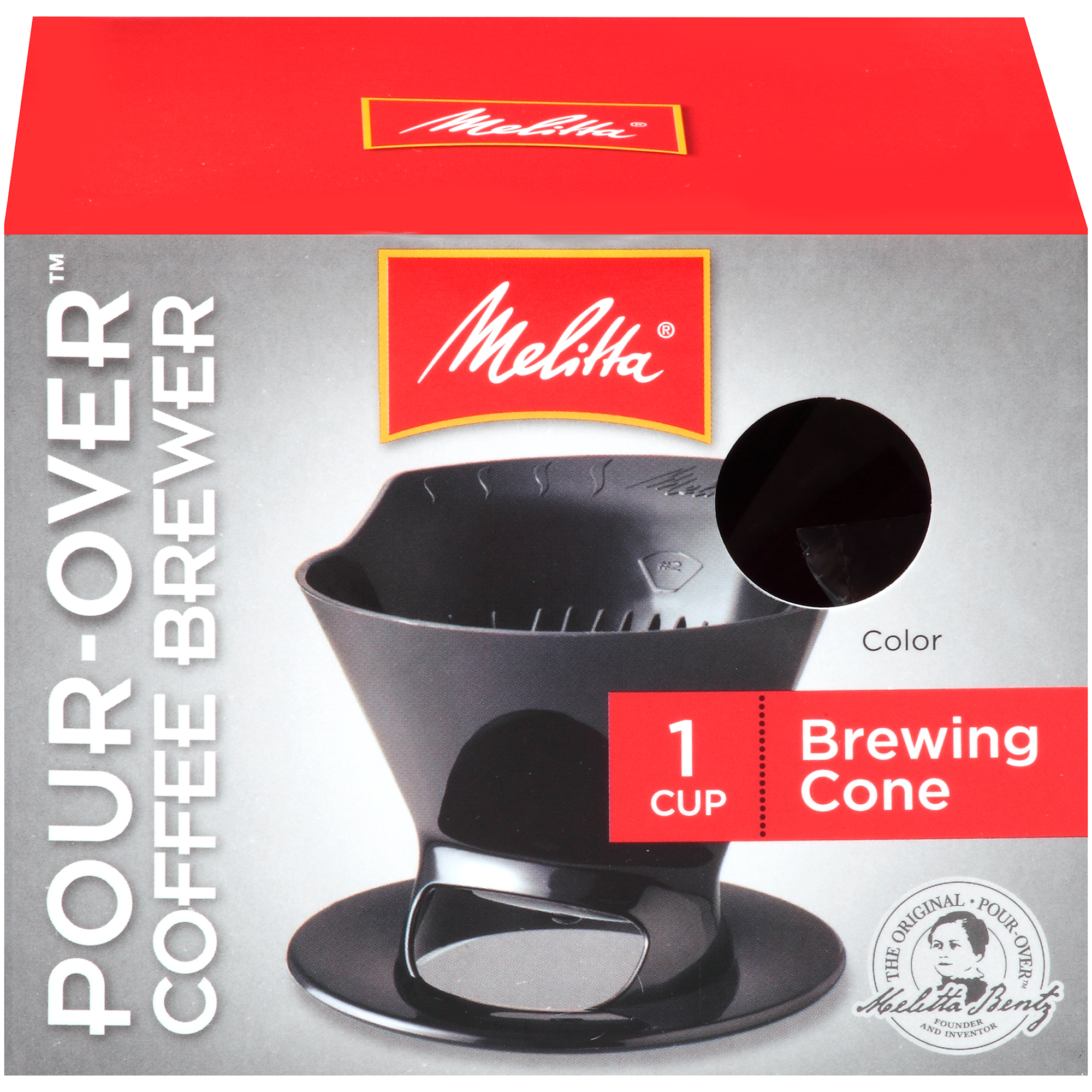
Melitta 1-Cup Pour-Over Brew Cone
A straightforward single-cup filter cone for learning how water distribution, grind size and dose shape a clean black coffee.
- Compact one-cup preparation
- Paper-filter clarity
- No power supply needed
- Simple rinse-and-brew workflow
- Easy single-serving experimentation
- Requires compatible paper filters
Greater Goods Coffee Scale with Timer
A timed digital coffee scale for repeatable filter coffee and measurable espresso preparation at home.

- 0.1 g display increments
- Built-in brew timer
- Tare function for the vessel
- Up to 3 kg nominal capacity
- Protective silicone platform cover
- Useful for timed filter pours
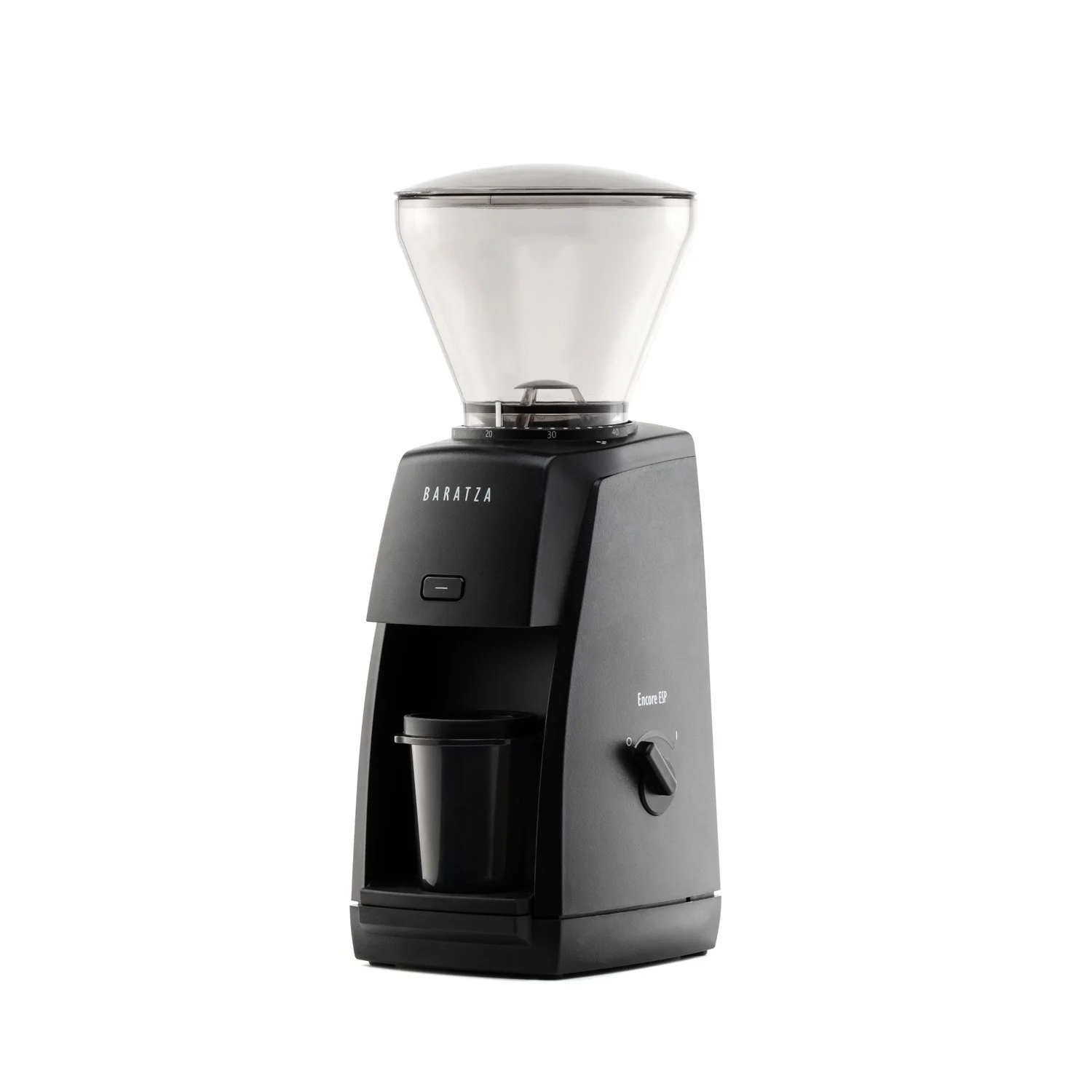
Baratza Encore ESP Conical Burr Grinder
A home burr grinder with a finer adjustment range designed for espresso as well as coarser grinding for everyday filter methods.
- 40 mm steel conical burrs
- Espresso-focused finer range
- Separate coarser brew range
- Supplied dosing cup
- Hopper-fed home format
- Grind settings need dialing in
Six DC-Inspired Coffee Preparations to Try at Home
These recipes translate useful techniques and flavor ideas from Washington’s cafés into reasonable home preparations. They are not copies of proprietary café formulas, and their ingredient proportions should not be attributed to the featured businesses. Start with clean water, fresh beans and a scale if possible. The first four are designed around filter brewing, espresso and simple milk combinations; the final two explore palm-sugar and aromatic cold-coffee ideas associated more broadly with Indonesian coffee culture. Each yields one serving unless noted otherwise.
1. A Clean Single-Origin Pour-Over
Ingredients: 20 g medium-fine ground coffee, 320 g water at about 92–96°C, a paper filter and a single-cup dripper
Method: Rinse the paper filter with hot water and discard the rinse. Add the grounds and pour approximately 40 g of water to wet the coffee evenly. Wait 35–45 seconds, then pour in two or three controlled stages until the total reaches 320 g. Allow the water to finish draining before removing the cone. Taste the cup warm and again after it has cooled slightly.
Flavor and technique: Use this to compare two origins without changing every other variable. Start near a 1:16 ratio. If the cup tastes harsh, try a slightly coarser grind or shorter contact time. If it is weak and sour, try a finer grind or adjust the dose. One change at a time makes the comparison meaningful.
2. Guatemalan-Style Coffee Tasting Without Additions
Ingredients: 18 g freshly ground Guatemalan coffee, 290 g clean hot water, a filter brewer and two small cups
Method: Brew a clean paper-filter cup at a repeatable ratio. Divide the finished drink evenly between two preheated cups. Taste the first immediately, then let the second cool for several minutes. Make notes on sweetness, acidity, mouthfeel and lingering flavor; do not add milk until you have tasted both temperatures.
Flavor and technique: This is a way to appreciate the kind of origin attention that makes La Coop interesting, not a reproduction of its bar recipes. Many complex coffees reveal different characteristics as they cool. A tasting note on the bag can help you pay attention, but the cup itself is the final reference.
3. An Espresso-Forward Cortado
Ingredients: 18 g espresso-ground coffee, approximately 36 g espresso output, 35–45 g lightly textured milk
Method: Use a suitable espresso machine and a fine grinder to prepare a double shot, then steam a small quantity of milk until glossy and smoothly integrated. Pour the warm milk into the espresso and serve promptly. The espresso-to-milk balance is deliberately much stronger than a large latte. Adjust the extraction before increasing the milk if the drink tastes harsh.
Flavor and technique: This provides a fair way to compare your home espresso with small drinks served at Peregrine, The Coffee Bar and Swing’s. The 1:2 espresso ratio is a starting point, not a universal target. A darker roast might need different extraction settings from a light single-origin coffee.
4. Measured Cold Brew for a Washington Summer
Ingredients: 80 g coarse ground coffee, 640 g cool water, a covered container and an appropriate filter
Method: Combine the coffee and water, stir gently to wet every ground and refrigerate for roughly 12–16 hours as a starting range. Filter carefully into a clean container. Serve the finished coffee over ice and adjust its final dilution to taste. Keep the brewed coffee refrigerated and handle the equipment hygienically.
Flavor and technique: This is a straightforward cold-brewing method rather than a nitro recipe. A nitro cold brew at Compass uses additional infusion technology and will not have exactly the same mouthfeel. The home version focuses on coffee concentration and clarity without requiring a gas system.
5. Palm-Sugar Milk Coffee Inspired by Indonesian Flavors
Ingredients: One double espresso, 120–150 ml cold milk, 1–2 tsp liquid palm sugar or dissolved palm sugar, ice
Method: Dissolve a small amount of palm sugar in a little warm water. Cool the syrup before using. Add ice to a glass, pour in milk, stir through the palm sugar and finish with the espresso. Taste after a few sips and add sweetness only if needed. Using a stronger espresso helps maintain coffee flavor in the chilled milk mixture.
Flavor and technique: This takes inspiration from the broad Indonesian kopi susu and aren-sugar vocabulary. It is not Dua’s proprietary Aren Latte recipe. Palm sugar can taste more earthy or caramel-like than ordinary white sugar. The correct balance depends on the coffee, milk and sugar product used.
6. Pandan-Scented Iced Coffee at Home
Ingredients: 120 ml chilled brewed coffee, 100 ml oat milk, ice and a very small quantity of food-grade pandan flavoring or pandan-infused syrup
Method: Prepare an unsweetened coffee base and chill it. Mix the oat milk with a small amount of pandan ingredient, then add coffee and ice. If the pandan is already sweetened, do not add extra syrup before tasting. Stir thoroughly so the flavoring does not collect at the bottom. Use only edible food-grade pandan preparations, not fragrance products.
Flavor and technique: The combination recalls the aromatic direction of Dua’s Oat Pandan Cold Brew, but it is an original home adaptation. Too much pandan flavor can overwhelm coffee. Keep the first batch restrained and increase it gradually in a later serving if the aroma is too subtle.
For a broader foundation, our guide to coffee brewing methods at home explains why pour-over and immersion cups feel different. If espresso is your main routine, compare options for burr grinders for espresso and learn to balance dose, output and time using the espresso dial-in and brew ratio guide. Each of those steps has a larger impact on consistency than copying a signature café drink without understanding its base coffee.
Practical Advice for Visiting Washington, DC Coffee Shops
Treat Washington as a set of neighborhoods, not one long coffee strip
Takoma, Kennedy Street, Rhode Island Avenue, H Street, Capitol Hill, downtown, Shaw and Logan Circle each require different travel planning. The locations are not interchangeable just because every address ends in Washington, DC. Build one coffee outing around one geographic cluster. A downtown morning can include Dua and Swing’s; a north DC trip can prioritize Lost Sock and La Coop. Eastern Market is a separate neighborhood experience. This prevents coffee stops from becoming a sequence of unnecessary transfers.
Double-check branch names before trusting opening hours
Swing’s G Street coffee bar is closed on weekends. The Coffee Bar Shaw opens weekends while its downtown branch does not. Slipstream’s Studio Theatre café operates a different schedule from its downtown locations. Zeke’s operates a roastery café and smaller counters with their own hours. A brand name alone is not an address or timetable. The safest plan uses the specific street in this guide and then checks the location’s current information on the day.
Be especially careful with Compass Coffee addresses in 2026
Compass filed for Chapter 11 restructuring in 2026 and closed several outlets. The original Shaw location was specifically documented as operating in recent local information, but a business can change again. Do not automatically travel to whichever Compass pin comes up first in a search engine or an old social post. Check the 1535 7th Street NW branch before leaving. A good café recommendation is useful only when it points to a current operating business.
Understand that a named drink is different from a tasting recommendation
Dua’s Aren Latte and Oat Pandan Cold Brew are actual named specialties. A single-origin pour-over at Lost Sock or La Coop may be a suggested way to explore the beans, not a permanently available best-selling menu item. The difference matters: a rotating roaster cannot guarantee the same origin each day. Ask the barista what is currently available. A good guide should make recommendations without inventing sales rankings or claiming firsthand testing that never happened.
Budget extra time for cultural coffee experiences
Sidamo’s traditional Ethiopian coffee ceremony is a social and cultural experience, not a scheduled espresso tasting that can be assumed to happen on arrival. The city’s visitor information describes it as available upon request. Contact Sidamo ahead of time if the ceremony is a priority, and be prepared to follow the café’s advice about timing and attendance. Otherwise, a simple Ethiopian brewed coffee remains an excellent way to appreciate the shop.
Do not mistake milk texture for coffee origin
A smooth nitro cold brew, a palm-sugar latte and a black pour-over can all taste delicious while revealing very different things about coffee. Nitro changes texture; palm sugar adds aroma and sweetness; paper filtration highlights a coffee’s underlying character. For a genuine origin comparison, try unsweetened coffees with a similar brewing method. For a comforting drink that suits an afternoon with friends, order the specialty you actually want. There is no need to rank them on one artificial scale.
Know when a laptop is welcome and when it is merely tolerated
A shop with a table is not automatically a workspace. Seating demand, Wi-Fi policies and outlets vary. Lost Sock can be lively and is not a guaranteed quiet remote-work option. Peregrine is better understood as an espresso stop. Slipstream combines a broader food menu with café service, while La Coop often attracts neighborhood visitors who stay longer. Ask staff about current laptop policies and do not occupy a crowded table indefinitely with an empty cup.
Use public transit intelligently instead of relying only on walking
Downtown and Shaw routes may be manageable on foot for many visitors, but Takoma and Kennedy Street are farther from the National Mall. Capitol Hill is another distinct destination. Check current Metro and bus schedules, weather, accessibility requirements and service disruptions rather than assuming the shortest map route is practical. Washington summer heat and rain also affect whether a long café walk is enjoyable. Build comfortable margins into the day.
Check ingredients in specialty drinks and café food
Milk alternatives, flavored syrups, palm sugar, pandan products, pastries and food items can contain ingredients that matter for allergies or dietary restrictions. A named drink may also be pre-sweetened, and the amount cannot be inferred from a social-media picture. Ask the café directly about ingredients and cross-contact when needed. This is particularly important for someone avoiding dairy or certain nuts. A black coffee is a simpler order but does not by itself guarantee an allergen-free environment.
Leave room for a second visit to the café you liked most
This list is a selection of worthwhile options, not a demand to finish ten drinks in a weekend. A return to The Coffee Bar can reveal a new rotating roaster; a second La Coop visit can provide another Guatemalan coffee. At Sidamo, the atmosphere may be as memorable as the brew, while a follow-up at Lost Sock allows time to explore the food program. Plan one or two meaningful stops and let the rest remain choices for another day.
Final Comparison: Washington Coffee Shops by Purpose
| Best for | Café | Drink to consider | Most important limit |
|---|---|---|---|
| Best Overall | Lost Sock Roasters | A current single-origin pour-over or a small espresso | Plan for a lively small café and possible seating limits. Monday is not a Takoma café day. |
| Best Indonesian | Dua Coffee | Aren Latte or Oat Pandan Cold Brew; single-origin espresso for contrast | The main café is downtown; the separate NASA Southwest kiosk runs a limited weekday schedule. |
| Best Origin Story | La Coop Coffee | Guatemalan filter coffee or an Americano; Dirty Horchata for something sweeter | This is the 500 Kennedy Street venue, not the former nearby La Coop storefront or a general brand search result. |
| Best Local Chain | Compass Coffee | Nitro cold brew or a straightforward cappuccino | The business entered Chapter 11 restructuring in 2026 and closed some branches. Do not assume every old Compass location is still operating. |
| Best Bean Selection | Zeke’s Coffee of DC | House-roasted drip coffee or a current single-origin pour-over | The 731 15th Street NW shop is separate; this profile covers the 2300–2304 Rhode Island Avenue roastery café. |
| Best Historic Roaster | Swing’s Coffee | Double espresso or one of the current pour-over coffees | This specific downtown branch is a weekday coffee stop, not a reliable weekend destination. |
| Best Ethiopian | Sidamo Coffee & Tea | Ethiopian light-roast coffee; ask about the traditional coffee ceremony | A traditional ceremony is not guaranteed as an on-demand service; inquire with the café in advance. |
| Best Classic Espresso | Peregrine Espresso | Cappuccino, double espresso or nitro coffee when available | The Eastern Market café serves nitro coffee; the separate Union Market counter has its own menu and opening hours. |
| Best Multi-Roaster | The Coffee Bar | Cortado or a current rotating filter coffee | The Shaw branch opens weekends; TCB’s separate downtown 17th Street location closes on weekends. |
| Best Coffee and Food | Slipstream | Single-origin filter coffee or a balanced latte | The old original address should not be used; the downtown Slipstream locations have different, often weekday-only hours. |
Frequently Asked Questions About Coffee Shops in Washington, DC
What is the best coffee shop in Washington, DC for a first visit?
Lost Sock Roasters in Takoma is an excellent first choice when specialty roasting and a relaxed neighborhood breakfast are the goals. Downtown visitors may prefer Dua for Indonesian coffee or Peregrine near Eastern Market for classic espresso.
Where is Lost Sock Roasters in Washington, DC?
The featured Takoma café is at 6833 4th Street NW, Washington, DC 20012. Its current published schedule excludes Mondays. Lost Sock also lists a separate NoMa café, so use the correct branch address.
What makes Dua Coffee different from other DC cafés?
Dua is a woman-owned Indonesian specialty coffee business that roasts beans from Indonesian origins. Its official menu includes the Aren Latte, Kopi Susu Latte and Oat Pandan Cold Brew, alongside coffee served without flavor additions.
Is Dua Coffee in Southwest Washington or downtown?
The main daily café featured here is downtown at 923 15th Street NW. Dua also opened a public kiosk at NASA Headquarters, 300 E Street SW, which was announced with a limited Tuesday-through-Thursday schedule.
Where can I try Guatemalan specialty coffee in DC?
La Coop Coffee at 500 Kennedy Street NW is a strong choice. The business roasts Guatemalan single-origin coffee at its Kennedy Street café and offers drinks ranging from an Americano to sweeter specials.
Which café in DC serves Ethiopian coffee?
Sidamo Coffee & Tea at 417 H Street NE serves Ethiopian coffees and tea. Washington’s official visitor guide also describes traditional Ethiopian coffee ceremonies there as an experience available upon request.
Do I need to book the Ethiopian coffee ceremony at Sidamo?
Contact the café in advance. A ceremony is not guaranteed to begin at a particular time simply because the café is open. Ask the staff about arrangements, duration and any requirements.
Where is Compass Coffee’s original Washington shop?
The original Compass Shaw café is at 1535 7th Street NW. Compass underwent restructuring and closed multiple locations during 2026, so check current branch status before traveling.
Did Compass Coffee close all its DC locations in 2026?
No. The company announced a Chapter 11 restructuring and continued operation of core cafés, although other branches closed. Confirm the specific address you intend to visit because the store network has changed.
Where is the Zeke’s Coffee of DC roastery café?
The Rhode Island Avenue roastery café is at 2300–2304 Rhode Island Avenue NE, Washington, DC 20018. Zeke’s also has a downtown 15th Street shop and other separate sales locations.
Is Swing’s Coffee open on weekends in downtown DC?
Its G Street Coffee Bar at 1702 G Street NW lists Monday-through-Friday service from 7 a.m. to 4 p.m. and is closed on Saturday and Sunday. Do not apply another branch’s hours to this location.
Which café is best for espresso near Eastern Market?
Peregrine Espresso at 660 Pennsylvania Avenue SE is a strong classic espresso choice near Eastern Market. Its published menu offers espresso, cappuccino and latte, plus nitro coffee at this specific branch.
Is Peregrine Espresso the same café as the Union Market counter?
They are branches of the same business at different addresses. The Eastern Market café is at 660 Pennsylvania Avenue SE, while Union Market is at 1309 5th Street NE. Menus and schedules can differ.
Which Washington café has rotating beans from different roasters?
The Coffee Bar, often called TCB, is a multi-roaster café. Its original Shaw location is at 1201 S Street NW and offers espresso and brewed coffee from changing roaster selections.
Where did Slipstream move its Logan Circle café?
Slipstream’s original Logan Circle café relocated in 2024 to Studio Theatre at 1333 P Street NW. The brand also operates additional downtown locations with different schedules.
Which café is best when I want coffee and a full breakfast?
Slipstream at Studio Theatre is a practical starting point because it combines coffee with an all-day breakfast and lunch program. Lost Sock in Takoma is another appealing choice for coffee and savory morning food.
Can I walk between all ten coffee shops in this list?
No practical single walk covers all ten. The cafés span Takoma, Kennedy Street, Rhode Island Avenue, H Street NE, Capitol Hill, Shaw, Logan Circle and downtown. Plan one or two area-focused stops each day.
Where should I go for a cold coffee in DC?
Compass Shaw is a straightforward choice for nitro cold brew, if that option is being served. Dua’s named Oat Pandan Cold Brew is better suited to someone wanting an aromatic specialty rather than a plain black cold coffee.
What is the best DC café for buying beans to brew at home?
Zeke’s Rhode Island Avenue roastery offers a broad roasted-bean selection. Lost Sock and La Coop are also useful for discussing the beans currently being brewed and finding a suitable bag for home.
How should I choose between a pour-over and a latte?
Choose a plain pour-over when you want to taste the particular beans with little interference. Choose a latte when you prefer espresso rounded with milk or are pairing the drink with a meal. Both are valid; the important difference is the experience you want.
Final Recommendation: Let the Neighborhood Shape the Cup
For a trip centered on the coffee itself, begin with Lost Sock Roasters in Takoma. A single-origin pour-over and a savory breakfast make a sensible introduction to what an independent Washington roaster can provide. La Coop Coffee follows naturally for anyone interested in the relationship between Guatemalan farms, a local roasting operation and the finished cup. These two shops are not downtown conveniences; their appeal comes from choosing the neighborhood deliberately and allowing enough time for it.
If your visit stays near the White House and downtown, Dua Coffee offers the most distinctive change of direction. An Aren Latte or Oat Pandan Cold Brew reflects an Indonesian-inspired café identity, while a plain espresso gives you a contrasting picture of the beans. Swing’s G Street Coffee Bar belongs on a weekday itinerary for its historic roasting connection. Around Shaw, The Coffee Bar introduces rotating roasters; Compass provides a locally founded chain option; and Slipstream can turn the coffee stop into a proper breakfast or lunch.
For a classic small cappuccino near sightseeing, go to Peregrine Espresso at Eastern Market. Choose Sidamo on H Street for Ethiopian coffee and the possibility of an arranged cultural ceremony. Visit Zeke’s Rhode Island Avenue roastery when buying beans and improving home brewing are the priorities. Washington’s ten excellent options belong to different neighborhoods and different coffee traditions. Choose the one that fits the moment instead of racing to finish the whole list.


