
Milk for Coffee 101: Best Milk & Non-Dairy Substitutes


OneHundredCoffee is reader-supported, and some products displayed may earn us an affiliate commission. Details.
Milk can make or break coffee.
That sounds dramatic until you make the same espresso three different ways: once with whole milk, once with oat milk, and once with thin almond milk. Suddenly, it does not taste like the same drink anymore. The espresso might be identical, the cup might be identical, and the recipe might be identical, but the milk changes the body, sweetness, texture, foam, color, temperature, feel, and even how bitter or soft the coffee tastes.
This is why I think milk deserves its own complete coffee guide.
A lot of people spend all their energy choosing the coffee beans, grinder, espresso machine, or sweetener, then pour in whatever milk is already in the fridge. Sometimes that works. Sometimes it creates a perfect latte almost by accident. But other times, the drink tastes thin, sour, watery, chalky, too sweet, too heavy, separated, or weirdly flat.
The truth is simple: not every kind of milk works the same way in coffee.
Whole milk is creamy and classic. 2% milk is lighter but still balanced. Skim milk can foam a lot but tastes less rich. Lactose-free milk is naturally sweeter. Half-and-half makes coffee feel indulgent. Heavy cream is rich but can bury delicate coffee. Oat milk is soft, creamy, and naturally sweet. Soy milk has protein and body. Almond milk is light and nutty but can turn thin or separate. Coconut milk tastes tropical and dessert-like. Cashew milk is smooth but mild. Pea milk is surprisingly good for foam because of its protein. Rice milk is light and sweet but usually too thin for serious lattes.
And that is before we even talk about “barista” versions, which are made specifically to handle heat, foam, and espresso better than standard plant milks.
So this guide is not just “dairy vs non-dairy.” It is a practical coffee guide: which milk tastes best in black coffee, which milk is best for lattes, which milk foams best, which milk works in iced coffee, which milk is better for lactose intolerance, which milk substitute is closest to cow’s milk, and which options I would actually keep at home for different drinks.
One quick nutrition note before we start: plant-based milk alternatives can vary a lot. The FDA says plant-based milk alternatives may be made from nuts, seeds, rice, coconuts, oats, or legumes such as soy, and their nutrient profiles vary by source, processing, and added ingredients. The FDA also notes that fortified soy beverages are the only plant-based alternatives similar enough to dairy milk to be included in the dairy group in the Dietary Guidelines.
That matters because “best milk for coffee” and “best milk nutritionally” are not always the same answer.
Best Milk and Non-Dairy Substitutes—Frothers At a Glance
| Image | Product | Features | Price |
|---|---|---|---|
|
Best Overall Dairy Choice

|
Rich, full-bodied coffee texture
|
Price on Amazon | |
|
Best Everyday Lighter Dairy Choice

|
Balanced dairy richness
|
Price on Amazon | |
|
Best Lactose-Free Choice

|
Lactose-Free Whole Milk — Amazon Grocery Lactose Free Whole Milk |
Full dairy taste without lactose
|
Price on Amazon |
|
Best Plant-Based Latte Choice

|
Barista-style steaming performance
|
Price on Amazon | |
|
Best High-Protein Dairy-Free Choice

|
Protein-rich non-dairy milk
|
Price on Amazon | |
|
Best Light Iced Coffee Choice

|
Unsweetened Almond Milk — Califia Farms Organic Unsweetened Almond Milk |
Light, clean coffee pairing
|
Price on Amazon |
|
Best Dessert Coffee Choice

|
Rich tropical creaminess
|
Price on Amazon | |
|
Best Foam Upgrade

|
Automatic Milk Frother — Instant Pot 4-in-1 Electric Milk Frother |
Fast hands-free milk frothing
|
Price on Amazon |
|
Best Manual Upgrade

|
Stainless Steel Milk Frothing Pitcher — De’Longhi DLSC060 Milk Frothing Jug |
Better milk steaming control
|
Price on Amazon |
|
Best Café Setup Add-On

|
Handheld Milk Frother Wand — Zulay Kitchen Powerful Milk Frother Wand |
Quick handheld foam maker
|
Price on Amazon |
Quick Answer: Best Milk for Coffee by Drink Type
If you want the fastest answer, here is my practical coffee-first ranking.
For classic hot coffee, use whole milk, 2% milk, half-and-half, lactose-free milk, oat milk, or soy milk.
For lattes, use whole milk, 2% milk, barista oat milk, soy milk, or pea milk.
For cappuccinos, use whole milk, 2% milk, skim milk, barista oat milk, or soy milk.
For flat whites, use whole milk, 2% milk, or barista oat milk.
For iced coffee, use whole milk, oat milk, almond milk, coconut milk, soy milk, or lactose-free milk.
For cold brew, use oat milk, whole milk, half-and-half, almond milk, coconut milk, or cashew milk.
For mochas, use whole milk, oat milk, soy milk, coconut milk, or cashew milk.
For macchiatos, use whole milk, 2% milk, oat milk, or soy milk.
For dalgona coffee, use cold dairy milk, oat milk, soy milk, or almond milk depending on how creamy you want the base to be.
For lactose intolerance, use lactose-free dairy milk or plant-based milk. Lactose intolerance is related to difficulty digesting lactose due to lactase activity, and it is different from a true milk allergy.
For the closest plant-based substitute to dairy milk, choose fortified soy milk. The FDA says fortified soy beverages are the plant-based option most similar to milk in nutrient composition, and Harvard also notes that soy milk provides a high amount of protein comparable to cow’s milk.
For the best plant-based milk for coffee taste, I usually choose barista-style oat milk.
For the best overall milk for coffee texture, I still choose whole milk.
What Makes Milk Good in Coffee?
Milk has to do several jobs in coffee.
It needs to soften bitterness. It needs to add body. It needs to mix smoothly. It needs to survive heat. It needs to foam if you are making lattes or cappuccinos. It should taste good with roasted coffee flavors. And if you are using it every day, it should also fit your nutrition needs, budget, and stomach.
The main things that matter are the following:
Fat gives richness and roundness. This is why whole milk feels softer than skim milk.
Protein helps foam structure. This is why cow’s milk and soy milk usually foam better than very thin almond or rice milk.
Natural sugar affects sweetness. Lactose-free milk often tastes sweeter because lactose is broken into simpler sugars.
Stability matters with hot coffee. Some plant milks split, curdle, or separate when mixed with acidic coffee or high heat.
Flavor matters more than people admit. Coconut milk tastes like coconut. Almond milk tastes nutty. My milk can taste beany. Oat milk tastes cereal-sweet. None of these are bad, but they change the drink.
The best milk for coffee is not always the richest one. It is the one that gives the drink the texture and flavor you actually want.
Whole Milk: The Classic Café Choice
Best whole milk for creamy coffee drinks
Parmalat Shelf Stable UHT Whole MilkThis shelf-stable whole milk is a practical pick for creamy lattes, macchiatos, and everyday coffee. It brings a fuller body and smooth dairy texture without needing immediate refrigeration before opening.
Check Price on AmazonWhole milk is still the gold standard for many coffee drinks.
It has the right balance of fat, protein, sweetness, and body. It steams beautifully, pours well, and gives lattes that glossy café-style texture. It makes espresso taste rounder and less sharp without completely hiding the coffee.
If you are trying to learn latte art, whole milk is the easiest starting point. It gives you enough fat for creaminess and enough protein for stable microfoam. When steamed correctly, it becomes shiny, smooth, and pourable instead of bubbly or stiff.
Whole milk is especially good for:
Lattes
Flat whites
Cappuccinos
Cortados
Macchiatos
Mocha
Hot coffee with milk
Dalgona coffee base
The downside is that whole milk is richer and contains more saturated fat than lower-fat options. If you drink several large milk coffees every day, that can matter for your overall diet. But from a pure coffee texture point of view, whole milk is hard to beat.
Best for: classic café texture, latte art, creamy espresso drinks
Avoid if you want the lightest daily option or avoid dairy.
2% Milk: The Best Everyday Balance
Best 2% milk for balanced coffee
Organic Valley Organic 2% Reduced Fat MilkThis 2% milk is a balanced choice for coffee drinkers who want some creaminess without the heavier feel of whole milk. It works nicely in mochas, iced coffee, and daily drip coffee.
Check Price on Amazon2% milk is the quiet hero of daily coffee.
It is lighter than whole milk but still has enough body to make coffee feel creamy. It steams well, foams decently, and does not make the drink feel as heavy as whole milk.
If someone tells me they want a daily coffee with milk that feels normal, easy, and not too rich, I usually suggest 2% milk. It is also a good choice for families because it works across drip coffee, espresso, cappuccino, and iced coffee without being too intense.
Compared with whole milk, 2% milk feels slightly thinner. Compared with skim milk, it tastes much more satisfying.
Best for: everyday coffee, lattes, cappuccinos, drip coffee
Avoid if you want maximum richness or dairy-free coffee.
Skim Milk: Big Foam, Less Creaminess

Best skim milk for lighter coffee
Schreiber Skim Shelf Stable MilkThis skim milk is useful when you want a lighter coffee drink with less richness. It is a simple shelf-stable option for drip coffee, iced coffee, and lower-fat milk routines.
Check Price on AmazonSkim milk can foam surprisingly well, but the texture is different.
Because it has protein but almost no fat, skim milk can create a lot of foam. The problem is that the foam can feel dry, airy, and less creamy. For cappuccino, that can sometimes work. For latte, it may feel too light.
Skim milk also makes coffee taste sharper because it does not soften bitterness as much as whole or 2% milk. If you drink dark roast coffee, skim milk can make the roast feel more exposed.
I would use skim milk if you want a lower-fat dairy option and do not mind a lighter body. I would not choose it for the most luxurious latte.
Best for: lighter cappuccinos, lower-fat dairy coffee
Avoid if you want creamy lattes or rich cold brew.
Lactose-Free Milk: Sweeter Dairy Without the Lactose Problem

Best lactose-free milk for coffee
Schreiber 2% Lactose Free Shelf Stable MilkThis lactose-free 2% milk is a convenient choice for coffee lovers who want dairy taste without lactose. It is easy to keep on hand and works well in hot or iced coffee drinks.
Check Price on AmazonLactose-free milk is one of the best coffee options for people who like the dairy taste but do not tolerate regular milk well.
The texture is very similar to regular milk. It steams well, foams well, and works in lattes, cappuccinos, flat whites, and iced coffee. The main taste difference is sweetness. Lactose-free milk often tastes sweeter because lactose is broken down into glucose and galactose.
That sweetness can be a good thing in coffee. It can reduce the need for extra sugar or syrup. In an iced latte, lactose-free whole milk can taste naturally smooth and almost dessert-like.
The key point: lactose intolerance is not the same as milk allergy. Lactose intolerance involves difficulty digesting lactose, while milk allergy involves an immune reaction to milk proteins. People with milk allergies need medical guidance and should avoid dairy proteins, not just lactose.
Best for: dairy lovers with lactose intolerance, naturally sweeter lattes
Avoid if you have a milk allergy or avoid dairy entirely.
Half-and-Half: The Coffee-Shop Creamy Shortcut

Best half-and-half for coffee convenience
Land O Lakes Mini Moo’s Half & Half Creamer SinglesThese half-and-half singles are great for offices, travel, and quick coffee setups. They add a creamy dairy finish without needing to measure from a carton every morning.
Check Price on AmazonHalf-and-half is richer than milk but lighter than heavy cream.
It is beautiful in hot coffee and cold brew because it gives body fast. You do not need much. A small splash can make coffee taste soft, creamy, and café-like.
I do not usually steam half-and-half for classic lattes because it can feel too rich, but for drip coffee, French press, cold brew, and iced coffee, it works beautifully.
If your coffee is strong, bitter, or dark roasted, half-and-half can tame it quickly. If your coffee is delicate and floral, it can cover too much.
Best for: hot coffee, cold brew, dark roast coffee
Avoid if you want light coffee or latte art milk.
Heavy Cream: Rich, Powerful, and Easy to Overdo
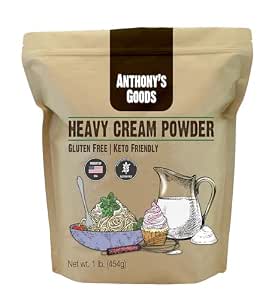
Best heavy cream for rich coffee
Anthony’s Heavy Cream PowderThis heavy cream powder is a rich option for coffee drinkers who want a thicker, creamier cup. It is especially handy for pantry storage, travel kits, and creamy coffee recipes.
Check Price on AmazonHeavy cream is not really “milk for coffee” in the normal sense. It is more like a richness tool.
A small amount can make coffee taste luxurious. Too much can make the drink feel heavy, greasy, and less like coffee. It works best with strong coffee, cold brew, keto-style coffee routines, and dessert drinks.
Heavy cream does not behave like milk in lattes. It is not the first choice for steaming or foam. Think of it as a finishing ingredient, not an everyday latte base.
Best for: strong hot coffee, cold brew, keto-style coffee, dessert coffee
Avoid if you want a balanced latte or a lighter daily cup.
Evaporated Milk: Old-School Creaminess

Best evaporated milk for strong coffee
Nestle Carnation Evaporated MilkThis evaporated milk adds a creamy, slightly cooked dairy depth that pairs well with strong coffee. It is a useful pantry option for iced coffee, moka pot coffee, and sweet coffee recipes.
Check Price on AmazonEvaporated milk is concentrated milk with some water removed, so it tastes richer and slightly cooked.
It is excellent in strong coffee, iced coffee, Vietnamese-style drinks, and pantry-friendly recipes. It gives coffee a nostalgic, creamy flavor that feels different from fresh milk.
It is not my first choice for latte art or steaming, but it is very useful when you want creamy coffee without using fresh milk.
Best for: strong coffee, iced coffee, pantry recipes
Avoid if you want a fresh café-style milk texture.
Condensed Milk: Dessert Coffee in One Spoon

Best condensed milk for sweet coffee
Eagle Brand Sweetened Condensed MilkThis sweetened condensed milk is ideal for Vietnamese-style coffee, iced coffee, and dessert-like drinks. It gives coffee a thick creamy body with built-in sweetness.
Check Price on AmazonCondensed milk is sweetened, thick, and rich.
It is not just milk; it is milk plus sugar in a very concentrated form. It is perfect for Vietnamese coffee, Spanish latte, ube latte, and dessert-style iced coffee. In your ube latte recipe, condensed milk fits naturally because it gives that creamy, dessert sweetness.
Use it carefully. It can overpower coffee fast. But when the drink is meant to be indulgent, condensed milk is hard to replace.
Best for: Vietnamese coffee, ube latte, Spanish latte, dessert iced coffee
Avoid if you want low-sugar or light coffee
Oat Milk: The Best Plant-Based Milk for Most Coffee Drinkers
Best oat milk for coffee drinks
Oatly Barista Edition Oat MilkThis oat milk is a popular barista-style pick for lattes, cappuccinos, and iced coffee. It gives coffee a creamy texture with a mild oat sweetness that does not overpower espresso.
Check Price on AmazonOat milk became popular in coffee for a reason.
It is creamy, naturally sweet, smooth, and usually less watery than almond milk. It works especially well in lattes, iced coffee, cold brew, and flavored drinks. Barista oat milk is even better because it is designed to foam, steam, and mix with espresso more reliably.
For taste, oat milk is probably the easiest dairy-free switch for most coffee drinkers. It does not taste as beany as soy. It is not as thin as almonds. It does not push the drink to be tropical, like coconut. It just makes coffee soft and round.
In your own lavender latte guide, oat milk works beautifully with floral syrup because it brings natural sweetness and a soft texture. In your iced caramel macchiato version, oat milk gives a creamy, slightly cereal-sweet result that is easy to drink.
Oat milk’s main downside is that it is usually higher in carbohydrates than almond milk, and some versions contain added oils or sugar. Always check the label if that matters to you.
Best for: lattes, iced lattes, cold brew, flavored coffee, dairy-free beginners
Avoid if you want very low-carb milk or dislike oat flavor.
Soy Milk: The Best High-Protein Plant-Based Substitute

Best soy milk for barista coffee
Pacific Foods Barista Series Soy MilkThis soy milk is a strong choice for plant-based coffee drinkers who want more body and a classic café-style texture. It works well in lattes, cappuccinos, and espresso-based drinks.
Check Price on AmazonSoy milk is the most nutritionally serious plant milk for coffee.
It has more protein than most plant milks, which helps with foam and body. Fortified soy milk is also the plant-based alternative most similar to dairy milk nutritionally, according to the FDA’s consumer guidance.
In coffee, soy milk can be excellent. It steams well, foams well, and gives a good latte texture. The issue is flavor. Some soy milks taste clean and creamy. Others taste beany, especially in delicate coffee.
Soy milk also needs careful handling with very hot or acidic coffee because some brands can separate. Barista soy milk usually performs better.
Best for: protein, cappuccinos, lattes, dairy-free nutrition
Avoid if you dislike the beany flavor or have a soy allergy.
Almond Milk: Light, Nutty, and Better for Iced Coffee Than Lattes

Best almond milk for iced coffee
Califia Farms Original Almond Barista Blend Almond MilkThis almond barista blend is a good pick for iced coffee and lighter milk drinks. It gives a nutty flavor, smooth texture, and a clean plant-based finish without feeling too heavy.
Check Price on AmazonAlmond milk is very popular, but it is not always the easiest coffee milk.
It is light, nutty, and usually lower in calories than oat or dairy milk. That makes it appealing for iced coffee, cold brew, and lighter daily drinks. But in hot espresso drinks, standard almond milk can taste thin or separate.
Barista almond milk is better because it is formulated for coffee. Still, even then, almond milk rarely gives the same creamy body as whole milk or oat milk.
I like almond milk in iced coffee, cold brew, and flavored drinks where you want a lighter texture. I do not love it as the main milk for a classic latte unless the brand is very good.
Best for: iced coffee, cold brew, lower-calorie coffee, nutty flavor
Avoid if you want thick microfoam or have a nut allergy.
Coconut Milk: Best for Dessert and Tropical Coffee
Best coconut milk for rich coffee recipes
Thai Kitchen Gluten Free Unsweetened Coconut MilkThis coconut milk is best for creamy coffee recipes, iced drinks, and dessert-style coffee. It adds a richer texture and a gentle coconut note that pairs well with chocolate or cold brew.
Check Price on AmazonCoconut milk is not neutral. That is the whole point.
It gives coffee a tropical, creamy, dessert-like flavor. In some drinks, that is wonderful. In others, it is distracting.
Coconut milk works beautifully in iced coffee, coconut vanilla lattes, mochas, ube lattes, and cold brew. It also pairs well with chocolate, vanilla, caramel, and brown sugar. In your ube latte guide, coconut milk is one of the creamy, dairy-free options that makes sense with the dessert profile.
For plain hot coffee, coconut milk can feel too flavored. For delicate espresso, it can overpower the shot. But for fun, recipe drinks are excellent.
One nutrition note: Harvard notes that coconut milk, like cow’s milk, is high in saturated fat, while many nut milks have more unsaturated fat profiles.
Best for: coconut lattes, ube lattes, iced coffee, dessert drinks
Avoid if you want a neutral flavor or lighter daily coffee.
Cashew Milk: Smooth, Soft, and Mild

Best cashew milk for smooth coffee
Elmhurst 1925 Cashew Milk UnsweetenedThis cashew milk is a smooth plant-based option for coffee drinkers who want a mild nutty finish. It is especially nice in iced coffee, cold brew, and less-sweet coffee recipes.
Check Price on AmazonCashew milk is one of the smoother nut milks.
It tends to be creamier than almond milk, with a softer flavor. It can work nicely in cold brew, iced coffee, and gentle lattes. It does not always foam as strongly as soy or barista oat milk, but the mouthfeel can be pleasant.
I like cashew milk for people who find almond milk too thin and coconut milk too flavored. It sits in the middle.
Best for: cold brew, iced lattes, mild dairy-free coffee
Avoid if you need strong foam or have a nut allergy.
Pea Milk: The Underrated Frothing Option

Best pea milk for protein coffee
Ripple Plant Based MilkThis pea milk is a good option when you want plant-based coffee with more protein. It has a creamy body that works well in cold brew, iced lattes, and everyday coffee drinks.
Check Price on AmazonPea milk sounds strange until you try a good one in coffee.
Because it is higher in protein than many plant milks, it can foam better than almond or rice milk. The texture can be surprisingly close to dairy in lattes and cappuccinos, especially if you use a barista-style version.
The flavor depends heavily on the brand. Some are clean and neutral. Others have a slight earthy taste. If you find a good one, it can be an excellent dairy-free option.
Best for: protein, foam, dairy-free lattes
Avoid if you dislike earthy flavors.
Hemp Milk: Nutty, Earthy, and Not for Everyone

Best hemp milk for unsweetened coffee
Pacific Foods Unsweetened Hemp MilkThis unsweetened hemp milk is a useful choice for coffee drinkers who prefer a less-sweet plant milk. It brings a distinct earthy flavor and works best in bold coffee or cold brew.
Check Price on AmazonHemp milk has a stronger personality.
It can taste nutty, earthy, and slightly grassy. That can work with dark roast coffee or chocolate drinks, but it may clash with bright espresso or floral lattes.
It usually does not foam as well as soy or barista oat milk, but it can be useful for people avoiding dairy, soy, and nuts.
Best for: dark roast coffee, mocha, alternative-diet needs
Avoid if you want a neutral milk flavor.
Rice Milk: Sweet but Too Thin for Most Lattes

Best rice milk for mild coffee
Rice Dream Organic Rice Milk DrinkThis rice milk is a mild plant-based option for people who want a lighter coffee addition. It is naturally softer in flavor and works well when you do not want a strong nut or oat taste.
Check Price on AmazonRice milk is light, naturally sweet, and easy to drink, but it is usually too thin for serious coffee texture.
It can work in iced coffee or simple hot coffee if you want something very light. But for lattes, cappuccinos, and foam, it is not my top choice.
Rice milk is also usually low in protein, so it does not create strong foam.
Best for: very light coffee, allergy-friendly situations
Avoid if you want a creamy texture or strong foam.
Macadamia Milk: Smooth, Buttery, and Coffee-Friendly

Best macadamia milk for lattes
milkadamia Latte Da Barista Macadamia MilkThis macadamia barista milk is a smooth and slightly luxurious plant-based pick. It pairs nicely with espresso when you want a creamy latte with a softer nutty finish.
Check Price on AmazonMacadamia milk can be lovely in coffee.
It has a buttery, rounded flavor that works well with espresso and cold brew. It is usually smoother than almond milk and less cereal-like than oat milk. It does not always foam as well as barista oat or soy, but for iced coffee and hot coffee, it can be excellent.
This is a good milk for people who want a premium-feeling plant milk without the obvious oat flavor.
Best for: iced coffee, cold brew, smooth lattes
Avoid if you need high protein or have a nut allergy
Barista Plant Milk: Why It Usually Works Better

Best barista plant milk for coffee
Califia Farms Oat Barista Blend Oat MilkThis oat barista blend is made for coffee drinks that need better texture and smoother mixing. It is a good everyday pick for lattes, iced coffee, cappuccinos, and plant-based milk foam.
Check Price on AmazonBarista plant milks are not just marketing.
They are usually formulated to handle coffee better. They may include added oils, stabilizers, acidity regulators, or protein adjustments that help them steam, foam, and avoid splitting when mixed with espresso.
A standard oat milk might taste good but collapse in a cappuccino. Barista oat milk usually foams better. A standard almond milk might separate in hot coffee. Barista almond milk has a better chance of staying smooth.
If you are making milk coffee every day, barista versions are often worth it. If you only add a splash to cold brew, regular versions may be fine.
Best barista plant milks for coffee: oat, soy, almond, pea, macadamia
Most reliable overall: barista oat milk
Most protein-focused: barista soy or pea milk
Best Milk for Latte
Best milk for creamy oat lattes
Oatly Barista Edition Oat MilkThis oat milk is one of the easiest plant-based choices for latte-style drinks. It blends smoothly with espresso and gives the cup a creamy texture without a heavy dairy finish.
Check Price on AmazonFor a latte, I want milk that is creamy, smooth, and easy to texture.
Best choices:
Whole milk
2% milk
Lactose-free whole milk
Barista oat milk
Soy milk
Pea milk
Whole milk gives the most classic café latte texture. 2% milk is lighter but still smooth. Barista oat milk is the easiest dairy-free choice. Soy milk is strong if you want protein and foam. Pea milk is underrated if the flavor works for you.
For a floral drink like a lavender latte, oat milk works beautifully because it supports the syrup without making the drink too heavy.
Best Milk for Cappuccino

Best milk for cappuccino foam
Chobani Oat Milk Plain Barista EditionThis oat barista milk is a good choice for cappuccinos when you want a plant-based drink with a softer, creamy finish. It suits espresso drinks that need more body and foam-friendly texture.
Check Price on AmazonCappuccino needs foam, so protein matters.
Best choices:
Whole milk
2% milk
Skim milk
Barista oat milk
Soy milk
Pea milk
Whole milk gives creamy foam. Skim milk makes bigger foam but less richness. Soy and pea milk can work well because of protein. Barista oat milk gives good dairy-free foam and a friendly taste.
Avoid very thin almond or rice milk unless you are using a barista version and accept lighter foam.
Best Milk for Flat White

Best milk for smooth flat whites
Califia Farms Organic Oat Barista BlendThis organic oat barista blend is a strong fit for flat whites because it keeps the texture smooth and the flavor gentle. It lets the espresso stay noticeable while adding enough creaminess.
Check Price on AmazonFlat white is about silky microfoam, not big foam.
Best choices:
Whole milk
2% milk
Lactose-free whole milk
Barista oat milk
A flat white should feel smooth and integrated. Dry foam ruins it. Whole milk is easiest. Barista oat milk is my favorite plant-based option.
Best Milk for Iced Coffee
Best milk for iced coffee drinks
Califia Farms Almond Barista BlendThis almond barista blend is a refreshing match for iced coffee. It keeps the drink lighter than dairy, adds a gentle nutty note, and works well with cold brew or espresso over ice.
Check Price on AmazonIced coffee is more forgiving because you do not need to steam the milk.
Best choices:
Whole milk
2% milk
Oat milk
Almond milk
Coconut milk
Soy milk
Macadamia milk
Half-and-half
Oat milk gives creaminess. Almond milk keeps it light. Coconut milk makes it dessert-like. Half-and-half makes cold brew feel rich fast.
For more recipe ideas, link this section to your iced coffee drinks guide.
Best Milk for Cold Brew
Best milk for smooth cold brew
Chobani Oat Milk Plain Barista EditionThis oat barista milk works well with cold brew because it adds creaminess without making the drink feel too heavy. It is especially nice for smooth, low-acidity iced coffee drinks.
Check Price on AmazonCold brew is smooth and low-acid, so it pairs with many milks.
Best choices:
Oat milk
Whole milk
Half-and-half
Almond milk
Cashew milk
Macadamia milk
Coconut milk
Cold brew loves creamy, slightly sweet milk. Oat milk is excellent because it adds body without needing much sugar. Half-and-half is great if you want a strong café-style cold brew.
Best Milk for Mocha
Best milk for balanced mochas
Organic Valley Organic 2% Reduced Fat MilkThis 2% milk is a balanced choice for mochas because it softens espresso and chocolate without making the drink overly heavy. It is creamy enough for comfort but still easy to drink daily.
Check Price on AmazonMocha loves richer milk.
Best choices:
Whole milk
Oat milk
Soy milk
Coconut milk
Cashew milk
Half-and-half
Chocolate needs body. Thin milk makes mocha taste weak. Coconut milk is especially good if you like chocolate-coconut flavors.
Best Milk for Macchiato
Best milk for creamy macchiatos
Parmalat Shelf Stable UHT Whole MilkThis whole milk is a good match for macchiatos because a small amount can add real creaminess to espresso. It is also easy to store before opening, which makes it practical for home coffee bars.
Check Price on AmazonFor a macchiato, the milk amount is small, so texture matters more than volume.
Best choices:
Whole milk
2% milk
Barista oat milk
Soy milk
A macchiato should still taste like espresso. Avoid milk that overpowers the shot. If you want to make one at home, this is a natural place to link to your macchiato recipe.
Best Milk for Dalgona Coffee
Best milk for Dalgona coffee
Organic Valley Organic 2% Reduced Fat MilkThis 2% milk is a good base for Dalgona coffee because it balances the sweet whipped coffee topping. It gives enough dairy body while keeping the drink lighter than whole milk.
Check Price on AmazonDalgona coffee sits on top of milk, so the milk becomes the base.
Best choices:
Cold whole milk
Cold 2% milk
Oat milk
Soy milk
Almond milk
Coconut milk
Whole milk gives a classic creamy base. Oat milk gives natural sweetness. Almond milk makes it lighter. Coconut milk turns it into dessert.
For the whipped coffee method itself, link to your dalgona coffee guide.
Best Milk for Coffee If You Want Less Sugar
Best milk for lower-sugar coffee
Califia Farms Organic Oat Barista BlendThis oat barista blend is a good option when you want coffee to stay smooth without leaning too sweet. It gives enough body for espresso drinks while keeping the flavor clean and balanced.
Check Price on AmazonChoose unsweetened milk when possible.
Best lower-sugar choices:
Unsweetened almond milk
Unsweetened soy milk
Unsweetened macadamia milk
Unsweetened coconut milk beverage
Unsweetened pea milk
Regular dairy milk without flavored syrups
Be careful with flavored plant milks. Vanilla oat milk, sweetened almond milk, and sweetened coconut milk can add more sugar than you expect. Always check the Nutrition Facts label. The FDA specifically encourages comparing plant-based milk alternatives by nutrients like protein, vitamin D, calcium, and potassium.
Best Milk for Coffee If You Want More Protein
Best milk for higher-protein coffee
Ripple Plant Based MilkThis pea-based milk is useful when you want coffee with a more protein-focused plant milk. It has enough creaminess for iced lattes, smoothies, and daily coffee without a dairy base.
Check Price on AmazonBest protein choices:
Dairy milk
Lactose-free dairy milk
Soy milk
Pea milk
Almond milk, rice milk, coconut milk beverages, and many oat milks are usually lower in protein. That does not mean they are bad for coffee, but if protein matters to you, soy and pea milk are stronger plant-based options.
Harvard notes that soy milk provides a high amount of protein comparable to cow’s milk, while many nut milks have different fat profiles and lower protein.
Best Milk for Coffee If You Want Creaminess
Best milk option for extra creamy coffee
Anthony’s Heavy Cream PowderThis heavy cream powder is the pick for coffee drinkers who want a richer, softer, more dessert-like texture. It is especially useful for creamy hot coffee, iced coffee, and pantry-friendly recipes.
Check Price on AmazonBest creamy choices:
Whole milk
Lactose-free whole milk
Half-and-half
Oat milk
Coconut milk
Cashew milk
Macadamia milk
Creaminess comes from fat, body, and texture. Oat milk is the easiest plant-based creamy option. Coconut milk is the most dessert-like. Half-and-half is the strongest dairy shortcut.
Best Milk for Coffee If You Want Latte Art
Best milk for plant-based latte art
Oatly Barista Edition Oat MilkThis oat milk is a reliable pick for latte art practice because it is made for coffee-style steaming and pouring. It gives a smooth microfoam feel and a creamy plant-based finish.
Check Price on AmazonBest latte-art choices:
Whole milk
2% milk
Barista oat milk
Soy milk
Pea milk
Start with whole milk if you are learning. Once you understand steam angle, whirlpool, and microfoam, move to barista oat or soy if you want dairy-free latte art.
Your own milk frother guide says whole milk usually creates rich, creamy foam, while barista oat milk is a good non-dairy choice for lattes, and thinner plant milks may foam lightly or collapse faster.
Why Some Plant Milks Split in Coffee
Plant milk can split or curdle in coffee because of heat, acidity, and formulation.
Coffee is naturally acidic. Espresso is hot. Some plant milks are delicate. When they hit hot acidic coffee, proteins and stabilizers can react badly, creating separation.
To reduce splitting:
Use barista plant milk.
Warm the milk gently before adding.
Let very hot coffee cool for 30 seconds.
Pour milk first, then coffee.
Avoid very acidic light roasts with fragile plant milk.
Shake the carton well before using.
Choose oat, soy, or pea milk over thin almond or rice milk if stability matters.
If almond milk keeps curdling, the problem may not be you. It may simply be the brand.
How to Steam Milk for Coffee

Good steamed milk should look glossy, not bubbly.
The basic method:
Start with cold milk.
Use a clean pitcher.
Keep the steam tip just below the surface at first.
Add air for only a few seconds.
Then lower the tip slightly to create a whirlpool.
Stop before the milk gets too hot.
Tap and swirl the pitcher.
Pour while the milk is still glossy.
For lattes, you want smooth microfoam.
For cappuccinos, you want more foam.
For flat whites, you want very fine, thin microfoam.
For plant milk, steam slightly more gently. Oat milk and almond milk can lose sweetness or split if overheated.
Milk Temperature: Do Not Burn the Milk
Burnt milk ruins coffee.
When milk gets too hot, it loses sweetness and starts tasting cooked. This is especially noticeable in lattes and cappuccinos. With plant milks, overheating can also make the texture collapse or the flavor turn strange.
A good practical range is warm enough to feel café-hot but not scalding. If you cannot hold the pitcher comfortably for even a moment, you may be going too hot.
For home coffee, slightly cooler milk often tastes sweeter and smoother than overheated milk.
Milk and Roast Level: Matching Milk to Coffee Beans
Milk softens coffee, but it also hides some details.
Dark roast coffee usually works well with whole milk, oat milk, half-and-half, coconut milk, and chocolate-style drinks. The roast has enough bitterness and body to cut through milk.
Medium roast coffee is the most flexible. It works with almost any milk.
Light roast coffee is trickier. It can taste fruity and acidic, which sometimes clashes with dairy or fragile plant milk. For light-roast milk drinks, I like oat milk or whole milk, but I keep the drink small so the coffee does not disappear.
Robusta-heavy blends often work well in milk drinks because they have more bitterness, body, and crema. If you are comparing bean styles, link naturally to your Arabica vs Robusta guide.
Milk Comparison Table for Coffee
| Milk Type | Texture | Flavor | Frothing | Best Coffee Use |
|---|---|---|---|---|
| Whole milk | Very creamy | Classic, sweet | Excellent | Lattes, cappuccinos, flat whites |
| 2% milk | Balanced | Clean, light | Good | Everyday coffee, lattes |
| Skim milk | Light | Less rich | High foam, dry texture | Light cappuccinos |
| Lactose-free milk | Creamy | Sweeter dairy | Excellent | Lattes, iced coffee |
| Half-and-half | Very rich | Creamy | Not ideal for latte art | Hot coffee, cold brew |
| Heavy cream | Extremely rich | Dense, buttery | Poor for latte texture | Strong coffee, keto coffee |
| Evaporated milk | Rich | Cooked, creamy | Not ideal | Iced coffee, pantry drinks |
| Condensed milk | Thick, sweet | Dessert-like | Not for foam | Vietnamese coffee, ube latte |
| Oat milk | Creamy | Cereal-sweet | Very good if the barista | Lattes, iced coffee |
| Soy milk | Medium-creamy | Mild to beany | Good | High-protein dairy-free lattes |
| Almond milk | Light | Nutty | Light, sometimes unstable | Iced coffee, cold brew |
| Coconut milk | Creamy | Tropical | Moderate | Dessert drinks, iced coffee |
| Cashew milk | Smooth | Mild, nutty | Moderate | Cold brew, soft lattes |
| Pea milk | Medium-creamy | Neutral to earthy | Good | Dairy-free foam |
| Hemp milk | Medium-light | Earthy, nutty | Moderate | Dark roast coffee |
| Rice milk | Thin | Light, sweet | Weak | Allergy-friendly iced coffee |
| Macadamia milk | Smooth | Buttery, mild | Moderate | Iced coffee, smooth lattes |
My Personal Milk Picks for Coffee
If I want the best classic latte, I use whole milk.
If I want the best lighter everyday coffee, I use 2% milk.
If I want the best plant-based latte, I use barista oat milk.
If I want the best high-protein dairy-free option, I use soy milk.
If I want the best light iced coffee, I use unsweetened almond milk.
If I want the best dessert iced coffee, I use coconut milk or condensed milk.
If I want the best cold brew splash, I use oat milk or half-and-half.
If I want the best lactose-free dairy option, I use lactose-free whole milk.
If I want the best milk for latte art practice, I start with whole milk.
Common Mistakes People Make With Milk in Coffee

The first mistake is using milk that is too hot. Burnt milk makes coffee taste dull.
The second mistake is using thin plant milk for lattes and expecting café foam.
The third mistake is not shaking plant milk before pouring. Separation in the carton can lead to separation in the cup.
The fourth mistake is using too much milk. A latte should still taste like coffee.
The fifth mistake is pairing delicate light roast espresso with a very strong-flavored milk like coconut.
The sixth mistake is assuming all oat milk or almond milk brands behave the same. They do not.
The seventh mistake is confusing lactose intolerance with milk allergy.
The eighth mistake is buying sweetened plant milk without noticing. Sweetened vanilla oat milk can turn a balanced coffee into dessert quickly.
The ninth mistake is using cold milk straight into hot coffee and wondering why the drink tastes flat. Sometimes warming the milk slightly improves the cup.
The tenth mistake is focusing only on milk and ignoring the coffee base. Bad espresso plus good milk is still only partially saved.
Final Verdict: What Is the Best Milk for Coffee?
The best milk for coffee depends on the drink.
For the most classic coffeehouse texture, choose whole milk.
For a lighter everyday dairy option, choose 2% milk.
For lactose intolerance, choose lactose-free milk.
For the best plant-based latte, choose barista oat milk.
For the best high-protein dairy-free option, choose soy milk.
For light iced coffee, choose almond milk.
For dessert coffee, choose coconut milk, condensed milk, or half-and-half.
For cold brew, choose oat milk, whole milk, half-and-half, almond milk, or macadamia milk.
If I had to keep only three milks at home for coffee, I would choose the following:
Whole milk for classic lattes.
Barista oat milk for dairy-free drinks.
Half-and-half for cold brew and strong hot coffee.
That small setup covers almost everything.
FAQ
What is the best milk for coffee?
Whole milk is the best classic milk for coffee because it is creamy, balanced, and works well in lattes, cappuccinos, flat whites, and hot coffee.
What is the best non-dairy milk for coffee?
Barista oat milk is usually the best non-dairy milk for coffee because it is creamy, naturally sweet, and works well in both hot and iced drinks.
What plant milk is closest to cow’s milk?
Fortified soy milk is the closest plant-based milk to dairy milk nutritionally. The FDA says fortified soy beverages are similar enough to milk to be included in the dairy group in the Dietary Guidelines.
What milk is best for lattes?
Whole milk is best for classic lattes. Barista oat milk is the best dairy-free latte option.
What milk is best for cappuccino?
Whole milk, 2% milk, skim milk, barista oat milk, soy milk, and pea milk all work well for cappuccino.
What milk is best for iced coffee?
Oat milk, whole milk, almond milk, coconut milk, soy milk, and half-and-half all work well in iced coffee.
What milk is best for cold brew?
Oat milk, half-and-half, whole milk, almond milk, cashew milk, and macadamia milk work beautifully with cold brew.
Is oat milk good in coffee?
Yes. Oat milk is one of the best plant-based milks for coffee because it is creamy, mildly sweet, and usually stable in espresso drinks.
Is almond milk good in coffee?
Almond milk is good in iced coffee and cold brew, but it can taste thin or separate in hot coffee unless you use a barista version.
Is soy milk good in coffee?
Yes. Soy milk is good in coffee because it has protein and body. It is especially useful for dairy-free lattes and cappuccinos.
Is coconut milk good in coffee?
Coconut milk is good in dessert-style coffee, iced coffee, ube lattes, and coconut lattes. It is not neutral, so it can overpower delicate coffee.
Is lactose-free milk good in coffee?
Yes. Lactose-free milk works very well in coffee and often tastes slightly sweeter than regular milk.
Why does plant milk curdle in coffee?
Plant milk can curdle or split because of coffee acidity, high heat, or weak formulation. Use barista plant milk, warm it gently, and avoid pouring fragile milk into very hot, acidic coffee.
What milk froths best?
Whole milk usually froths best for creamy microfoam. Barista oat milk, soy milk, and pea milk are strong non-dairy options.
What milk is best for latte art?
Whole milk is easiest for latte art. Barista oat milk is the best plant-based option for learning dairy-free latte art.
What milk should I use for mocha?
Whole milk, oat milk, soy milk, coconut milk, cashew milk, and half-and-half all work well in mocha because chocolate needs body.
Is skim milk good in coffee?
Skim milk can foam well, but it tastes thinner and less creamy than whole or 2% milk.
Is half-and-half better than milk in coffee?
Half-and-half is richer and creamier than milk, but it can be too heavy for some drinks. It is best in hot coffee and cold brew, not classic lattes.
Can I use heavy cream in coffee?
Yes, but use a small amount. Heavy cream is very rich and can overpower the coffee.
What milk is best for people reducing sugar?
Choose unsweetened almond milk, unsweetened soy milk, an unsweetened coconut milk beverage, unsweetened pea milk, or plain dairy milk without flavored syrups.
What is the best milk for coffee overall?
Whole milk is the best overall dairy milk, and barista oat milk is the best overall plant-based milk for coffee.
Final Thoughts
Milk is not just something you pour into coffee. It is one of the biggest flavor decisions in the cup.
Whole milk makes coffee creamy and classic. 2% milk keeps things balanced. Skim milk makes foam but not much richness. Lactose-free milk gives dairy texture with extra sweetness. Half-and-half turns strong coffee into comfort. Condensed milk turns coffee into dessert.
On the plant-based side, oat milk is the easiest all-around winner. Soy milk is the strongest nutrition-focused substitute. Almond milk is light and good for iced coffee. Coconut milk is fun for tropical and dessert drinks. Cashew and macadamia milk are smooth. Pea milk is better than people expect for foam. Rice milk is light but usually too thin.
The trick is matching the milk to the drink.
Use whole milk when you want classic café texture. Use oat milk when you want the easiest dairy-free latte. Use soy milk when you want protein. Use almond milk when you want light iced coffee. Use coconut milk when you want dessert. Use half-and-half when you want cold brew to taste rich fast.
And most importantly, do not let the milk erase the coffee.
The best cup is balanced: coffee first, milk supporting it, and texture bringing everything together.


