
How to Make Flat White Coffee at Home


OneHundredCoffee is reader-supported, and some products displayed may earn us an affiliate commission. Details
There are coffee drinks that feel big and flashy, and then there is the flat white—the drink that looks almost modest until you taste a really good one. Then it clicks. A flat white is not trying to bury espresso under a mountain of milk, whipped cream, syrup, or foam. It is trying to do something much harder: keep the coffee tasting like coffee while making it feel velvety, sweet, polished, and café-level smooth.
That is exactly why this drink frustrates people at home.
A latte is forgiving. A cappuccino can hide a few little mistakes behind thicker foam. But a flat white? A flat white tells on you. If your espresso is weak, you will taste it. If your milk is too airy, you will feel it immediately. If your ratio is off by a little, the whole drink shifts from silky and balanced to just “milky coffee.”
The good news is that once you understand what a flat white is actually supposed to be, it becomes much easier to make one that feels right at home. Not identical to every café on earth, because cafés themselves vary, but close enough that you stop craving the coffee shop version every time you want one.
Best Coffee Beans Choice for Flat White
| Image | Product | Features | Price |
|---|---|---|---|
|
Best Overall Flat White

|
Creamy medium espresso blend
|
Price on Amazon | |
|
Best Italian Balance

|
Smooth full-bodied crema blend
|
Price on Amazon | |
|
Best Café-Style Pick

|
Rich caramelly dark roast
|
Price on Amazon | |
|
Best Chocolatey Shot

|
Heavy body, low acidity
|
Price on Amazon | |
|
Best Smooth Sweet Pick

|
Nutty, sweet medium-dark espresso
|
Price on Amazon | |
|
Best Brighter Flat White

|
Lighter espresso with brightness
|
Price on Amazon | |
|
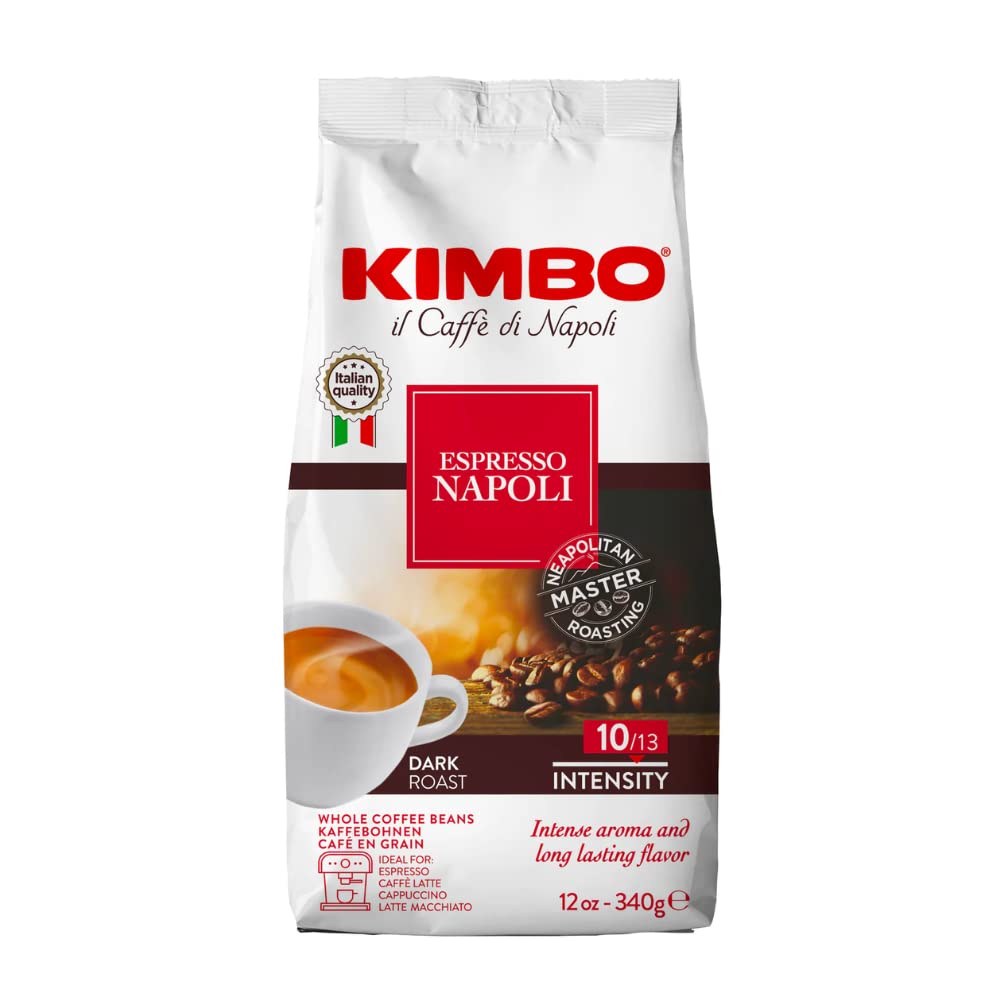
Best Sweet Dark Pick
|
Full-bodied sweet Italian espresso
|
Price on Amazon | |
|
Best Everyday Espresso

|
Rich medium-dark espresso roast
|
Price on Amazon | |
|
Best Strong Flat White

|
Bold espresso roast punch
|
Price on Amazon | |
|
Best Bold Dark Option

|
Robust dark roast depth
|
Price on Amazon |
At its core, a flat white is a small milk drink built around espresso and fine microfoam. It is usually served in a smaller cup than a latte, often around 150–180 ml, so the coffee stays forward and the milk supports rather than dominates. The texture is the whole point: not thick, dry cappuccino foam, and not plain hot milk either, but a glossy, integrated milk texture that folds into the espresso instead of sitting on top of it. The drink is also famously tied to Australia and New Zealand, and its exact origin is still argued over, which honestly feels fitting for a drink that lives in the fine details.
So this is not just a “recipe” article. This is the real home-barista version: what beans to use, what espresso you are trying to pull, how to steam the milk, how to pour it, why your flat white might taste wrong, how to fix it, and what gear actually matters if you want that compact, glossy café style at home.
What a flat white is supposed to taste like
The first thing I always tell people is this: if your flat white tastes mostly like hot milk, it missed the point.
A good flat white should taste rich, smooth, and espresso-led. You should still notice the coffee in the first sip. The milk should round the edges, soften bitterness, and bring natural sweetness, but the espresso still needs to have a real voice in the cup. That is why flat whites are usually served in smaller sizes than lattes and are built to keep a stronger coffee-to-milk impression.
I think that is what makes a flat white so lovable once you really get into coffee. It gives you comfort without muting your personality. It is gentle, but not bland. Soft, but not weak. It is one of the few milk drinks that still lets a good espresso taste intentional.
Flat white vs latte vs cappuccino

Before making one at home, it helps to know exactly what you are aiming for.
The simplest way to think about it
| Drink | Espresso Presence | Milk Texture | Cup Size | Overall Feel |
|---|---|---|---|---|
| Flat White | Stronger | Fine microfoam | Smaller | Velvety, compact, coffee-forward |
| Latte | Softer | Steamed milk with light foam | Larger | Milder, milkier, easier-drinking |
| Cappuccino | Strong but airy | More foam | Medium | Lighter texture, frothier top |
The flat white usually sits in the sweet spot between a latte and a cappuccino, but honestly, it is not just “between” them. It has its own personality. It is not trying to be large and mellow like many lattes, and it is not trying to be foamy and airy like a cappuccino. It is trying to be dense, smooth, and integrated.
That last word—integrated—is the whole game.
The gear you really need

You do not need a full commercial setup to make a good flat white at home, but you do need a few things to line up in your favor.
The essentials
- An espresso machine with a steam wand
- Fresh coffee beans
- A grinder good enough for espresso
- A small milk pitcher
- A cup around 5–6 oz / 150–180 ml
- A little patience
If I were building a home flat-white station without going completely overboard, I would care most about three pieces of gear: the espresso machine, the grinder, and the milk pitcher.
For a compact home machine with a proper steam wand, the Breville Bambino is a popular entry point because it heats quickly and is designed for manual milk frothing rather than automatic milk shortcuts.
For an all-in-one route, machines in the Breville Barista Express style remain popular because they combine grinder and espresso workflow in one body, which makes home espresso feel less intimidating.
For the milk side, a simple stainless-steel frothing pitcher in the 12–20 oz range is the kind of small thing that makes a big difference because it gives you better control over milk movement and pouring. Amazon has dedicated espresso frothing pitchers and even pitcher options with built-in thermometers if you want extra help learning milk temperature.
Here are a few easy starting points:
- Breville Bambino Espresso Machine
- Breville Barista Express
- Espresso Milk Frothing Pitcher
- Milk Frothing Pitcher with Thermometer
What beans work best for a flat white

This is where people often make the drink harder than it needs to be.
Could you make a flat white with a bright, floral, super-light roast? Yes. Would I recommend that if you are still learning? Not really.
Flat whites are usually easiest to love when the espresso has:
- chocolate notes
- nutty sweetness
- caramel tones
- moderate acidity
- enough body to stay present through milk
That is why medium to medium-dark espresso blends often work beautifully. They are not necessarily “better” than lighter roasts in some objective way, but they are easier to turn into a rich, balanced milk drink.
If you are just starting, I would choose a coffee that sounds warm and familiar rather than exotic. Think chocolate, hazelnut, brown sugar, toffee, cocoa, or roasted almond. Those flavor directions are wonderfully forgiving in milk.
A few good rules for choosing beans
- Buy whole beans, not pre-ground.
- Use beans within a sensible freshness window.
- Do not chase the darkest roast you can find just because you want “strong” coffee.
- Start with a coffee you would already enjoy as espresso.
If you want a simple grinder option to pair with a home machine, search for espresso-capable burr grinders rather than blade grinders. A blade grinder will make your espresso life miserable.
A few browsing ideas:
The espresso base: this is the backbone of the drink

A flat white begins with espresso, and this is where you either set yourself up for success or spend the rest of the drink trying to hide flaws with milk.
The traditional home target is usually a double espresso. The heritage SCAA espresso definition describes espresso as roughly 25–35 ml per single, brewed from 7–9 grams of coffee per single, at around 195–205°F, in about 20–30 seconds, with the double being twice that beverage size and dose range. In real home use, many people today work with roughly 18 grams in and somewhere around 36 grams out as a practical double-shot starting point.
A very good starting espresso recipe for flat white
| Element | Starting Point |
|---|---|
| Dose | 18 g coffee |
| Yield | 34–40 g espresso |
| Time | 25–32 seconds |
| Basket | Double basket |
| Cup | 150–180 ml flat white cup |
This is not the only way to do it, but it is a good, stable home target.
What are you looking for in the cup
Your shot should taste:
- sweet enough to be pleasant
- concentrated enough to stand up to milk
- not sour
- not burnt
- not thin
If the espresso tastes sharp and lemony, your flat white will feel pointy and unfinished. If the espresso tastes charred and bitter, the milk may soften it a little, but it will still feel heavy and rough. The goal is not “perfect straight espresso competition shot.” The goal is an espresso that still tastes alive once milk joins the conversation.
How to dial in espresso for milk drinks

This deserves a separate section because many home baristas chase a shot that tastes amazing on its own, then wonder why it disappears in milk.
For flat whites, I often prefer espresso that is:
- slightly syrupy
- slightly round
- balanced more toward sweetness than brightness
- not overly long
If your flat white tastes weak, it is often one of these:
- Your shot ran too fast
- Your yield was too large
- Your milk volume was too high
- Your beans are stale
- Your grinder is not producing a tight enough espresso grind
Quick espresso troubleshooting
- Shot tastes sour/flat, white tastes sharp
- Grind finer
- Increase extraction slightly
- Check water temperature
- Shot tastes bitter/flat, white tastes dull and heavy
- Grind a little coarser
- Shorten shot slightly
- Make sure beans are not over-roasted
- The shot disappears in milk
- Use a smaller cup
- Pull a tighter shot
- Reduce milk volume
That last fix—reducing milk volume—is often the one people overlook. Many home flat whites are really just small lattes because too much milk sneaks in.
Milk: the part that makes or breaks the drink

Now we get to the hard part.
Espresso matters, yes, but milk texture is what separates a café-style flat white from “espresso with hot foamy milk.” The milk for a flat white should be silky and glossy, with very fine microfoam, not big bubbles, and not thick, dry froth. The whole drink is built on that texture difference.
What milk works best?
Whole milk is the easiest starting point. It gives you:
- better texture
- more natural sweetness
- more forgiving steaming behavior
- a richer mouthfeel
You can absolutely make flat whites with lower-fat milk or oat milk, but if your goal is learning the texture first, whole milk is the easiest teacher.
How much milk?
For one flat white:
- Start with about 120–150 ml of milk in the pitcher
- You will not use every drop, and that is normal
How to steam milk for a flat white

This is the step that scares people, but once you understand what you are trying to do, it becomes much less mystical.
You are doing two things:
- introducing a little air early
- smoothing that air into fine microfoam
That is it.
Step-by-step milk steaming method

- Fill your pitcher with cold milk.
- Purge the steam wand briefly.
- Position the tip just under the surface of the milk.
- Start steaming and listen carefully.
- You want a gentle paper-tearing sound for the first few seconds.
- Once you have added a little air, raise or angle the pitcher so the milk starts spinning in a whirlpool.
- Let the milk roll and smooth out until the pitcher gets hot enough that you are approaching serving temperature.
- Turn off the steam.
- Tap the pitcher lightly on the counter and swirl the milk until it looks glossy, like wet paint.
That “wet paint” image is still the best description I know. If the milk looks dry, bubbly, or stiff, it is not right for a flat white.
What the milk should not look like
- giant soap bubbles
- thick cappuccino foam
- separated foam cap
- thin hot milk with no body
- lumpy or airy texture
Temperature tip
If you are using a thermometer, many home baristas aim around the 55–65°C / 130–150°F range for sweet, silky milk. Pitchers with thermometer support exist if you want a little training-wheel help while learning.
The actual flat white recipe

Here is the straightforward home version I would give someone who wants a reliable starting point.
Classic flat white recipe
| Ingredient | Amount |
|---|---|
| Fresh coffee | 18 g |
| Espresso yield | 34–40 g |
| Cold whole milk | 120–150 ml |
| Finished drink size | 150–180 ml |
Method
- Warm your cup.
- Grind, dose, tamp, and pull a double espresso into the cup.
- Steam your milk until it is silky and glossy with very fine microfoam.
- Swirl the milk pitcher to keep everything integrated.
- Pour steadily into the center of the espresso from a medium height at first.
- As the cup fills, lower the pitcher and let the microfoam flow in smoothly.
- Stop before the drink becomes oversized and milky.
That last step matters. A flat white is not meant to be a giant mug of milk coffee. Keeping the drink compact is part of what gives it its charm.
How to pour it properly
People tend to think milk pouring is only about latte art. It is not. Even if you do not care about a heart or a tulip, the pour itself changes the drink.
The pour has two jobs.
- Combine milk and espresso, evenly
- place the right amount of microfoam on the surface
If you pour from too high for too long, you can punch through the crema and over-mix too aggressively. If you dump too much foam at the end, you drift toward cappuccino territory.
A beginner-friendly pour approach
- Start a little higher to help the milk integrate into the espresso.
- Once the cup is partway filled, lower the pitcher.
- Finish close to the surface with a steady hand.
You are looking for a smooth, unified drink with a fine, glossy surface—not a thick foamy dome.
A few home-barista tricks that make a real difference

Some little details look almost too small to matter, but they absolutely do.
Warm the cup first
A flat white is a small drink. Small drinks lose heat quickly. A warm cup helps the drink feel café-like instead of barely hot.
Swirl your espresso before pouring milk.
If the shot has layered or sat for a moment, a gentle swirl helps keep the texture more unified before milk goes in.
Swirl your milk right before pouring.
Even good milk starts separating if it sits. Give it that final glossy swirl.
Use less milk than you think.
This is one of the biggest flat white secrets. If your instinct says “add a bit more milk,” pause. A true flat white usually wants less.
Stop chasing huge foam.
Flat white milk is subtle. The milk should feel creamy, not fluffy.
If you do not have an espresso machine

Let me be honest: if you want a real flat white, an espresso machine with a steam wand is still the clearest path. That is the answer.
But can you make something flat-white-inspired at home without one? Yes.
The best alternatives
- Moka pot + frothed milk
- AeroPress concentrate + frothed milk
- Nespresso + carefully textured milk
Will these be identical? No. But they can still be delicious.
A moka-pot flat-white-style version
| Ingredient | Amount |
|---|---|
| Strong moka coffee | 50–60 ml |
| Milk | 120–140 ml |
| Cup size | Small |
Use your strongest, cleanest moka brew, keep the milk silky rather than foamy, and serve it in a smaller cup. It will not be café-flat-white exact, but it can absolutely scratch the itch.
Helpful browsing:
- Bialetti Moka Pot
- Handheld milk frother
Common flat white mistakes

This section is where most home frustration lives.
1) The drink is too big
This is probably the most common error. Once the cup gets too large, you drift into latte territory.
2) The milk is too foamy
That gives you a cappuccino-like texture instead of the flatter, denser feel you want.
3) The espresso is weak
If the shot is thin, no milk technique in the world will rescue the drink completely.
4) The milk is overheated
Overheated milk tastes flat and cooked. It loses that sweet, silky feeling.
5) The pitcher was not swirled before pouring
That leads to separated milk and foam, which instantly ruins the flat white texture.
6) The coffee choice is fighting the drink
Some very bright coffees can work, but they are less forgiving when you are learning.
How to fix a flat white that tastes wrong
If it tastes too milky
- Reduce the final drink size
- Use slightly less milk
- Pull a slightly tighter shot
If it tastes too bitter
- Adjust espresso extraction
- avoid scorching the milk
- consider a sweeter coffee
If it tastes thin
- Use fresher beans
- Check grinder quality
- steam milk with better texture
- Reduce beverage size
If it tastes heavy and dull
- Use a lighter hand with milk
- improve shot balance
- Keep the milk temperature in range
Best cup size for a flat white

A lot of flat white quality is really cup discipline.
A smaller cup naturally helps:
- keep ratios tighter
- preserve coffee intensity
- improve the mouthfeel
- make the drink feel café-correct
I like a cup around 5 to 6 ounces for home flat whites. Bigger than that and I start feeling like I am making a latte unless I deliberately pull extra espresso.
If you want to browse:
A simple gear table for building your home setup
| Gear | Why It Matters | Nice to Have or Essential? |
|---|---|---|
| Espresso machine with steam wand | Needed for real espresso and proper milk texture | Essential |
| Espresso-capable burr grinder | Controls extraction and shot quality | Essential |
| Milk pitcher | Helps steam and pour controlled microfoam | Essential |
| Thermometer | Useful while learning milk temp | Nice to have |
| Small cup | Keeps the drink in true flat-white territory | Essential |
| Scale | Helps dial in repeatable espresso | Nice to have |
My favorite beginner workflow
If I were teaching someone to make flat whites at home for the first time, I would not start with latte art, and I would not obsess over café-perfect rosettas. I would make them focus on this order:
- Get a drink size that stays small.
- Pull a reasonably balanced double espresso.
- Learn to steam milk without giant bubbles.
- Swirl the milk until glossy.
- Pour gently and stop before the drink turns into a latte.
That workflow sounds almost too simple, but it solves most beginner problems.
A few upgrades that genuinely help
These are not mandatory, but they are the kinds of little upgrades that make flat whites easier and more enjoyable to make at home.
- Breville Barista Express
- Breville Bambino search
- Espresso milk pitcher
- Milk pitcher with thermometer
- Espresso burr grinder search
- Flat white cups search
The truth about making café-style flat whites at home
A flat white is one of those drinks that looks simple from the outside and quietly asks a lot from you behind the scenes. You need decent espresso. You need milk that is not merely hot, but textured. You need restraint with milk volume. You need a feel for balance. That is why people who fall in love with flat whites often become a little obsessed with them. The drink rewards attention.
But that is also why it is so satisfying.
Once you get it right, even once, you immediately understand why so many people become loyal to this drink. It has the softness people want from a milk coffee without losing the seriousness of espresso. It feels comforting without becoming sleepy. It feels polished without being showy. And at home, when you nail that glossy pour into a small cup and take a sip that tastes sweet, warm, espresso-rich, and smooth all at once, it feels a little bit magical.
Not dramatic coffee magic. Just the good kind. The kind that makes you slow down for a minute and think, yes, that is exactly what I wanted.


