
Best Coffee Beans for Milk Drinks


OneHundredCoffee is reader-supported, and some products displayed may earn us an affiliate commission. Details
Milk drinks are where coffee becomes comfort. A straight espresso can be intense, black coffee can be revealing, and pour-over can feel delicate and detailed, but coffee with milk has its own kind of magic. A latte can feel soft and creamy. A cappuccino can taste rich and foamy. A flat white can feel silky and espresso-forward. A mocha can turn coffee into something dessert-like. Even a simple splash of milk in strong coffee can completely change the cup.
But milk also creates one major problem: it hides coffee. If the beans are too delicate, too bright, too thin, or too stale, the drink becomes warm milk with a faint coffee shadow. If the beans are too dark, smoky, or bitter, the milk softens the harshness a little, but the drink can still taste burnt or dry. That is why choosing the best coffee beans for milk drinks is not the same as choosing beans for black coffee.
For me, the best coffee beans for milk drinks are usually medium-dark roasts, espresso blends, or smooth dark roasts with chocolate, caramel, toasted nuts, brown sugar, cocoa, molasses, or mild dried-fruit notes. These flavors naturally blend with milk. They do not fight it. They make the drink taste rounder, sweeter, and more complete.
As we discussed previously in our published article about Best Coffee Beans for Latte, milk softens coffee’s sharp edges, but it also reduces clarity. That means your bean has to bring enough body and flavor to remain noticeable. A milk drink should still taste like coffee. The milk should support the espresso, not bury it.
Best Coffee Beans for Milk Drinks — At a Glance
| Image | Product | Features | Price |
|---|---|---|---|
|
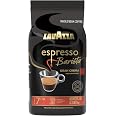
Best Latte Value
|
Creamy medium espresso roast
|
Price on Amazon | |
|
Best Specialty Latte

|
Chocolatey milk-friendly espresso
|
Price on Amazon | |
|
Best Organic Milk

|
Bold organic espresso roast
|
Price on Amazon | |
|
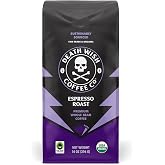
Best Strong Latte
|
High-caffeine dark espresso
|
Price on Amazon | |
|
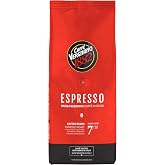
Best Italian Blend
|
Chocolate-caramel espresso beans
|
Price on Amazon | |
|
Best Decaf Latte

|
Smooth decaf espresso option
|
Price on Amazon | |
|
Best Bulk Choice

|
Large dark-roast bag
|
Price on Amazon | |
|
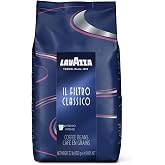
Best Dark Chocolate
|
Dark roast with hazelnut notes
|
Price on Amazon | |
|
Best Heavy Body

|
Designed to stand up to milk
|
Price on Amazon | |
|
Best Cocoa Caramel
|
Dark bold Italian roast
|
Price on Amazon |
What Makes Coffee Beans Good for Milk Drinks?
The best coffee beans for milk drinks need strength, sweetness, and body. Strength does not mean bitterness. It means the coffee has enough flavor concentration to remain present after milk is added. Sweetness helps the coffee blend into the milk instead of tasting harsh. The body gives the drink that satisfying café-style weight.
Milk contains natural sweetness and fat, especially in whole milk. This changes how coffee tastes. It softens acidity, reduces bitterness, and adds creamy texture. But it also mutes delicate notes. Floral, tea-like, citrusy, or very light roast beans may taste beautiful as a pour-over, but they can disappear quickly in a latte or cappuccino.
Good milk-drink beans usually have tasting notes like
- Milk chocolate
- Dark chocolate
- Cocoa
- Caramel
- Brown sugar
- Hazelnut
- Almond
- Toasted nuts
- Vanilla-like sweetness
- Molasses
- Mild berry
- Dried fruit
- Sweet spice
The main thing I avoid is sharp acidity without sweetness. A little fruit can be lovely in milk drinks, especially in a flat white or cortado, but if the coffee tastes lemony or sour, milk can make that sharpness feel strange. Instead of tasting bright, the drink may taste thin or slightly curdled in flavor, even if the milk itself is fine.
A great milk-drink bean should taste strong enough to lead and smooth enough to blend in.
Best Roast Level for Milk Drinks
For most milk drinks, medium-dark roast is the safest place to start. It brings enough chocolate, caramel, roasted nut, and body to stand up to milk, but it does not automatically become smoky or bitter. This roast level is especially good for latte, cappuccino, flat white, cortado, and iced milk drinks.
Medium roast can also work very well, especially if the bean has natural sweetness and enough body. A medium roast with caramel, almond, cocoa, or mild fruit notes can make milk drinks taste elegant and balanced. This is a good choice for smaller drinks like flat whites and cortados, where the coffee is not drowned in milk.
Dark roast works best when you want a bold, traditional café-style milk drink. It can be great for mochas, flavored lattes, iced lattes, and large milk drinks because it cuts through sweetness and dilution. The risk is that very dark beans can taste burnt or ashy. Milk may soften that bitterness, but it will not fully erase it.
Light roast is the hardest choice for milk drinks. It can work in modern specialty cafés, especially when the barista knows how to extract it well, but for most home drinkers, it can be tricky. A light roast may taste sour, thin, or too delicate once milk is added. If you want to use a lighter bean, choose one with honey, berry, caramel, or stone-fruit sweetness rather than sharp citrus.
Quick Comparison: Best Coffee Bean Styles for Milk Drinks
| Bean Style | Best For | Typical Flavor | Why It Works in Milk | Example Pick |
|---|---|---|---|---|
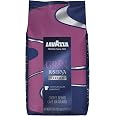
| Medium-dark espresso blend | Latte, cappuccino, flat white | Chocolate, caramel, nuts | Balanced enough for daily milk drinks without becoming too bitter. | Lavazza Super Crema |
| Classic Italian-style roast | Traditional café drinks | Cocoa, toast, mild sweetness | Gives familiar espresso flavor with a smooth milk-friendly finish. | illy Classico Whole Bean |
| Bold dark espresso bean | Mocha, iced latte, flavored drinks | Dark chocolate, roast, brown sugar | Stays noticeable when milk, ice, or syrup are added. | Peet’s Espresso Forte |
| Specialty espresso blend | Flat white, cortado, modern latte | Caramel, fruit, chocolate | Adds more character while keeping enough body for milk. | Stumptown Hair Bender |
| Organic espresso roast | Smooth daily milk drinks | Cocoa, syrup, gentle fruit | Feels rich and rounded without tasting too heavy. | Kicking Horse Cliff Hanger Espresso |
My Favorite Bean Profile for Milk Drinks
If I had to choose one bean profile for most milk drinkers, I would choose a medium-dark espresso blend with chocolate, caramel, and nutty sweetness. This profile works across the widest range of drinks. It is smooth enough for a latte, strong enough for a cappuccino, rich enough for a flat white, and still noticeable in iced milk drinks.
A bean like Lavazza Super Crema fits this everyday milk-drink style because it has body without becoming too aggressive. It is the kind of bean I would choose for someone who wants one bag that can handle several drinks throughout the week. One day it can be a latte, the next day a cappuccino, and later an iced coffee with milk.
For a more polished classic taste, Illy Classico Whole Bean is a good direction. It has a smoother, more familiar espresso profile. It may not be as punchy as a darker roast, but that can be helpful if you dislike bitterness.
For bolder drinks, especially mocha or iced latte, Peet’s Espresso Forte makes more sense because milk and ice need a stronger coffee base.
Best Coffee Beans for Latte

Latte has the most milk, so the bean needs enough body to avoid disappearing. A delicate bean can taste lovely as espresso, but once you add a large amount of steamed milk, it may become too sweet.
For latte, I prefer medium-dark beans with chocolate, caramel, brown sugar, and toasted nut notes. These flavors blend beautifully with milk and make the drink taste naturally sweet. A coffee bean does not need to be extremely dark. In fact, too much roast bitterness can make the drink taste dry.
A good latte should feel creamy, smooth, and coffee-forward. The espresso should not fight the milk, but it should still be present. If the drink tastes like warm milk with a faint coffee aroma, the bean may be too light, the shot may be weak, or the milk ratio may be too high.
For a daily latte, I would start with a smooth espresso blend. It gives consistency and makes dialing in easier.
Best Coffee Beans for Cappuccino
Cappuccino needs a slightly stronger coffee presence than a latte because the drink is smaller and has a foamer. The espresso has less milk to hide behind, so the bean needs to taste good more directly.
For cappuccino, I like beans with cocoa, dark chocolate, toasted almond, hazelnut, and caramel notes. A medium-dark roast works beautifully because it gives strength and sweetness. A darker roast can also work if you enjoy a traditional café-style cappuccino.
The best cappuccino bean should create a drink that tastes rich in the first sip and still balanced in the final sip. If the foam tastes creamy but the coffee underneath feels bitter, the roast may be too dark, or the shot may be over-extracted. If the drink tastes thin, the bean may not have enough body.
Cappuccino is a good test of milk-drink beans because it does not hide weak espresso as much as a latte does.
Best Coffee Beans for Flat White

Flat white is one of my favorite milk drinks because it keeps the espresso closer to the front. It has less foam than a cappuccino and usually less milk than a latte, so the bean’s flavor matters a lot.
For a flat white, I like medium or medium-dark espresso blends with sweetness and clarity. A little fruit can work nicely here because the drink is not too large. Beans with caramel, chocolate, red fruit, or honey notes can taste beautiful in a flat white.
Stumptown Hair Bender is the kind of bean that can suit this style if you want more personality. It has enough complexity to make the flat white interesting but still enough body to work with milk.
The goal is silky balance. A flat white should not taste like a small latte with no character. It should taste like espresso and milk are tightly woven together.
Best Coffee Beans for Cortado
Cortado is even more espresso-forward than a latte or cappuccino. Because it uses a small amount of warm milk, the bean needs to taste good as espresso first. Milk only softens the edges; it does not cover the shot.
For a cortado, I prefer medium roast, medium-dark roast, or balanced specialty espresso beans. I want sweetness, clarity, and body. Too dark, and the drink becomes bitter. Too light, and it may taste sharp. The best cortado beans often have caramel, cocoa, almond, honey, or mild fruit notes.
Cortado is a great drink for people who want a milk texture but still want to taste the coffee clearly. If you are testing a new espresso bean, Cortado can tell you quickly whether the bean has real balance.
A bean that makes a great cortado will usually also make a strong flat white and a more flavorful latte.
Best Coffee Beans for Mocha

Mocha needs a different bean strategy. Chocolate syrup or cocoa already brings sweetness and richness, so the coffee needs enough strength to avoid being buried. For mocha, I prefer medium-dark or dark espresso beans with chocolate, cocoa, roasted nut, or brown sugar notes.
A bean with natural chocolate notes makes the mocha taste more integrated. Instead of coffee plus chocolate sitting separately, the drink feels like one complete flavor. This is where a bolder bean, such as Peet’s Espresso Forte, can work well.
I avoid very bright fruity beans for mocha unless I want a more unusual drink. Citrus acidity plus chocolate can work in some specialty settings, but for a classic mocha, chocolate-forward beans are easier and more satisfying.
Mocha is forgiving, but a weak bean can still disappear. The coffee should add depth, not just caffeine.
Best Coffee Beans for Iced Milk Drinks
Iced milk drinks need stronger beans because cold milk and ice mute flavor. A bean that tastes balanced in a hot latte may taste too soft over ice. As ice melts, the drink becomes even more diluted.
For iced latte, iced cappuccino-style drinks, and cold espresso milk drinks, I prefer medium-dark or dark espresso blends. Chocolate, caramel, cocoa, and roasted nut notes work especially well. These flavors stay clear even when the drink is cold.
If your iced milk drink tastes weak, use less milk, use a double shot, or choose a stronger bean. I also like cooling the espresso briefly before pouring it over ice, because hot espresso melts ice quickly and waters down the drink.
A good iced milk-drink bean should taste smooth but firm. It should not become watery after five minutes.
Best Coffee Beans for Flavored Milk Drinks
Vanilla latte, caramel latte, hazelnut latte, and sweet iced drinks all need beans with a strong backbone. Syrups can easily dominate coffee. If the bean is too delicate, the drink becomes sweet milk with a coffee hint.
For flavored drinks, I prefer medium-dark or dark beans with chocolate, cocoa, caramel, toasted nut, or molasses notes. These flavors blend naturally with syrups. A caramel latte works better when the coffee already has caramel or brown sugar depth. A vanilla latte tastes smoother when the bean has chocolate or nutty sweetness. A hazelnut drink pairs beautifully with cocoa-heavy espresso.
The sweeter the drink, the stronger the bean should be. But again, stronger does not mean burnt. I want structure, not harshness.
Arabica vs Robusta for Milk Drinks
For milk drinks, a small amount of Robusta can be useful in some blends. Arabica brings sweetness, aroma, and a smoother flavor. Robusta adds crema, body, and strength. Traditional espresso blends sometimes include robausta because it helps the coffee stand up to milk.
I do not automatically avoid Robusta in milk drinks. A well-made blend with a controlled amount can make lattes and cappuccinos feel thicker and more café-like. But low-quality Robusta can taste rubbery or harsh, so balance matters.
If you want smooth and gentle milk drinks, choose 100% Arabica or mostly Arabica beans. If you want a stronger traditional espresso-bar flavor, a blend with some Robusta may work well.
The final cup matters more than the label.
Whole Bean vs. Ground Coffee for Milk Drinks

Whole beans are better for milk drinks if you are brewing espresso. Espresso is sensitive to grind size, and milk drinks depend on a strong, balanced espresso base. If the grind is too coarse, the shot tastes weak and sour. If the grind is too fine, the shot tastes bitter and heavy.
Fresh grinding also helps the aroma and crema. Milk drinks may seem forgiving, but stale coffee still tastes flat. Milk can hide some roughness, but it cannot create flavor from old beans.
If you use a pressurized basket, super-automatic machine, moka pot, or AeroPress, you may have more flexibility, but whole beans still give better freshness and control.
Pre-ground coffee can work in a pinch, especially if it is ground for your method. But if you want consistently good lattes, cappuccinos, and flat whites, whole beans and a burr grinder are worth it.
Best Grind Size for Milk Drinks
Grind size depends on the brewing method. For espresso-based milk drinks, use espresso-fine grounds. For moka pot milk drinks, use a medium-fine grind. For AeroPress milk-style concentrate, medium-fine to fine can work depending on the recipe. For strong drip coffee with milk, use a medium grind.
If your milk drink tastes weak:
- Grind finer if using espresso.
- Use a stronger bean.
- Pull a double shot.
- Reduce milk volume.
- Use fresher beans.
If it tastes bitter:
- Grind slightly coarser.
- Shorten the shot.
- Avoid very dark, oily beans.
- Lower brew temperature if possible.
If it tastes sour:
- Grind finer.
- Increase extraction time.
- Use a more developed roast.
- Make sure the machine is properly heated.
Milk drinks are forgiving, but only up to a point. If the coffee base is bad, the drink will still feel off.
Best Coffee-to-Milk Ratio for Milk Drinks

Bean choice and milk ratio work together. Even the best bean can taste weak if you use too much milk. A large latte needs a stronger shot than a small cortado. A flavored iced latte needs even more coffee strength because syrup, milk, and ice all reduce coffee’s impact.
A simple guide:
- Cortado: equal parts espresso and milk
- Flat white: strong espresso with silky, smaller milk volume
- Cappuccino: espresso, milk, and foam in a balanced, smaller cup
- Latte: more milk, softer coffee presence
- Mocha: espresso plus milk and chocolate
- Iced latte: espresso, cold milk, and ice
For milk-heavy drinks, use medium-dark or dark espresso beans. For smaller drinks, medium or specialty espresso blends can shine.
The more milk you add, the more body the bean needs.
Best Milk Type for Coffee Beans
Whole milk is the easiest milk for balancing coffee because it adds sweetness, fat, and a smooth texture. It works with medium-dark espresso blends beautifully. If you use whole milk, you can often enjoy beans with a little more acidity because the milk softens them.
Oat milk is naturally sweet and creamy, but it has its own grain-like flavor. I prefer chocolatey, nutty beans with oat milk. Bright citrus-heavy beans can taste strange with oat milk.
Almond milk is lighter and can make coffee taste thinner, so I choose stronger beans with more body. Soy milk can work well with smooth espresso blends, but it may not pair beautifully with very acidic coffees.
For plant-based milk drinks, chocolate-forward medium-dark beans are usually the safest choice.
My Personal Pick for Most Milk Drinkers
My personal pick for most milk drinkers would be a medium-dark espresso blend with chocolate, caramel, and nutty sweetness. It works across the widest drink range and is easier to dial in than very light specialty beans.
If I wanted one daily bean for lattes, cappuccinos, flat whites, and iced milk drinks, I would choose Lavazza Super Crema. If I wanted a more classic, polished flavor, I would choose Illy Classico Whole Bean. If I wanted a stronger bean for mocha or iced drinks, Peet’s Espresso Forte would make sense. If I wanted a more expressive flat white or cortado, Stumptown Hair Bender would be a good pick. If I wanted an organic espresso direction, Kicking Horse Cliff Hanger Espresso would fit nicely.
The best choice depends on the drink you make most often. A latte needs a smooth body. A cappuccino needs the presence of espresso. Flat white needs clarity and texture. Mocha needs bold chocolate depth. Iced drinks need strength.
Common Milk-Drink Bean Mistakes
The first mistake is choosing beans that are too delicate. A beautiful floral pour-over bean may disappear in a large latte.
The second mistake is choosing beans that are too dark and oily. Milk softens bitterness, but it does not remove burnt flavor.
The third mistake is using stale beans. Milk can hide some flaws, but stale coffee still tastes flat and dull.
The fourth mistake is using too much milk. A weak latte is often a ratio problem, not only a bean problem.
The fifth mistake is using the wrong grind. Espresso milk drinks need proper espresso extraction.
The sixth mistake is ignoring drink size. A cortado and a 16-ounce flavored iced latte do not need the same bean intensity.
The seventh mistake is assuming all espresso beans work equally well. Some are better black, while others are clearly better with milk.
Final Thoughts: The Best Coffee Beans for Milk Drinks Should Be Smooth, Sweet, and Strong Enough
The best coffee beans for milk drinks are beans that stay flavorful after milk enters the cup. They should have body, sweetness, and enough roast depth to remain clear without becoming harsh. For most people, medium-dark espresso blends are the easiest and most reliable choice.
If you like soft lattes, choose smooth, chocolatey beans. If you like cappuccinos, choose beans with stronger cocoa and nutty notes. If you like flat whites or cortados, choose balanced espresso blends with more clarity. If you like mochas or flavored drinks, choose bolder dark chocolate beans. If you like iced milk drinks, choose beans with enough strength to survive ice.
Milk drinks should taste creamy, but they should not taste empty. When the bean is right, the coffee and milk feel like they belong together. The cup becomes sweet, rich, smooth, and satisfying without needing too much sugar or flavoring. That is the real sign of a good milk-drink bean.
FAQ: Best Coffee Beans for Milk Drinks
What coffee beans are best for milk drinks?
The best coffee beans for milk drinks are usually medium-dark espresso blends with chocolate, caramel, cocoa, nutty, or brown sugar notes. These flavors stay clear after milk is added.
Is dark roast best for milk drinks?
Dark roast can be good for milk drinks, especially mocha, iced latte, and flavored drinks. However, very dark oily beans can taste burnt, so medium-dark roast is often safer.
Can I use light roast for milk drinks?
Yes, but light roast can be difficult in milk drinks. It may taste sour or thin unless extracted very well. If using a lighter roast, choose one with honey, berry, caramel, or stone-fruit sweetness.
What beans are best for a latte?
Latte works best with smooth medium-dark espresso beans that have chocolate, caramel, and nutty notes. The bean needs enough body to stay noticeable through a larger amount of milk.
What beans are best for cappuccino?
Cappuccino works well with medium-dark beans that have cocoa, toasted nut, dark chocolate, or caramel notes. Cappuccino has less milk than a latte, so the espresso flavor should be clear.
What beans are best for a flat white?
Flat white works well with balanced medium or medium-dark espresso blends. Beans with caramel, chocolate, mild fruit, and clean sweetness can taste excellent because the drink is more espresso-forward.
What beans are best for mocha?
Mocha works best with bold chocolate-forward beans. Medium-dark or dark espresso beans with cocoa, dark chocolate, and brown sugar notes blend naturally with chocolate and milk.
Should I use whole beans for milk drinks?
Yes, whole beans are better because milk drinks usually start with espresso, and espresso needs fresh grinding and a precise grind size for the best flavor.
Why does my latte taste weak?
Your latte may taste weak because the beans are too light, the shot is under-extracted, the beans are stale, or you are using too much milk. Try a medium-dark bean and a stronger espresso base.
Why does my milk taste bitter?
A bitter milk drink usually comes from over-extracted espresso, too fine a grind, too long a shot, or very dark, oily beans. Try grinding slightly coarser, shortening the shot, or using smoother beans.


