
How to Make Turkish Coffee at Home (Traditional Recipe)


OneHundredCoffee is reader-supported, and some products displayed may earn us an affiliate commission. Details
Are you scrolling through recipe after recipe, wondering which one actually gives you that velvety, aromatic, tiny-cup-of-magic that Turkish coffee promises? Maybe you typed “how to prepare the best Turkish coffee” into Google at 2 a.m. after a café cup stole your heart and you decided you’re going to master it at home—foam and all. You’re in the right place. This is the friendly, no-stress, “I’ve been there” introduction that answers the real questions people have before they fire up the stove (or press the button on a modern Turkish coffee machine). We’ll talk about what matters, what doesn’t, which tools help, how to nail the foam, how to keep bitterness out of the cup, and what to buy if you want your first try to taste like a memory you’d happily relive.
Best Coffee Beans for Turkish Coffee
| Image | Product | Features | Price |
|---|---|---|---|
|
Best Classic Turkish Cup
|
Iconic ultra-fine Turkish grind
|
Price on Amazon | |
|
Best Big Pack Value
|
Larger bag for frequent brewers
|
Price on Amazon | |
|
Best Premium Tradition

|
Specialty-style Turkish roast profile
|
Price on Amazon | |
|
Best With Cardamom

|
Cardamom-infused Turkish-style blend
|
Price on Amazon | |
|
Best Smooth Arabica

|
100% Arabica, finely ground
|
Price on Amazon | |
|
Best Authentic New Pick

|
Traditional Turkish-style roast
|
Price on Amazon | |
|
Best Strong Spiced Cup
|
Extra-dark + cardamom kick
|
Price on Amazon | |
|
Best Exotic Flavor Twist
|
Spiced blend: saffron/cardamom
|
Price on Amazon | |
|
Best Whole-Bean Option

|
Whole beans for fresh grinding
|
Price on Amazon | |
|
Best For Turkish-Fine Grinding

|
Whole beans—grind to Turkish dust
|
Price on Amazon |
What makes Turkish coffee… Turkish?
Turkish coffee isn’t just strong coffee in a tiny mug. It’s an old, romantic ritual built on ultra-fine grounds, gentle heat, and patience. You grind coffee finer than espresso, mix it directly with cold water (and sugar if you like), then heat it slowly until the surface rises with a creamy, caramel-brown foam. No filters. No paper. The grounds settle to the bottom of the cup—so you sip, pause, chat, and never gulp. When it’s right, Turkish coffee is silky, chocolatey, perfumed with roast and spice, and crowned with a little cap of foam that says, “Yes, you did it right.”
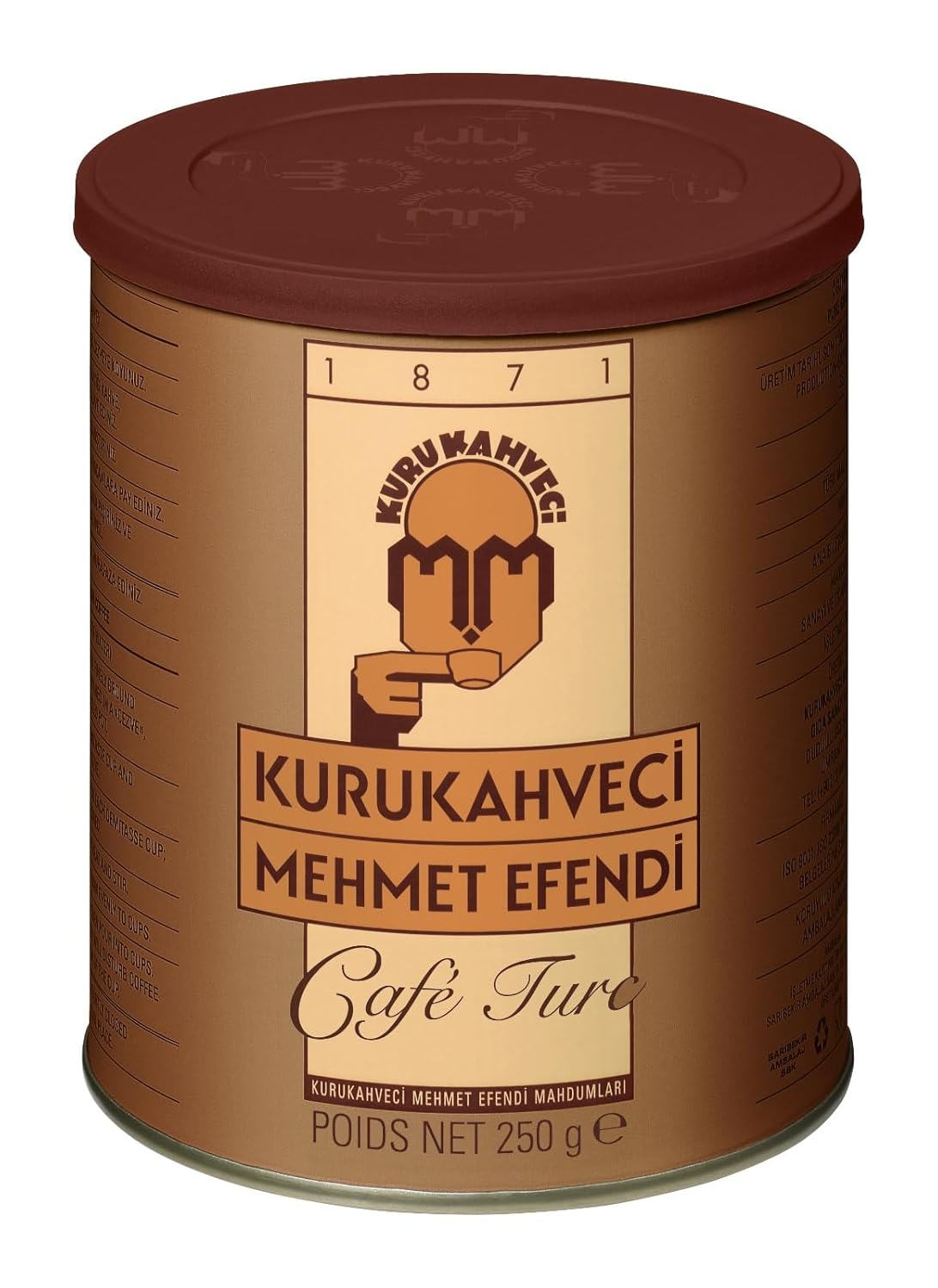
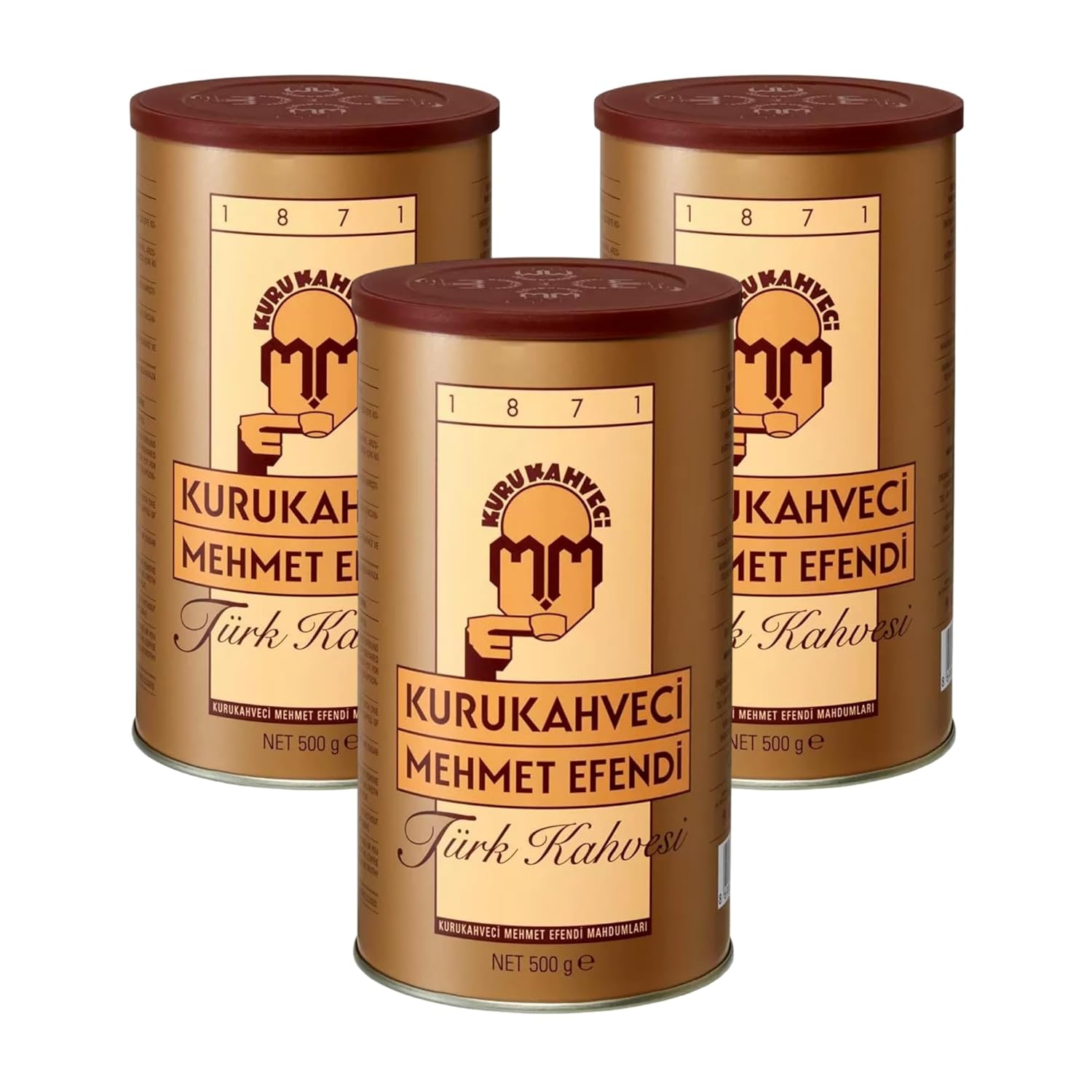
If you want a true starting point without second-guessing beans, grab a classic pre-ground made specifically for this style: Kurukahveci Mehmet Efendi Turkish Coffee. It’s a beloved shortcut to the “right” grind and flavor, especially if you’re still learning.
Gear: the essentials (and clever modern alternatives)
The heart of the ritual is the cezve/ibrik—a small, narrow-necked pot that makes the foam happen. A sturdy, well-designed copper cezve distributes heat evenly and lets you control the rise like a pro. Try a handmade option like the DEMMEX Turkish Coffee Pot (Cezve) for classic stovetop control and that “I’m doing this the old way” satisfaction. Prefer push-button simplicity? Modern machines automate the heat curve so you can focus on hosting—the Beko Automatic Turkish Coffee Maker or the compact Arzum Okka Minio brew fast, foamy cups with far less babysitting. If you want a slightly fancier countertop statement piece, the Arzum Okka Jet Automatic Turkish Coffee Maker is built for rich crema and effortless service.
Do you need a special grinder? If you’re buying whole beans, you’ll need a hand grinder that can hit powder-fine consistently. Many burr grinders top out at “espresso fine,” which is still too coarse. A proven, fine-tuning hand grinder like the 1Zpresso JX PRO S Manual Grinder gives you the control to dial in that talcum-powder texture Turkish coffee loves. Not ready to commit to beans + grinder yet? Start with a pre-ground Turkish blend and upgrade later. Want an extra cezve on hand for serving two roasts side-by-side (sweetened and unsweetened)? A nickel-lined option like this Turkish Coffee Pot Copper with Nickel Lining is durable and easy to maintain.
The flavor equation: beans, grind, sugar, heat
Beans: You can absolutely use your favorite medium roast, but dark-leaning, chocolate-hazelnut profiles shine in Turkish coffee. Pre-ground “Türk kahvesi” blends are designed for this method and make life easy. If you grind at home, keep it fresh and fine.
Grind: Turkish coffee asks for the finest practical grind—think powdered sugar. Too coarse and you’ll lose body and foam; too inconsistent and you’ll taste bitterness from over-extracted dust and under-extracted granules colliding in the same cup.
Sugar: Traditional serving styles include unsweetened (sade), lightly sweet (az şekerli), medium sweet (orta), or sweet (şekerli). Sugar is added before heating so it caramelizes slightly and fuses with the foam. If you’re new, start orta for balance.
Heat: Gentle and patient. Low flame. You’ll stir at the start, then stop stirring and let the surface quietly rise. When the foam climbs, you can remove the spoon, spoon foam into the cup(s), and return the pot to create a second rise for extra foam richness.
The confident first brew (stovetop cezve)
- Measure: For a small demitasse, start with 60–70 ml of cold water per cup. Add a heaping teaspoon of ultra-fine coffee per cup. Sweeten now if desired.
- Stir while cold: Mix coffee (and sugar) until it’s fully wet and uniform.
- Heat low & slow: Place the cezve over low heat. Watch for tiny bubbles at the perimeter and the gradual rise of foam.
- Catch the rise: When the foam approaches the rim, pull it off the heat. Spoon a bit of foam into each cup.
- Optional second rise: Return the cezve briefly to heat for a gentle second rise—this deepens body and gloss.
- Pour & pause: Pour slowly, keeping the foam intact. Wait 30–60 seconds to let the grounds settle. Sip. Smile.
Foam troubleshooting (because that little cap matters)
- No foam? Heat is too aggressive, or the grind is too coarse. Lower the flame. Verify grind fineness.
- Foam collapses? Overheating breaks the structure. Pull earlier; consider a second short rise instead of one long push.
- Bitter edge? You may be letting it boil hard. Turkish coffee likes a flirtation with heat, not a rolling boil.
- Muddy finish? Some coffees leave a heavier sediment feel. Try a slightly lighter roast or let the cup rest longer before sipping.
How Turkish machines change the game (and when to use them)
If you’re making coffee for guests—or you’re just not in the mood for stovetop micro-management—automatic Turkish coffee makers handle temperature, timing, and anti-spill logic for you. The best ones are purpose-built for this method: they agitate gently, detect the rise, and preserve foam. A compact countertop model like the Arzum Okka Minio keeps the footprint small; the Beko Automatic Turkish Coffee Maker is a reliable “brew-and-get-back-to-conversation” option; and the Arzum Okka Jet Automatic Turkish Coffee Maker adds sleek styling with consistently rich crema.
Comparison at a glance: cezve vs. automatic
| Style | Best for | What you’ll love | Considerations |
|---|---|---|---|
| Copper cezve (stovetop) | Purists, ritual lovers, complete control | Romantic, hands-on, maximal foam finesse | Requires attention; heat control matters |
| Automatic Turkish machine | Busy mornings, hosting, consistency | Push-button reliability, anti-spill, repeatable cups | Less ritual, electricity needed |
| Pre-ground + cezve | Freshness window is shorter once opened | Requires a grinder that hits “Turkish fine.” | Requires a grinder that hits “Turkish fine.” |
| Whole beans + fine grinder | Flavor chasers, tinkerers | Ultimate freshness and control | Requires a grinder that hits “Turkish fine” |
Sweetness levels and serving like a local
If you’re making coffee for guests, ask their sweetness level up front. Pull out the little glasses of water and something small on the side—Turkish delight, dates, or a square of chocolate—to cleanse the palate between sips. Serve slowly. It’s a conversation drink. You don’t rush it; you enjoy the perfume rising from a cup you can cradle in one hand.
The questions people actually Google (quick answers)
- Can I use an espresso grind? Usually too coarse; you need “powder fine.” If you’re grinding, a highly adjustable hand grinder like the 1Zpresso JX PRO S Manual Grinder is your friend.
- Do I stir while it heats? Stir when cold to dissolve sugar and wet the grounds. Once heat starts, don’t stir—you’ll break the foam.
- Which beans work best? Chocolaty, nutty medium-to-dark roasts are crowd-pleasers. If you want a no-guess start, go with Kurukahveci Mehmet Efendi Turkish Coffee.
- Is copper mandatory? Not mandatory, but copper spreads heat evenly and encourages gorgeous foam. A quality pot like DEMMEX Turkish Coffee Pot (Cezve) makes a difference. A nickel-lined option, such as this Turkish Coffee Pot Copper with Nickel Linin,g is also durable and easy to care for.
- What if I’m nervous about timing? Automatic machines lower the learning curve. The Beko Automatic Turkish Coffee Maker, Arzum Okka Minio, or Arzum Okka Jet Automatic Turkish Coffee Maker will happily handle the rise for you.
A calm, repeatable routine (so you’ll actually make it)
Here’s the rhythm that keeps Turkish coffee from being a “special occasion” and makes it a daily luxury:
- Prep the night before: Fill the cezve with measured water and leave your demitasse cups out.
- Choose your coffee: Pre-ground Turkish blends are quick; whole beans + 1Zpresso JX PRO S Manual Grinder are sublime.
- Sugar decisions up front: Add sugar to the cold mix; don’t adjust later.
- Low heat, watchful eye: The foam tells you everything. When it rises, you’re seconds from serving.
- Serve with water: A few sips of water reset your palate and make each taste feel like the first.
Final nudge (you’re closer than you think)
If Turkish coffee has ever felt mysterious, that’s part of the charm—but it’s not hard. It’s about fineness of grind, gentle heat, and taking your time. Start with a cezve and pre-ground Turkish coffee, and you’ll be pouring fragrant, foamy cups this week. Prefer hands-off mornings or entertaining without hovering by the stove? An automatic Turkish coffee maker puts consistency on autopilot so you can focus on conversation and presentation. Either way, your first beautiful cup is closer than you think.
When you’re ready to stock your cart, these are easy, proven picks that make learning smooth and the results delicious:
- Kurukahveci Mehmet Efendi Turkish Coffee
- DEMMEX Turkish Coffee Pot (Cezve)
- Beko Automatic Turkish Coffee Maker
- Arzum Okka Minio
- Arzum Okka Jet Automatic Turkish Coffee Maker
- 1Zpresso JX PRO S Manual Grinder
- Turkish Coffee Pot Copper with Nickel Lining
Breathe. Measure. Stir while it’s cold. Heat gently. Catch the rise. Pour slowly. Then sit back, let the grounds settle, and taste that deep, aromatic sweetness that made you search for the “best Turkish coffee recipe” in the first place. You’ve got this.
Best Turkish Coffee Brands on Amazon (My Top Picks for Flavor, Foam & Tradition)–2026
History Of Turkish Coffee

Ah, Turkish coffee—it’s been a staple of cultures around the world for centuries. This delicious beverage is believed to have originated in the Ottoman Empire in the 16th century, and since then, it’s become a national symbol of Turkish culture. But don’t let its history intimidate you! Making Turkish coffee is actually quite easy once you learn the basics.
Traditionally, Turkish coffee is made with finely ground coffee beans, but you can also use instant – all it takes is boiling water and a simple technique. Plus, what makes it so special is that each cup is brewed fresh and designed to be sipped slowly, savoring every delightful sip. So why not take your time and learn how to make it today? You will be sure to impress your friends and family when they come over for lunch or dinner!
What Is Turkish Coffee
If you want to take your coffee-brewing skills to the next level, Turkish coffee is the way to go! Brewed differently from other types of coffee, Turkish coffee has a bold and deep flavor that’s sure to delight. Plus, stirring the grounds into the cup ensures that each cup is packed full of flavor.
Unlike your typical cup of Joe, Turkish coffee starts with a fine grind, which is mixed with cold water and then boiled in a cezve – a special, narrow pot designed for this purpose. After boiling one or two times, the foam rises above the pot and onto the surface of the coffee. Finally, pour it into a cup while leaving behind the grounds at the bottom – these are totally safe to drink and add an extra layer of depth to this delicious beverage.
Ready for some heavenly sips? This special brewing method will amaze you!
What Makes Turkish Coffee Different

Ah, the unmistakable flavor of Turkish coffee. It’s known for its intense yet smooth taste, and if you do it right, it can be pretty darn delicious! So, what makes it different from your everyday brew?
Finely Ground Coffee Beans
When making Turkish coffee, you want to grind the beans until they create a fine powder. This is done to maximize flavor and aroma, as well as to ensure that the grounds don’t end up in your cup.
Special Pot
The pot used for Turkish coffee is often called a cezve, ibrik, or briki. Why? Well, these special pots have narrow spouts and thick walls that can help keep heat better during the brewing process, which makes them perfect for creating an even-flavored cup of joe!
Water & Sweetener
Turkish coffee is usually served with water and a sweetener. Because of this, you’ll usually want to start by adding water into the pot, followed by sweetener – unless you like your coffee unsweetened, in which case just omit the sugar! Once everything is combined, allow it to stir until you reach your desired level of sweetness.
Brewing & Serving
Finally, just place the pot on medium-low heat and let it slowly simmer. Don’t let it come to a boil, or else you’ll have an incredibly bitter cup! Once it’s ready to serve (it should be foamy on top), carefully pour into small individual cups and enjoy your perfect cup of Turkish coffee!
Differences Among Turkish, French, Black Coffee, and Espresso
If you’re looking to find out what makes Turkish coffee unique, you’ve come to the right place. Compared to regular black coffee, French roasts, espresso, and Turkish coffee have their own special brewing methods.
Let’s start with the basics:
- Roast: Turkish coffee is slow-roasted for a richer flavor
- Grind: Traditionally, it’s ground down to an ultra-fine powder – almost like flour
- Water: Cold water is generally used
- Spice: Typically, adding cardamom provides that extra kick of flavor
But here’s what really sets Turkish coffee apart from the rest—the brewing process! Unlike other methods, it involves boiling the finely ground coffee in a pot. This leads to a unique flavor that’s both bold and sweet. The result? A delicious cup of Turkish coffee that will leave you wanting more!
Authentic Turkish Coffee Smell And Taste

Have you ever heard that saying, “smells can transport you to another place quickly”? Well, that’s exactly what will happen when you make a cup of authentic Turkish coffee. You can almost feel the warmth and hospitality of the culture all through its distinct aroma and taste, no matter where you are in the world.
Spice it Up
The secret ingredients that give Turkish coffee its special flavor are sugar and spices like cardamom or cinnamon. Cardamom is particularly popular as it adds a hint of sweetness to the bitter taste of coffee. Add either one to your cup for an unforgettable experience! And don’t forget to add some sugar as well – this will make the taste smoother and truly complete it!
Slow It Down
Authentic Turkish coffee is made with a slow-drip process, which helps to bring out the most flavor in the beans. This process takes longer than traditional brewing methods, but it’s worth it – trust us on this one! As a bonus, this also gives your coffee a thicker texture, something that many people enjoy as part of their morning ritual.
So there you have it – now go whip up a cup of authentic Turkish coffee like a pro and take yourself on an incredible journey with every sip. Bon Appétit!
Choosing the Best Beans and Roast to Make a Perfect Cup of Turkish Coffee

As you may know, the best way to make a really delicious cup of Turkish coffee takes a bit of skill and knowledge, and that starts with the beans. While there are no hard-and-fast rules, the type and roast of your beans will define how well your coffee turns out!
To start with, choose 100% Arabica beans when you can—these tend to have a more intense flavor than robusta beans and produce a much smoother brew.
If you have the option, select your bean roast according to your coffee preference; if you’re looking for a really strong brew, go for a dark roast. Medium roasts often have a rich body with enjoyable acidity. And if you want something comparatively light-bodied, opt for light or blond roasts.
No matter which beans you choose in the end, be sure to grind them extra fine – Turkish coffee should be ground to an almost powdery consistency! This way, it will brew up quicker and give that authentic thick foam at the top of your cup.
Buying And Storing Turkish Coffee Beans
Making delicious Turkish coffee isn’t just about the process—it’s also about the beans! Search for “Turkish coffee beans” on Google, and you’ll quickly see there are many options to choose from. But the type of bean is only one factor to consider. You’ll also want to think about the grind, which should be between super-fine and powder-like. If you can’t find it pre-ground in your local store, you can always grind it yourself with a mortar & pestle or a burr grinder at home.
When buying beans, it’s important to make sure they’re fresh. Look for ones that are labeled “organic,” airtight sealed, and roasted within the last two months. This will ensure maximum flavor and aroma for your cup of Turkish coffee.
Once you have your beans in hand, store them in an airtight container away from heat or direct sunlight. Doing this will help preserve their flavor and aromas much longer than if they were kept out in the open, so if you have extra beans on hand that you don’t plan on using soon, store them away!
Popularity Of Turkish Coffee
You may not know this, but Turkish coffee is incredibly popular! This type of coffee has been around and enjoyed for centuries, and it is considered an essential part of many cultures around the world.
So why is Turkish coffee so popular?
Intense Flavor and Aroma
Brewed in a special pot called a cezve, Turkish coffee is served thick and foamy with an intense flavor and aroma. It’s made by boiling a coarsely-ground powdery coffee with added sugar in a cezve, then pouring it into cups. This method yields an incredibly flavorful cup of coffee that’s unlike anything else.
History And Tradition
Turkish coffee has been enjoyed for centuries, and many cultures consider it an essential part of their history and traditions. It’s also seen as a great way to bring friends, family, or colleagues together – making it a much-loved social ritual.
Plus, Turkish coffee is popular because of the unique process required to make it:
- Gather the right ingredients – finely ground Arabica coffee beans, water, sugar (or another sweetener), cardamom (optional)
- Boil the mixture in a cezve (or other small pot) until you achieve the desired foam consistency
- Pour into small cups for serving
With its superior flavor and unique process required to make it just right, no wonder Turkish Coffee continues to be enjoyed by many around the world!
Making Turkish Coffee with Thick Crème
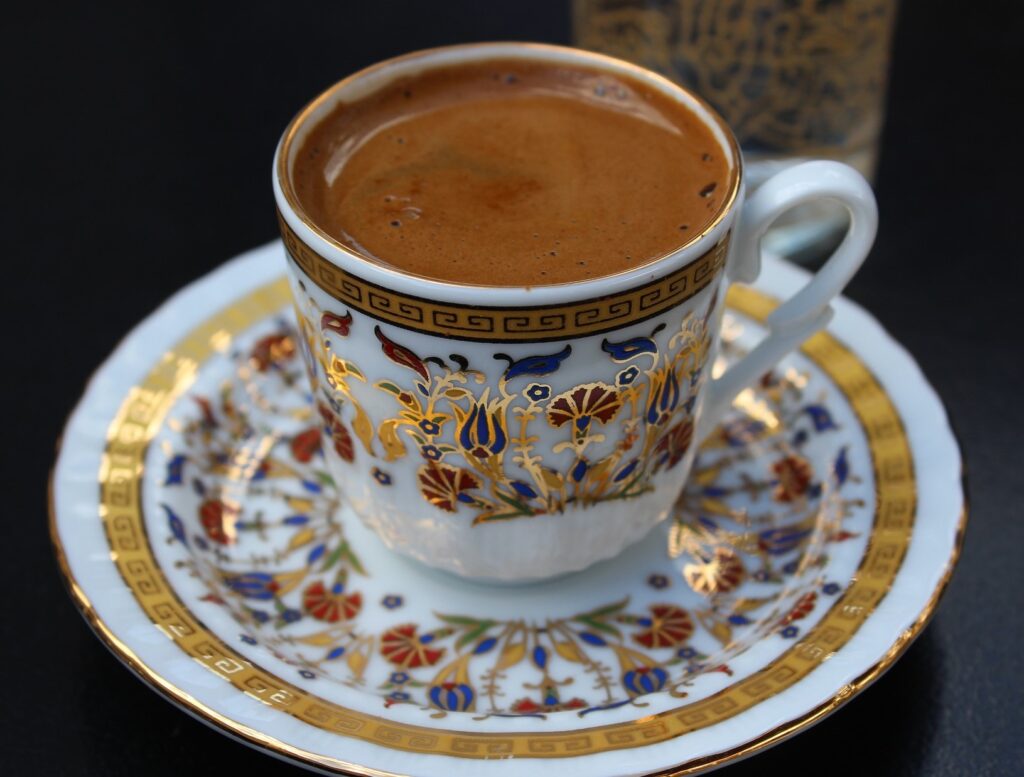
Ah, Turkish coffee with thick crème – the most delicious coffee on earth! Not sure how to make it like a pro? Here’s a simple step-by-step guide to get you started.
Preparation
First, you’ll need:
- finely ground Turkish Coffee
- cold water
- A cezve (a traditional Turkish coffeepot)
- A stove or heat source
- A spoon and a cup
- Thick crème (optional)*
*Adding thick crème is optional, but if you want to get the real Turkish coffee experience, we highly recommend it!
Now that you have everything you need, let’s get started.
### Steps
- Heat the cezve and then add 1 teaspoon of ground coffee per cup into the pot along with 2 tablespoons of cold water for every cup desired (the more cups you make at once, the better).
- Stir with a spoon until all of the grounds are evenly dispersed throughout the pot.
- Continue heating and stirring until the mixture thickens and turns frothy – but watch out for boiling over!
- Add 1 teaspoon of thick crème per cup into each mug before or after serving – whichever you prefer!
And that’s it – easy as can be! Enjoy your delicious cup of Turkish coffee with thick crème and savor every sip like a true connoisseur.
How To Prepare A Perfect Cup Of Turkish Coffee
You’ve done your research, sourced the perfect beans, and made sure you’ve got the right equipment—it’s time to make the perfect cup of Turkish coffee!
Here’s how you do it:
- Start by warming up your special coffeepot (called a ‘cezve’) over low heat.
- Add 1-2 teaspoonfuls of Turkish coffee for each cup that you intend to make.
- Add one teaspoon of sugar for each cup into the cezve and stir until the sugar has dissolved.
- Add ⅔ cup of cold water to the mix (for one or two cups).
- Allow the mixture to heat up on low-medium heat until bubbles start to form and foam begins rising at the edges.
- At this stage, take it off the heat and pour a little bit into your cups—stirring it back into your cezve—then back onto a low-medium heat and repeat two more times, until it starts boiling again (this creates an even mix and prevents scalding).
- Once it boils for a third time, take it off the heat and serve (slowly) in small cups, topped with a sprinkle of ground cardamom or cinnamon (optional).
With this foolproof guide, you’re well on your way to becoming a true master of Turkish coffee making!
Equipment For Making Turkish Coffee
Making the perfect cup of Turkish coffee requires the right equipment. Here are some essential pieces you’ll need:
- Cezve: This is the traditional pot used to make Turkish coffee. Cezves come in a range of sizes, depending on how many servings you want to make.
- Grinder: You’ll need a hand grinder or an electric spice grinder for finely grinding coffee beans for Turkish coffee. The finer the grind, the better flavor and texture your coffee will have!
- Saucer: Traditional coffee is served in a saucer or demitasse—a small cup with a handle—to keep it hot and prevent it from cooling down too quickly.
- Spoon: A long-handled teaspoon is used to stir and mix everything while preparing your Turkish coffee.
- Filter: If you don’t want any sediment in your cup, use a coffee filter to keep any powdery grounds out of each serving.
- Sugar Bowl: You may also need a small bowl for adding sugar or other sweeteners, if desired.
It may take some time to build up your collection of Turkish-style tools before you can start brewing like an expert, but trust us—it’ll be worth it when you finally sip that steaming cup of sweet perfection!
Ingredients And Additives For Making Turkish Coffee
You may not know this, but there are many ingredients and additives you can use when making Turkish coffee like a pro. Not only are these items common ingredients in Turkish cuisine, but they can help to make your brew more unique and flavorful.
Sugar
First of all, let’s start with sugar! While it’s completely optional to add sugar when making Turkish coffee, many people prefer the sweet flavor it adds – and if you’re drinking Turkish coffee in traditional style, then a teaspoon of sugar is the perfect accompaniment. However, if you’re aiming for a unique blend with an intense flavor, try replacing the sugar with honey or cardamom pods.
Milk or Cream
For those who like creamy coffee drinks such as lattes or cappuccinos, adding milk or cream to your Turkish coffee can be just the thing. Simply stir it in after adding the desired amount of sugar and let the mixture simmer until the milk is fully incorporated. This will give your drink a smooth texture and delicious flavor.
Spices & Herbs
Using spices and herbs is another great way to make your Turkish coffee even more flavorful. Cinnamon and cardamom are traditional additions – although other spices such as nutmeg, allspice, and even pepper can be used for more complex flavor profiles. You can also use various herbs such as mint or rosemary for a unique twist on this classic brew.
The Traditional Turkish Coffee Recipe
You may not know it, but making Turkish coffee can be surprisingly easy—you just need the right ingredients and instructions! Here’s a traditional recipe to make perfect cups of Turkish coffee in no time:
Ingredients:
- Finely ground coffee beans
- Water
- Sugar (optional)
Directions:
- Preheat your cezve by pouring in some cold water. Never put your cezve directly over the heat, as this will damage the vessel.
- Add 1 teaspoon of sugar per cup if desired, followed by 2 teaspoons of finely ground coffee (or 1 teaspoon per cup, depending on how strong you want your coffee), and stir everything together until well mixed.
- Add the desired amount of cold water for each cup, usually up to two-thirds of the cezve’s capacity, and stir all the ingredients together until completely blended.
- Place the cezve over medium heat and watch it closely as it starts to foam up – make sure not to let it boil over. As soon as it starts to rise, take off the heat and pour into cups straight away – this is key for that unique frothy texture!
- Let the cups cool down before drinking – they will need around 10 minutes or so before you can enjoy them!
- For added flavor, add a pinch of cardamom or cinnamon to each cup as desired before serving. Enjoy!
Making Turkish Coffee With Milk
Have you ever heard of Turkish coffee with milk? If not, it’s time to start sipping because this coffee recipe is a must-try! Don’t worry, you don’t need to be a professional barista to make it; we’ll show you how to make it like a pro.
The Ingredients
You’ll need Turkish coffee ground extra-fine, sugar, water, and milk. You can substitute the sugar for honey or another sweetener if that’s what you’re in the mood for. Also, note that if you’re making two cups of Turkish coffee with milk, you should use 1/2 cup of water per cup and 1/4 cup of milk per cup.
The Process (Step-by-Step)
- Put 3 teaspoons of finely ground Turkish coffee and 1 teaspoon of sugar into a cezve (a special pot used to make Turkish coffee).
- Pour in 1/2 cup cold water for each cup of coffee you are making, plus an extra teaspoon for the pot itself.
- Bring the mixture to a boil over medium heat until it foams and rises—but do not let it boil over!
- Take the cezve off the heat when it starts rising and pour some of the foam into each cup. Repeat this process until each cup is almost full but still contains some foam on top.
- For each cup, add 1/4 cup of cold milk and stir lightly until combined.
- Return the cezve to the medium heat stovetop until it boils again, then remove from heat while still foaming – just like before!
- Pour the remaining foam into each cup, then enjoy your hot (and delicious!) Turkish Coffee with Milk!
How To Make Turkish Coffee At Home In 5 Minutes
Making delicious Turkish coffee is actually much easier than it looks. In just 5 minutes, you could be enjoying a cup of traditional, aromatic Turkish coffee in the comfort of your own home!
Here’s how to do it:
- Add two teaspoons of Turkish coffee grounds into your ibrik, or traditional pot.
- Pour 1 cup of cold water over the grounds and give it a stir.
- Heat the pot slowly and allow the mixture to come to a gentle boil where small bubbles form around the edges.
- Once you have reached this stage, remove the pot from the heat and stir again to ensure that all ingredients are evenly distributed throughout the mixture.
- Divide the mixture into three cups, stirring each one as you go along for an even taste!
- Enjoy your freshly brewed cup of perfectly balanced Turkish coffee!
The key is to not let the mixture boil too rapidly—make sure you monitor its progress closely and take it off the heat just before it reaches a fully-boiled state. With enough practice, soon enough you’ll be able to make perfect Turkish coffee like a professional!
Special Cups For Turkish Coffee And How To Serve
Making Turkish coffee and serving it the right way would not be complete without having the right cups and accessories.
Special cups are typically used when making Turkish coffee, so if you want to impress your friends – or just savor it all on your own – you’re going to need at least two. These special cups often have a wide base that tapers and narrows at the top, creating a handleless traditional cup design.
When it comes to serving it, there are a few traditions you should observe:
- Traditionally, one should serve four cups of Turkish coffee at once.
- You can either leave the sugar out beforehand so each person can add as much as they’d like, or simply add the amount of sugar each individual wants – up to four spoonfuls!
- Always start pouring from the cup furthest away from you, and pour in a clockwise direction so that everyone gets an equal amount of espresso.
- Place a small glass of cold water beside each cup before serving – this will help amplify and enhance the flavor of the espresso in every sip! Finally, don’t forget some Baklava with your Turkish coffee – it’s certainly something everyone will love!
Social Importance and Cultural Significance of Turkish Coffee

You may not realize it, but Turkish coffee has a long social and cultural history. It’s been a part of Turkish culture since the 15th century!
Most Popular Coffee In Turkey
Not only is it the most popular type of coffee in Turkey, but it’s also served for many special occasions. It’s served at weddings and engagements as well as other important social occasions, such as funerals.
It’s even said that when a family is considering marriage proposals, they pair potential brides and grooms with coffee cups in different colors – if the color of the cups matches, then it’s a sign that they should get married!
A Symbol Of Hospitality
Turkish coffee serves more than just a social purpose—it symbolizes hospitality too. Guests served Turkish coffee are said to have been given “a cup of friendship.” This gesture can extend to strangers, too; hosts often offer visitors Turkish coffee with no ulterior motives other than to be hospitable.
What an awesome way for others to show kindness and respect—all through the power of a cup of delicious Turkish coffee!
Traditional Cezve for Making Turkish Coffee

You may not know this, but if you want to make authentic Turkish coffee, you should use a traditional cezve! To put it simply, a cezve is an ibrik-shaped pot with a long handle that’s specifically designed for making Turkish coffee.
So why use a cezve?
Heat Transfer and Efficiency
The metal material of the cezve helps to transfer heat quickly and evenly – so your coffee will be warm from the first sip to the last! Plus, thanks to the small size of the pot, there’s less chance of accidentally burning the coffee and ruining the flavor.
Traditional Taste
Making Turkish coffee with a traditional cezve just tastes better—you’ll be able to get that rich, robust flavor that all coffee connoisseurs are looking for.
Now that you know why it’s best to use a cezve, here’s how…
- Start by heating your pot over low heat and adding your water (amount varies depending on how many cups of Turkish coffee you’re making!)
- Add freshly ground coffee – around 1 heaped teaspoon per cup – into the water and stir slowly until combined.
- Keep stirring until the mixture starts producing foam.
- As soon as bubbles form on top of your mixture, carefully pour it into each cup, ensuring an even distribution for all three cups.
- Let it sit for 30-40 seconds before serving so that all of the grounds settle at the bottom, and enjoy!
Turkish Sand Coffee: Prepare On Hot Sand

Everyone knows that Turkish coffee is the crème de la crème of coffees. But nothing quite beats the experience of brewing your own cup on hot sand and watching it bubble from the bottom of the pot. It’s not only incredibly satisfying to see it come together, but also a tradition passed down through many generations.
Here’s a step-by-step guide on how to prepare this delicious cup like a pro:
- Get yourself some specialized Turkish sand – it’s found at most Middle Eastern or Turkish markets!
- Pour water into a pot, leaving about an inch of room at the top.
- Place the pot on top of your heat source – (be sure to use low heat).
- Sprinkle in some sand until you can just see it beneath the surface of the water.
- Let the water heat up until a few small bubbles start forming along the edge and eventually all around it; keep an eye out for when those bubbles hit close to or reach the center of the pot!
- Add in your desired amount of sugar and wait for it to dissolve (optional).
- Once you’ve mixed in your desired amount of Turkish coffee grounds, carefully pour over hot sand and stir a few times with a spoon!
- Finally, wait for that amazing moment when you start seeing bubbles forming from the bottom all around and carefully pouring over the top! Enjoy your freshly brewed cup!
How To Drink a Perfect Cup of Turkish Coffee
Now that you’ve prepared the perfect cup of Turkish coffee, how do you go about drinking it? Drinking your cup of Turkish coffee involves taking into account the traditional practices and appreciating the delicious flavor of this classic beverage.
To drink Turkish coffee the right way:
- Gently swirl your cup to mix the denser elements.
- Take a small sip to get a feel for the flavor and then take more sips until you’ve had enough.
- Take note of how the flavors change as your drink cools down.
- Don’t forget to savor the creamy foam at the top – it’s an essential part of the experience!
- For a really authentic experience, use a tulip-shaped cup or cezve (a specialized long-handled pot).
By following these steps, you can pass as a true aficionado and enjoy each sip of your delicious cup of Turkish coffee!
What Makes Turkish Coffee Special?

You might be wondering – what makes Turkish coffee so unique? Well, let us tell you—it’s all about the process. You see, Turkish coffee involves a unique mix of grinding the beans to a very fine powder, boiling the water, and combining the two – along with some spices like cardamom for that extra oomph. This creates a smooth, velvety texture and an intense flavor that you won’t find in any other brew.
Another key element of Turkish coffee is its strength. Often called ‘double-strength’, this kind of cup is usually twice as strong as any regular drip or espresso shot. By using more ground coffee and less water, we can create an incredibly concentrated cup that will definitely get you buzzing!
Finally—and most importantly—Turkish coffee is all about sharing. It’s best enjoyed with friends, and conversations last long into the night while lingering over fragrant cups of this traditional brew. So why not gather your loved ones around for a sweet afternoon drink? We guarantee you’ll have a memorable experience!
How Strong is Turkish Coffee?

If you’re looking for something with a bit of a kick, then traditional Turkish coffee is what you need! Don’t be fooled by its small cup size – Turkish coffee packs quite the punch.
So how strong is it exactly?
Two factors determine the strength of your Turkish coffee: the amount of coffee and water used, and the grind size of the beans. Let’s take a closer look at each one.
Amount of Coffee & Water Used
Most people use 1-2 teaspoons, or around 4-6 grams, of ground coffee per cup. And for each cup, you’ll need to add about 60-90ml of cold water. Adjusting either part can make the coffee stronger or weaker, depending on your taste.
Grind Size
To get that signature bold flavor, Turkish coffee must be made with an extra-fine grind. Typically, this is achieved with a manual grinder, but there are electric options available, too, if you don’t feel like cranking out your own grinds. A standard espresso grind simply won’t do here – it needs to be super fine and fluffy so that it doesn’t float off to the top during brewing.
Once you’ve got a handle on these two factors, making delicious Turkish coffee like a pro will be a breeze!
Why does it take to make a Perfect Cup of Turkish Coffee?
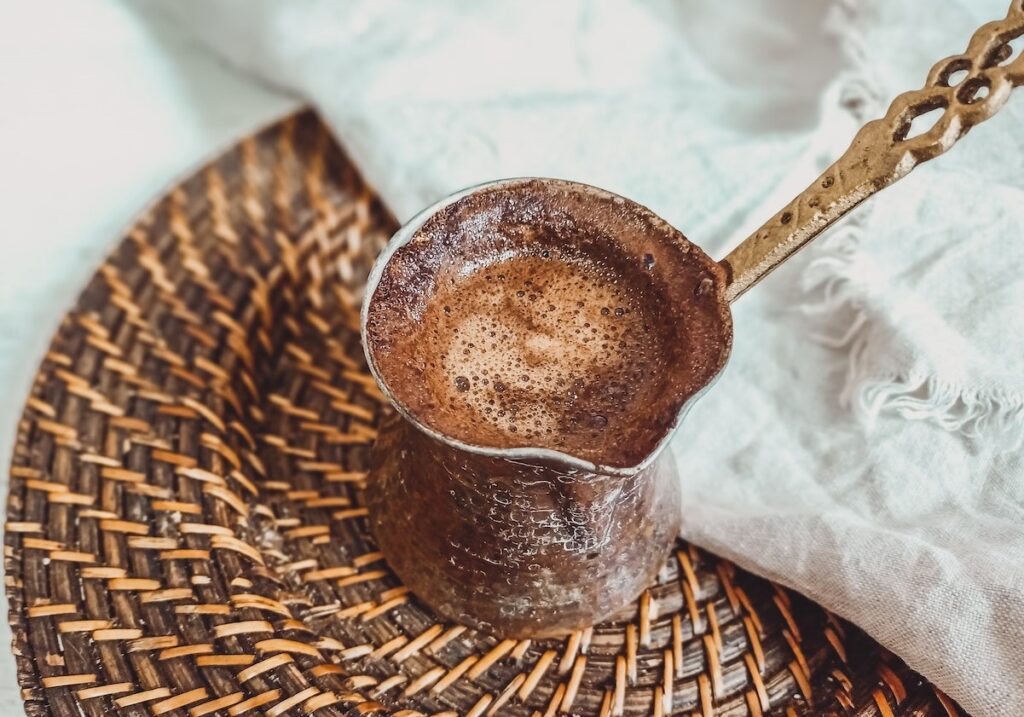
Making Turkish coffee takes a bit longer than other coffee brewing methods, but the process is worth it. Two main factors contribute to the time it takes to make Turkish coffee:
Heat Control
The key to making great Turkish coffee lies in the simmering and stirring process. By heating the mixture of coffee grounds, water, and sugar at a low temperature for about 10 minutes, you’re able to get the perfect flavor out of your coffee. This slow-burning method helps draw out the desired flavors without burning them.
High Level of Fineness
In addition, Turkish coffee is believed to have such an amazing flavor because of its extra-fine grind size. This fineness makes for a richer experience as more surface area is exposed to water during extraction. To create this level of fineness, you need to use a special grinder or mortar and pestle, which can both take some time!
So as you can see, crafting that perfect cup of Turkish coffee doesn’t happen overnight – but it’s totally worth the wait!
How to Properly Store Turkish Coffee?
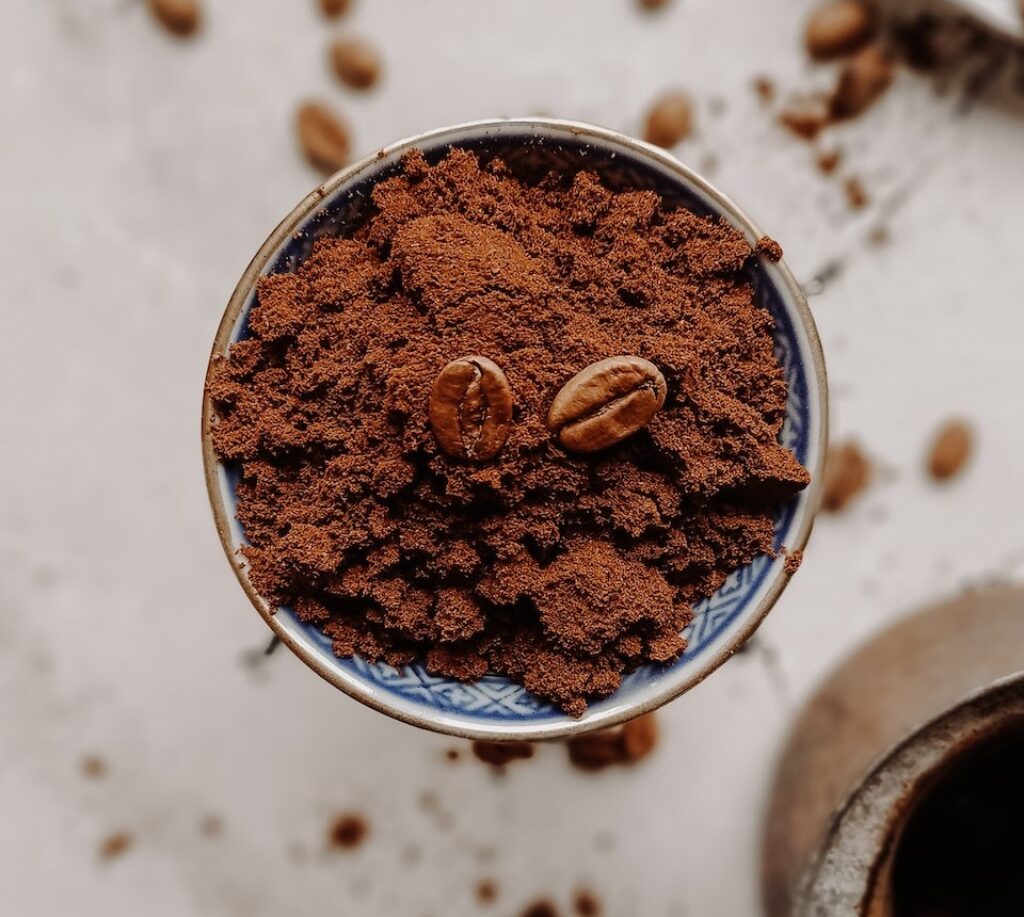
We’ve finally reached the end of our Turkish coffee guide! But, before we part ways, let’s talk about storage. If you want to make sure your Turkish coffee stays as delicious and fragrant as it can be, there are a few tips and tricks you should keep in mind.
Keep It Cool & Dry
First and foremost, storing your Turkish coffee in an area that is cool and dry is key. This means keeping the coffee away from areas with high moisture or heat—otherwise, you can kiss that just-ground aroma goodbye!
Choose the Right Container
It’s also important to go with the right container for storing your precious caffeinated bean blend. Storing in glass or ceramic containers, preferably airtight, is a good way to make sure your Turkish coffee won’t be exposed to fluctuating humidity levels. They will also help protect your beans from unwanted patchy mold or oils that cause spoilage.
Consider Adding Flavorings
Want to go the extra mile? Consider adding some flavorings! Roses and cinnamon are popular choices that will give your coffee an even more interesting taste. However, be aware that these flavorings may also affect the flavor of your beans over time—it’s up to you if you want to take this risk!
Following these three simple steps will help ensure that you get maximum flavor out of every cup of Turkish coffee—so why not give it a try?
Brewing Tips To Make Perfect Turkish Coffee
Making perfect Turkish coffee starts with mastering the techniques! Here are some tips that will help you make the smoothest, most aromatic Turkish coffee at home.
Use freshly ground coffee beans: Traditional Turkish coffee is brewed with very finely ground coffee beans, preferably ones that have been freshly ground to ensure maximum flavor. The finer the grind, the better—the goal should be to create a powder-like consistency for your ground beans.
Maintain a slow and steady brew: As soon as you pour your freshly ground coffee into water, turn down the heat to a low simmer and let it slowly come to a boil. Stirring constantly is essential too to prevent burning and ensure even extraction of flavor from your brew.
Don’t forget to skim off the foam: Your Turkish coffee should form a thick layer of foam on top when it is brewing – ultimately, this adds to its flavor and aroma. Before serving, scoop some of this foam off into each cup so everyone can enjoy the full flavor of the brew without any bitterness or aftertaste.
If you master these simple tips for brewing Turkish Coffee like a pro, you’ll be able to enjoy a delicious cup every time – Opa!
The importance of the color of the crust during the preparation of Turkish Coffee
When you’re making Turkish coffee, the color of the crust is very important! The appearance of the brew can tell you a lot about the flavor, texture, and overall experience.
So how does the color of the crust help? Here’s what to look for:
Light Brown/Grayish Crust
If your coffee is light brown or grayish in color, that usually means that it was made with slightly too little water. This results in a stronger, more bitter taste.
Dark Brown Crust
A dark brown crust is ideal for Turkish coffee. It usually indicates that you’ve added enough water to make a balanced cup of coffee—not too strong, not too weak.
Black Crust
Unfortunately, black coffee usually signals that you’ve added too much water—resulting in a dilute flavor and watery texture. However, if you’ve used finely ground beans, then this is to be expected!
No matter which color you get in the end, enjoy your Turkish coffee knowing that you followed all the steps and made it like a pro!
Common Mistakes To Avoid While Brewing Turkish Coffee
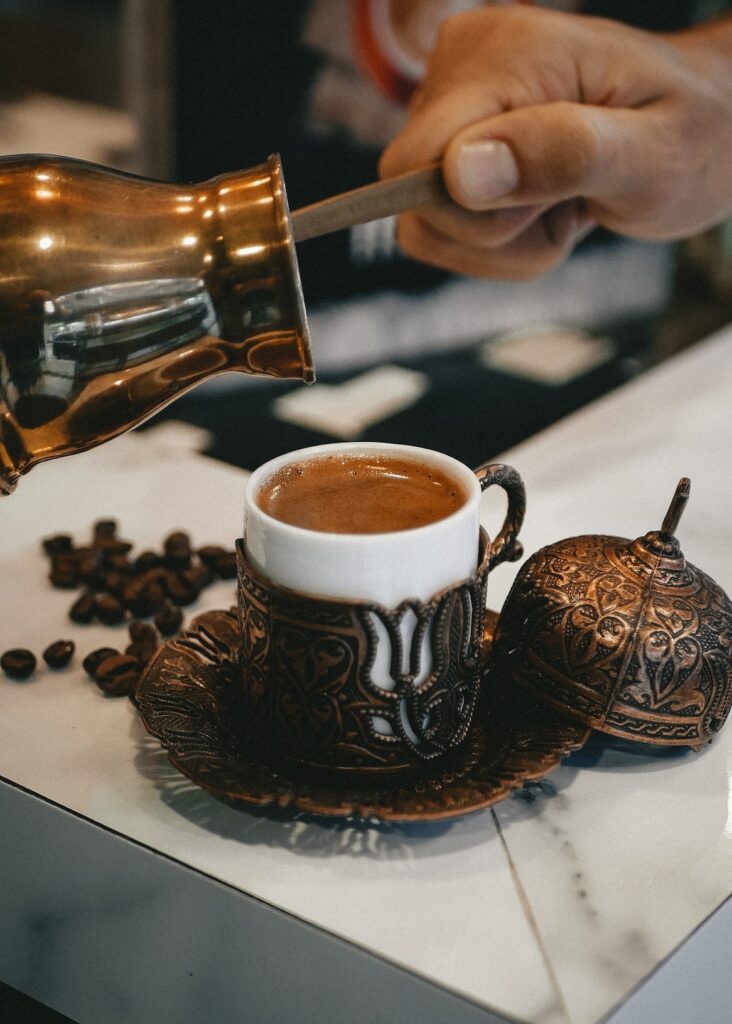
If you’re a Turkish coffee aficionado, you know that there’s nothing worse than a bad cup of the stuff. But don’t worry- we’ve got you covered! Here are some common mistakes to avoid while brewing Turkish coffee:
Adding Too Much Water
Adding too much water to your recipe can completely alter the taste. When making Turkish coffee, always keep in mind that the ratio should be one part water to one and a half parts ground coffee. This will ensure that you get just the right flavor!
Using Too Fine A Grind
Using too fine a grind can lead to overly bitter and strong-tasting coffee. You’ll want to use a coarse grind – think slightly larger than sand – so that all of the flavors have time to be extracted during the brewing process.
Boiling The Coffee For Too Long
Turkish coffee is unique in that it should never boil more than once and should only steep for about four minutes. Boiling it for too long can result in an overly strong and bitter cup of joe.
Not Waiting For The Grounds To Settle
The last mistake to avoid is pouring your brew before all of the grounds have settled at the bottom of your pot or cup. Make sure they’re all settled before you pour into your cup or glass for a smooth and delicious cup of Turkish coffee!
Why Many People Prefer Turkish Coffee
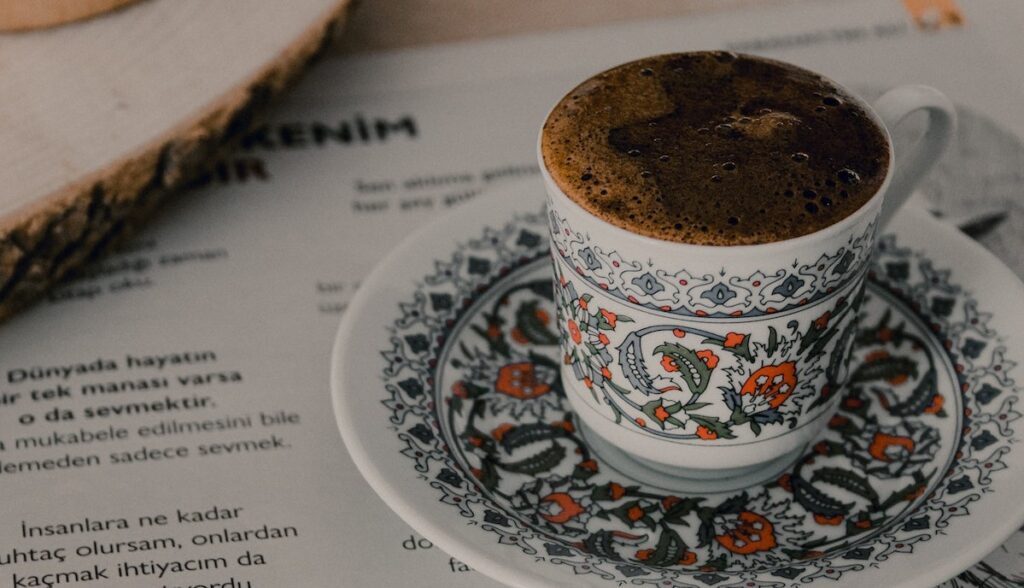
You may have heard that Turkish coffee is becoming increasingly popular lately, and you might be wondering why. Well, for starters, its complexity and depth of flavor are hard to beat! Not only does it taste unbelievably good, but it also has a unique and intricate ritual behind it.
Subtle Flavor Profile
Unlike espresso or regular drip coffee, Turkish coffee is made with finely ground beans that are boiled slowly in a cezve (sometimes referred to as an ibrik). This process allows for more of the bean’s natural flavors to emerge, resulting in a fuller-bodied brew with subtle notes of caramel and chocolate. Delightful!
Rich Foam & Sediment
Another reason this delicious creation is so popular is that it produces a signature foam on the surface of the coffee, giving rise to numerous stories about divinations (fortunetelling) performed while sipping. Plus, careful stirring will give you enough sediment at the bottom for your own personal mug art!
All these elements—the ritualism, flavor profile, and creativity—contribute to making Turkish coffee truly unique. Why not try making it at home today?
Health Benefits Of Turkish Coffee
Did you know that drinking Turkish coffee has health benefits? It may surprise you, but it’s true! Here are a few of the ways that Turkish coffee can benefit your health.
Rich In Antioxidants
Turkish coffee is incredibly rich in antioxidants, which are known to reduce inflammation, protect cells from oxidative damage, and boost your immune system. The presence of polyphenols in the drink helps to reduce your risk of cardiovascular diseases, too.
Smarter Brain
This caffeine-rich beverage helps to improve both alertness and cognitive function. Studies have shown that people who consume Turkish coffee regularly perform better on cognitive tests than those who don’t—so it could be a great way to keep your brain sharp!
Weight Loss Booster
Not only is it low in calories, but it can also help you achieve a healthy weight. This is because antioxidants can increase metabolism and suppress appetite—two key factors when trying to lose weight. Plus, its natural sweetness means that it can curb sugar cravings without any additives!
Nutritional Facts For Turkish Coffee
Did you know that Turkish coffee is actually quite a healthy beverage? It may only be a small cup of coffee, but it’s packed full of nutrients.
Calories
The good news is that Turkish coffee has significantly fewer calories than espresso and other coffees. A cup of Turkish coffee only has around 10-15 calories. That means you can have your daily dose of caffeine without having to worry about piling on the extra calories!
Caffeine
Turkish coffee also contains quite a bit of caffeine – up to 70mg per cup. That can be almost double the amount for other types of brewed coffees. However, if you’re looking for a lighter buzz, simply use half the amount of grounds to reduce the amount of caffeine in your cup.
Other Nutrients
Aside from containing fewer calories and more caffeine, one cup of Turkish Coffee will also provide you with potassium, magnesium, and some Vitamin B3 as well! Potassium helps support nerve function and muscle control, while magnesium helps regulate blood sugar levels, and Vitamin B3 aids in cell metabolism. Pretty cool, right? So now you can indulge without any guilt – go ahead and enjoy your delicious cup of Turkish Coffee!
Turkish Coffee Final Thoughts
Making delicious Turkish coffee is easier than you think! With the right ingredients and the right steps, you can whip up a cup of this rich and aromatic beverage that will make any coffee enthusiast proud.
To help you along, here’s a quick recap of all the important steps to remember when making Turkish coffee:
- Start with cold, filtered water and add it to a cezve.
- Add sugar to the water according to your desired level of sweetness.
- Add the freshly ground coffee beans, stirring gently after each addition so that they are evenly distributed in the pot.
- Bring your mixture to a boil and remove from heat once it starts to foam up – but don’t take it off too soon!
- Serve your Turkish coffee in small cups, allowing time for the grounds to settle before drinking it.
- Enjoy your wonderfully fragrant cup of Turkish coffee!
Enjoying a cup of Turkish coffee has spanned centuries, cultures, and continents – so why not give it a try yourself? With a little practice and patience, you’ll be brewing up exquisite cups in no time at all!
Frequently Asked Questions About Turkish Coffee (FAQs)
You may have some questions about brewing Turkish coffee, and we get it! We’ve compiled a list of the most frequently asked questions so you can brew this delicious cup of joe like a pro.
Can I brew Turkish Coffee at Home?
Of course! You don’t need any fancy barista equipment to make Turkish coffee – all you need is a stovetop or a hot plate. For extra convenience, you can buy an electric ibrik or stovetop cezve that comes with a temperature setting so you can get the perfect grind.
What roast is better for Turkish coffee?
Most people prefer a medium-dark roast for making traditional Turkish coffee, as it yields an incredibly flavorful cup. However, if you want to experiment with different roasts, go ahead! You might even find the perfect balance of flavor and aroma that suits your taste buds.
What can I add to Turkish coffee?
Traditionally, Turkish coffee is served black with no cream or sugar – but you can always add some chocolate flakes or cinnamon to bring out the flavor. Some people even like adding cardamom or nutmeg for an extra kick! The options are endless – feel free to experiment with different flavors and ingredients until you find your own unique blend.
Can I brew Turkish Coffee Without a Cezve or Ibrik?
Yes! You don’t necessarily have to use a cezve or ibrik when making traditional Turkish coffee – any small pot can do just fine. If possible, line the bottom of the pot with foil so that your grounds will be easier to remove once the brewing process is done.
What equipment do I need to brew Turkish coffee?
Aside from a stovetop or hot plate, all you need is a cezve (or any small pot) and freshly ground coffee beans for traditional Turkish coffee. Of course, if you want more bells and whistles (like adjustable temperature settings), then investing in an electric ibrik will be worth it in the long run.
How does Turkish coffee taste?
Turkish coffee has a unique flavor that’s slightly bitter and sweet. It has a full-bodied, creamy texture and is usually served with foam on top. Many people find it to be incredibly satisfying as it is often served hot and strong.
Should I Drink The Grounds In Turkish Coffee?
It really comes down to personal preference. Most people will drink all the liquid in their cup and leave the grounds, but this isn’t necessarily required. The choice is yours!
What are the benefits of Turkish coffee?
Turkish coffee not only tastes incredible, but it is also packed with antioxidants, which can help reduce inflammation and protect your cells from damage. Plus, since it’s served hot, drinking this beverage can warm you up if you’re feeling cold or help soothe your throat if you have a sore throat!
Is Turkish Coffee Arabica Or Robusta?
Typically, it is Arabica! Robusta beans tend to be bolder in flavor with notes of burnt toast or chocolate, while Arabica beans have flavors that range from fruity to floral, depending on where they were grown.
What are the different types of Turkish coffee?
There are two main types: traditional (brewed with sugar) and modern (brewed without sugar). You can also vary your drinks further by adding spices such as cardamom or cinnamon for an extra special kick!
Conclusion
Making Turkish coffee is an art in itself. It takes patience and practice to make the perfect cup of Turkish coffee. But be brave and take the time to learn this traditional coffee-making craft, and you will be rewarded with a delicious and full-flavored cup of coffee—not to mention the satisfaction that comes with making a centuries-old tradition.
With this step-by-step guide, you should have everything you need to make Turkish coffee like a pro. So grab your coffee pot, stovetop, and the rest of your ingredients and get brewing! Who knows, maybe you’ll be able to impress your friends and family with your newfound barista skills. Enjoy and happy brewing!


