
How to Brew Japanese Iced Coffee


OneHundredCoffee is reader-supported, and some products displayed may earn us an affiliate commission. Details
Japanese iced coffee is one of the best ways to make iced coffee at home when you want the drink to taste bright, fresh, aromatic, and café-style without waiting overnight for cold brew. The basic idea is beautifully simple: you brew hot coffee directly over ice. The hot water extracts the coffee’s sweetness, acidity, aroma, and complexity, while the ice chills it immediately and dilutes it to the right drinking strength.
That quick chilling step is what makes Japanese iced coffee so different from just pouring leftover hot coffee into a glass of ice. Leftover hot coffee has already cooled slowly, lost aroma, and often develops a stale or flat flavor. Japanese iced coffee, sometimes called flash brew or flash-chilled coffee, is brewed strong on purpose because the ice is part of the recipe. The ice is not an afterthought. It is a measured ingredient.
As we discussed previously in our published article about How to Brew Café-Style Iced Coffee at Home, great iced coffee starts with planning for dilution. And as we covered in Best Coffee-to-Water Ratio for Pour-Over, the easiest way to make coffee taste intentional is to measure the coffee and water instead of guessing. Japanese iced coffee brings both ideas together. You split the total brewing water into two parts: hot brewing water and ice. The final cup stays balanced because the ice melts into the coffee rather than watering it down randomly.
For the most classic home version, I like using a Hario V60 Ceramic Coffee Dripper, a scale like the Hario V60 Drip Scale, a controlled kettle such as the Fellow Stagg EKG, and fresh whole beans ground just before brewing. You can also make Japanese iced coffee with a Chemex, Kalita Wave, AeroPress-style brewer, or even some drip coffee makers, but the V60 is my favorite starting point because it makes a clean, quick, bright cup.
Best Coffee Beans for Japanese Iced Coffee
| Image | Product | Features | Price |
|---|---|---|---|
|
Best Balanced Drip
|
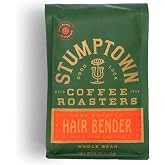
Citrus-chocolate medium roast
|
Price on Amazon | |
|
Best Organic Pick

|
Bright organic medium roast
|
Price on Amazon | |
|
Best Budget Drip

|
Classic medium-roast profile
|
Price on Amazon | |
|
Best Colombian Value

|
Balanced Colombian medium roast
|
Price on Amazon | |
|
Best Smooth Blend

|
Smooth medium-roast blend
|
Price on Amazon | |
|
Best Breakfast Roast

|
Light organic morning blend
|
Price on Amazon | |
|
Best Bold Drip

|
Medium-dark Fog Chaser blend
|
Price on Amazon | |
|
Best Fruity Cup

|
Ethiopian medium-roast brightness
|
Price on Amazon | |
|
Best Clean Roast
|
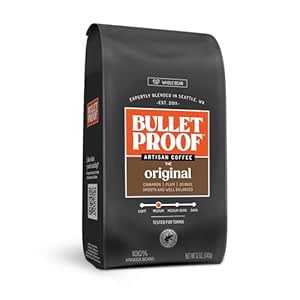
Smooth medium whole bean
|
Price on Amazon | |
|
Best Low Acid

|
Organic low-acid medium roast
|
Price on Amazon |
What Is Japanese Iced Coffee?
Japanese iced coffee is hot-brewed coffee that drips directly onto measured ice. It is not cold brew. Cold brew is made by steeping coffee in cold water for many hours. Japanese iced coffee is made with hot water in just a few minutes.
That difference matters. Hot water extracts more aromatic compounds and lively flavors from coffee, while rapid chilling helps preserve that freshness. Serious Eats describes Japanese-style iced coffee as a method where hot coffee is brewed directly over ice, with a sample recipe using equal weights of ice and near-boiling water: 225 g ice, 30 g coffee, and 225 g water.
Bon Appétit also describes Japanese-style iced coffee as brewing strong hot coffee directly over ice, where the melting ice chills and dilutes the drink to serving strength.
Here is the simplest way to understand it:
| Method | Brewing Water | Time | Flavor Style |
|---|---|---|---|
| Japanese iced coffee | Hot water + measured ice | 3–5 minutes | Bright, aromatic, crisp |
| Cold brew | Cold water | 12–18 hours | Smooth, mellow, low-acid |
| Leftover coffee over ice | Already brewed coffee + random ice | Fast | Often flat or watery |
| Iced Americano | Espresso + water + ice | Fast | Espresso-like, sharp/clean |
Japanese iced coffee is my favorite when I want iced coffee that still tastes like the bean. If a coffee has citrus, berry, honey, floral, stone fruit, or caramel notes, flash brewing often keeps those flavors more alive than cold brew.
Why Japanese Iced Coffee Tastes So Fresh
The magic is in the hot extraction and fast chilling.
When you brew with hot water, you extract sweetness, acidity, aroma, and complexity more quickly than you do with cold water. Then, when that coffee lands on ice immediately, it cools before the flavors flatten out. Counter culture describes flash brew as a way to avoid coffee sitting around and developing oxidized off-flavors, producing ready-to-drink iced coffee quickly.
AeroPress also explains the flash-brew concept clearly: concentrated hot coffee drips onto ice, which chills and dilutes it, while hot brewing keeps the lively traits of a regular hot cup.
That is why Japanese iced coffee can taste more expressive than cold brew. Cold brew is smooth and convenient, but it often softens acidity and mutes delicate aromatics. Japanese iced coffee is brighter. It feels more like a fresh pour-over that happens to be cold.
This makes it especially good for:
| Coffee Type | Why It Works |
|---|---|
| Washed Ethiopian coffee | Floral and citrus notes stay lively. |
| Kenyan coffee | Berry acidity stays crisp. |
| Colombian coffee | Caramel and fruit balance well. |
| Central American medium roast | Chocolate, citrus, and sweetness stay clean. |
| Light-medium roasts | Delicate aromas survive better than in cold brew. |
If you prefer very smooth, chocolatey iced coffee with milk, cold brew may still be your favorite. But if you like refreshing black iced coffee, Japanese iced coffee is hard to beat.
The Best Japanese Iced Coffee Ratio
The easiest beginner formula is
60% hot water + 40% ice
So if your total brew water is 320 g, you might use:
| Coffee | Hot Water | Ice | Total Water/Ice | Ratio |
|---|---|---|---|---|
| 20 g | 200 g | 120 g | 320 g | 1:16 |
AeroPress’s Japanese-inspired iced coffee guide mentions a 40% / 60% ice-to-water rule and uses 100 g of ice with 150 ml of hot water, which follows the same general flash-brew structure. Epicurious also describes adapting flash brew by substituting about 40% of the brewing water with ice, giving an example of 25 g of coffee, 250 g of hot water, and 150 g of ice.
Here is my favorite starting recipe:
| Ingredient | Amount |
|---|---|
| Coffee | 20 g |
| Hot water | 200 g |
| Ice | 120 g |
| Total water/ice | 320 g |
| Final ratio | 1:16 |
| Grind | Medium-fine |
| Water temperature | 200–205°F |
| Brew time | 2:45–3:45 |
This makes one generous glass of wine. If you want a stronger glass, use 20 g of coffee with 180 g of hot water and 120 g of ice, which gives a 1:15 final ratio. If you want it lighter, use 20 g of coffee with 220 g of hot water and 120 g of ice, closer to 1:17.
Japanese Iced Coffee Ratio Chart
Use this chart when scaling your recipe.
| Coffee | Hot Water | Ice | Total Water/Ice | Final Ratio | Best For |
|---|---|---|---|---|---|
| 15 g | 150 g | 90 g | 240 g | 1:16 | Small glass |
| 18 g | 180 g | 108 g | 288 g | 1:16 | Standard glass |
| 20 g | 200 g | 120 g | 320 g | 1:16 | Large glass |
| 22 g | 220 g | 132 g | 352 g | 1:16 | A strong large glass |
| 25 g | 250 g | 150 g | 400 g | 1:16 | Two small servings |
| 30 g | 300 g | 180 g | 480 g | 1:16 | Two glasses |
If you want to keep the math simple, use this formula:
Coffee × 16 = total water/ice
Then split the total into roughly 60% hot water and 40% ice.
For example:
- 20 g coffee × 16 = 320 g total
- 60% hot water = about 200 g
- 40% ice = about 120 g
You do not have to be perfect to the gram, but measuring gives you a much better starting point than guessing.
Best Grind Size for Japanese Iced Coffee
Japanese iced coffee usually needs a grind that is slightly finer than your normal hot pour-over grind.
Why? Because you are using less hot water than usual. Some of the total water is ice, and ice does not extract coffee while sitting in the server. Since the hot water portion is smaller, it needs to extract enough flavor before the brew finishes. A slightly finer grind helps.
| Brewer | Normal Hot Grind | Japanese Iced Coffee Grind |
|---|---|---|
| V60 | Medium-fine | Slightly finer medium-fine |
| Chemex | Medium-coarse | Medium to medium-coarse |
| Kalita Wave | Medium | Slightly finer medium |
| AeroPress-style | Medium-fine | Fine to medium-fine |
| Drip machine | Medium | Slightly finer medium |
AeroPress’s Japanese-inspired recipe specifically recommends a medium-fine grind, a bit finer than a standard AeroPress brew, because the method uses less hot water and needs full flavor extraction.
If your Japanese iced coffee tastes sour, thin, or watery, grind finer. If it tastes bitter, dry, or harsh, grind coarser or reduce agitation.
Best Beans for Japanese Iced Coffee
Japanese iced coffee is excellent for beans with brightness and aroma. I do not usually choose the darkest, oiliest beans for this method because flash brew can make roast bitterness taste sharp when chilled. Medium-light and medium roasts are usually more rewarding.
| Flavor Goal | Bean Style |
|---|---|
| Bright and citrusy | Washed Ethiopian or Kenyan |
| Sweet and balanced | Colombian or Costa Rican |
| Smooth and chocolatey | Medium roast blend |
| Floral and tea-like | Washed Ethiopian |
| Fruity and juicy | Natural Ethiopian or berry-forward blend |
For an approachable everyday glass, Stumptown Holler Mountain Whole Bean Coffee can work nicely because it has enough sweetness and structure for iced brewing. For a smoother and more classic profile, Lavazza Qualità Oro Whole Bean Coffee can make a softer iced cup, especially if you plan to add milk.
If you drink Japanese iced coffee black, try a washed Ethiopian, Kenyan, Colombian, or light-medium roast with citrus and fruit notes. If you add milk, choose something with chocolate, caramel, nuts, or brown sugar notes so the coffee stays present.
Step-by-Step V60 Japanese Iced Coffee Recipe
This is the recipe I would use as the main home method.
What You Need
| Tool | Why It Helps |
|---|---|
| Hario V60 Ceramic Coffee Dripper | Clean, fast flash brew |
| Hario V60 Paper Filters | Proper fit and clean flavor |
| Hario V60 Drip Scale | Measures coffee, water, and ice |
| Fellow Stagg EKG Kettle | Controlled pouring |
| Baratza Encore ESP | Consistent grind |
| Fresh whole beans | Better aroma and sweetness |
Ingredients
| Ingredient | Amount |
|---|---|
| Coffee | 20 g |
| Ice | 120 g |
| Hot water | 200 g |
| Total water/ice | 320 g |
Step 1: Add ice to the server.
Place your server or glass on the scale and add 120 g of ice. Use larger ice cubes if possible. Tiny crushed ice melts too quickly and can dilute unevenly before the brew is finished.
Step 2: Rinse the filter.
Place the V60 and paper filter on top of the server. Rinse the filter with hot water if you can do so without melting too much of your measured ice. The easiest way is to rinse it over the sink first, then place the dripper over the iced server.
Step 3: Grind the coffee.
Grind 20 g of coffee slightly finer than your usual hot V60 setting. Think medium-fine, but not espresso-fine.
Step 4: Bloom the Coffee
Add the coffee to the filter, start your timer, and pour 40 g of hot water over the grounds. Make sure all the coffee is hot. Wait 30–40 seconds.
Step 5: Pour in Stages
Continue pouring slowly until you reach 200 g total of hot water.
A simple structure:
| Time | Total Hot Water |
|---|---|
| 0:00 | 40 g bloom |
| 0:40 | 100 g |
| 1:15 | 150 g |
| 1:50 | 200 g |
Let the coffee drain fully. The hot coffee will land on the ice, melting it as it chills.
Step 6: Swirl and Serve
When the brew finishes, swirl the server until most or all of the ice has melted. Then pour over fresh ice in a glass.
This last detail matters. The brewing ice is part of the recipe. The serving ice is for keeping the drink cold. If you want a stronger final drink, use less ice or drink it soon.
Chemex Japanese Iced Coffee
Chemex can also make beautiful Japanese iced coffee, especially if you want two glasses at once. Because Chemex filters are thicker, use a slightly finer grind than normal Chemex but still coarser than V60.
A simple Chemex flash-brew recipe:
| Ingredient | Amount |
|---|---|
| Coffee | 30 g |
| Hot water | 300 g |
| Ice | 180 g |
| Total water/ice | 480 g |
| Ratio | 1:16 |
| Grind | Medium to medium-coarse |
The workflow is the same: add ice to the Chemex, set the filter, add coffee, bloom, pour, drain, swirl, and serve.
Chemex Japanese iced coffee tends to taste clean, polished, and elegant. It is less punchy than the V60 but very smooth. If you like delicate black iced coffee, this can be gorgeous.
Kalita Wave Japanese Iced Coffee
Kalita Wave is a great option if you want a slightly rounder, sweeter iced coffee. The flat-bottom design can make the brew feel more forgiving than the V60.
A simple Kalita recipe:
| Ingredient | Amount |
|---|---|
| Coffee | 20 g |
| Hot water | 200 g |
| Ice | 120 g |
| Total water/ice | 320 g |
| Ratio | 1:16 |
| Grind | Medium to medium-fine |
Because the Kalita drains more steadily, I like using gentle pulse pours. The final cup often tastes sweet, balanced, and less sharp than some V60 flash brews.
AeroPress Japanese Iced Coffee
AeroPress-style Japanese iced coffee is excellent when you want a fast single serving without a careful pour-over technique. The official AeroPress Japanese-inspired recipe uses 100 g of ice in the carafe, water around 201°F, a medium-fine grind, and a 2-minute brew before pressing.
A simple home version:
| Ingredient | Amount |
|---|---|
| Coffee | 16–18 g |
| Hot water | 150 g |
| Ice | 100 g |
| Grind | Fine to medium-fine |
| Brew time | 2 minutes |
| Press time. | 30 seconds |
This makes a strong, refreshing iced coffee with less gear than a V60. It is also easier to sweeten or turn into an iced milk drink.
For an iced latte-style version, brew 18–20 g of coffee with 80–100 g of hot water, press over ice, then add cold milk. It will not be true espresso, but it can be very satisfying.
Japanese Iced Coffee with a Drip Coffee Maker
You can adapt the flash-brew concept to a drip machine if your carafe can safely hold ice and your machine setup allows it.
The idea is the same: replace part of your usual brew water with ice in the carafe, then brew a stronger hot coffee over it. Epicurious notes that the flash-brewing idea can work in a regular drip coffee pot by substituting about 40% of the water with ice and grinding a bit finer than usual.
Example:
| Ingredient | Amount |
|---|---|
| Coffee | 60 g |
| Hot brew water in the machine | 600 g |
| Ice in carafe | 400 g |
| Total water/ice | 1,000 g |
| Final ratio | 1:16.7 |
This makes a larger batch. Just be careful with glass carafes and temperature shock. If your carafe is not designed for ice plus hot coffee, use a heat-safe server.
Japanese Iced Coffee Troubleshooting
| Problem | Likely Cause | Fix |
|---|---|---|
| It tastes watery. | Too much ice or weak ratio | Use more coffee or less total water. |
| It tastes sour. | Under-extracted | Grind finer or pour slower. |
| It tastes bitter. | Over-extracted | Grind coarser or reduce agitation. |
| It tastes flat. | The coffee cooled slowly, or the beans were stale. | Brew directly onto measured ice |
| Ice melts too early. | Crushed ice or warm water | Use larger cubes. |
| Coffee is too sharp. | Roast too light or extraction uneven | Try medium roast or gentler pour. |
| Too strong | Not enough ice/water | Use 1:16.5 or 1:17. |
| Too weak with milk | Brew stronger. | Try 1:14.5 to 1:15. |
The most common mistake is using a normal hot coffee recipe and then adding ice later. Japanese iced coffee should be brewed stronger because the ice is already included in the total water.
Should You Add Milk or Syrup?
Japanese iced coffee is wonderful black, but it can also work with milk and syrup if you adjust the recipe.
For black Japanese iced coffee, I like 1:16.
For milk drinks, I like 1:14 to 1:15.
For syrup drinks, I keep the coffee slightly stronger so the sweetness does not flatten it.
Simple café-style serving ideas:
| Drink | Coffee Base | Add |
|---|---|---|
| Black Japanese iced coffee | 20 g coffee / 200 g hot water / 120 g ice | Fresh ice |
| Iced coffee with milk | Stronger 1:15 brew | 60–120 g milk |
| Iced vanilla coffee | 1:15 brew | Vanilla syrup + milk |
| Iced honey coffee | 1:16 brew | Honey syrup + splash of milk |
| Iced citrus coffee | Bright 1:16 brew | Orange peel or tonic-style water |
If you add a sweetener, dissolve it while the coffee is still warm or use simple syrup. Granulated sugar does not dissolve well in cold coffee.
Japanese Iced Coffee vs. Cold Brew
Japanese iced coffee and cold brew are both excellent, but they are not interchangeable.
| Feature | Japanese Iced Coffee | Cold Brew |
|---|---|---|
| Brew time | 3–5 minutes | 12–18 hours |
| Flavor | Bright, aromatic, crisp | Smooth, mellow, chocolatey |
| Acidity | More lively | Softer |
| Best black | Excellent | Good |
| Best with milk | Good if brewed strong | Excellent |
| Best for delicate beans | Better | Often muted |
| Convenience | Brew fresh. | Batch ahead |
| Gear | Pour-over/dripper helpful | Jar or cold brew maker |
I choose Japanese iced coffee when I want flavor clarity. I choose cold brew when I want convenience or a smoother, milk-friendly drink.
My Favorite Japanese Iced Coffee Recipe
This is the recipe I would start with:
| Variable | My Pick |
|---|---|
| Brewer | V60 |
| Coffee | 20 g |
| Hot water | 200 g |
| Ice | 120 g |
| Ratio | 1:16 |
| Grind | Slightly finer than hot V60 |
| Water temperature | 200–205°F |
| Brew time | 2:45–3:45 |
| Serve | Over fresh ice |
If the cup tastes weak, I use 21–22 g of coffee or reduce the total water slightly. If it tastes sour, I grind it finer. If it tastes bitter, I grind coarser. If it tastes flat, I change beans or make sure the coffee is dripping directly onto ice.
Final Thoughts: Japanese Iced Coffee Is the Fastest Way to Make Iced Coffee Taste Fresh
Japanese iced coffee is one of those methods that feels simple once you understand the math. Brew strong hot coffee. Let it drip directly onto measured ice. Use the ice as part of the total water, not as a random add-on. Swirl, serve, and enjoy the coffee while it is crisp and aromatic.
For most home brewers, the best starting recipe is 20 g coffee, 200 g hot water, and 120 g ice. Use a medium-fine grind, pour gently, and aim for a final ratio around 1:16. From there, adjust by taste.
If cold brew is mellow and patient, Japanese iced coffee is bright and immediate. It gives you the refreshing feel of iced coffee while keeping the lively character of a hot pour-over. And on a warm morning, that fresh, chilled, aromatic first sip is honestly hard to beat.
FAQ: How to Brew Japanese Iced Coffee
What is Japanese iced coffee?
Japanese iced coffee is hot coffee brewed directly over measured ice. The hot water extracts flavor quickly, while the ice chills and dilutes the coffee immediately.
Is Japanese iced coffee the same as cold brew?
No. Cold brew is brewed with cold water over many hours. Japanese iced coffee is brewed hot over ice in a few minutes, so it usually tastes brighter and more aromatic.
What is the best Japanese iced coffee ratio?
A good starting ratio is 1:16, using about 60% hot water and 40% ice. For example, use 20 g of coffee, 200 g of hot water, and 120 g of ice.
How much ice should I use for Japanese iced coffee?
Use about 35–40% of your total water weight as ice. For a 320 g total recipe, use around 120 g of ice and 200 g of hot water.
What grind size should I use for Japanese iced coffee?
Use a grind slightly finer than your normal hot pour-over grind. Since part of the water is ice, the hot water portion is smaller and needs to be extracted efficiently.
Why does my Japanese iced coffee taste watery?
It may have too much ice, too little coffee, too coarse a grind, or too weak a final ratio. Try using more coffee, less total water, or a slightly finer grind.
Why does my Japanese iced coffee taste sour?
Sourness usually means under-extraction. Grind finer, pour more slowly, use hotter water, or extend the brew slightly.
Can I make Japanese iced coffee with a Chemex?
Yes. Use the same idea: brew hot coffee over measured ice. A good Chemex recipe is 30 g coffee, 300 g hot water, and 180 g ice.
Can I make Japanese iced coffee with an AeroPress?
Yes. Use 16–18 g coffee, 150 g hot water, and 100 g ice. Brew for about 2 minutes, then press over the ice.
Is Japanese iced coffee good with milk?
Yes, but brew it slightly stronger. Try a final ratio around 1:14 or 1:15 if you plan to add milk so the coffee flavor stays clear.


