
Best Coffee Beans for Breville Espresso Machines


OneHundredCoffee is reader-supported, and some products displayed may earn us an affiliate commission. Details
Breville espresso machines are some of the most rewarding home machines because they give you real control without making the whole process feel intimidating. Whether you use a compact Bambino, a Barista Express with a built-in grinder, a Barista Pro, a Barista Touch, a Dual Boiler, or an Oracle-style machine, the beans you choose change everything. The same machine can make a smooth, syrupy espresso one morning and a sour, thin, frustrating shot the next if the beans are wrong, stale, too oily, or too difficult to extract.
The best coffee beans for Breville espresso machines are usually fresh, medium, or medium-dark espresso-friendly beans with chocolate, caramel, cocoa, toasted nuts, brown sugar, hazelnut, almond, or mild dried-fruit notes. These beans are easier to dial in, strong enough for milk drinks, smooth enough for straight espresso, and less frustrating than very light specialty roasts when you are still learning. For Breville machines with built-in grinders, I also prefer beans with low surface oil because very shiny dark roasts can leave more residue in the hopper and burrs over time.
As we discussed previously in our published article about Best Coffee Beans for Semi-Automatic Espresso Machines, espresso beans should reward the work of dialing in. Breville machines give you enough control to taste the difference between grind settings, dose, yield, temperature, and puck prep. That is the good news. The challenge is that espresso is honest. If the bean is too old, too dark, too oily, too light, or poorly matched to your drink style, the machine will not magically fix it.
For most Breville users, I would start with a forgiving medium-dark espresso blend. It gives you body, crema, sweetness, and milk-drink strength while still giving clear feedback as you adjust your grind.
Best Coffee Beans for Breville Espresso Machines
| Image | Product | Features | Price |
|---|---|---|---|
|
Best Crema Body

|
Rich espresso crema
|
Price on Amazon | |
|
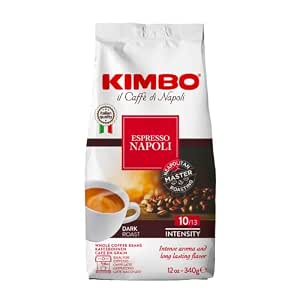
Best Italian Style
|
Smooth Napoli espresso
|
Price on Amazon |
Best Organic Espresso

|
Sweet medium espresso
|
Price on Amazon |
|
Best Bright Espresso
|
Complex espresso blend
|
Price on Amazon | |
|
Best Smooth Espresso

|
Balanced medium roast
|
Price on Amazon | |
|
Best Daily Value

|
Balanced Italian roast
|
Price on Amazon |
Quick Comparison: Best Coffee Bean Styles for Breville Espresso Machines
| Bean Style | Best For | Typical Flavor | Why It Works in Breville Machines | Example Pick |
|---|---|---|---|---|
| Medium-dark espresso blend | Barista Express, Barista Pro, Bambino milk drinks | Chocolate, caramel, nuts | Forgiving, full-bodied, and easier to dial in than lighter roasts. | Lavazza Super Crema |
| Classic medium espresso roast | Smooth straight espresso | Cocoa, toast, mild sweetness | Clean, polished, and friendly for users who dislike harsh bitterness. | illy Classico Whole Bean |
| Specialty espresso blend | Barista Pro, Dual Boiler, Oracle | Caramel, fruit, chocolate | Gives more complexity when you have the grinder control to dial it in. | Stumptown Hair Bender |
| Bold dark espresso bean | Strong cappuccino and iced latte | Dark chocolate, cocoa, roast | Creates deeper milk drinks if you avoid over-extraction. | Peet’s Espresso Forte |
| Organic espresso roast | Smooth lattes and daily espresso | Cocoa, syrup, gentle fruit | Offers body and sweetness without tasting overly heavy. | Kicking Horse Cliff Hanger Espresso |
What Makes Coffee Beans Good for Breville Espresso Machines?

Breville machines are very capable, but they are still home espresso machines. That means they usually do best with beans that are fresh, sweet, and not too extreme. If you use a Barista Express or Barista Pro, the built-in grinder can handle a wide range of beans, but very oily dark roasts can create more mess, and very light roasts can be difficult to extract. If you use a Bambino with a separate grinder, the grinder choice becomes even more important. If you use a dual boiler or Oracle, you have more room to experiment with specialty espresso.
Good Breville-friendly beans usually have the following:
- Medium to full body
- Natural sweetness
- Chocolate, caramel, cocoa, or nutty notes
- Moderate acidity
- Good crema potential
- Fresh whole-bean aroma
- Low harsh bitterness
- Enough strength for milk drinks
- Reasonable solubility for espresso
- Low-to-moderate surface oil if using a built-in grinder
The biggest mistake is buying beans only because they say “espresso” or because they look very dark. Espresso beans should not simply be bitter beans. The best ones should taste concentrated, sweet, and balanced. A good shot from a Breville machine should have body, aroma, and a pleasant finish. It should not taste like burnt coffee oil.
Best Roast Level for Breville Espresso Machines
For most Breville users, medium-dark roast is the easiest place to start. This roast level usually brings chocolate, caramel, toasted nuts, and brown sugar notes, which are friendly in espresso and milk drinks. It is also more forgiving than light roast because it extracts more easily.
Medium roast is a good choice if you drink straight espresso, Americano, or long black and want a cleaner cup. It can taste sweeter and more aromatic than darker roasts, but it may need a finer grind and better puck prep. If you are using a Breville Bambino with a strong separate grinder or a Breville Dual Boiler, a medium roast can be very rewarding.
Dark roast works if you like bold traditional espresso, but I would avoid very oily beans, especially in built-in grinder models. Dark beans can become bitter fast if the shot runs too long. They often taste better with a slightly shorter ratio.
Light roast is more advanced. Breville machines can brew light roasts, especially the higher-control models, but light roasts often need finer grinding, hotter brewing, longer ratios, and better puck prep. If you are still learning, start medium-dark and move lighter later.
My Favorite Bean Profile for Breville Machines
My personal favorite bean profile for most Breville users is a medium-dark espresso blend with chocolate, caramel, and nutty sweetness. It gives a good learning curve. When the shot runs too fast, you taste sourness. When it runs too slowly, you taste bitterness. When it is dialed in, the shot becomes sweet, creamy, and balanced. That kind of feedback helps you improve.
A bean like Lavazza Super Crema is a very practical starting point for many Breville owners because it has a forgiving medium-dark espresso-blend character and broad user visibility, with product results showing a 4.7 rating across thousands of reviews. If you want a smoother, more classic espresso taste, Illy Classico Whole Bean is another safe direction, with product results showing a 4.9 rating across thousands of reviews. For users who want more specialty-style complexity, Stumptown Hair Bender can be more interesting, though it usually asks for more careful dialing in.
Best Beans for Breville Barista Express

The Breville Barista Express is one of the most common home espresso machines, and it works best with forgiving beans. Its built-in grinder is useful, but it is not the same as a high-end standalone espresso grinder. So I would not start with difficult light roasts. I would start with medium-dark espresso blends.
Beans with chocolate, caramel, cocoa, and nutty notes are easiest. They work well for straight espresso, cappuccino, latte, and iced drinks. They also help beginners understand what a balanced shot should taste like.
For the Barista Express, avoid very oily beans as daily beans. The grinder can handle coffee, but oily buildup can make the workflow messier over time. Dry-looking medium-dark beans are a better long-term habit.
A simple starting point is a double shot: 18 grams in, around 36 grams out, roughly 25 to 30 seconds. Then adjust by taste. “Sour” means grind finer. “Bitter” means to grind coarser or shorten the shot.
Best Beans for Breville Barista Pro
The Barista Pro has a faster heat-up and a more modern workflow, and it generally makes dialing in feel easier than older beginner machines. It still benefits from the same bean logic: medium-dark for easy daily espresso, medium for cleaner black drinks, and specialty blends when you want complexity.
For the Barista Pro, I like Lavazza Super Crema for everyday milk drinks, ILLY Classico Whole Bean for smoother classic espresso, and Stumptown Hair Bender when you want something more layered.
The Pro gives you enough control to try medium roasts after you understand your grind range. If the shot tastes sour, do not immediately blame the bean. Try grinding finer, increasing the temperature if available, and checking the yield.
Best Beans for Breville Bambino and Bambino Plus

The Bambino and Bambino Plus do not have built-in grinders, so the grinder you pair with them matters a lot. With a good espresso grinder, the Bambino can make excellent shots. With a weak grinder, even good beans can taste inconsistent.
For Bambino users, I like forgiving medium-dark beans because they work well with a range of home grinders. If you are using the stock pressurized basket, smooth espresso blends are especially helpful. If you upgrade to a non-pressurized basket and a capable grinder, you can explore more medium and specialty beans.
For lattes and cappuccinos, choose chocolatey medium-dark blends. For straight espresso, try smoother medium or medium-dark beans with caramel and cocoa. Very light roasts can work, but only if your grinder can go fine and consistently enough.
The Bambino rewards fresh beans and good grinding more than fancy packaging.
Best Beans for Breville Dual Boiler
The Breville Dual Boiler gives more control than entry-level machines, so it opens the door to more serious espresso beans. You can work with medium roasts, specialty espresso blends, and even lighter roasts if your grinder is capable.
For everyday use, medium-dark blends still work beautifully. But with the dual boiler, I would feel more comfortable experimenting with Stumptown Hair Bender or other specialty espresso blends because the machine has the temperature stability and control to bring out more nuance.
Medium roasts with caramel, fruit, chocolate, or honey notes can taste excellent. They may need longer ratios than classic dark espresso. Instead of pulling every bean at 1:2, try 1:2.3 or 1:2.5 if the shot tastes sour.
The dual boiler is a machine where beans with more complexity can actually make sense.
Best Beans for Breville Oracle and Oracle Touch

The Oracle machines automate more of the espresso workflow, including grinding, dosing, tamping, and milk texturing, while still using a real espresso system. Because of that, they need beans that are consistent and easy to extract.
Medium-dark espresso blends are excellent for Oracle-style machines because they give body, crema, and reliable milk-drink performance. If you mostly drink cappuccino, latte, or flat white, chocolatey beans are ideal. If you mostly drink straight espresso, smoother medium roasts can also work.
I would still avoid very oily beans. Even though the Oracle is advanced, its grinder and dosing system benefit from clean-feeding beans. I would also avoid very light roasts as an everyday choice unless you enjoy adjusting settings.
A good Oracle bean should give reliable shots with minimal frustration, because that is the whole point of the machine.
Best Beans for Breville Cappuccino and Latte
Breville machines are popular for milk drinks, and milk drinks need beans with enough body. A delicate espresso may taste nice as a small shot but disappear under steamed milk. For cappuccino and latte, medium-dark beans are usually best.
Look for chocolate, cocoa, caramel, brown sugar, hazelnut, and toasted almond notes. These flavors blend naturally with milk and make the drink taste creamy and complete.
For lattes, Lavazza Super Crema is a practical daily choice. For smoother cappuccinos, Ily Classico Whole Bean works nicely. For a bolder iced latte or mocha, Peet’s Espresso Forte can make sense if you control bitterness.
If your latte tastes weak, use a double shot, reduce milk volume, or choose a fuller bean before adding more syrup.
Best Beans for Breville Americano and Long Black
Americano and long black reveal bitterness quickly because hot water stretches the espresso. For this drink style, I often prefer medium roasts or smooth medium-dark beans rather than very dark roasts.
Beans with caramel, cocoa, almond, and mild fruit notes work well because they stay clean after dilution. Fresh roasted Colombian Supremo and Intelligentsia House Blend fit this smoother black espresso drink direction.
I prefer pulling a balanced espresso shot first, then adding hot water. Do not simply pull a very long shot through the puck, because that can over-extract the coffee and make the drink bitter.
A good Breville Americano should taste open and smooth, not like diluted bitterness.
Best Low-Oil Beans for Breville Built-In Grinders

If your Breville has a built-in grinder, low-oil beans are a smart habit. You do not need beans to be completely matte, but I would avoid shiny, greasy beans for daily use. Oily beans can cling to the hopper, burrs, and chute, and they may require more frequent cleaning.
Medium roast beans are usually lower in oil. Medium-dark beans can still be fine if they look dry. Very dark beans are more likely to be oily, especially if they have been sitting for a while.
Low-oil beans can still taste rich. Do not confuse oiliness with quality. A dry medium-dark bean can make a beautiful espresso with chocolate and crema. A shiny dark bean can taste bitter and leave residue.
For Breville built-in grinder machines, flavor and cleanliness should work together.
Beans to Avoid in Breville Espresso Machines
I would avoid flavored beans in any Breville grinder. Vanilla, caramel, hazelnut, and other flavored beans are often coated with flavoring oils. Those oils can build up inside the grinder. Use regular beans and add syrup after brewing instead.
I would also avoid very oily dark roasts for daily use in a built-in grinder. If you use them occasionally, clean more often and watch for clumping.
I would avoid very light roasts as a beginner bean. They are not bad, but they can make learning espresso harder. They need better grinding, more careful puck prep, and usually longer extraction.
Finally, avoid stale bulk beans. Espresso needs freshness. Old beans can make shots run fast, taste hollow, and produce weak crema.
Whole Bean Freshness for Breville Espresso
Whole beans are strongly recommended for Breville machines. Espresso needs grind adjustment, and pre-ground coffee rarely matches your machine and basket perfectly. Even if you use a pressurized basket, fresh whole beans usually taste better.
Espresso beans should be fresh but rested. Beans roasted yesterday can be too gassy and hard to dial in. Many espresso blends taste more stable after several days to two weeks, depending on the roast level. Once opened, use beans within a few weeks if possible.
Do not fill the hopper with more beans than you will use soon. Keep the rest sealed away from heat, light, air, and moisture. Freshness affects crema, aroma, shot timing, and sweetness.
A Breville machine can only brew the flavor the beans still have.
Best Grind Settings for Breville Machines

Every Breville model is different, and every bean behaves differently, but the taste rules are consistent.
If espresso tastes sour:
- Grind finer.
- Increase shot time.
- Increase yield slightly.
- Check the machine warm-up.
If espresso tastes bitter:
- Grind coarser.
- Shorten the shot.
- Reduce yield.
- Use a smoother bean.
If espresso tastes weak:
- Use fresher beans.
- Increase the dose if possible.
- Reduce yield.
- Use a fuller-bodied bean.
If milk drinks taste weak:
- Use a double shot.
- Reduce milk volume.
- Choose medium-dark beans.
- Avoid delicate light roasts.
With built-in Breville grinders, make small adjustments. If the machine has an internal burr adjustment, use it only when the outer range cannot get fine enough.
Best Espresso Ratio for Breville Beans
A 1:2 ratio is a good starting point. That means 18 grams of ground coffee and 36 grams of espresso out. But different roasts need different ratios.
For dark roast, I often prefer shorter ratios around 1:1.5 to 1:1.8 to avoid bitterness. For a medium-dark roast, 1:2 is usually a good starting point. For medium roast, a 1:2 to 1:2.5 ratio may bring more sweetness. For light roast, longer ratios may be needed, but they require more skill.
Taste matters more than numbers. If the shot is sour, it needs more extraction. If it is bitter and dry, it needs less. If it is balanced but too intense, use it in a milk drink or Americano.
Best Origins for Breville Espresso Machines
Brazilian beans are excellent for Breville espresso because they often bring chocolate, nuts, and body. Colombian beans bring caramel, cocoa, and mild fruit. Guatemalan beans can add chocolate, spice, and gentle citrus sweetness. Peruvian beans can be mellow and smooth. Ethiopian beans can bring fruit and florals, but they are usually harder if roasted lightly.
For beginners, I would start with Brazil, Colombia, Guatemala, or balanced espresso blends. For more adventurous users, try medium specialty blends. For milk drinks, choose chocolatey origins. For straight espresso, prioritize sweetness and a clean finish.
Breville machines give you enough control to explore, but the bean should still match your grinder and skill level.
My Personal Pick for Most Breville Users
My personal pick for most Breville espresso machine users would be a medium-dark espresso blend with chocolate, caramel, and nutty sweetness. It is the most useful style because it works for espresso, cappuccino, latte, flat white, Americano, iced drinks, and mocha.
If I wanted one dependable daily bean, I would choose Lavazza Super Crema. If I wanted a smoother classic espresso, I would choose Illy Classico Whole Bean. If I wanted more specialty complexity, Stumptown Hair Bender would be a strong option. If I wanted bolder milk drinks, Peet’s Espresso Forte would make sense. If I wanted organic espresso-style beans, Kicking Horse Cliff Hanger Espresso would be a good direction.
The best choice depends on your Breville model. Bambino users need a good separate grinder. Barista Express and Pro users need built-in-grinder-friendly beans. Dual-boiler users can explore more specialty espresso. Oracle users need consistency. But almost everyone can start with a smooth medium-dark espresso blend.
Common Bean Mistakes with Breville Espresso Machines
The first mistake is starting with very light roast beans before learning espresso basics. They can taste sour and frustrating.
The second mistake is using shiny, oily dark beans in built-in grinders. They can leave residue and may taste bitter.
The third mistake is using flavored beans in the grinder. Flavor oils can coat grinder parts.
The fourth mistake is using stale beans. Old coffee makes dialing in harder and weakens crema.
The fifth mistake is using pre-ground coffee and expecting full espresso control. Whole beans are much better.
The sixth mistake is changing grind, dose, and yield all at once. Change one variable at a time.
The seventh mistake is blaming the machine before checking the grinder and beans. Espresso flavor often starts there.
Final Thoughts: The Best Breville Beans Should Be Fresh, Sweet, and Dial-In Friendly
The best coffee beans for Breville espresso machines are beans that make home espresso easier and better. They should be fresh, smooth, sweet, and suited to your machine. For most users, medium-dark espresso blends are the best starting point because they offer body, crema, chocolatey sweetness, and forgiving extraction.
If you drink lattes and cappuccinos, choose chocolatey medium-dark beans. If you drink straight espresso, choose smooth beans with clean sweetness. If you drink Americano, choose medium roasts with caramel and cocoa notes. If you want specialty espresso, try it after your grind and recipe feel consistent. And if your Breville has a built-in grinder, avoid oily and flavored beans.
A Breville machine can make excellent home espresso when the bean, grind, dose, and yield work together. The right beans make that process less frustrating and much more delicious.
FAQ: Best Coffee Beans for Breville Espresso Machines
What coffee beans are best for Breville espresso machines?
The best coffee beans for Breville espresso machines are fresh medium- or medium-dark-espresso beans with chocolate, caramel, cocoa, toasted nut, brown sugar, or mild fruit notes. They should be sweet, balanced, and easy to dial in.
Is medium-dark roast best for Breville espresso?
Medium-dark roast is usually the easiest starting point because it gives body, crema, sweetness, and forgiving extraction. It works well for espresso, cappuccino, latte, and iced drinks.
Can I use light roast in a Breville espresso machine?
Yes, but light roast is harder to dial in. It often needs a finer grind, hotter water, a longer ratio, and better puck prep. Beginners usually have an easier time with medium-dark roasts.
Can I use oily dark roast beans in a Breville grinder?
You can use them occasionally, but very oily beans are not ideal for built-in grinders. They can leave residue in the hopper and burrs. Dry-looking medium-dark beans are better for daily use.
What beans are best for the Breville Barista Express?
Medium-dark espresso blends with chocolate, caramel, and nutty notes are best for most Barista Express users because they are forgiving and strong enough for milk drinks.
What beans are best for the Breville Bambino?
The Bambino works well with medium-dark espresso blends, especially when paired with a good grinder. If using a pressurized basket, choose smooth espresso-friendly beans.
What beans are best for a Breville cappuccino and latte?
Medium-dark beans with chocolate, cocoa, caramel, and toasted nut notes are best because they stay flavorful after milk is added.
What beans are best for a Breville Americano?
Medium roast or smooth medium-dark beans with caramel, cocoa, and mild fruit notes work well because they stay cleaner after hot water is added.
Why does my Breville espresso taste sour?
Sour espresso usually means under-extraction. Try grinding finer, increasing shot time, raising the temperature if available, or using a more developed roast.
Why does my Breville espresso taste bitter?
Bitter espresso usually means over-extraction, too fine a grind, too long a shot, or beans that are too dark. Try grinding coarser, shortening the yield, or using smoother beans.


