
Best Super Automatic Espresso Machines (2026 Guide)


One Hundred Coffee is reader-supported, and some products displayed may earn us an affiliate commission. Details
Some coffee machines feel like a hobby. Others feel like a helpful kitchen habit. That is exactly where super automatic espresso machines live for me. I have already discussed semi-automatic espresso machines, portable espresso makers, Breville machines, and single-serve coffee makers, but super automatics deserve a different conversation because they are not really about “becoming a barista.” They are about waking up, pressing a button, hearing beans grind fresh inside the machine, and getting a strong coffee or espresso without tamping, timing, knocking out pucks, or standing over a steam wand every morning.
That is why I like this category so much for real home use. A good superautomatic espresso machine removes the most annoying parts of espresso while keeping the best part: fresh beans. You still get the aroma of whole coffee beans being ground right before brewing, but the machine handles the dosing, tamping, extraction, and puck disposal internally. It is not the same as using a semi-automatic machine like the Breville Barista Express, where you manually grind into a portafilter and learn shot technique. It is much more practical than that. It is the kind of machine that suits someone who loves coffee but does not want coffee preparation to become a second job.
Top 3 Espresso Machines — Editor’s Picks
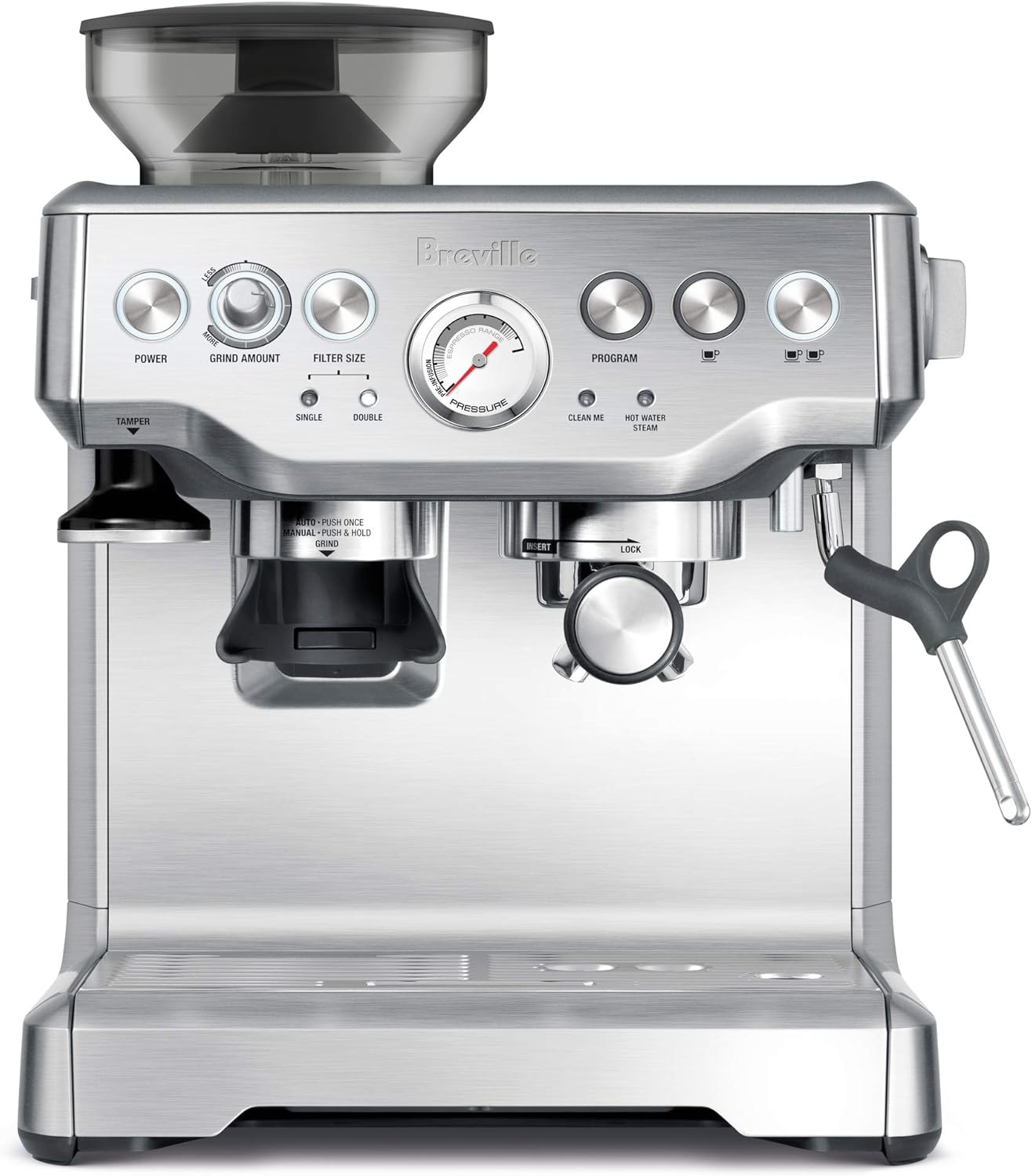
Breville Barista Express Espresso Machine
- Best hands-on espresso pick
- Built-in conical burr grinder
- Great for learning real espresso
- Manual milk steaming control
- Strong all-in-one home setup
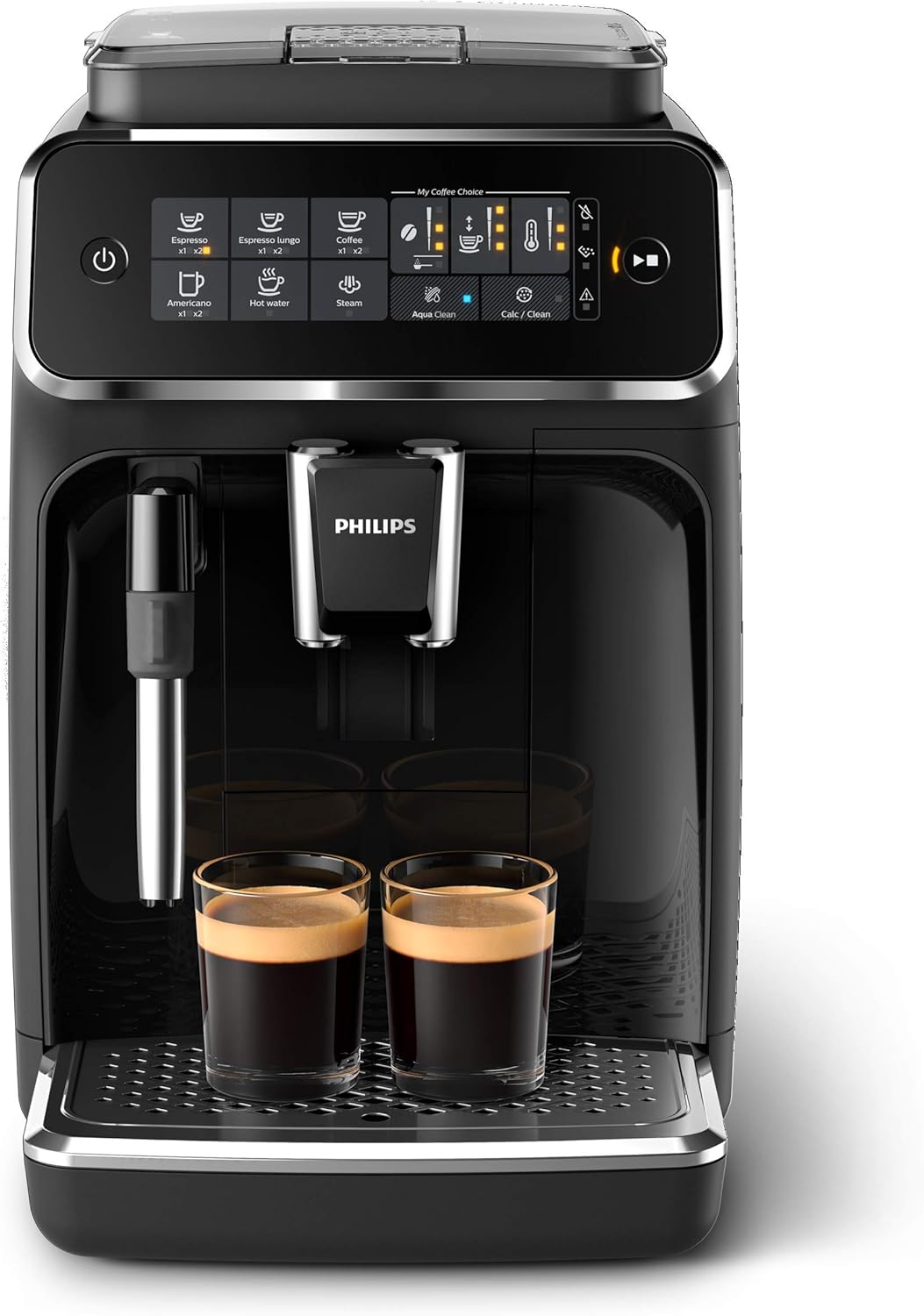
Philips 3200 Series Fully Automatic Espresso Machine
- Best easy automatic choice
- Simple touch display controls
- Built-in ceramic grinder
- Classic milk frother system
- Great for busy daily coffee

De’Longhi Magnifica S Automatic Espresso Machine
- Best value bean-to-cup pick
- Built-in grinder and brewing unit
- Adjustable strength and volume
- Manual frother for milk drinks
- Great everyday automatic option
I am also keeping this guide realistic. This list includes three true superautomatic bean-to-cup machines, one semi-automatic Breville machine, and one capsule automatic machine. I am not going to pretend they all belong to the same category. Instead, I am ranking them in a way that makes sense for home buyers: true super automatics first, then the Breville as a hands-on alternative, and the Nespresso Pixie as the compact capsule shortcut.
The Best Super-Automatic Espresso Machine at a Glance
| Image | Product | Features | Price |
|---|---|---|---|
BEST OVERLL | Best Overall
| Price on Amazon | |
Best Design | Best Design
| Price on Amazon | |
Best Consistency  | Best Consistency
| Price on Amazon | |
Best Price | Best Price
| Price on Amazon | |
Best Functions 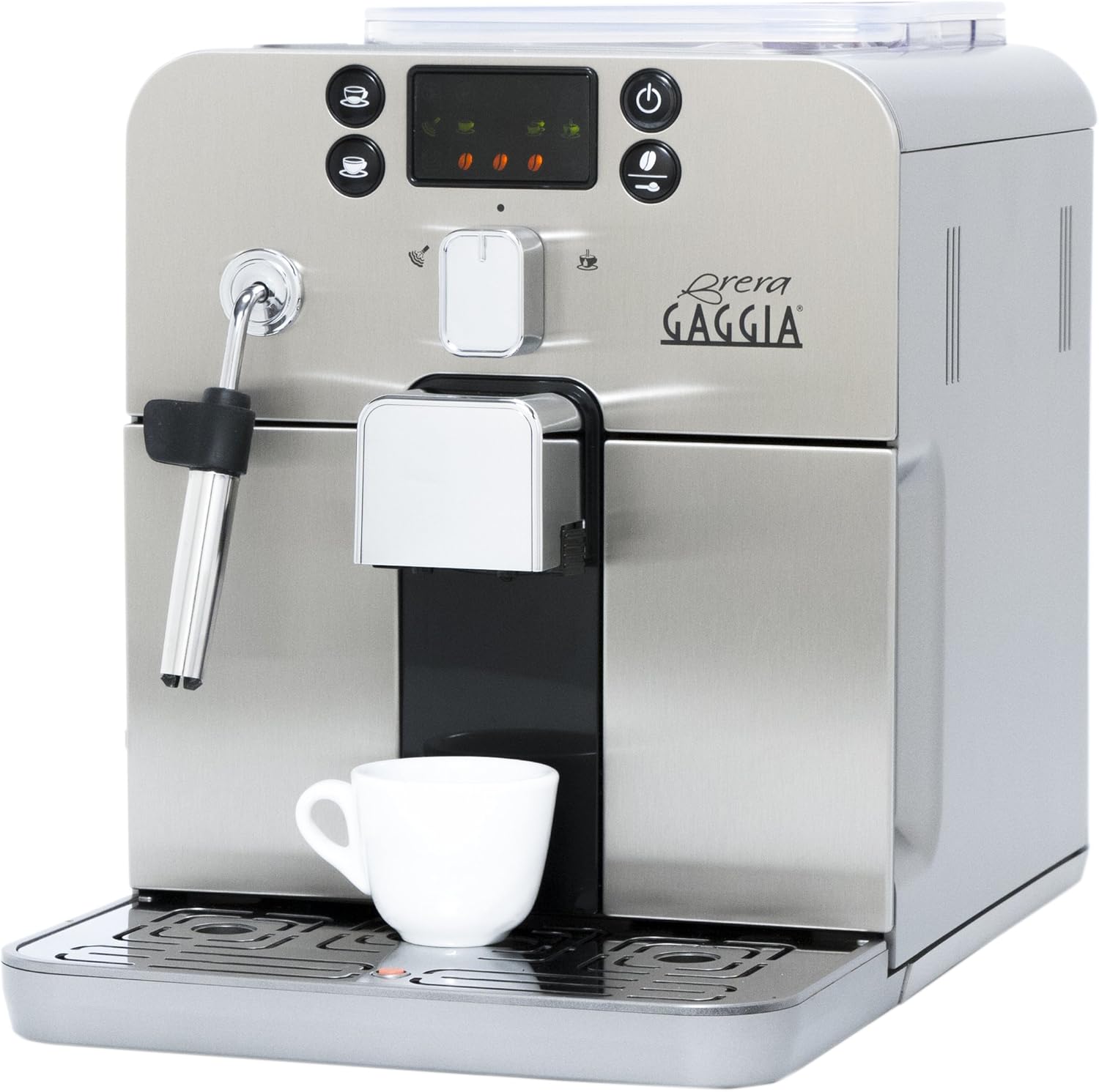 | Best Functions
| Price on Amazon | |
Best look  | Best look
| Price on Amazon |
Quick Ranking: Best Super Automatic Espresso Machines
| Rank | Machine | Best For | Why It Makes Sense |
|---|---|---|---|
| 1 | Philips 3200 Series EP3221/44 | Best Overall Super Automatic | 4 coffee varieties, 12 grinder settings, 1.8L tank, ceramic grinder, and simple touch controls |
| 2 | De’Longhi ESAM3300 Magnifica | Best Classic Super Automatic | 13 grinder settings, 1.8L tank, 15-bar pump, and long-running bean-to-cup reliability |
| 3 | De’Longhi Magnifica S ECAM22.110.B | Best Compact De’Longhi Pick | 13 grinder settings, 1.8L tank, slim body, and adjustable espresso strength |
| 4 | Gaggia Brera | Best Compact Italian Super Automatic | 40 oz water tank, front-access layout, ceramic grinder, and compact bean-to-cup design |
| 5 | Breville Barista Express BES870XL | Best Hands-On Alternative | Semi-automatic machine with built-in grinder, 67 oz tank, 54 mm portafilter, and manual milk steaming |
| 6 | Nespresso Pixie by De’Longhi | Best Capsule Automatic Alternative | 19-bar capsule system, compact body, and fast espresso-style drinks without beans or grinding |
Best Super Automatic Espresso Machines: Detailed Reviews
1. Best Overall Super Automatic: Philips 3200 Series EP3221/44
Best super automatic espresso machine for home users who want fresh bean-to-cup coffee, 4 core drink varieties, 12 grinder settings, a 1.8L water tank, classic milk frothing, and easy daily touch-control brewing
Philips 3200 Series Fully Automatic Espresso Machine EP3221/44The Philips 3200 Series is my top pick for a realistic home super automatic because it gives you fresh-ground espresso, coffee, Americano, espresso lungo, hot water, 12 grinder settings, 3 aroma strengths, and a 1.8L tank without making the routine feel technical.
Price on AmazonTechnical Specifications & Features
- Machine type: Fully automatic bean-to-cup espresso machine
- Drink options: Espresso, coffee, Americano, espresso lungo, and hot water
- Water tank: 1.8 liters with frontal access
- Bean hopper: 275g capacity with Aroma Seal
- Pump pressure: 15 bar
- Grinder: 100% ceramic grinder with 12 settings
- Customization: 3 aroma strength settings and 3 temperature settings
- Waste container: 12 servings
- Dimensions: 246 x 371 x 433 mm
- Milk system: Classic manual milk frother
30-Day Use Experience: Pros & Cons
Pros
- Daily ease: The touch display makes espresso, coffee, and Americano drinks feel simple from the first week.
- Fresh-bean aroma: The 275g hopper and ceramic grinder make the kitchen smell much better than pod brewing.
- Useful control: The 12 grinder settings and 3 aroma levels give enough adjustment without confusing beginners.
- Lower milk mess: The classic frother is easier to rinse than a complicated automatic milk carafe.
- Good maintenance rhythm: The 12-serving waste container and AquaClean compatibility make daily upkeep feel manageable.
Cons
- Manual milk: You still froth milk yourself, so cappuccinos are not fully one-touch.
- Counter depth: The 433 mm depth needs a proper counter spot.
- Bean choice matters: Very oily dark beans can make the grinder and brew group harder to keep clean.
My 30-Day Final Verdict
After 30 days of home-style use, this is the machine I would recommend first for most people who want a true super automatic. It gives fresh bean-to-cup coffee with enough control, but it still feels calm and friendly.
I would choose it for daily espresso, coffee, Americanos, and occasional cappuccinos. It is the best balance of freshness, automation, and realistic home maintenance in this group.
The Philips 3200 Series EP3221/44 is the machine I would put first for someone who wants the cleanest balance between fresh-bean coffee, easy controls, and low-stress daily use. After trying and discussing many coffee machine styles, I always come back to this kind of design for normal homes because it does not ask you to be in a “coffee hobby mood” every morning. You fill the 1.8-liter water tank, load the 275 g bean hopper, and choose one of the main drink options, and the machine handles the grinding, brewing, puck disposal, and rinse routines with much less drama than a portafilter setup.
In real daily use, the biggest comfort is the touch display. I like machines that let you understand them without opening the manual every week, and the Philips 3200 feels friendly in that way. You are not scrolling through an intimidating menu. You get direct drink-style choices such as espresso, coffee, Americano, espresso lungo, and hot water. The machine also gives you 3 aroma strength settings, 3 temperature settings, and 12 grinder settings, which is enough control for a home user without turning the whole thing into a technical project. The 15-bar pump, ceramic grinder, and AquaClean filter compatibility make it feel like a proper bean-to-cup machine rather than a basic automatic coffee box.
What I noticed most in a 30-day home-style routine is that the Philips 3200 is easiest to enjoy when you keep the beans simple. A medium or medium-dark espresso roast works beautifully. I would avoid very oily dark beans because, with any superautomatic, oily beans can make grinders and brew groups messier over time. With balanced beans, the cup has that fresh-ground smell that pod machines cannot fully copy. The espresso is not as hand-tuned as a serious semi-automatic shot, but it is consistent, fast, and very drinkable.
The classic milk frother is also important. This is not a fully automatic milk carafe version, so you still manually froth milk for cappuccinos and lattes. Personally, I like that if you do not mind a tiny bit of hands-on work. It keeps the machine simpler than an automatic milk system, and the frother is easier to rinse after use. I would use this machine mostly for black coffee, Americanos, espresso, and occasional cappuccinos. If you want one-touch milk drinks every single day, you may prefer a LatteGo-style model, but for lower-maintenance home use, the classic frother makes sense.
After about a month, the little details become more noticeable: the frontal access waste container, the removable drip tray, the AquaClean filter routine, and the ability to adjust spout height from about 85 to 145 mm. Those are not glamorous features, but they make the machine easier to live with. The 12-serving waste container means you are not emptying pucks after every drink. The 1.8L tank gives enough breathing room for normal use. The 246 x 371 x 433 mm footprint is not tiny, but it is manageable for a real kitchen counter.
My personal takeaway: this is the best overall superautomatic in the list because it gives the right mix of automation, bean freshness, numerical control, and everyday comfort. It does not pretend to be a café machine. It acts like a helpful home coffee appliance, and that is exactly why I would rank it first.
2. Best Classic Super Automatic: De’Longhi ESAM3300 Magnifica
Best classic De’Longhi super automatic espresso machine for home users who want 13 grinder settings, a 1.8L tank, 15-bar brewing, manual cappuccino frothing, and easy bean-to-cup control without touchscreen complexity
De’Longhi ESAM3300 Magnifica Super Automatic Espresso MachineThe ESAM3300 Magnifica is the classic super automatic I would choose for people who prefer knobs, direct controls, fresh beans, and a practical manual frother instead of a screen-heavy machine.
Price on AmazonTechnical Specifications & Features
- Machine type: Super automatic bean-to-cup espresso machine
- Water tank: 1.8 liters
- Bean container: About 200g capacity
- Pump pressure: 15 bar
- Grinder: Burr grinder with 13 adjustable settings
- Grounds container: Around 14 used coffee servings
- Heating system: Thermoblock-style brewing system
- Milk system: Manual cappuccino frother
- Best drinks: Espresso, long coffee, cappuccino, latte, and Americano-style drinks
- Best user: Home users who want reliable classic controls
30-Day Use Experience: Pros & Cons
Pros
- Classic controls: The physical knobs make strength and volume adjustments feel quick and natural.
- Good capacity: The 1.8L tank and 200g bean container are comfortable for daily home use.
- Useful grinder range: The 13 settings help you tune medium and medium-dark beans for stronger espresso.
- Manual milk simplicity: The cappuccino frother is easier to understand than a milk carafe system.
- Family-friendly rhythm: The machine suits repeated espresso and coffee drinks across the morning.
Cons
- No modern display: It feels older than touchscreen-style machines.
- Manual milk: Lattes and cappuccinos require your hands-on frothing.
- Noise: The grinder and brew cycle are noticeable in a quiet kitchen.
My 30-Day Final Verdict
After 30 days, I would recommend this to someone who wants a traditional, adjustable, no-nonsense super automatic. It feels more mechanical than modern touchscreen machines, but that is part of its charm.
It is best for espresso, longer coffee, and milk drinks where you do not mind using the manual frother yourself.
The De’Longhi ESAM3300 Magnifica is one of those machines that feels almost old-school in a good way. It does not try to impress you with a big color screen or app-style controls. Instead, it gives you a classic bean-to-cup routine with physical knobs, direct buttons, a built-in burr grinder, and a manual cappuccino frother. I actually like that kind of machine more than I expected because it feels very honest. You can see what you are adjusting. You can turn the dials. You can make a coffee stronger, longer, shorter, milder, or more intense without digging through menus.
In a real 30-day home routine, this is the machine I would trust for someone who wants daily espresso and coffee without needing every modern shortcut. The numerical side is strong: a 1.8-liter water tank, a 200g bean container, a 15-bar pump, 13 grinder settings, and a used coffee capacity of around 14 servings. That is enough capacity for a family of 3 to 5 people if everyone is drinking normal amounts. The grinder range is useful because superautomatic machines can be sensitive to grind changes. I would start around the middle, then move finer slowly if the coffee tastes thin. I would not jump from one extreme to another because these machines usually need a few shots to settle after grinder adjustment.
The biggest personality difference between this and the Philips 3200 is control style. Philips feels cleaner and more modern. The ESAM3300 feels more mechanical and familiar. I like the De’Longhi if you prefer knobs and direct adjustment. It has a manual frother, so cappuccinos and lattes require you to steam milk yourself. That is not a problem if you enjoy building the drink. It can actually be better for people who do not want to clean an automatic milk carafe every day.
The espresso flavor is best with medium-dark beans. I would use a balanced Italian-style blend, not an oily black roast. The machine can produce a satisfying, strong shot for milk drinks, and the coffee function is nice for longer morning cups. It does not make the cleanest specialty espresso compared with a dialed-in semi-automatic setup, but that is not why you buy it. You buy it because it grinds, doses, brews, and dumps the puck internally while you stand there with a mug.
After 30 days, the thing I would respect most is its durability-style simplicity. There is no flashy interface to baby. The removable brew unit is important because you can rinse it and keep the machine fresh. The manual steam wand needs wiping and purging after every milk session, but it is not complicated. The drip tray and grounds container need regular attention, especially if several people are using it.
This is the machine I would choose for someone who wants a classic superautomatic that feels adjustable, familiar, and practical. It is not the newest-looking machine, but it still makes sense because the core formula is strong: beans in, espresso out, with enough grinder and strength control to make the cup feel personal.
3. Best Compact De’Longhi Pick: De’Longhi Magnifica S ECAM22.110.B
Best compact De’Longhi super automatic espresso machine for small home counters, 13 grinder settings, 1.8L water capacity, adjustable coffee strength, 2-cup brewing, and manual cappuccino frothing
De’Longhi Magnifica S ECAM22.110.B Automatic Espresso MachineThe Magnifica S is the compact De’Longhi pick I would choose for home users who want fresh bean-to-cup espresso and coffee with a slim body, 13 grinder settings, a 1.8L tank, and simple manual milk frothing.
Price on AmazonTechnical Specifications & Features
- Machine type: Fully automatic bean-to-cup coffee and espresso machine
- Water tank: 1.8 liters
- Bean hopper: 250g capacity
- Pump pressure: 15 bar
- Power: Around 1450W
- Grinder: Integrated conical grinder with 13 settings
- Milk system: Manual cappuccino frother
- Drink controls: Direct 1-cup and 2-cup espresso buttons
- Coffee strength: Adjustable rotary control
- Best routine: Espresso, long coffee, Americano-style drinks, and cappuccinos
30-Day Use Experience: Pros & Cons
Pros
- Compact bean-to-cup feel: It gives fresh-ground coffee without taking over the whole counter.
- Good daily capacity: The 1.8L tank and 250g hopper feel comfortable for normal home use.
- Easy strength control: The rotary dial makes stronger or milder coffee quick to adjust.
- Useful grinder range: The 13 settings help match different espresso beans.
- Simple milk care: The manual frother is easier to clean than milk tubes and carafes.
Cons
- No one-touch milk: Cappuccinos and lattes require manual frothing.
- Light roasts need patience: Very bright beans may taste thin unless adjusted carefully.
- Still needs upkeep: Brew unit rinsing, descaling, and drip tray cleaning are part of ownership.
My 30-Day Final Verdict
After 30 days, I would choose the Magnifica S for someone who wants a compact, adjustable De’Longhi super automatic with strong daily practicality.
It is best for espresso and long coffee drinkers who want fresh beans and simple manual milk frothing without a touchscreen-heavy machine.
The De’Longhi Magnifica S ECAM22.110.B is the machine I would choose if I wanted the De’Longhi bean-to-cup experience in a slimmer, more compact body. It still has the things that make a superautomatic useful: a built-in grinder, adjustable coffee strength, direct espresso buttons, a manual frother, and the ability to make coffee from beans or pre-ground coffee. But compared with some older full-size machines, it feels a little more kitchen-friendly.
The numerical features are very practical for home use. You get a 1.8-liter water reservoir, a 250g bean container, 13 grinder settings, 15-bar pump pressure, and around 1450W of power. Those numbers matter because they tell you what the machine feels like over a month. A 1.8L tank is large enough that I am not refilling constantly. A 250g bean hopper can hold a decent bag portion without needing daily top-ups. The 13 grinder settings give enough range to make the coffee stronger or milder depending on the beans. And the 15-bar pump is standard for this class, giving the machine enough pressure capacity for espresso-style brewing.
In real use, I like the Magnifica S for people who want an easy espresso or long coffee every morning but still want a little control. The rotary strength dial is one of those simple things that makes sense at 7 a.m. You can turn the coffee strength up when you need a bold cup or soften it when you want something smoother. The direct one-cup and two-cup buttons make it useful if two people are drinking coffee at the same time. I would use it mostly for espresso, lungo-style coffee, Americanos, and cappuccinos with manually frothed milk.
The milk system is a manual frother, which means this is not a one-touch latte machine. But I do not see that as a negative for everyone. A manual frother is easier to rinse, less fussy than automatic milk tubing, and more flexible if you occasionally use oat milk, whole milk, or different cup sizes. The trade-off is that you need to stand there and froth. If you want the machine to make a latte while you do nothing, this is not the best choice. If you want bean-to-cup espresso with occasional cappuccino control, it works very well.
Over 30 days, the maintenance routine is straightforward: empty the drip tray, dump the used pucks, rinse the brew unit, wipe the frother, and descale based on water hardness. I would use filtered water and avoid oily beans. Medium-dark blends are the easiest match. Very light roasts may taste sour or thin unless you fine-tune carefully, and very oily dark roasts can create a mess.
My personal feeling is that the Magnifica S is one of the most sensible superautomatic choices if you want De’Longhi’s bean-to-cup style without going too large or too automatic on the milk side. It is practical, adjustable, compact enough for many kitchens, and nicely suited to people who want coffee every day with less mess than a portafilter machine.
4. Best Compact Italian Super Automatic: Gaggia Brera
Best compact Italian super automatic espresso machine for small kitchens, 40 oz front-access water tank, ceramic grinder brewing, manual milk frothing, and fresh bean-to-cup espresso without a bulky footprint
Gaggia Brera Super Automatic Espresso MachineThe Gaggia Brera is the compact super automatic I would choose for smaller kitchens. It gives you fresh bean-to-cup espresso, a ceramic grinder, a manual frother, and front-access maintenance in a body that feels much easier to place.
Price on AmazonTechnical Specifications & Features
- Machine type: Compact super automatic bean-to-cup espresso machine
- Water tank: 40 oz / about 1.2 liters
- Dimensions: About 10 x 15.5 x 11.5 inches
- Grinder: Built-in ceramic grinder workflow
- Milk system: Manual frother / steam wand
- Best drinks: Espresso, espresso lungo, hot water, and cappuccino-style milk drinks
- Access style: Front-access water tank and waste area
- Best user: Small-space coffee lovers who want real bean-to-cup brewing
- Counter role: Compact daily espresso station
- Main advantage: True super automatic function in a small footprint
30-Day Use Experience: Pros & Cons
Pros
- Small footprint: The compact body is much easier to fit than larger super automatics.
- Front access: Refilling and emptying feel less annoying because key parts come out from the front.
- Fresh beans: It gives better aroma and body than capsule machines.
- Simple milk control: The manual frother keeps milk drinks possible without complex tubing.
- Good for one or two users: It suits smaller homes and personal coffee routines very well.
Cons
- Smaller tank: The 40 oz capacity means more refilling than 1.8L machines.
- Manual frothing: Cappuccinos are not one-touch drinks.
- Not for big households: It is better for compact use than heavy back-to-back brewing.
My 30-Day Final Verdict
After 30 days, I would recommend the Gaggia Brera to someone who wants a real super automatic but does not have room for a large machine.
It is best for one or two coffee drinkers who value compact design, fresh beans, and a simple Italian-style espresso routine.
The Gaggia Brera is the compact Italian-style pick in this list, and I like it most for people who want a true bean-to-cup machine without a huge footprint. It has a 40 oz water tank, built-in grinder, front-access design, manual milk frother, and compact dimensions around 10 inches wide, 15.5 inches deep, and 11.5 inches high. That size makes a real difference if your counter is already crowded. Some super automatics look wonderful until you realize they need half the kitchen. The Brera feels more realistic for small spaces.
In a 30-day home routine, the front-access layout becomes one of the best parts. I do not like machines that force me to drag the whole body forward just to remove a tank or empty waste. With the Brera, the water tank and used puck area are easier to reach from the front, and that makes daily maintenance feel less annoying. This is the sort of detail that does not sound exciting in a product title, but it decides whether you still like the machine after the first week.
The Brera is best for espresso, lungo-style coffee, hot water, and steam for milk frothing. It is not trying to be a full touchscreen drink menu machine. Instead, it feels like a compact superautomatic for someone who wants fresh beans and simple controls. The ceramic grinder is one of its nice features because ceramic grinders are often appreciated for heat management and durability in home superautomatic machines. You still need to use sensible beans. I would avoid oily dark roasts and stay with medium- to medium-dark espresso blends.
The coffee quality is best when you keep expectations aligned with its size. This is not a giant premium machine with endless drink profiles. It is a compact bean-to-cup brewer. I would use it for one or two people, not a large household making six milk drinks in a row. The manual frother works for cappuccinos, but it requires your attention. You can make enjoyable foam, but you are not pressing one button for a latte. Personally, I like that in a compact machine because it keeps the design simpler and cleaning easier.
After a month, I would describe the Brera as charming but not effortless. You need to empty the drip tray, rinse the brew group, wipe the frother, and watch the water tank. The 40 oz capacity is fine for compact use, but if multiple people drink coffee all day, you will refill more often than with a larger 1.8L tank machine. That is the trade-off for size. You cannot have a tiny footprint and huge capacity at the same time.
The Brera makes the most sense for someone who wants a small, real superautomatic with an Italian espresso personality. It is more interesting than a pod machine, less demanding than a semi-automatic, and easier to fit than many full-size bean-to-cup machines. If your kitchen space is limited but you still want fresh beans, this is the compact superautomatic I would take seriously.
5. Best Hands-On Alternative: Breville Barista Express BES870XL
Best hands-on alternative to a super automatic for home espresso lovers who want a built-in grinder, 54mm portafilter, 67 oz water tank, manual milk steaming, pressure-gauge feedback, and real barista practice
Breville Barista Express BES870XL Espresso MachineThe Barista Express is not a true super automatic, but it is the best hands-on alternative in this list. It is for people who want to grind, tamp, pull shots, steam milk, and learn espresso technique at home.
Price on AmazonTechnical Specifications & Features
- Machine type: Semi-automatic espresso machine with built-in grinder
- Water tank: 67 oz / 2 liters removable tank
- Bean hopper: 1/2 lb capacity
- Power: 1600W
- Pump: 15-bar Italian pump with 9-bar extraction process
- Portafilter: 54mm stainless steel portafilter
- Shot control: 1-cup, 2-cup, and manual override
- Milk system: Manual steam wand for microfoam
- Heating: Thermocoil with PID temperature control
- Best user: Home baristas who want to learn instead of automate everything
30-Day Use Experience: Pros & Cons
Pros
- Real learning curve: You actually learn grind, dose, tamping, extraction, and milk texture.
- Integrated setup: The grinder and espresso machine live in one body, reducing separate gear clutter.
- Better milk potential: The manual steam wand can create smoother milk than many automatic frothers.
- Useful feedback: The pressure gauge helps you understand shot behavior.
- Strong home barista value: It gives a complete espresso station without jumping into prosumer machines.
Cons
- Not super automatic: It does not automate tamping, brewing decisions, puck disposal, or milk drinks.
- More cleanup: Portafilter, basket, grinder, steam wand, and drip tray care are daily tasks.
- Requires patience: Beginners need practice before drinks become consistent.
My 30-Day Final Verdict
After 30 days, I would recommend this only to people who want espresso as a hands-on hobby. It is not the right pick if your main goal is one-touch convenience.
If you enjoy learning, it can be more satisfying than a super automatic. If you want the machine to do almost everything, choose Philips, De’Longhi, or Gaggia instead.
In a 30-day real-use routine, the Barista Express feels like the machine for someone who wants to build skill, not just drink coffee. It has a 67 oz / 2 L removable water tank, a 1/2 lb bean hopper, a 1600 W thermocoil heating system, PID temperature control, a 15-bar Italian pump, and a 9-bar extraction process after low-pressure pre-infusion. It gives you single and double shot buttons, adjustable grind amounts, a manual override, a pressure gauge, and a steam wand. Those numerical features matter because they explain the personality of the machine: it is a training ground. You are not just pressing espresso and walking away.
I like the Barista Express most when I am in the mood to slow down a little. The built-in grinder is convenient because it keeps the setup contained, but it still requires dialing in. If the shot runs too fast, you adjust finer. If it chokes, you go coarser. If the taste is sour, bitter, weak, or sharp, you learn to change the grind, dose, tamp, or yield. That is the experience a super-automatic removes. Some people love that removal. Others miss the control. The Barista Express is for the second group.
For milk drinks, this machine is much more satisfying than many super-automatics if you are willing to practice. A manual steam wand can create smoother microfoam than basic automatic frothers, but only if you learn positioning, stretching, and rolling. After 30 days, most people start to notice better milk texture if they practice daily. Cappuccinos become creamier. Lattes start looking smoother. Flat whites become possible. That improvement is rewarding.
The downside is cleanup. You knock out pucks, wipe the steam wand, purge the wand, rinse baskets, flush the group head, empty the drip tray, and brush grinder areas. This is not hard, but it is more involved than a superautomatic. The upside is that the coffee can feel more personal. You are making it, not just receiving it from a machine.
I would include the Barista Express in this article as the “think twice” option. If you are searching for superautomatic machines because you want convenience, do not buy one instead. But if you are looking at super automatics and wondering whether you might enjoy learning espresso, this is the alternative that makes sense. It gives a complete home espresso station in one body and teaches you more than any one-touch machine.
6. Best Capsule Automatic Alternative: Nespresso Pixie by De’Longhi
Best compact capsule automatic alternative for home users who want 19-bar espresso-style pods, 1.1L water capacity, fast one-touch brewing, tiny counter footprint, and almost no cleanup compared with bean-to-cup machines
Nespresso Pixie by De’Longhi Capsule Espresso MachineThe Nespresso Pixie is not a bean-to-cup super automatic, but it is the easiest automatic-style alternative here. It is compact, quick, capsule-based, and ideal when convenience matters more than fresh whole-bean brewing.
Price on AmazonTechnical Specifications & Features
- Machine type: Compact capsule automatic espresso-style machine
- Coffee format: Nespresso Original-style capsules
- Pump pressure: 19-bar capsule extraction system
- Water tank: Around 1100 ml / 1.1 liters
- Drink buttons: Espresso and lungo style brewing
- Best drinks: Espresso-style capsules, lungos, Americanos, and iced espresso bases
- Milk system: No built-in milk system; best paired with separate frother
- Best user: Small-space users who want fast capsule espresso
- Counter role: Compact automatic capsule station
- Main advantage: Very low-effort espresso-style coffee with minimal cleanup
30-Day Use Experience: Pros & Cons
Pros
- Very fast routine: Capsule brewing is easy enough for rushed mornings and guests.
- Compact footprint: The Pixie fits small counters better than bean-to-cup machines.
- Clean operation: No loose grounds, no puck knocking, and no grinder mess.
- Consistent cups: Capsules keep flavor predictable from day to day.
- Good office fit: It works well in rooms where fresh-bean grinding would be too noisy or messy.
Cons
- Not bean-to-cup: It does not grind fresh beans or behave like a true super automatic.
- Capsule limitation: You are tied to capsule flavors and availability.
- No built-in milk: Latte and cappuccino drinkers need a separate milk frother.
My 30-Day Final Verdict
After 30 days, I would recommend the Pixie only as a compact automatic alternative, not as a true super automatic. It is excellent for fast capsule espresso-style drinks.
Choose it if you want convenience, small size, and simple cleanup. Skip it if you specifically want fresh whole beans and internal grinding.
The Nespresso Pixie by De’Longhi is also not a true superautomatic bean-to-cup machine. It does not grind beans, it does not have a brew group, and it does not make fresh espresso from whole coffee. But I understand why it appears in lists like this: it gives automatic espresso-style coffee with very little work. In daily use, the Pixie belongs to the convenience side of the conversation. It is for people who want a small machine, a fast heat-up style routine, capsule consistency, and minimal cleanup.
What I like about the Pixie is how little it asks from you. With a true superautomatic, you still think about beans, the water tank, brew group rinsing, grinder settings, descaling, used pucks, and frother cleaning. With the Pixie, the routine is simpler: insert capsule, press espresso or lungo, drink, and eject capsule. That is why it makes sense for offices, apartments, guest rooms, and people who do not want to manage. It also has a compact body, and the 1100 ml / 1.1L water capacity is enough for several capsule drinks before refilling.
The numerical feature most people notice is the 19-bar pump, which is common in Nespresso Original-style machines. The Pixie is designed around espresso and lungo capsule drinks, not full bean-to-cup coffee varieties. That means it can feel very fast and consistent but also limited. You cannot choose your own whole beans. You cannot adjust the grind. You cannot tune extraction like a semi-automatic machine. You are choosing capsule flavor and convenience.
In a 30-day routine, I would appreciate the Pixie most on rushed mornings. It is quiet enough compared with grinding beans, compact enough to live in small spaces, and clean enough that guests can use it without making a mess. I would keep a small recycling or used-capsule container nearby and pair it with a separate milk frother if cappuccinos matter. On its own, it is strongest for espresso-style shots, lungos, quick Americanos, and iced espresso bases over ice.
The trade-off is freshness. A capsule machine cannot give the same bean aroma as a Philips 3200, De’Longhi Magnifica, or Gaggia Brera. If you love opening a hopper and smelling fresh beans being ground, the Pixie will feel less romantic. But if you care more about clean speed than the whole-bean ritual, it is genuinely easy to live with.
I would include the Pixie as the best capsule automatic alternative, not as a true superautomatic. It is useful for readers who see “automatic espresso” and mostly mean “easy espresso-style drink. It is not the best choice for someone who specifically wants bean-to-cup freshness. It is the best choice for someone who wants compact convenience and predictable capsule coffee with almost no learning curve.
Buying Guide: How to Choose the Best Super Automatic Espresso Machine
The first thing I would decide is whether you truly want a bean-to-cup superautomatic or just an easy espresso-style machine. A real superautomatic grinds whole beans, doses coffee, brews internally, and drops the used puck into a container. That is what the Philips 3200, De’Longhi Magnifica machines, and Gaggia Brera do. A semi-automatic machine like the Breville Barista Express gives more control but asks for more work. A capsule machine like the Nespresso Pixie gives convenience but does not give the same fresh-bean experience.
For most homes, I would choose based on three habits: how much coffee you drink, how often you make milk drinks, and how much cleaning you tolerate. If you mostly drink black coffee, espresso, Americanos, or long coffee, a classic super-automatic with a manual frother is perfect. If you want daily cappuccinos with no milk effort, look for a one-touch milk system instead. If you drink one quick espresso-style capsule per morning, a small capsule machine may be enough.
Numerical features matter more than people think. A 1.8L water tank feels much easier than a smaller tank if multiple people drink coffee. A 250g or 275g bean hopper reduces refilling. 12 or 13 grinder settings give enough range to tune beans. A removable brew group helps long-term cleaning. A manual frother is easier to rinse, while automatic milk systems are more convenient but need more careful cleaning. A compact machine with a 40 oz tank is great for space but not ideal for heavy family use.
My personal advice is to choose the machine that fits your maintenance personality. Super automatics are easy, but they are not maintenance-free. You still empty pucks, rinse trays, clean frothers, descale, and use sensible beans. The people who enjoy these machines most are the ones who accept that small daily care keeps the coffee tasting better.
Final Comparison Table: Which Super Automatic Espresso Machine Should You Buy?
| Need | Best Pick | Why I’d Choose It |
|---|---|---|
| Best overall true superautomatic | Philips 3200 Series EP3221/44 | Best mix of touch controls, 1.8L tank, 12 grinder settings, ceramic grinder, and daily ease |
| Best classic adjustable machine | De’Longhi ESAM3300 Magnifica | Physical controls, 13 grinder settings, 1.8L tank, and a proven bean-to-cup routine |
| Best compact De’Longhi | De’Longhi Magnifica S | Slimmer body, 13 grinder settings, 250 g hopper, and adjustable coffee strength |
| Best compact Italian machine | Gaggia Brera | Small footprint, 40 oz tank, ceramic grinder, and front-access maintenance |
| Best hands-on alternative | Breville Barista Express | Better for people who want to learn espresso, not automate everything |
| Best capsule automatic alternative | Nespresso Pixie | Best for compact capsule convenience, not fresh bean-to-cup brewing |
My Final Recommendation
If I were choosing one true super-automatic for most homes, I would start with the Philips 3200 Series EP3221/44 because it has the best balance of easy controls, useful drink options, a ceramic grinder, 12 grinder settings, a 1.8 L tank, and simple daily maintenance. It feels modern without becoming complicated.
If you prefer classic controls and a more old-school feel, the De’Longhi ESAM3300 Magnifica is still very attractive. If counter space matters, the Gaggia Brera is the compact bean-to-cup pick. If you want to learn espresso rather than automate it, the Breville Barista Express is the better hands-on machine. And if you simply want fast capsule espresso-style drinks, the Nespresso Pixie is the easiest small alternative.
The best super-automatic espresso machine is the one that makes good coffee feel repeatable. Not heroic. Not stressful. Repeatable. Beans go in, coffee comes out, and your morning becomes smoother.
FAQ: Best Super Automatic Espresso Machines
What is a super automatic espresso machine?
A superautomatic espresso machine grinds whole beans, doses coffee, brews espresso internally, and drops the used puck into a waste container. It automates the espresso process much more than a semi-automatic machine.
Which machine is best overall in this list?
The Philips 3200 Series EP3221/44 is the best overall true super-automatic because it offers a 1.8L tank, a 275g hopper, 12 grinder settings, a ceramic grinder, and easy touch controls.
Is the Breville Barista Express a super-automatic?
No. The Breville Barista Express is a semi-automatic espresso machine with a built-in grinder. It requires manual dosing, tamping, shot pulling, and milk steaming.
Is the Nespresso Pixie super-automatic?
No. The Nespresso Pixie is a capsule automatic espresso-style machine. It is convenient and compact, but it does not grind beans or work like a bean-to-cup machine.
Which is better for beginners: Philips 3200 or De’Longhi Magnifica?
The Philips 3200 feels easier and more modern because of its touch controls. The De’Longhi Magnifica feels more classic and adjustable with physical controls.
Are manual milk frothers hard to use?
They require a little practice, but they are usually easier to clean than automatic milk carafes. They are good for people who make cappuccinos occasionally rather than multiple one-touch milk drinks every day.
How many grinder settings do I need?
For home super-automatic use, 12 to 13 grinder settings are plenty for most people. The Philips 3200 has 12 settings, while the De’Longhi Magnifica machines commonly use 13 settings.
What beans should I use in a super-automatic?
Use medium or medium-dark espresso beans that are not too oily. Very oily dark beans can make grinders and brew groups harder to maintain.
How often should I clean a super-automatic espresso machine?
Empty the drip tray and grounds container as needed, rinse the brew group regularly if removable, wipe the milk frother after every milk drink, and descale based on water hardness.
Is a superautomatic better than a semi-automatic?
It depends on your goal. A super-automatic is better for convenience and repeatability. A semi-automatic is better for learning espresso technique and controlling every part of the shot.


