
How to Make Frappuccino at Home Like a Barista


OneHundredCoffee is reader-supported, and some products displayed may earn us an affiliate commission. Details
The rich, creamy, coffeehouse-style guide I wish I had when I started making them myself
There was a time when I honestly believed frappuccinos were one of those drinks that only worked if somebody behind a café counter made them for you. I thought there had to be some mysterious syrup system, some secret blender setting, and some “professional only” trick that turned ice, milk, coffee, and sweetness into that smooth, creamy, cold coffee drink that somehow feels part dessert, part survival tool, and part reward for simply getting through the day.
Then I started making them at home on purpose instead of just throwing random ingredients into a blender and hoping for the best.
Best Coffee Beans for Frappuccino
| Image | Product | Features | Price |
|---|---|---|---|
|
Best Overall Blend

|
Creamy chocolatey espresso base
|
Price on Amazon | |
|
Best Budget Frappé

|
Bold creamy medium roast
|
Price on Amazon | |
|
Best Sweet Milk Pair

|
Milk chocolate nutty profile
|
Price on Amazon | |
|
Best Mocha Frappé Pick

|
Caramel chocolate dark roast
|
Price on Amazon | |
|
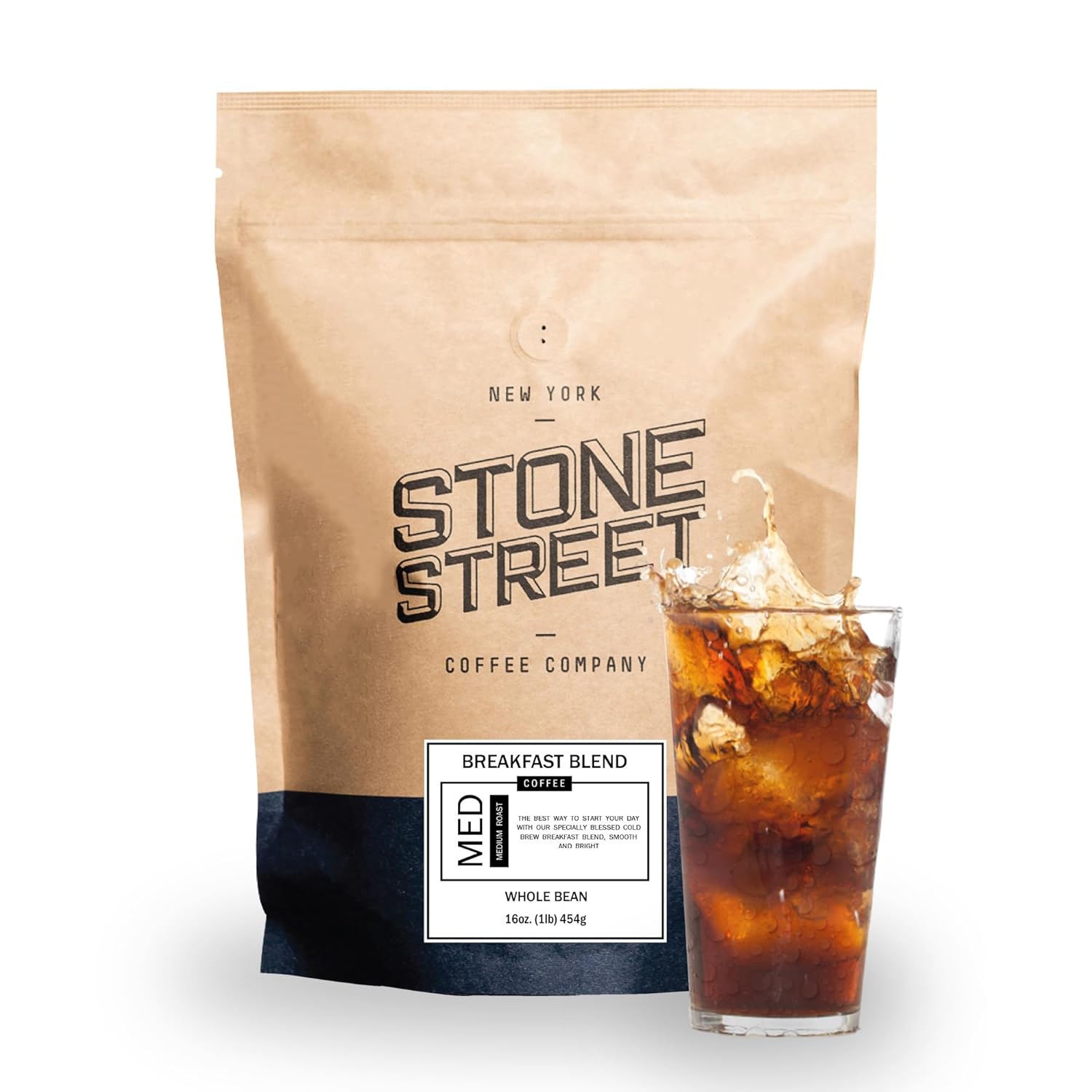
Best Cold-Brew Style
|
Low-acid cold brew blend
|
Price on Amazon | |
|
Best Smooth Frappuccino

|
Sweet caramel cold-brew beans
|
Price on Amazon | |
|
Best Iced-Coffee Blend

|
Blend designed for ice
|
Price on Amazon | |
|
Best Clean Cold Base

|
Blend formulated for cold brew
|
Price on Amazon | |
|
Best Bold Coffee Note

|
Smooth strong dark roast
|
Price on Amazon | |
|
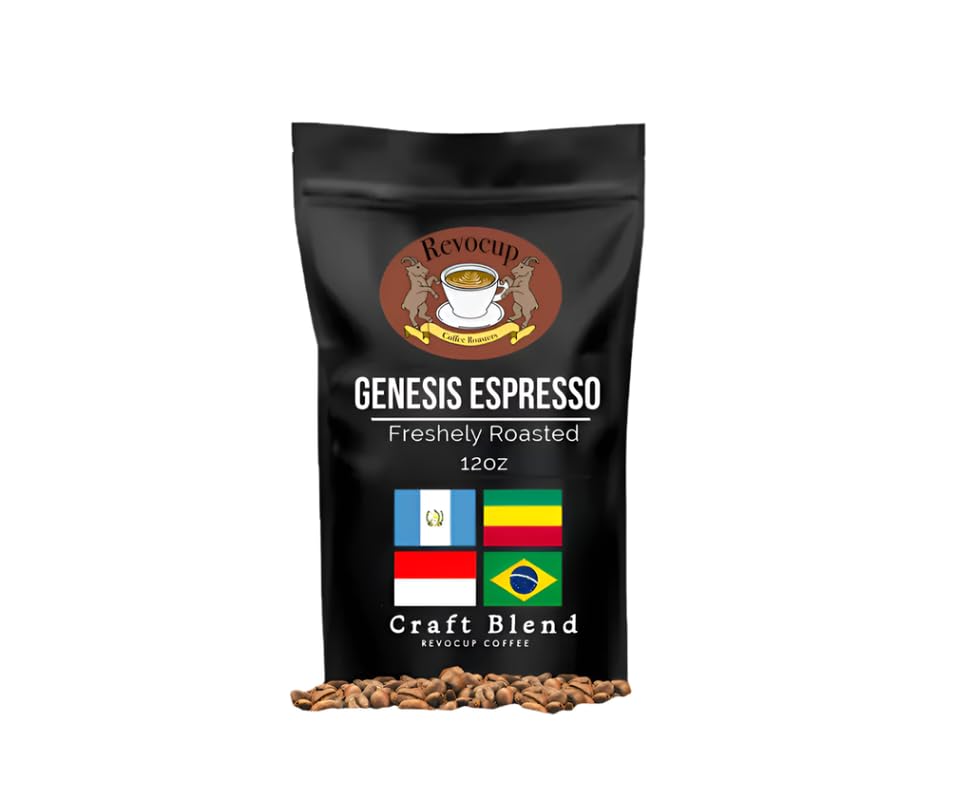
Best Caramel Blend
|
Milk chocolate honey caramel notes
|
Price on Amazon |
What I learned pretty quickly is that a homemade frappuccino can be even better than the one you buy, but only if you understand what you’re actually building. Most bad homemade frappuccinos fail for predictable reasons: the coffee is too weak, the ice ratio is wrong, the milk is doing too much or too little, the drink turns watery after sixty seconds, or the sweetness is sitting on top instead of blending into the drink. And then there’s the texture problem, which is the biggest one of all. A real frappuccino is not just “iced coffee blended.” It is a carefully balanced cold coffee drink with body, sweetness, texture, and a smooth finish.
Once you know how to control those parts, the whole drink becomes surprisingly easy to make.
In this guide, I’m going to walk through how I make a frappuccino at home in a way that tastes intentional, rich, and café-worthy. I’ll cover the core formula, the best coffee base, what kind of blender really helps, which beans tend to work best, and how to get that thick texture without turning the drink into a milkshake, and then I’ll give you multiple recipes you can keep repeating: classic coffee frappuccino, mocha frappuccino, caramel frappuccino, vanilla bean style, and a few upgrades for people who want to experiment.
First, what a frappuccino actually is.

At home, I think the easiest way to understand a frappuccino is this: it is a blended iced coffee drink built from a chilled coffee base, milk, ice, sweetener, and usually a texture-supporting ingredient that keeps the drink creamy instead of thin.
That last part matters a lot.
If you only blend coffee, milk, sugar, and ice, the drink can taste nice for maybe thirty seconds. After that, it starts separating, melting, and becoming the sort of sad slushy coffee that makes you wish you had just poured yourself cold brew over ice and moved on.
A better homemade frappuccino has these layers working together:
- Coffee flavor that is strong enough to survive milk and ice
- Creaminess from milk or a richer dairy/non-dairy option
- Sweetness that feels integrated, not harsh
- Body so the drink feels smooth and thick
- Cold foam-like lightness from blending
- Optional topping like whipped cream, drizzle, or a dusting of cocoa
Once you think in those categories, it becomes much easier to build the drink the way you want.
The biggest mistake people make: using weak coffee
This is the number one issue, and I’ve made this mistake myself more than once.
If the coffee is weak, your frappuccino will always taste like a sweet, icy milk drink with a faint coffee memory floating somewhere in the background. That’s not what most people want when they search for how to make a frappuccino at home. They want something that still tastes like coffee, even when it’s creamy and sweet.
That means your coffee base needs to be stronger than a normal hot cup.
I usually get the best results from one of these:
- Chilled espresso
- Strong cold brew concentrate
- Very strong brewed coffee, cooled completely
- Instant espresso powder in a pinch, which actually works better than many people expect
If I’m making a classic coffee frappuccino and I want it to taste serious, not flat, I lean toward espresso or concentrated coffee. A standard drip coffee can work, but only if you brew it stronger than usual and chill it first. If you blend warm coffee with ice, you are starting the drink by melting the texture you’re trying to create. That’s like tripping yourself on purpose before the race begins.
If you want a compact brewer that works beautifully for strong coffee concentrate at home or while traveling, the AeroPress Go is genuinely useful because it’s designed to brew rich coffee fast and packs into its own mug-style container.
The home frappuccino formula I come back to again and again

Before the individual recipes, here is the base formula that makes everything easier.
My reliable base formula for one medium frappuccino
- 1/2 cup strong chilled coffee or 2 shots chilled espresso
- 3/4 cup milk
- 1 1/2 to 2 cups ice
- 2 to 4 tablespoons sweetener, depending on the flavor
- 2 to 4 tablespoons of flavor component, if using mocha/caramel/vanilla additions
- Optional: 1 to 2 tablespoons cream, condensed milk, ice cream, or xanthan-free stabilizer approach like a little vanilla pudding mix
- Optional topping: whipped cream, drizzle, chocolate shavings
That formula is flexible, but the relationship matters. If the ice is too high, the drink gets chunky and watery. If the milk is too high, it becomes thin. If the coffee is too low, you lose the backbone. If the sweetener is too sharp, the drink tastes like syrup instead of a finished café beverage.
The balance is the whole game.
The gear that actually helps
I’ve made frappuccinos in weak blenders, strong blenders, personal blenders, and once in a kitchen setup so underpowered that I had to stop every few seconds and scrape a stubborn coffee iceberg off the sides. So when I say equipment matters, I say it from direct annoyance.
What matters most
- A blender that can handle ice well
- A reliable coffee brewer
- A good milk frothing or whipping option if you like toppings
- Decent beans if coffee flavor matters to you
You do not need a commercial café setup. But you do need a blender that doesn’t surrender the moment ice hits the blades.
If you want a simple manual brew route for coffee concentrate, a Hario V60 dripper is still one of the easiest pour-over tools to keep around, and the clear plastic 02 version is lightweight and specifically described as sturdy and good for travel.
If you like your frappuccino topped with a proper creamy foam or warm milk for flavor prep in other drinks, a Bodum Bistro electric milk frother can make thick froth and has a compact body with auto shut-off and a non-stick interior.
Best coffee beans for a homemade frappuccino

Here’s something I learned the slow way: not every bean that tastes great black will taste great in a frappuccino.
Frappuccinos tend to flatter coffees that are:
- chocolatey
- nutty
- caramel-toned
- medium to medium-dark roasted
- low in sharp acidity
Very bright, citrus-heavy, ultra-light roasts can absolutely work, but in a sweet blended drink, they often get buried or feel slightly out of place. When I’m making coffee drinks with milk, ice, chocolate, caramel, or vanilla, I usually want the coffee to bring structure and depth, not high-pitched fruit notes fighting for attention.
A dependable option for espresso-style and milk-based drinks is Lavazza Super Crema Whole Bean Coffee, which is known as a medium espresso roast with a full-bodied profile and a creamy finish, intended for espresso preparation.
That kind of flavor profile tends to work beautifully in a frappuccino because it stays present even after blending with milk, sweetness, and ice.
A quick comparison table: what changes the result most
| Element | Best Choice for a Balanced Frappuccino | What Happens If You Get It Wrong |
|---|---|---|
| Coffee base | Chilled espresso or strong concentrate | Optional, but adds a café feel |
| Milk | Whole milk, 2%, or creamy oat milk | Too thin or too heavy |
| Ice | Fresh ice, measured carefully | Chunky texture or watery melt |
| Sweetener | Syrup, sugar dissolved first, or sauce | Grainy, uneven sweetness |
| Flavor add-in | Mocha sauce, caramel, vanilla | Artificial or flat taste |
| Blender power | Good ice-crushing ability | Slushy, uneven texture |
| Topping | Whipped cream, drizzle, powder | Optional, but adds a café feel |
That table really sums up the whole process. Most home frappuccino problems are not dramatic. They are just ratio problems.
How I make the classic coffee frappuccino at home
If somebody asked me for the one recipe to start with before trying anything fancy, this would be it.
Classic Coffee Frappuccino Recipe
Ingredients
- 1/2 cup strong chilled coffee or 2 chilled espresso shots
- 3/4 cup cold milk
- 1 1/2 cups ice
- 2 to 3 tablespoons simple syrup or sugar syrup
- 1 tablespoon cream or half-and-half, optional
- 1/4 teaspoon vanilla extract, optional
- Whipped cream for topping, optional
Method
- Add chilled coffee, milk, sweetener, and vanilla to the blender first.
- Add the ice last.
- Blend until smooth and thick, usually 20 to 35 seconds depending on your blender.
- Taste before pouring. If it needs more sweetness, add a little syrup and pulse again.
- Pour into a tall glass and top with whipped cream if you want the full coffeehouse effect.
What I like about this version is that it gives you the real core of the drink. It is not trying to hide behind chocolate or caramel. It lets you understand the texture and the coffee flavor clearly. Once you can make this well, the rest of the menu gets much easier.
What makes this one better?
- The coffee is strong enough to stay present
- The vanilla rounds out the edges without turning it into a dessert bomb
- A spoonful of cream adds body without making the drink too rich
Sometimes I’ll use less sweetener than I think I need, blend, and then taste. That’s one of the best habits you can build. A frappuccino should taste like a drink you want to finish, not like a sugar rush in a cold cup.
How to make a mocha frappuccino that actually tastes like mocha

This is probably the flavor people mess up most often at home, because cocoa powder on its own can turn chalky and cheap if it isn’t handled properly.
Mocha Frappuccino Recipe
Ingredients
- 1/2 cup chilled espresso or strong coffee concentrate
- 3/4 cup cold milk
- 1 1/2 cups ice
- 2 tablespoons chocolate syrup or mocha sauce
- 1 tablespoon sugar syrup, or more to taste
- 1 tablespoon cream, optional
- Whipped cream
- Extra chocolate drizzle
Method
- Put coffee, milk, chocolate sauce, and sweetener in the blender.
- Blend briefly before adding ice if your chocolate sauce is thick.
- Add ice and blend until smooth.
- Taste. If the coffee disappeared, add a little more chilled concentrate and pulse.
- Top with whipped cream and chocolate drizzle.
This is one of those drinks where the quality of the chocolate component really changes the result. Thin supermarket chocolate syrup can work, but a thicker mocha-style sauce usually gives a richer, more convincing café flavor.
I also think a mocha frappuccino tastes better when the coffee base is slightly bolder than the classic version. Chocolate softens and rounds everything, so the coffee needs to push back a little.
How to make a caramel frappuccino without making it cloying
A caramel frappuccino sounds easy, but it can become overly sweet faster than almost any other version. The trick is to aim for caramel depth, not just raw sugar.
Caramel Frappuccino Recipe
Ingredients
- 1/2 cup chilled strong coffee
- 3/4 cup milk
- 1 1/2 cups ice
- 2 tablespoons caramel sauce
- 1 tablespoon sugar syrup, only if needed
- 1 tablespoon cream or sweetened condensed milk, optional
- Whipped cream
- Extra caramel drizzle
Method
- Blend coffee, milk, caramel sauce, and cream first.
- Add ice and blend until thick and smooth.
- Taste before adding extra sweetness; caramel sauce may already be enough.
- Pour into a glass, top with whipped cream, and drizzle caramel over the top.
I’ve found that caramel frappuccino gets much better when you resist the urge to overdo the syrup. You want the drink to have a caramel character, yes, but you still want coffee to matter. If the caramel wipes out the coffee completely, you might as well have made a blended dessert shake.
How to make a vanilla bean frappuccino-style drink at home

Technically, this one is less coffee-focused if you make the classic café version, but many people want the flavor profile at home. I sometimes make a coffee-vanilla hybrid version because it keeps the drink more grounded.
Vanilla Bean Style Frappuccino
Ingredients
- 1/4 to 1/2 cup chilled coffee, optional, depending on whether you want it caffeinated
- 3/4 cup milk
- 1 1/2 cups ice
- 2 tablespoons vanilla syrup
- 1/4 teaspoon vanilla extract
- 2 tablespoons vanilla ice cream or a spoonful of sweetened condensed milk
- Whipped cream
Method
- Add milk, vanilla syrup, vanilla extract, coffee if using, and ice cream to the blender.
- Add ice.
- Blend until thick and creamy.
- Adjust sweetness only after tasting.
- Finish with whipped cream.
This one is softer, sweeter, and more dessert-like, but if you add a little coffee, it becomes a lot more balanced for adults who still want the vanilla flavor without losing the coffee shop feel.
Texture secrets: how to make it thick, smooth, and café-like
This is the part people really want, whether they say it directly or not.
A good homemade frappuccino should not feel:
- icy
- grainy
- watery
- separated
- foamy on top and thin underneath
What helps texture the most?
- Using chilled coffee, never warm
- Measuring the ice instead of guessing
- Adding a small amount of cream or richer dairy
- Using a sauce rather than dry powders when possible
- Blending just enough, but not for ages
My favorite texture boosters
If I want a richer result, I’ll use one of these:
- 1 tablespoon half-and-half
- 1 tablespoon sweetened condensed milk
- 1 small scoop of vanilla ice cream
- 1 to 2 tablespoons Greek yogurt for a slightly thicker, tangier version
- 1 teaspoon instant pudding mix for a dessert-style texture
That last one is not an everyday move, but it works surprisingly well if you want the drink extra thick. I don’t use it all the time, but when I want a home frappuccino to feel very close to a commercial blended café drink, a tiny bit of stabilizing help changes the body dramatically.
If you want it less sweet, more grown-up, and more coffee-forward
Not everybody wants a frappuccino that tastes like a milkshake wearing a coffee costume. I often prefer a version that feels more café-barista than candy-counter.
Here’s how I make it more adult:
- I reduce the sweetener by about one-third
- I use espresso instead of regular coffee
- I choose darker chocolate, less caramel, or vanilla only
- I skip excess whipped cream unless I really want the full treat
- I sometimes add a pinch of salt to mocha versions for depth
A tiny pinch of salt in a mocha frappuccino is one of those weird little kitchen moves that sounds unnecessary until you try it. It makes the chocolate feel deeper, and the coffee feel more alive.
Home frappuccino variations worth making

1) Double Coffee Frappuccino
For people who actually want coffee to lead.
- Use 2 espresso shots plus 1/4 cup cold brew concentrate
- Keep the sweetener moderate
- Skip extra sauces
2) Cookie Mocha Frappuccino
For when you want a dessert-style version.
- Add chocolate sauce
- Blend in a couple of chocolate sandwich cookies
- Top with whipped cream and crumbs
3) Oat Milk Frappuccino
A very good dairy-free option.
- Use barista-style oat milk.
- Add vanilla or caramel.
- Keep coffee slightly stronger because oat milk softens edges nicely.
4) Java Chip Style Frappuccino
A home favorite.
- Make the mocha base
- Add mini chocolate chips or chopped dark chocolate
- Pulse briefly at the end so some texture remains
Beans and brewing gear I’d naturally pair with this kind of article.
If you want your home frappuccino setup to feel easy and repeatable instead of random, I’d think in terms of one brew tool, one bean, and one milk/foam helper.
For a strong coffee base, the AeroPress Original is built around the brand’s patented 3-in-1 brewing approach and is specifically marketed as making a smooth, full-bodied cup with quick cleanup and no grit. That makes it a very practical choice for concentrated coffee that will later get blended into milk and ice.
If you like pour-over and want something simple that can also serve daily non-blended coffee, the Hario V60 Ceramic 02 is a classic manual dripper, while the V60’s cone-and-rib design is specifically described by Hario as helping control flow and accentuate flavor.
For beans, I’d stay with medium or medium-dark whole beans that can hold up in milk-heavy drinks. The Lavazza Super Crema mentioned above is there for a reason: coffees in that creamy, nutty, espresso-friendly lane are exactly what tend to shine in homemade frappuccinos.
Troubleshooting: why your frappuccino is not coming out right

If it tastes watery
This usually means one of three things:
- The coffee was too weak
- The ice ratio was too high
- The drink was blended too long
Use stronger coffee, a little less ice, and a shorter blending time.
If it tastes too sweet
Reduce the syrup before reducing the coffee. A lot of people instinctively add more coffee to “balance” the sweetness, but often the simpler fix is just cutting the syrup by a tablespoon.
If it is too icy
Your blender may not be crushing the ice finely enough, or you may need a small amount of creamier base to help emulsify the blend.
If it separates quickly
You probably need:
- colder coffee
- slightly less liquid
- or one of the small texture boosters mentioned earlier
If it doesn’t taste enough like coffee
This is the most common complaint. Use espresso or concentrate, not casual leftover coffee from the morning pot.
My personal home method when I want the best balance

If I’m not recipe-testing and I just want a really good frappuccino at home, this is what I actually do most often:
I brew a short, strong coffee concentrate ahead of time and keep it in the fridge. Then, when I want a drink, I blend:
- 1/2 cup concentrate
- 3/4 cup whole milk or oat milk
- 1 1/2 cups ice
- 2 tablespoons mocha or caramel sauce, depending on mood
- 1 tablespoon cream
- a little vanilla if the flavor needs rounding
That usually gives me the kind of drink I actually crave: strong enough to satisfy the coffee side of my brain, smooth enough to feel like a treat, and much more customizable than anything bought on autopilot.
That’s really the joy of making a frappuccino at home. It stops being a fixed café order and becomes a format you can control. You decide whether today is more coffee-forward, more chocolate-heavy, less sweet, extra thick, dairy-free, topped with whipped cream, or stripped down and simple.
And once you get that freedom, it becomes very hard to go back to paying for a drink that doesn’t even fully match what you wanted.
Final takeaway: how to make a frappuccino at home and make it worth repeating
If I had to reduce this whole guide to the most important lessons, it would be these:
- Start with strong, cold coffee, not weak leftover coffee
- Keep your ratios balanced
- Use sauce or syrup strategically, not carelessly
- Treat texture like a real ingredient
- Taste before serving
- Build one dependable base recipe, then branch into flavors
That’s really it.
A homemade frappuccino doesn’t need to be complicated, but it does need to be intentional. The best ones taste as if somebody thought about the drink from the first sip to the last sip. And once you’ve made a few good ones yourself, you start noticing how much difference those little decisions actually make.


