
Gaggia Classic Pro vs De’Longhi Dedica


One Hundred Coffee is reader-supported, and some products displayed may earn us an affiliate commission. Details
There are two kinds of home espresso people, and these two machines basically define them.
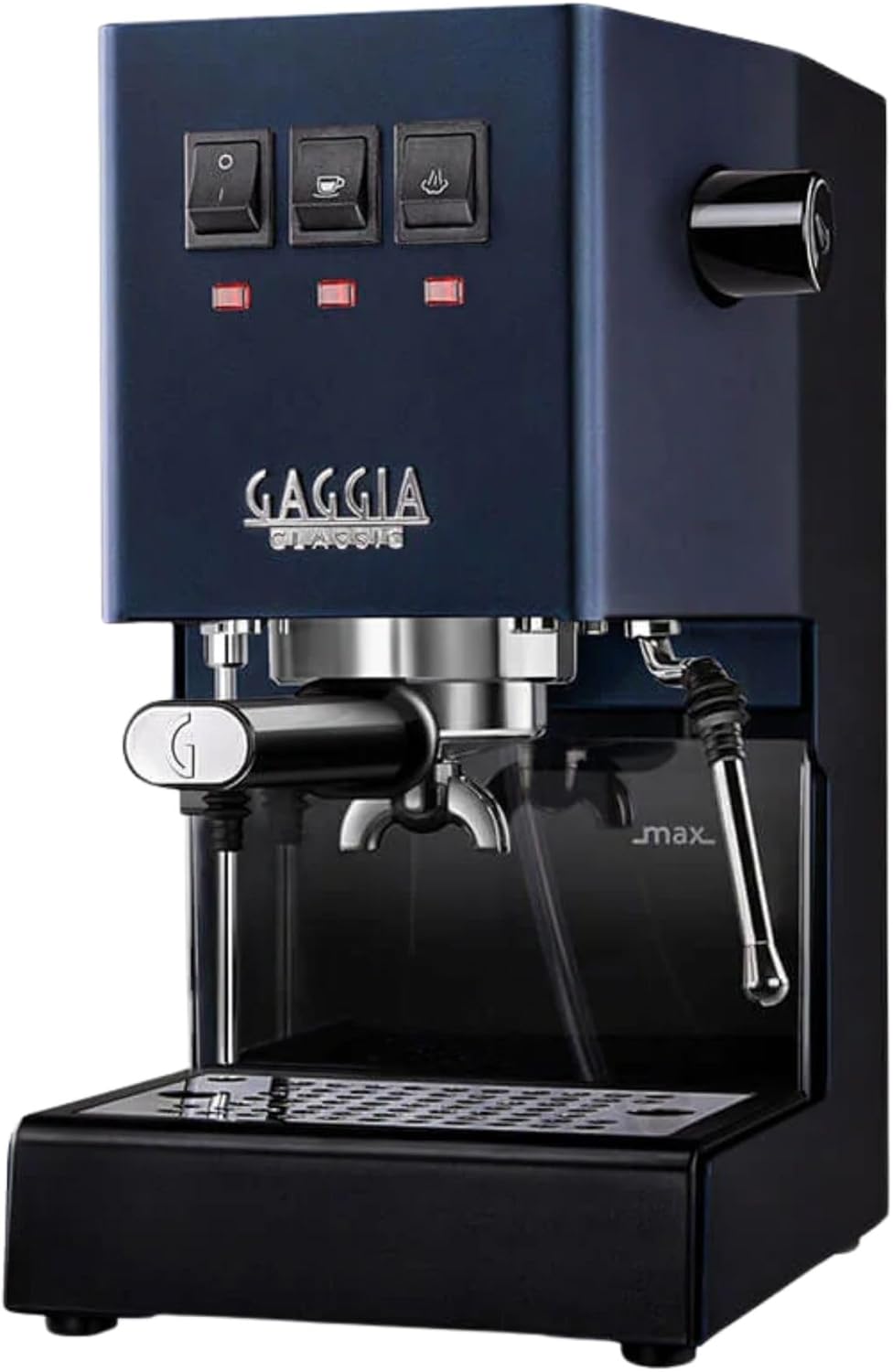
The Gaggia Classic Pro is the “learn the craft, feel the process” pick. It’s the kind of machine that makes you slow down—dose, tamp, pull, and steam—then grin when you finally nail a shot that tastes like a legit café pull.
The De’Longhi Dedica Deluxe EC685M is the “small counter, big convenience” pick. It’s slim, quick to heat, and designed to get you espresso and milk drinks with less fuss—especially if you’re not trying to turn your kitchen into a barista training camp.
I’m going to compare them to the way people actually use them: early mornings, guests, milk drinks, cleaning fatigue, consistency over weeks (not one lucky shot), and what happens when your grind or tamp is not perfect—because that’s real life.
Gaggia Classic Pro vs De’Longhi Dedica
Ten important buying factors scored side by side to determine whether Gaggia’s traditional 58 mm home-barista platform or De’Longhi’s slim, fast and beginner-friendly Dedica is the better espresso-machine buy.

Gaggia Classic Pro Espresso Machine
out of 100
- Traditional 58 mm portafilter
- Higher espresso-quality ceiling
- Manual café-style steam control
- Durable upgrade-friendly platform
- Excellent long-term skill development
10-Factor Buying Score
Each category scored out of 10 points
Classic Pro
Dedica
Gaggia Classic Pro Wins Overall
The Gaggia Classic Pro earns the narrow overall victory because it offers the stronger long-term espresso platform. Its traditional 58 mm workflow, higher shot-quality ceiling, durable construction, manual steaming control and extensive accessory ecosystem make it the machine buyers are less likely to outgrow as their skills improve.
Choose the De’Longhi Dedica instead when compact size and everyday convenience matter more than maximum espresso control. It heats quickly, fits into extremely small spaces and provides a much easier entry point for buyers who want satisfying espresso and milk drinks without building a serious home-barista station.

De’Longhi Dedica EC685M
out of 100
- Ultra-slim counter-friendly body
- Fast weekday heat-up workflow
- Simple illuminated drink controls
- Beginner-friendly pressurized baskets
- Good everyday espresso value
These results are reported by our editors after 30 days of comparative testing and review, using our authentic editorial scoring process.
How I review and compare machines like these (my real-world method)
1) I start with workflow, not specs.
Specs are nice, but workflow is what decides whether a machine becomes your daily habit—or your “weekend only” guilt purchase. I pay attention to how many steps it takes from “I want coffee” to “I’m drinking coffee” and how many chances there are to mess up in between.
With semi-autos like the Gaggia, the steps are the point. That’s joy. But it also means if you’re tired, rushed, or distracted, the machine won’t magically save you. Fully manual-leaning machines reward attention.
With compact semi-autos like the Dedica, the goal is the opposite: fewer steps, faster heat-up, and less counter-space drama. You still do the work (it’s not a super-auto), but the machine tries to make it easier to get to “good enough” without a long learning curve.
2) I test repeatability over multiple days.
The first day you pull a great shot, you feel like a hero. The third day, you want to repeat it without a 20-minute calibration session. So I care about:
- How stable do the results feel day-to-day
- How sensitive the machine is to grind/tamp changes
- Whether it forgives small mistakes
- Whether your routine gets easier or more annoying over time
The Gaggia tends to reward steady technique and upgrades in grinder/skill. The Dedica tends to reward consistency and simplicity—especially if you keep your beans and routine stable.
3) I judge milk performance like a picky latte drinker.
Most people don’t just drink straight espresso forever. Milk drinks are where machines either shine or quietly frustrate you. I look at:
- Steam power and how fast it textures milk
- Whether it can create smooth microfoam or only big bubbles
- How easy it is to repeat a good texture
- How much cleanup do you have to do immediately after
The Gaggia’s classic advantage is manual steam control with a more “café-style” setup. The Dedica has a more compact approach—still manual frothing, but with a convenience-first feel.
4) I take cleaning seriously (because that’s where people quit).
A machine can taste amazing and still lose your heart if it becomes a chore. I judge:
- Daily wipe-down reality
- Drip tray and tank annoyance level
- Descaling prompts and ease
- “Do I dread using it?” factor
5) I decide “value” based on what you’ll actually use.
I don’t give extra points for features that sound fancy but don’t matter in real use. I care about:
- Espresso quality potential
- Milk drink satisfaction
- Build longevity vibes
- Counter space and lifestyle fit
- Upgrade path (if you’re the type who upgrades)
Overview
Who is this for?
The Gaggia Classic Pro is for hands-on home baristas who want café-style control without jumping to commercial gear. If you like dialing grind, dose, and tamp on a true 58 mm portafilter—and you enjoy learning shot timing, puck prep, and milk texturing—this machine is your sweet spot. It’s ideal for single drinkers or couples, small kitchens, and anyone upgrading from starter machines or pods. Rock-solid build, quick heat-up, and an authentic steam wand reward good technique and fresh beans. Great for tinkerers who may add a PID or bottomless portafilter later. LEARN MORE
Who is this for?
The Dedica Maestro is for espresso lovers who want a slim, easy, apartment-friendly machine with minimal learning curve. At under ~6 inches wide, it suits small counters, dorms, offices, and shared homes that need quick shots and simple milk drinks. If you like convenience first—fast warm-up, straightforward buttons, and a forgiving pressurized basket—this fits perfectly. It’s great for beginners stepping up from capsules, travelers setting up a compact coffee bar, or busy mornings where consistency beats tinkering. Pair with a decent grinder later to nudge flavor further without giving up speed or simplicity. LEARN MOREGaggia Classic Pro in one sentence
The Gaggia Classic Pro is a classic, Italian-built, barista-style machine that’s built around commercial-leaning components like a 58 mm portafilter and a manual steam wand—so you can chase real espresso technique and café-style milk texture.
De’Longhi Dedica in one sentence
The De’Longhi Dedica Deluxe EC685M is a slim, fast-heating, 15-bar compact espresso machine with simple illuminated buttons and an adjustable tray, designed to deliver good espresso and milk drinks with a smaller footprint and a smoother “daily routine” feel.
Which is better?
| Key Feature | Gaggia Classic Pro | De’Longhi Dedica (EC680M) |
|---|---|---|
| Machine Image |
|
|
| Machine type | Semi-automatic | Manual pump espresso |
| Control style | Manual barista | Manual barista |
| Pump pressure | 15 bar | 15 bar |
| OPV brew pressure | 9 bar | Not specified |
| Heating system | Single boiler | Thermoblock |
| Boiler capacity | 104 ml | No boiler tank |
| Boiler material | Lead-free brass | Thermoblock system |
| Power | 1425 W | 1300 W |
| Voltage | 110–120 V | 110–120 V |
| Water tank capacity | 2.1 L | 1.0 L |
| Removable water tank | Yes | Yes |
| Portafilter diameter | 58 mm | 51 mm |
| Filter baskets included | Single/double + pressurized | 4 filters |
| E.S.E pod compatible | Yes | Yes |
| Steam wand type | Commercial wand | Manual pannarello |
| Hot water function | Yes | Yes |
| 3-way solenoid | Yes | No |
| PID temperature control | No | No |
| Brew temp adjustment | No | Yes |
| Pre-infusion | No programmed pre-infusion | Not specified |
| Pressure gauge | No | No |
| Programmable shot volumes | No | Yes |
| Auto shut-off | Not specified | 20 minutes |
| Removable drip tray | Yes | Yes |
| Max cup height | 3.25 in | 12 cm |
| Body material | Stainless steel | Stainless steel |
| Made in | Italy | Italy |
| Dimensions | 9.5×14.2×8 in | 149×330×303 mm |
| Weight | 20 lb | 9.64 lb |
| Price on Amazon | Price on Amazon | Price on Amazon |
Choose the Gaggia Classic Pro if…
- You want espresso to feel like a craft (not just a caffeine button).
- You care about a more “traditional” espresso workflow and upgrades over time.
- You want a machine that can grow with your skills.
- You want manual milk steaming with real control.
- You’re okay with a learning curve, and you’ll actually practice.
Choose the De’Longhi Dedica if…
- You want a compact machine that fits almost anywhere.
- You want fast heat-up and simple controls.
- You want espresso and milk drinks without a deep hobby vibe.
- You prefer a less intimidating daily routine.
- You want a “nice espresso at home” machine more than a “barista training” machine.
If you force me to simplify it:
Gaggia = bigger long-term espresso ceiling.
Dedica = easier daily espresso rhythm.
Grinder
- Big similarity: Both machines only taste “right” when your grinder is the real deal for espresso. If the grind is inconsistent, both will swing between sour/fast shots and bitter/choked shots, and you’ll blame the machine when it’s often the grind and puck prep.
- Big difference: Gaggia Classic Pro rewards a proper espresso grinder more directly—when I make a small grind change, I can feel it in the cup, and the machine lets that dial-in show through. The De’Longhi Dedica feels more forgiving for casual use, but it also feels more limited when you try to push precision; it’s easier to get “decent” quickly and harder to chase that locked-in specialty-style shot.
Milk Frothing
- Big similarity: Both can make milk drinks that satisfy—latte, cappuccino, and anything in between—if you learn your pitcher control and keep the wand clean and purged.
- Big difference: Gaggia Classic Pro feels like the better long-term milk partner for learning microfoam; once my technique is solid, it can produce that glossy, paint-like texture that pours beautifully. Dedica can make good milk too, but it feels more “work around the machine” at times—fine for daily lattes, less of a “train like a barista” vibe.
Shot Consistency
- Big similarity: With a consistent routine—same dose, same distribution, same tamp, and same yield—both can produce enjoyable espresso. The fundamentals matter more than the logo.
- Big difference: The Gaggia Classic Pro can be extremely consistent, but it’s more operator-driven; when I’m steady, it’s great, and when I rush, it shows. Dedica feels more like a “quick coffee appliance”—it can be consistent in a casual sense, but when I try to chase repeatable, dialed-in espresso nuance, it feels less transparent and more constrained.
Warm-Up & Speed
- Big similarity: Both are compact and realistic for daily home use—no café counter required.
- Big difference: Dedica fits the “I want coffee now” lifestyle better; it feels like a faster, lighter routine where you can jump in quickly. The Gaggia Classic Pro feels like it wants a more intentional warm-up and workflow—still manageable, but more ritual than the Dedica.
Ease vs. Control
- Big similarity: Both improve when you learn espresso basics and stop winging it. Once I treat puck prep seriously, both taste better.
- Big difference: Dedica is easier to live with day-to-day—less intimidating, more “push and go.” The Gaggia Classic Pro gives more real control and a “classic espresso” feel; it’s the one I’d pick if I actually enjoy being hands-on and want my technique to be the main driver of improvement.
Temperature & Workflow Sensitivity
- Big similarity: Both benefit from doing the same steps the same way. Consistency in workflow equals consistency in the cup.
- Big difference: Gaggia Classic Pro is more sensitive to routine and timing, but it also rewards that discipline with better clarity and repeatability when I’m locked in. Dedica feels simpler and less demanding, but when I try to fine-tune and push the envelope, it doesn’t respond with the same “precise feedback” in flavor.
Learning Curve
- Big similarity: Neither one makes espresso “automatic.” You still have to learn grind size, yield, timing, and puck prep, and you’ll have a few frustrating shots in the beginning.
- Big difference: Dedica has the easier first week—fewer steps, faster payoff, less “why is this different today?” stress. The Gaggia Classic Pro has a deeper learning curve, but it’s also the one where I feel my skills grow faster over time because the machine is more technique-driven.
Espresso Feel & Flavor Outcome
- Big similarity: Both can deliver satisfying espresso-based drinks—especially if you drink them as Americanos, lattes, or cappuccinos, where small shot imperfections are less obvious.
- Big difference: Gaggia Classic Pro can reach a more “true espresso” ceiling in my experience—better body and a more café-like feel when everything is dialed in. Dedica tends to land more in the “good and convenient” zone; it can taste pleasant, but it’s less of a machine I’d choose if my goal were chasing the most refined shot possible.
Long-Term Ownership & Hobby Factor
- Big similarity: Both can be solid long-term companions if you keep up with cleaning and basic maintenance and don’t treat them like disposable appliances.
- Big difference: Gaggia Classic Pro feels like a long-term hobby machine—something you grow into, improve on, and keep because the experience stays rewarding. The De’Longhi Dedica feels like the practical daily driver—great if you want simple espresso drinks with minimal fuss but less satisfying if you’re the type who wants espresso to become a skill and a ritual.
Gaggia vs. De’Longhi
(Gaggia Classic Pro): the “skill builder.”
With the Gaggia, your results are strongly tied to your grinder, your puck prep, and your steaming technique. That sounds like “work,” but it’s also the magic: your coffee improves because you improve. If you’re the kind of person who likes getting better at something, the Gaggia becomes genuinely satisfying.
(De’Longhi Dedica): the “small-space daily driver.”
With the Dedica, you’re choosing convenience and compact design while still keeping that classic manual espresso feel. You can absolutely make drinks you’re proud of—but the machine is tuned more for simplicity than endless tweaking. It’s a “get it done” espresso machine that doesn’t demand you become obsessed.
Gaggia Classic Pro: My Detailed Review
Gaggia Classic Pro
Classic Pro is the machine you buy when you want the true espresso workflow at home: grind, dose, tamp, brew — then steam milk the old-school way. It’s built around a commercial-style 58mm portafilter feel, solid build, and a learning curve that actually pays you back with better shots once you get consistent.
- 58mm portafilter workflow: café-style dosing and extraction control.
- Powerful steam wand: learn microfoam for cappuccinos and lattes.
- 3-way solenoid style routine: cleaner puck and more pro-style use.
- Manual brewing: you control grind, dose, tamp, and shot timing.
- Built to last: sturdy body and service-friendly design.
- Pros: real espresso craft; strong steaming; upgrade-friendly; long-term durability.
- Cons: needs a good grinder; learning curve; not “press-one-button” convenient.
- It feels like a “serious espresso” machine, not a toy.
- Steam power supports real milk texture once you practice.
- Dialing-in is satisfying—small tweaks actually show in the cup.
- Beginners may want a pressurized basket at first (then graduate to unpressurized).
- Shot consistency depends heavily on grinder quality and puck prep.
| Type | Semi-automatic |
| Portafilter | 58mm (commercial-style) |
| Milk | Manual steam wand |
| Grinder | External grinder required |
| Workflow | Manual grind → tamp → brew |
| Best for | Hands-on espresso lovers |
| Grinder | External (recommended) |
| Milk steamer | Yes — manual steam wand |
| Portafilter | Yes — 58mm |
| Heater | Single-boiler style workflow |
| Water tank | Removable reservoir |
| Brewer | Group head + solenoid routine |
Who is this for? Home baristas who want a real portafilter workflow, don’t mind learning grind/tamp technique, and want café-style milk steaming. Skip it if you want one-touch drinks with zero effort. LEARN MORE
My detailed take
The Gaggia Classic Pro is one of those machines that feels like it has “espresso history” baked into it. It’s not trying to be flashy. It’s not trying to be everyone’s best friend on day one. It’s built around a straightforward idea: give you a proper, traditional espresso setup—a commercial-leaning portafilter size, manual steaming control, and a machine that’s sturdy enough to keep showing up for years.
What that means in real life is simple: the Gaggia is a relationship. You learn from each other. And as cheesy as that sounds, it’s exactly how espresso works. Espresso is a small drink with a big attitude. Tiny, grand changes matter. Puck prep matters. Temperature and timing matter. The Gaggia doesn’t remove those variables—it gives them to you, like a set of keys, and says, “drive.”
The first big “this feels legit” moment is the portafilter setup. A 58mm commercial-style workflow isn’t just a spec—it changes your options and your feel. It’s the format a lot of cafés use, which means the whole ecosystem of espresso technique aligns with it. Your tamp feels more stable. Your puck has more surface area to distribute water. You feel like you’re working with a real espresso tool, not a toy.
Then there’s the steam wand. This is where the Gaggia wins hearts. Manual steaming isn’t the fastest route to a latte. But it’s the route to great milk. When you learn the rhythm—purge, stretch, roll, polish—you can get microfoam that’s glossy and tight, the kind that pours and integrates into espresso instead of sitting on top like airy bubble foam. If you want to practice latte art, the Gaggia’s wand-style control is part of why people keep recommending it.
Now for the honest side: the Gaggia asks you to care. If you rush puck prep or you don’t have a decent grinder, the machine will expose it. A Gaggia with an inconsistent grind and sloppy tamp can pull sour, thin shots that make you question your life choices. But a Gaggia with a good grinder and consistent technique can pull espresso that feels thick, sweet, and structured—especially once you get your routine locked.
And that “routine” is a bigger deal than most people expect. With the Gaggia, I always tell people to build a small checklist you repeat without thinking.
- Warm up the machine properly.
- Keep your dose consistent.
- Tamp level (not angry, just consistent).
- Watch your extraction timing.
- Purge and wipe the steam wand every time.
Do that, and the machine becomes predictable in a good way. Skip those habits, and you’ll spend your time chasing problems that aren’t the machine’s fault.
Where the Gaggia shines most is in long-term satisfaction. It’s a machine you grow into. Your first month might be “good enough.” Then you learn how to dial in better. Then you learn how to texture milk better. Then you realize you can taste when your grind is slightly off. That progression is addictive—in a healthy way—because you’re building a skill, not just collecting a gadget.
It’s also a machine that fits a certain personality. If you love the idea of making espresso the way espresso is traditionally made—manual control, direct involvement, and hands-on with the process—this machine can become the centerpiece of your morning routine. It’s the kind of thing where you look forward to the ritual: the sound of the pump, the feel of the tamp, and the first sip when you know you got it right.
But if you’re the kind of person who wants espresso to be invisible—push a button, receive a reward—the Gaggia can feel like too much. Not because it’s hard, but because it wants your attention. And attention is a currency you may not want to spend every morning.
So my real-world take is this: the Gaggia Classic Pro is “worth it” when you treat espresso like a craft you want to learn. It doesn’t just give you coffee—it gives you control, and the control becomes the fun.
De’Longhi Dedica (EC685M): My Detailed Review
De’Longhi Dedica
Dedica is the compact espresso machine that fits kitchens where space is tight but the espresso craving is loud. It’s quick to heat, easy to live with, and friendly for beginners—especially if you want espresso, iced lattes, and cappuccinos without committing to a bigger barista setup.
- Ultra-slim body: fits small counters and tight coffee corners.
- 15-bar pump style espresso: strong extraction for classic shots.
- Manual milk frother: steam milk for cappuccinos and lattes.
- Easy daily workflow: straightforward controls, quick routine.
- Adjustable cup clearance: handles shorter cups or taller mugs.
- Pros: compact; beginner-friendly; quick startup; great value for espresso basics.
- Cons: steam wand takes practice; smaller “prosumer” feel than heavier machines.
- It looks great and doesn’t dominate the counter.
- Fast espresso routine—perfect for weekday coffee.
- Great entry point into espresso without huge spend.
- If you want deep espresso dialing and heavy thermal stability, bigger machines do it better.
- Milk texture improves a lot with practice and cold milk.
| Type | Semi-automatic (compact) |
| Pump | 15-bar class |
| Milk | Manual frother/steam wand |
| Grinder | External grinder recommended |
| Workflow | Manual dose → brew |
| Best for | Small kitchens + beginners |
| Grinder | External (recommended) |
| Milk steamer | Yes — manual frother |
| Portafilter | Yes — compact portafilter system |
| Heater | Fast heat-up workflow |
| Water tank | Removable reservoir |
| Brewer | Manual brew control |
Who is this for? Anyone who wants a slim, beginner-friendly espresso machine for quick daily shots and simple milk drinks—especially in small kitchens. Skip it if you want a heavy-duty 58mm “prosumer” workflow. LEARN MORE
My detailed take
The De’Longhi Dedica Deluxe EC685M is the machine I think of when someone says, “I want espresso at home… but I also want my kitchen to stay a kitchen.” It’s compact, it’s quick to get going, and it’s built around a daily routine that doesn’t demand your full attention span.
The Dedica’s biggest power move is its size. A lot of espresso machines—especially the ones that feel “serious”—can dominate a counter. The Dedica is intentionally slim, so it fits into apartments, offices, tight counters, and kitchens where you don’t want espresso gear to look like a science experiment.
Then there’s the speed factor. It’s designed to heat quickly, which is honestly a huge deal in the real world. Because the difference between “I’ll make espresso” and “I’ll just grab something else” is often a tiny moment of impatience. When your machine feels ready fast, you use it more. Period.
The Dedica also keeps controls simple—three illuminated buttons, straightforward operation, and an approach that feels friendly even if you’ve never owned an espresso machine. That matters because espresso can feel intimidating. A lot of people quit early because they think they’re “doing it wrong.” The Dedica reduces that anxiety by being approachable from day one.
Now, let’s talk espresso quality. The Dedica uses a 15-bar pump system, and when paired with decent coffee and a consistent routine, it can pull very enjoyable espresso shots—especially for milk drinks. It’s the type of machine that makes you happy in the “daily cup” way. You can get a rich espresso base, and for a lot of households, that’s all they’re chasing: a strong, flavorful shot to anchor a latte, cappuccino, or iced drink.
It’s also flexible in a practical way. That’s a real-life convenience feature. Maybe some days you’re using freshly ground coffee. Maybe some days you want a pod-style shortcut because you’re in a hurry. Having that option makes the Dedica easy to live with, especially if multiple people in the house have different patience levels.
Milk drinks are where the Dedica becomes a “small machine that can still host.” The adjustable milk frother is built to make cappuccinos and similar drinks without needing a huge steam setup. You’ll still learn technique, but it’s less demanding than machines that require perfect steaming to get something drinkable. With practice, you can absolutely get a smoother milk texture than people expect from a compact unit. And the removable/adjustable drip tray is another small quality-of-life feature that matters more than it sounds—especially if you like latte glasses or travel mugs.
The tradeoff is the same tradeoff you always get with compact espresso machines: the Dedica isn’t built to be an endless “tinker platform.” It’s built to be consistent and convenient. It will reward good coffee and consistency, but it won’t give you the same “commercial format” feel that a machine like the Gaggia offers. If you want to obsess over every variable and slowly build your espresso skills into a full-blown hobby, you’ll eventually feel the Dedica’s ceiling.
But if you want an espresso machine that fits your space, warms quickly, doesn’t ask for a complicated ritual, and still makes satisfying drinks, the Dedica is genuinely lovable. It’s the kind of machine that quietly earns its place because it doesn’t overcomplicate your morning.
My favorite way to describe it is the Dedica is the espresso machine for people who want espresso to support their day, not become their day. And for many households, that’s the smarter, more sustainable kind of “better.”
My Final Verdict
If you want the short, honest answer:
- If you care most about traditional espresso workflow, milk texturing control, and long-term espresso “ceiling,” pick the Gaggia Classic Pro. It’s the better choice for people who enjoy learning and improving.
- If you care most about compact size, quick readiness, and an easy daily routine while still getting satisfying espresso and milk drinks, pick the De’Longhi Dedica Deluxe EC685M.
My personal “rule” is simple:
Gaggia for the hobbyist heart. Designed for the busy real-life schedule.
FAQ
1) Which one makes better espresso?
With a good grinder and technique, the Gaggia Classic Pro usually has the higher espresso ceiling because of its more traditional, barista-style workflow.
2) Which one is easier for beginners?
Most beginners feel more comfortable with the De’Longhi Dedica EC685M because it heats quickly and keeps controls very simple.
3) Which is better for lattes and cappuccinos?
If you want the best milk texture potential (latte-art style), the Gaggia Classic Pro has the advantage with manual steaming control. If you want milk drinks with a simpler routine in a compact machine, the De’Longhi Dedica EC685M is usually easier day-to-day.
4) Do both support E.S.E. pods?
The Dedica explicitly supports ground coffee or E.S.E. pods, and the Gaggia describes using a pressurized basket for E.S.E.-style convenience.
5) Which one is better for small kitchens?
The De’Longhi Dedica EC685M—it’s designed around a slim footprint.
6) Which one is better long-term?
If you plan to grow your skills and upgrade your espresso routine over time, the Gaggia Classic Pro is usually the more satisfying long-term platform.
7) Which one is faster on a weekday morning?
The Dedica’s quick heat-up class (about ~40 seconds, as stated) gives it the weekday advantage.


