
Best Coffee Beans for Super-Automatic Espresso Machines


OneHundredCoffee is reader-supported, and some products displayed may earn us an affiliate commission. Details
Super-automatic espresso machines are built around one promise: press a button, get fresh coffee. The machine grinds the beans, doses the coffee, compresses the puck, brews the shot, rinses itself, and often froths the milk too. It is one of the easiest ways to make espresso-style drinks at home without learning manual tamping, puck prep, shot timing, or milk steaming. But there is one catch that matters more than many people realize: the beans have to suit the machine.
The best coffee beans for super-automatic espresso machines are not always the darkest, shiniest, strongest-looking beans on the shelf. In fact, those are often the beans I avoid first. Very oily dark roasts can leave sticky residue in the hopper, grinder, and brew path. Very light roasts can taste sour or weak because many automatic machines do not extract them as aggressively as a manual espresso setup. Flavored beans can coat the grinder with added oils. Stale beans can make even an expensive machine taste disappointing.
As we discussed previously in our published article about Best Coffee Beans for Bean-to-Cup Machines, automatic machines need beans that taste good and behave well mechanically. That is even more important with super-automatic espresso machines because the grinder and brew unit are inside the machine. You cannot clean or adjust them as freely as a standalone grinder and manual espresso machine. So I usually choose medium roast or medium-dark roast beans with a dry surface, smooth body, low harsh bitterness, and familiar notes like chocolate, caramel, cocoa, toasted nuts, brown sugar, mild fruit, or soft spice.
A great super-automatic bean should make espresso taste smooth, cappuccino taste rich, latte taste coffee-forward, and long coffee taste balanced. It should also help the machine grind consistently without oily buildup. That balance between flavor and machine-friendliness is the whole point.
Best Coffee Beans for Super-Automatic Espresso Machines
| Image | Product | Features | Price |
|---|---|---|---|
|
Best Daily Crema

|
Smooth crema blend
|
Price on Amazon | |
|
Best Smooth Brew

|
Refined medium roast
|
Price on Amazon | |
|
Best Balanced Bean

|
Classic Italian medium
|
Price on Amazon | |
|
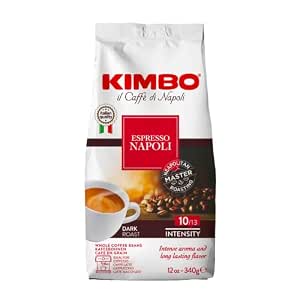
Best Italian Body
|
Rich Napoli espresso
|
Price on Amazon | |
|
Best Milk Drinks

|
Rich crema body
|
Price on Amazon | |
|
Best Organic Espresso

|
Sweet medium roast
|
Price on Amazon | |
|
Best Specialty Pick
|
Complex espresso blend
|
Price on Amazon | |
|
Best Mild Office

|
Gentle medium roast
|
Price on Amazon |
What Makes Coffee Beans Good for Super-Automatic Espresso Machines?
Super-automatic machines are more sensitive to bean choice than many people expect. In a manual setup, you can change dose, grind, distribution, tamping, pressure, shot yield, and temperature more directly. In a super-automatic machine, you can usually adjust strength, grind size, temperature, and drink volume, but the machine still controls most of the brewing process. That means the beans need to be forgiving.
The best beans for super-automatic espresso machines usually have:
- Low surface oil
- Medium or medium-dark roast level
- Smooth body
- Good crema potential
- Chocolate, caramel, or nutty notes
- Low harsh bitterness
- Moderate acidity
- Good milk-drink strength
- Consistent roast quality
- Easy extraction in automatic machines
The first thing I check is oil. If the beans look shiny, greasy, or wet, I usually avoid them for super-automatic machines. Those oils may taste bold in some brewing methods, but inside an automatic grinder, they can create buildup and inconsistent feeding over time. A dry-looking medium-dark bean is usually a safer daily choice than a shiny dark roast.
The second thing I check is roast level. Medium roast and medium-dark roast tend to extract more easily than light roast while staying less oily than dark roast. That makes them the practical middle ground.
Best Roast Level for Super-Automatic Espresso Machines

For most super-automatic users, medium-dark roast is the best starting point. It gives enough body for espresso and milk drinks, but it is usually less risky than a very dark, oily roast. Medium-dark beans often bring chocolate, caramel, cocoa, toasted nuts, and brown sugar notes, which work beautifully in cappuccinos, lattes, flat whites, and Americanos.
Medium roast is excellent if you drink black coffee, café crema, long coffee, or smoother espresso. It is usually lower in surface oil and friendlier to grinders. It can bring caramel, almond, cocoa, mild fruit, and a cleaner finish. If your machine has good strength and grind adjustments, a medium roast can taste very balanced.
Dark roast can work only if the beans are not too oily. Some people like dark roast in super-automatic machines because it gives a stronger traditional taste. But if the beans are shiny and greasy, I would not use them as a daily hopper bean. Dark roast can also become bitter in long coffee settings because the machine may run too much water through the puck.
Light roast is the most difficult. It can taste bright, fruity, and interesting in manual espresso or pour-over, but many super-automatic machines under-extract light roasts. The result can be sour, thin, or weak. If you want to use light roast, try a finer grind, higher temperature, higher strength setting, and shorter drink volume. Still, for most users, medium roast is easier.
Quick Comparison: Best Coffee Bean Styles for Super-Automatic Espresso Machines
| Bean Style | Best For | Typical Flavor | Why It Works in Super-Automatics | Example Pick |
|---|---|---|---|---|
| Low-oil medium-dark espresso blend | Cappuccino, latte, espresso | Chocolate, caramel, nuts | Strong enough for milk drinks while staying more grinder-friendly than oily dark roast. | Lavazza Super Crema |
| Classic medium roast espresso bean | Smooth automatic espresso | Cocoa, toast, mild sweetness | Polished, consistent, and easier for machines than very oily dark beans. | illy Classico Whole Bean |
| Medium roast house blend | Long coffee and café crema | Caramel, cocoa, mild fruit | Balanced enough for longer drinks without turning too bitter. | Intelligentsia House Blend |
| Colombian medium roast | Black coffee and Americano | Chocolate, caramel, apple | Sweet, smooth, and easier to extract than very bright light roasts. | Fresh Roasted Colombian Supremo |
| Low-acid medium roast | Gentler daily cups | Nutty, mellow, soft cocoa | Helps reduce sharpness in espresso, long coffee, and milk drinks. | Lifeboost Low Acid Coffee |
My Favorite Bean Profile for Super-Automatic Espresso Machines
If I had to choose one bean profile for most super-automatic machine owners, I would choose a dry-surfaced medium-dark espresso blend with chocolate, caramel, and nutty sweetness. This profile gives enough body for espresso and milk drinks, but it is usually easier on internal grinders than shiny, dark-roast beans.
A bean like Lavazza Super Crema fits this everyday super-automatic style well because it has a smooth, creamy, medium-dark personality that works across many drink buttons. It can make espresso, cappuccino, latte, flat white, and iced milk drinks without needing the precision of a very light specialty bean.
For a smoother and more polished automatic espresso, Illy Classico Whole Bean is a good direction. It is not the boldest option, but it is friendly, consistent, and classic. If you mainly drink long coffee or café crema, a medium roast such as fresh-roasted Colombian Supremo can be more pleasant than a heavy espresso roast because it stays smoother in a larger cup.
The ideal bean should not make your machine struggle. It should feed smoothly, grind consistently, and taste good even with automatic extraction.
Best Beans for Super-Automatic Espresso Shots
Espresso from a super-automatic machine is convenient, but it is not identical to manual espresso. The internal grinder and brew unit do the work quickly and consistently, but the puck preparation is not as customizable. That means the bean has to be easy to extract.
For automatic espresso shots, I like medium-dark blends with chocolate, cocoa, caramel, toasted almond, and brown sugar notes. These flavors usually extract well and taste balanced, even when the machine has limited control.
A medium-dark, low-oil bean gives enough crema and body without becoming too bitter. If your espresso tastes sour, try adjusting the grinder finer, increasing the strength, raising the temperature if available, or reducing the shot volume. If it tastes bitter, go slightly coarser, lower strength, or reduce dark roast intensity.
A good super-automatic espresso should taste smooth and concentrated. It may not have the same syrupy precision as a manual shot, but with the right beans, it can still be very enjoyable.
Best Beans for Cappuccino in Super-Automatic Machines

Cappuccino needs a bean with enough strength to stay present after milk foam is added. A delicate medium roast may taste pleasant as black coffee but disappear in a cappuccino. That is why medium-dark espresso blends are usually my first choice.
Look for beans with cocoa, chocolate, caramel, toasted nuts, or brown sugar notes. These flavors blend naturally with milk and foam. They make the drink taste creamy, warm, and coffee-forward.
If your super-automatic cappuccino tastes weak, increase the coffee strength, reduce milk volume if the machine allows it, or choose a fuller-bodied bean. If it tastes bitter, the bean may be too dark or the grind too fine.
For cappuccino, Lavazza Super Crema is a practical direction because it gives the drink body without requiring an oily dark roast. illy Classico Whole Bean is better if you want a smoother, less intense cappuccino.
Best Beans for Latte and Flat White in Super-Automatic Machines
Lattes and flat whites from super-automatic machines need beans that can carry through milk. Latte uses more milk, so the bean needs body. Flat white uses less milk, so the espresso flavor is more visible. In both cases, medium-dark beans usually work best.
For latte, choose beans with chocolate, caramel, cocoa, hazelnut, or brown sugar notes. These flavors make the milk taste sweeter and more complete. For a flat white, I like the same flavor direction but with a little more balance and less harsh bitterness, because the espresso stands closer to the front.
If the latte tastes like warm milk, the bean may be too delicate, the coffee strength too low, or the milk volume too high. If the flat white tastes bitter, the bean may be too dark or the extraction too aggressive.
A good bean for superautomatic milk drinks should be strong enough to notice but smooth enough to sip every day.
Best Beans for Long Coffee and Café Crema
Long coffee, coffee, café crema, and lungo-style drinks are where many super-automatic machines can struggle. The machine may push more water through the same puck, which can create bitterness, dryness, or hollow flavor if the bean is wrong.
For long coffee, I prefer medium-roast beans rather than very dark espresso beans. Medium roast Colombian, Brazilian, or house blends often taste smoother in longer drinks. They bring caramel, cocoa, almond, and mild fruit without the dry bitterness that can happen with dark roast.
Intelligentsia House Blend and Fresh Roasted Colombian Supremo fit this style well. They are not too dark, so they can taste better when the drink volume is larger.
One trick I like: instead of using a huge long coffee button, brew an espresso or short coffee and add hot water separately. This often tastes cleaner because you avoid over-extracting the puck.
Best Low-Oil Beans for Super-Automatic Machines
Low-oil beans are one of the smartest choices for super-automatic machines. The easiest way to judge is visually. Dry-looking beans are generally better. Shiny, greasy beans are not ideal for the hopper and grinder. Very oily beans can stick, feed unevenly, and contribute to residue.
Medium roasts are usually low in surface oil. Medium-dark roasts can still be low-oil if they are roasted carefully. Very dark roasts are more likely to show oil, especially if they have been sitting for a while.
Low oil does not mean weak. A dry-looking medium-dark bean can still taste chocolatey, rich, and satisfying. The surface oil is not the only source of flavor. In fact, for daily automatic use, I would much rather choose a flavorful dry medium-dark bean than a greasy dark roast.
If you want your machine to stay consistent, low-oil beans are worth prioritizing.
Best Low-Acid Beans for Super-Automatic Machines
Some super-automatic users find their coffee tastes sharp or sour, especially with espresso or long coffee settings. Sometimes this is the bean. Sometimes it is the extraction. A light roast, coarse grind, low temperature, or large drink volume can all make coffee taste sour.
For low-acid, super-automatic coffee, I like medium-roast beans with mellow profiles. Colombian, Brazilian, Peruvian, and dedicated low-acid beans can work well. Lifeboost Low Acid Coffee is a good direction if you want a gentler cup.
If the coffee still tastes sour, adjust the machine before giving up. Try a finer grind, higher temperature, stronger aroma setting, and smaller drink volume. If it becomes bitter, step back slightly.
A good low-acid bean in a super-automatic machine should taste smooth, rounded, and easy to drink, not flat or watery.
Best Beans for Jura, Philips, De’Longhi, Gaggia, Saeco, Bosch, and Similar Machines

Most popular super-automatic brands have similar bean preferences. Whether you use a JURA, Philips LatteGo, De’Longhi Magnifica or Dinamica, Gaggia, Saeco, Bosch, Miele, or another automatic machine, the safest beans are usually medium- to medium-dark roasts with low surface oil.
Some machines produce stronger espresso than others. Some make better long coffee. Some have more grinder settings. But the bean logic stays similar: avoid oily dark roasts, avoid flavored beans, and choose smooth roasts that extract easily.
For milk-heavy machines, choose medium-dark beans with chocolate and caramel notes. For black coffee machines, choose medium roasts with sweetness and low bitterness. For machines that tend to brew sour, choose a slightly darker or more developed bean. For machines that tend to brew bitter, choose a smoother medium roast and reduce drink volume.
The best bean is the one that matches both your machine and your favorite drink button.
Beans to Avoid in Super-Automatic Espresso Machines
I would avoid three main bean types in super-automatic machines.
First, avoid very oily dark roast beans for daily use. They may feed poorly and leave residue in the grinder and hopper. They can also taste bitter in long drinks.
Second, avoid flavored beans. Vanilla, caramel, hazelnut, and other flavored beans are often coated with flavoring oils. Those oils can stick inside the machine. If you want flavored coffee, add syrup after brewing.
Third, avoid very light roasts unless you are ready to experiment with settings. They may taste sour or weak because super-automatic machines often do not extract them like manual espresso machines.
I would also avoid stale bulk beans. A super-automatic machine grinds fresh beans, but it cannot make stale beans taste fresh. Freshness still matters.
Whole Bean Freshness and Hopper Habits
Super-automatic machines use whole beans, but the hopper can become a freshness trap. It is tempting to fill the hopper and leave the beans there until they are gone. That works if you drink coffee quickly, but if the beans sit there for a long time, they lose aroma.
I prefer adding enough beans for a day or two, then keeping the rest sealed in the original bag or airtight container. Keep beans away from heat, light, air, and moisture. Do not store daily beans in the fridge because condensation can hurt flavor.
Fresh beans produce better aroma, better crema, and a fuller cup. Stale beans can make the machine seem weak even when the settings are fine.
A super-automatic machine is convenient, but freshness still rewards you.
Best Grind Setting for Super-Automatic Machines

Grind setting is one of the few powerful adjustments you have on a super-automatic machine. Use it carefully. Many machines recommend changing the grind only while the grinder is running, so check your manual.
A basic guide:
- Sour or weak coffee: grind finer.
- Bitter or slow coffee: grind coarser.
- Watery espresso: increase strength and reduce volume.
- Bitter long coffee: reduce volume or add hot water separately.
- Weak milk drinks: increase coffee strength or choose fuller beans.
Do not adjust too quickly. Move one step at a time and brew a few cups before judging. Internal grinders often need several shots before the new setting fully shows.
For medium roast beans, a medium-fine setting usually works well. For medium-dark beans, a slightly coarser grind may prevent bitterness. For light roast, finer may help, but it may still be difficult.
Best Strength and Temperature Settings for Different Beans
Strength and temperature settings can make a huge difference. For medium roast beans, I usually start with medium-high strength and medium-high temperature. For medium-dark beans, medium or medium-high strength works well, especially for milk drinks. For darker beans, too high a temperature can pull bitterness, so a slightly lower temperature may taste smoother.
For espresso, keep the volume modest. A short, concentrated shot usually tastes better than pushing too much water through the puck. For a long coffee, consider brewing a shorter coffee and adding hot water separately.
If the drink tastes sour, increase extraction: finer grind, hotter temperature, stronger setting, or smaller volume. If it tastes bitter, reduce extraction: coarser grind, lower strength, lower temperature, or shorter contact through the puck.
The bean and the settings should work together. A good bean can still taste bad with the wrong volume.
Best Origins for Super-Automatic Espresso Machines
Certain origins tend to behave well in automatic machines. Brazilian beans are smooth, nutty, chocolatey, and usually lower in acidity. Colombian beans are balanced, sweet, and versatile. Guatemalan beans often bring chocolate, spice, and gentle citrus sweetness. Peruvian beans can be mellow and easy-drinking.
Ethiopian and Kenyan beans can be beautiful, but if they are roasted lightly, they may taste sharp in a super-automatic machine. If you want to try them, choose a medium roast or a blend that includes brighter beans without relying entirely on them.
For most users, Brazil, Colombia, Guatemala, Peru, and balanced espresso blends are the safest choices. These origins usually give enough sweetness and body without needing extreme machine settings.
My Personal Pick for Most Super-Automatic Users
My personal pick for most super-automatic espresso machine users would be a low-oil medium-dark espresso blend with chocolate, caramel, and nutty sweetness. It gives enough body for espresso and milk drinks, and it is usually more machine-friendly than an oily dark roast.
If I wanted one dependable everyday bean for espresso, cappuccino, latte, and flat white, I would choose Lavazza Super Crema. If I wanted a smoother classic espresso style, I would choose Illy Classico Whole Bean. If I mostly drank long coffee or café crema, I would choose fresh-roasted Colombian Supremo or Intelligentsia House Blend. If I wanted a gentler, low-acid cup, Lifeboost Low Acid Coffee would make sense.
The best choice depends on your drinking habits. Milk drinks need more body. Long coffee needs a smoother medium roast. Espresso needs crema and balance. The machine needs low-oil beans.
Common Super-Automatic Bean Mistakes
The first mistake is using shiny, oily dark roast beans every day. They can taste bold at first, but they are not ideal for internal grinders.
The second mistake is using flavored beans in the hopper. Flavor oils can coat grinder parts. Add flavor after brewing instead.
The third mistake is choosing very light beans and expecting a rich espresso. Many super-automatic machines under-extract light roasts.
The fourth mistake is filling the hopper too full. Beans lose freshness while sitting inside the machine.
The fifth mistake is using huge volumes of strong coffee. Too much water through one puck can taste bitter or hollow.
The sixth mistake is changing settings too quickly. Adjust one setting at a time and let the machine settle.
The seventh mistake is blaming the machine before checking the beans. Unsuitable beans can make even a good super-automatic taste weak, sour, or bitter.
Final Thoughts: The Best Super-Automatic Beans Should Be Smooth, Low-Oil, and Easy to Extract
The best coffee beans for super-automatic espresso machines are beans that taste good and treat the machine well. They should be fresh, low in surface oil, smooth, and easy to extract. For most people, medium roast and medium-dark roast beans are the smartest choices. They give enough flavor for espresso and milk drinks without the problems of very oily dark roasts or very sour light roasts.
If you mostly drink cappuccino and latte, choose chocolatey medium-dark blends. If you drink espresso, choose smooth espresso roasts with crema and sweetness. If you drink long coffee, choose balanced, medium-roast beans. If you dislike acidity, choose mellow origins or low-acid beans. And if you care about machine longevity, avoid oily and flavored beans.
A super-automatic machine should make coffee easier, not more complicated. With the right beans, it can give you smooth espresso, rich milk drinks, and reliable daily coffee from one simple button press.
FAQ: Best Coffee Beans for Super-Automatic Espresso Machines
What coffee beans are best for super-automatic espresso machines?
The best coffee beans for super-automatic espresso machines are fresh medium or medium-dark roast beans with low surface oil and smooth notes like chocolate, caramel, cocoa, toasted nuts, or brown sugar.
Should I avoid oily beans in a super-automatic espresso machine?
Yes, very oily beans are best avoided because they can stick in the hopper and grinder. Dry-looking medium or medium-dark beans are usually safer for daily use.
Can I use dark roast beans in a super-automatic machine?
You can use dark roast beans if they are not excessively oily, but medium-dark roast is usually safer. Very oily dark roasts can taste bitter and may increase buildup.
Can I use light roast beans in a super-automatic machine?
Yes, but light roasts can taste sour or weak in many super-automatic machines because they are harder to extract. Medium roast is usually easier and more forgiving.
What beans are best for cappuccino in a super-automatic machine?
Medium-dark beans with chocolate, caramel, cocoa, and nutty notes are best for cappuccino because they stay flavorful after milk is added.
What beans are best for a latte in a super-automatic machine?
Latte works best with smooth medium-dark espresso blends that have enough body to stay present through milk. Chocolate, caramel, and toasted nut notes are ideal.
What beans are best for long coffee in a super-automatic machine?
Medium-roast Colombian, Brazilian, or balanced house blends work well for long coffees because they stay smoother and less bitter over larger drink volumes.
Can flavored beans go in a super-automatic machine?
It is better to avoid flavored beans because flavoring oils can coat the grinder and hopper. Add syrups or flavorings after brewing instead.
Why does my super-automatic coffee taste weak?
It may taste weak because the beans are stale, the grind is too coarse, the strength setting is low, or the drink volume is too large. Use fresher beans, a finer grind, higher strength, and a smaller volume.
Why does my super-automatic coffee taste bitter?
Bitterness can come from very dark, oily beans; too fine a grind; high strength settings; or too much water through the puck. Try smoother medium roast beans, a slightly coarser grind, and a shorter drink volume.


