
Best Coffee Beans for Smooth Coffee


OneHundredCoffee is reader-supported, and some products displayed may earn us an affiliate commission. Details
Smooth coffee is one of those things almost every coffee drinker wants, but not everyone means the same thing when they say it. Some people mean coffee that is not bitter. Some mean coffee that is not sour. Some mean coffee that feels soft on the stomach. Some mean a cup that tastes naturally sweet, rounded, and easy to drink as is. For me, smooth coffee is the kind of coffee that does not fight you. It has flavor, but no harsh edges. It tastes complete without needing too much sugar, cream, or syrup to rescue it.
The best coffee beans for smooth coffee are usually medium roast, medium-dark roast, or low-acid beans with gentle flavor notes like chocolate, caramel, cocoa, toasted almonds, hazelnuts, brown sugar, honey, vanilla-like sweetness, or mild fruit. I usually avoid extremes when I want smoothness. Very light roasts can taste sharp if brewed casually, while very dark roasts can taste smoky, dry, and bitter. The smoothest cup often lives in the middle, where the bean has enough roast development to feel rounded but not so much that it tastes burnt.
As we discussed previously in our published article about the best low-acid coffee beans, smoothness is not the same as weakness. A smooth coffee can still be rich, aromatic, and flavorful. It simply avoids that aggressive sour bite or bitter burnt finish that makes some cups hard to enjoy. And as we also touched on in Best Coffee Beans for Beginners, familiar notes like chocolate, caramel, and nuts are often the easiest starting point because they make coffee feel friendly rather than intimidating.
A truly smooth coffee should make you want to slow down, not brace yourself.
Best Coffee Beans for Smooth Coffee — At a Glance
| Image | Product | Features | Price |
|---|---|---|---|
|
Best Bulk Smooth

|
Smooth balanced roast
|
Price on Amazon | |
|
Best Silky Cup

|
Smooth Costa Rican roast
|
Price on Amazon | |
|
Best Low Bitterness

|
Refined smooth roast
|
Price on Amazon | |
|
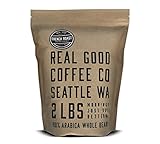
Best Dark Smooth
|
Bold without bitterness
|
Price on Amazon | |
|
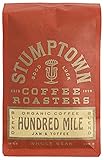
Best Specialty Smooth
|
Jam-toffee sweetness
|
Price on Amazon | |
|
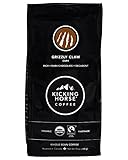
Best Cocoa Smooth
|
Chocolatey dark roast
|
Price on Amazon | |
|
Best Creamy Smooth

|
Creamy espresso blend
|
Price on Amazon | |
|
Best Morning Smooth

|
Gentle breakfast roast
|
Price on Amazon | |
|
Best Value Smooth

|
Balanced Colombian cup
|
Price on Amazon | |
|
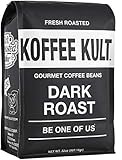
Best Artisan Smooth
|
Smooth small-batch roast
|
Price on Amazon |
What Makes Coffee Beans Taste Smooth?
Smooth coffee usually comes from a combination of bean origin, roast level, freshness, grind size, brewing method, and water quality. The beans matter a lot, but they are not the only factor. A smooth bean can still taste bitter if it is over-extracted. A balanced roast can taste sour if the grind is too coarse. A beautiful origin can taste flat if it is stale.
That said, some beans are naturally easier to brew smoothly than others. I usually look for:
- Medium roast or gentle medium-dark roast
- Low-to-medium acidity
- Natural sweetness
- Chocolate, caramel, cocoa, or nutty notes
- Clean finish
- No smoky, burnt aftertaste
- No sharp citrus bite
- Good body without heaviness
- Fresh whole-bean aroma
- Forgiving extraction
The smoothest beans are rarely the most extreme beans. I love adventurous coffees, but if I want a soft, easy cup, I usually reach for Colombian, Brazilian, Peruvian, Guatemalan, or mellow house blends. These beans often bring balance, sweetness, and body without pushing too hard in any one direction.
A smooth coffee should still taste like coffee. It should not be bland. The magic is in the roundness.
Best Roast Level for Smooth Coffee

For most people, medium roast is the best roast level for smooth coffee. Medium roast gives a balanced cup with sweetness, moderate body, and enough flavor clarity. It usually avoids the sharpness of some very light roasts and the bitterness of some very dark roasts. If you are trying to enjoy coffee, a black or medium roast is often the safest starting point.
Medium-dark roast is also excellent if you like a richer, rounder cup. It brings more chocolate, cocoa, caramel, and toasted nut depth. This roast level works especially well with milk, French press, moka pot, espresso-style drinks, and cold brew. The key is choosing a medium-dark roast that still looks dry or lightly satin-like rather than oily and burnt.
Dark roast can be smooth if it is carefully roasted, but it is risky. Many dark roasts taste bold but also smoky, bitter, or dry. If you like dark roast and want smoothness, look for dark chocolate, molasses, and roasted nut notes rather than smoke, ash, or char.
Light roast can be smooth when brewed well, but it is less forgiving. Many light roasts have lively acidity. That can be beautiful, but if your goal is mellow comfort, light roast may taste too sharp unless the bean is naturally sweet and the brew is carefully extracted.
Quick Comparison: Best Coffee Bean Styles for Smooth Coffee
| Bean Style | Best For | Typical Flavor | Why It Tastes Smooth | Example Pick |
|---|---|---|---|---|
| Colombian medium roast | Smooth everyday black coffee | Chocolate, caramel, mild fruit | Balanced sweetness and gentle acidity make it easy to drink daily. | Fresh Roasted Colombian Supremo |
| Brazilian medium roast | Low-acid smooth coffee | Chocolate, nuts, brown sugar | Naturally mellow body and nutty sweetness reduce sharpness. | Volcanica Brazil Coffee |
| Medium roast house blend | Balanced daily cups | Caramel, cocoa, almond | Designed to be rounded, consistent, and friendly across brew methods. | Intelligentsia House Blend |
| Low-acid medium roast | Gentle, soft coffee | Nutty, mellow, soft cocoa | Helps reduce sourness and aggressive brightness in the cup. | Lifeboost Low Acid Coffee |
| Medium-dark espresso blend | Smooth milk drinks | Chocolate, caramel, toasted nuts | Richer body works beautifully with milk while avoiding thinness. | Lavazza Super Crema |
My Favorite Bean Profile for Smooth Coffee
If I had to choose one bean profile for most smooth coffee drinkers, I would choose a medium roast Colombian or Brazilian coffee with chocolate, caramel, and nutty notes. That profile gives the cup a soft center. It has enough sweetness to drink black, enough body to feel satisfying, and enough balance to work in drip coffee, French press, AeroPress, and pour-over.
A bean-like, fresh-roasted Colombian Supremo fits the smooth daily coffee lane because Colombian coffee often brings an approachable middle ground. It usually has gentle fruit, cocoa, caramel, and a clean finish. It does not feel too wild, too sour, or too smoky.
If I wanted something even more mellow and nutty, I would look toward Brazilian beans like Volcanica Brazil Coffee. Brazilian coffees are often naturally chocolatey and lower in perceived acidity, which makes them very comfortable for people who want a soft cup.
For people who want the smoothest possible direction, Lifeboost Low Acid Coffee is the kind of low-acid option that makes sense when sharpness is the main complaint.
Best Coffee Beans for Smooth Black Coffee
Smooth black coffee needs beans that have sweetness without needing milk. This is where medium roasts shine. If the bean is too dark, black coffee can become bitter. If it is too light, it can taste sharp. A balanced medium roast gives the easiest path to a clean, soft cup.
For black coffee, I like flavor notes such as caramel, cocoa, almond, hazelnut, honey, brown sugar, milk chocolate, and mild apple. These notes suggest sweetness and balance. I usually avoid beans that strongly emphasize grapefruit, lemon, wine, smoke, or char if my goal is smoothness.
Colombian medium roast is one of the safest black coffee choices. Brazilian medium roast is even more mellow and nutty. Peruvian coffee can also be gentle and easy to drink.
A smooth black coffee should feel naturally rounded. You should be able to drink it without feeling like you need milk just to soften the edges.
Best Coffee Beans for Smooth Coffee with Milk
Milk naturally makes coffee smoother, but the bean still matters. A harsh, dark roast can still taste bitter under milk. A thin light roast can disappear. For smooth coffee with milk, I like medium-dark beans with chocolate, cocoa, caramel, hazelnut, toasted almond, and brown sugar notes.
A bean like Lavazza Super Crema works well for smooth milk drinks because it has body and sweetness without needing to be aggressively dark. It can make lattes, cappuccinos, flat whites, and café au lait taste creamy and balanced.
If you use oat milk, chocolatey and nutty beans work especially well. If you use almond milk, choose beans with more body because almond milk can make coffee feel thinner. If you use whole milk, medium-dark beans usually taste naturally sweet and rounded.
Smooth milk coffee should still taste like coffee. Milk should round the bean, not hide it completely.
Best Low-Acid Beans for Smooth Coffee

Low-acid beans are one of the easiest ways to make coffee taste smoother, especially if you dislike sourness or sharpness. But low acid does not mean flavorless. The best low-acid beans still taste rich, sweet, and aromatic.
Brazilian beans are a great natural low-acid direction because they often bring chocolate, nuts, and brown sugar. Colombian beans are balanced and easy. Peruvian beans are mellow and gentle. Dedicated low-acid coffees are useful when you want smoothness as the top priority.
Lifeboost Low Acid Coffee is a practical choice if sharpness bothers you. Volcanica Brazil coffee is another good direction if you want a naturally mellow origin with a chocolatey character.
Low-acid coffee should taste calm, not dull. If it tastes flat, the ratio may be too weak or the beans may be stale.
Best Beans for Smooth Drip Coffee
Drip coffee is one of the easiest ways to enjoy smooth beans, especially with paper filters. The filter keeps the cup cleaner, and a balanced medium roast can taste very soft and easy. For smooth drip coffee, I prefer medium-roast beans with caramel, cocoa, nutty, or mild fruit notes.
If your drip coffee tastes bitter, the grind may be too fine, the coffee may be too dark, or the warming plate may be cooking the brewed coffee. If it tastes sour, the grind may be too coarse or the machine may not be extracting enough.
A smooth drip bean should not need a complicated recipe. Use fresh beans, a medium grind, and a sensible ratio around 1:16. If you want a fuller cup, move slightly stronger to 1:15.
For daily drip, Colombian medium roast, Brazilian medium roast, and balanced house blends are hard to beat.
Best Beans for Smooth French Press Coffee
The French press gives coffee a body because it uses immersion and a metal filter. That can be wonderful for smoothness if the bean is right. It can also become muddy if the grind is too fine or the roast is too dark.
For a smooth French press, I like medium-roast or gentle medium-dark beans with chocolate, nuts, caramel, and brown sugar notes. Brazilian and Colombian coffees are excellent here because they provide body without harshness.
Use a coarse grind and avoid leaving the brewed coffee sitting in the press after plunging. Pour it into a mug or carafe so it stops extracting. Over-steeping can make even smooth beans taste bitter.
A smooth French press should feel round and plush, not gritty or heavy.
Best Beans for Smooth Pour-Over Coffee
Pour-over can make an incredibly smooth cup, but it is less forgiving than drip or French press. Because the method highlights clarity, the bean should have sweetness and balance. I like medium roast beans for smooth pour-over. Light roasts can be beautiful, but they may taste sharper if the extraction is not right.
For smooth pour-over, choose beans with honey, caramel, cocoa, almond, mild berry, or soft fruit notes. Avoid beans that are too dark because pour-over can make burnt notes feel thin and dry.
A Colombian or Guatemalan medium roast can be lovely for smooth pour-over. Brazilian coffee can also work if you want more nutty softness and less brightness.
If your pour-over tastes sour, grind finer or pour more slowly. If it tastes bitter, grind coarser or reduce agitation. Smooth pour-over is about balance, not just bean choice.
Best Beans for Smooth Cold Brew
Cold brew is naturally smooth because cold extraction reduces sharpness and emphasizes sweetness. But the bean still matters. For smooth cold brew, I like medium-dark beans with chocolate, caramel, cocoa, and nutty notes. Medium roast can also work if you want a cleaner, lighter cold brew.
Cold brew is especially good for people who dislike acidic hot coffee. A Brazilian or Colombian bean can make a soft, chocolatey batch. Low-acid beans can make it even gentler.
Use coarse grind, and do not oversteep. Many people think longer steeping always means stronger cold brew, but too much time can make the coffee taste woody or dull. A good starting point is 14 to 18 hours.
Smooth cold brew should taste sweet and rounded, not flat or stale.
Best Beans for Smooth Espresso
Smooth espresso needs sweetness, body, and controlled bitterness. Espresso magnifies everything, so a harsh bean becomes very harsh. For smooth espresso, I like medium or medium-dark beans with cocoa, toasted nuts, and brown sugar notes.
illy Classico Whole Bean is a good direction if you want polished classic espresso without heavy bitterness. Lavazza Super Crema works well if you want a smoother espresso blend that can also handle milk drinks.
If espresso tastes sour, grind finer or increase extraction. If it tastes bitter, grind coarser or shorten the yield. If it tastes hollow, check freshness.
Smooth espresso should be intense, but not sharp. Strong, but not rough.
Best Beans for Smooth Iced Coffee
Iced coffee can taste smooth if the bean has enough body and sweetness. Cold temperature mutes aroma, so a delicate bean can taste weak. For smooth iced coffee, I prefer medium or medium-dark beans with chocolate, caramel, and nutty notes.
If brewing hot coffee over ice, brew stronger than usual because ice dilutes the cup. If brewing cold brew, use a coarse grind and a strong ratio. If adding milk, choose medium-dark beans so the coffee does not disappear.
A smooth iced coffee should taste refreshing and full, not watery. If it tastes bitter, the hot brew may be over-extracted. If it tastes weak, the ratio may be too thin or the ice may be melting too fast.
Chocolatey beans are usually the safest iced-coffee choice.
Best Origins for Smooth Coffee Beans
Origin is one of the easiest ways to choose smooth beans. While every farm and roast is different, some origins are naturally more approachable.
Brazilian often gives chocolate, nuts, low acidity, and a soft body.
Colombia gives caramel, cocoa, mild fruit, and balance.
Peru often tastes mellow, gentle, and sweet.
Guatemala can bring chocolate, spice, and soft citrus sweetness.
Sumatra can be full-bodied and earthy, though sometimes heavier.
Ethiopian and Kenyan coffees can be beautiful, but they are often brighter. If you want smooth coffee and dislike acidity, choose them carefully or pick medium roasts with berry sweetness rather than sharp citrus notes.
For most people chasing smoothness, Brazil, Colombia, Peru, Guatemala, and balanced house blends are the easiest starting points.
Whole Bean vs. Ground Coffee for Smoothness

Whole beans are better for smooth coffee because fresh grinding improves aroma and lets you control grind size. Many harsh cups come from the wrong grind, not only the wrong beans.
If coffee tastes bitter, the grind may be too fine. If it tastes sour, the grind may be too coarse. If it tastes muddy, the grind may be uneven or too fine for the method. A burr grinder helps because it creates more consistent particles.
Pre-ground coffee can still work if it is fresh and matched to the brew method. Use a drip grind for drip machines, a coarse grind for a French press, a medium-fine grind for a moka pot, and a fine grind for espresso. But if you want the smoothest cup, whole beans give you more control.
Fresh grinding makes coffee smell sweeter before it even brews.
Best Grind Size for Smooth Coffee
Smoothness depends heavily on grind size. Even the smoothest beans can taste harsh if the grind does not match the brew method.
A simple guide:
- Drip coffee: medium grind
- Pour-over: medium to medium-fine
- French press: coarse grind
- Cold brew: coarse grind
- AeroPress: medium-fine to medium
- Moka pot: medium-fine
- Espresso: fine grind
If coffee tastes sour, grind slightly finer or increase extraction. If coffee tastes bitter, grind coarser or reduce brew time. If coffee tastes weak, use more coffee or a stronger ratio. If coffee tastes muddy, grind coarser or improve filter quality.
Smooth coffee is often one grind adjustment away.
Best Brewing Methods for Smooth Coffee

Some brewing methods naturally make smoother coffee. Cold brew is probably the smoothest because it reduces sharpness and emphasizes sweetness. Drip coffee with a paper filter is also smooth because it keeps the cup clean. AeroPress is smooth because it combines immersion with filtration. A French press can be smooth if the grind is coarse and the bean is not too dark. Pour-over can be smooth if extraction is controlled.
If smoothness is your main goal, I would start with:
- Cold brew for lowest sharpness
- Drip coffee for easy daily smoothness
- AeroPress for flexible, smooth cups
- French press for soft body
- Pour-over for clean sweetness
- Espresso with medium-dark beans for smooth intensity
The brewing method does not replace good beans, but it can help the beans show their softest side.
Best Coffee-to-Water Ratio for Smooth Coffee
A smooth cup should not be weak. Weak coffee often tastes thin and sour. Strong coffee can taste bitter if over-extracted. The goal is a balanced ratio.
For drip, pour-over, and French press, start around 1:16. For a fuller cup, try 1:15. For cold brew concentrate, use around 1:4 or 1:5, then dilute. For ready-to-drink cold brew, around 1:8 is a common starting point. For espresso, start around 1:2 and adjust by roast.
If coffee tastes harsh, do not only add more water. Look at grind, brew time, roast level, and freshness. Smoothness comes from balanced extraction, not dilution alone.
How to Avoid Bitter Coffee
Bitterness is one of the biggest enemies of smooth coffee. Some bitterness is normal and even pleasant, but harsh bitterness usually means something went wrong.
To avoid bitter coffee:
- Avoid very dark, smoky beans.
- Use fresh beans.
- Grind coarser if needed.
- Do not overbrew.
- Avoid leaving brewed coffee on heat.
- Use a clean machine.
- Use slightly cooler water for darker roasts.
- Do not use a too-fine grind for French press or drip.
If your coffee tastes bitter every time, try a medium roast Colombian or Brazilian bean. You may discover that coffee itself was not the problem—the roast and extraction were.
How to Avoid Sour Coffee
Sour coffee usually comes from under-extracted or very bright beans. If your coffee tastes sharp, tangy, or thin, it may need more extraction.
To avoid sour coffee:
- Choose medium or medium-dark beans.
- Grind a little finer.
- Use hotter water.
- Brew a little longer.
- Use the right ratio.
- Avoid very light citrusy beans at first.
- Make sure your coffee machine heats properly.
If you want smooth coffee, avoid starting with beans that emphasize lemon, grapefruit, or high acidity. Those flavors can be delicious, but they are not always the easiest path to smoothness.
My Personal Pick for Most Smooth Coffee Drinkers
My personal pick for the smoothest coffee drinkers would be a medium roast Colombian or Brazilian coffee. Colombian coffee gives balance, sweetness, and mild fruit. Brazilian coffee gives nutty chocolate softness and lower acidity. Both are easy to enjoy in many brewing methods.
If I wanted one smooth everyday bean, I would choose fresh-roasted Colombian Supremo. If I wanted a naturally mellow, nutty direction, I would choose Volcanica Brazil Coffee. If I wanted a balanced house blend, Intelligentsia House Blend would fit. If I wanted the gentlest low-acid option, Lifeboost Low Acid Coffee would make sense. If I wanted smooth milk drinks or espresso-style coffee, Lavazza Super Crema would be my pick.
The best smooth coffee bean is the one that lets you enjoy the cup without having to fight bitterness, sourness, or flatness.
Common Smooth Coffee Bean Mistakes
The first mistake is choosing beans that are too dark. Dark roast can be smooth, but very dark smoky beans often taste bitter.
The second mistake is choosing very bright light roasts when you dislike acidity. Light roast is not automatically smoother.
The third mistake is using stale beans. Stale coffee tastes flat, woody, and dull.
The fourth mistake is using the wrong grind size. The wrong grind can make smooth beans taste harsh.
The fifth mistake is brewing too long. More time does not always mean more flavor; sometimes it means more bitterness.
The sixth mistake is using bad-tasting water. Coffee is mostly water, so water quality matters.
The seventh mistake is assuming smooth coffee must be weak. The best smooth coffee is flavorful, just not harsh.
Final Thoughts: The Best Smooth Coffee Beans Should Be Soft, Sweet, and Still Flavorful
The best coffee beans for smooth coffee are beans that bring sweetness, body, and balance without harsh bitterness or sharp acidity. For most people, medium roast is the best sweet spot. It gives a rounded cup that works well with milk in drip coffee, French press, AeroPress, pour-over, and cold brew. Medium-dark roast is better if you want a richer body or milk drinks.
Choose beans with chocolate, caramel, cocoa, nuts, brown sugar, honey, or mild fruit notes. Start with Colombian, Brazilian, Peruvian, Guatemalan, or balanced house blends. Avoid very smoky dark roasts and very sharp light roasts if smoothness is your main goal.
Smooth coffee should not taste boring. It should taste calm, sweet, rounded, and easy to return to every day. When the bean, grind, water, and brew method line up, smooth coffee becomes the kind of cup you do not need to fix—you just enjoy it.
FAQ: Best Coffee Beans for Smooth Coffee
What coffee beans are best for smooth coffee?
The best coffee beans for smooth coffee are usually medium roast or gentle medium-dark beans with chocolate, caramel, cocoa, nutty, brown sugar, honey, or mild fruit notes.
What roast is smoothest?
Medium roast is usually the smoothest all-around roast because it balances sweetness, body, and acidity without the sharpness of some light roasts or the bitterness of many dark roasts.
Is low-acid coffee smoother?
Low-acid coffee often tastes smoother because it reduces sharpness and sourness. Brazilian, Colombian, Peruvian, and dedicated low-acid beans are good choices.
Is dark roast smooth?
Dark roast can be smooth if it is carefully roasted, but very dark smoky beans often taste bitter. A medium-dark roast is usually a safer, smoother choice.
What coffee beans are the smoothest for black coffee?
Colombian medium roast, Brazilian medium roast, Peruvian coffee, and balanced house blends are usually smooth for black coffee because they have sweetness and moderate acidity.
What beans are smoothest with milk?
Medium-dark beans with chocolate, caramel, cocoa, and toasted nut notes are smoothest with milk because they have enough body to stay present without tasting sharp.
What brewing method makes the smoothest coffee?
Cold brew is usually the smoothest method because it reduces sharpness. A drip coffee with a paper filter, an AeroPress, and a well-brewed French press can also make very smooth coffee.
Why does my coffee taste bitter?
Coffee tastes bitter when the beans are too dark, the grind is too fine, the brew time is too long, the water is too hot for the roast, or the coffee sits on heat too long.
Why does my coffee taste sour?
Coffee tastes sour when it is under-extracted, brewed with too coarse a grind, too cool water, too short a brew time, or beans that are too bright for your taste.
How do I make coffee smoother?
Use fresh medium roast beans, grind correctly for your brew method, use clean-tasting water, avoid over-extraction, and choose chocolatey or nutty low-acid beans if you dislike sharpness.


