
Best Coffee Beans for Jura Machines


OneHundredCoffee is reader-supported, and some products displayed may earn us an affiliate commission. Details
Jura machines are built for convenience, consistency, and that polished “press one button and get a proper drink” experience. Whether you use a Jura E8, S8, Z10, ENA, J8, GIGA, or another automatic model, the machine does a lot for you: it grinds, doses, brews, rinses, and often handles milk drinks with very little effort. But there is one thing the machine cannot fully fix for you: the beans.
The best coffee beans for Jura machines are usually fresh, low-oil, medium- or medium-dark roast whole beans with smooth flavor notes like chocolate, caramel, cocoa, toasted nuts, brown sugar, almond, hazelnut, or mild fruit. I would avoid very oily dark roasts for daily use because Jura machines have internal grinders and brew systems that are not as easy to deep-clean as a separate grinder. I would also avoid flavored beans because added flavoring oils can coat the grinder and hopper. If you want vanilla, caramel, or hazelnut flavor, it is much safer to add it after brewing.
As we discussed previously in our published article about Best Coffee Beans for Super-Automatic Espresso Machines, automatic machines need beans that taste good and behave well mechanically. Jura machines are excellent, but they still prefer beans that grind cleanly, extract easily, and do not leave greasy residue. For most Jura users, I would start with a smooth, medium-dark espresso blend if you drink cappuccino, latte, flat white, or macchiato. If you mostly drink black coffee, café crema, Americano, or long coffee, a balanced medium roast may taste cleaner.
Best Coffee Beans for Jura Machines — At a Glance
| Image | Product | Features | Price |
|---|---|---|---|
|
Best Jura Daily

|
Smooth crema blend
|
Price on Amazon | |
|
Best Arabica Pick

|
Clean medium roast
|
Price on Amazon | |
|
Best Crema Body

|
Rich espresso crema
|
Price on Amazon | |
|
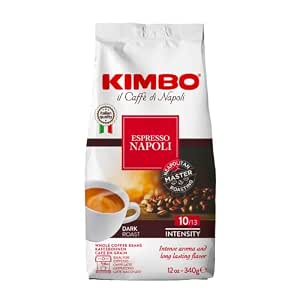
Best Italian Style
|
Classic Napoli espresso
|
Price on Amazon | |
|
Best Smooth Cup

|
Refined low-bitterness roast
|
Price on Amazon | |
|
Best Organic Espresso

|
Sweet espresso blend
|
Price on Amazon | |
|
Best Specialty Blend
|
Complex espresso profile
|
Price on Amazon | |
|
Best Bold Option

|
Full-bodied dark blend
|
Price on Amazon | |
|
Best Balanced Bean

|
Medium Italian roast
|
Price on Amazon | |
|
Best Light Office

|
Gentle organic roast
|
Price on Amazon |
What Makes Coffee Beans Good for Jura Machines?
Jura machines are fully automatic, so bean choice has to balance flavor and machine care. A bean may taste bold in a manual espresso setup, but if it is shiny, oily, or flavored, it may not be the best daily choice for a Jura hopper. The ideal Jura bean should grind smoothly, feed consistently, and extract well inside the machine’s automatic brew system.
Good Jura-friendly beans usually have the following:
- Low surface oil
- Medium or medium-dark roast level
- Smooth body
- Good crema potential
- Chocolate, caramel, cocoa, or nutty notes
- Low harsh bitterness
- Moderate acidity
- Enough strength for milk drinks
- Clean flavor in long coffee
- Consistent whole-bean quality
The first thing I check is the bean surface. If the beans look very shiny or greasy, I usually skip them for Jura machines. That surface oil can stick inside the hopper and grinder. It may not cause a problem immediately, but over time, it can make the machine less pleasant to maintain.
The second thing I check is roast level. Medium and medium-dark roasts are usually the safest. They are developed enough to taste rich but not so dark that they become oily or smoky. That middle zone is exactly where Jura machines tend to perform best.
Best Roast Level for Jura Machines
For most Jura owners, a medium-dark roast is the best starting point. It gives enough body for espresso and milk drinks, but it is usually safer than very dark, oily beans. Medium-dark beans often taste like chocolate, caramel, toasted nuts, cocoa, and brown sugar. Those notes work beautifully in cappuccino, latte, flat white, cortado-style drinks, and macchiato-style drinks.
Medium roast is better if you drink black coffee, café crema, Americano, or long coffee. Medium roasts usually have less surface oil and often taste smoother when brewed into a larger cup. They may bring caramel, almond, cocoa, honey, or mild fruit notes. If your Jura long coffee tastes bitter, switching from a dark roast to a medium roast can help a lot.
Dark roast can work, but only if it is not too oily. I would be careful with shiny beans, especially if you fill the hopper and use them daily. Dark roast can also become bitter in longer Jura drinks because too much water through a dark coffee puck can pull dry flavors.
Light roast is the hardest choice. Jura machines can brew light roast, but the result may taste sour or thin if the machine does not extract it fully. If you want to experiment with lighter beans, use a finer grind, higher strength, smaller volume, and higher temperature if your model allows it.
Quick Comparison: Best Coffee Bean Styles for Jura Machines
| Bean Style | Best For | Typical Flavor | Why It Works in Jura Machines | Example Pick |
|---|---|---|---|---|
| Low-oil medium-dark espresso blend | Cappuccino, latte, flat white | Chocolate, caramel, nuts | Strong enough for milk drinks while staying more grinder-friendly than oily dark roast. | Lavazza Super Crema |
| Classic medium espresso roast | Smooth espresso and coffee | Cocoa, toast, mild sweetness | Polished, consistent, and less aggressive than many very dark roasts. | illy Classico Whole Bean |
| Medium roast Colombian | Long coffee, café crema | Chocolate, caramel, mild fruit | Sweet and smooth in larger cups without heavy bitterness. | Fresh Roasted Colombian Supremo |
| Medium roast house blend | Daily black coffee | Caramel, cocoa, almond | Usually cleaner for long drinks and less oily for automatic grinders. | Intelligentsia House Blend |
| Organic espresso roast | Smooth milk drinks | Cocoa, syrup, gentle fruit | Gives body and sweetness without feeling overly heavy. | Kicking Horse Cliff Hanger Espresso |
My Favorite Bean Profile for Most Jura Owners
If I had to choose one bean profile for most Jura machines, I would choose a dry-surfaced medium-dark espresso blend with chocolate, caramel, and nutty sweetness. This profile works across the widest range of Jura drinks. It can make espresso taste rounded, cappuccino taste rich, latte taste coffee-forward, and flat white taste balanced.
A bean like Lavazza Super Crema fits this everyday Jura style because it has a smooth, creamy, espresso-friendly profile. It is strong enough for milk drinks but not as aggressive as many smoky dark roasts.
For a smoother classic cup, Illy Classico Whole Bean is a good direction. It is especially useful if your Jura espresso sometimes tastes too bitter with darker beans.
If you mostly drink long coffee, café crema, or Americano-style drinks, I would lean toward a medium roast like Fresh Roasted Colombian Supremo or Intelligentsia House Blend. Medium roasts often taste cleaner and less dry in longer drinks.
Best Beans for Jura Espresso

Jura espresso is convenient, but it is not the same as manually dialed-in espresso from a portafilter machine. The machine controls the dose, compression, pre-infusion, and brew path automatically. Because of that, the bean should be easy to extract and naturally balanced.
For Jura espresso, I like medium-dark beans with chocolate, cocoa, caramel, and toasted nut notes. These flavors usually come through well in automatic brewing. A very light roast may taste sour. A very dark roast may taste bitter. Medium-dark is the safer middle.
If your Jura espresso tastes weak, increase coffee strength, reduce shot volume, and adjust the grinder slightly finer if needed. If it tastes bitter, reduce the strength, increase the grind coarseness slightly, or use a smoother medium roast.
A good Jura espresso should taste compact, aromatic, and smooth. It may not have the same manual espresso texture, but with the right beans, it can still be deeply enjoyable.
Best Beans for Jura Cappuccino and Latte
Milk drinks are where Jura machines often shine. Cappuccino, latte macchiato, flat white, and café latte all need beans with enough body to stay noticeable through milk. A delicate medium roast may taste pleasant black but become too quiet after milk foam or steamed milk is added.
For Jura milk drinks, I like beans with chocolate, cocoa, caramel, hazelnut, brown sugar, and toasted almond notes. These flavors blend naturally with milk and make the drink taste creamy.
Lavazza Super Crema is a practical milk-drink bean because it has the body needed for cappuccinos and lattes. Kicking Horse Cliffhanger Espresso is another direction if you want an organic-style espresso bean with smoothness and body.
If your Jura latte tastes weak, increase coffee strength, reduce milk volume if possible, or choose a fuller-bodied medium-dark bean. Do not solve weak milk drinks by using greasy dark beans; that may create bitterness and grinder residue.
Best Beans for Jura Flat White

A flat white is one of the best Jura drinks when the bean is right. It uses less milk than a large latte, so the espresso flavor stays more visible. That means the bean should be smooth but still espresso-forward.
For a Jura flat white, I like medium-dark beans with chocolate, caramel, cocoa, and mild fruit. The bean needs enough body to stand up to milk but not so much bitterness that the smaller milk ratio exposes harshness.
If your flat white tastes too soft, increase coffee strength or use a bean with more cocoa and nutty depth. If it tastes bitter, use a smoother bean or reduce extraction intensity.
A good Jura flat white should taste silky, compact, and balanced. The milk should surround the coffee, not bury it.
Best Beans for Jura Long Coffee and Café Crema
Long coffee and café crema are different from espresso. They stretch the coffee into a larger cup, which means the bean needs to stay smooth over a longer extraction. Very dark roasts can taste dry and bitter in this setting.
For Jura long coffee, I prefer medium roasts with caramel, cocoa, almond, and mild fruit notes. These beans usually taste cleaner in larger cups than dark espresso roasts. Fresh Roasted Colombian Supremo is a good example of this smoother, longer-coffee direction.
If your Jura coffee tastes bitter in larger drinks, reduce the coffee volume or brew a shorter coffee and add hot water separately. This can taste cleaner than forcing too much water through one dose.
For black Jura drinks, medium roast often beats dark roast.
Best Low-Oil Beans for Jura Machines
Low-oil beans are one of the smartest habits for Jura owners. Look at the beans before pouring them into the hopper. If they are shiny, greasy, or oily, I would not use them as a daily bean. If they look dry, matte, or only lightly satin-like, they are usually safer.
Low oil does not mean weak. A medium-dark bean can taste rich and chocolatey without having a greasy surface. The visible oil on a bean often appears when roast development is pushed darker or when beans age after roasting.
Jura machines are premium machines, and they deserve beans that keep the grinder feeding cleanly. I would rather use a smooth, dry medium-dark bean every day than a very oily dark roast that tastes bold but leaves residue behind.
Beans to Avoid in Jura Machines

I would avoid three-bean types in Jura machines.
First, avoid very oily dark roasts for daily use. They can stick inside the hopper and grinder and may create a bitter cup.
Second, avoid flavored beans. Vanilla, caramel, hazelnut, and other flavored beans are often coated with oils or flavorings. These are not ideal for internal grinders. Add flavor after brewing instead.
Third, avoid very light roasts unless you enjoy experimenting with settings. Jura machines may under-extract them, making the cup sour or thin.
I would also avoid stale bulk beans. A Jura machine grinds fresh beans, but it cannot make old beans taste fresh. Freshness still matters.
Best Jura Settings for Different Beans
Jura machines usually let you adjust strength, grind, temperature, and drink volume. These settings matter a lot.
For medium-dark beans, start with medium-high strength, moderate temperature, and a normal espresso volume. For medium roast beans, try a slightly finer grind, higher strength, and higher temperature. For darker beans, use a slightly coarser grind and avoid overly long drink volumes.
A simple guide:
- Sour coffee: grind finer, increase strength, raise temperature, and reduce volume.
- Bitter coffee: grind coarser, reduce strength, lower volume, and use smoother beans.
- Weak milk drinks: increase strength, reduce milk, and choose fuller-bodied beans.
- Bitter long coffee: use a medium roast or brew shorter and add water separately.
Make small changes. Jura machines often need a few drinks before a grinder adjustment fully shows in the cup.
Whole Bean Freshness and Jura Hopper Habits

Jura machines make it easy to fill the hopper and forget about it. But beans sitting in the hopper lose aroma over time. If you drink coffee quickly, that is fine. If not, I prefer adding only enough beans for a day or two and keeping the rest sealed.
Store beans away from heat, air, light, and moisture. Avoid storing daily beans in the fridge because condensation can damage flavor. Fresh beans smell sweet and aromatic when ground. Stale beans smell flat and taste dull.
Freshness affects crema, aroma, and sweetness. If your Jura suddenly tastes weak or hollow, the beans may be aging.
Best Origins for Jura Machines
Brazilian beans work well in Jura machines because they often bring chocolate, nuts, body, and lower acidity. Colombian beans are balanced, sweet, and versatile. Guatemalan beans can bring chocolate, spice, and gentle citrus sweetness. Peruvian beans are mellow and easy-drinking.
Ethiopian and Kenyan beans can be beautiful, but if roasted lightly, they may taste sharp or sour in a Jura. If you want fruitier coffees, choose medium roast blends rather than very light single origins.
For most Jura users, Brazil, Colombia, Guatemala, Peru, and balanced espresso blends are the safest choices.
My Personal Pick for Most Jura Users
My personal pick for most Jura users would be a low-oil medium-dark espresso blend with chocolate, caramel, and nutty sweetness. It gives the best balance between flavor, milk-drink strength, and machine-friendliness.
If I wanted one daily bean for Jura cappuccinos, lattes, flat whites, and espressos, I would choose Lavazza Super Crema. If I wanted a smoother classic espresso, I would choose Illy Classico Whole Bean. If I mostly drank long coffee or café crema, I would choose fresh-roasted Colombian Supremo or Intelligentsia House Blend. If I wanted organic espresso-style sweetness, Kicking Horse Cliff Hanger Espresso would be a good direction.
The best Jura bean depends on your main drink. Milk drinks need a body. Long coffee needs smoothness. Espresso needs crema and sweetness. The machine needs low-oil beans.
Common Jura Bean Mistakes
The first mistake is using shiny, oily dark beans every day. They may taste strong, but they are not ideal for Jura grinders.
The second mistake is using flavored beans in the hopper. Flavoring oils can coat internal parts. Add syrup after brewing instead.
The third mistake is choosing very light roasts and expecting rich, automatic espresso. Many light roasts taste sour in super-automatic machines.
The fourth mistake is filling the hopper with too many beans. Beans lose aroma while sitting exposed.
The fifth mistake is using a long coffee button with very dark beans. This can create bitter, dry cups.
The sixth mistake is changing too many settings at once. Adjust one thing at a time.
The seventh mistake is blaming the machine before checking bean freshness. Old beans make even premium machines taste flat.
Final Thoughts: The Best Jura Beans Should Be Smooth, Fresh, and Low-Oil
The best coffee beans for Jura machines are fresh, smooth, low-oil whole beans that extract easily and taste good across automatic drinks. For most Jura owners, medium-dark espresso blends are the safest all-around choice because they give body, crema, chocolatey sweetness, and milk-drink strength. For long coffee and café crema, medium-roast beans often taste cleaner.
Avoid very oily beans, flavored beans, and stale beans. Use the machine settings thoughtfully. Add smaller amounts to the hopper more often. Choose beans that match your drink style.
A Jura machine can make excellent daily coffee when the beans are right. The secret is not choosing the darkest roast. It is choosing beans that grind cleanly, brew smoothly, and make your favorite drinks taste balanced every day.
FAQ: Best Coffee Beans for Jura Machines
What coffee beans are best for Jura machines?
The best coffee beans for Jura machines are fresh, medium, or medium-dark roast whole beans with low surface oil and smooth notes like chocolate, caramel, cocoa, toasted nuts, or brown sugar.
Should I avoid oily beans in a Jura machine?
Yes, very oily beans are best avoided for daily use because they can stick inside the hopper and grinder. Dry-looking medium or medium-dark beans are usually safer.
Can I use dark roast beans in a Jura machine?
You can use dark roast if the beans are not excessively oily, but medium-dark roast is usually safer. Very dark, shiny beans may taste bitter and create more residue.
Can I use light roast beans in a Jura machine?
Yes, but light roasts can taste sour or weak in many Jura machines because they are harder to extract. Medium roast is usually easier and more forgiving.
What beans are best for a Jura cappuccino?
Medium-dark beans with chocolate, caramel, cocoa, and nutty notes are best for a Jura cappuccino because they stay flavorful after milk foam is added.
What beans are best for a Jura latte?
Jura latte works best with smooth medium-dark espresso blends that have enough body to stay present through milk. Chocolate and caramel notes are especially good.
What beans are best for Jura lungo coffee?
Medium roast Colombian, Brazilian, or balanced house blends work well for long coffee because they stay smoother and less bitter in larger cups.
Can flavored beans go in a Jura machine?
It is better to avoid flavored beans because added flavoring oils can coat the grinder and hopper. Use regular beans and add syrup or flavoring after brewing.
Why does my Jura coffee taste weak?
Weak Jura coffee may come from stale beans, a too-coarse grind, a low-strength setting, too much milk, or a too-large drink volume. Use fresher beans, higher strength, and a smaller coffee volume.
Why does my Jura coffee taste bitter?
Bitterness can come from very dark, oily beans; a too-fine grind; high-strength settings; or too much water through the puck. Try smoother medium roast beans, a slightly coarser grind, and a shorter drink volume.


