
Ruby Grapefruit Sumac Espresso Fizz Recipe


OneHundredCoffee is reader-supported, and some products displayed may earn us an affiliate commission. Details.
Not every coffee soda needs to be sweet. This grapefruit sumac espresso fizz is built around a sharper, cleaner idea: espresso for depth, grapefruit for perfume, sumac for a tart red-fruit edge, and sparkling water for lift. The result is closer to a coffee aperitif than a syrupy iced drink, even though it stays completely approachable for a home kitchen.
I like this style when a regular iced latte feels too heavy. Grapefruit has enough bitterness to stand beside espresso, while sumac adds a dry, tangy note that keeps the citrus from tasting like breakfast juice. The drink should feel bright, cold, and slightly grown-up, with coffee arriving after the sparkle rather than sitting flat on top.
The main trick is restraint. Too much cordial turns the glass sticky, too much espresso makes the finish leathery, and too much stirring steals the fizz. Once the ratios are right, the recipe becomes quick enough for an afternoon reset but distinctive enough to serve as a signature One Hundred Coffee drink.
5 Coffee Bean Pairings at a Glance

- Light roast
- 12 oz whole-bean bag
- 100% Arabica coffee
- Espresso blend
- Balanced recipe partner
- Grapefruit-sumac fizz match

- Ethiopian Yirgacheffe
- 16 oz whole-bean bag
- Organic coffee
- Fresh-roasted beans
- Brighter flavor contrast
- Grapefruit-sumac fizz match

- Medium roast
- 24 oz whole-bean bag
- Citrus notes
- Dark chocolate notes
- Softer pairing profile
- Grapefruit-sumac fizz match
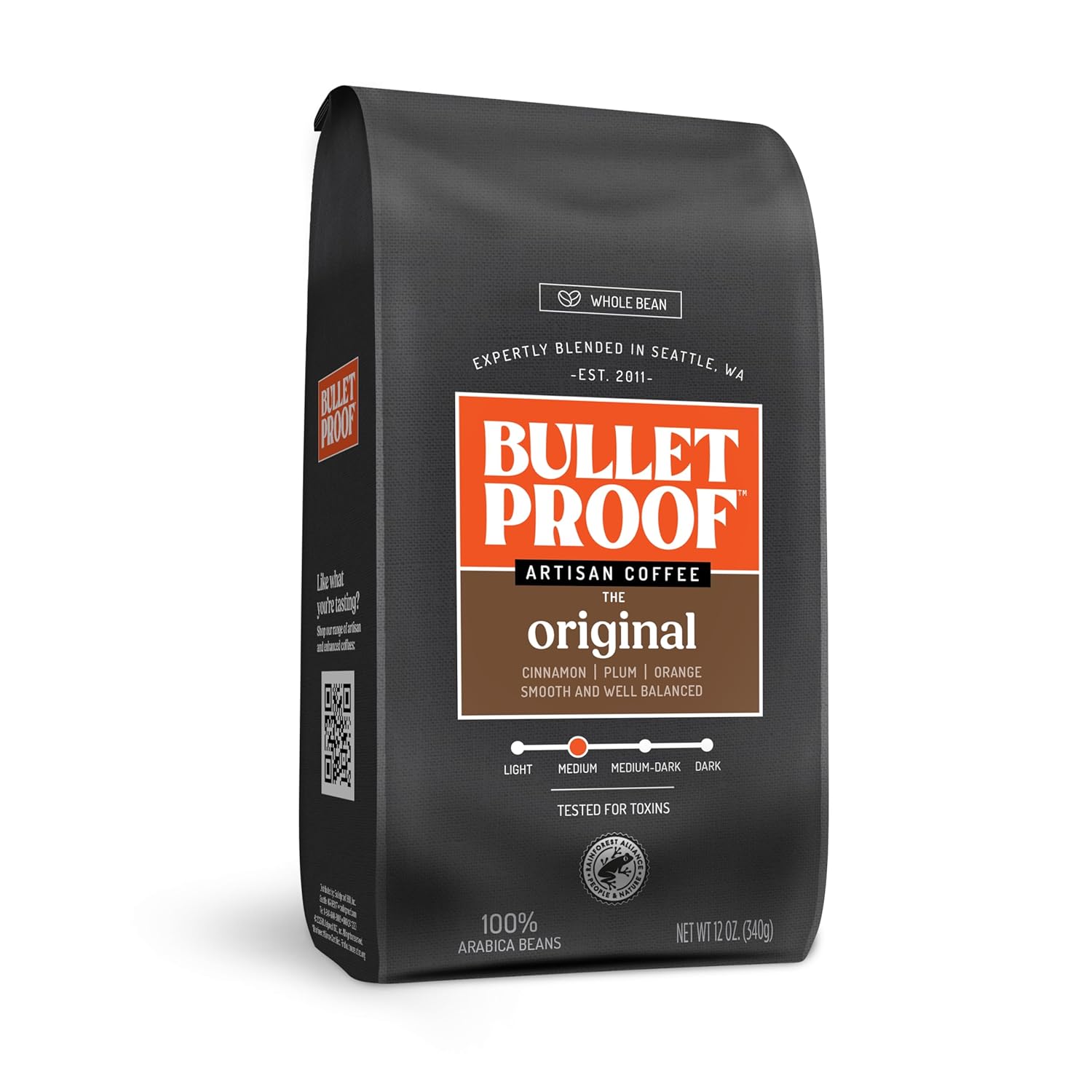
- Medium roast
- 12 oz whole-bean bag
- 100% Arabica coffee
- Smooth cup profile
- Deeper roast contrast
- Grapefruit-sumac fizz match
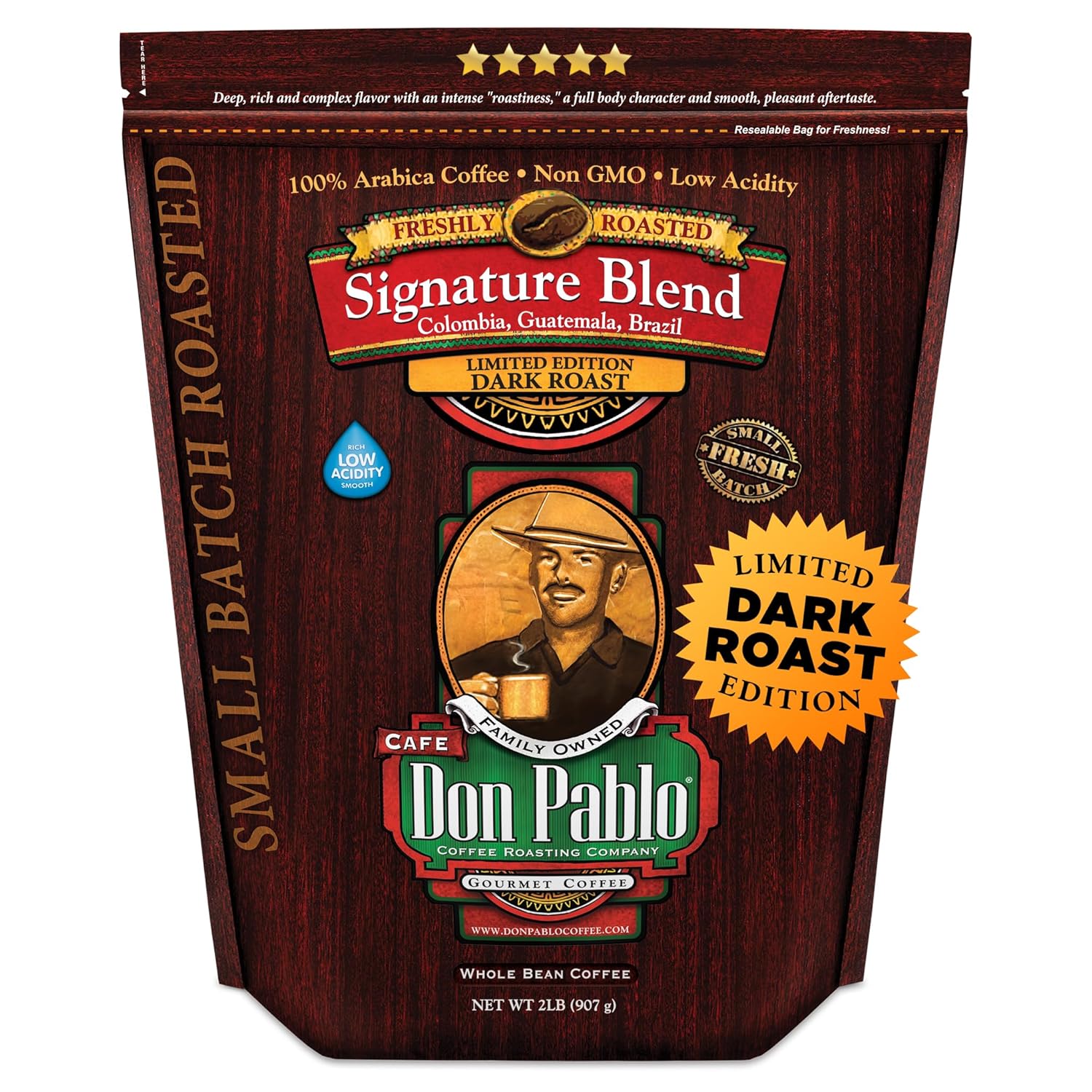
- Dark roast
- 2 lb whole-bean bag
- 100% Arabica coffee
- Non-GMO coffee
- Concentrated coffee option
- Grapefruit-sumac fizz match
Ruby Grapefruit Sumac Espresso Fizz Recipe Card
Ruby Grapefruit Sumac Espresso Fizz
A bright, dry, sparkling espresso drink with ruby grapefruit, sumac-salt syrup, chilled bubbles, and a clean citrus finish.
8 minutes
Serve immediately
1 tall glass
Citrus espresso fizz
Ingredients
- 1 double espresso, chilled for 2 minutes
- 1 1/2 tablespoons ruby grapefruit cordial
- 1/2 teaspoon sumac-salt syrup
- 4 to 5 ounces chilled sparkling water
- Large clear ice cubes
- 1 wide strip grapefruit peel
- Tiny pinch of ground sumac for the rim or surface
Instructions
- Chill the serving glass while brewing the espresso.
- Rub the grapefruit peel once around the rim, then drop the peel into the glass.
- Add grapefruit cordial and sumac-salt syrup to the bottom of the glass.
- Fill the glass three-quarters full with clear ice.
- Pour sparkling water slowly down the side of the glass.
- Float the cooled espresso over the ice.
- Stir once from the bottom, dust with a trace of sumac, and serve while the bubbles are lively.
Quick Tip
Keep the espresso cool but not old. A freshly pulled shot that rests briefly gives the drink depth without collapsing the bubbles.
Ingredient Purpose Notes
Espresso gives the recipe a clear reason to feel complete: it adds structure without making the recipe harder for a home cook. Keep it smooth and concentrated so the recipe tastes coffee-led without turning harsh.
I would not treat ruby grapefruit cordial as a background ingredient here: it makes the strongest flavor feel rounded rather than isolated. Fruit needs enough brightness to balance the roasted coffee note.
A measured amount of sumac-salt syrup helps the whole recipe stay focused: it supports the main flavor while leaving enough room for coffee to show through. Sweetness should round the edges, not flatten the more interesting notes.
With sparkling water, the recipe gains a useful kind of contrast: it gives the recipe a small but memorable signature.
Clear ice cubes are the detail that keeps the flavor from feeling generic: they shape aroma, texture, and finish instead of adding only sweetness.
The best use of grapefruit peel is controlled rather than heavy-handed: it connects the coffee element to the fruit, spice, grain, cream, or chocolate around it. Fruit needs enough brightness to balance the roasted coffee note.
Why Grapefruit and Sumac Make Sense With Espresso
Grapefruit already has the slight bitterness that coffee drinkers recognize, so it does not fight the espresso the way sweeter juices sometimes do. Ruby grapefruit also brings color and aroma, which helps the drink feel vivid before the first sip. Sumac adds a tart, almost berry-like dryness that pulls the citrus away from candy and closer to a balanced coffee spritz.
The espresso works best as a dark line through the middle of the drink. It should not dominate every sip. Instead, it gives the bubbles a roasted backbone and makes the grapefruit taste more complex. When the shot is smooth and concentrated, the citrus tastes cleaner rather than sour.
Building the Glass Without Losing the Fizz
Start with the syrup and cordial at the bottom because they need contact with the first pour of sparkling water. Pouring the bubbles slowly protects the carbonation and gives the cordial a chance to loosen without aggressive stirring. The espresso goes in last so it can sit in thin amber streaks before you mix the drink.
A single lift from the bottom with a bar spoon is enough. The drink will continue to settle as you sip. If you stir repeatedly, the bubbles flatten and the glass becomes ordinary citrus coffee instead of a true espresso fizz.
Coffee Choice and Roast Direction
A medium roast espresso with cocoa, caramel, or roasted almond notes is the safest choice. A very fruit-forward light roast can work, but it may double down on acidity and make the grapefruit seem sharper. A smoky dark roast is more difficult because it can make the sumac taste dusty.
If you only have cold brew concentrate, use about 2 ounces and reduce the sparkling water slightly. Cold brew makes the drink smoother and rounder, while espresso gives a tighter, more aromatic finish.
Make-Ahead Notes for the Cordial
The grapefruit cordial can be made ahead by combining fresh grapefruit juice, a little sugar, and a strip of peel until the flavor tastes bright but not syrup-heavy. Strain it well so the final drink stays clear. The sumac-salt syrup should be used sparingly; it is there to wake up the finish, not to make the drink taste salty.
Keep both components chilled. Warm syrup melts ice quickly, and melted ice is the fastest way to make a sparkling coffee drink taste dull.
How the Finished Drink Should Feel
The first sip should be cold, bubbly, and citrus-led. Espresso should appear as a roasted finish, not as a bitter wall. The sumac should be subtle enough that a guest may not name it immediately, but they should notice that the grapefruit tastes unusually lively.
This is a good drink for people who enjoy espresso tonic but want something more fruit-forward and less quinine-heavy. It also works well before brunch, after lunch, or anywhere a creamy coffee would feel too rich.
Step-by-Step Home Method Notes
The next move is to chill the serving glass while brewing the espresso. A controlled pour or fold makes the recipe feel polished rather than improvised.
Once the base is ready, rub the grapefruit peel once around the rim, then drop the peel into the glass. The final texture depends on patience more than force at this point.
From there, add grapefruit cordial and sumac-salt syrup to the bottom of the glass. This first step sets the texture and temperature before the stronger flavors arrive.
Near the end, fill the glass three-quarters full with clear ice. This stage is where aroma starts to build, so avoid aggressive mixing unless the method calls for it.
Finish by pouring sparkling water slowly down the side of the glass. The garnish or last addition should support the flavor instead of covering it.
Let the final step be to float the cooled espresso over the ice. Taking a moment here prevents the main ingredient from tasting rushed or uneven.
Begin by stirring once from the bottom, dust with a trace of sumac, and serve while the bubbles are lively. Small adjustments matter here because coffee can quickly move from balanced to bitter.
Home-Kitchen Planning Notes
A smoother result starts before the main mixing begins. For grapefruit sumac espresso fizz, chill the coffee, glass, bubbles, syrup, or cream before the final build whenever the recipe uses ice. Cold parts keep dilution slower and make the first sip taste vivid instead of watery. Prepare the flavored syrup, shrub, infusion, or reduction ahead, then build the drink only when you are ready to serve it.
The final assembly should feel light. Pour sparkling water, tonic, milk, or cream slowly, and do not stir more than the recipe needs. A good drink keeps its aroma on top, its coffee clear in the middle, and its sweetness controlled at the finish.
Flavor Variations

- Swap ruby grapefruit for pomelo when you want a softer citrus note.
- Add two crushed basil leaves for a garden-style aroma.
- Use decaf espresso for a late-afternoon version.
- Replace sparkling water with a dry tonic if you enjoy extra bitterness.
- Add one small drop of orange blossom water when serving it as a special occasion drink.
Troubleshooting the Recipe
If the drink tastes sour, the cordial needs either a touch more sugar or a less acidic espresso. If it tastes flat, express more grapefruit peel over the glass before adding extra syrup. If the bubbles disappear too quickly, the sparkling water or glass was probably not cold enough.
Best Coffee Direction for Grapefruit Sumac Espresso Fizz
Coffee concentration matters more than volume here. Sparkling recipes need coffee with enough body to remain present after bubbles and ice. Avoid harsh, smoky roasts because carbonation can make bitterness feel sharper.
Taste the 1 double espresso, chilled for 2 minutes before adding it. If the coffee tastes thin, burnt, or sour on its own, the recipe will not hide that flaw. Adjust strength first, then sweetness, then salt or spice. That order keeps the finished sparkling espresso drink clear and intentional.
Final Serving Impression
The best version lands with confidence, not excess. In grapefruit sumac espresso fizz, the important relationship is between espresso, ruby grapefruit cordial, sumac-salt syrup, and sparkling water. If those parts feel connected, the recipe tastes like a One Hundred Coffee original rather than a regular recipe with coffee added for novelty.
Serve it in the condition that flatters it most. Drinks should be cold, lively, and aromatic; baked recipes should be rested enough to slice cleanly; chilled desserts should be set but not numb from the refrigerator. That final bit of patience makes the flavor easier to appreciate.
FAQ
Can I use regular grapefruit juice?
Yes, but reduce the amount slightly and sweeten it first. Plain grapefruit juice can taste too sharp once espresso is added.
Does sumac make the drink spicy?
No. Sumac is tangy rather than hot, and in this recipe it gives the fizz a dry red-fruit edge.
Can I make it without espresso?
Cold brew concentrate works well. Use a concentrated coffee base so the flavor does not vanish behind the bubbles.
Should I shake this drink?
No. Shaking will flatten the sparkling water. Build it gently in the glass instead.
What glass works best?
A tall narrow glass keeps the carbonation feeling livelier and shows off the layered espresso


