
How to Make Cold Brew Coffee at Home


OneHundredCoffee is reader-supported, and some products displayed may earn us an affiliate commission. Details
If you want to know how to make cold brew coffee at home that actually tastes smooth, rich, and worth repeating, the good news is that it is much easier than people make it sound. The bad news is that cold brew is also one of those methods that quietly punishes vague measurements, stale beans, and lazy filtering. I say that with affection, because I have made all the classic mistakes myself: coffee grounds too fine; a brew that tasted like muddy chocolate water; concentrate so strong it felt aggressive; and one unforgettable batch that sat in the fridge just long enough to teach me that “I’ll strain it later” is not always a wise life philosophy. When cold brew is done well, though, it is one of the most satisfying things to keep in the fridge—easy mornings, easy iced coffee, easy afternoon pick-me-ups, and that calm feeling of having already done something smart for your future self.
And honestly, this method fits beautifully into the kind of practical coffee conversations we keep coming back to. As we talked about before in our Water for Coffee 101 guide, water and extraction quietly shape almost everything in the cup. Cold brew just changes the pace of that relationship. Instead of using heat to pull flavor out fast, you let time do the heavy lifting.
One reason so many people love cold brew is that it is often perceived as smoother, sweeter, and less acidic than hot coffee served over ice. That sensory difference has been studied directly, and the Specialty Coffee Association highlighted controlled research exploring exactly that claim.
Why does cold brew coffee taste different from regular iced coffee?

This is the first thing I like to clear up, because people use “cold brew” and “iced coffee” as if they mean the same thing, and they really do not.
Iced coffee is usually hot-brewed coffee that gets cooled down, poured over ice, or chilled in the fridge.
Cold brew is coffee brewed with cool or room-temperature water over a long steep, usually somewhere around 12 to 24 hours, depending on your grind, ratio, beans, and how concentrated you want it to be.
That difference changes the flavor in a very real way. Cold brew tends to come out rounder, lower in sharpness, and a little more chocolatey or mellow if you are using beans that already lean in that direction. It can still be vibrant. It can still be layered. But it usually does not hit with the same bright edge you might get from a hot pour-over or flash-chilled brew.
That is exactly why cold brew is so forgiving for casual drinkers and so addictive for coffee people. It is accessible, but it still rewards care.
What you need to make cold brew coffee at home
| Image | Product | Features | Price |
|---|---|---|---|
|
Best Compact Maker

|
Counter-friendly compact brewer
|
Price on Amazon | |
|
Best Glass Pitcher

|
Simple reusable mesh filter
|
Price on Amazon | |
|
Best Filter Pitcher

|
Borosilicate carafe and filter
|
Price on Amazon | |
|
Best Fast Brewer

|
10-minute cold brew
|
Price on Amazon | |
|
Best Fridge Pitcher

|
Airtight Tritan pitcher
|
Price on Amazon | |
|
Best Easy Electric

|
Coarse grind consistency
|
Price on Amazon | |
|
Best Manual Grinder

|
Precise hand grinding
|
Price on Amazon | |
|
Best Single Dose

|
36-step adjustment
|
Price on Amazon | |
|
Best Cold Brew Beans

|
Whole beans for cold brew
|
Price on Amazon | |
|
Best Bold Beans

|
Dark roast low-acid blend
|
Price on Amazon |
The nice thing about cold brew is that you do not need a complicated setup. You can make very good cold brew with a jar, a filter, and some patience. Still, a few tools make the whole process easier and cleaner.
Basic cold brew essentials
- Coarsely ground coffee
- Filtered water
- A large jar, pitcher, or cold brew brewer
- A strainer or filter
- A container for storing the finished brew
Gear that actually makes life easier
If you want the most straightforward “fill, steep, strain, pour” kind of setup, a dedicated brewer like the Takeya Deluxe Cold Brew Coffee Maker is popular for a reason: it is built as a compact pitcher-style brewer with a fine-mesh filter and a 1-quart capacity.
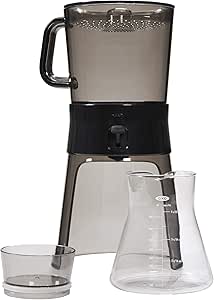
If you want something a little more deliberate and concentrate-focused, the OXO Brew Compact Cold Brew Coffee Maker is designed around a small-footprint brewing container that drains into a glass carafe and makes cold brew concentrate rather than ready-to-drink coffee.
And if you are still building your grinder setup, something like the Baratza Encore is a very sensible grinder to look at for home brewing in general, especially if you want more control over coarse grind settings for drip, French press, and cold brew.
The best coffee for cold brew at home

This is where people often overcomplicate things. You do not need a mythical “cold brew bean.” What you need is a coffee that tastes good when the brew is gentle, slow, and heavy on the body.
For cold brew, I usually reach for coffees that lean
- chocolatey
- nutty
- caramel-like
- low in sharp acidity
- medium or medium-dark roast
That does not mean light roasts cannot work. They can. But they are trickier. A very bright, citrusy coffee that sings in a V60 can taste oddly restrained or hollow in cold brew if the steep is not handled well. On the other hand, a bean with cocoa, toasted almond, or brown sugar notes tends to settle into cold brew beautifully.
If you want a convenient starting point, a bean like Lavazza Espresso Barista Gran Crema or a smooth medium roast from a trusted roaster usually lands in that easy-to-like zone.
Cold Brew vs Iced Coffee Gear Used at A Glance
| Image | Product | Features | Price |
|---|---|---|---|
|
Best classic concentrate

|
Ultra-smooth extraction
|
Price on Amazon | |
|
Best clean workflow
|
Switch-release filtration
|
Price on Amazon | |
|
Best simple pitcher
|
Fine mesh basket
|
Price on Amazon | |
|
Best flash-chill iced
|
Ice strainer cooling
|
Price on Amazon | |
|
Best big-batch value

|
Airtight pitcher lid
|
Price on Amazon | |
|
Best no-dilution chill

|
Rapid cooling core
|
Price on Amazon | |
|
Best grab-and-pour
|
Ready-made concentrate
|
Price on Amazon | |
|
Best cold-brew grind

|
Consistent coarse grind
|
Price on Amazon | |
|
Best slow-melt cubes

|
2-inch cubes
|
Price on Amazon | |
|
Best lidded stacking

|
Spill-proof lid
|
Price on Amazon |
Grind size matters more than people think.
If I had to pick one thing that separates “this is really nice” cold brew from “why is this so harsh and cloudy,” it would probably be grind size.
For cold brew, I strongly prefer a coarse grind. Think more of the French press range than the espresso range.
Why coarse grinding works better
- It slows the extraction and keeps the brew smoother
- It reduces sediment
- It makes filtering easier
- It lowers the risk of over-extracting bitter compounds
Fine grounds can technically make cold brew, but they tend to create a silty mess and push the brew toward muddiness. This is one of those times where a coffee that looks almost too coarse usually ends up being exactly right.
The best cold brew coffee ratio for beginners

There are two ways to make cold brew at home:
- Ready-to-drink cold brew
- Cold brew concentrate
Both are valid. The choice depends on how you want to use it.
My favorite beginner ratio for ready-to-drink cold brew
- 1:8 coffee-to-water by weight
That means:
- 100 grams of coffee
- 800 grams of water
This gives you a brew that is strong, flavorful, and very easy to pour over ice without always needing dilution.
My favorite ratio for concentrate
- 1:4 or 1:5 coffee-to-water by weight
That means:
- 100 grams of coffee
- 400 to 500 grams of water
This version is stronger and meant to be diluted later with water, milk, or ice.
Easy ratio table
| Style | Coffee | Water | Best For |
|---|---|---|---|
| Ready to drink | 100 g | 800 g | Pouring straight over ice |
| Light concentrate | 100 g | 500 g | Diluting 1:1 with water or milk |
| Strong concentrate | 100 g | 400 g | Bold iced coffee, milk drinks, small servings |
If you are brand new, start with 1:8. It is the most forgiving.
How to make cold brew coffee at home step-by-step

This is the exact approach I would recommend to almost anyone starting.
How to make cold brew coffee at home: a simple method
Ingredients
- 100 grams of coarsely ground coffee
- 800 grams of filtered water
Method
- Add your grounds to the brewer or jar.
Do not pack them down. Just let them sit naturally. - Pour in the water slowly.
Make sure all the grounds get wet. I like to pour in stages and give the brewer a gentle stir with a spoon or chopstick so there are no dry pockets hiding in the coffee bed. - Cover and steep.
Put it in the fridge or leave it at cool room temperature. My sweet spot is usually 14 to 18 hours for most medium roasts. - Strain thoroughly.
If you are using a brewer with a built-in filter, remove the filter basket and let it drain. If you are using a jar, pour through a fine-mesh strainer lined with a paper filter or cheesecloth. - Store in the fridge.
Transfer the finished cold brew into a clean bottle or pitcher. - Serve over ice.
Taste it first. If it feels too strong, dilute with a little water or milk.
That is it. No drama. No barista choreography. Just a slow brew and a careful strain.
Fridge steep or counter steep?
This gets asked a lot, and I have done both.
Fridge steaming
- Slower
- Cleaner feeling
- Easier to manage safely
- My personal default
Room-temperature steeping
- Slightly faster
- Sometimes a little fuller or bolder
- Better if your kitchen is cool, not hot
If your kitchen is warm, I would absolutely go with the fridge. It is easier, calmer, and more consistent.
How long should cold brew steep?
This is the part where people want a magical exact number, but the truth is that steep time depends on your grind, roast, and ratio.
General cold brew steep guide
- 10–12 hours: lighter body, softer flavor
- 14–18 hours: usually the sweet spot
- 20–24 hours: stronger, deeper, sometimes heavier
- Beyond 24 hours: often unnecessary and can get dull or woody
I personally think 16 hours is one of the best places to begin. It gives you a nice balance of body and smoothness without pushing too far.
The filtering step that changes everything

Cold brew can be deliciously silky, but it can also go cloudy and gritty if you rush the filtering.
If you only use a coarse metal mesh filter, you may still end up with a surprising amount of fine sediment. That may not ruin the drink, but it can make the last sip feel muddy.
My favorite filtering options
- Built-in fine mesh brewer for speed
- Fine mesh strainer plus paper filter for the cleanest result
- Cheesecloth for easy first-pass filtering
- Paper coffee filter for a polished final strain
If I am making a batch and want to feel especially clean and café-like, I strain it once through a mesh filter, then again through paper. It takes longer, but the texture payoff is real.
How to serve cold brew so it actually tastes great
This sounds obvious, but cold brew is not automatically good just because it is cold.
Best ways to serve it
- Over a lot of ice, if it is ready-to-drink
- Diluted with cold water if it is concentrated
- With milk or oat milk for a softer, rounder cup
- With a tiny splash of simple syrup if your beans are darker and more bitter than expected
My favorite everyday snack
- Cold brew concentrate
- Equal parts cold water
- Plenty of ice
- Small splash of milk
That is the glass I come back to most often because it still tastes like coffee, not dessert.
How long does cold brew last in the refrigerator
Homemade cold brew is not something I like to keep around forever. Freshness matters, even when the method is forgiving.
I usually think of it like this:
- Best flavor: first 3 to 5 days
- Still very usable: up to around a week
- After that: often flatter, duller, less aromatic
If you are storing whole beans for future batches, the National Coffee Association recommends waiting to grind until you need them and keeping coffee in an airtight container away from heat and light.
That advice matters here because cold brew can hide stale-bean problems for a little while, but it does not erase them.
Common cold brew mistakes and how to fix them

Why is my cold brew bitter?
Usually one of these:
- grounds too fine
- steep too long
- roast too dark for your taste
- too much coffee for the amount of water
Fix: Go coarser first. Then shorten the steep time.
Why is my cold brew weak?
Usually:
- Not enough coffee
- grind too coarse for too short a steep
- too much dilution after brewing
Fix: increase coffee dose or brew as a concentrate.
Why is it cloudy?
Usually:
- Poor filtration
- Too many fines from the grinder
- Stirring too aggressively before straining
Fix: filter twice, and use a more even grinder.
Why does it taste flat?
Usually:
- stale beans
- old brew sitting too long
- water quality issues
Fix: fresher beans, better water, smaller batches.
My personal cold brew formula after a lot of trial and error
If you put me in my kitchen and told me to make a batch I would actually want to drink all week, I would do this:
- 120 grams medium-roast coffee
- coarse grind
- 900 grams of filtered water
- Steep for 16 hours in the fridge
- filter carefully
- serve over ice, often with a bit of milk
That ratio gives me something between ready-to-drink and light concentrate, which is exactly where I like cold brew to live. I do not want it so strong that every glass needs math. I want it to be flexible.
Best gear upgrades if you end up loving cold brew

Cold brew is one of those things that starts as a casual experiment and then quietly becomes part of your weekly routine. If that happens, a few upgrades are genuinely worth it.
Gear worth considering
- A dedicated cold brew maker like the Takeya Deluxe Cold Brew Coffee Maker
- A concentrate-focused setup like the OXO Brew Compact Cold Brew Coffee Maker
- A better grinder, like the Baratza Encore
- Airtight storage bottles for keeping batches tidy and fresh
The main point is not to buy more gear for the sake of gear. It is to make the process easier, cleaner, and more repeatable.
Cold brew coffee at home is mostly about rhythm.
This is the part I really like about it. Cold brew is less performative than espresso, less hands-on than pour-over, and less fiddly than people assume. It slips into your life quietly. You grind, pour, wait, and strain, and then the next day your coffee is just… there for you. Done. Ready. Helpful.
And maybe that is part of why it becomes such a habit. It feels generous. It lets yesterday’s effort make tomorrow morning easier.
Once you get your grind, ratio, and steep time into a range that suits your taste, homemade cold brew stops feeling like a recipe and starts feeling like one of those smart little systems you are glad you built.
FAQ: How to make cold brew coffee at home
What is the best coffee-to-water ratio for cold brew?
For most beginners, 1:8 by weight is the easiest ready-to-drink starting point. If you want more concentration, move closer to 1:4 or 1:5.
Can I use pre-ground coffee for cold brew?
You can, but it is much better if the grind is coarse and reasonably fresh. Grinding right before brewing usually gives you a fuller, cleaner-tasting result, and the National Coffee Association recommends grinding only what you need for the freshest flavor.
How long should I steep cold-brew coffee?
A good starting range is 14 to 18 hours. If you want a lighter flavor, shorten it. If you want a stronger brew, go longer, but I rarely think going much beyond 24 hours improves things.
Should I make concentrate or ready-to-drink cold brew?
If you want flexibility, make a concentration. If you want grab-and-pour convenience, make ready-to-drink beverages. Most beginners are happier with ready-to-drink because it removes one more step.
Do I need a special cold brew maker?
No. A jar and a good filter can work perfectly well. Dedicated brewers just make the process cleaner and easier.
Why does cold brew taste smoother than regular iced coffee?
Cold brew is extracted without heat, and sensory research highlighted by the Specialty Coffee Association has explored the common perception that cold brew tastes sweeter and less acidic than iced coffee brewed hot.
Can I add milk to cold brew?
Absolutely. Cold brew with milk or oat milk is one of the easiest and most forgiving everyday coffee drinks you can make.
How long does homemade cold brew last?
For the best flavor, I would aim to drink it within 3 to 5 days, though many people stretch it to about a week if it is kept cold and sealed.


