
How to Make Maple Miso Espresso Crumb Cake at Home


OneHundredCoffee is reader-supported, and some products displayed may earn us an affiliate commission. Details.
Some coffee recipes work because they are simple; others work because the flavors move in layers. The maple miso espresso crumb cake is built to taste deliberate from the first bite. Coffee gives the recipe its deeper line, while the supporting flavors add the lift, creaminess, fruit, spice, crunch, or sweetness that makes the whole idea feel complete.
The signature concept is espresso-soaked maple crumb with white miso, brown butter, and a salted oat streusel. That combination gives this cake a clear identity. It should not taste like a normal recipe with coffee stirred in at the last second. It should taste as if the coffee was planned from the beginning, with the sweetness, salt, texture, and aroma all arranged around it.
I would make this when I want something more memorable than a basic coffee recipe but still realistic for a home kitchen. The method below keeps the steps controlled, uses accessible ingredients, and avoids the common problem of pushing coffee so hard that it turns bitter.
5 Coffee Bean Pairings at a Glance

- Medium espresso roast
- 2.2 lb whole-bean bag
- Espresso-focused blend
- Whole-bean format
- Balanced recipe partner
- Maple-miso cake match

- Light roast
- 12 oz whole-bean bag
- 100% Arabica coffee
- Espresso blend
- Brighter flavor contrast
- Maple-miso cake match
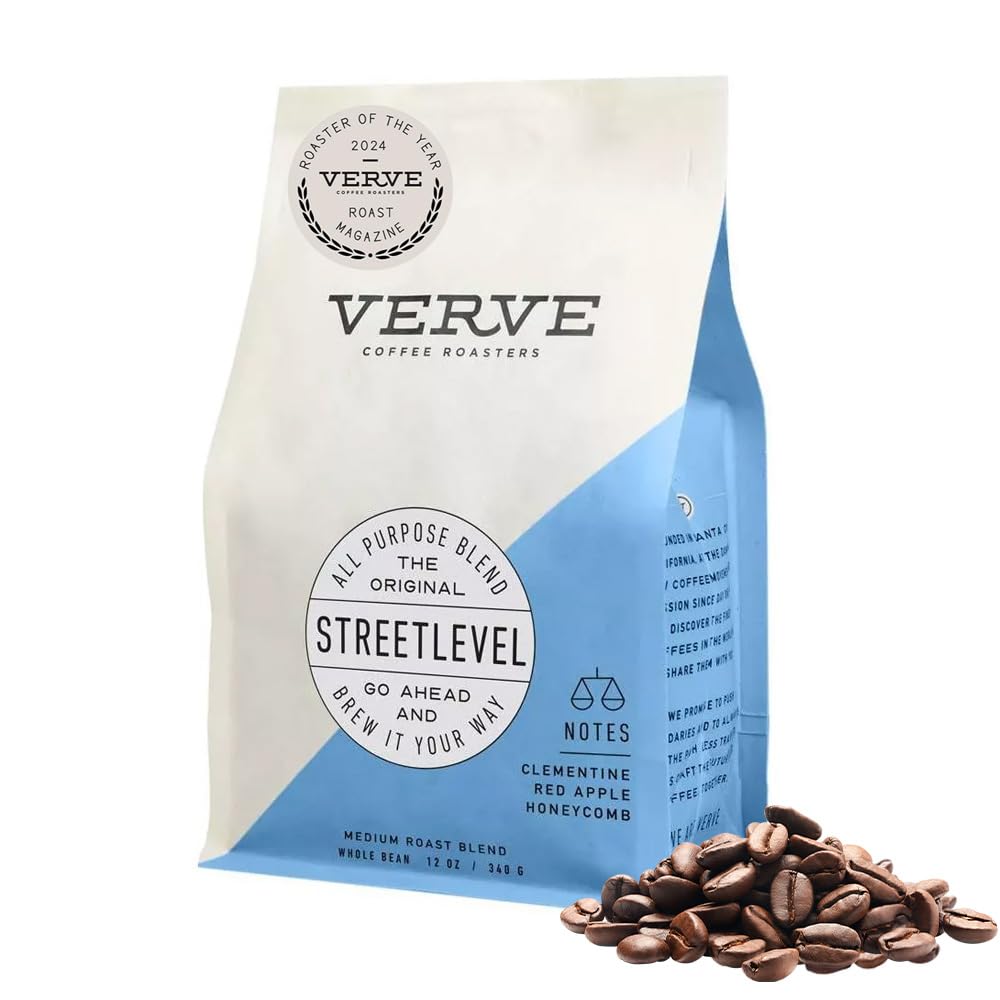
- Medium roast
- 12 oz whole-bean bag
- Clementine notes
- Red apple notes
- Softer pairing profile
- Maple-miso cake match

- Organic coffee blend
- 28 oz whole-bean bag
- Scandinavian Blend
- Smooth roast profile
- Deeper roast contrast
- Maple-miso cake match

- Dark French roast
- 2 lb whole-bean bag
- USDA organic coffee
- Fair Trade certified
- Concentrated coffee option
- Maple-miso cake match
Maple Miso Espresso Crumb Cake Recipe Card
Maple Miso Espresso Crumb Cake
A One Hundred Coffee signature recipe with a polished coffee-forward flavor, clear method, and balanced sweetness.
25 minutes
35 to 42 minutes
8 to 10 slices
Invented coffee cake
Ingredients
- 1 3/4 cups all-purpose flour
- 2 teaspoons baking powder
- 1/2 teaspoon fine sea salt
- 1/2 cup browned butter, cooled
- 2/3 cup maple sugar or brown sugar
- 2 large eggs
- 1/2 cup plain yogurt
- 2 tablespoons white miso
- 1/4 cup espresso
- 1 teaspoon vanilla extract
- 3/4 cup rolled oats
- 1/3 cup flour for streusel
- 3 tablespoons maple syrup
- 3 tablespoons cold butter for streusel
Instructions
- Heat the oven to 350°F and line an 8-inch square pan.
- Whisk flour, baking powder, and salt in one bowl.
- Rub oats, streusel flour, maple syrup, and cold butter together until crumbly.
- Whisk browned butter, sugar, miso, yogurt, eggs, espresso, and vanilla.
- Fold the dry ingredients into the wet mixture just until combined.
- Spread the batter into the pan and cover with the oat streusel.
- Bake until the crumb is golden and the center feels set.
- Cool for at least 25 minutes before cutting.
Quick Tip
Keep the coffee strong, smooth, and measured. Too little coffee disappears, while too much can make the recipe taste sharp or dry.
Why This Recipe Works
The maple miso espresso crumb cake works because it gives coffee a real role. Coffee can deepen chocolate, sharpen fruit, make honey and maple taste less flat, and give creamy recipes a more grown-up finish. In this recipe, the coffee is not only a flavor note. It is the part that connects the sweeter ingredients to the toasted, spiced, fruity, or creamy elements around them.
Balance matters more than intensity. A stronger coffee flavor is useful only when the texture can handle it. In a cake, too much liquid coffee can loosen the structure, while too much espresso powder can make the finish dry. The best version keeps the coffee concentrated, smooth, and properly placed. That way, the recipe tastes coffee-forward without becoming harsh.
The other reason this recipe feels finished is contrast. Soft needs crisp. Sweet needs salt. Creamy needs aroma. Fruit needs depth. Chocolate needs bitterness. Coffee naturally helps with many of those contrasts, but it still needs the right supporting ingredients. That is why the method uses measured sweetness, a small amount of salt, and a final garnish or texture rather than relying on sugar alone.
Ingredients You Need

- 1 3/4 cups all-purpose flour
- 2 teaspoons baking powder
- 1/2 teaspoon fine sea salt
- 1/2 cup browned butter, cooled
- 2/3 cup maple sugar or brown sugar
- 2 large eggs
- 1/2 cup plain yogurt
- 2 tablespoons white miso
- 1/4 cup espresso
- 1 teaspoon vanilla extract
- 3/4 cup rolled oats
- 1/3 cup flour for streusel
- 3 tablespoons maple syrup
- 3 tablespoons cold butter for streusel
The coffee choice is important. For this cake, I prefer a medium or medium-dark coffee with chocolate, caramel, brown sugar, toasted nuts, or gentle fruit notes. A very smoky roast can overwhelm the more delicate accents. A sharply acidic coffee can work in a bright drink, but in cakes and creamy desserts it can make the finish feel thinner than intended.
For cakes and baked coffee recipes, room-temperature eggs and dairy help the batter mix smoothly. Coffee should be cooled before it meets butter, eggs, or cream. If the coffee is too hot, it can loosen the batter, melt the fat unevenly, or make the finished crumb heavier than it should be.
Step-by-Step Method
Heat the oven to 350°F and line an 8-inch square pan. This step should be handled gently, because coffee cakes need enough structure to slice cleanly but still need a soft crumb.
Whisk flour, baking powder, and salt in one bowl. This step should be handled gently, because coffee cakes need enough structure to slice cleanly but still need a soft crumb.
Rub oats, streusel flour, maple syrup, and cold butter together until crumbly. This step should be handled gently, because coffee cakes need enough structure to slice cleanly but still need a soft crumb.
Whisk browned butter, sugar, miso, yogurt, eggs, espresso, and vanilla. This step should be handled gently, because coffee cakes need enough structure to slice cleanly but still need a soft crumb.
Fold the dry ingredients into the wet mixture just until combined. This step should be handled gently, because coffee cakes need enough structure to slice cleanly but still need a soft crumb.
Spread the batter into the pan and cover with the oat streusel. This step should be handled gently, because coffee cakes need enough structure to slice cleanly but still need a soft crumb.
Bake until the crumb is golden and the center feels set. This step should be handled gently, because coffee cakes need enough structure to slice cleanly but still need a soft crumb.
Cool for at least 25 minutes before cutting. This step should be handled gently, because coffee cakes need enough structure to slice cleanly but still need a soft crumb.
Coffee Balance Tips
Start with concentrated coffee rather than a large amount of ordinary brewed coffee. Concentration gives flavor without flooding the recipe with extra liquid. This is especially useful in batters, chilled fillings, creams, and blended drinks, where too much liquid changes the texture faster than it improves the flavor.
Taste the coffee before adding it. If it tastes burnt, thin, or sour by itself, those flaws will become more noticeable once sweetness and dairy are added. A smooth espresso, a small amount of strong brewed coffee, or a good cold brew concentrate gives the recipe a cleaner foundation.
Use salt carefully. A tiny pinch can make coffee taste rounder and reduce bitterness, especially with chocolate, caramel, maple, honey, fruit, sesame, rye, malt, or nuts. The goal is not to make the recipe salty. The goal is to make the sweetness and coffee feel more complete.
Texture and Timing
Let the cake cool before cutting. Coffee cakes can smell ready before the crumb has fully settled, and slicing too early can compress the structure. If the recipe includes a ribbon, syrup, fruit, or glaze, cooling also helps the layers stay cleaner.
A crumb topping should be mixed until it looks uneven and sandy with a few larger pieces. If it becomes a paste, it will bake into a hard layer instead of a pleasant crisp topping.
Flavor Variations

- Use decaf espresso or decaf cold brew for an evening-friendly version.
- Add a little vanilla when the coffee tastes strong but the aroma feels unfinished.
- Use maple syrup or brown sugar when the recipe needs a warmer finish.
- Add citrus zest when the recipe feels heavy or overly creamy.
- Use a pinch of salt when sweetness tastes flat.
- Make the coffee stronger before adding more of it, especially when texture matters.
Troubleshooting
If the flavor tastes flat, the recipe probably needs aroma, salt, or a more concentrated coffee base. Add only one adjustment at a time. A little vanilla, citrus peel, toasted spice, or salt can change the finish more effectively than another spoonful of sugar.
If the recipe tastes bitter, the coffee may be too dark, over-extracted, or added in a form that is too intense for the rest of the ingredients. Soften the next version with a smoother coffee, slightly more dairy or fat, and a smaller coffee dose. If the bitterness is minor, a tiny pinch of salt may be enough.
If the texture feels weak, look at the liquid balance. Coffee is flavorful, but it is still liquid. In a cake, too much can make the crumb damp. In a drink, too much regular brewed coffee can make the glass watery. In a dessert, too much can prevent a cream, filling, or pudding from setting properly.
Serving Suggestions
Serve this cake with black coffee, a small latte, or a simple brewed coffee that is not overly sweet. The cake already carries its own flavor architecture, so the drink beside it should support the crumb rather than compete with it. Slightly warm slices are cozy, but fully cooled slices show the layers more cleanly.
Final Taste
A well-made maple miso espresso crumb cake should taste layered, not random. The coffee should appear clearly, the supporting ingredients should feel intentional, and the finish should be balanced enough that you want another bite rather than just admiring the idea.
The best version is polished but not fussy. It gives One Hundred Coffee a signature recipe with a memorable flavor angle, a practical home method, and enough flexibility to adjust for sweetness, coffee strength, and serving style.
FAQ
Can I make maple miso espresso crumb cake with decaf coffee?
Yes. Decaf works well as long as it is brewed strong enough to remain noticeable after the other ingredients are added.
What coffee roast works best?
A smooth medium or medium-dark roast is usually the safest choice because it brings depth without overwhelming the recipe.
Can I reduce the sweetness?
Yes. Reduce the sweetener first, then use a tiny pinch of salt or a little more coffee aroma if the flavor feels flat.
Can I prepare it ahead?
You can prepare stable components ahead, but final assembly, foam, sparkling water, crunchy toppings, and delicate garnishes are best handled close to serving.
Why does the coffee taste too sharp?
The coffee may be over-extracted, too dark, or too concentrated for the recipe. Use a smoother brew or reduce the dose slightly.
Can I use cold brew instead of espresso?
Cold brew works well when you want a smoother finish. Espresso is better when the recipe needs a stronger coffee edge.
How do I make the recipe taste more coffee-forward?
Use a stronger coffee concentrate rather than simply adding more liquid coffee. That improves flavor without weakening the texture.


